What Oregon Gardeners Should Do With Summer Vegetable Beds As September Begins
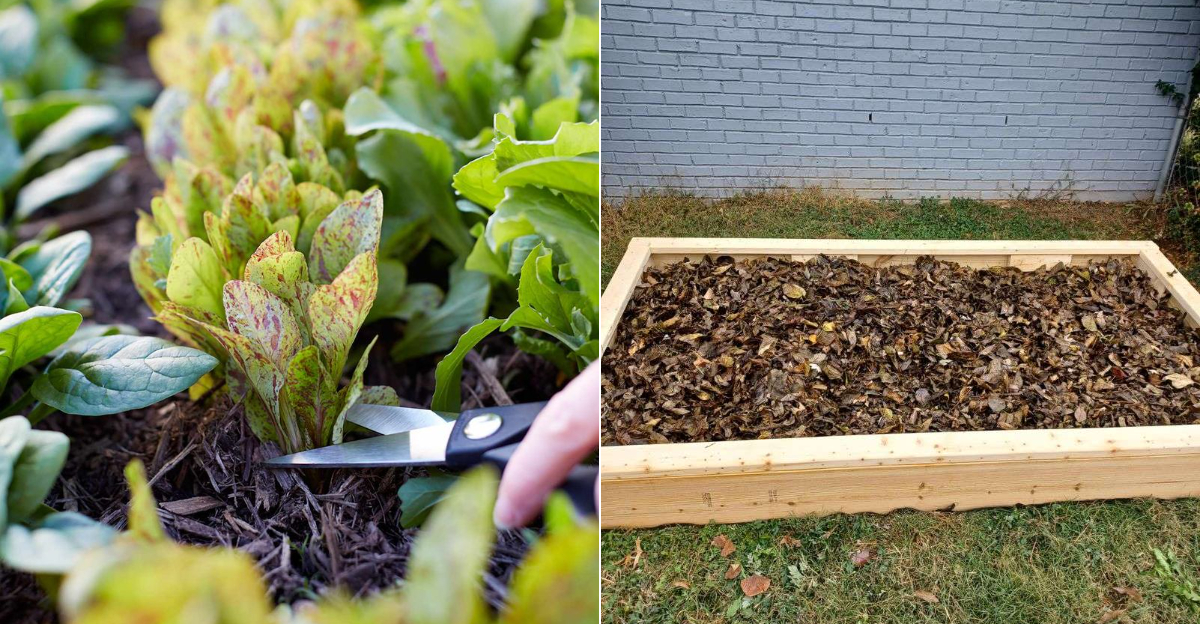
By the time September arrives, an Oregon vegetable bed can look like it has been through a very busy season.
Tomato vines sprawl, bean plants lean in every direction, and a few tired crops seem ready to clock out while others are still producing like nothing has changed.
This in-between stage can make cleanup surprisingly confusing. Some plants may still have life left in them, while empty patches and fading growth start making the beds look ready for something new.
Gardening loves giving mixed signals right when you want a simple answer. Cooler nights and shorter days also begin changing what makes sense in the vegetable patch.
Tasks that were useful during peak summer may no longer deserve the same attention, and rushing to clear everything can be just as unhelpful as ignoring the beds completely.
Early September is the perfect moment to take stock of what is still productive, what is finished, and what space could be put to better use.
A little smart housekeeping now can set the garden up for a much smoother seasonal transition.
1. Pull Out Plants That Have Clearly Finished Producing
Some plants just give you every last thing they have, and then they’re done. By early September, you’ll likely spot them easily.
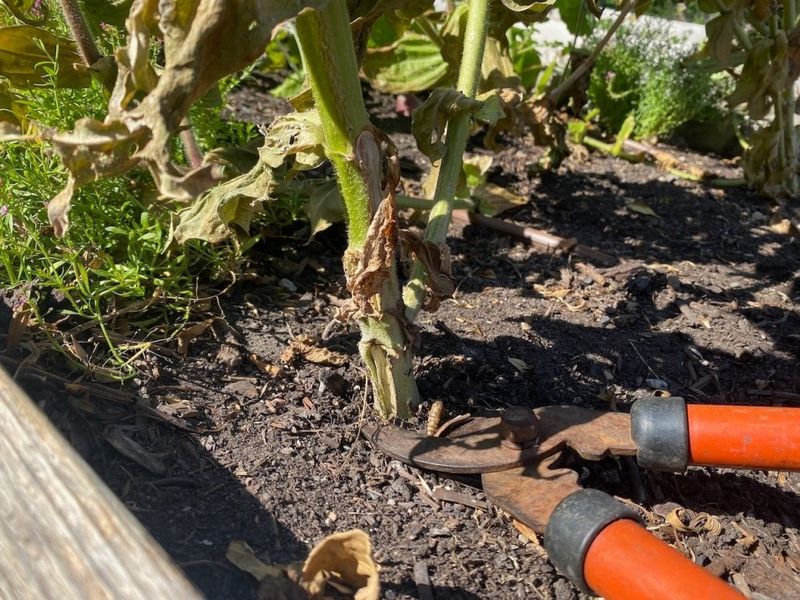
The leaves look yellow or brown, the stems feel dry and brittle, and there’s nothing new growing. Those plants have finished their job, and it’s time to clear them out.
Leaving spent plants in the ground is one of the most common mistakes home gardeners make. Old plant material can attract insects and harbor fungal problems.
Pulling them out promptly keeps your beds cleaner and healthier going into fall.
Start by pulling the whole plant, including the roots. Don’t just cut it at the soil line.
Roots left behind can rot slowly and create problems underground. Shake off any loose soil and toss the plant into a compost pile if it looks healthy.
If a plant looks sick or shows signs of disease, skip the compost bin entirely. Put it in your yard waste bin instead.
You don’t want any potential pathogens cycling back into your garden through finished compost.
Once the bed is cleared, take a moment to look at the soil. Notice how it smells and feels.
Healthy soil has a rich, earthy scent and a slightly crumbly texture. If it smells sour or looks compacted, that’s a sign it needs some attention before you plant again.
Clearing out finished plants is one of the most satisfying jobs in the fall garden. It gives you a fresh start and a clean space to work with.
2. Keep Harvesting Tomatoes, Peppers, And Beans Often
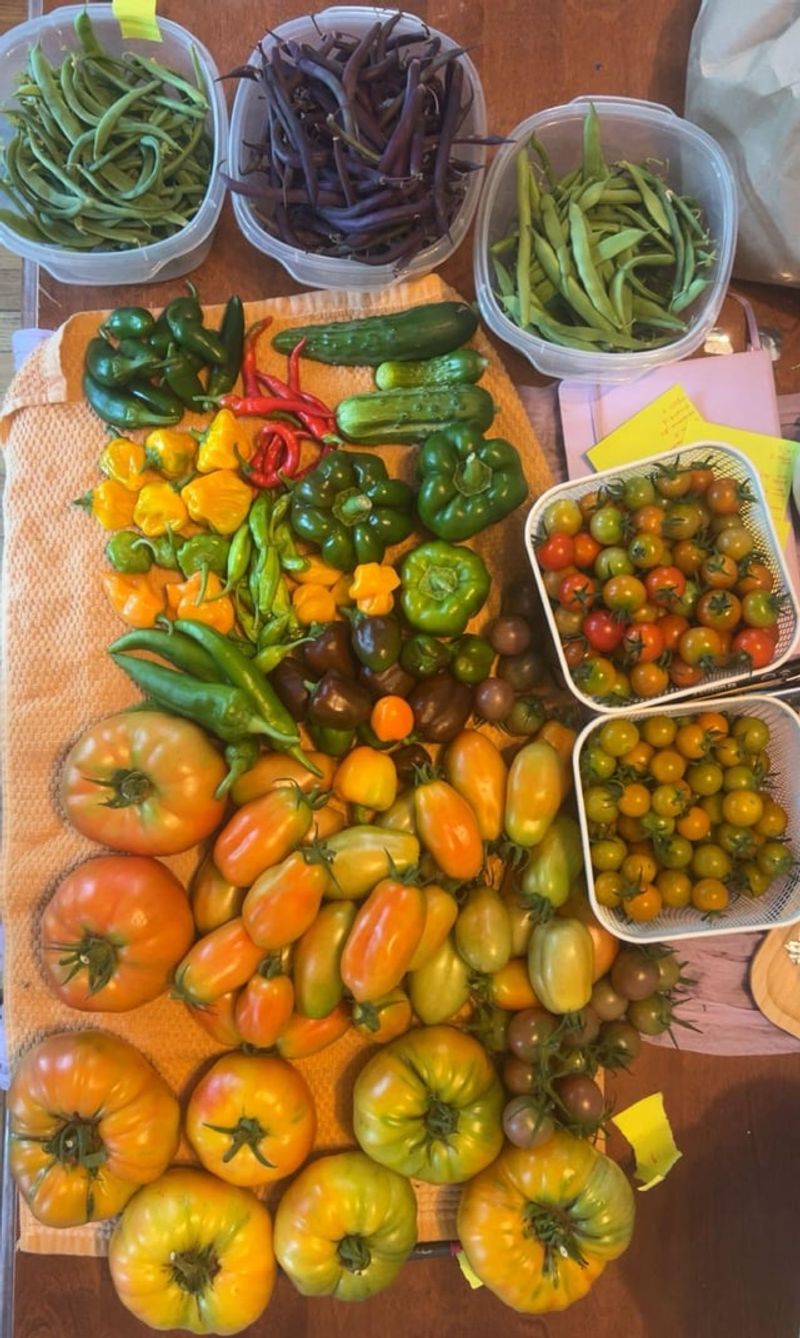
Frequent harvesting is one of the best things you can do for a productive garden in September.
When you pick vegetables regularly, the plant puts its energy into making more fruit instead of ripening what’s already there.
It sounds simple, but a lot of gardeners forget to check their plants every couple of days.
Your Oregon Garden Changes Every Week. Your Plan Should Too.
Gardening in Oregon changes quickly throughout the season. Every Friday you’ll receive a simple weekly plan showing exactly what to plant, prune, fertilize, harvest, and protect so you never miss the right timing.
Tomatoes are especially rewarding right now. Even if nights are getting cooler in Oregon, daytime temperatures in many parts of the Pacific Northwest are still warm enough for tomatoes to keep ripening.
Pick them as soon as they show full color. Leaving ripe fruit on the vine too long invites cracking and pests.
Peppers are another vegetable that benefits from regular picking. You can harvest them green or wait for them to turn red or orange.
Either way, removing ripe peppers encourages the plant to set more. A pepper plant left with too many ripe fruits on it will slow down production quickly.
Beans are fast movers in the garden. They go from perfect to overripe in just a few days.
Check bean plants every two to three days and snap off any pods that feel full and firm. If you let beans go to seed on the plant, production will drop significantly.
Making harvesting a regular habit in September pays off. You’ll get more food from the same plants, and your garden will stay tidier too.
Set a reminder if you need to. Even ten minutes every other day makes a real difference.
3. Remove Diseased Leaves Before They Hit The Soil
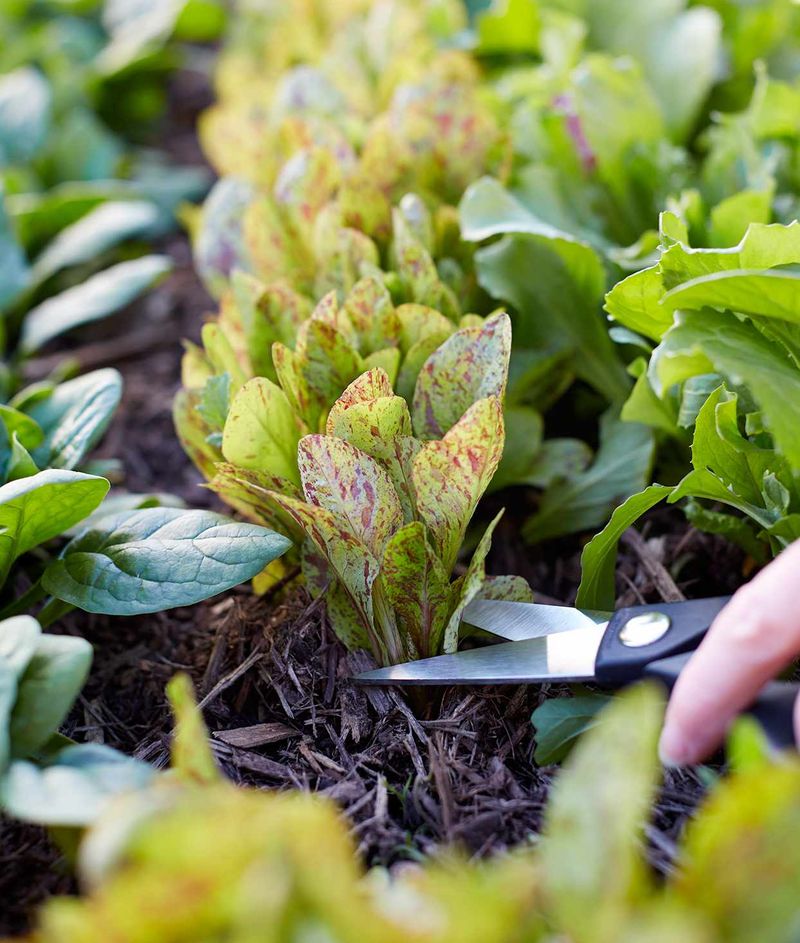
Fungal problems love the cool, damp conditions that start rolling in during September. One of the easiest ways to stay ahead of them is to remove diseased leaves before they fall on their own.
A leaf that drops to the soil becomes a source of spores that can spread to nearby plants fast.
Look for leaves that have dark spots, powdery white coating, or yellowing that doesn’t match normal aging. Early blight on tomatoes is very common this time of year.
It starts as small brown spots with yellow rings around them. If you see it, remove those leaves right away.
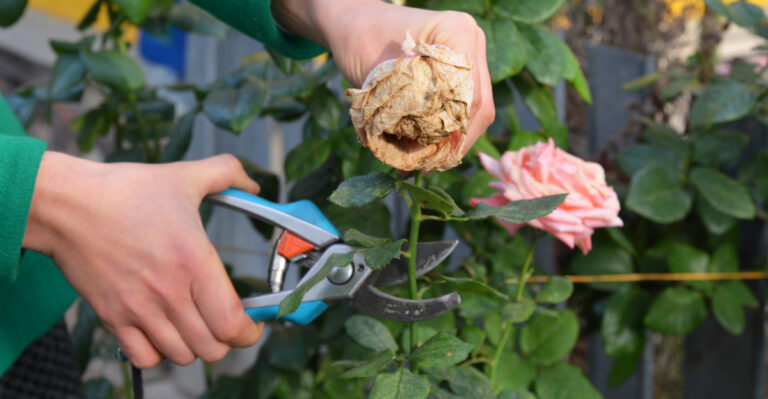
Always use clean hands or clean pruners when removing diseased leaves. Wiping your pruner blades with rubbing alcohol between cuts helps prevent spreading the problem from one plant to another.
It takes an extra minute but saves a lot of trouble later. Don’t compost diseased leaves. That’s one of the most important rules in fall garden cleanup.
Compost piles don’t always get hot enough to destroy fungal spores or bacteria. Bag those leaves and put them in the trash or yard waste bin.
After removing problem leaves, give the plant a little extra airflow by trimming any branches that are touching other plants. Better air circulation slows the spread of fungal disease significantly.
Even a small adjustment can help a struggling plant hold on longer and keep producing through the rest of the month. Staying on top of leaf removal is a small task with a big payoff.
4. Pick Up Fallen Fruit Before Pests Find It
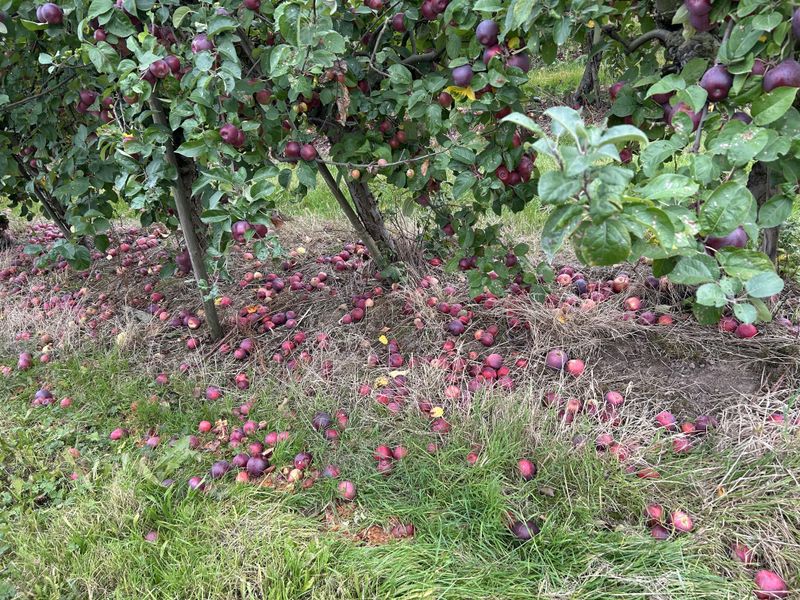
Fallen fruit is practically a welcome sign for garden pests. Slugs, earwigs, fruit flies, and yellow jackets all zero in on overripe or rotting produce lying on the ground.
If you’ve ever walked into your garden and found a tomato crawling with insects, you know exactly how fast this happens.
Make it a habit to walk your beds every day or two and look for anything that has dropped. Squash, zucchini, cucumbers, and tomatoes are the biggest offenders.
They ripen quickly and drop before you notice. A zucchini can go from perfect to overripe in just two days if you’re not watching.
Pick up everything you find, even if it looks too far gone to eat. Fruit that seems totally ruined on the outside might still have usable flesh inside.
Cut away the damaged parts and use what’s left in soups, sauces, or compost-ready scraps for your kitchen.
If the fruit is truly beyond saving, don’t leave it in an open compost bin near the garden. Rotting produce in an uncovered bin will attract more pests than it repels.
A closed compost bin or yard waste bag is a better option for heavily damaged fruit.
Keeping the ground clean under your plants also makes it easier to spot new pest activity. When the soil is clear, you’ll notice slug trails, insect clusters, or other warning signs much faster.
A tidy garden bed is a healthier one, and September is the perfect time to get serious about it.
5. Clear Space For Cool-Season Vegetables
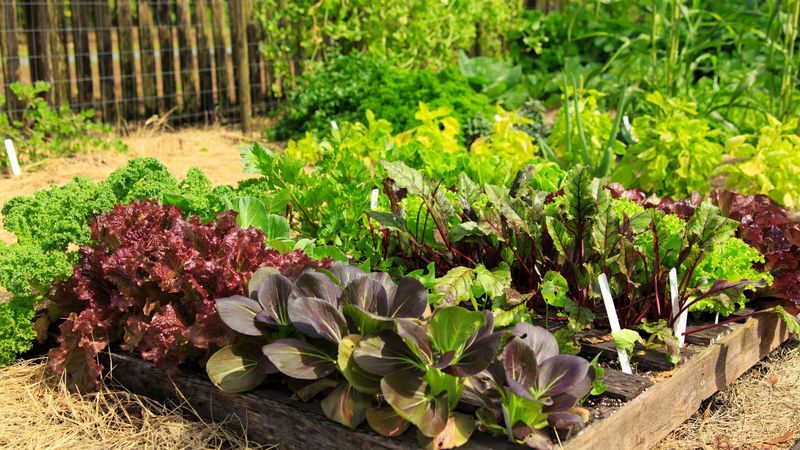
Fall vegetables need room to grow, and that room doesn’t appear on its own. Once your summer crops start winding down, start thinking about what you want to grow next.
Cool-season vegetables like broccoli, cabbage, kale, and cauliflower do best when they go in the ground in September.
The key is timing. Cool-season crops need enough warm days to get established before cold weather really sets in.
In much of Oregon’s Willamette Valley, September still offers decent growing conditions. But you have to act before the window closes.
Begin by deciding which beds will transition to fall crops first. If you have multiple beds, you don’t have to clear them all at once.
Work in stages. Pull out one bed’s worth of summer plants, prep the soil, and get transplants or seeds in the ground before moving to the next bed.
Spacing matters with fall crops. Broccoli and cabbage need more room than many people expect.
Crowding them leads to smaller heads and more disease pressure. Check the spacing recommendations on your seed packet or transplant tag and follow them closely.
If you’ve been growing the same type of vegetable in the same spot all summer, try rotating your crops.
Planting a different plant family in that space reduces the buildup of soil-borne problems. For example, follow tomatoes with leafy greens, or follow beans with a brassica like kale.
Clearing space now gives fall crops the best possible start and keeps your garden productive well into November.
6. Add Compost Where Summer Crops Are Coming Out
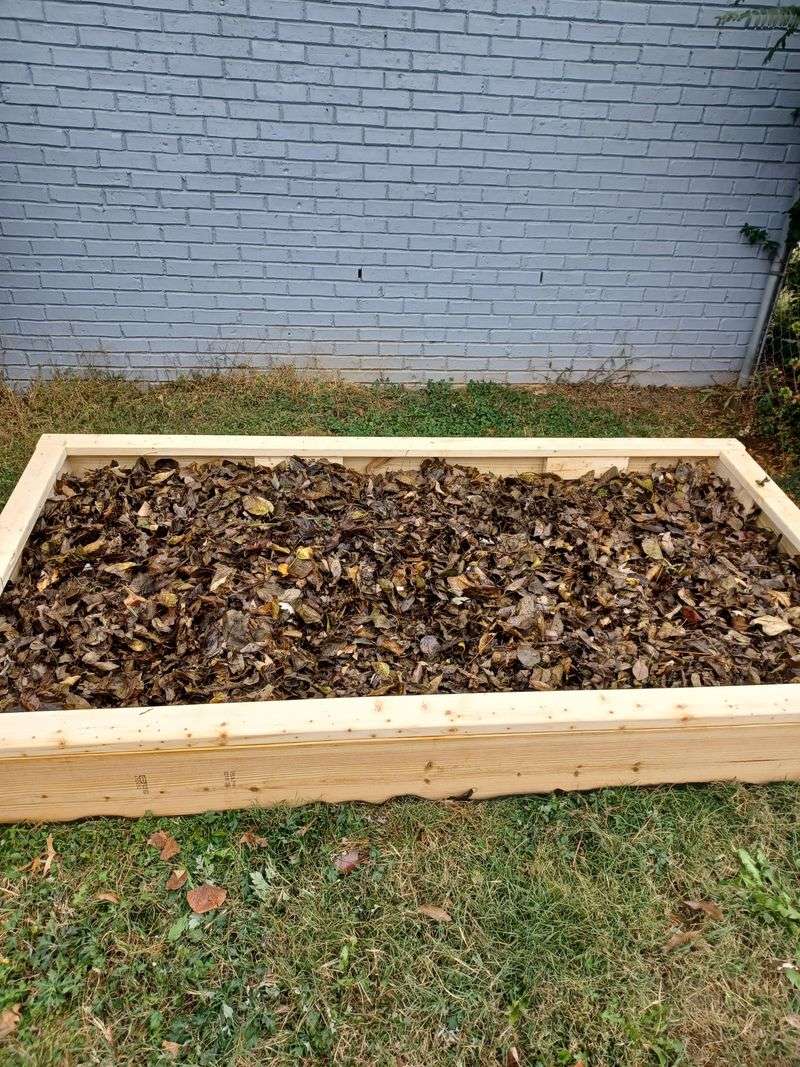
After a long summer of growing, your garden soil has given a lot. Vegetables are heavy feeders.
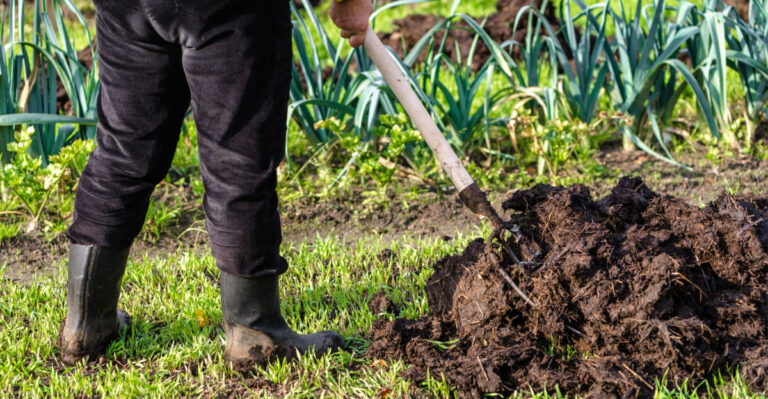
They pull nutrients out of the soil all season long, and by September, many beds are running low on the good stuff. Adding compost is the fastest and most natural way to recharge the soil before fall planting.
Good compost does more than just add nutrients. It improves soil texture, helps with drainage, and feeds the microbes that keep soil healthy.
A two to three inch layer worked into the top few inches of soil can make a noticeable difference in how well your fall crops grow.
You don’t need to buy expensive bags from the store if you have a compost pile at home. Finished homemade compost works just as well as anything you’d find at a garden center.
The key word is finished. Compost that isn’t fully broken down can actually pull nitrogen out of the soil as it continues to decompose.
If you don’t have homemade compost ready, look for bagged options labeled as aged or finished compost.
Worm castings are another excellent choice and are especially gentle on seedlings and transplants. Spread compost right after pulling out spent plants. Don’t wait too long.
The soil benefits from having time to absorb and integrate the organic matter before you plant again. Even a few days of rest after adding compost can help.
Feeding your soil in fall is one of the smartest investments you can make for next spring’s garden too.
7. Keep Watering Beds That Are Still Producing
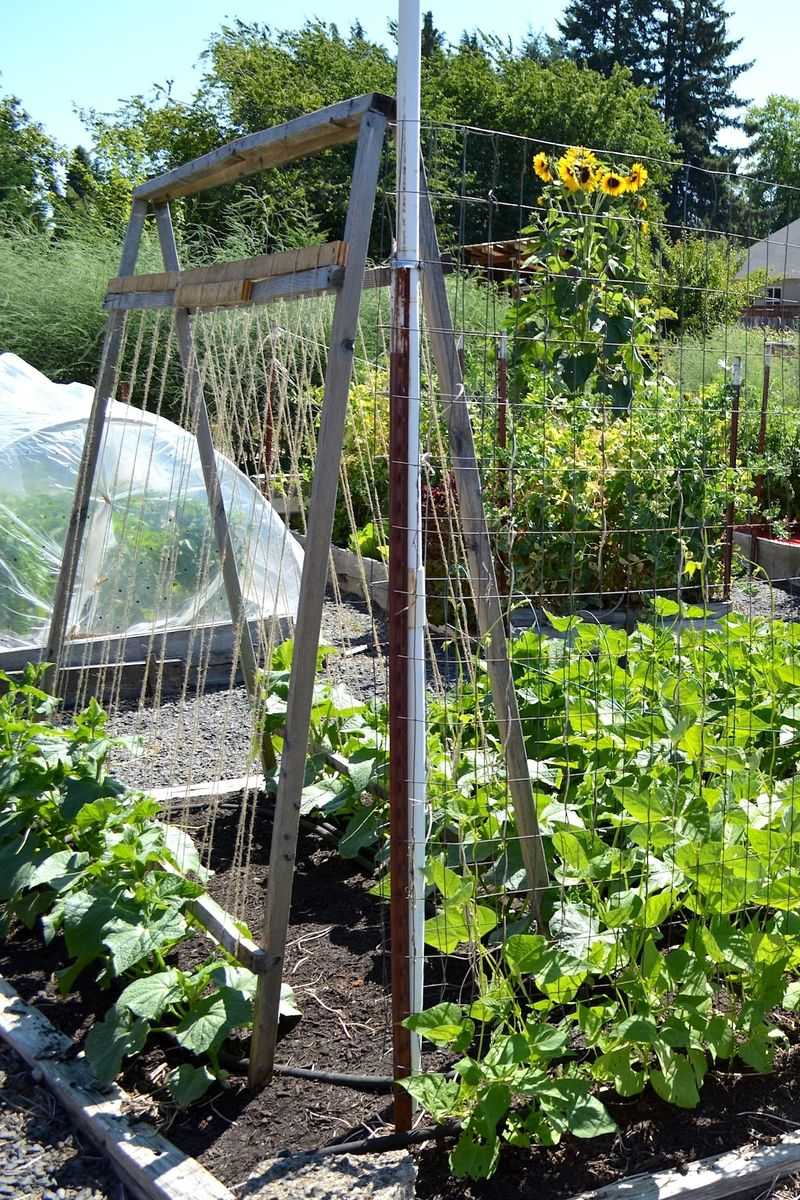
September in the Pacific Northwest can be deceptively dry. The rain hasn’t really started yet, and the soil in your garden beds can dry out faster than you’d expect.
Plants that are still producing fruit absolutely need consistent water to keep going strong through the rest of the month.
Inconsistent watering causes a lot of problems. Tomatoes that go through dry spells followed by heavy watering are prone to blossom end rot and fruit cracking.
Peppers drop their flowers when they get too stressed. Beans get tough and stringy when moisture levels fluctuate too much.
Check your soil moisture before watering rather than watering on a fixed schedule. Stick your finger about two inches into the soil.
If it feels dry at that depth, it’s time to water. If it still feels slightly moist, you can wait another day.
Watering deeply and less often is better than shallow watering every day. Deep watering encourages roots to grow further down into the soil, which makes plants more resilient overall. Aim for water to reach at least six inches deep each time you water.
Morning is the best time to water. It gives leaves time to dry before evening, which reduces the risk of fungal problems.
Evening watering leaves moisture sitting on leaves overnight, which is exactly the kind of condition that encourages mildew and other diseases.
Don’t write off your still-producing plants just because fall is approaching. With steady water and a little attention, many of them will keep giving you food well into October.
8. Plant Spinach, Lettuce, And Other Fall Greens
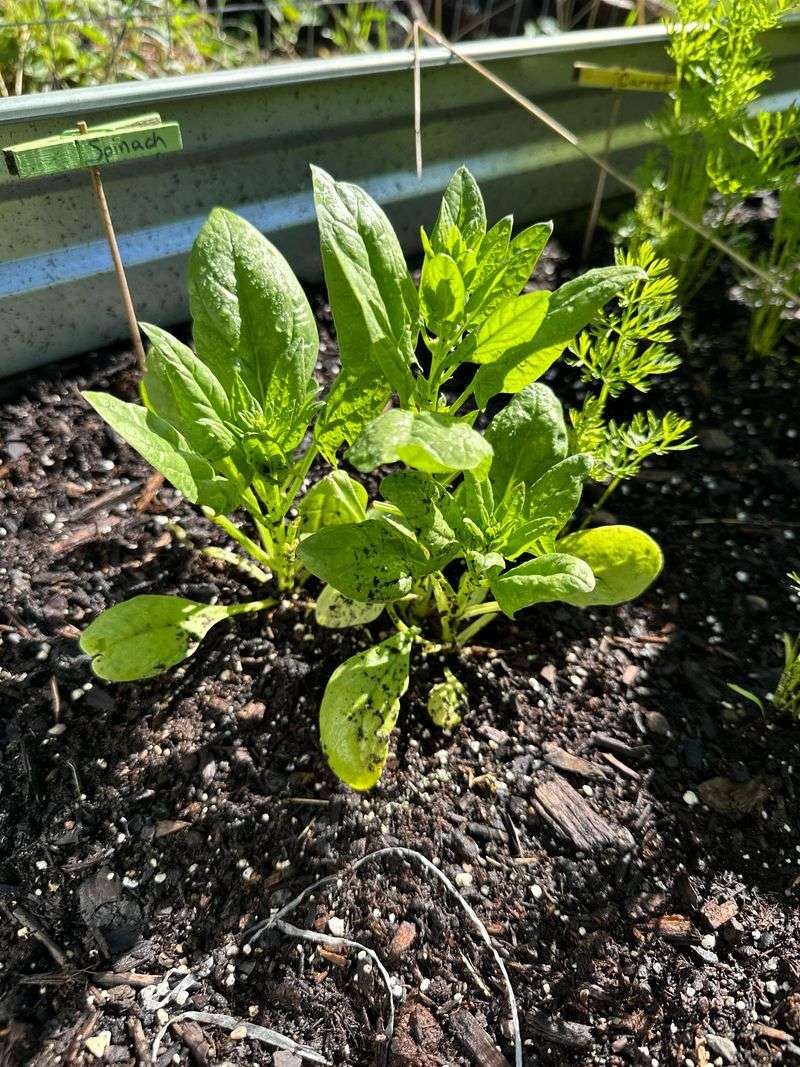
Few things are more satisfying than a fresh salad in October grown from seeds you put in the ground yourself. Spinach, lettuce, arugula, and other leafy greens are perfectly suited for fall planting.
They actually prefer cooler temperatures and will grow faster and taste better once the heat of summer fades.
Early September is a sweet spot for planting fall greens in many parts of the region. The soil is still warm from summer, which helps seeds germinate quickly.
Once the seedlings are up and growing, they can handle the cooler temperatures that come later in fall without much trouble.
Direct sowing works well for most leafy greens. Scatter seeds thinly over prepared soil, press them in gently, and water carefully.
Keep the soil consistently moist until germination happens. Dry soil during germination is one of the top reasons seeds fail to sprout.
Lettuce comes in so many varieties that it’s fun to experiment. Loose-leaf types tend to mature faster than head lettuce.
If you want a continuous harvest, try planting a new small patch every two weeks through mid-September. That way you’ll have fresh greens coming in at different times.
Spinach is incredibly cold-hardy and can handle light frost with ease. It’s a great option for gardeners who want to stretch their harvest into November and even December with a little protection.
A simple row cover or cold frame can extend the season significantly.
Getting greens in the ground now means fresh food on your table long after summer is officially over.
9. Cover Bare Soil Instead Of Leaving It Empty
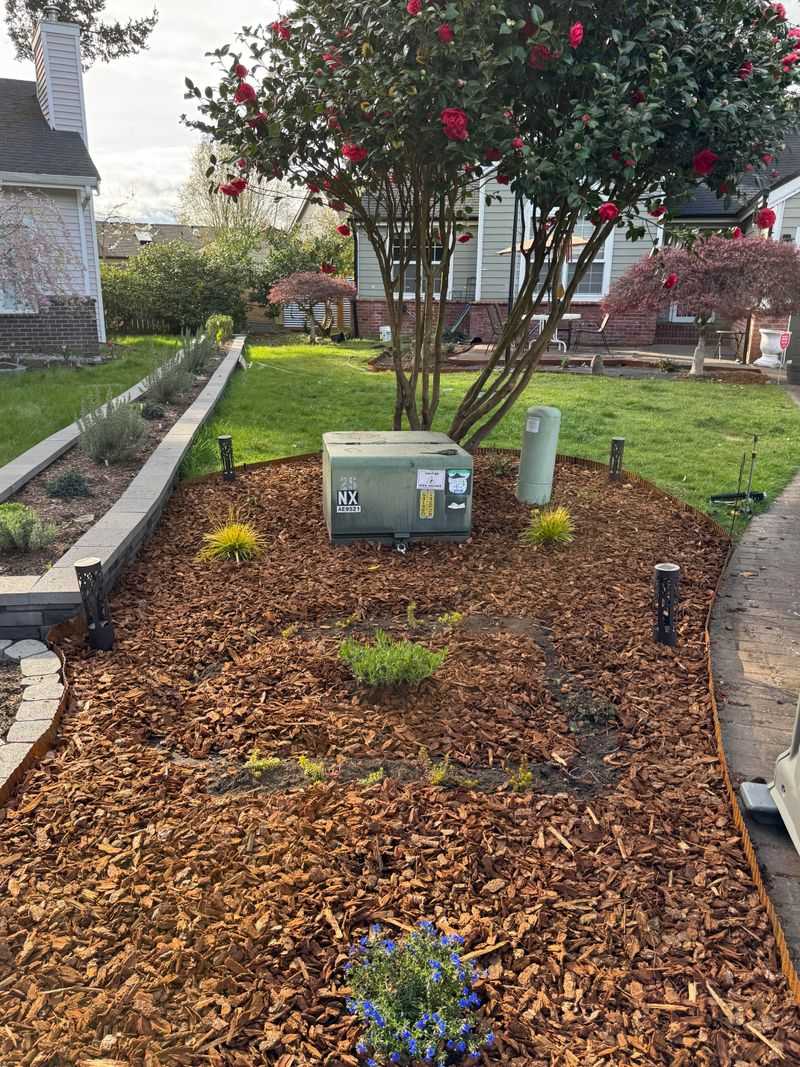
Bare soil is not resting. It’s actually losing nutrients, drying out, and becoming a target for weeds.
Whenever you clear out a summer crop and aren’t ready to replant right away, covering that soil is one of the most helpful things you can do. It protects what’s underneath and keeps the bed ready for its next use.
Mulch is the easiest option. A layer of straw, shredded leaves, or wood chips spread two to three inches thick will suppress weeds, hold moisture, and protect soil organisms from temperature swings.
As it breaks down, it also adds organic matter back into the soil. Cover crops are another smart choice for beds that won’t be planted with vegetables until spring. Winter rye, crimson clover, and fava beans all work well in fall.
They grow quickly, protect the soil over winter, and get turned back into the ground in spring to add nutrients.
Row covers can do double duty. They protect soil from erosion and heavy fall rains while also warming the ground slightly.
If you plan to plant soon, a row cover laid directly over bare soil can help maintain soil temperature and speed up germination once seeds go in.
In Oregon, fall rains can be heavy and persistent. Exposed soil gets compacted and waterlogged when rain pounds it without any protection.
A covering of any kind acts like a buffer, keeping the soil structure intact and the ecosystem below the surface healthy.
Covering your soil now is a small step that pays off all the way into next year’s growing season.