Never Mow Your Michigan Lawn When The Forecast Looks Like This
Timing your mow wrong can undo weeks of careful lawn care in a single afternoon. Michigan weather shifts fast enough to catch even experienced homeowners off guard.
Grass responds to conditions long before damage becomes visible to the eye. Roots, soil, and blades all react differently depending on what’s happening outside that day.
Pushing forward with a scheduled cut regardless of circumstances rarely pays off. Certain moments simply aren’t built for mowing, no matter how tight your schedule feels.
Michigan homeowners who ignore these signals often end up repairing what patience could have prevented. Each mowing decision either builds resilience into your lawn or works against it.
Reading the situation correctly matters more than sticking to routine. Get the timing wrong, and you could be repairing your lawn for the rest of the season.
Heavy Rain In The Forecast Means Hold Off
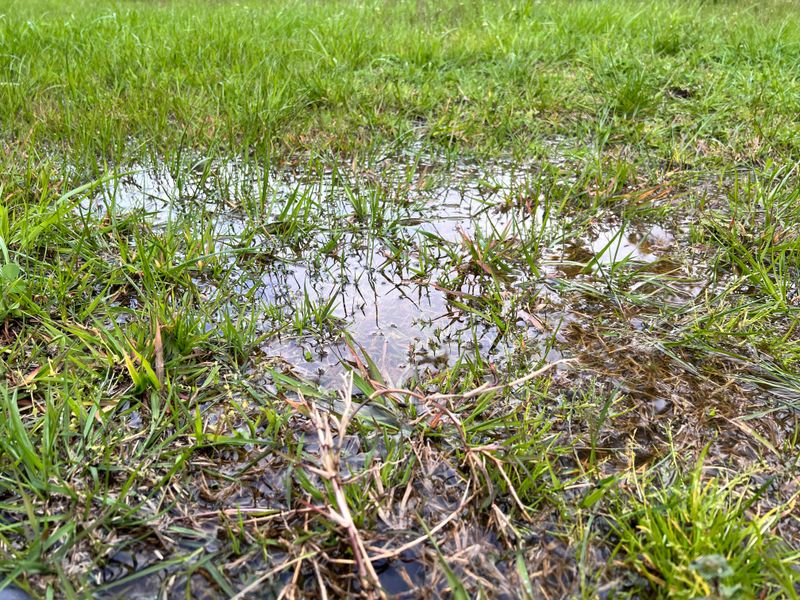
Rain is coming, and your mower should stay in the garage. Mowing right before a downpour is a mistake that catches plenty of Michigan homeowners off guard.
Wet conditions stress freshly cut grass blades in ways you cannot see immediately. The damage shows up days later as brown patches and ragged edges across your yard.
When heavy rain is in the forecast, the soil beneath your turf is already absorbing moisture from earlier humidity. Mowing on saturated ground tears roots instead of trimming blades cleanly.
Your mower wheels also sink into softened earth, leaving deep ruts that are hard to fix later. Those ruts collect standing water after the storm, creating new headaches for you.
Michigan summers bring fast-moving storm systems that can bring heavy rainfall in a short window. Checking a reliable local forecast before mowing is a five-second habit that saves hours of repair work.
The sweet spot for safe mowing is at least 24 hours after significant rainfall. Patience here pays off for your lawn’s health throughout the season.
If the radar shows green blobs heading your way, put the mower away. A well-timed cut on dry grass always beats a rushed job before a storm rolls through your neighborhood.
Wet Grass Blades Tear Instead Of Cutting Clean
Michigan weather can flip from dry to drenched within hours, and that window right after rainfall is exactly when your lawn is most vulnerable to a bad cut. Checking the forecast before you head out can save your grass weeks of visible damage.
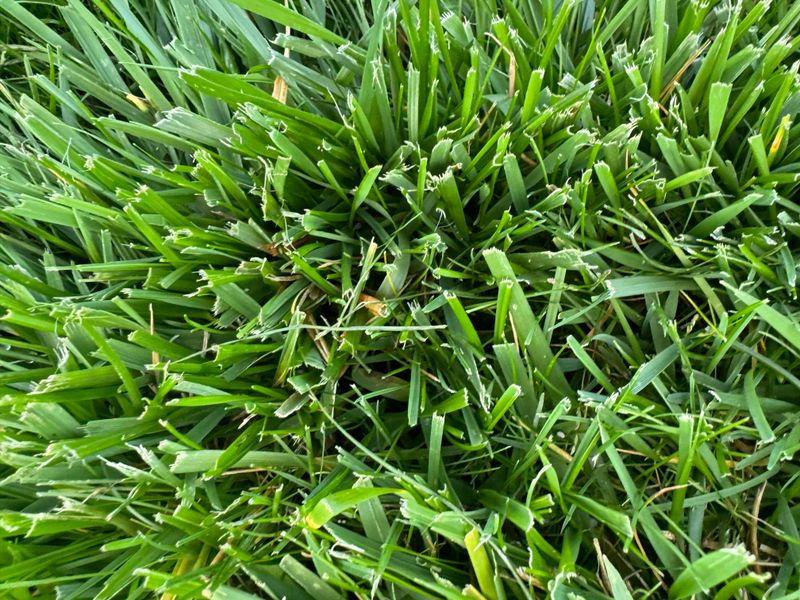
Soaked grass blades bend sideways instead of standing tall for the mower blade. When they fold over, the mower tears them rather than slicing through cleanly.
That tearing leaves jagged edges on each blade, and jagged edges are an open invitation for disease. Fungal spores target damaged grass tissue, especially in humid Michigan summers.
You can actually see the difference after a wet mow versus a dry one. Dry-cut grass tips look sharp and even, while wet-cut tips turn yellow and frayed within two days.
The clippings also behave differently when the lawn is wet. Instead of dispersing evenly across the turf, they clump together in thick mats that smother the grass underneath.
Your Michigan Garden Changes Every Week. Your Plan Should Too.
Gardening in Michigan changes quickly throughout the season. Every Friday you’ll receive a simple weekly plan showing exactly what to plant, prune, fertilize, harvest, and protect so you never miss the right timing.
Those clumps block sunlight and trap moisture against the soil surface. That combination is basically a welcome mat for mold and lawn fungus to set up camp.
Your mower deck suffers too when you push it through wet, heavy clippings. Grass paste builds up under the deck and forces the engine to work harder than it should.
Letting the lawn dry out completely before mowing is not just about appearances. Clean cuts on dry blades keep your turf healthier and your equipment running better all season long on your Michigan lawn.
Standing Water Signals The Lawn Needs More Time
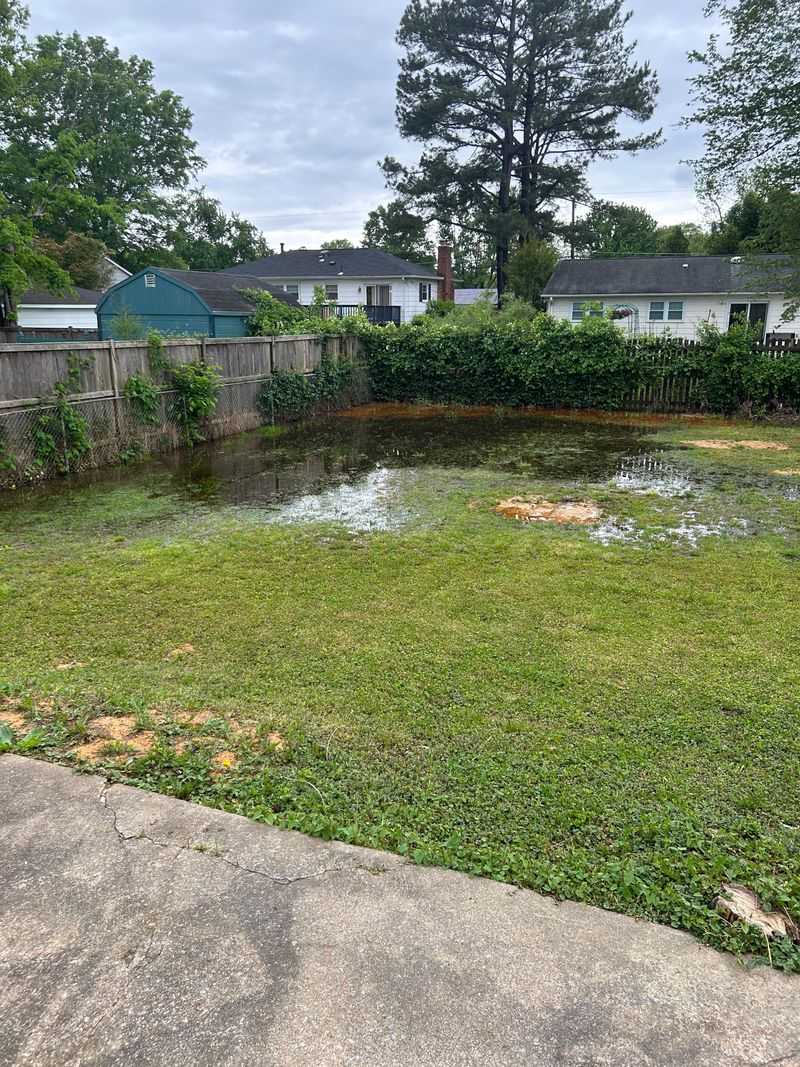
Puddles in your yard are nature’s way of saying slow down. Standing water means the soil is completely saturated and cannot absorb anything else right now.
Driving a mower over waterlogged ground causes serious damage below the surface. The heavy machine compresses the soil layers, squeezing out the air pockets that grass roots need to breathe.
Grass roots need oxygen just as much as they need water. Compact, airless soil deprives roots of oxygen slowly, and the effects show up weeks after the damage is done.
Many Michigan soils, especially those with higher clay content, are vulnerable to this kind of compaction. Clay particles pack together tightly under pressure, making it even harder for water and nutrients to reach roots later.
A simple test tells you if the ground is ready: step on the lawn and check your footprint. If the grass springs back within a few seconds, conditions are dry enough to mow safely.
If your footprint stays pressed down, the soil is still holding too much moisture. Give the yard at least another full day before bringing the mower out of the shed.
Standing water that lingers for more than 48 hours after rain could point to a drainage problem worth addressing. But for now, the best move for your Michigan lawn is simply waiting it out with patience.
Rain Right After Mowing Spreads Fungal Disease
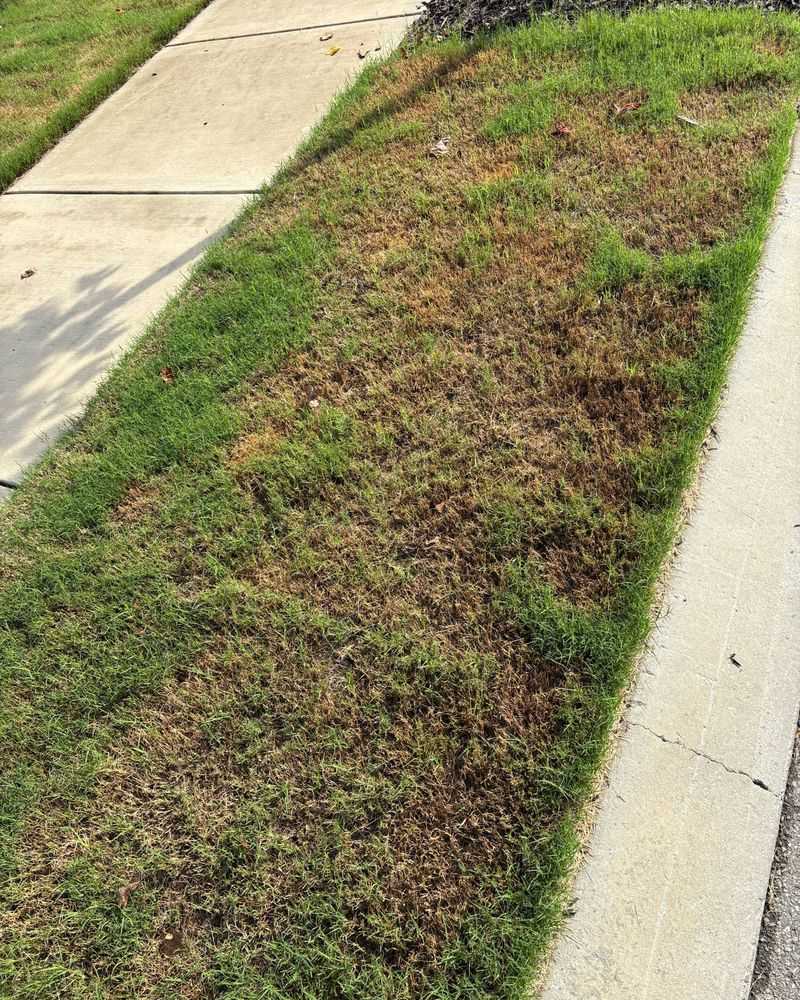
Freshly cut grass is especially exposed and vulnerable right after mowing. When rain follows a mow too quickly, fungal spores land on those exposed blade tips and start spreading fast.
Dollar spot, brown patch, and red thread are three fungal diseases common across Michigan lawns. All three thrive when moisture sits on freshly cut grass for extended periods.
Fungal growth spreads underground through root systems before you ever notice it above ground. By the time brown circles appear on your lawn surface, the problem is already weeks old.
Treating lawn fungus is expensive and time-consuming, often requiring multiple applications of fungicide. Avoiding the conditions that cause it in the first place is far cheaper and easier.
The risk window is highest in the first 12 hours after mowing. Rain during that window keeps moisture locked against freshly cut blade tips right when they are most vulnerable.
Michigan’s humid summers create the perfect background conditions for fungal outbreaks. Adding post-mow rain to that mix makes an already favorable environment for fungus even worse.
Check the hourly forecast before starting the mower, not just the daily summary. A clear morning can turn into a rainy afternoon fast, and your freshly mowed Michigan lawn will pay the price if you are not watching closely.
Soggy Soil Increases Compaction From Mower Weight
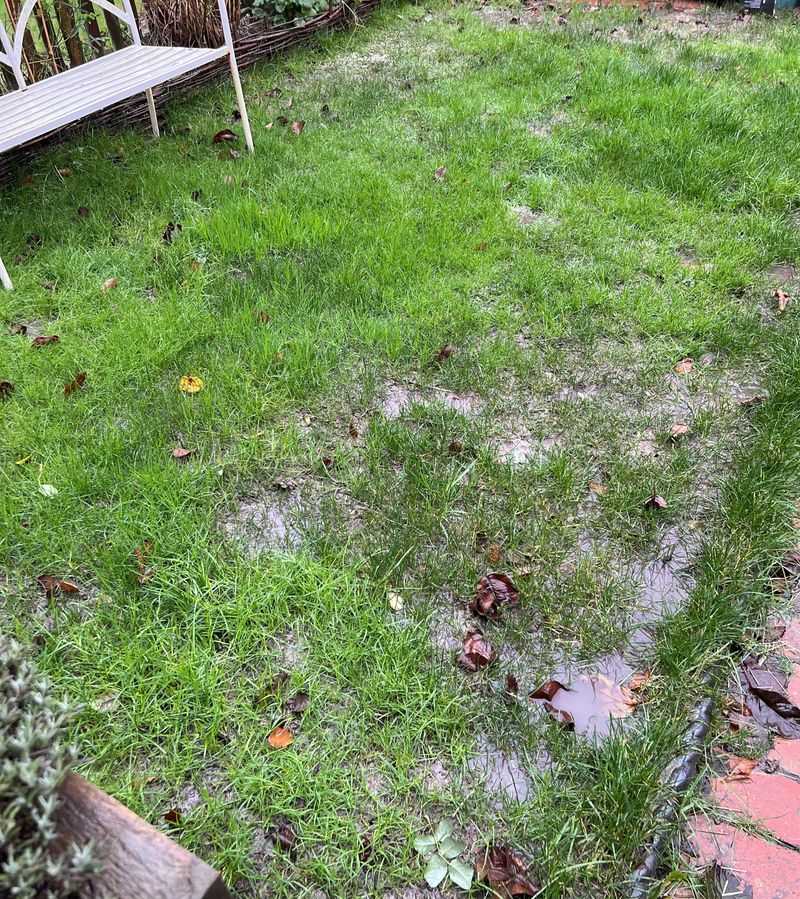
Most homeowners never think about how much their mower actually weighs. A standard walk-behind mower can weigh 60 to 100 pounds, and a riding mower can top 600 pounds easily.
That weight is manageable on firm, dry soil because the ground pushes back evenly. On wet, soggy ground, the soil simply surrenders and compresses under the pressure.
Compacted soil creates a hard layer just below the surface called a hardpan. Water cannot pass through hardpan efficiently, which leads to more standing water after future rainstorms.
Grass roots struggle to push through compacted layers to reach nutrients deeper in the soil. Over time, your lawn thins out and weeds move in because they handle tough soil far better than turf grass does.
The tire tracks left by a mower on wet ground are more than cosmetic damage. Each pass compresses soil particles tighter, and repeated passes over the same wet areas cause permanent structural changes underground.
Aerating your lawn in fall helps reverse some compaction damage, but prevention is always the smarter choice. Skipping one wet mow saves you hours of aeration work later in the season.
Dry soil supports the mower’s weight without deforming, keeping your lawn structure intact all season. Protecting that soil structure is one of the best things you can do for the long-term health of your Michigan lawn.
Best Window To Mow After A Rainy Stretch
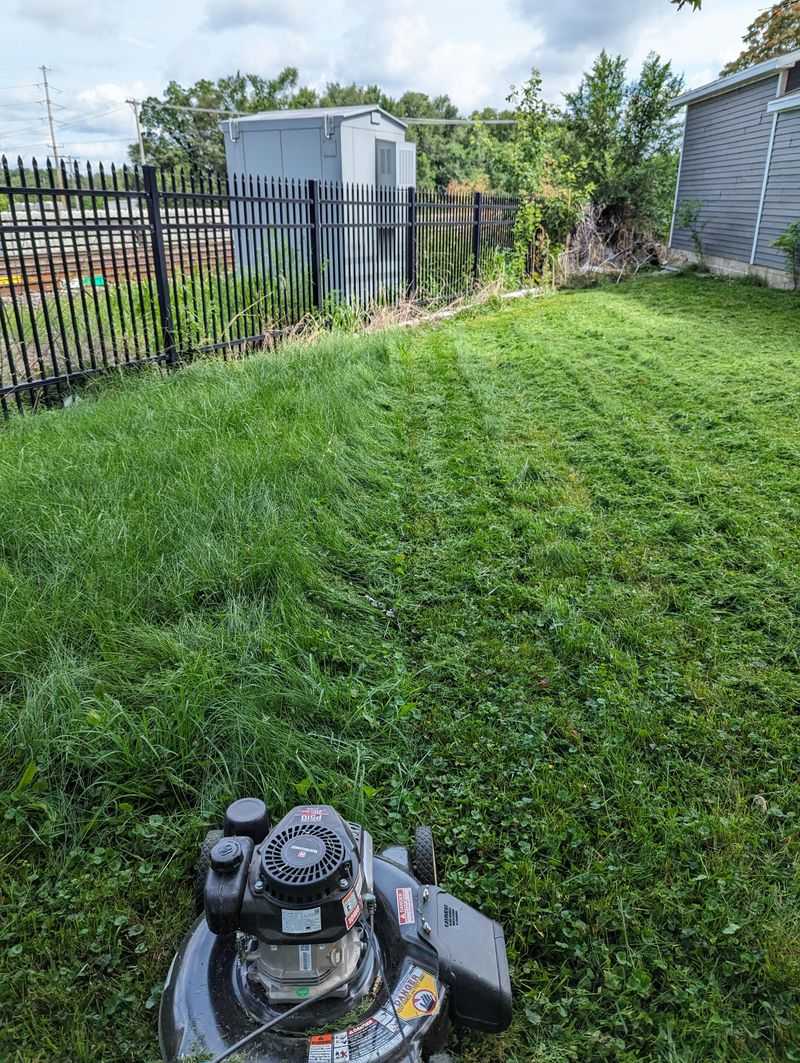
Sunshine finally breaks through after days of Michigan rain, and the urge to mow immediately is strong. Hold off just a little longer and you will get a far better result.
The best time to mow after a rainy stretch is mid-morning on the second dry day. By then, the top layer of soil has firmed up and the grass blades have dried out completely.
Morning mowing also gives the lawn the entire afternoon to recover before evening humidity settles in. That recovery window matters a lot during Michigan’s muggy summer months.
Avoid mowing in the evening after a wet stretch, even if the grass looks dry on top. Soil moisture lingers longer than surface moisture, and evening dew adds new wetness before the night is over.
Set your mower blade a little higher than usual after a rainy period too. Taller grass dries out faster between mows and shades the soil, slowing moisture loss during hot spells.
The one-third rule applies here as always: avoid cutting more than one-third of the blade height in a single mow. Cutting too short after a growth surge from rain stresses the grass at the worst possible time.
Patience after a rainy stretch pays off with a cleaner cut, healthier turf, and a Michigan lawn that stays green and strong all summer long.