The One Thing Michigan Garlic Beds Need In September Or Next Summer’s Harvest Will Be Small
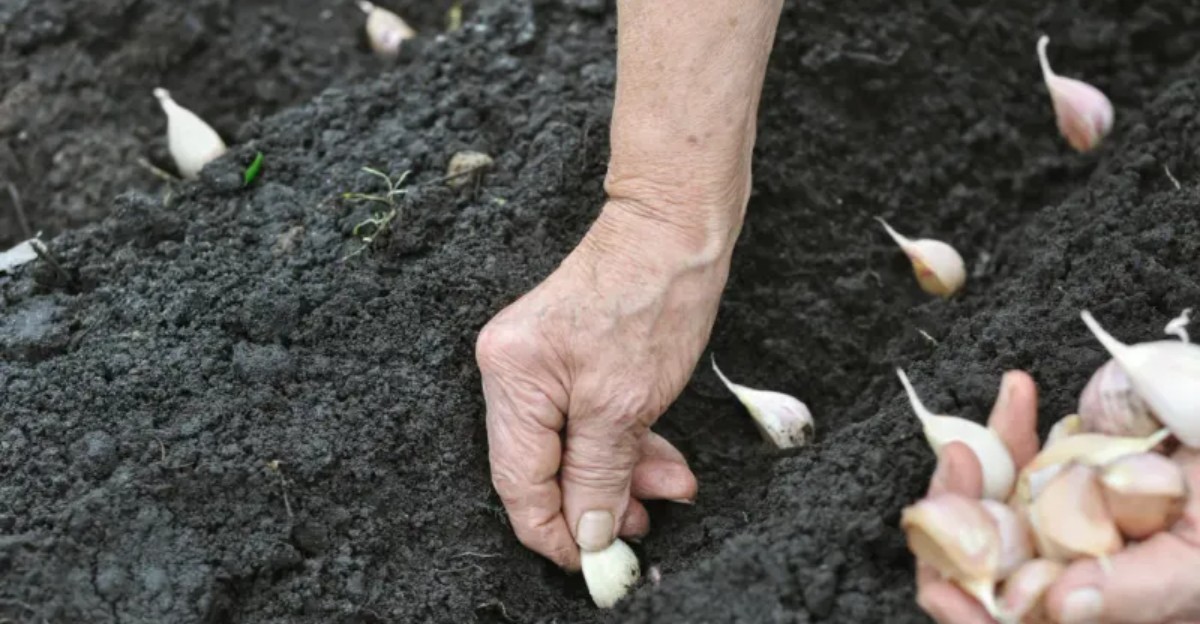
Garlic is one of the few Michigan crops planted in fall for a harvest almost a year later, which means the groundwork done in September has a lasting effect on next summer’s results.
Since garlic sits in the ground through an entire winter and spring before maturing, any shortcuts taken now tend to show up as smaller, weaker bulbs later.
Unlike quick-growing vegetables that reveal problems within weeks, garlic gives very little immediate feedback. A bed that looks fine in fall can still produce a disappointing harvest if it wasn’t properly prepared beforehand.
This delayed consequence is part of what makes September such an easy month to underestimate.
For Michigan gardeners hoping for large, healthy bulbs next summer, this preparation window matters more than many people realize.
1. Prepare The Bed Before Planting Time
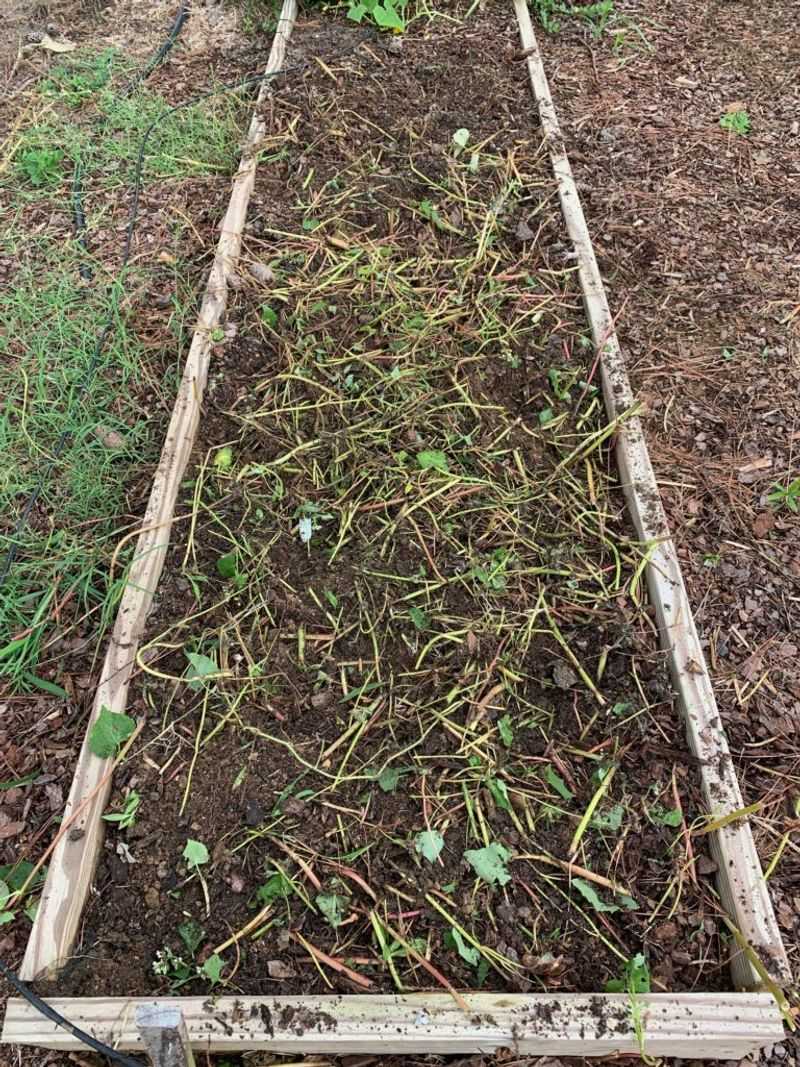
September gives you a head start that most rushed gardeners miss. Since Michigan garlic usually goes into the ground around October, using the weeks before to build a loose, fertile bed pays off big when harvest time comes.
Working the soil early lets you mix in compost or aged manure so nutrients have time to settle. A bed packed with organic matter holds moisture and feeds the young roots that form during fall.
When you prep ahead, you avoid the last-minute scramble of digging into hard, dry, or weedy ground.
Loose soil also helps roots stretch down without a fight. Garlic bulbs grow larger when their roots can reach freely, and a well-turned bed makes that possible. Compacted or lumpy soil, on the other hand, cramps growth and shrinks your future bulbs.
Try raising the bed slightly if your yard tends to stay soggy. A gentle mound of six to ten inches gives roots a dry, comfy home through the wet Michigan seasons.
Timing matters here too. By finishing bed prep in September, the soil settles into a stable structure before planting, so cloves sit at the right depth and stay put through winter.
Think of September prep as building a strong foundation for a house. Everything you plant later depends on it.
A little sweat now means fewer headaches later and a much better chance at plump, flavorful garlic when summer rolls around and you start pulling those beautiful heads from the earth.
2. Make Sure The Soil Drains Well
Wet feet are the fastest way to disappoint your garlic. When soil stays soggy for days, the cloves sit in water and struggle to grow strong roots.
In Michigan, where fall rains and melting snow are common, drainage becomes one of your biggest allies.
According to MSU Extension, garlic performs poorly in saturated soil, and that problem gets worse during winter. The state’s freeze-thaw cycles push wet ground up and down, which can heave cloves right out of place.
Roots that sit in cold, standing water rot instead of building the energy needed for big bulbs.
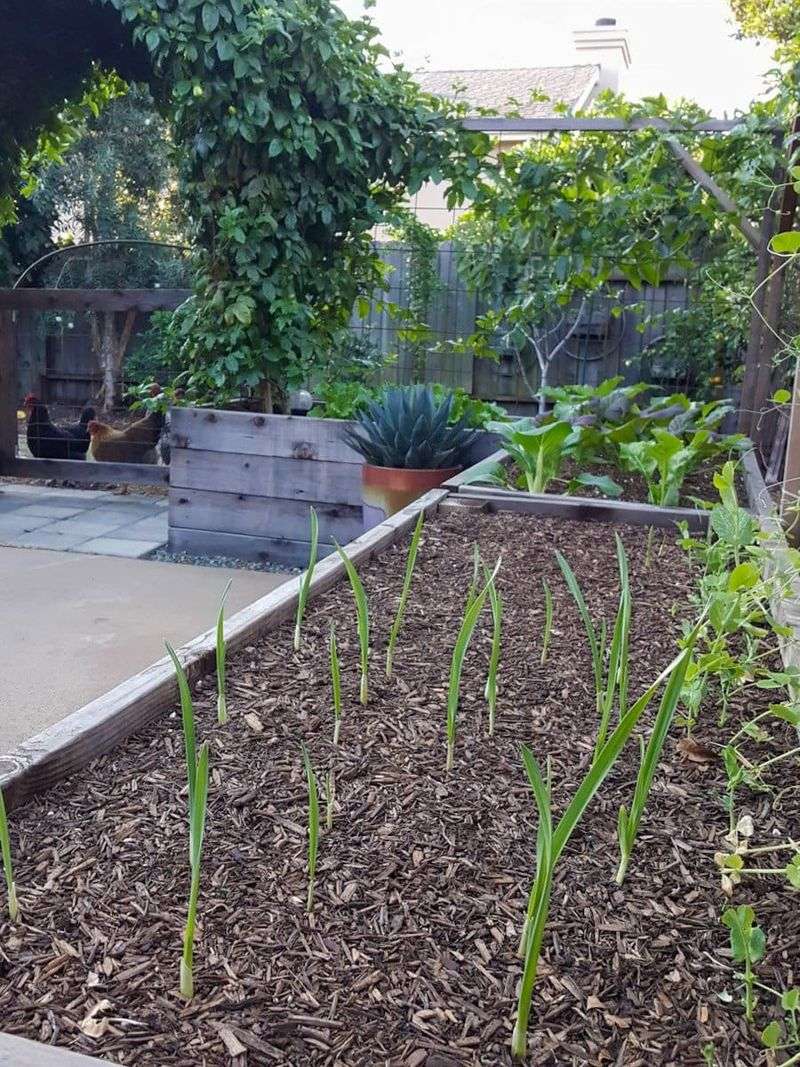
Improving drainage before winter protects your crop through the toughest months. Adding organic matter and using raised beds can help improve conditions in poorly drained soil.
Your Michigan Garden Changes Every Week. Your Plan Should Too.
Gardening in Michigan changes quickly throughout the season. Every Friday you’ll receive a simple weekly plan showing exactly what to plant, prune, fertilize, harvest, and protect so you never miss the right timing.
Raised beds work wonders here because they lift the roots above the wettest zone. Watch how your bed behaves after a heavy rain. If puddles linger for hours, that spot needs help before you plant a single clove.
Picking a naturally higher part of the yard can solve the trouble without much effort. Good drainage does not mean dry soil. You still want moisture that holds long enough to feed the roots, just without the swampy mess. Balance is the goal.
Setting up drainage in September gives the ground time to settle so it works smoothly by planting time. Handle this one detail well, and you remove a major reason so many Michigan garlic beds produce small, sad bulbs.
3. Get The Soil pH In The Right Range
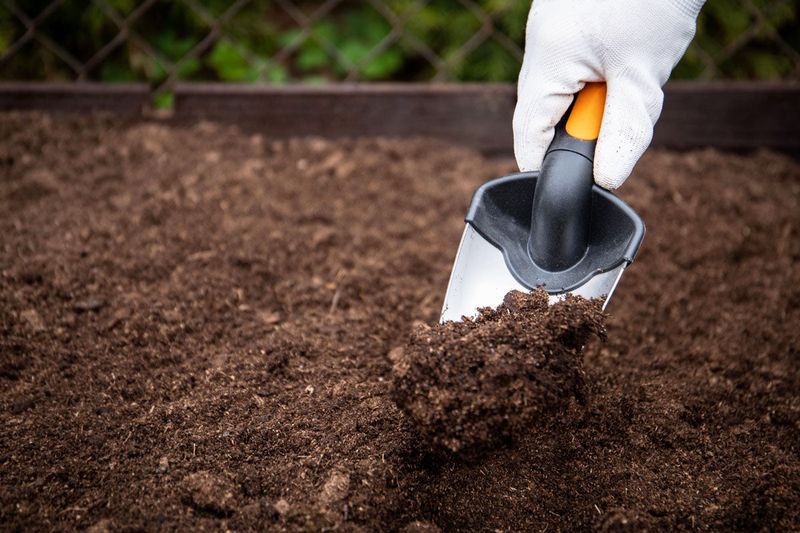
Garlic has a sweet spot when it comes to soil chemistry. MSU Extension notes that it grows best when the pH lands somewhere between 6.5 and 7.0.
In that range, the plant can grab the nutrients it needs to build fat, healthy bulbs. When the pH drifts too low, the soil turns acidic and locks up important nutrients. Even if you added plenty of compost, the garlic simply cannot use it well.
Getting the balance right unlocks all that food waiting in the ground. Before you toss lime onto the bed, run a soil test first. Guessing can backfire, since adding lime without knowing your starting point may push the pH too high.
A simple test kit or a lab report from your local extension office removes the mystery. Testing in September gives you time to adjust. Lime works slowly, so applying it weeks before planting lets it break down and shift the pH gradually.
Rushing this step rarely gives the results you want. Keep records of what your soil tells you each year. Over time you will spot patterns and learn exactly what your beds need.
That knowledge saves money and prevents waste. Think of pH as the doorway to your garlic’s meals. If the door is stuck, the plant goes hungry no matter how much food surrounds it.
By checking and fixing pH now, you open that door wide. A quick test today means bigger, healthier bulbs when you finally harvest next summer.
4. Control Weeds Before The Cloves Go In
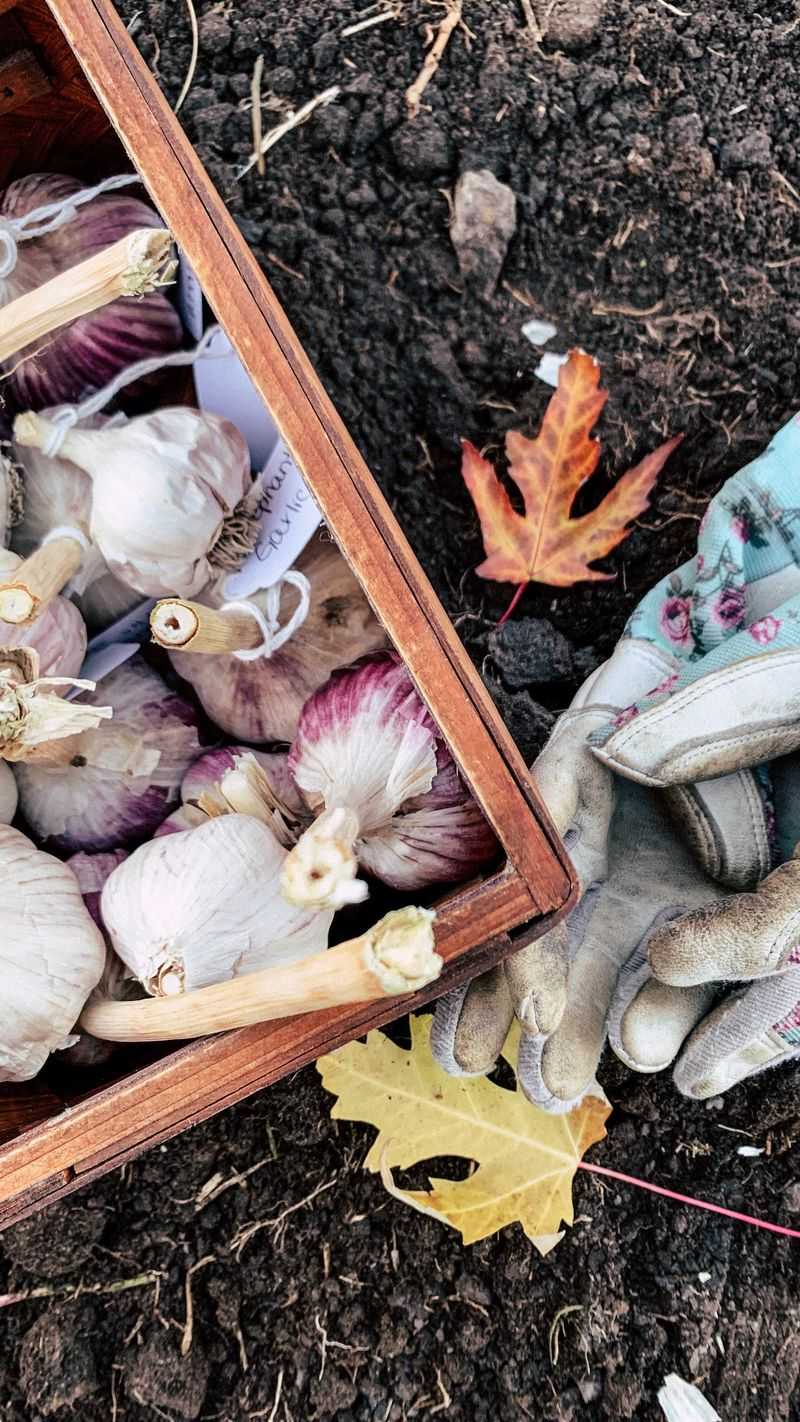
Garlic is not much of a fighter when it comes to sharing space. Its thin, upright leaves cast little shade, so weeds sneak in and steal sunlight, water, and nutrients without much resistance.
Clearing them out before planting gives your crop a real head start. September is the perfect time to tackle both annual and perennial weeds.
Annuals sprout fast and fade, but perennials like quackgrass and bindweed keep coming back from stubborn roots. Digging those out now saves you endless frustration during the growing season.
A weedy bed forces garlic to compete for everything it needs. Since the plant grows slowly through fall and spring, even small weeds can crowd it out and shrink the final bulbs.
Removing that competition early lets your garlic soak up all the resources for itself.
Pull weeds by the roots rather than just chopping the tops. Bits left behind often regrow and turn into a bigger mess. A garden fork helps loosen deep roots so they come out clean.
Once the bed is clear, a layer of mulch later on keeps new weeds from taking hold. Fewer weeds means less bending and pulling for you all season long.
Clean soil also makes planting easier and lets you see exactly where your rows go. That tidy start feels good and keeps things organized.
Handle weeds in September, and you hand your garlic a huge advantage. A clean bed today turns into plump, healthy heads when you dig them up next summer.
5. Do Not Plant Too Early
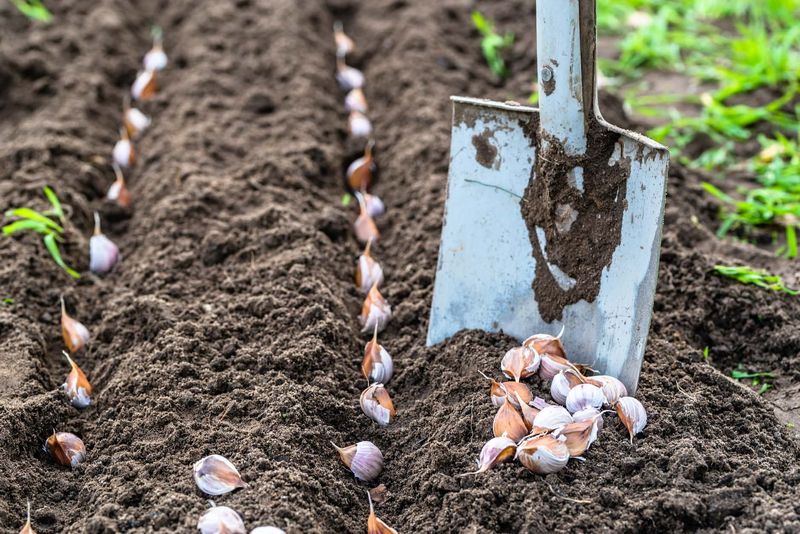
Timing can make or break your garlic crop. MSU Extension suggests Michigan gardeners generally wait until around October to plant, and there is a smart reason behind that patience. The goal in fall is strong roots, not tall leaves.
When garlic is planted too early, warm soil can encourage excessive top growth before winter, and those exposed leaves may be damaged by severe cold. The goal is to give cloves time to establish roots without encouraging excessive top growth before winter.
Waiting for cooler soil steers that energy where it belongs, down into the roots. A well-rooted clove survives winter better and bursts into strong growth once spring arrives. That fall root work sets the stage for big bulbs later.
Watch the weather rather than rushing to a strict date. When nights turn chilly and the soil cools, that is your signal. In much of Michigan, mid to late October fits the bill nicely.
Planting on time also lines up with winter mulch. You want the cloves settled and rooting just before the ground freezes, so a fall chill actually helps you.
Resist the urge to plant during a warm September stretch, even if you feel eager. A few extra weeks of patience protects all your hard prep work.
Good things come to gardeners who wait for the right moment. By holding off until the soil cools, you give your garlic the calm, rooty start it craves.
That single choice often means the difference between skimpy heads and hefty ones next summer.
6. Choose Large, Healthy Seed Cloves
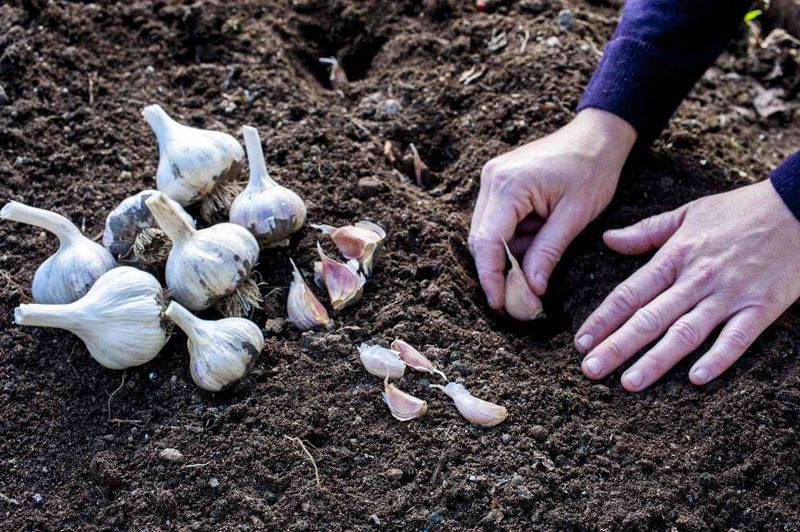
Big bulbs usually start with big cloves. The size and quality of your planting stock has a direct effect on how large your garlic grows, so picking the best cloves matters a lot.
Small or damaged pieces tend to produce small, disappointing heads. Right before planting, break the bulbs apart into separate cloves. Keep the plump, firm outer ones and set aside any that feel soft, shriveled, or spotted.
Those tiny inner cloves are better saved for the kitchen than the garden. Healthy cloves carry more stored energy, which fuels strong early growth. That extra boost helps roots form quickly in fall and pushes vigorous leaves in spring.
More leaf power eventually means more bulb size. Handle the cloves gently and leave the papery skin on when you can. That thin wrapper protects the clove from rot once it goes into the soil.
Bruised or peeled cloves are more likely to run into trouble underground. Buying seed garlic from a trusted grower beats planting grocery store bulbs.
Garlic sold for eating may carry disease or may not be well suited to Michigan growing conditions, so planting healthy seed garlic from a reliable source is a safer choice.
Locally adapted seed garlic can be a good choice because varieties that perform well in your climate are more likely to produce a reliable crop.
Save your own biggest bulbs each year for replanting. Over several seasons, this simple habit builds a strain that thrives in your exact garden.
Sorting cloves takes only a few minutes, but the payoff shows up months later. Plant the best, and you set yourself up for the kind of hefty, flavorful heads that make all the effort worthwhile.
7. Plan For Winter Mulch
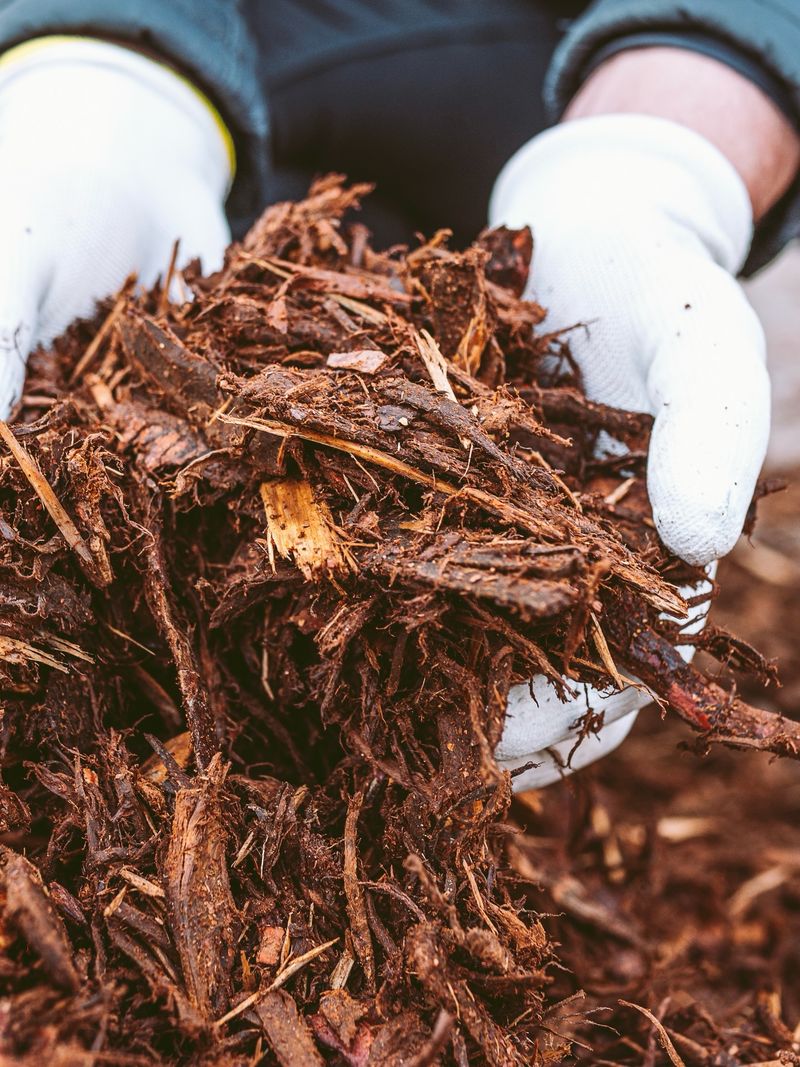
Straw is a garlic lover’s best winter friend. A generous layer spread over the bed after planting acts like a cozy blanket, and MSU Extension points to it as a smart way to protect cloves through Michigan’s harsh cold.
Mulch does more than just keep things warm. It steadies the soil temperature so the ground does not swing wildly between freezing and thawing.
Those swings can heave cloves upward, but a thick straw layer keeps everything settled and calm.
Moisture is another win. Straw slows evaporation, so the soil holds onto the water your roots need. During dry winter stretches, that stored moisture keeps the cloves from drying out.
Weeds also struggle to push through a heavy mulch cover. By blocking sunlight, straw keeps many spring weeds from sprouting, which saves you plenty of pulling later. Fewer weeds means less competition for your garlic.
Apply the mulch after planting once the soil starts to chill, spreading it several inches thick across the bed. You want enough to insulate without smothering, so aim for a fluffy, even layer.
Come spring, you can pull some of it back to let the shoots rise, then leave the rest to guard against weeds and hold moisture. It keeps working for you long after winter fades.
Straw, chopped leaves, or clean hay all do the job well. Whatever you choose, that protective layer shields your investment through the toughest months and helps deliver those big, beautiful bulbs when harvest season finally comes around.
8. Do Not Chase Fall Growth With Excess Nitrogen
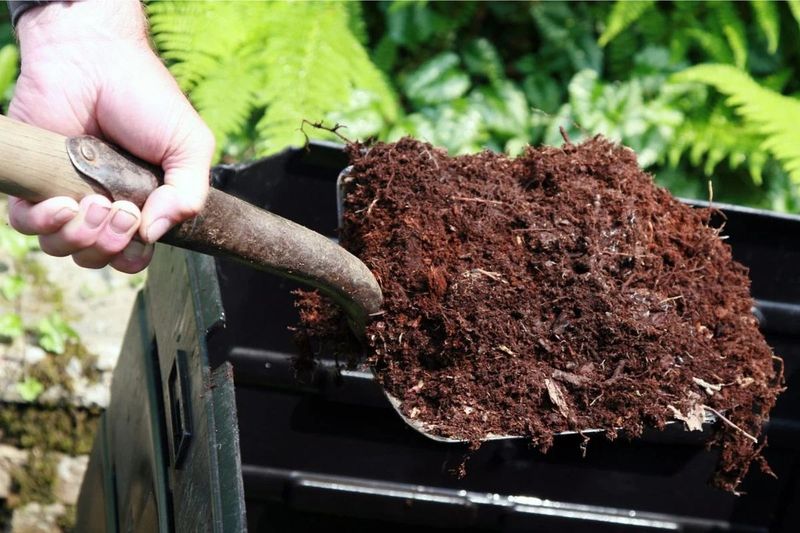
More is not always better when it comes to feeding garlic in fall. Piling on nitrogen might feel helpful, but it often pushes the plant to grow lots of green leaves before winter. That top growth is exactly what you want to avoid this time of year.
The fall goal is quiet, steady root building. Strong roots anchor the clove and store energy for the big spring push. Too much nitrogen flips that focus toward tender shoots that cold weather can easily harm.
Planting too early makes the same problem worse, since warm soil plus heavy nitrogen equals a burst of leaves. Both mistakes drain energy that should be heading underground. Keeping fall feeding light keeps the plant on track.
Save the bigger nitrogen boost for spring, when the garlic wakes up and starts growing fast. That is when the extra nutrients truly help build large bulbs. Timing your feeding right makes every bit count.
A balanced approach in fall works best. Rich compost mixed into the bed usually provides plenty to get roots going without overdoing it. Gentle nutrition now, stronger nutrition later.
Watch for lush, tall leaves in November as a warning sign. If your garlic looks like it is racing upward, you likely fed it too much or planted too soon.
Think of fall as the rooting season and spring as the growing season. Feed each one accordingly, and your garlic settles in strong before winter.
That careful balance protects the plant and rewards you with fuller heads at harvest.
9. Water After Planting If The Soil Is Dry
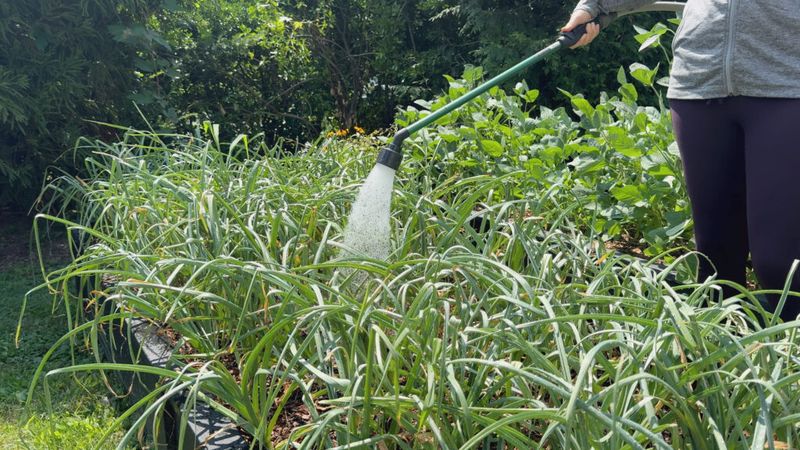
A good drink right after planting helps garlic settle in. When the soil feels dry, giving the bed a thorough watering wakes up the cloves and encourages those first roots to reach out.
MSU guidance points to that initial soak as an important step. Water helps the soil hug the cloves so there are no air pockets around them. Snug contact means roots can grab moisture and nutrients easily.
Without that first watering, dry soil can slow everything down. Here is the reassuring part. Michigan’s cool fall weather usually means you will not need much extra watering after that.
The chilly air keeps evaporation low, and fall rains often handle the rest. Check the soil before reaching for the hose again. Stick a finger a couple inches down, and if it feels moist, hold off.
Overwatering in cool weather can lead to soggy conditions and rot. The mulch you spread on top also helps here by locking in moisture. Between the fall rains and that protective layer, your garlic often stays comfortable with little effort from you.
Pay closer attention if fall turns unusually dry. In that case, a gentle watering every so often keeps the roots happy without soaking them.
Balance is the key word again. Enough water to start strong, but not so much that the bed turns into a swamp.
Handle that first soak well, and nature usually takes care of the rest, setting your cloves up for a healthy winter and a rewarding summer harvest.
10. Protect The Harvest Beyond September
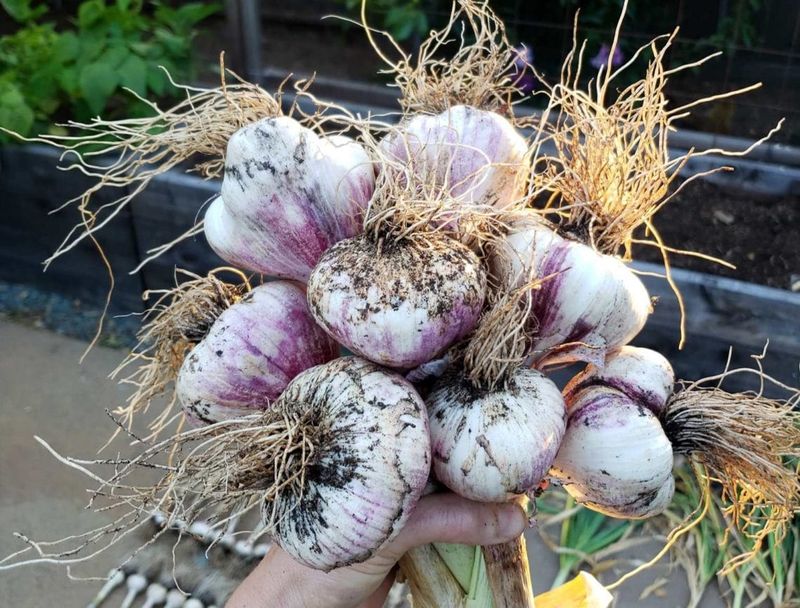
September prep is the launch, but the full journey shapes your final harvest. Next summer’s bulb size depends on the entire growing cycle, from those first fall roots all the way to the moment you lift the bulbs. Each stage builds on the last.
Fall root establishment sets the base, and winter survival keeps your cloves safe under mulch. When spring arrives, timely nutrition and steady moisture push the plants into their fastest growth.
Miss any piece, and the bulbs may fall short of their potential. Weed control stays important right through the season. Since garlic competes poorly, keeping the bed clean lets your plants keep all the water and food for themselves.
A little weeding here and there protects your hard work. Hardneck varieties add one more task called scape removal. In early summer these plants send up a curling flower stalk, and snipping it off redirects energy back into the bulb.
Skip this, and your heads often turn out smaller. Scapes are a tasty bonus too, great for cooking, so removing them feels like a reward rather than a chore. It is one of the more fun jobs in the garlic patch.
Harvest at the right time as well, usually when several lower leaves turn brown but some green remains. Pulling too soon or too late affects size and storage.
Every step, from September soil to summer digging, works together. Care for the whole cycle, and your Michigan garlic beds will reward you with big, flavorful bulbs worth the wait.