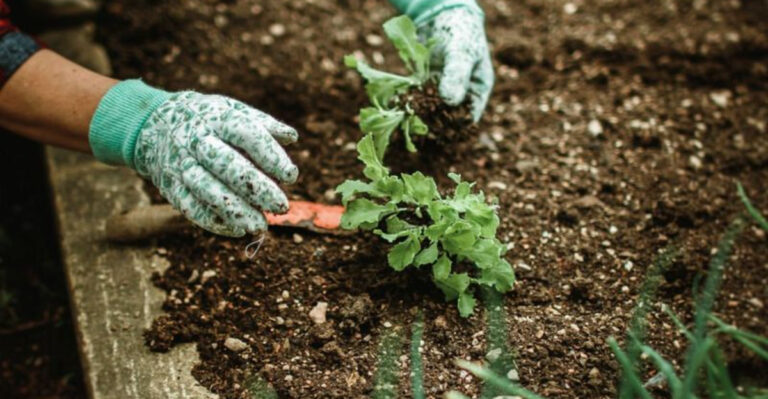
This Is The Pre-Storm Harvest Habit Pennsylvania Gardeners Wish They Knew Sooner
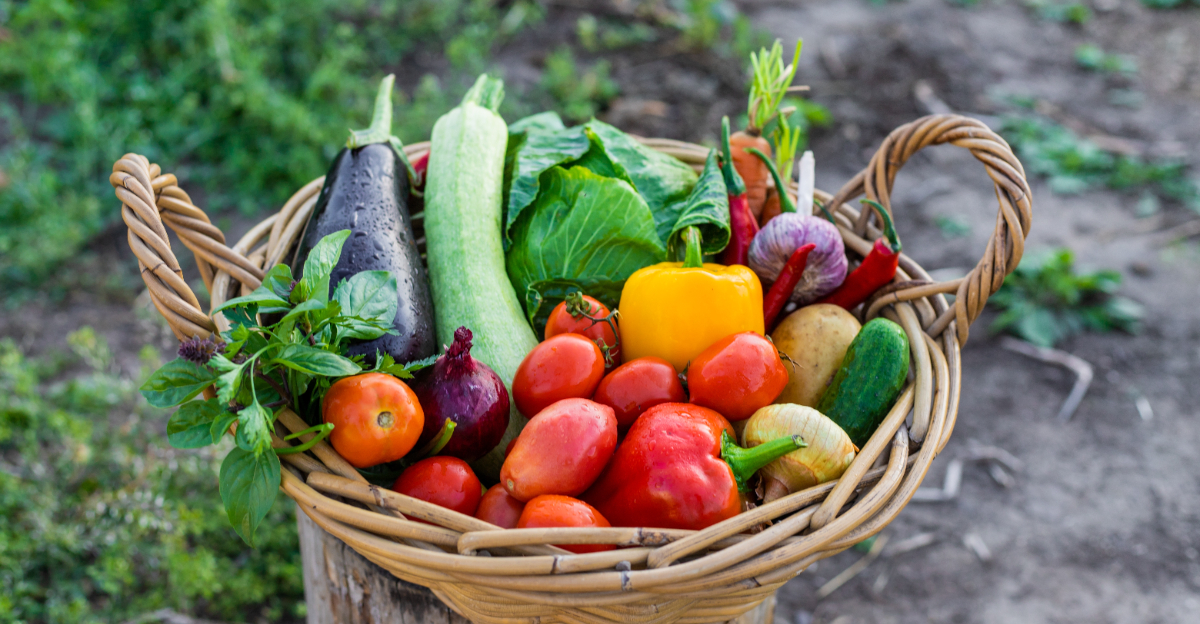
Storm clouds over Pennsylvania farmland carry a warning you cannot afford to ignore. Wind and hail finish what rain started within minutes, leaving broken stems and split fruit scattered across the soil.
Smart gardeners walk their rows before the sky breaks, checking which crops sit closest to ruin. Hesitation costs you the difference between a full basket and an empty one.
Tomatoes, peppers, and squash gathered early beat the same crops left to rot in mud after the wind passes. Pennsylvania’s shifting weather patterns give you a narrow window, and recognizing it changes what you bring inside.
Every choice you make in that window decides what survives the storm’s opening hours.
You are about to discover exactly which crops to save first, how fast to move, and why hesitating even a moment costs you everything.
Harvest Ripe Produce Before Storm Damage Hits
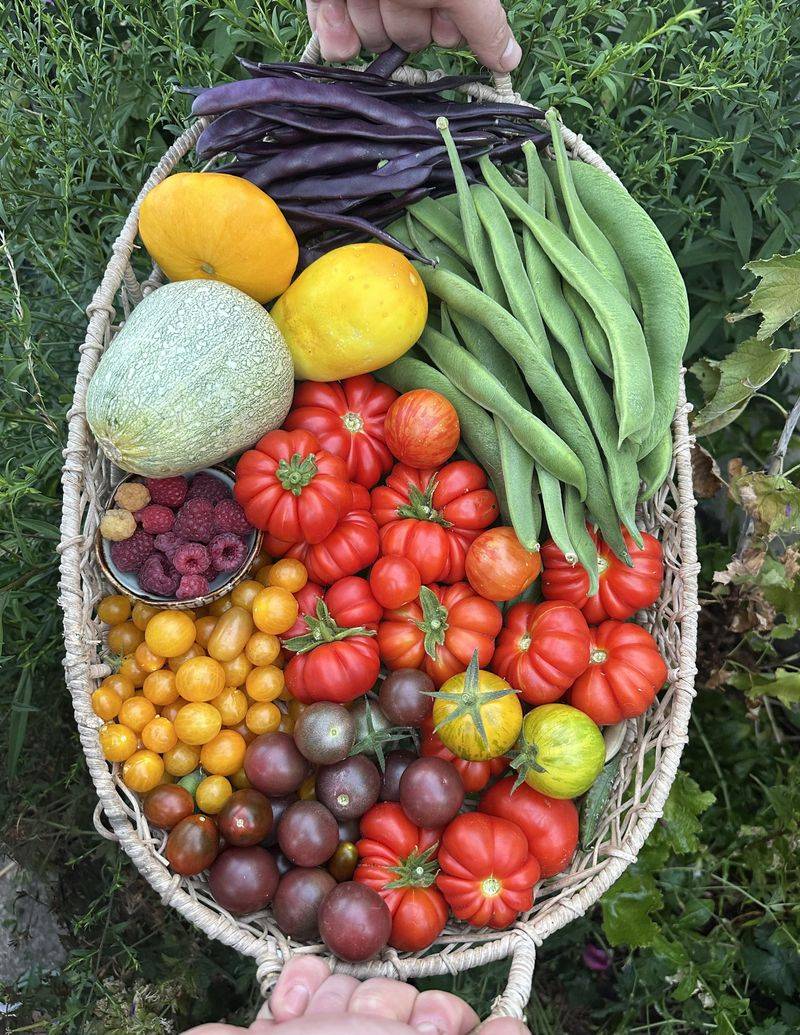
Storm clouds on the horizon mean one thing for gardeners: move fast. A single walk through your beds before the first raindrop falls can save what you have worked all season to grow.
Ripe produce sitting on the vine is the most vulnerable thing in your garden. Wind, hail, and heavy rain can bruise, split, or knock crops to the ground within minutes.
Picking ripe fruits and vegetables before a storm is not just smart, it is protective. You worked too hard all season to let one bad night undo your progress.
Pennsylvania storms can shift from mild to severe with little warning. Checking your ripeness levels the day before any forecasted weather gives you the best window to act.
Look for tomatoes that have full color and slight give when squeezed gently. Peppers, cucumbers, and zucchini are also ready to pull when they reach expected size.
A harvest basket by the back door is a simple but powerful reminder. When you see it, your brain connects the habit of checking the garden before storm season events.
Gardeners who skip this step often find split tomatoes and soggy squash the morning after a storm. Those losses add up fast, both in food and in frustration.
Building this habit early in the growing season makes it second nature by August. Your future self will thank you when a storm rolls through and your harvest is already safe inside.
Heavy Rain And Wind Bruise Delicate Crops Fast
Rain feels gentle until it does not. A strong summer storm in Pennsylvania can drop a heavy burst of rain in a short window, and that is often enough to wreck tender crops.
Bruising happens faster than most people expect. A ripe tomato pelted by heavy rain and tossed by wind can develop soft spots that rot within a day or two.
Leafy greens like lettuce and spinach get battered flat against the soil. Once mud splashes up onto leaves, bacterial issues can follow quickly and ruin entire rows.
Wind is often the overlooked villain in storm damage. A strong gust can snap pepper stems, knock over bean poles, and scatter lightweight crops across the yard.
Your Pennsylvania Garden Changes Every Week. Your Plan Should Too.
Gardening in Pennsylvania changes quickly throughout the season. Every Friday you’ll receive a simple weekly plan showing exactly what to plant, prune, fertilize, harvest, and protect so you never miss the right timing.
Corn is especially risky during windy conditions because its tall stalks catch wind like sails. A pre-storm check should always include staking any tall plants that look wobbly or top-heavy.
The key is recognizing which crops are at peak ripeness and therefore most fragile. A slightly underripe tomato will survive a storm far better than one that is perfectly ready to eat.
Growers who understand this distinction harvest smarter, not harder. They pull what is ripe and leave what needs a few more days on the vine.
Protecting your harvest from bruising is a habit that saves both food and money. Once you see the difference, you will likely think twice before leaving ripe produce out ahead of a storm.
Tomatoes And Peppers Are Most Vulnerable To Loss
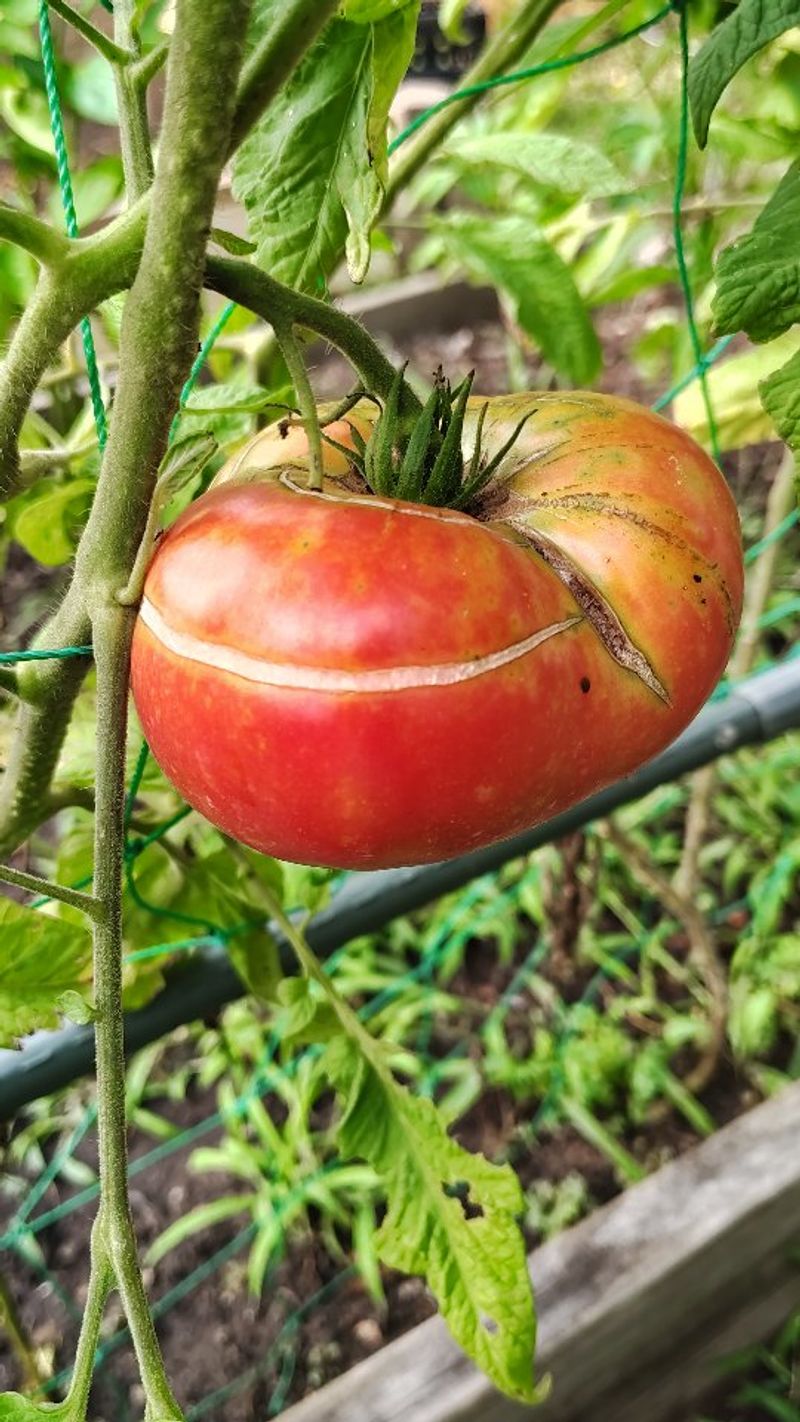
Ask any Pennsylvania gardener what crop breaks their heart the most after a storm, and the answer is almost always the same. Tomatoes and peppers take the hardest hit most often.
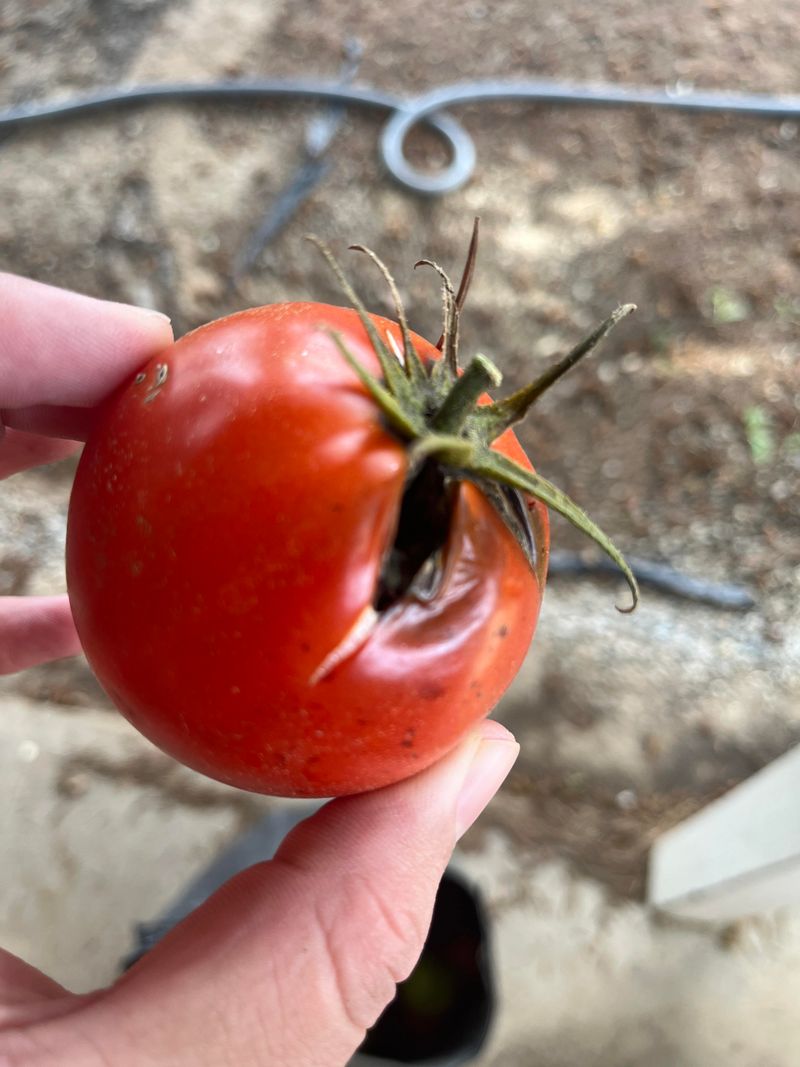
Tomatoes have thin skin that splits under sudden water pressure. When a heavy rain follows a dry stretch, the fruit absorbs moisture so fast that the skin cannot keep up.
That splitting is not just cosmetic. Once the skin breaks open, the exposed flesh invites mold, insects, and bacterial rot within hours of the storm passing.
Peppers face a different kind of danger. Their hollow structure makes them especially prone to waterlogging and stem snap during high winds, which can pull them right off the plant.
A ripe bell pepper hanging heavy on a thin stem does not need much wind to come loose. Pulling it before the storm keeps it safe and still delicious.
Checking tomato color and firmness the day before any forecasted storm gives you a clear picture of what to save. A tomato that is mostly ripe will keep ripening well on your kitchen counter.
Many gardeners find that counter-ripened tomatoes still carry strong flavor, even if the taste is not always identical to fruit ripened fully on the vine. The difference is often smaller than people expect.
Protecting tomatoes and peppers from storm loss is one of the most rewarding parts of gardening through storm season. You get the harvest either way, just on your terms instead of the storm’s.
Early Picking Prevents Splitting From Sudden Rainfall
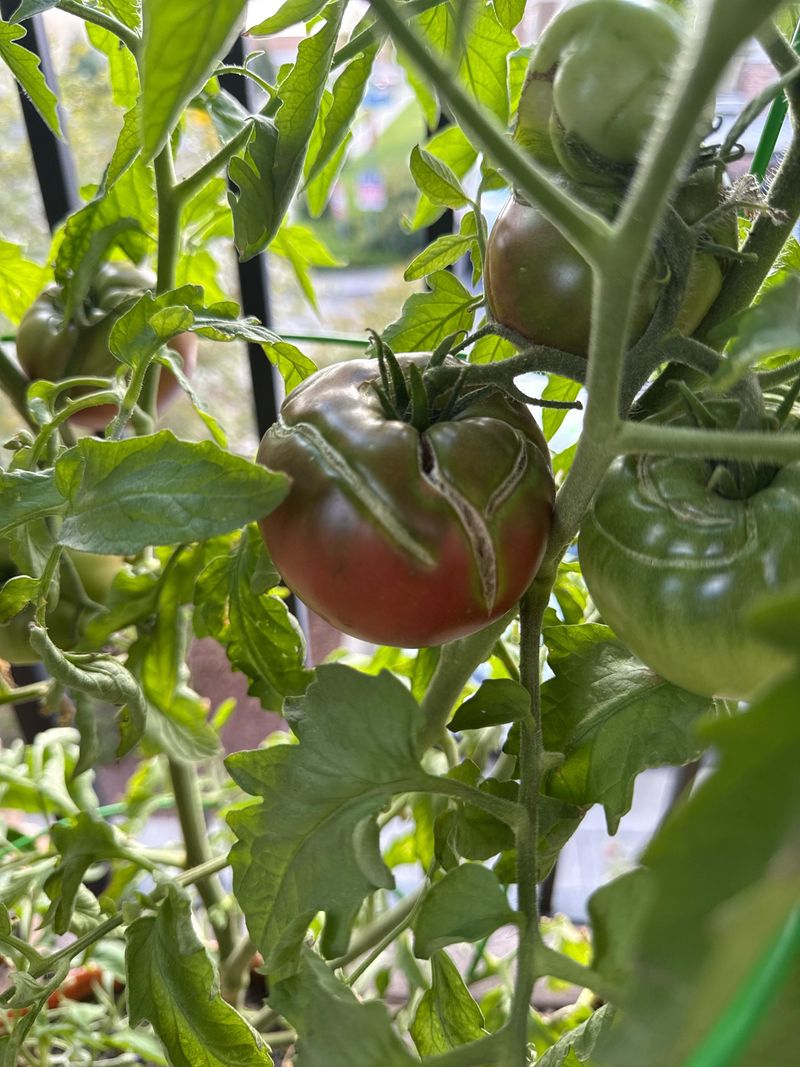
Timing is everything in the garden, and storm season makes that more true than ever. Picking a day or two early is not giving up, it is playing ahead of the weather.
Splitting happens when a plant absorbs water faster than the fruit can expand. After a long dry period, even moderate rain can cause tomatoes to crack open overnight.
Gardeners who wait for perfect ripeness on the vine are gambling against the forecast. Those who pull slightly early and ripen indoors almost always come out ahead after a storm.
Green tomatoes with a slight blush at the base will typically ripen fully within a few days at room temperature. No special equipment is needed, just a countertop away from direct sunlight.
Peppers behave differently than tomatoes once picked. A fully sized green pepper holds its color far better indoors than it changes, so picking them near their target color gives the best result.
Tomato ripening is driven by ethylene gas released from the fruit itself, not by sunlight. That is why a tomato pulled early still finishes the job on your counter.
Early picking also reduces the physical weight on plant stems before high winds arrive. Lighter plants are less likely to snap or uproot during a strong storm.
Thinking a step ahead of the forecast is what separates a full harvest from a muddy disappointment. A small act of early picking can make all the difference after the storm passes.
Storing Harvested Produce Safely Until Skies Clear
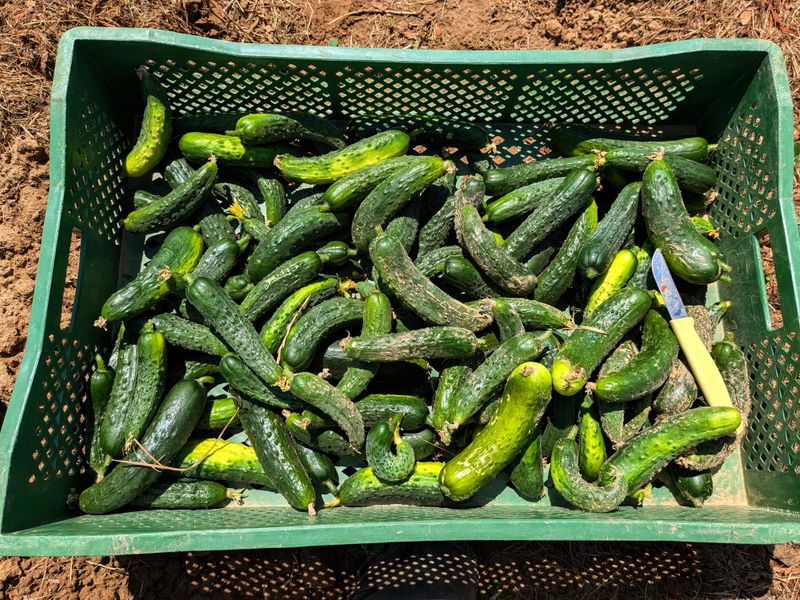
Pulling produce before a storm is only half the job. Where you store it matters just as much as when you pick it.
Room temperature is almost always the right choice for tomatoes, peppers, and cucumbers. Cold refrigerator air stops the ripening process and can make textures mealy and flavors flat.
Spread harvested items in a single layer on a clean kitchen towel or a shallow tray. Stacking fruit on top of each other causes bruising even when the storm is not involved.
Basements can work well for short-term storage if they stay between 55 and 70 degrees. Avoid damp corners or areas near the furnace, as both moisture and heat speed up spoilage.
Garlic, onions, and winter squash are more forgiving and can handle slightly cooler, drier storage spots. A spare bedroom or pantry shelf works perfectly for these tougher crops.
Herbs are trickier after a storm harvest. Bunching them loosely in a glass of water on the counter keeps them fresh for several days without refrigeration.
Labeling your harvest by pick date helps you use the ripest items first. A simple piece of tape with a date written in marker saves a lot of guessing later on.
Knowing your produce is safe inside while the storm passes outside brings real peace of mind. That calm confidence is exactly what a little advance planning is designed to create.
Building This Habit Into Every Storm Season
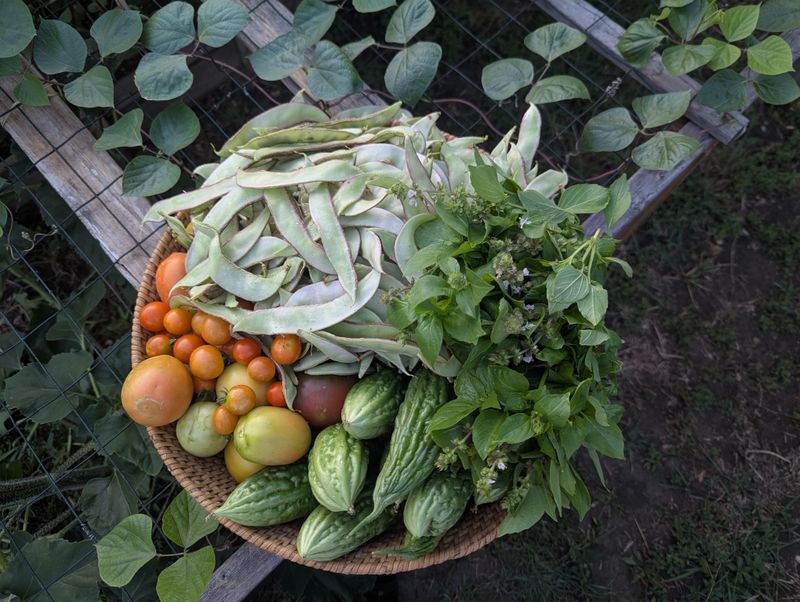
The best habits are the ones you barely have to think about anymore. After one or two storm seasons, this pre-storm routine becomes as automatic as checking the mail.
Start by syncing your garden walks with your weather app. Every time a storm alert pops up, that notification becomes your signal to head outside and assess what is ready.
Keep a harvest basket near your back door all season long. Seeing it every day builds a mental connection between storms and action before the pressure of a fast-moving system sets in.
Talk to your neighbors about what they grow and what they have lost to storms. Shared stories are powerful motivators, and local growers often have region-specific tips that no website will mention.
Joining a Pennsylvania gardening group online or at a local extension office can sharpen your seasonal instincts fast. Other growers will share when storm patterns typically peak in your county.
Keeping a simple garden journal helps too. Note which crops split or bruised after each storm and which ones you successfully harvested early, so you can refine your approach each year.
Children who help with the pre-storm harvest often carry the habit into their own gardens as adults. Teaching it young makes it a generational skill, not just a personal one.
This kind of preparation is not complicated, but the payoff adds up fast. Fewer losses, more meals, and a garden that bounces back stronger after every storm season passes.