Pennsylvania Gardeners Are Choosing These Native Flowers Instead Of Hydrangeas
Hydrangeas have had a remarkable run as the go to statement flower in Pennsylvania gardens. Big, lush blooms, reliable performance, a presence that anchors a garden bed like almost nothing else.
The enthusiasm for them is completely understandable. But a quiet shift is happening among Pennsylvania gardeners who have started asking a different question.
Not just what looks beautiful, but what actually belongs here. And the native flower options that are emerging as answers to that question are turning heads.
These are plants that deliver real visual impact, bloom generously through the Pennsylvania growing season, and do something hydrangeas simply cannot.
They support native bees, butterflies, and birds in ways that are deeply connected to the local ecosystem.
Plants that evolved alongside Pennsylvania wildlife and fill ecological roles that no ornamental import can replicate. The gardeners making this switch aren’t sacrificing beauty for principle.
They’re discovering that the two go together better than they expected. Here are the native Pennsylvania flowers giving hydrangeas serious competition in 2026.
1. Scarlet Bee Balm
Few flowers command attention the way Scarlet Bee Balm does. The moment it blooms, the garden feels alive.
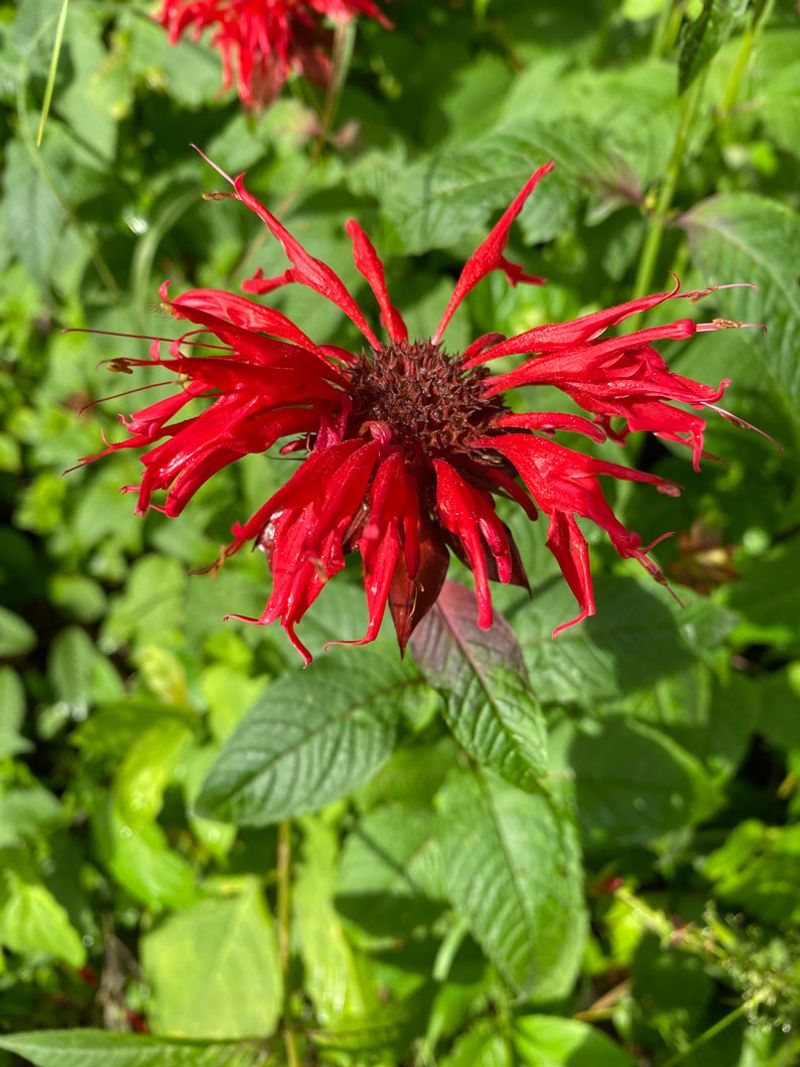
Its fiery red flower clusters sit on tall, upright stems and practically glow in the sunlight. Hummingbirds show up fast, and butterflies are not far behind.
For gardeners who want that same bold, show-stopping moment that hydrangeas deliver, Scarlet Bee Balm does it with even more energy.
Native to eastern North America, this plant thrives in Pennsylvania’s climate without a lot of extra help. It prefers moist soil and partly sunny spots, making it a great fit for garden beds near a water source or in areas with morning sun and afternoon shade.
It can grow two to four feet tall, so it works well as a background plant or a mid-border anchor.
One thing to know is that Scarlet Bee Balm spreads over time. It forms clumps that slowly expand, which means you get more plants each year without spending extra money.
You can divide the clumps every few years to keep them tidy and share extras with neighbors. The leaves also have a pleasant minty fragrance, so brushing past it in the garden is a nice bonus.
It blooms from mid-summer into early fall, giving you weeks of color when many other plants start to fade. If powdery mildew becomes an issue, simply choose a mildew-resistant variety.
Planting it with good air circulation around the stems also helps. Overall, Scarlet Bee Balm is a rewarding, low-fuss native that earns its place in any Pennsylvania garden.
2. Wild Bergamot
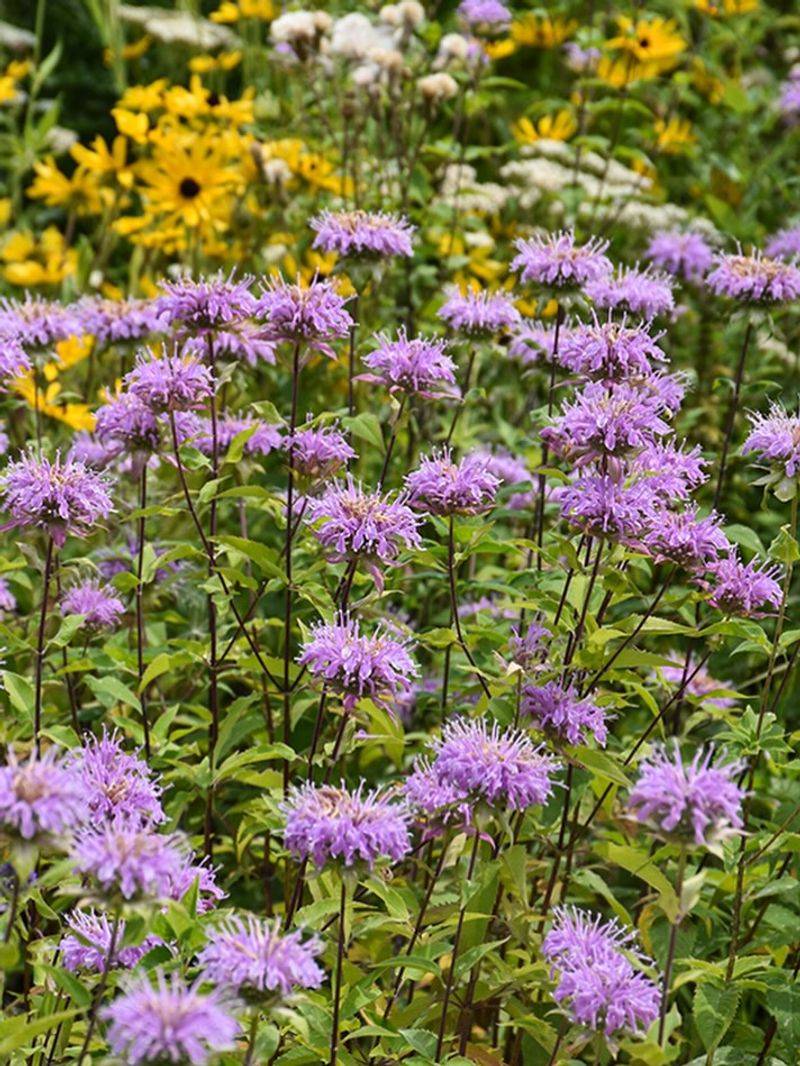
There is something quietly beautiful about Wild Bergamot. It does not shout for attention the way some garden flowers do.
Instead, it offers soft lavender-pink blooms, a relaxed and airy look, and a gentle fragrance that drifts through the garden on warm days.
For gardeners who love color but are tired of the stiff, formal appearance of hydrangea shrubs, Wild Bergamot feels like a breath of fresh air.
Your Pennsylvania Garden Changes Every Week. Your Plan Should Too.
Gardening in Pennsylvania changes quickly throughout the season. Every Friday you’ll receive a simple weekly plan showing exactly what to plant, prune, fertilize, harvest, and protect so you never miss the right timing.
This native flower belongs to the mint family, which explains the pleasant herbal scent coming from its leaves. Bees absolutely love it.
In fact, Wild Bergamot is one of the top native plants recommended for supporting pollinators in Pennsylvania. Bumblebees, native bees, and butterflies visit it constantly throughout its blooming season, which runs from early to mid-summer.
It grows two to four feet tall and works beautifully in meadow-style plantings, cottage gardens, or naturalized borders.
Drought tolerance is one of its standout qualities. Once established, Wild Bergamot handles dry spells much better than hydrangeas, which often need regular watering to look their best.
It prefers full sun but can manage in light shade. Well-drained soil suits it well, though it adapts to a range of soil types common across Pennsylvania.
Like Scarlet Bee Balm, it spreads gradually by rhizomes, forming wider clumps over time. Cutting it back after blooming can encourage a second flush of growth and keep the plant looking tidy.
If you want a flower that brings pollinators, fragrance, and a relaxed meadow charm to your yard, Wild Bergamot is a genuinely satisfying choice.
3. Fall Phlox
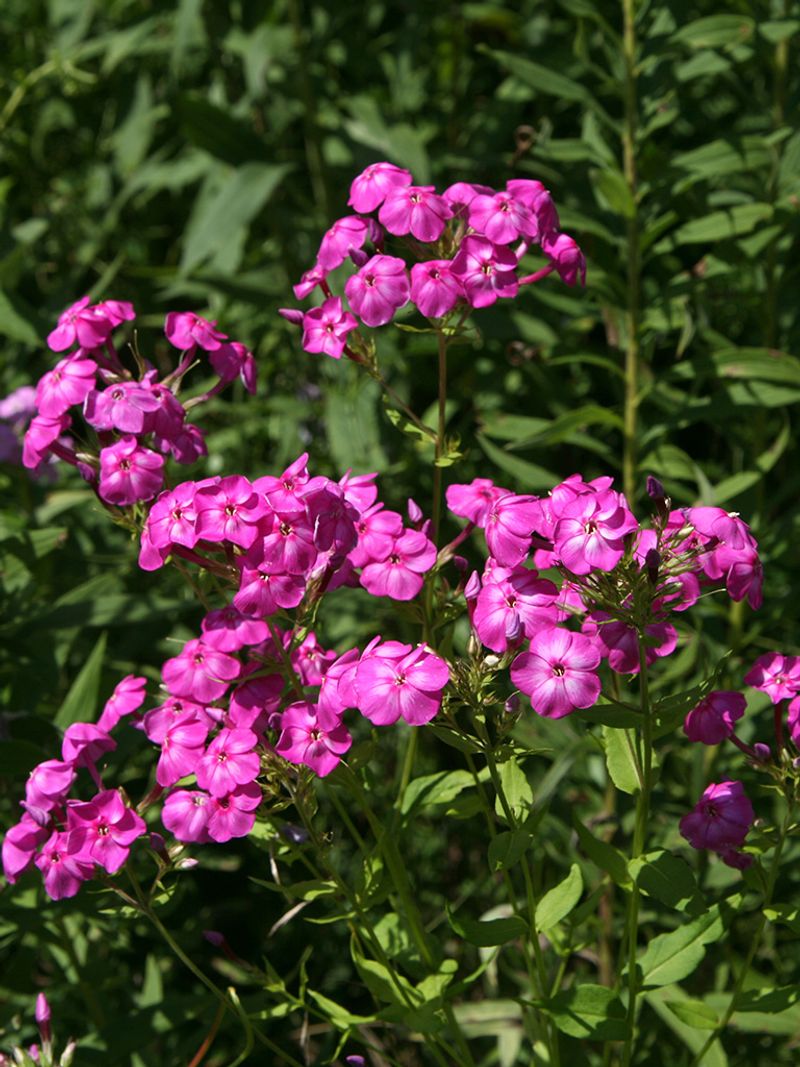
Imagine walking past a garden in late summer and stopping in your tracks because of the sheer fullness of color coming from one plant. That is what Fall Phlox does.
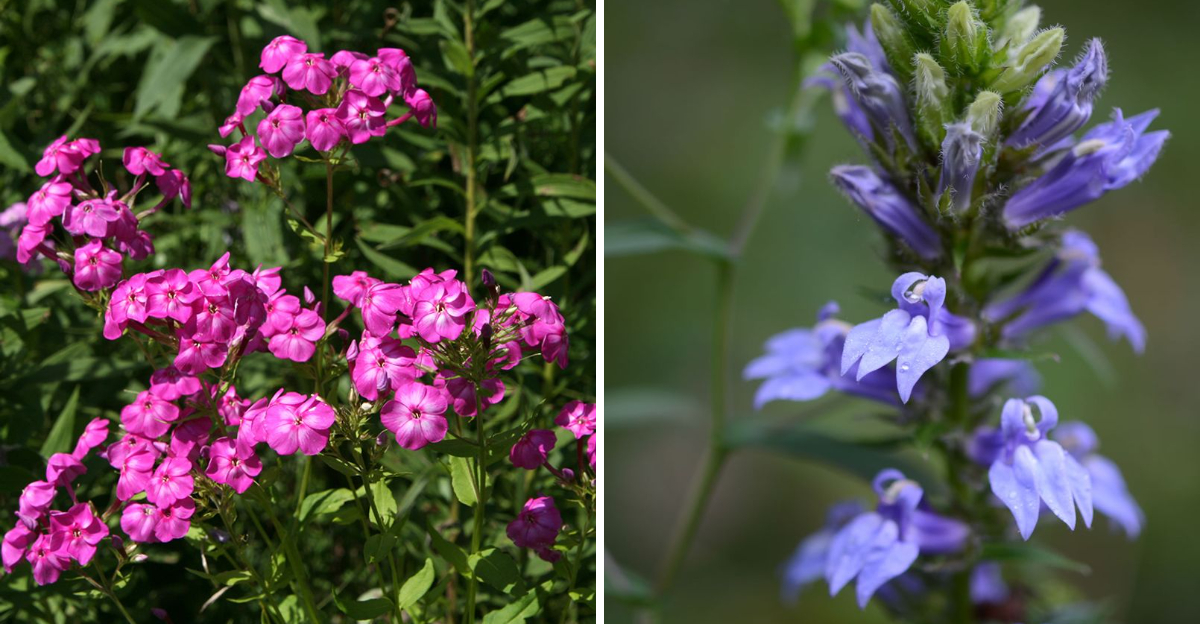
Its large, rounded flower clusters in shades of pink, lavender, and white create a lush, romantic effect that rivals even the most impressive hydrangea display. For gardeners who want that big, soft bloom moment without planting a shrub, Fall Phlox delivers beautifully.
Native to the eastern United States, Fall Phlox is well suited to Pennsylvania gardens. It grows three to four feet tall and blooms from late summer into early fall, which is a time when many other flowers are winding down.
That extended bloom window makes it especially valuable in a mixed border or cottage garden. The flowers are also fragrant, adding another layer of appeal that hydrangeas simply cannot match.
Growing Fall Phlox successfully comes down to a few simple habits. Plant it in full sun for the best blooms, and make sure the soil drains well.
Good air circulation between plants helps reduce the chances of powdery mildew, which can affect phlox in humid conditions. Watering at the base of the plant rather than overhead also keeps the foliage healthier.
Deadheading spent blooms encourages the plant to keep producing new flowers throughout the season. Fall Phlox pairs wonderfully with ornamental grasses, coneflowers, and black-eyed Susans in a naturalistic planting.
It is a native flower that earns every bit of admiration it gets, and Pennsylvania gardeners are starting to recognize just how special it really is.
4. Cardinal Flower
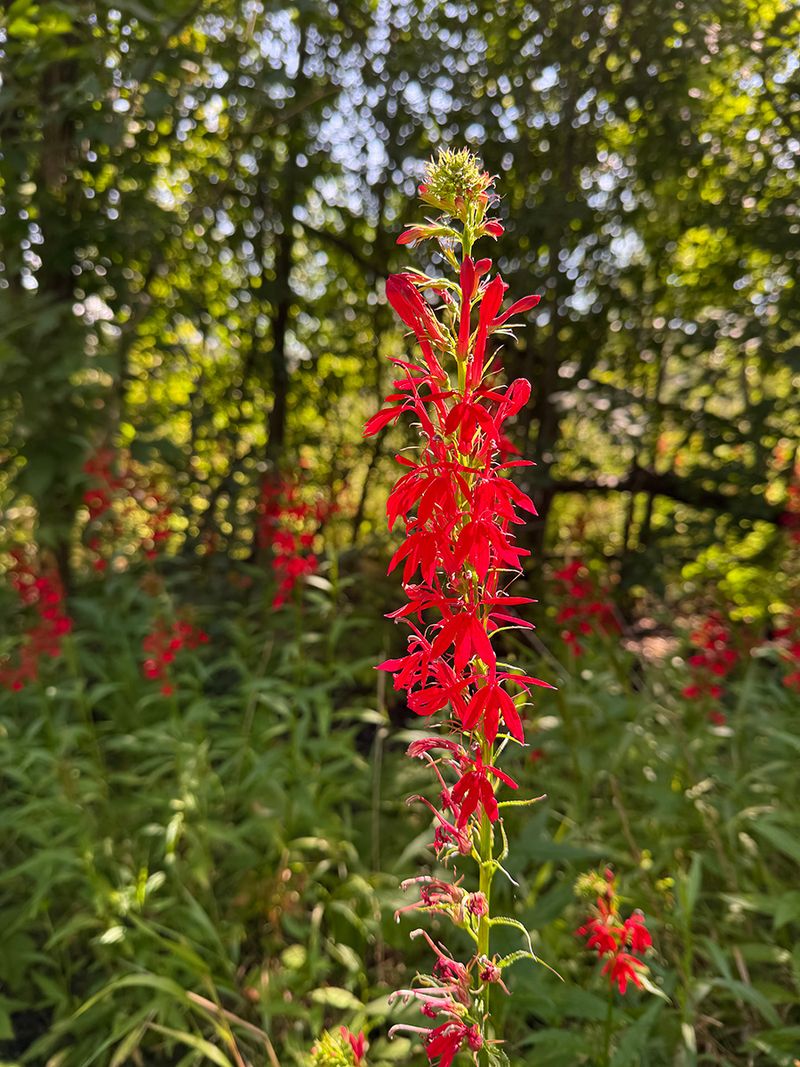
Bold, saturated, and completely unforgettable, Cardinal Flower is the kind of plant that makes people stop and ask what it is. The tall spikes of brilliant red blooms are almost too vivid to believe, standing out sharply against green foliage and shaded backgrounds.
Hummingbirds are drawn to it like a magnet, and it is one of the few native plants that thrives in the wetter, shadier spots where many other flowers struggle.
For Pennsylvania gardeners dealing with soggy low spots, rain gardens, or partly shaded beds near a stream or downspout, Cardinal Flower is a natural solution.
It loves moist to wet soil and handles part shade well, which makes it a strong alternative to hydrangeas in those tricky, hard-to-plant areas.
It grows two to four feet tall and blooms from mid-summer into early fall, giving you weeks of that rich, deep red color.
One fun fact about Cardinal Flower is that it gets its name from the bright red robes worn by Roman Catholic cardinals. The color is that intense.
While it is a short-lived perennial, it self-seeds reliably, meaning new plants come up each year to replace older ones. Encouraging this natural cycle keeps a patch going season after season without replanting.
Mulching around the base helps retain the moisture it craves. Avoid letting the soil dry out completely, especially during hot summer stretches.
Cardinal Flower works beautifully alongside Great Blue Lobelia, ferns, and native sedges in a shade or rain garden setting. It brings drama and ecological value to spaces that often get overlooked in garden planning.
5. Black-Eyed Susan
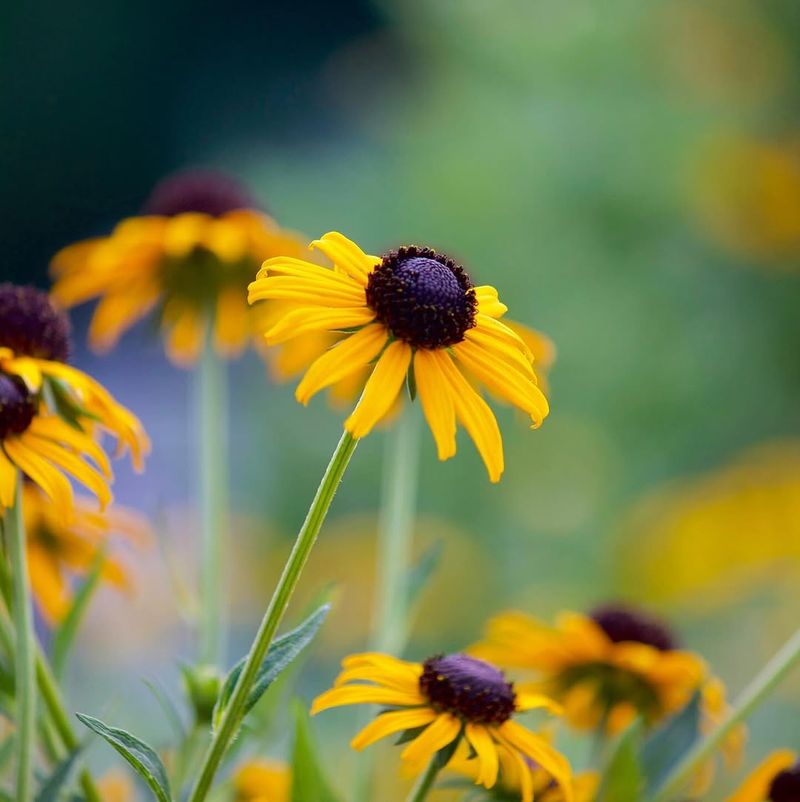
Ask almost any experienced Pennsylvania gardener which native flower they recommend for beginners, and Black-Eyed Susan is almost always near the top of the list. There is a reason for that.
It is cheerful, reliable, and tough in a way that many ornamental plants simply are not. Those golden yellow petals surrounding a dark brown center are instantly recognizable, and they bring a warmth to the garden that feels both casual and inviting.
Black-Eyed Susan thrives in full sun and handles dry conditions far better than thirsty ornamental shrubs like hydrangeas.
Once established, it needs very little supplemental watering, making it a smart choice for gardeners who want color without constant maintenance.
It grows one to three feet tall and blooms from early summer through fall, giving it one of the longest bloom windows of any native perennial in Pennsylvania.
Pollinators go wild for it. Native bees, bumblebees, and goldfinches all visit Black-Eyed Susan regularly throughout the season.
The seed heads that form after blooming are a food source for birds heading into fall and winter, so leaving them in place instead of cutting them back has real ecological benefits. It works in sunny borders, meadow strips, roadside plantings, and mixed beds.
It also pairs naturally with coneflowers, wild bergamot, and ornamental grasses. Dividing the clumps every three to four years keeps plants vigorous and gives you extras to fill other spots in the yard.
For anyone looking to reduce garden maintenance while keeping strong visual impact, Black-Eyed Susan is an outstanding starting point. It rewards even the most casual gardener generously.
6. Moss Phlox
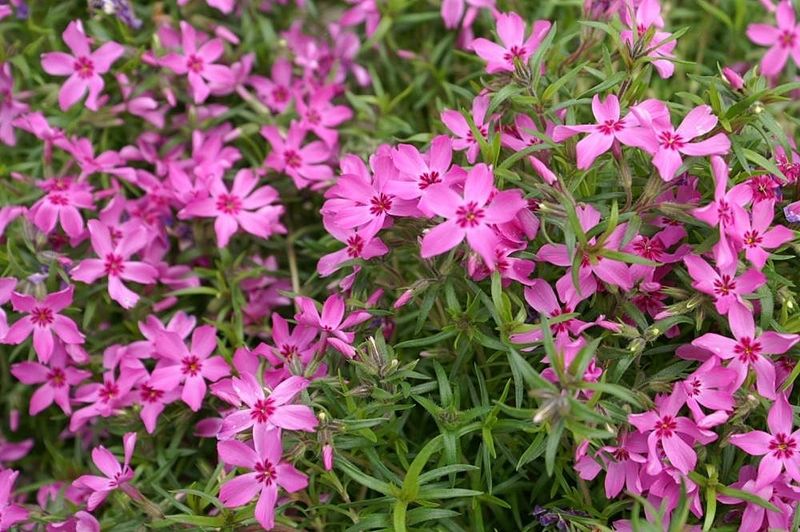
Every spring, something almost magical happens in gardens where Moss Phlox grows. The low, spreading plant erupts into a dense carpet of tiny flowers in shades of pink, purple, lavender, and white.
For a few weeks, it looks like someone laid a floral blanket across the ground. It is one of the most visually striking spring displays any Pennsylvania garden can offer, and it requires almost no effort to achieve.
Unlike hydrangeas, which grow into large shrubs that can crowd out smaller plants, Moss Phlox stays low to the ground, typically reaching just four to six inches tall. That compact size makes it ideal for spots where a full-sized shrub would simply be too bulky.
Rock gardens, sloped areas, garden edges, and the front of mixed borders are all perfect places for it. It also works well between stepping stones or cascading over a low retaining wall.
Moss Phlox prefers full sun and well-drained soil. Sandy or rocky soil that drains quickly actually suits it better than rich, heavy soil.
Once established, it is quite drought tolerant, which is a big plus in spots where watering is difficult. After the main bloom in spring, a light trim with garden shears encourages compact, tidy growth for the rest of the season.
The evergreen foliage stays attractive year-round, providing texture even in winter when most other perennials have died back. Pair it with spring bulbs for a layered early-season display, or let it fill gaps between larger native plants.
Moss Phlox is a low-maintenance native that delivers maximum visual payoff for minimal effort.
7. Great Blue Lobelia
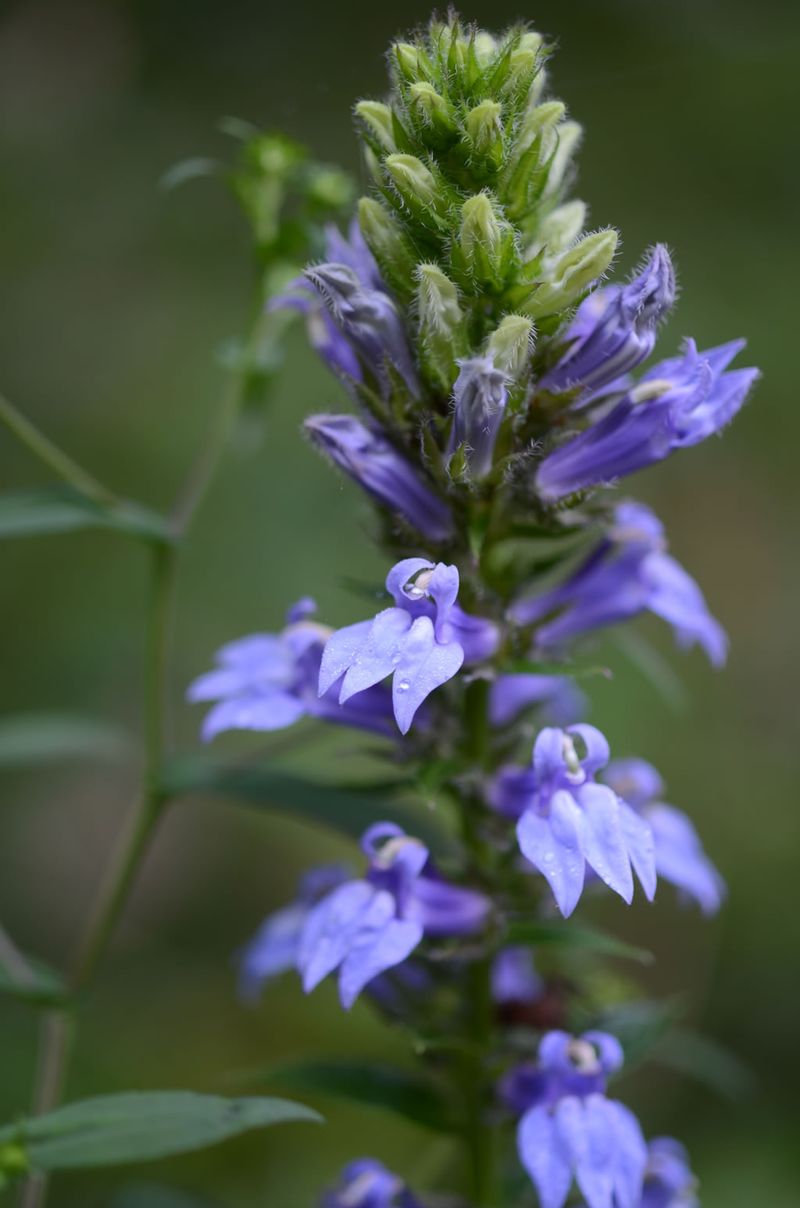
Cool blue is one of the rarest colors in the native plant world, which is exactly what makes Great Blue Lobelia so special.
While most native flowers lean toward reds, yellows, and purples, Great Blue Lobelia brings a deep, rich blue-violet that stands out in any garden setting.
It is the kind of color that makes a planting feel calm, sophisticated, and a little unexpected all at once.
Native to eastern North America, Great Blue Lobelia grows naturally along stream banks, wet meadows, and forest edges throughout Pennsylvania.
In the garden, it thrives in moist soil and part shade, making it a natural partner for Cardinal Flower, ferns, and native sedges.
It grows two to three feet tall and produces tall, slender spikes of tubular blue flowers from late summer into fall. Hummingbirds visit it regularly, drawn to the same tube-shaped blooms that make it so visually striking.
One of the things gardeners appreciate most about Great Blue Lobelia is how it fills a color gap that is hard to address with other native plants.
While it is technically a short-lived perennial, it self-seeds freely, so a healthy patch tends to persist and even expand over time without replanting.
Keeping the soil consistently moist helps it perform at its best, especially during dry summer stretches. Avoid letting it sit in standing water for long periods, though.
It does well in rain gardens precisely because the soil drains between rainfall events. Pairing it with light-colored natives like white Fall Phlox or pale coneflowers creates a striking contrast that makes both plants look even better side by side.