7 North Carolina Shrubs That Grow Better When Planted In Fall
Most people assume spring is the obvious season for planting shrubs, packing away that idea until winter finally breaks and warmer weather returns.
But several shrubs actually establish far better when North Carolina gardeners plant them in fall instead, taking advantage of conditions spring simply cannot offer.
These particular shrubs don’t just tolerate a fall start, they genuinely thrive because of it, developing stronger roots before summer heat ever becomes a factor.
It sounds counterintuitive, especially with cooler weather already settling in, but the timing actually works in these shrubs’ favor.
Gardeners who plant now, rather than waiting for spring, often end up with noticeably healthier, more established plants by the following summer.
Understanding exactly which shrubs benefit from this fall timing could completely change how you plan your next planting project. It turns out patience, in this specific case, actually gets rewarded.
1. American Beautyberry
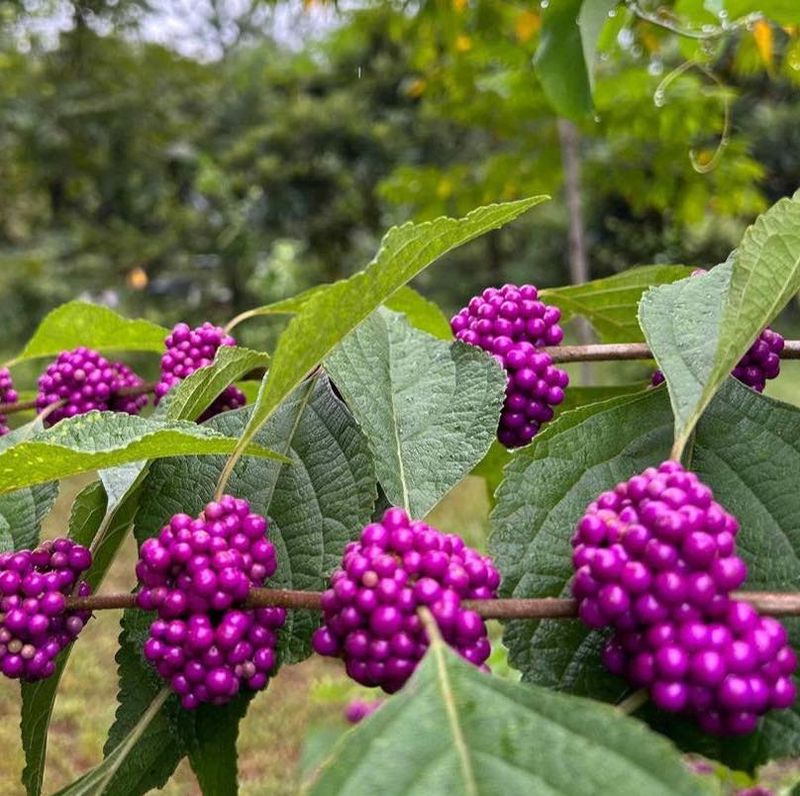
Bright clusters of purple berries make American beautyberry one of the most eye-catching native shrubs you can grow. Birds adore the fruit, and gardeners love how easy this plant is to care for once it settles in.
Fall planting works so well because the roots get busy underground while the top of the plant rests. Cooler days and steady autumn rain let the shrub spread its roots without fighting the summer heat that North Carolina is famous for.
By the time warm weather returns, the plant already has a strong foundation to pull water and nutrients from the soil.
Well drained soil matters more than many people expect. Beautyberry does not like sitting in soggy ground, because water that pools around the roots can cause them to rot.
If your yard holds puddles after rain, mix in some compost or plant on a slight slope to help water move away.
Give it a spot with full sun or light shade, and space it out since it can grow wide and bushy. A layer of mulch helps hold moisture and keeps weeds away during those first months.
Once established, beautyberry shrugs off dry spells with ease. Fun fact: some folks crush the leaves and rub them on their skin because they may help keep bugs away.
Plant it this fall, and you will enjoy a burst of color and a busy crowd of songbirds next season.
2. Oakleaf Hydrangea
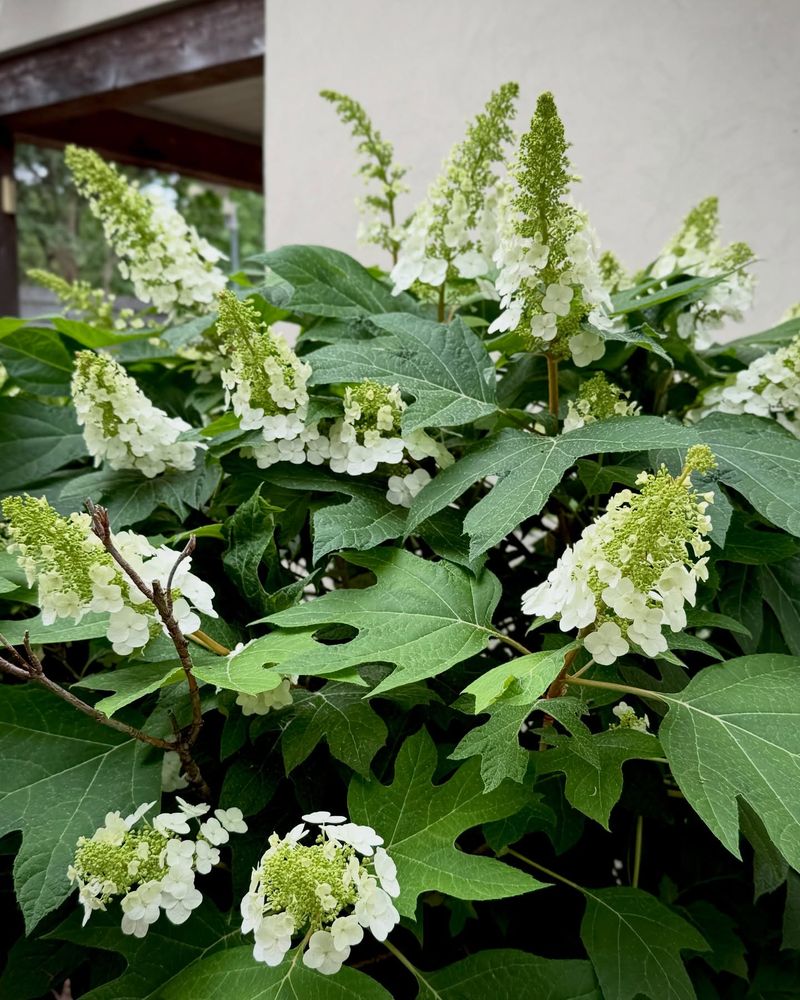
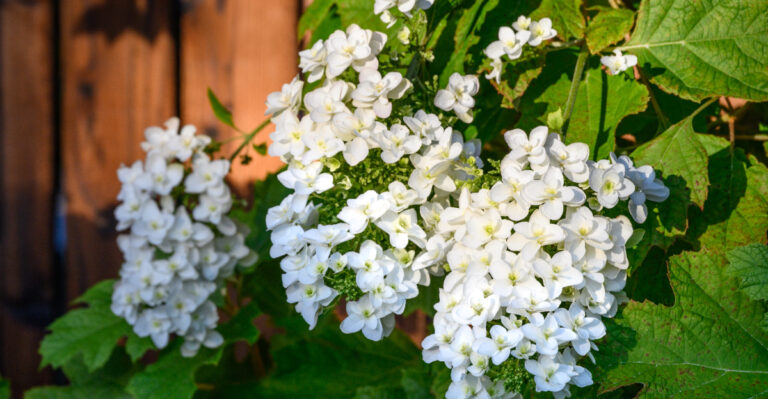
With flowers shaped like fluffy white cones and leaves that look like giant oak leaves, oakleaf hydrangea brings drama to any yard. In autumn its foliage turns rich shades of red and purple, making it a showstopper long after the blooms fade.
Autumn is a comfortable time to plant this beauty because the weather is mild and the soil stays cool and moist. There is no harsh sun to stress the young shrub, so it can focus its energy on growing roots.
That head start pays off when spring arrives and the plant is ready to push out fresh leaves and flowers.
Moist, well drained soil keeps oakleaf hydrangea happy. It likes ground that stays a little damp but never swampy, so adding compost helps the soil hold water while still letting extra moisture drain away.
Your North Carolina Garden Changes Every Week. Your Plan Should Too.
Gardening in North Carolina changes quickly throughout the season. Every Friday you’ll receive a simple weekly plan showing exactly what to plant, prune, fertilize, harvest, and protect so you never miss the right timing.
A spot with some shade is a real gift for this shrub, especially in the warmer parts of North Carolina. Morning sun with afternoon shade protects the leaves from scorching and keeps blooms looking fresh longer.
Water it regularly during the first few weeks, then let the fall rains do most of the work. A ring of mulch around the base locks in moisture and shields the roots as temperatures drop.
This shrub is native to the southeastern United States, so it feels right at home here. Plant it this fall, and you will be rewarded with big blooms, gorgeous color, and a plant that grows sturdier every year.
3. Virginia Sweetspire
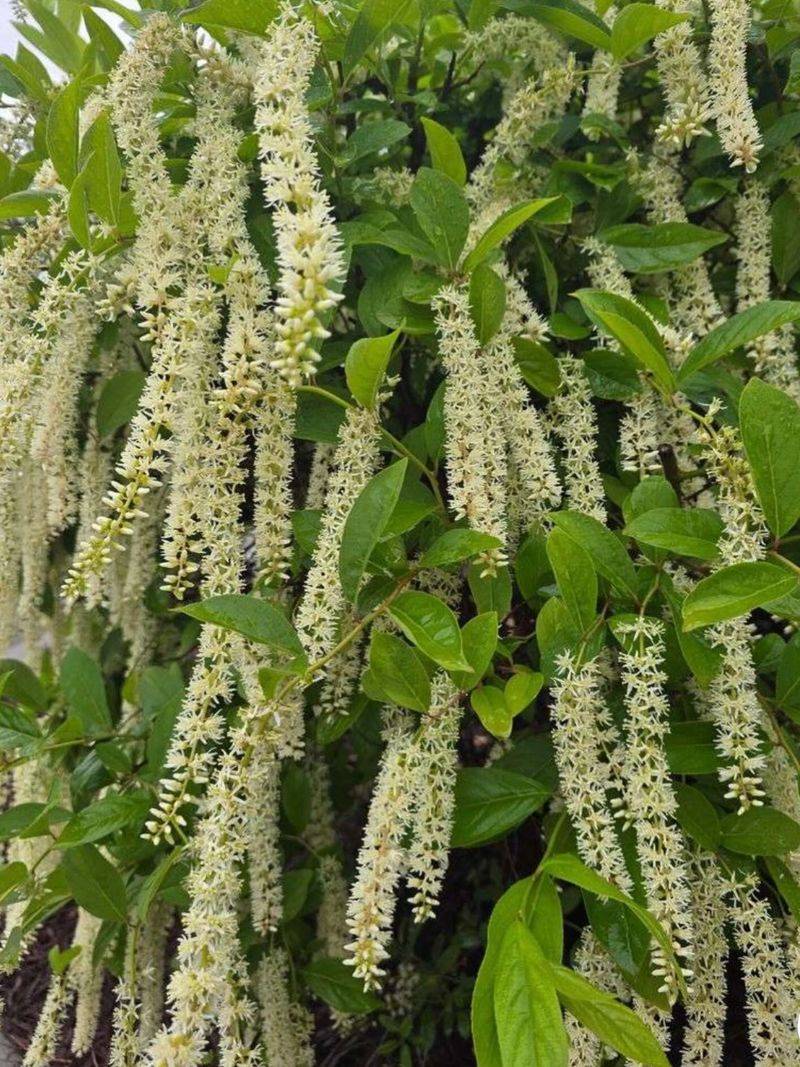
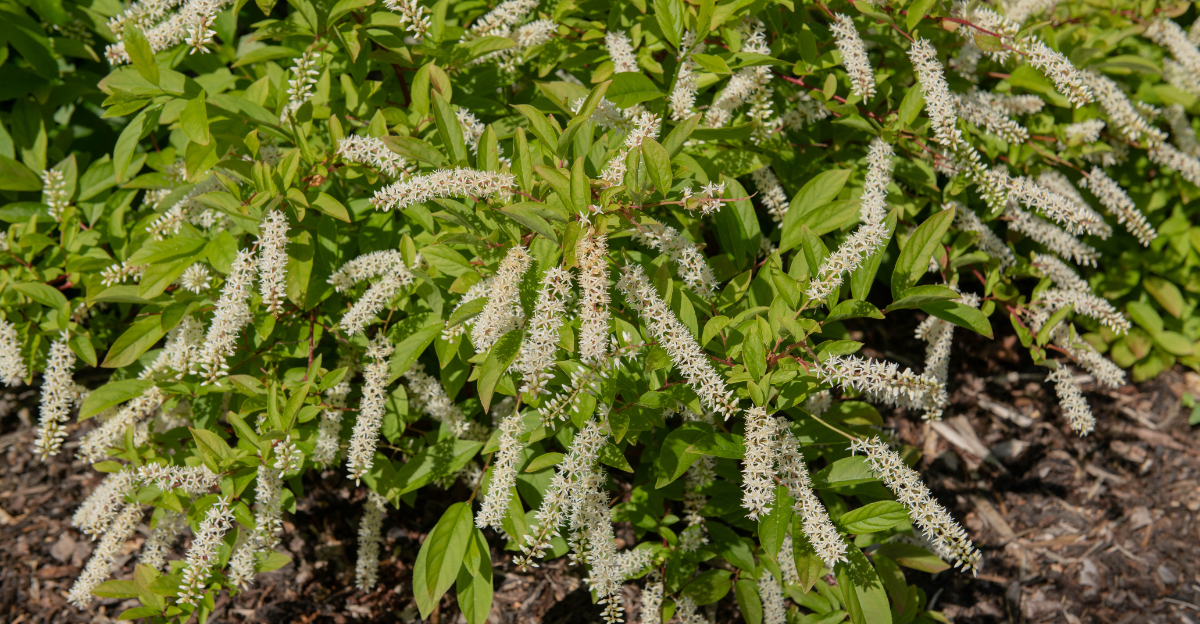
Graceful white flower spikes and fiery fall leaves make Virginia sweetspire a favorite for gardeners who want beauty in every season. This tough native shrub adapts to all sorts of spots, which is part of what makes it so beloved.
Planting in fall gives sweetspire the calm, cool conditions it needs to build a strong root system. Instead of battling summer heat right away, the shrub spends autumn quietly stretching its roots into the soil.
That patient start helps it thrive when the busy growing season begins. One of the best things about this plant is how forgiving it is.
Sweetspire handles moist soil without complaint, so it works well near ponds, streams, or low spots where water tends to collect. Gardeners in soggy areas find it a lifesaver where other shrubs struggle.
It also puts up with different light conditions. Plant it in full sun for the brightest fall color, or tuck it into partial shade where many other flowering shrubs would sulk. This flexibility means you can fit it almost anywhere in your North Carolina yard.
Give it a drink of water during dry stretches in its first season, and spread mulch to keep the roots cool and comfortable. After that, it mostly takes care of itself.
Bees and butterflies flock to its fragrant blooms in late spring, adding life and movement to the garden. Plant sweetspire this fall, and you will gain a low-fuss shrub that rewards you with sweet flowers and stunning autumn color.
4. Summersweet
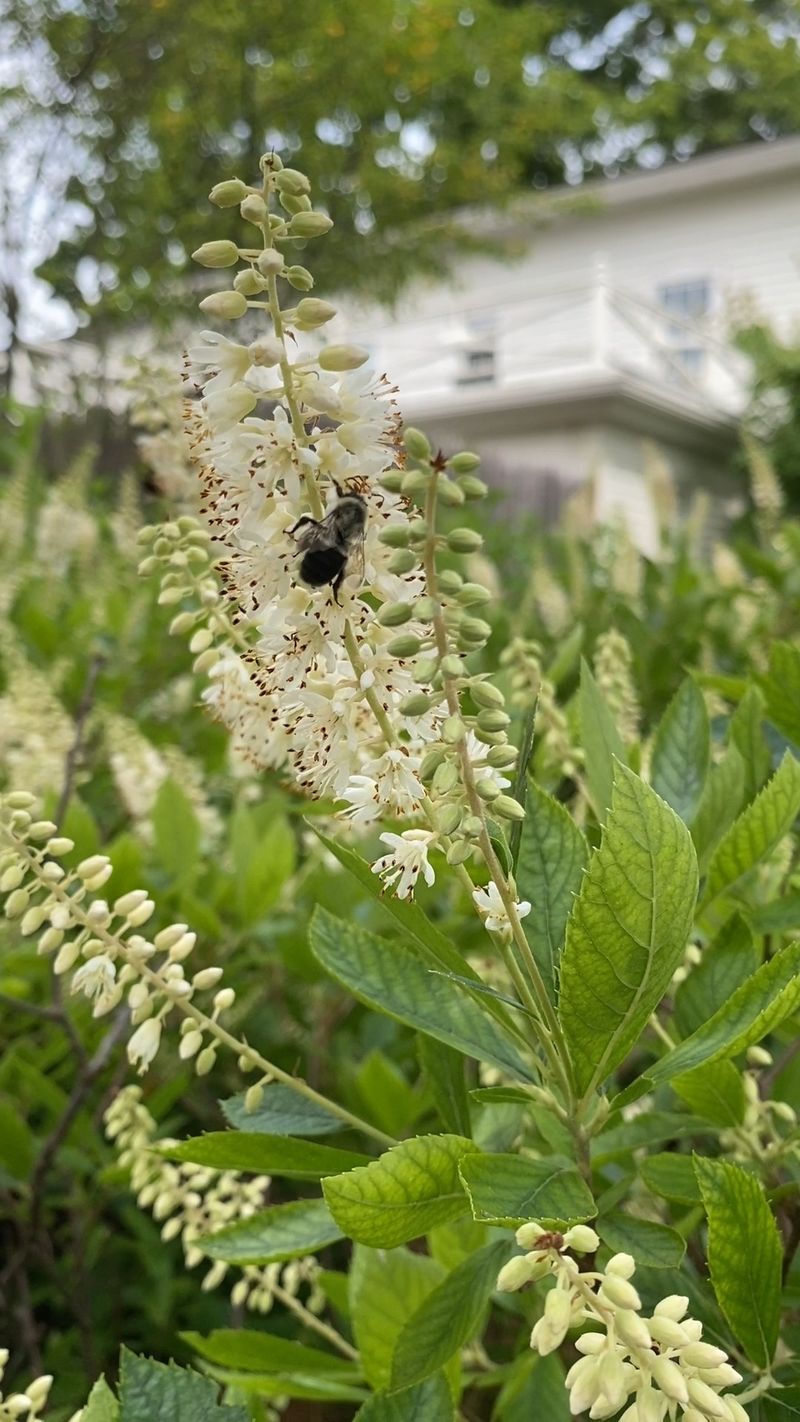
The name says it all with summersweet, a shrub famous for its sugary fragrance that fills the air in the warm months. Its bottlebrush blooms attract clouds of butterflies and bees, turning any garden into a lively hangout.
Getting it in the ground during fall can really cut down on stress for the young plant. Cooler temperatures and gentle rain mean the shrub is not fighting to stay hydrated while it settles.
Instead, all its energy goes toward growing strong roots that will carry it through summer.
Summersweet has a special love for moist, acidic soil. It grows naturally in damp woodland areas, so it does not mind ground that stays wet longer than most shrubs would like. If your soil leans acidic, this plant will feel completely at home.
To help it settle, mix in organic matter like compost or pine bark, which boosts both moisture and acidity. A thick layer of mulch keeps the roots cool and holds water close during dry spells.
This shrub is happiest with some shade in hotter regions, though it can take more sun where soil stays reliably damp. Water it well through fall and its first spring, and it will reward you handsomely.
Here is a sweet detail: summersweet blooms later than many shrubs, so it brings fresh flowers when others have already faded. Plant it this fall, and next summer your yard will hum with pollinators and smell absolutely wonderful all season long.
5. Carolina Allspice
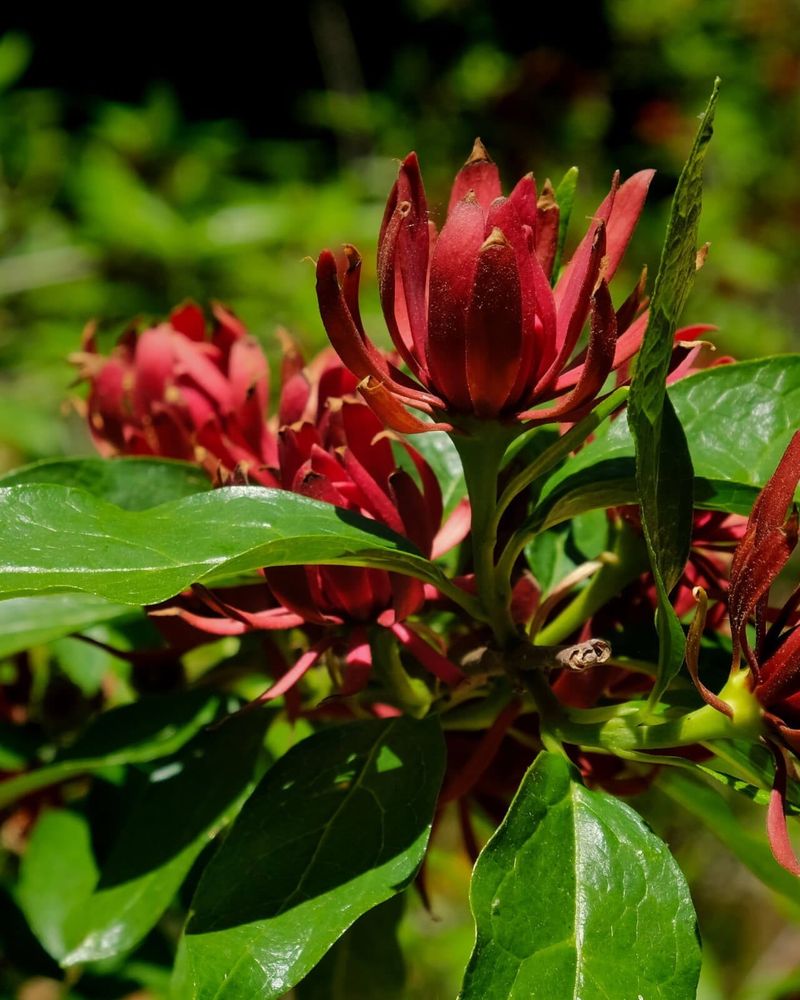
Crush a leaf or sniff a bloom of Carolina allspice, and you will catch a warm, spicy scent that reminds some folks of fruit or cinnamon. This charming native shrub has been a Southern garden treasure for generations.
Fall planting hands this shrub a valuable gift: time. Before its first hot summer arrives, Carolina allspice can spend the cool months building a deep, sturdy root system.
Those roots become its lifeline when the heat cranks up, helping it stay strong instead of struggling.
The plant produces unusual maroon-red flowers that look almost like small, ruffled stars. They add a touch of mystery to shady corners where brighter blooms might not grow well.
Speaking of shade, afternoon shade can be a big help in warmer parts of North Carolina. Too much blazing sun in the hottest sites can stress the leaves, so a spot that gets morning light and afternoon protection keeps it looking fresh and healthy.
Carolina allspice is not picky about soil, though it appreciates ground rich in organic matter that holds a bit of moisture. Water it during dry spells in its first year, and spread mulch to keep the roots comfortable.
Once settled, this shrub asks for very little and gives back plenty of fragrance and character. Early gardeners loved it so much they planted it near doorways just to enjoy the smell.
Tuck one into your yard this fall, and you will have a fragrant, easygoing companion for years.
6. Witch Hazel
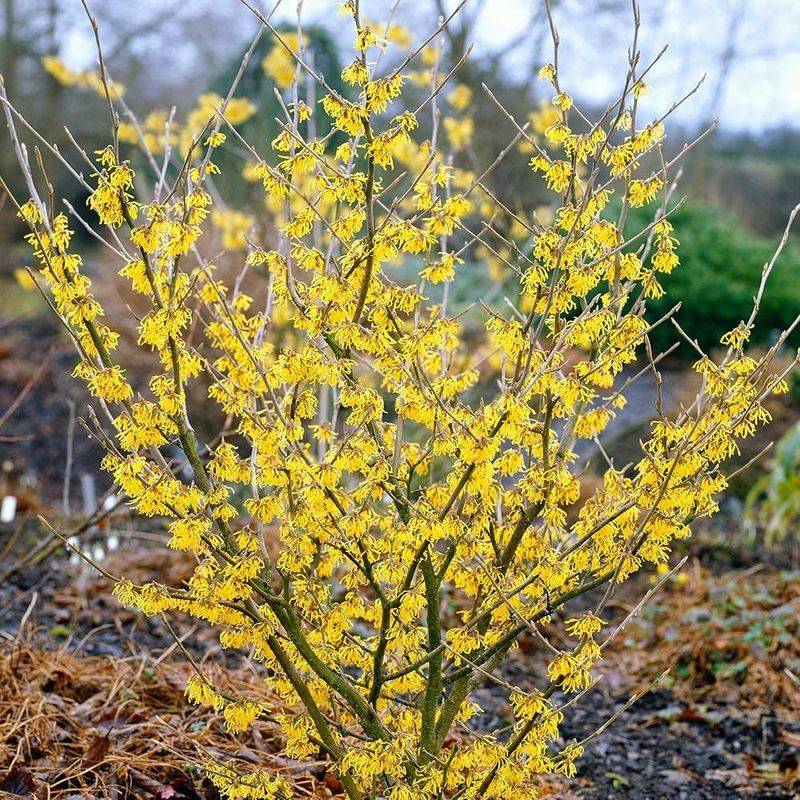
Few shrubs surprise gardeners quite like witch hazel, which unfurls spidery yellow blooms on bare branches when most plants have gone quiet. Its cheerful flowers bring a splash of color to the coldest, grayest days.
Autumn is a smart time to get this native shrub in the ground. The mild weather lets it settle without stress, and its roots can grow steadily while the plant is not busy producing leaves.
By the time warm weather returns, witch hazel has a solid start beneath the surface.
Moist, acidic soil is the secret to keeping this shrub happy. It grows naturally in North Carolina woodlands where the ground stays damp and rich, so mimicking those conditions at home helps it flourish.
Adding pine bark or compost boosts both moisture and acidity in one easy step.
Choose a spot with full sun or partial shade, and give the plant enough room to spread its graceful branches. Water it well during its first fall and spring, then let nature take over for the most part.
A layer of mulch protects the roots and keeps the soil evenly moist through changing seasons. Once established, witch hazel is remarkably low-maintenance.
Here is a fun bit of history: the branches were once used as tools called divining rods to search for underground water. Beyond folklore, its bark is still used in soothing skin products today.
Plant witch hazel this fall, and you will enjoy winter blooms that few other shrubs can offer.
7. Highbush Blueberry
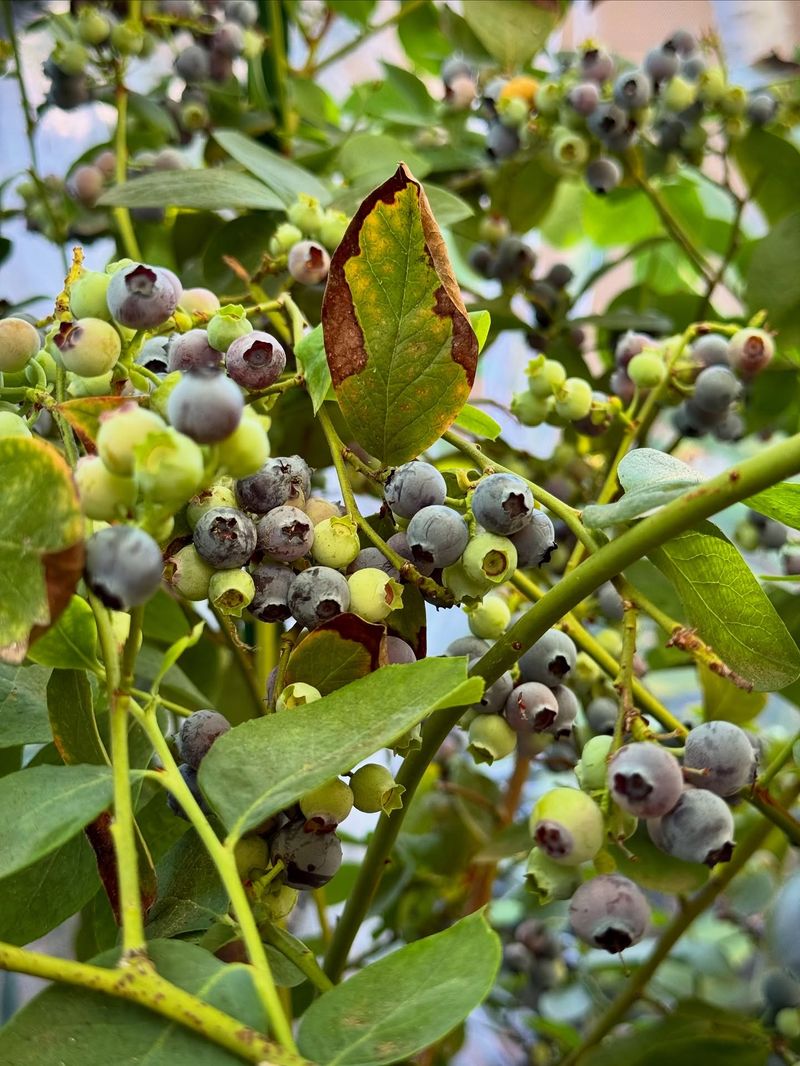
Imagine stepping into your own backyard and picking a handful of sweet, juicy blueberries. Highbush blueberry makes that dream possible, and it looks lovely too, with white spring flowers and fiery red leaves in fall.
Planting in autumn gives this shrub extra time to establish before summer heat arrives. While the weather is cool, the roots can grow deep and strong without the pressure of producing fruit or fighting hot sun.
That head start leads to healthier plants and better harvests down the road. Acidic soil is absolutely essential for blueberries. They need ground with a low pH to take in nutrients properly, so testing your soil before planting is a smart move.
Mixing in peat moss, pine bark, or sulfur helps lower the pH and create the perfect home for these plants.
Choosing the right variety matters just as much. North Carolina has different growing regions, from the mountains to the coast, and certain blueberry types thrive better in each area.
Picking one suited to your region gives you the best chance of a big, tasty crop. Plant two or more varieties nearby for better pollination, and give them a sunny spot with room to grow. Water consistently and add mulch to keep the roots cool and moist.
Did you know North Carolina is one of the top blueberry-producing states in the country? Get your bushes in the ground this fall, and next summer you could be enjoying bowls of homegrown berries.