Georgia Crape Myrtles May Look Finished In September But Their Season Isn’t Over
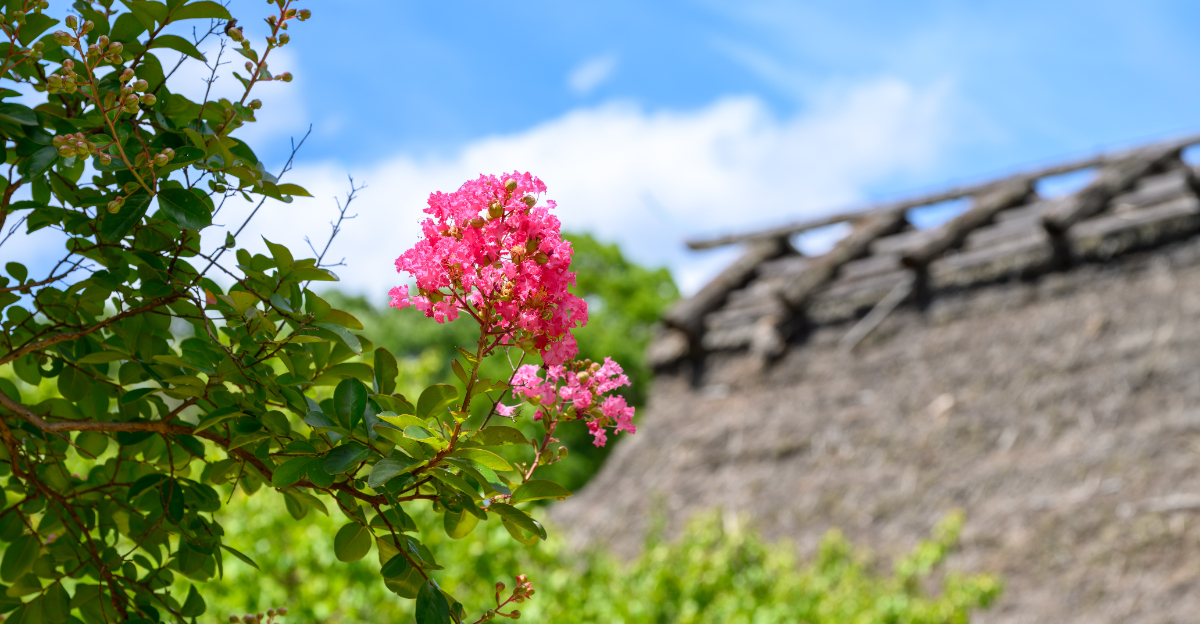
September can make your crape myrtle look like it has already given everything it has for the year. Fewer flowers may remain, yet the tree still has plenty happening behind the scenes.
Resist the urge to treat this change like a signal that garden work is finished.
Georgia crape myrtles are moving into another important stage as summer growth begins to slow. What you do during this transition can affect how the tree handles the months ahead.
Some care that seemed helpful earlier in the season may no longer be the right move now.
Take a closer look before reaching for your tools or supplies. Your tree needs different attention once its bright summer show starts fading.
September still matters, and understanding why can help you avoid poorly timed care.
1. Fading Flowers Do Not Mean The Show Is Finished
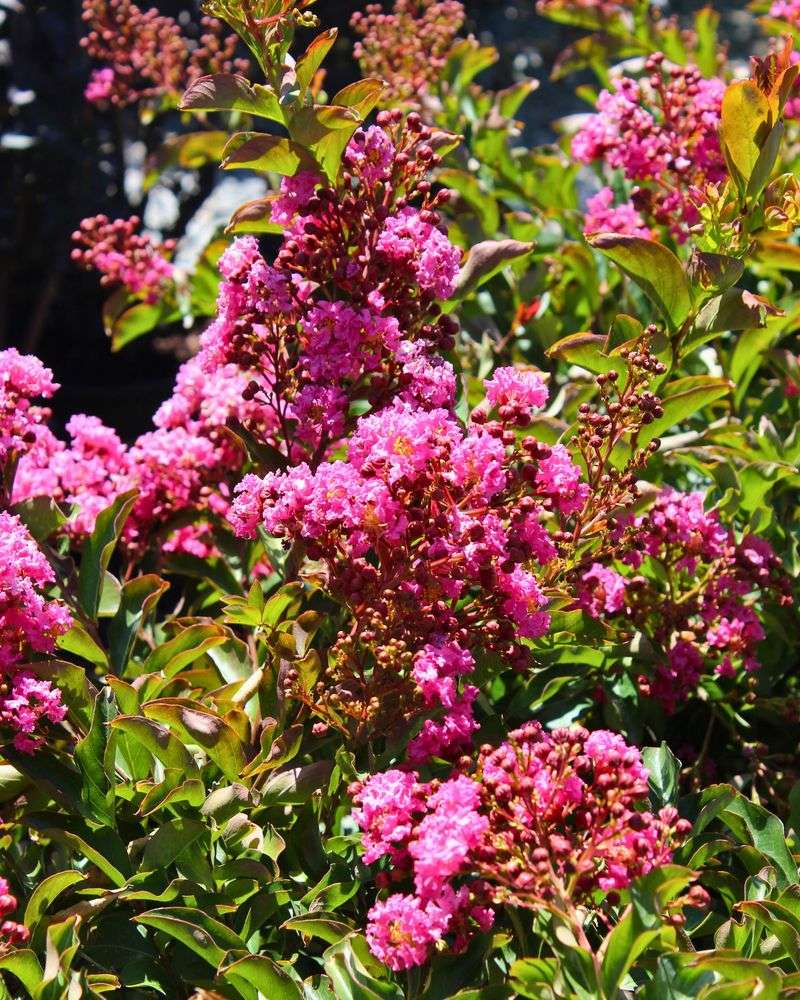
Spent blooms hanging on a crape myrtle can fool just about anyone into thinking the tree is shutting down for the year. That is a fair assumption, but it misses what comes next.
August tends to bring the biggest burst of color. By September, most of that intense blooming slows down noticeably.
Flowers thin out, petals drop, and the canopy looks a little less showy than it did a few weeks earlier.
Still, slower blooming does not mean no blooming. Some cultivars push out a modest second flush of flowers in early fall, depending on summer heat and rainfall.
It is not as dramatic as the main show, but it adds some color.
Beyond any remaining flowers, the tree shifts focus. Energy that went into producing blooms now moves into seed production and preparing for cooler months ahead.
That transition is quiet but meaningful.
Crape myrtles are built for warm climates. Across Georgia and neighboring states, September temperatures stay warm enough to keep these trees active and growing.
The season has not ended. It has simply changed direction, and that shift brings its own kind of interest worth paying attention to.
2. Seedheads Replace Many Of The Summer Flowers
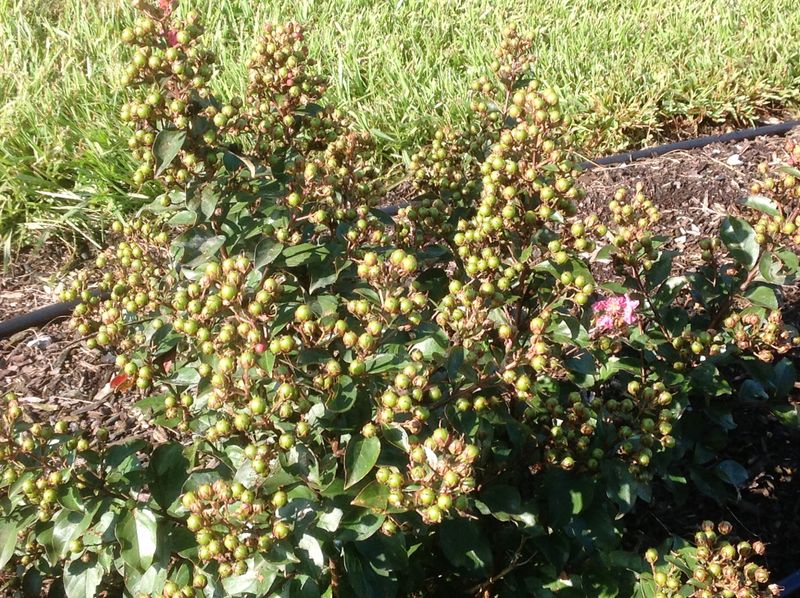
Right where those summer flowers were, small seed capsules start forming almost immediately after blooming slows. Most people walk right past them without a second look.
Each capsule starts out green and round, sitting in tight clusters along the branch tips. Over several weeks, they harden and shift toward a warm brown color.
By mid to late fall, the clusters look almost decorative against bare or thinning branches.
Size varies by cultivar. Smaller-growing types tend to produce more compact clusters, while larger tree-form crape myrtles can develop noticeably fuller seed heads.
Neither type is better, just different in appearance.
The texture these capsules add is worth noticing. When most flowering plants in a yard have gone quiet, crape myrtle seed clusters give branches a structured, layered look.
They catch morning light in a way that feels almost intentional.
Birds occasionally visit the seed clusters, though crape myrtle seeds are not considered a primary food source for most species. Any wildlife benefit is a bonus rather than a guarantee.
Your Georgia Garden Changes Every Week. Your Plan Should Too.
Gardening in Georgia changes quickly throughout the season. Every Friday you’ll receive a simple weekly plan showing exactly what to plant, prune, fertilize, harvest, and protect so you never miss the right timing.
What is more consistent is the visual interest the seedheads provide well into late fall, giving the tree a presence that goes beyond its summer bloom season.
3. Leaving Those Seedheads Alone Is Perfectly Fine
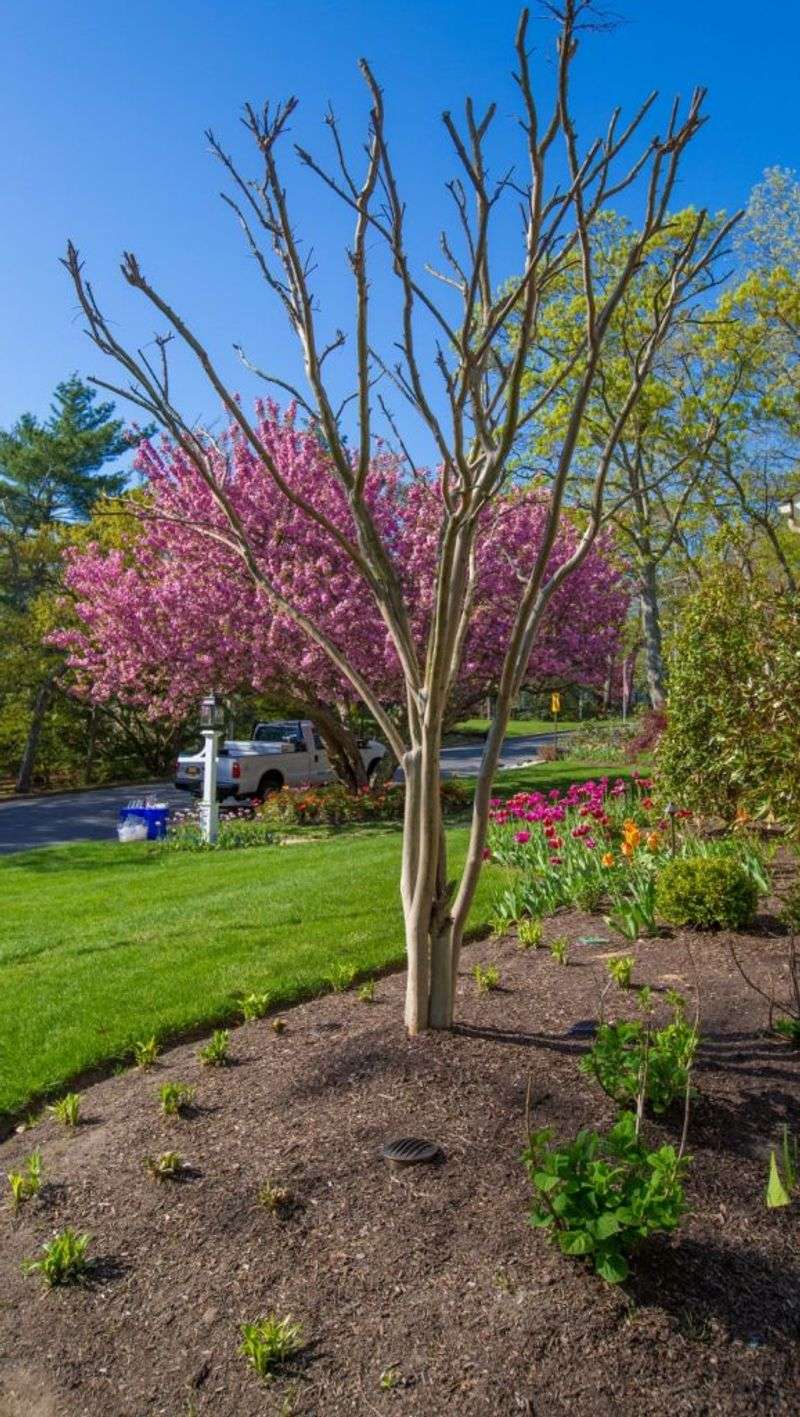
Grab the pruning shears to cut off every seedhead and you are doing extra work for no real benefit. Leaving them in place is a legitimate choice, not a sign of neglect.
Seedheads on crape myrtles do not harm the tree. They are a natural part of the growth cycle.
Removing them mid-fall does not encourage more blooms, and it does not improve the tree’s health heading into winter.
Some gardeners worry that seeds will sprout and create unwanted seedlings nearby. That can happen, but it depends on soil conditions, moisture, and local wildlife activity.
Pulling a few seedlings in spring is far less work than cutting seedheads off every branch in fall.
Leaving the clusters also adds winter structure to the landscape. Bare branches with seed clusters look far more interesting than bare branches with nothing on them.
That visual texture carries the tree through the months when little else is growing.
There is no rule that says seedheads must come off. Plenty of experienced gardeners across the South leave them untouched and see no negative results.
If tidiness is a priority, removing them is fine too. But skipping that task entirely is a perfectly reasonable approach for most home landscapes.
4. Green Foliage Stays On The Tree After Blooming Slows
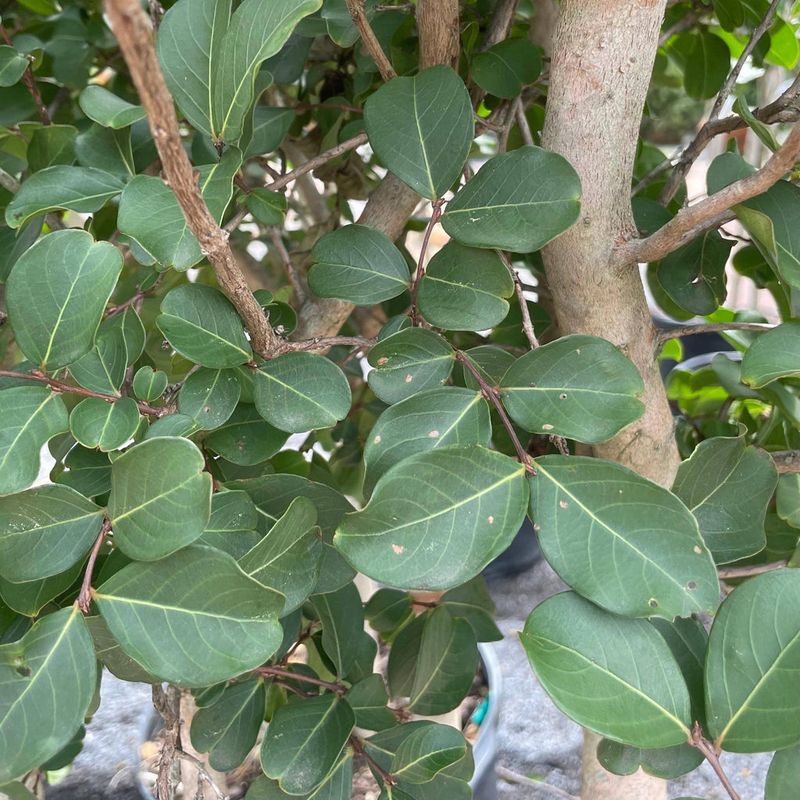
Foliage on a crape myrtle does not disappear the moment flowering slows. Leaves stay green and healthy well into fall across most of the Southeast.
September and much of October typically bring continued leaf coverage on these trees. The canopy stays full and green even as the last flower clusters fade out.
That leafy presence keeps the tree looking substantial in the landscape.
Green foliage at this stage is doing real work. Leaves continue photosynthesizing as long as temperatures stay mild.
That process helps the tree build and store energy before colder weather arrives. Healthy leaf coverage in fall supports a stronger start the following spring.
Pest pressure can thin foliage in some years. Powdery mildew and aphids are known to affect crape myrtles in humid conditions.
If leaf coverage looks unusually sparse in September, a pest or disease issue may be involved rather than seasonal timing.
Under normal conditions, though, the leaves hold on. A crape myrtle in good health with adequate moisture through summer tends to carry a full green canopy deep into fall.
Gardeners who look past the faded blooms often find the foliage alone makes the tree worth keeping front and center in a yard through the season.
5. Yellow Orange And Red Can Follow Later In Fall
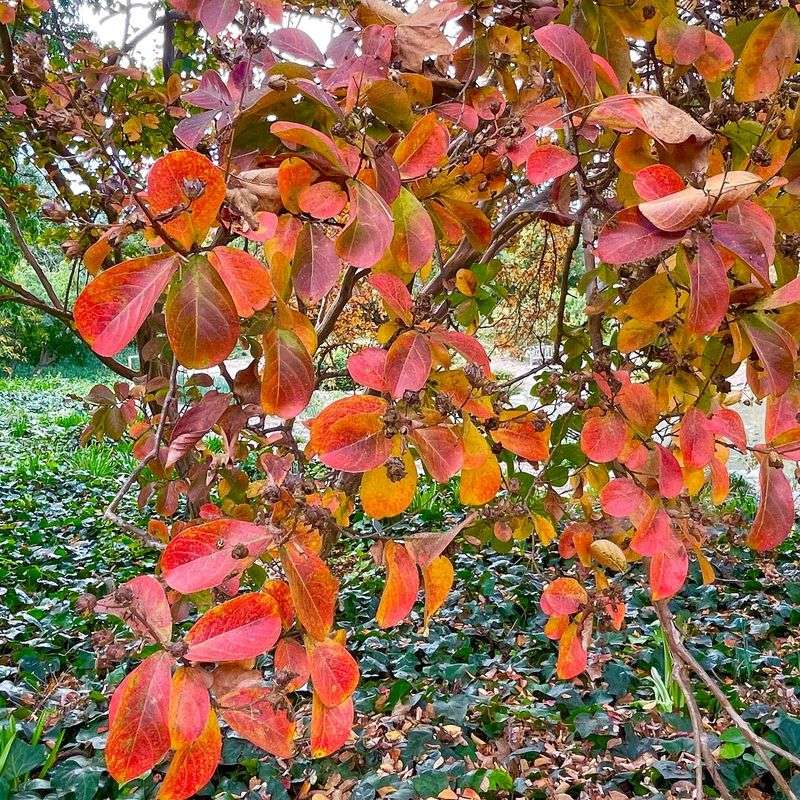
Fall color on a crape myrtle is one of those things many people never expect. Most plant these trees for summer blooms and then get a pleasant surprise when the leaves shift color in October or November.
Color intensity and timing vary quite a bit by cultivar. Some selections turn a clean yellow.
Others move through orange into deep red before leaves drop. A few cultivars show fairly muted color, staying closer to bronze or dull gold rather than vivid red.
Weather plays a role too. Cooler nights and mild days in fall tend to bring out stronger color.
A stretch of warm, humid weather through October can mute the display. Results from one year to the next are not always identical even on the same tree.
Cultivars in the Natchez, Tuscarora, and Sioux groups are often noted for producing decent fall color in addition to strong summer blooms.
That said, individual results depend on local conditions, soil health, and how much water the tree received through summer.
Across Georgia, fall color on crape myrtles typically peaks somewhere between late October and mid-November. It does not last as long as a maple, but it adds a warm, seasonal finish that rounds out the tree’s full-year contribution to a yard or garden.
6. Major Pruning Should Wait Past September
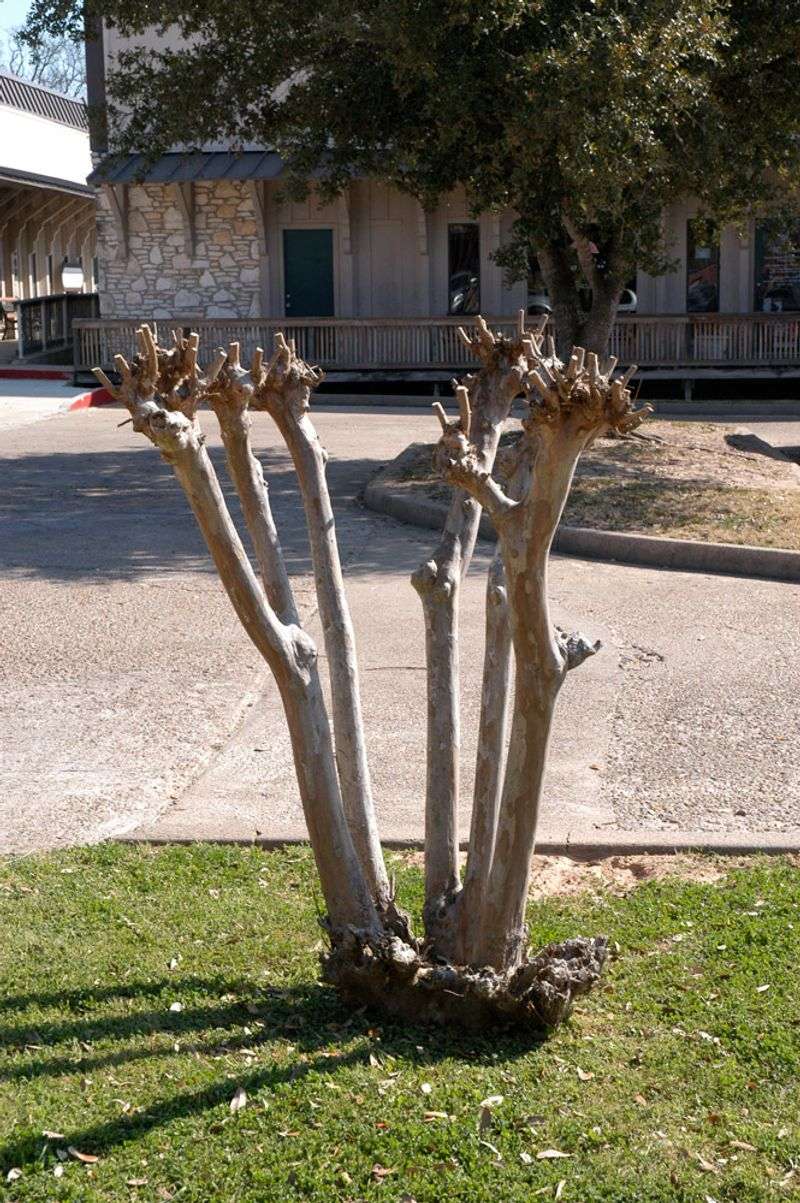
Pulling out the saw in September feels productive, but timing a major prune that early in fall can cause real problems for these trees heading into winter.
Cutting back branches stimulates new growth. Crape myrtles respond to pruning by pushing out fresh, tender shoots.
New growth that emerges in September or early October has limited time to harden off before cold temperatures arrive.
Tender growth is more vulnerable to frost damage than established wood. A cold snap in November or December can damage those soft new shoots significantly.
That forces the tree to spend extra energy recovering in spring rather than putting that energy into new blooms.
September pruning can also disrupt the tree’s natural preparation for dormancy. As days shorten and temperatures cool, crape myrtles begin slowing their growth cycle.
Cutting stimulates the opposite response, working against what the tree is trying to do at that time of year.
Skipping major pruning in early fall does not mean ignoring the tree completely. Removing broken or crossing branches at any time of year is generally acceptable.
Structural cleanup is different from heavy cutback. Holding off on significant pruning until late winter gives the tree a better chance of handling cold weather without extra stress from fresh wounds and vulnerable new growth.
7. Late Winter Brings The Better Pruning Window
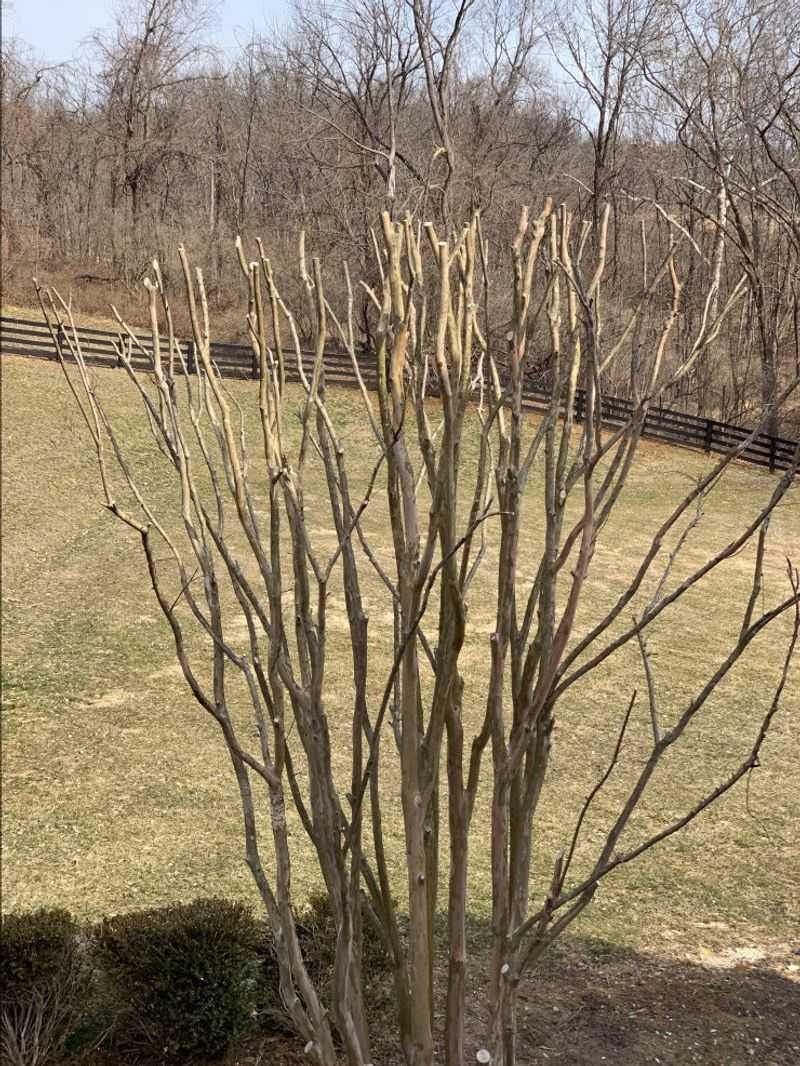
Late winter is when crape myrtle pruning makes the most sense. Waiting until late February or early March in most of the Southeast puts the timing right before new growth begins pushing out.
At that point, the tree has moved through its coldest period. Remaining cold snaps are less likely, and the risk of new growth getting hit by frost drops considerably.
Cuts made at that stage heal more efficiently as the tree wakes up for spring.
Seeing where to cut is also easier on bare branches. Without leaves in the way, branch structure becomes clear.
Crossing limbs, weak growth, and problem areas are easier to spot and address cleanly.
Pruning goals matter here. Light shaping to maintain size and remove crowded growth is reasonable for most home landscapes.
Heavy topping, often called crape murder, removes large portions of the canopy and is widely considered poor practice by horticulturists. It tends to produce weak, fast-growing sprouts from cut points rather than healthy natural branching.
Across Georgia, late February is a common target for pruning crape myrtles. Buds may already be swelling slightly by then, which helps confirm that growth is about to resume.
Pruning just ahead of that moment gives the tree a clean start and supports a strong bloom season through the coming summer months.