The Native North Carolina Perennial That Feeds Migrating Monarchs Into October
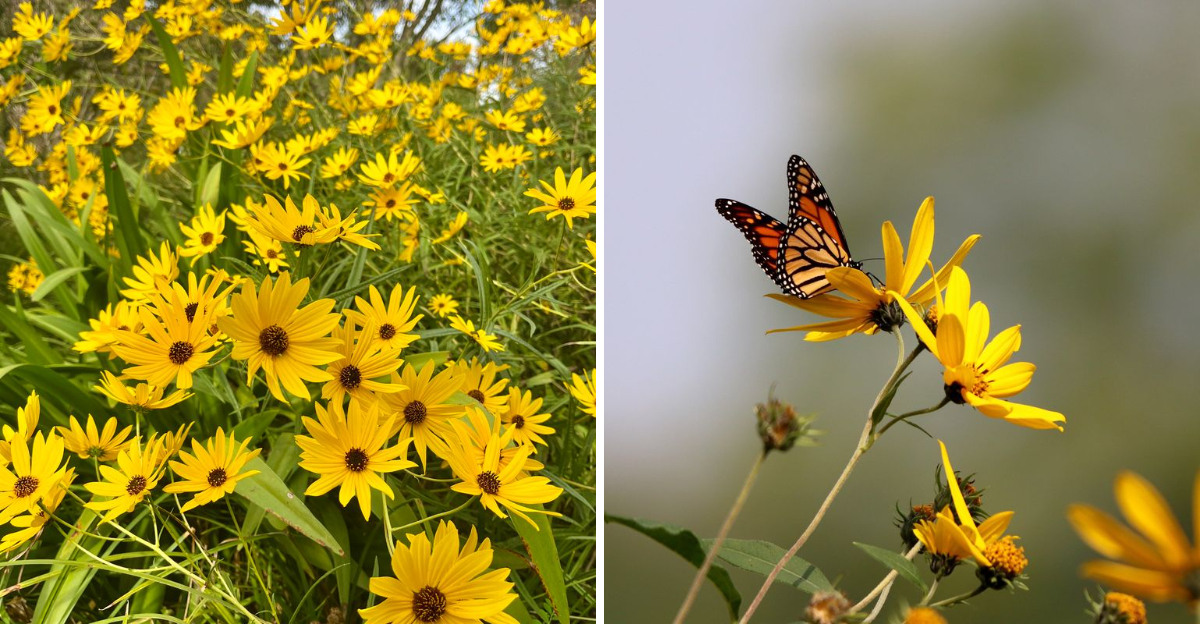
Monarch butterflies rely on a very specific window of available nectar as they make their long journey south each fall, and most North Carolina gardens run out of options well before that migration actually finishes.
Most people assume their garden’s usefulness to monarchs ends once typical summer blooms fade away in early fall.
But one native perennial keeps blooming right through this critical stretch, offering exactly what migrating monarchs need when so many other nectar sources have already disappeared.
Understanding why this particular plant blooms so late changes how you might think about supporting monarchs through their entire fall journey.
Many gardeners have never considered how much of a difference a single well timed plant can make for migrating wildlife. Once you know what to add to your garden, you could become an essential stop along their journey south.
This plant could turn your yard into exactly the kind of support monarchs are searching for every October.
Swamp Sunflower
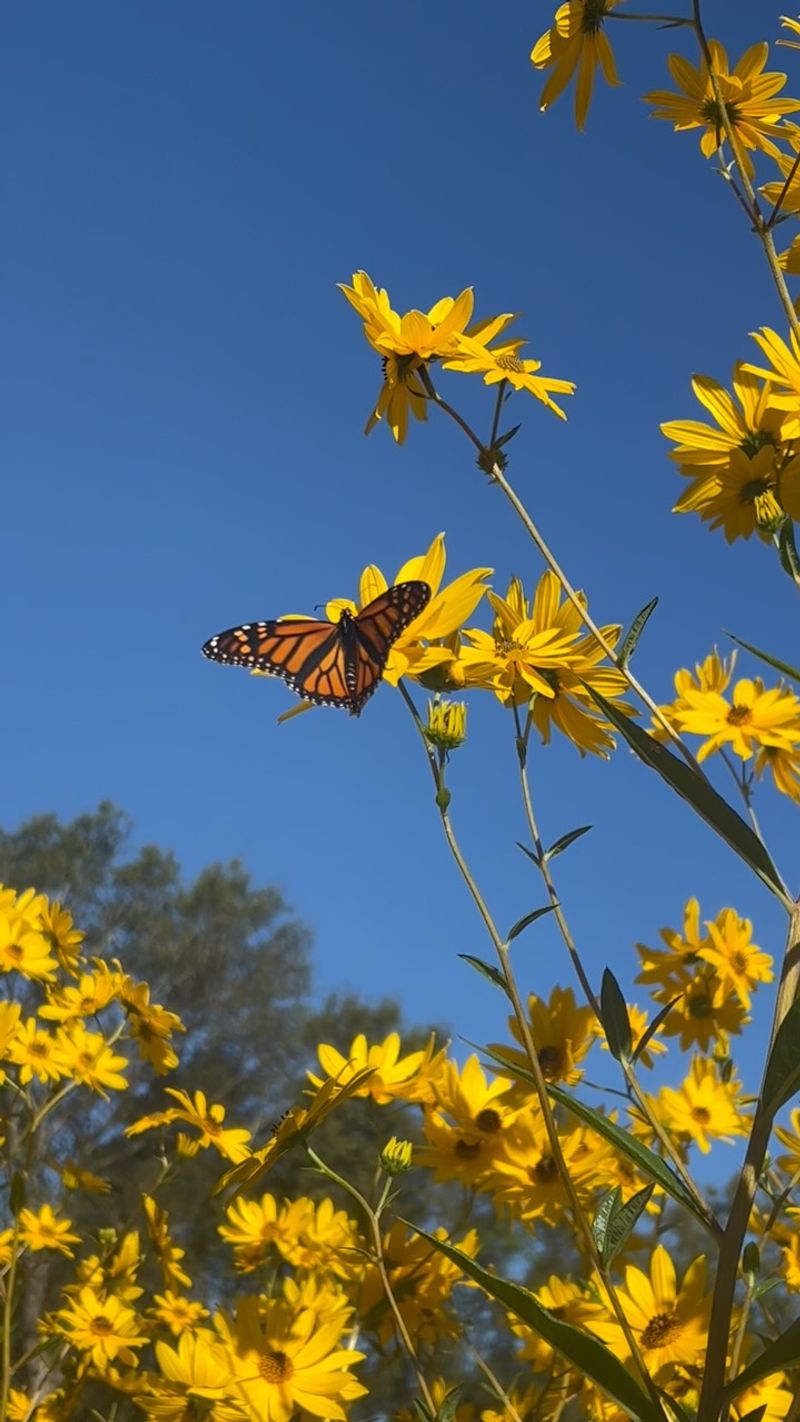
Picture a wall of golden blooms swaying in the breeze right when the rest of your garden looks tired. That is the magic of swamp sunflower, a proud native perennial that calls North Carolina home.
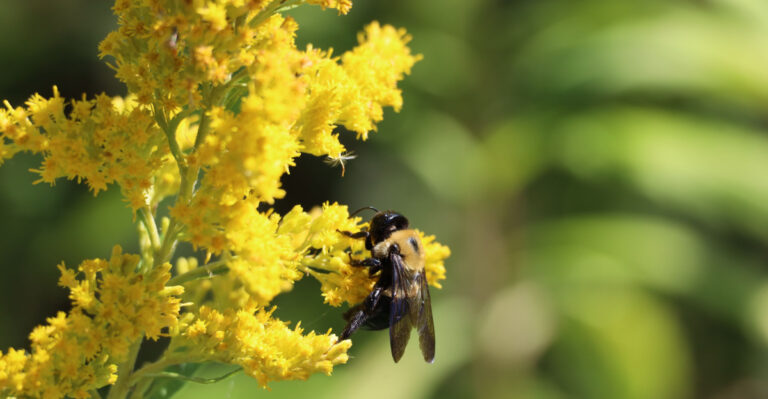
Also known by its scientific name Helianthus angustifolius, this plant produces heaps of cheerful yellow flowers with dark centers. Each bloom looks like a small sunburst, and a single plant can carry dozens of them at once.
Butterflies, bees, and other helpful insects flock to it like a busy roadside diner. What makes it so special is timing. While summer flowers slow down, swamp sunflower is just getting started, filling the fall air with color and food.
Monarchs passing through find a rich meal waiting for them, which helps power their long journey south.
Gardeners love this plant because it feels wild and welcoming at the same time. It fits right into meadow gardens, natural borders, and pollinator patches without needing much fuss. Since it grows here naturally, it already knows how to handle North Carolina weather.
Adding one to your yard is like rolling out a welcome mat for wildlife. You get bold color, easy care, and the joy of watching butterflies stop by day after day. Few plants give back so much for so little effort.
If you want a native that works hard and looks gorgeous, this sunny performer belongs near the top of your list. It truly is the plant every fall garden should know.
Its Flowers Arrive At Just The Right Time
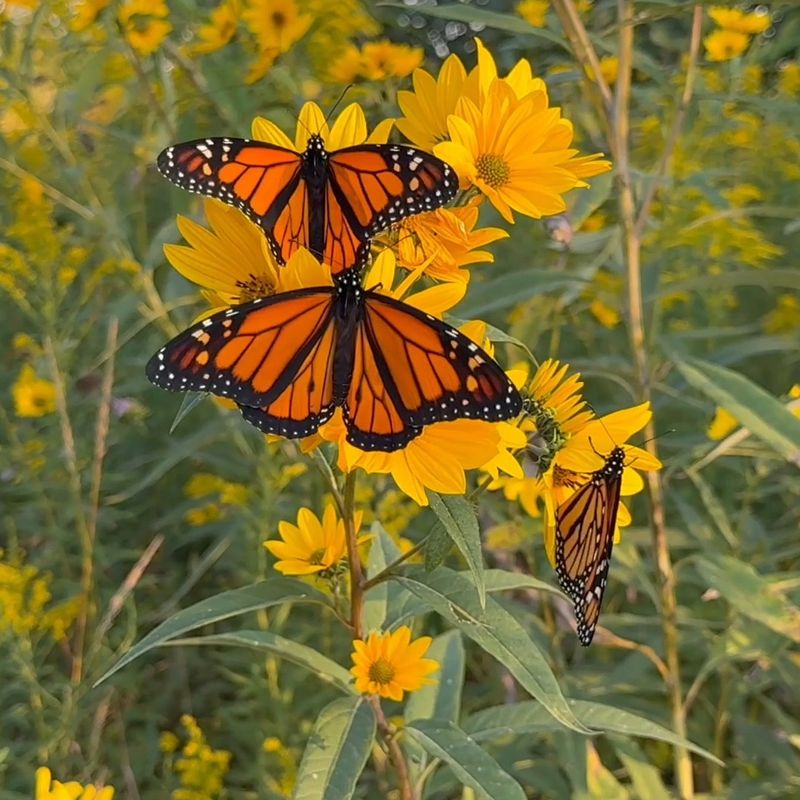
Timing is everything in a garden, and swamp sunflower has mastered it. While many plants finish their show by late summer, this one is only warming up.
Blooms usually begin appearing in late August and September, then keep coming strong through October. In many parts of North Carolina, the flowers hold on until the first frost gently ends the season.
That long stretch of color is rare and incredibly useful. Think about how quiet most gardens feel by early fall. Petals drop, leaves fade, and the buzzing crowds thin out.
Your North Carolina Garden Changes Every Week. Your Plan Should Too.
Gardening in North Carolina changes quickly throughout the season. Every Friday you’ll receive a simple weekly plan showing exactly what to plant, prune, fertilize, harvest, and protect so you never miss the right timing.
Right in that gap, swamp sunflower bursts open with fresh nectar, giving pollinators a reliable place to feed.
The late timing lines up perfectly with the monarch migration. As these butterflies drift south, they search for blooms to refuel, and this plant answers the call at exactly the right moment. It is like a snack station opening just when travelers are hungriest.
Because it flowers so late, it also stretches out the beauty of your yard. Instead of a short summer burst, you get weeks of warm gold long after neighbors’ gardens have quieted down.
Planting it means you no longer dread the end of the growing season. There is always something bright to look forward to, and plenty of visitors to enjoy along with it.
For anyone who wishes summer color could last a little longer, this reliable bloomer is the answer. It stretches the season and keeps the whole garden feeling alive.
Migrating Monarchs Need Fall Nectar
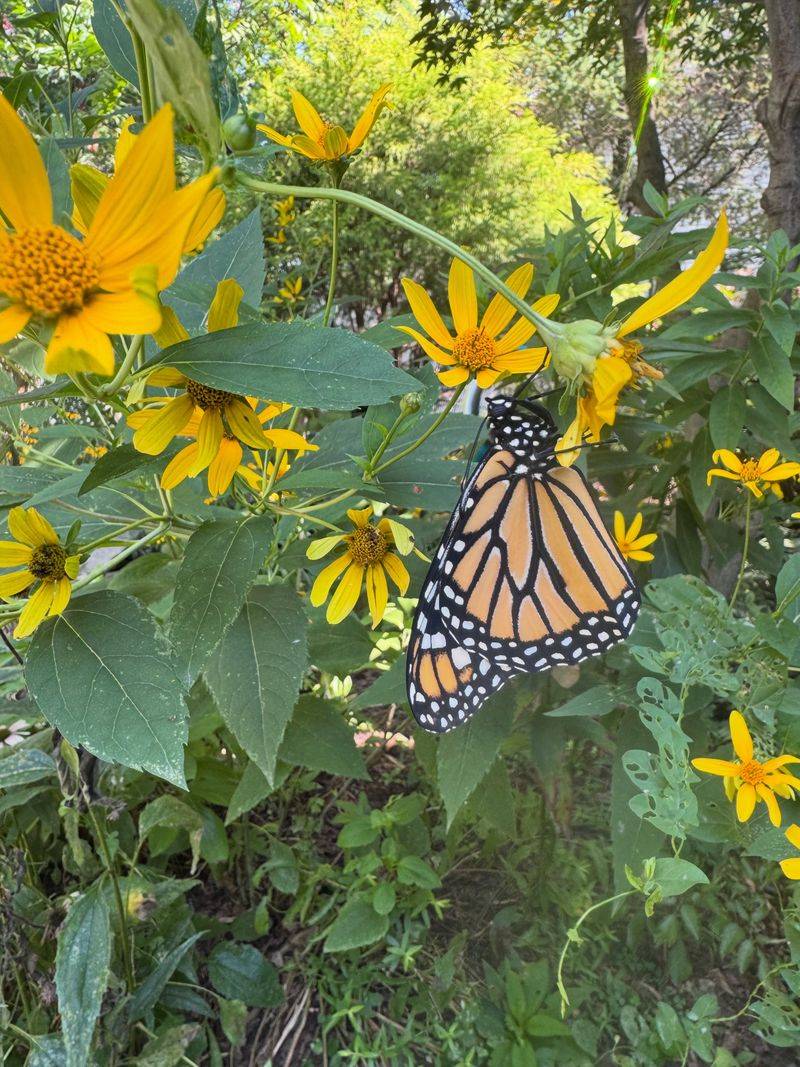
Imagine flying hundreds of miles without a solid meal plan. That is the challenge monarch butterflies face each fall as they head toward warmer wintering grounds.
These delicate travelers burn enormous energy during their journey. To keep going, they must sip nectar along the way, storing up fat that fuels the next stretch of flight. Without enough flowers, the trip becomes far harder.
Nectar is basically their high energy fuel. Each stop lets a monarch top off its tank, rest its wings, and gather strength before moving on. The more feeding spots they find, the better their chances of finishing the long haul.
Fall is a tricky season for these butterflies because natural flowers grow scarce. Many summer plants have already stopped blooming, leaving hungry monarchs searching for something sweet.
A garden full of late bloomers can make a real difference. That is exactly where swamp sunflower steps in. Its rich, plentiful nectar gives migrating monarchs a dependable food source when they need it most.
A patch of these blooms can support many butterflies at once. By planting nectar rich natives, you become part of a giant support network stretching across the country. Each garden acts like a rest stop on a very long highway.
Helping monarchs is easier than most people think. Fill your space with late season flowers, skip harsh sprays, and let nature do the rest. Your yard could become a lifeline for these amazing orange travelers.
October Blooms Make It Especially Valuable
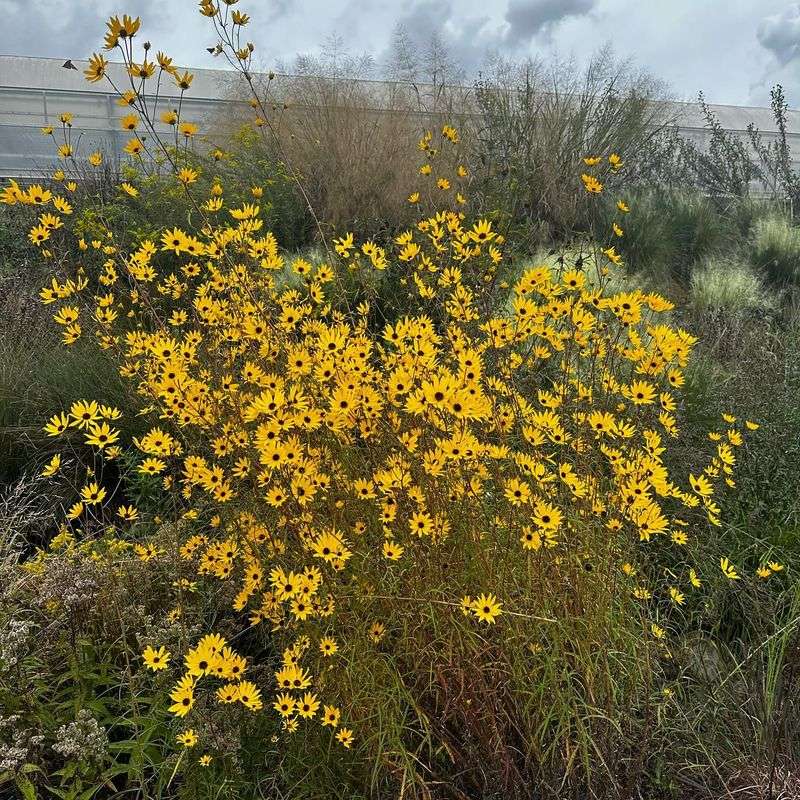
By October, most gardens have handed the season over to fading colors and bare stems. Yet swamp sunflower is still glowing gold, and that late timing is pure treasure for wildlife.
Many favorite summer perennials, like coneflowers and bee balm, finish blooming well before autumn arrives. Once they stop, pollinators lose easy access to food. That leaves a real gap right when monarchs pass through.
Swamp sunflower fills that empty spot beautifully. Its flowers keep opening through October in much of North Carolina, offering fresh nectar when almost nothing else is available.
For a hungry butterfly, that reliability is priceless. Consider how crowded the plant gets during migration. Monarchs, bees, and other insects all gather on the same golden blooms, sharing one dependable buffet.
Watching that busy activity is a treat for gardeners too. The late flowering also matters because it matches the exact stretch when monarchs are on the move. Timing and location line up so well that this plant almost seems designed for the journey south.
Adding it to your yard means you contribute food during the hardest part of the season. While other gardens go quiet, yours keeps serving meals to travelers who truly depend on them.
There is something rewarding about knowing your flowers matter beyond their looks. Every October bloom is a small gift to a butterfly still miles from its destination.
If you want a plant that pulls its weight when it counts most, this autumn star delivers big.
Give It Plenty Of Sunshine
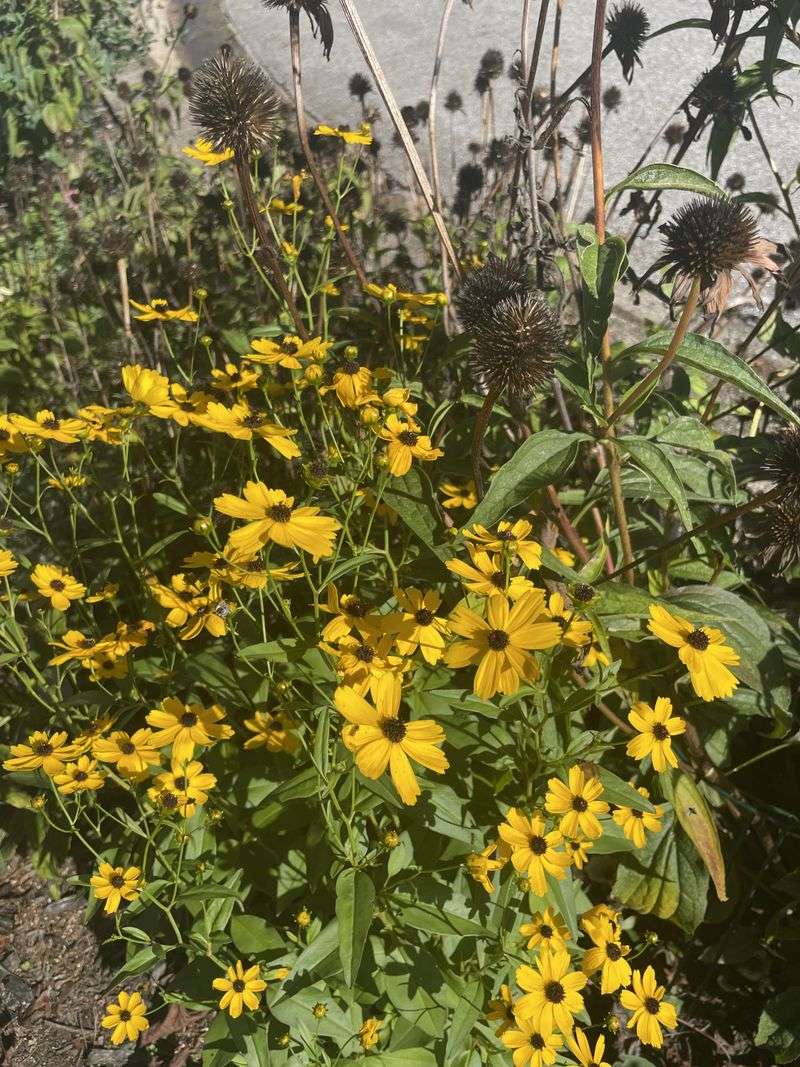
Sunlight is the secret ingredient behind a swamp sunflower show. Give this plant a bright, open spot, and it rewards you with an explosion of blooms.
Full sun means about six or more hours of direct light each day. In those conditions, the plant grows sturdy, tall, and absolutely covered in flowers. The more sun it soaks up, the more golden petals you get.
More blooms are not just prettier, they are more useful. Each extra flower is another landing pad loaded with nectar, which means more feeding chances for visiting butterflies.
A sunny patch basically becomes a bigger dining hall for monarchs. In shadier spots, the story changes. The plant may still survive, but it often grows leggy and produces fewer flowers.
It might also lean toward the light, looking floppy instead of full and proud. When choosing a location, look for a place that stays bright most of the day. Open borders, meadow edges, and sunny corners all work wonderfully.
Avoid tucking it behind tall structures or under thick tree cover. Good sun also helps keep the plant healthy. Bright, airy spots dry the leaves faster after rain, which lowers the chance of pesky fungus problems.
Think of sunshine as the fuel that powers the whole display. The brighter the spot, the better the flowers, and the happier your pollinators will be.
Plant it where the light pours down freely, and this cheerful native will thank you with a golden crowd of blooms all season long.
Moist Soil Brings Out Its Best Growth
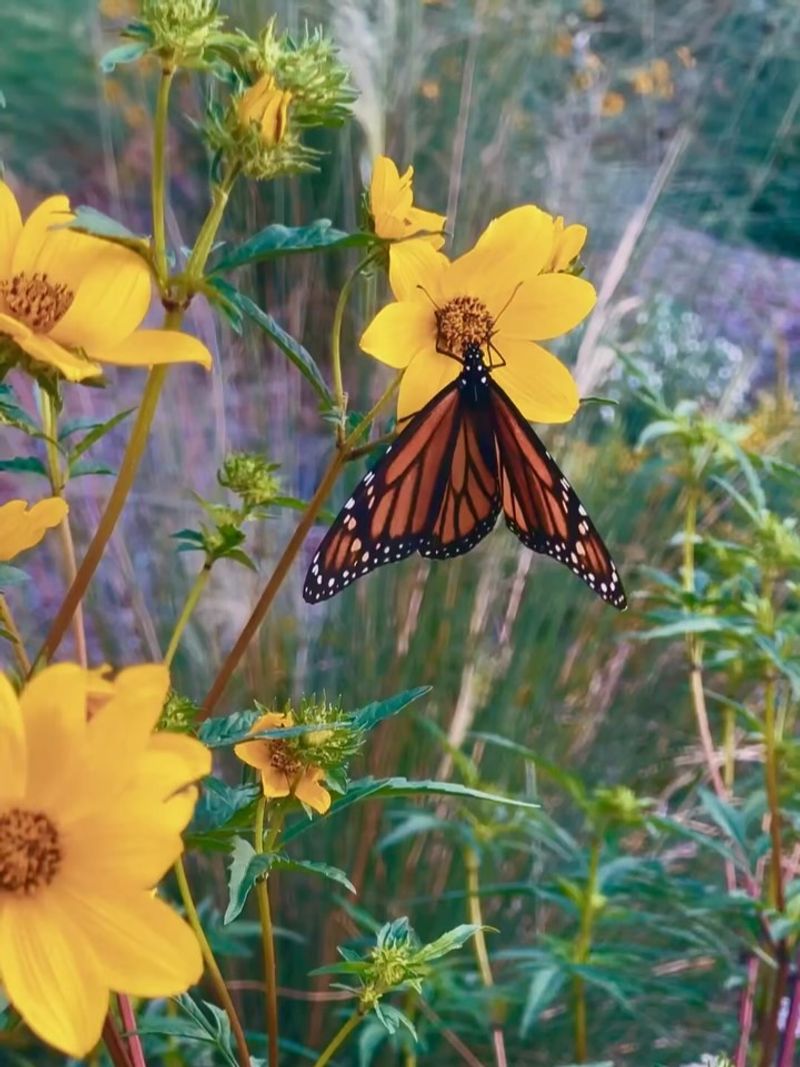
The name says it all. Swamp sunflower loves a drink, and moist soil is where it truly thrives.
In the wild, you often find it near wet meadows, ditches, and pond edges. It naturally prefers ground that stays damp and can even handle spots that get soggy now and then. That makes it a rare gem for tricky wet areas.
Many plants sulk in soggy soil, but this one embraces it. If you have a low corner of the yard that always seems damp, that spot could become the perfect home for these golden blooms.
Rain gardens are a wonderful match. Since these gardens collect runoff and stay moist, swamp sunflower fits right in and helps soak up extra water. It looks great while doing an important job.
Streamsides and pond banks also work beautifully. The steady moisture keeps the plant lush, tall, and loaded with flowers that butterflies adore. You get beauty and function in one easy package.
That does not mean it demands a swamp. Average garden soil works fine as long as you water during long dry spells. It simply appreciates not being left bone dry for weeks.
Mulching around the base helps hold moisture and keeps roots comfortable. A few inches of mulch can make watering chores much lighter.
If you have struggled to fill a damp, awkward spot, your search may be over. This water loving native turns problem areas into buzzing, blooming showstoppers that pollinators cannot resist.
Give This Big Perennial Some Room
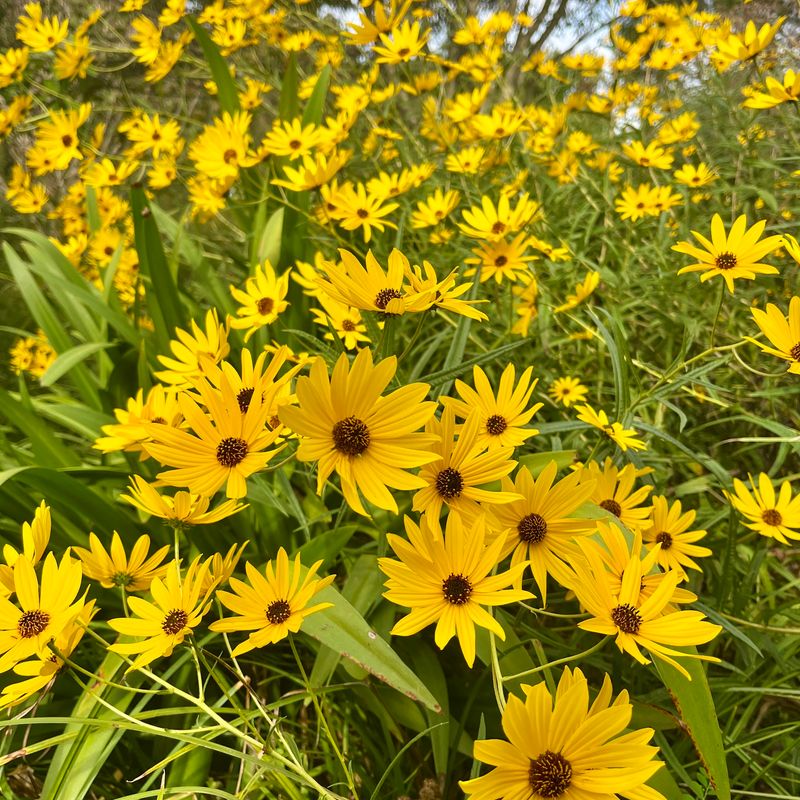
Do not let its friendly flowers fool you, because swamp sunflower likes to stretch out. This is a big, bold perennial that appreciates elbow room.
Given good conditions, it can shoot up to five, six, or even eight feet tall. That impressive height makes it a natural choice for the back of a border where it can tower without blocking shorter plants.
It also spreads underground through roots called rhizomes. Over time, a single plant can send up new shoots nearby, slowly forming a wide, cheerful clump. That habit is great for filling space but can surprise a tidy gardener.
Because it wanders a bit, tuck it somewhere it has permission to expand. Meadows, large beds, and natural areas suit it perfectly. Tight, formal spaces might feel a little crowded after a season or two.
If you want to keep it in check, you can dig up extra shoots each spring and share them with friends. Dividing the clump also keeps it healthy and full of energy.
Tall stems sometimes lean, especially in rich soil. Pinching the plant back in early summer encourages a bushier, sturdier shape with even more flower buds later on.
Placing it against a fence or wall gives the stems a helpful backdrop for support. Neighboring plants can also lend a gentle lean.
Give this generous giant the space it craves, and it turns into a towering wall of gold that butterflies flock to all through the fall.
Leave The Flowers Free Of Insecticides
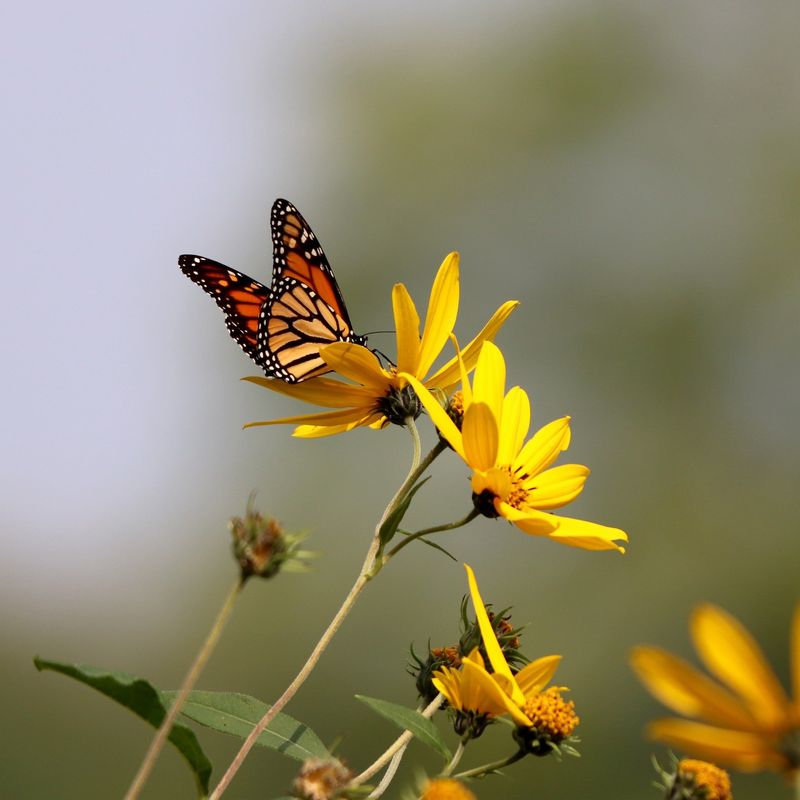
Here is the kindest thing you can do for visiting butterflies: put the spray bottle away. Insecticides and blooming flowers simply do not mix when pollinators are around.
Monarchs, bees, and other helpful insects land right on the blooms to sip nectar. If those flowers carry chemicals, the very creatures you hoped to help can be harmed instead. It quietly undoes all your good gardening work.
Even sprays labeled as safe can linger on petals and leaves for a while. A butterfly stopping by for a meal has no way to tell which flowers are treated. Skipping the spray removes that risk entirely.
The good news is that swamp sunflower rarely needs chemical help. It is a tough native that shrugs off most pests on its own. A few nibbled leaves usually cause no real trouble.
If bugs ever get out of hand, gentle options work well. A strong blast of water, hand picking, or simply letting nature balance itself often solves the problem without any harm.
Encouraging good bugs helps too. Ladybugs, lacewings, and birds happily snack on pests, keeping your garden in check for free. A spray free yard invites all of them to move in.
Think of your garden as a safe rest stop on a very long journey. Clean, chemical free flowers make sure every monarch that visits leaves stronger than it arrived.
By keeping things natural, you turn your yard into a true haven for the pollinators that need it most.