Why September Is California’s Most Dangerous Month For Yard Fire Risk
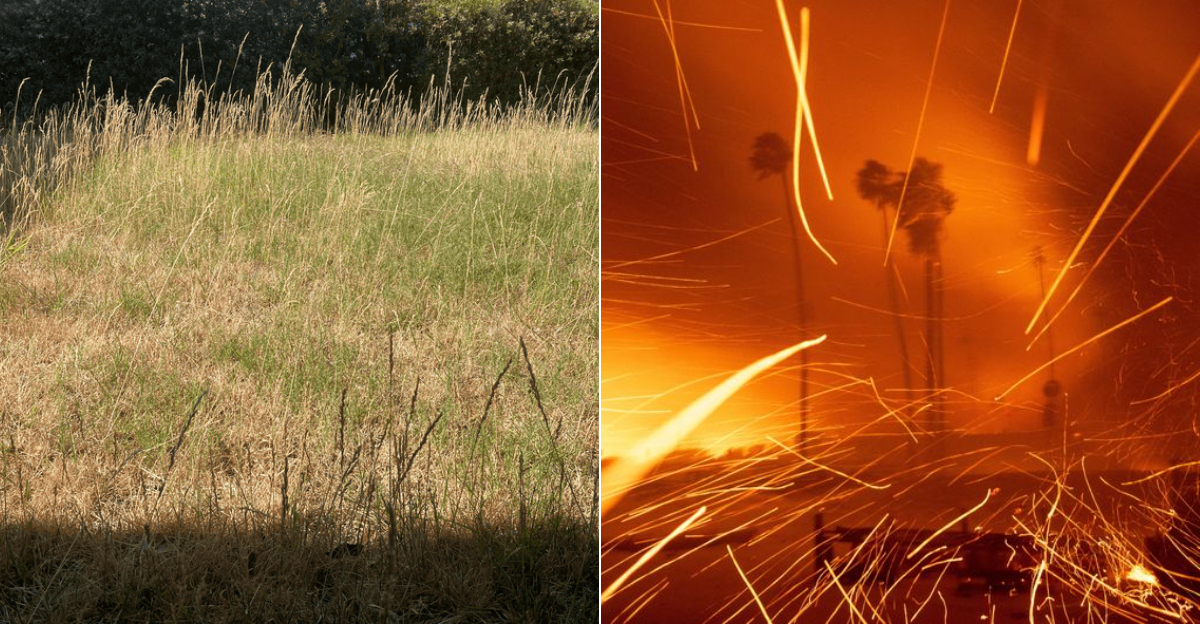
By early fall, California yards can look almost deceptively peaceful. The grass is still there, shrubs have settled into their summer shape, and the patio may feel more inviting once the fiercest heat starts easing off.
Then September changes the mood. This is the point when ordinary landscaping details can suddenly carry more weight.
A dry patch beside the fence, a pile of clippings, or a forgotten corner near the house may not have seemed especially noteworthy earlier in the season.
Now, those same spots can deserve a second look. Part of what makes September tricky is how normal everything can appear.
There may be no dramatic warning sign in the yard, just a landscape that has spent months dealing with heat, sun, and dry conditions. Add California’s shifting early-fall weather, and the stakes can rise quickly.
Think of September as the month when your yard deserves a fresh inspection rather than business as usual. Small details can matter more now, and noticing them early can make a big difference.
1. Months Of Summer Heat Leave Vegetation Extremely Dry
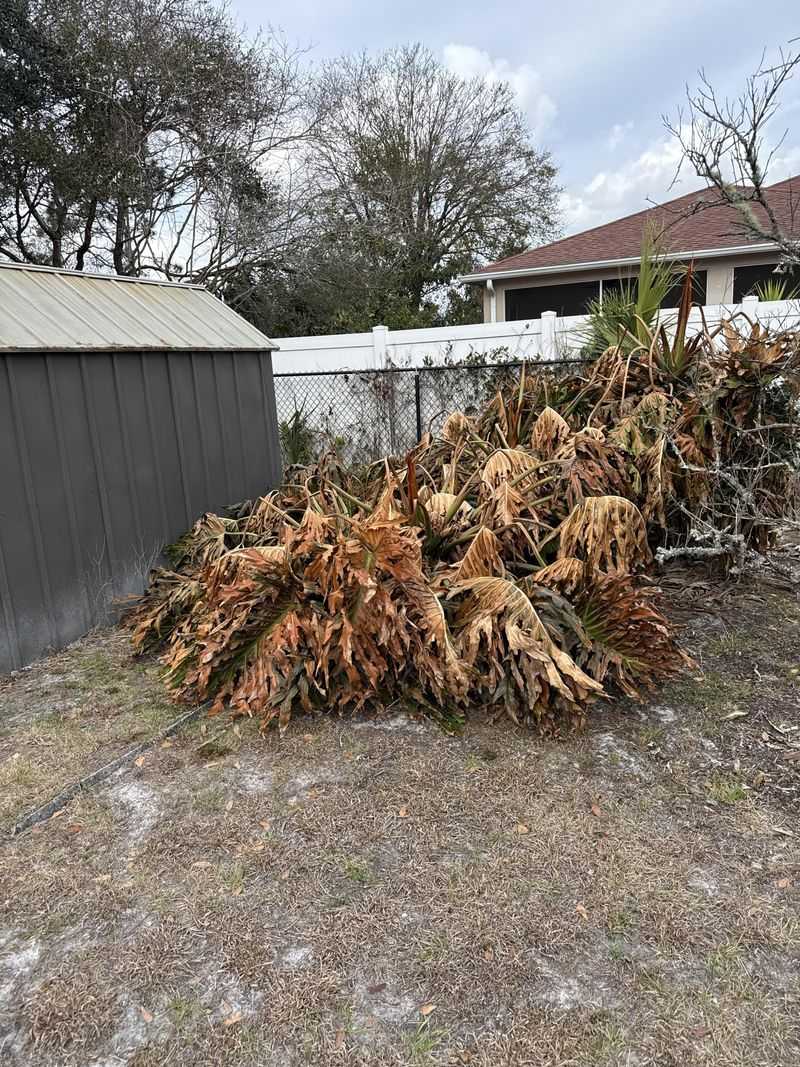
After a long California summer, plants and soil reach a level of dryness that is hard to fully picture. From June through August, the sun beats down day after day.
Very little rain falls during this stretch. By September, that months-long heat has pulled nearly all the moisture out of plants, roots, and soil.
Vegetation that was green and healthy in spring can turn brown and brittle by late summer. Shrubs, ornamental grasses, and even trees start to dry from the inside out.
When plant material loses that much moisture, it becomes far more likely to catch fire. A single spark can ignite dry vegetation in seconds.
Homeowners often do not notice how dry their yards have become until it is too late. Walk around your yard in early September and press a handful of grass or withered leaves between your fingers.
If it crumbles easily, the fire risk is already high. Watering your yard regularly during summer helps, but it is not always enough to reverse months of heat stress on plants.
Clearing withered and overly dry vegetation from your yard before September is one of the best steps you can take. Remove withered branches, trim back dried shrubs, and mow any tall dry grass.
Keeping plants properly watered and pruned through the summer season also reduces how dry they become by fall.
2. Hot Winds Can Push Flames Across Yards Fast
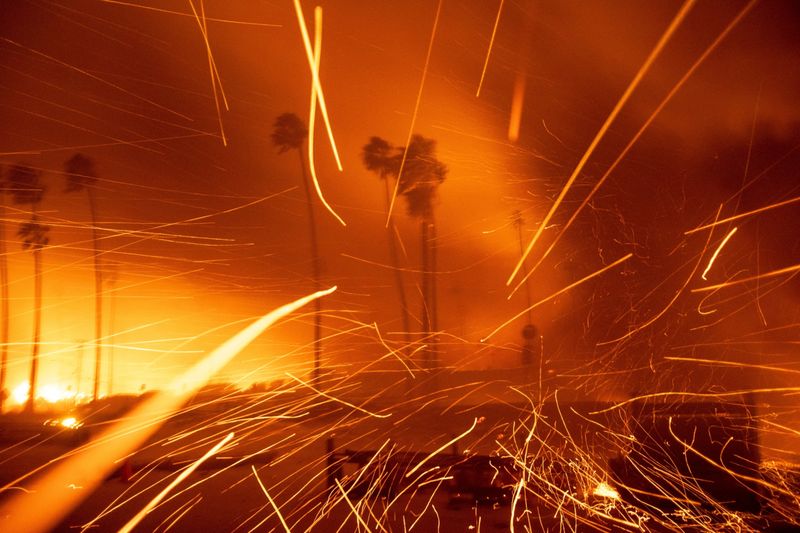
Wind is one of the most powerful forces behind fast-moving California yard fires. In September, warm offshore winds often sweep through neighborhoods at high speed.
These winds are dry, which makes them especially dangerous. They strip moisture from plants and lower the humidity in the air at the same time.
When a fire starts in windy conditions, the flames do not just burn in one place. Wind pushes the fire forward quickly, sometimes covering large areas in just minutes.
A fire that begins at the back fence can reach the house faster than most people expect. Firefighters often say that wind is the factor that makes fires most unpredictable.
Your California Garden Changes Every Week. Your Plan Should Too.
Gardening in California changes quickly throughout the season. Every Friday you’ll receive a simple weekly plan showing exactly what to plant, prune, fertilize, harvest, and protect so you never miss the right timing.
Hot winds can also carry burning embers far ahead of the main fire. Those embers land on dry leaves, wood decks, or withered grass and start new fires.
This is called spotting, and it is a major reason why yard fires spread so quickly in September. Even a neighbor’s fire can jump to your property through wind-carried embers.
To reduce wind-related fire risk, keep your yard clear of loose dry debris. Avoid leaving piles of leaves or cut branches sitting out.
Store lightweight materials that could blow around and catch fire. Trim back plants near the house so wind cannot push flames directly into your walls or windows.
3. Dry Grass Becomes Easy Fuel By September
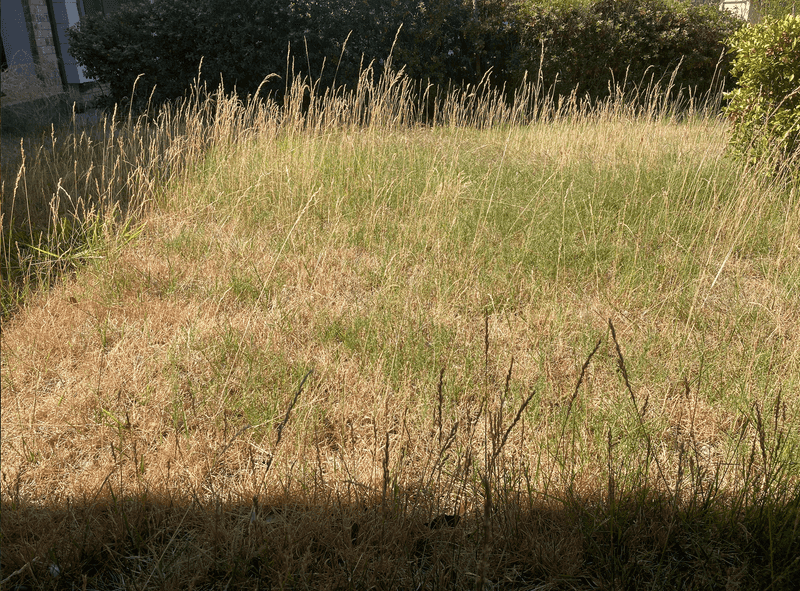
Few things ignite as fast as dry grass. By September, most lawns and open grassy areas that were not watered regularly through summer have turned golden-brown and completely dry.
That dry grass acts like kindling, catching fire with very little heat needed to start the burn.
Tall, unmowed grass is especially risky. It holds more dry material, and the air moves freely through it, feeding any flame that starts.
A lit cigarette, a spark from a tool, or even a piece of glass that focuses sunlight can be enough to start a grass fire in these conditions. Once it starts, it can spread across a yard in under a minute.
Short, well-maintained grass is much less dangerous. Mowing your lawn keeps the grass height low and reduces the amount of dry fuel available to burn.
Watering your lawn even during dry months helps keep it from turning completely brown. A green lawn is far harder to ignite than a dry, straw-like one.
Pay special attention to grass growing along fences, walls, and under decks. These are spots where fire can travel quickly from the ground to a structure.
Trim or remove grass growing in those areas before September arrives. Even a narrow strip of dry grass near a fence can act as a path that guides fire directly toward your home.
4. Withered Leaves And Needles Can Catch Embers Quickly
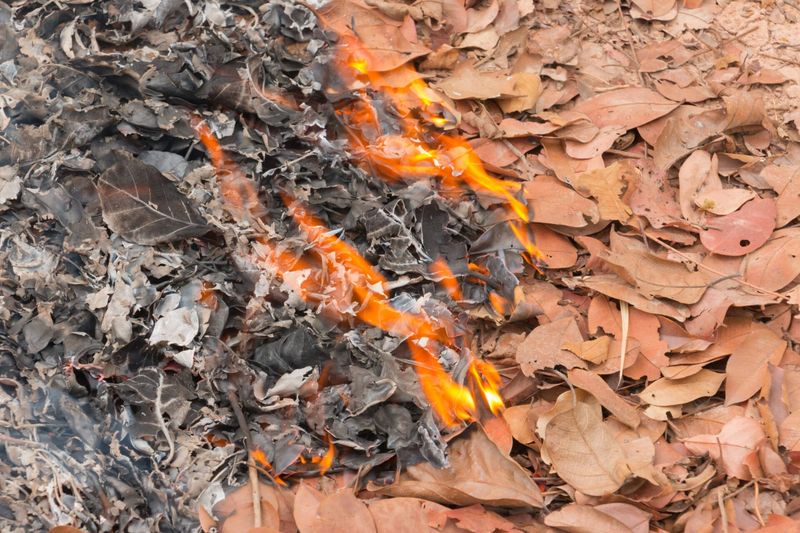
Leaves and pine needles pile up fast in late summer. Trees shed older leaves and needles throughout the year, but by September, months of accumulation can create thick layers of dry material on the ground.
That layer acts almost like a mat of kindling, ready to catch any ember that lands on it.
Pine needles are especially dangerous. They dry out completely and contain natural oils that help them burn hot and fast.
A small ember landing on a pile of pine needles can grow into a serious fire very quickly. Even a thin layer spread across a deck or against a wall is enough to cause real damage.
Leaves collect in gutters, under decks, along fences, and in corners of the yard where wind pushes them. These hidden piles are easy to forget about, but they are often the first things to catch fire when embers land.
Cleaning out gutters and removing leaf piles from around the house is a simple but very effective safety step.
Make leaf and needle cleanup a regular habit from summer through fall. Use a rake or leaf blower to clear them from the yard, roof, and deck at least once a month.
Do not let piles sit near the house, garage, or any wooden structure. Bagging and removing them keeps that fuel away from your home entirely.
5. Wood Fences Can Carry Fire Toward The House
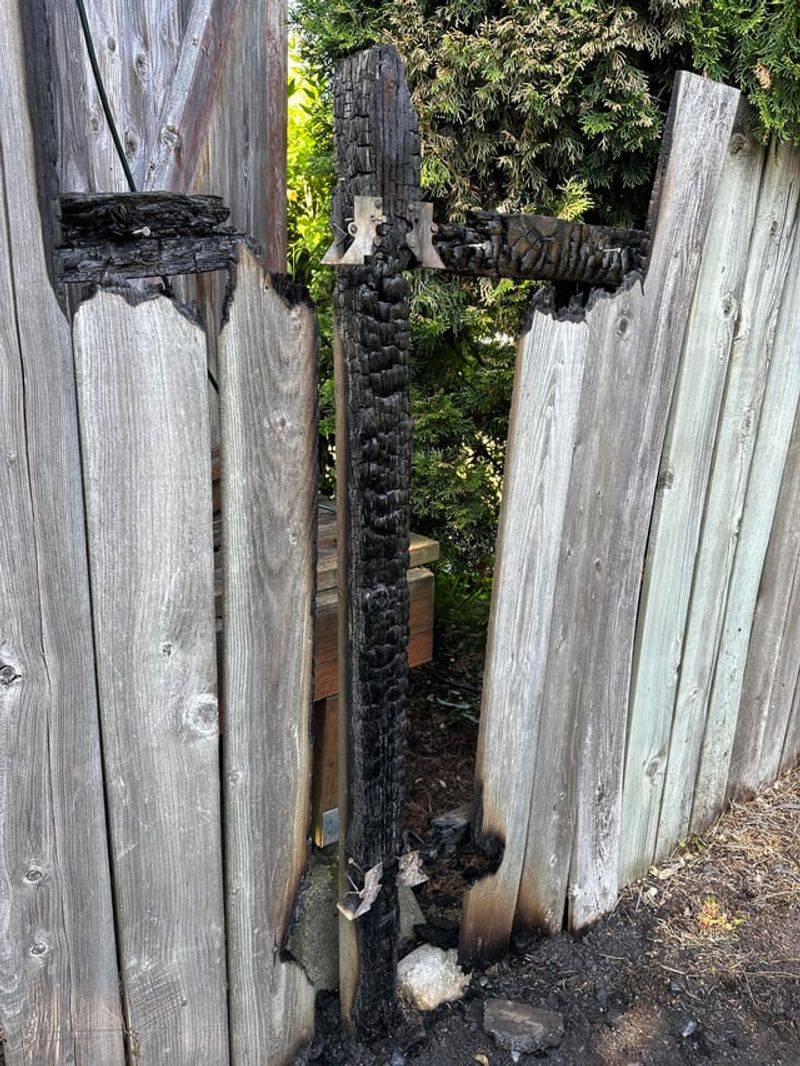
Wood fences are a common feature in most California yards. They look great, provide privacy, and are easy to build.
But in September, when everything is dry, a wood fence becomes a direct fire path between the yard and the house. Fire travels along a fence the same way it travels along any dry wooden surface.
When a fire starts at the far end of a fence, it can burn its way to the house in just a few minutes. The fence acts like a bridge, connecting the fire to the siding, the deck, or even the window frames.
This is one of the main ways yard fires turn into house fires during fire season.
Keeping the area around your fence clear is one of the most important steps you can take. Remove dry grass, leaves, and shrubs from both sides of the fence.
A gap of at least a few feet between vegetation and the fence line helps slow fire down before it can reach the wood.
If you are building or replacing a fence, consider materials that resist fire better than plain wood. Metal, concrete block, or composite fencing materials are all harder to ignite.
You can also treat existing wood fences with fire-resistant coatings to reduce how easily they burn. Taking these steps now can prevent a fence fire from becoming a much larger problem later.
6. Overgrown Shrubs Can Connect Flames To Structures
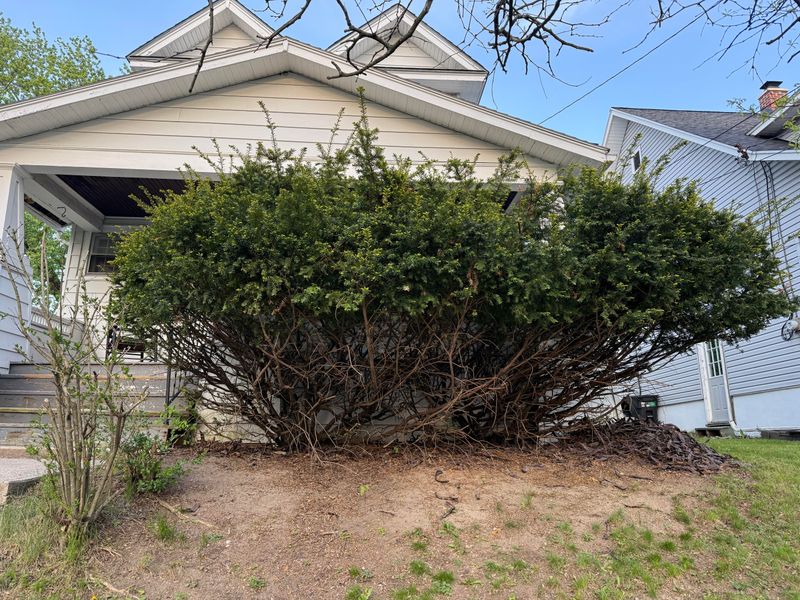
Shrubs that grow too close to the house create a direct connection between yard vegetation and the structure itself. When those shrubs are dry and overgrown, that connection becomes a serious fire risk.
Flames can travel from a burning shrub to wood siding, a window frame, or a roof overhang faster than most people realize.
Fire professionals call this the concept of fire continuity. When plants, fences, and structures are all connected without any gaps, fire moves through them in one continuous burn.
Overgrown shrubs are often the missing link that closes that gap between the yard and the house. Keeping shrubs trimmed and separated from the structure breaks that connection.
By September, shrubs that were not maintained through summer are often at their largest and driest. They may be touching the house, overlapping fences, or brushing against the eaves.
Any of these contact points can carry fire directly to the building. Even a single overgrown branch resting against wood siding is a risk worth addressing.
Prune shrubs back so there is at least a few feet of clear space between them and any structure. Remove any withered branches from inside the shrub, since withered wood ignites faster than live growth.
Replacing highly flammable shrubs near the house with fire-resistant plant varieties is another smart long-term move. A well-maintained plant zone around your home can make a major difference in how fire behaves near your property.
7. Embers Can Travel Far Ahead Of The Main Fire
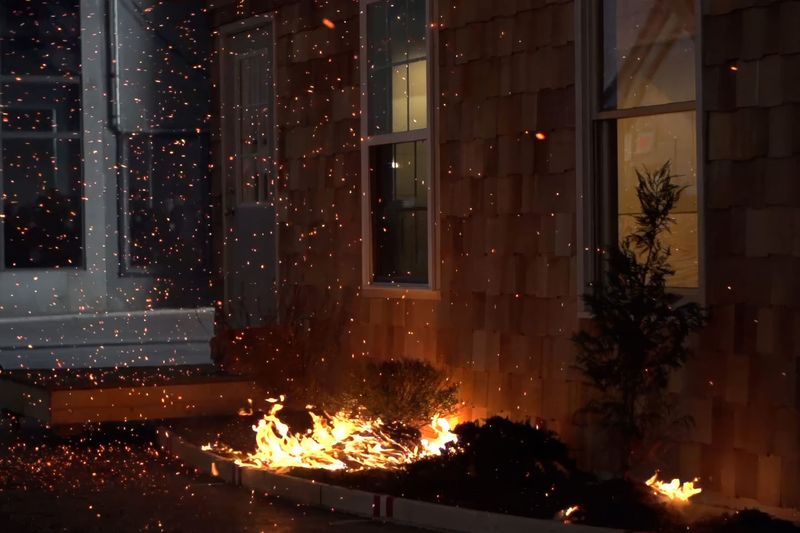
Most people picture a fire as something that moves in one direction along the ground. But embers change that completely.
During September fire events, burning embers can lift into the air and travel hundreds of feet, sometimes more than a mile, ahead of the main fire. They land on rooftops, decks, dry grass, and leaf piles, starting entirely new fires.
This is called spotting, and it is one of the most dangerous and unpredictable parts of wildfire behavior. A neighborhood can seem safe because the main fire appears to be far away.
Then embers arrive ahead of it and start multiple new fires at once. This can overwhelm firefighting efforts quickly.
Your yard and roof are the first places embers land. Clogged gutters full of dry leaves, open vents, and piles of debris on the deck all give embers a place to ignite.
Keeping these areas clean and clear reduces the chances that an ember will find fuel when it lands near your home.
Install fine mesh screens over attic vents and other roof openings to stop embers from entering the structure. Use ember-resistant materials on decks and replace wood shake roofing if possible.
Keep the deck clear of furniture cushions, potted plants with dry soil, and other loose items during fire season. A clean, clear yard gives embers fewer places to start a fire.
8. Outdoor Equipment Can Spark Fires In Dry Conditions
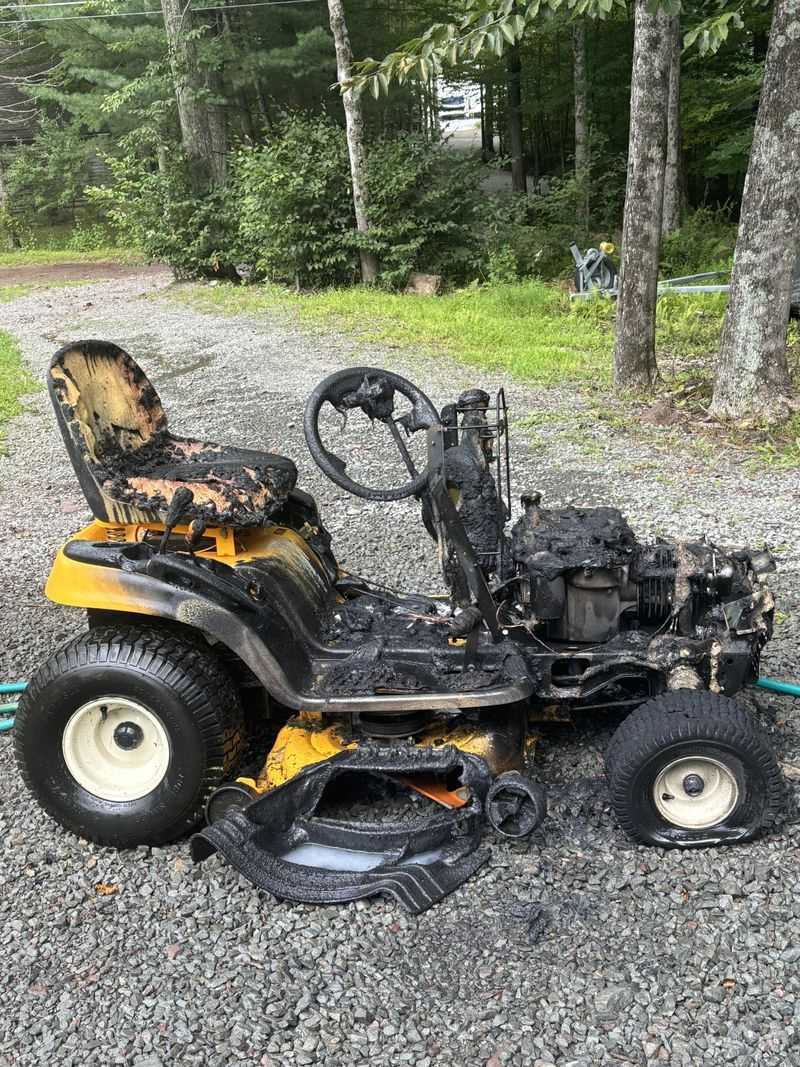
A lot of the equipment people use in their yards can produce sparks. Lawn mowers, weed trimmers, chainsaws, and grinders all create friction or throw off small sparks during normal use.
In dry September conditions, those sparks can land on dry grass or leaves and start a fire almost instantly.
Mowing dry grass is one of the most common causes of yard fires in late summer. The mower blade can strike a rock and send a spark flying into the surrounding dry grass.
Even a small spark is enough when the vegetation is bone dry. Many fire agencies recommend avoiding mowing during the hottest and windiest parts of the day for this reason.
Gas-powered equipment also carries the risk of fuel leaks and overheating. A mower engine running hot over dry grass can ignite the material underneath it.
Checking equipment for fuel leaks before use is a simple step that many people skip. Keeping equipment properly maintained reduces both the mechanical and fire risks.
Store fuel cans away from the house and out of direct sunlight. Never refuel equipment near dry vegetation or while the engine is still warm.
Let tools cool completely before storing them in a shed or garage. During peak fire season in September, consider using electric tools when possible.
Electric equipment does not produce the same kind of sparks that gas-powered tools do, making them a safer choice in dry conditions.