What North Carolina Gardeners Should Do With Gladiolus Corms Now For A Better Show Next Year
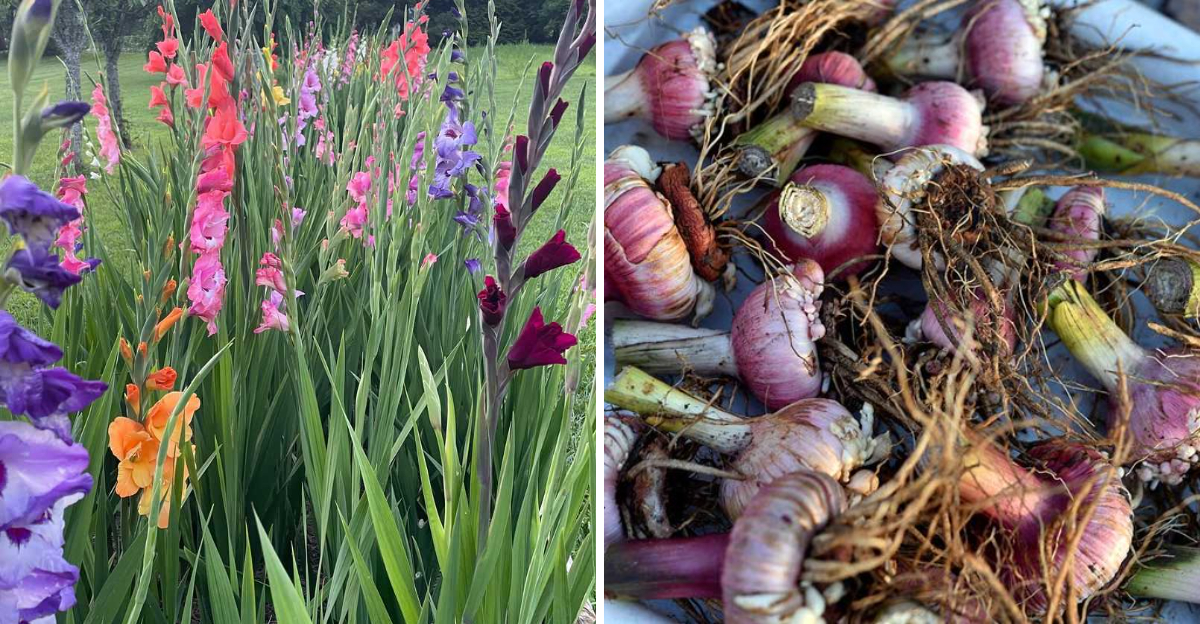
Gladiolus corms sitting in the ground after blooming feel like a finished project to most North Carolina gardeners, with little thought given to what happens next.
But what you do with these corms right now actually determines how impressive next year’s flower show turns out to be. Skipping a specific step during this window often leads to weaker blooms or corms that simply don’t survive until spring at all.
It has nothing to do with fertilizer, and everything to do with a task most gardeners never think to add to their fall routine.
Understanding what gladiolus corms genuinely need at this point in the season could completely change how full and vibrant next year’s display turns out.
Many gardeners only discover this connection after a disappointing bloom season leaves them wondering what went wrong. A few minutes of attention now could make all the difference months from now.
1. Cut Off The Finished Flower Spikes
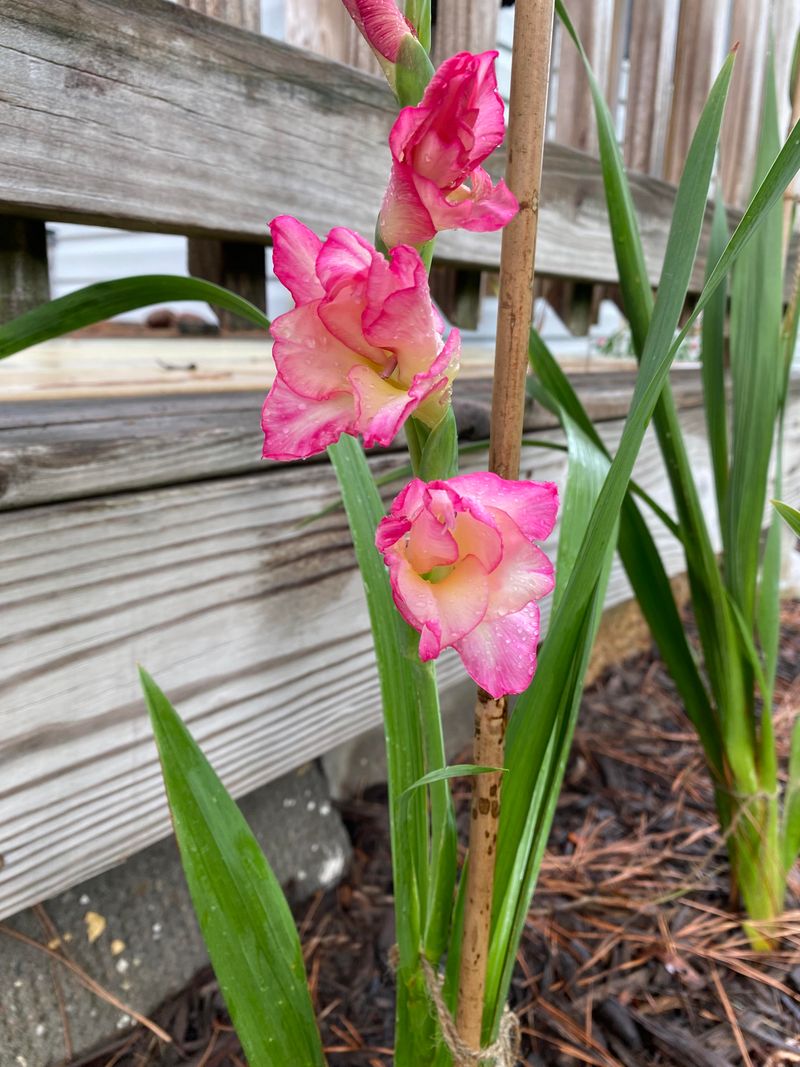
Once your gladiolus blooms have faded and dropped their petals, the plant tries to do something you actually do not want. It starts forming seeds where the flowers used to be.
Making seeds takes a huge amount of energy. Every bit of strength the plant pours into seed production is strength it cannot send down to the corm growing under the soil.
That corm is your ticket to next year’s flowers, so you want it to get as much energy as possible.
Grab a clean pair of scissors or pruning shears and snip off the spent flower spike. Cut it just above the leaves, right below where the old blooms were. This little chore only takes a minute, but it makes a real difference.
When you remove that spike, the plant stops wasting effort on seeds. Instead, it redirects all that fuel straight into fattening up the corm. A bigger, plumper corm means a healthier plant and more flowers when spring returns.
Be careful not to cut the green leaves while you work. Only the flower stalk needs to go, since the leaves still have an important job to do.
Doing this task while the spike is fresh keeps things tidy in the garden bed too. Faded flowers can look messy and sometimes attract unwanted insects.
A quick trim keeps your gladiolus looking neat and helps the corm below grow strong for a better display next season.
2. Leave Every Healthy Green Leaf
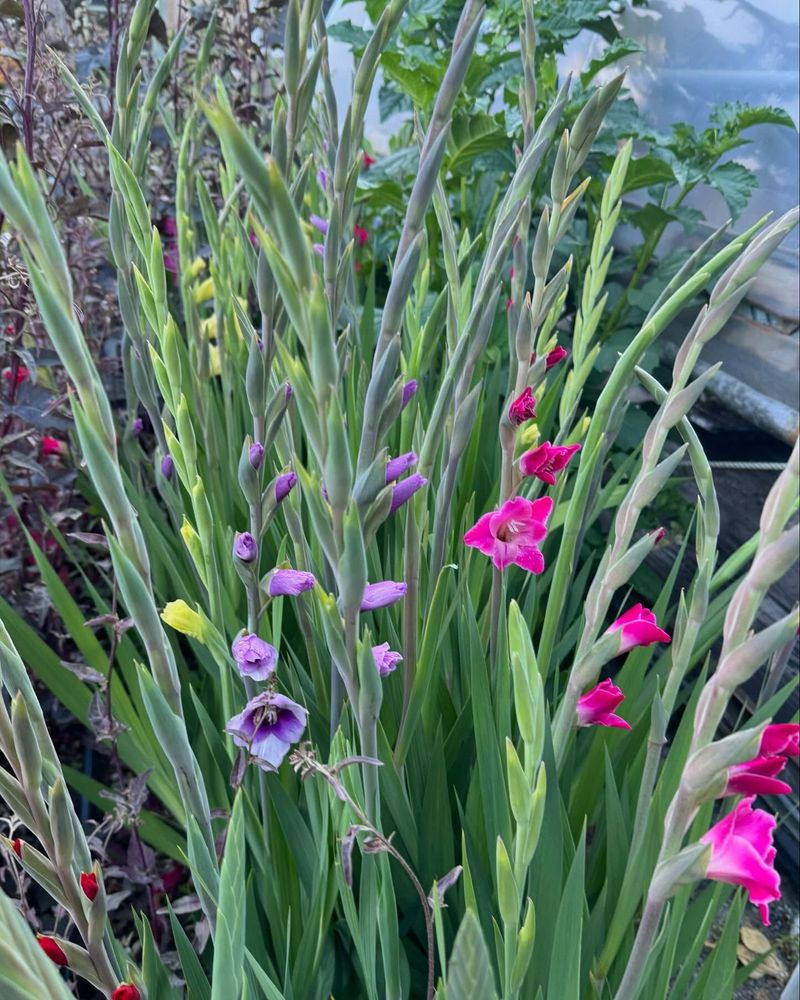
It might be tempting to tidy up your gladiolus by trimming back the leaves once the blooms are gone. Hold off on that idea. Those green leaves are working hard for you.
Leaves act like tiny solar panels. They soak up sunlight and turn it into food through a process called photosynthesis. All that food travels down into the corm, helping it grow bigger and store energy for the winter ahead.
If you cut the leaves too soon, you cut off the corm’s food supply. A hungry corm becomes weak, and a weak corm gives you fewer flowers or none at all next year. Patience really pays off here.
Your North Carolina Garden Changes Every Week. Your Plan Should Too.
Gardening in North Carolina changes quickly throughout the season. Every Friday you’ll receive a simple weekly plan showing exactly what to plant, prune, fertilize, harvest, and protect so you never miss the right timing.
Let the foliage stand tall for as long as it stays green and healthy. Even after the flowers finish, the leaves keep feeding the plant for several weeks. The longer they stay active, the more fuel your corm collects.
You can still keep the bed looking nice by removing only the yellow or browned leaves as they fade. Anything green should stay put and keep doing its job.
Think of this stretch of time as the plant packing a lunchbox for the long rest ahead. The fuller that lunchbox gets, the better your gladiolus will perform when it wakes up in spring.
Resisting the urge to trim early is one of the easiest ways to boost next year’s blooms. Leave those leaves alone, and your future self will thank you when the garden bursts into color again.
3. Keep Them Watered During Dry Spells
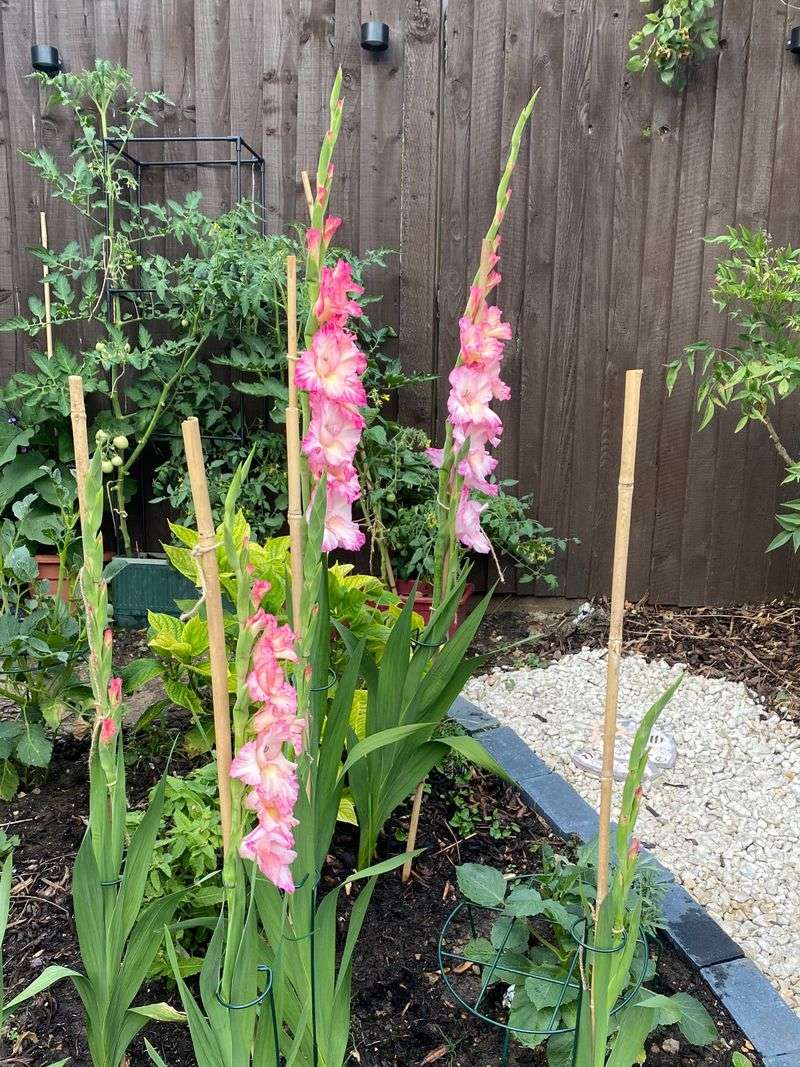
North Carolina summers can turn hot and dry in a hurry. Even after the flowers fade, your gladiolus still needs a steady drink to stay healthy.
As long as the leaves are green, the plant is busy building up its corm. That work slows down when the soil dries out too much. Thirsty plants cannot make food well, and that means a smaller corm heading into fall.
Check your soil every few days during dry spells. Push a finger an inch or two into the ground near the plants. If it feels dry, it is time to water. If it still feels damp, wait a little longer.
Aim for deep, slow watering rather than a quick sprinkle. Deep watering encourages roots to grow strong and helps moisture reach the corm below.
Here is the tricky part. Gladiolus corms do not like sitting in soggy, waterlogged soil. Too much water can cause rot and ruin the very corm you are trying to protect. The goal is soil that stays evenly moist but never turns into mud.
Good drainage makes a big difference. If your bed holds water after heavy rain, adding compost can help loosen the soil and let extra moisture drain away.
Morning is the best time to water, since leaves dry off during the day. Wet leaves overnight can invite fungus. A little attention during those dry stretches keeps your corms plump, healthy, and ready to reward you with a brighter show next year.
4. Check For Thrips Before The Season Ends
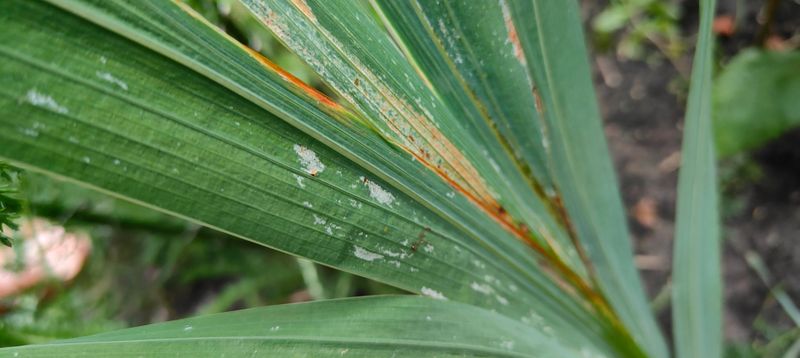
Tiny troublemakers called gladiolus thrips love to feast on your plants, and they can cause big problems if you ignore them. These pests are so small they are hard to spot, but the damage they leave behind is easy to see.
Thrips scrape at leaves and flowers, leaving behind silvery streaks or brown spots. Blooms may look faded, spotted, or twisted. Left alone, these insects weaken the whole plant and reduce its energy.
The bigger worry is that thrips do not stop at the leaves. They can travel down to the corms and hide there. If you store infested corms over winter, the pests keep feeding and can ruin them before spring planting.
Take a close look at your plants before the season wraps up. Turn over a few leaves and peek into any remaining blooms. If you notice streaking or tiny moving specks, thrips are likely the cause.
Catching them early gives you time to act. A spray of insecticidal soap can help knock down the population while the plants are still in the ground. Follow the label directions carefully for best results.
When it comes time to lift your corms, inspect each one closely. Toss any that look shriveled, sticky, or covered in rough brown patches, since those may be hiding pests.
A quick pest check now saves you a big headache later. Healthy, thrip-free corms give your gladiolus the strong start they need for a dazzling display next growing season.
5. Wait For The Foliage To Fade
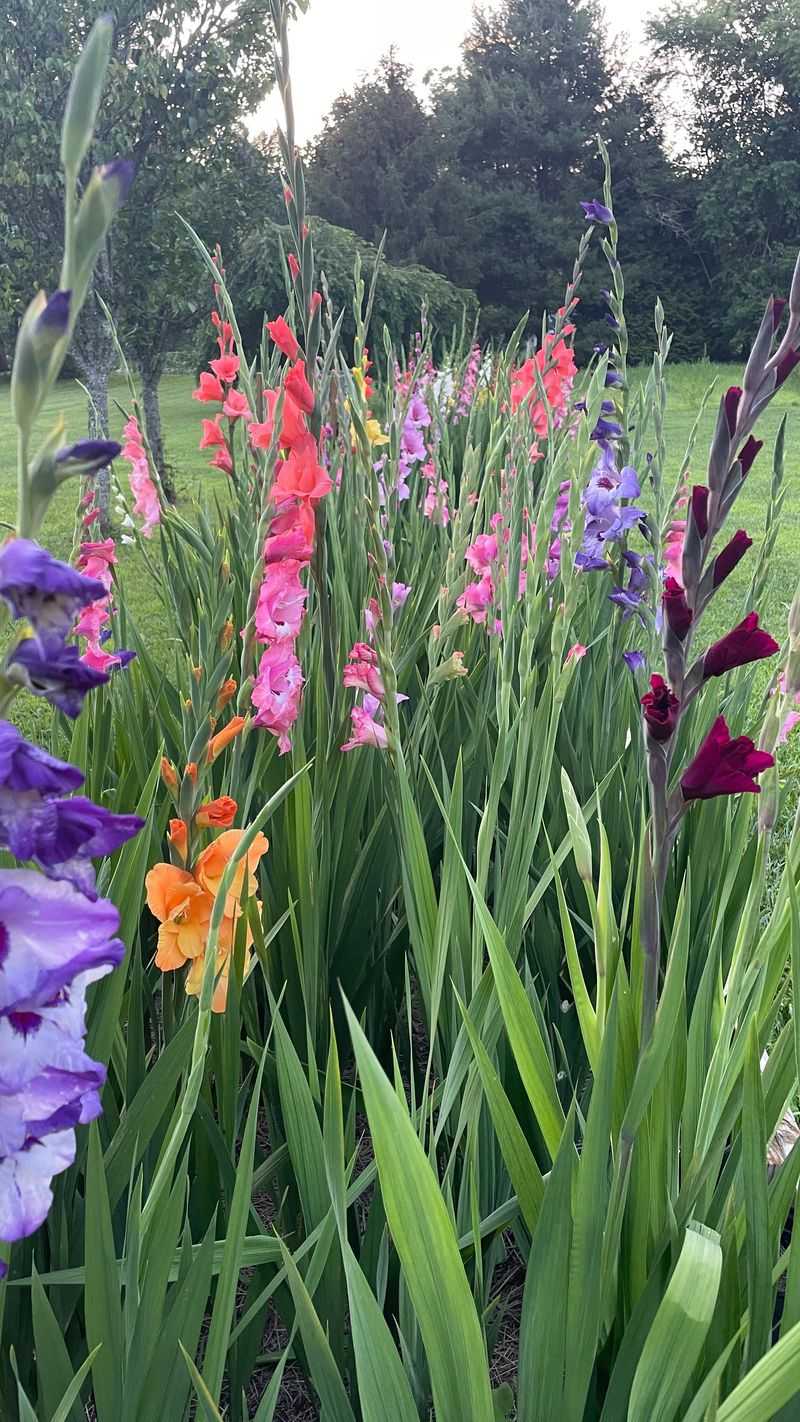
By late August, some gardeners get antsy and want to dig up their gladiolus right away. Try to hold back that shovel a little longer. Timing matters more than you might think.
While the leaves are still green, the plant keeps sending food down to the corm. Digging too early cuts that process short and leaves you with a smaller, weaker corm. Rushing the job works against you.
Watch the foliage instead of the calendar. When the leaves begin to turn yellow and then brown, the plant is telling you it has finished storing energy. That natural fading is your green light.
In North Carolina, this usually happens in fall, several weeks after the last blooms fade. Every garden runs on its own schedule, so let the plants guide you rather than a strict date.
Waiting for the foliage to decline gives the corm time to reach its full size. A fully mature corm has all the energy it needs to burst into strong growth next spring.
Patience during this stretch is one of the smartest moves a gardener can make. It costs you nothing but a bit of time, and it pays off with better blooms.
While you wait, you can plan where you want to plant next year or clean your storage containers. Keep an eye on the leaves, and once they have clearly faded, you will know the moment has arrived to move on to the next step with confidence.
6. Decide Whether Your Corms Need To Come Up
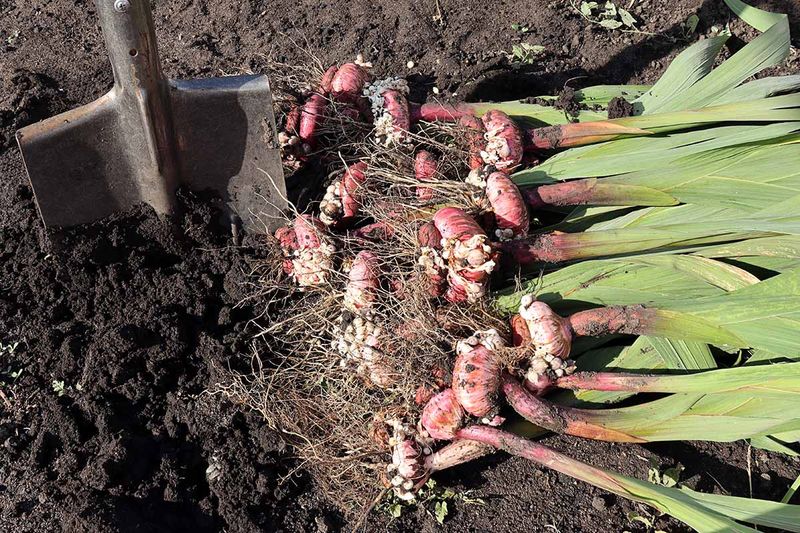
Not every gladiolus in North Carolina has to be dug up for winter. Some can stay right where they are, tucked safely under the soil. The choice depends on the type you grow.
Hardy gladiolus varieties can often handle North Carolina winters, especially in the warmer parts of the state. With a thick layer of mulch for protection, these corms can rest in the ground and return on their own come spring.
If you go this route, spread three or four inches of mulch over the bed after the foliage fades. Straw, shredded leaves, or bark all work well. The mulch acts like a cozy blanket, guarding the corms from sudden cold snaps.
Less hardy varieties are a different story. Many popular large-flowered gladiolus are not tough enough to survive freezing soil. For these, lifting the corms and storing them indoors is the safer bet.
Where you live in the state matters too. Gardeners in the mountains face colder winters than those near the coast, so lifting corms makes more sense in higher elevations.
If you are unsure about your variety, playing it safe by digging them up rarely hurts. Stored corms almost always make it through winter just fine.
Think about how much effort you want to put in as well. Leaving hardy corms in place saves work, while lifting gives you extra control. Either way, knowing your plants and your zone helps you make the right call for a strong return next year.
7. Store Lifted Corms Clean And Dry
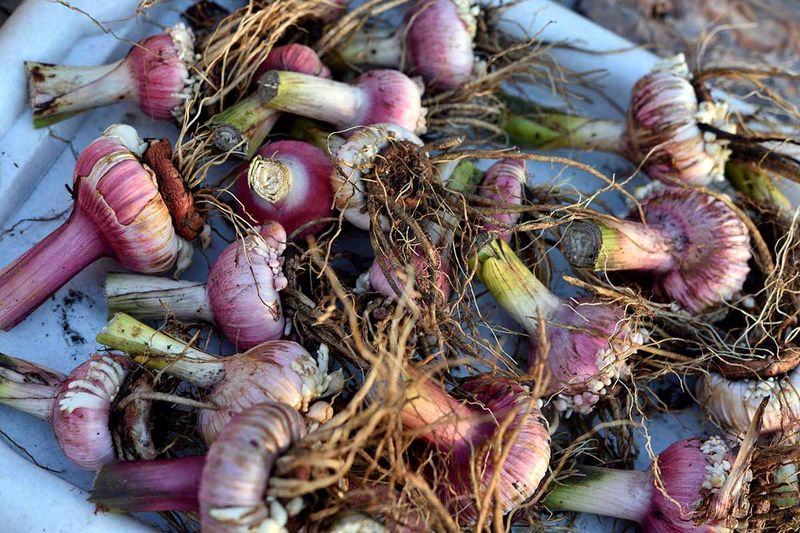
Once you have lifted your gladiolus corms from the ground, a little care now sets them up for a great spring. Proper storage keeps them firm, healthy, and ready to plant.
Start by gently shaking off the loose soil. Do not scrub or wash them, since extra moisture can cause trouble later. A soft brush or your fingers work just fine for cleaning them up.
Next comes curing, which simply means drying the corms out. Spread them in a single layer on a screen, tray, or old newspaper. Place them in a warm, airy spot for a couple of weeks so they fully dry.
After curing, you might notice small baby corms, called cormels, clinging to the bottom. Snap these off along with the old shriveled corm underneath. What you want to keep is the plump, healthy new corm on top.
Storage location makes a big difference. Choose a cool, dark spot that stays around forty to fifty degrees, like a basement or garage that never freezes.
Air circulation is key to keeping them in good shape. Store the corms in mesh bags, paper sacks, or old pantyhose so air moves freely around them. Crowding them in a sealed container can trap moisture and lead to rot.
Check on your stash every few weeks through winter. Toss any that feel soft or look shriveled so they do not affect the rest. Come spring, your clean, dry corms will be primed for planting and a truly spectacular show.