This Arizona Compost Habit Pays Off Before Fall Planting Begins
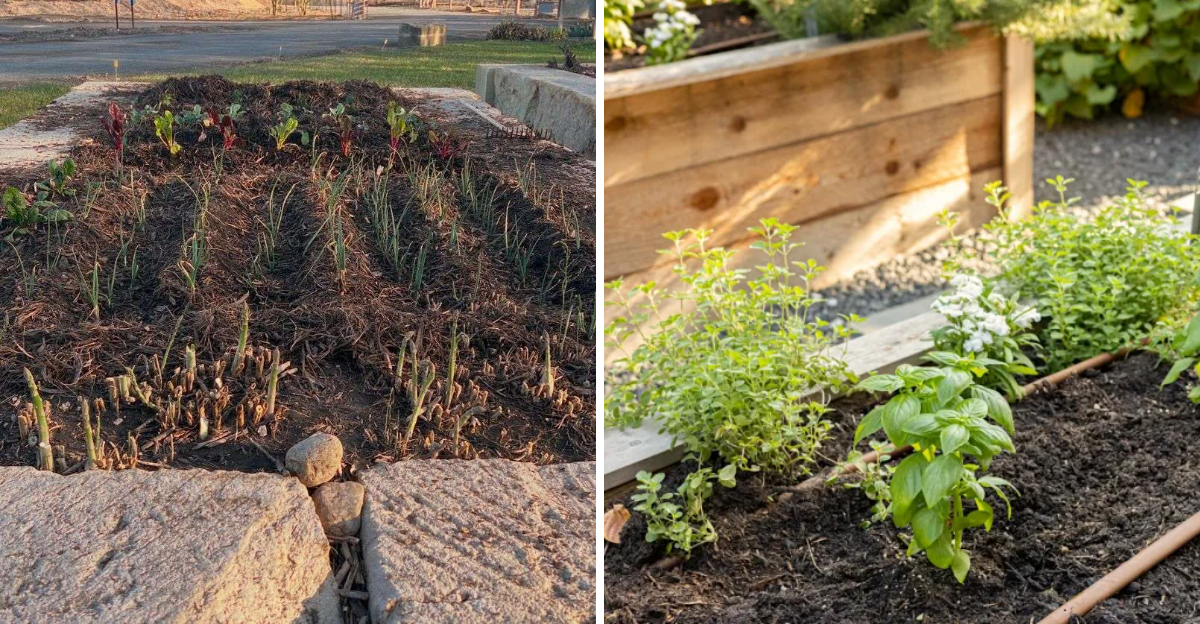
Your empty garden bed can do useful work before the first fall seed or transplant ever goes into it. Getting compost into the soil early gives you time to prepare without rushing on planting day.
Think of this as setting the table before the growing season gets busy.
Arizona garden soil can benefit from added organic matter, especially in beds used season after season. Working compost into the planting area can improve conditions for the crops that will follow.
Do this while you still have room to move around without disturbing new roots.
Fall planting can arrive quickly once temperatures finally become more comfortable. Preparing the bed beforehand keeps one important job from competing with everything else.
When planting time arrives, you will be glad the soil is already waiting for you.
1. Fall Bed Prep Starts Before The First Seed Goes In
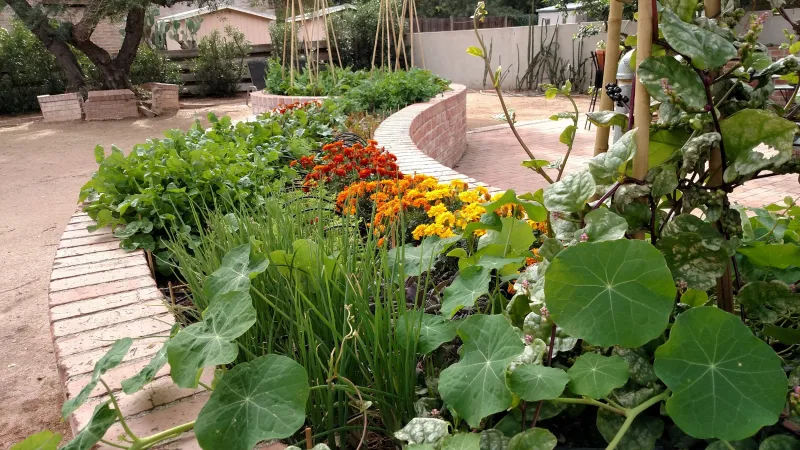
Soil preparation is not something you squeeze in on planting day. Beds need time to settle, absorb amendments, and reach a workable condition before any seed or transplant arrives.
Rushing straight to planting without prepping the soil first is one of the most common missteps in vegetable gardening. You can have great seeds, good water, and plenty of sunshine, but compacted or nutrient-poor soil will hold everything back.
Roots need loose, welcoming ground to spread out and anchor properly.
Starting prep a few weeks before your target planting date gives amendments time to integrate. Watering the bed after preparation also helps the soil settle naturally.
A bed that has been worked, amended, and allowed to rest even briefly tends to perform better than one planted into immediately.
Timing matters more in hot climates because soil temperatures stay elevated longer into the season. Getting beds ready in August or early September means they are fully set when cooler planting days arrive.
Skipping this step often shows up later as uneven germination or slow transplant establishment. Preparation is the quiet work that makes everything else function the way it should.
2. Finished Compost Is The Amendment To Reach For
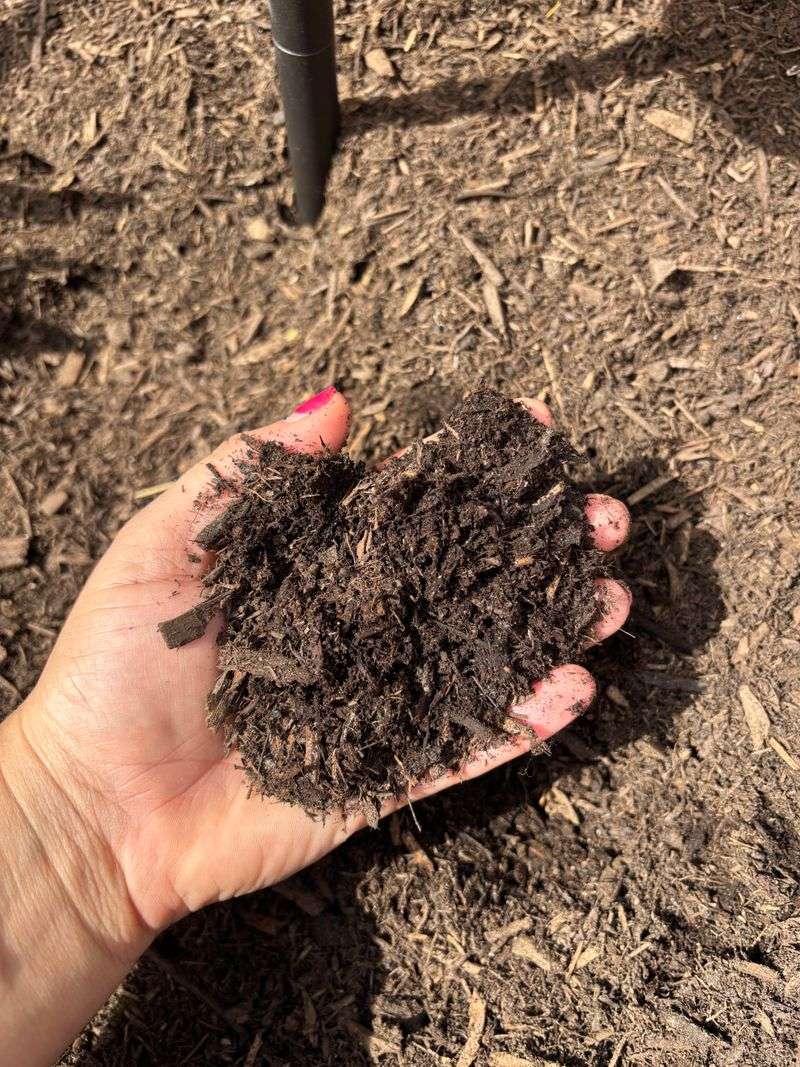
Not all compost is ready to use. Finished compost has gone through enough breakdown that it looks dark, crumbles easily, and smells like fresh earth rather than rotting material.
Unfinished compost is a different story. Partially broken-down organic matter can temporarily tie up nitrogen in the soil as microbes continue working on it.
Planting into soil with active decomposition happening nearby can sometimes stress young plants rather than support them. Waiting until compost is truly finished avoids that problem.
Finished compost also has a more stable structure. Nutrients are more accessible, and the material blends into existing soil more smoothly.
You can identify finished compost by its texture and smell. Chunky, still-recognizable food scraps or yard material means it needs more time in the pile.
Bagged compost labeled as aged or finished is a reliable option if you are not making your own. Local nurseries in the desert Southwest sometimes carry regionally appropriate blends.
Whether homemade or purchased, the key is using material that has fully broken down before it goes into the bed. Putting immature material into a vegetable bed right before planting tends to create more problems than it solves.
Your Arizona Garden Changes Every Week. Your Plan Should Too.
Gardening in Arizona changes quickly throughout the season. Every Friday you’ll receive a simple weekly plan showing exactly what to plant, prune, fertilize, harvest, and protect so you never miss the right timing.
Patience with the compost pile pays off directly in the garden.
3. Mix It Into The Bed Instead Of Leaving A Thick Pile
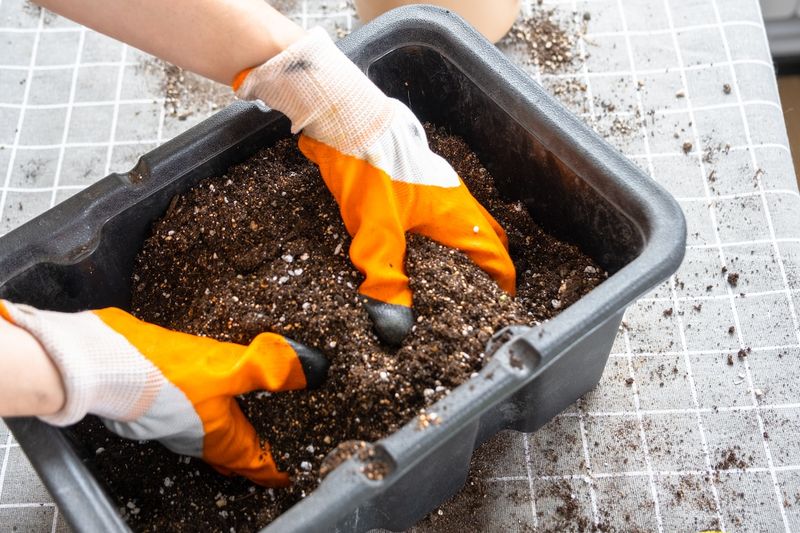
Leaving a thick layer of compost sitting on top of the soil and walking away is not the same as amending the bed. Surface piles can crust over, shed water, or dry out before doing much good below ground.
Incorporating compost means actually working it into the existing soil. A garden fork or tiller can blend compost into the top several inches of the bed, which is where most vegetable roots spend their time.
Mixing creates contact between the amendment and the native soil, which is where the real benefit happens.
A common approach is to spread a layer of finished compost across the bed surface and then fork or till it in. Depth depends on the crop, but working amendments into the top six to eight inches covers most vegetables well.
Shallow-rooted crops like lettuce need less depth than root vegetables like carrots or beets.
Uneven mixing can leave pockets of compost without much soil contact, which slows integration. Taking time to blend thoroughly across the whole bed creates a more consistent growing environment.
Smooth, even incorporation is worth the extra effort. Roots follow the path of least resistance, and a uniformly mixed bed gives them more options to explore as they establish.
4. Organic Matter Changes How Difficult Soil Behaves
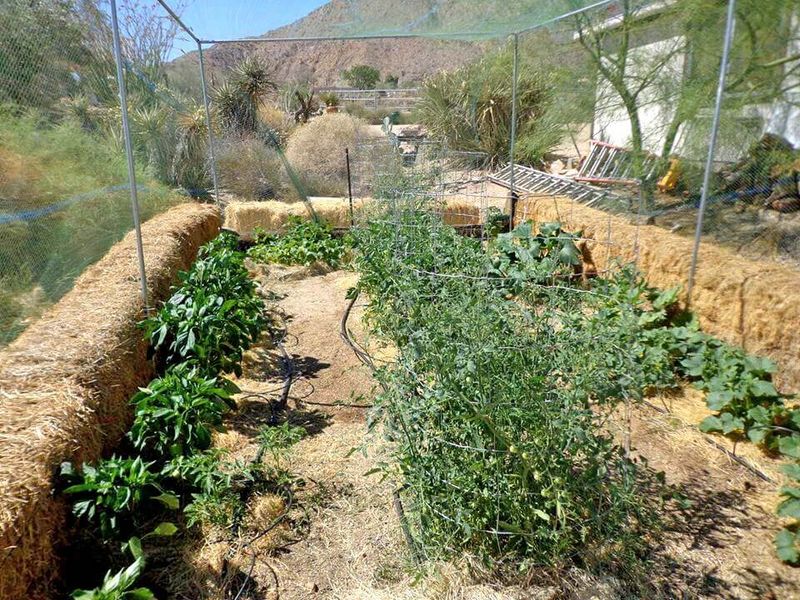
Caliche and clay-heavy desert soils have a reputation for being stubborn. Water pools on the surface or runs off rather than soaking in, and roots struggle to push through compacted layers.
Compost changes that dynamic in a few important ways. Organic matter creates small channels and pore spaces within the soil.
Those spaces let air move through, allow roots to penetrate more easily, and help water infiltrate instead of running off.
Drainage improves in heavy soils because the structure becomes less dense over time with repeated amendments.
Sandy desert soils face the opposite problem. Water drains so fast that roots barely have time to absorb it.
Organic matter acts like a sponge in those conditions, holding moisture a bit longer in the root zone. It does not fix the problem in a single season, but consistent additions build water retention gradually.
Both soil types benefit from organic matter, just for different reasons. Structure improvement is not instant.
Meaningful change in difficult desert soil usually takes multiple growing seasons of consistent amendment. Expecting a single application to transform hard caliche into fluffy loam is not realistic.
Steady, repeated additions over time are what shift how the soil behaves. Each season of amendment builds on the last, and the improvement becomes more noticeable with patience.
5. Desert Soils Can Lose Organic Matter Quickly
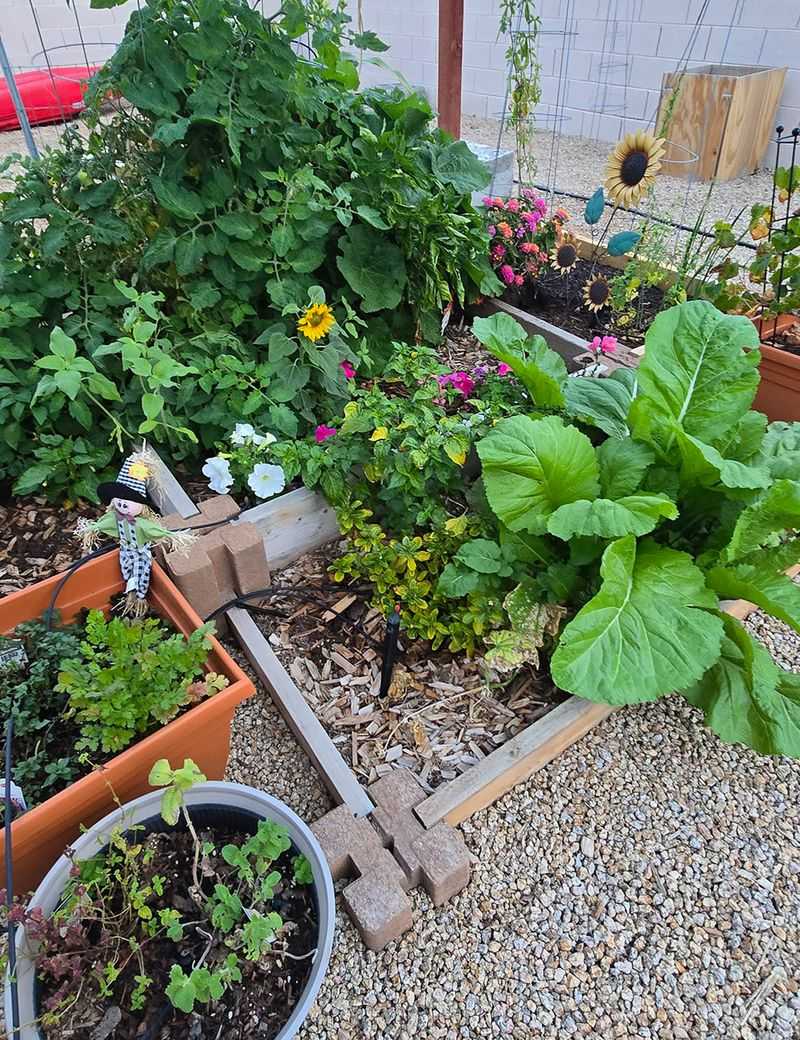
Heat speeds up microbial activity, and microbial activity breaks down organic matter. In Arizona summers, soil temperatures can get extreme, and that pushes decomposition to happen faster than in cooler climates.
Alkaline soil conditions common in the desert Southwest also affect how organic matter behaves. High pH environments can influence the types of microbes present and how quickly they process organic material.
The result is that organic matter added to desert garden beds does not stick around as long as it might in a temperate climate with milder summers.
Regular additions become necessary in productive vegetable beds for this reason. A one-time compost application from two seasons ago may have already broken down significantly.
Gardeners who amend only occasionally often notice their soil structure slowly reverting toward its original state between seasons.
Amending before each planting season, rather than assuming last year’s work still holds, is a practical habit in this climate.
Some gardeners also use mulch over the soil surface to slow moisture loss and moderate soil temperature, which can help slow organic matter breakdown somewhat.
Mulch is not a replacement for incorporated compost, but it does reduce some of the stress that intense heat places on the soil between waterings.
Consistent inputs keep the bed functioning well season after season.
6. More Compost Is Not Always Better
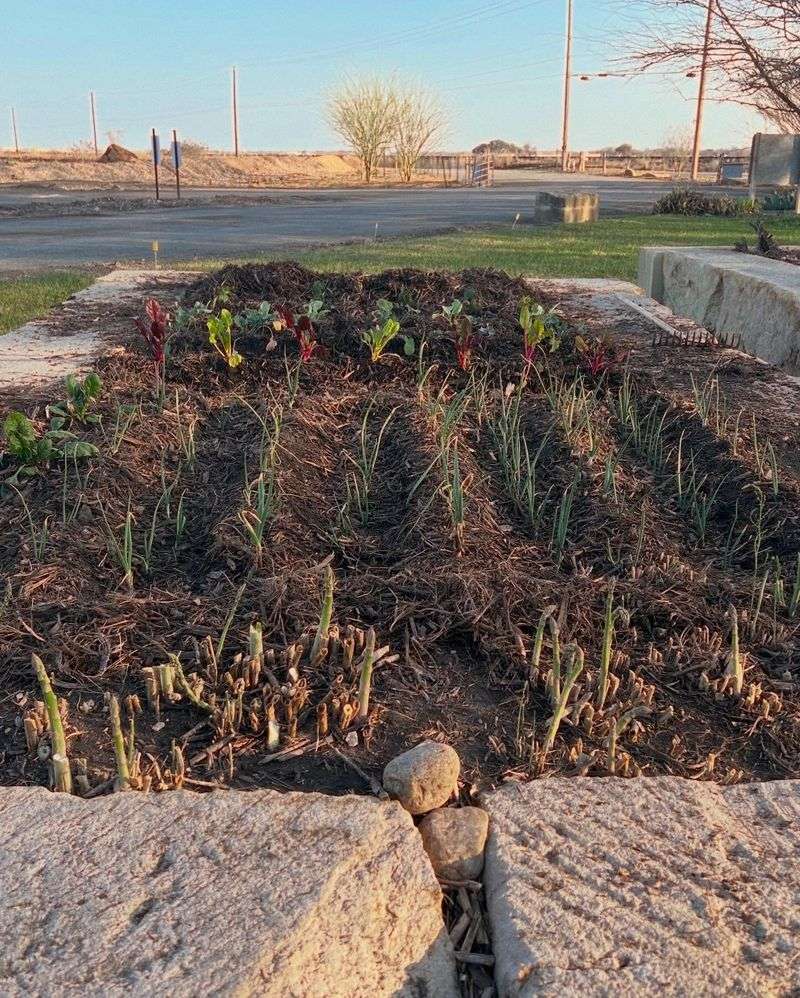
Piling on extra compost does not automatically mean better results. Soil amendment works best when it matches what the bed actually needs, not when it is applied in the largest quantity possible.
Salt buildup is a real concern with some composted manures, especially in Arizona soils that already tend toward higher salt levels. Manure-based composts can carry soluble salts, and applying them heavily over time can raise soil salinity.
Elevated salinity stresses vegetable plants and can interfere with germination. A soil test can reveal whether salinity is already an issue before adding more.
Excessive organic matter can also throw off soil nutrient ratios. Very high amounts of nitrogen-rich compost in a small bed can push leafy growth at the expense of fruiting or root development, depending on the crop.
Balance matters more than volume.
A reasonable starting point for most vegetable beds is two to three inches of finished compost worked into the top several inches of soil. That is a general guideline, not a universal rule, and actual needs vary based on existing soil quality.
Adjusting based on how the bed has performed in past seasons makes more sense than applying the same heavy rate every time. Measured additions give you more control over what is happening in the soil.
7. Prepared Beds Are Ready When Fall Planting Arrives
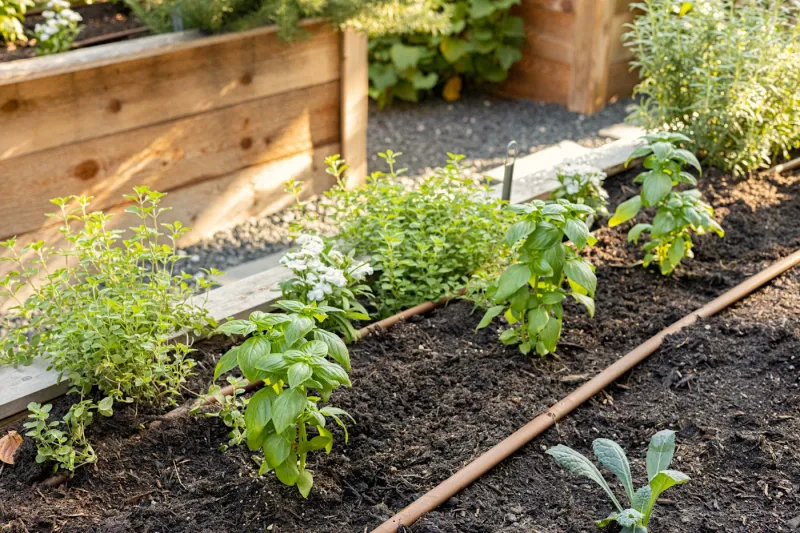
September and October mark the cool-season planting window across much of the low desert. Crops like lettuce, spinach, broccoli, carrots, and kale all go in during this stretch when daytime temperatures start to ease.
Beds that were amended and prepared weeks earlier are in a noticeably better position at planting time. The soil has had time to settle.
Compost has started integrating with the native soil. Moisture from any pre-planting watering has distributed more evenly through the bed.
Seeds and transplants drop into ground that is ready, not ground that is still adjusting.
Scrambling to amend on the same day you plant is not impossible, but it is not ideal either. Freshly turned soil can be uneven, and amendments added at the last minute have not had time to blend properly.
The root environment is less predictable in that scenario.
Advance preparation removes that uncertainty. When seeds go in on a cool October morning, the bed is already stable, workable, and set up to support early root development.
Germination tends to be more consistent, and transplants often establish faster in well-prepared ground.
The compost habit that started back in August quietly does its job in the background, and the results show up right when the planting season begins.