Stop Cutting Back Your Ohio Native Perennials This Early
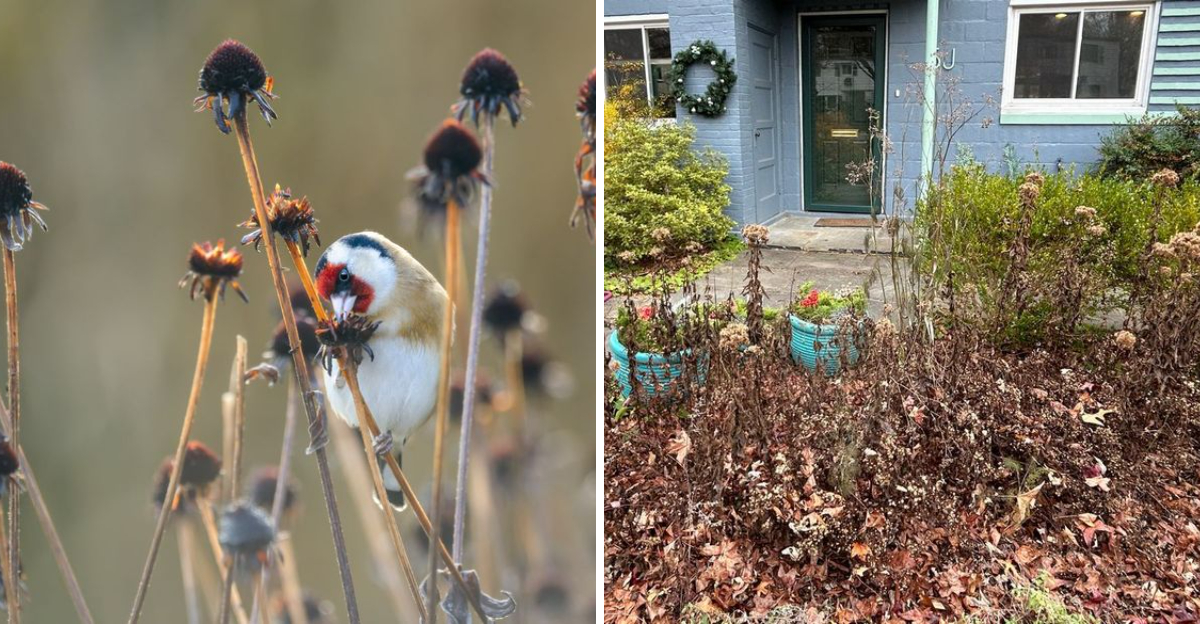
A tidy Ohio flower bed can look satisfying in early fall, but that clean sweep may come at a cost. Once blooms fade and stems turn rough, the urge to grab pruners can feel almost automatic.
Yet native perennials still have work to do long after their best color disappears. What looks spent to you can remain useful to the plants, the soil, and the wildlife that depends on your yard as colder weather moves in.
September and early October can fool you, too. Warm afternoons make the season feel finished, while the first serious cold may still sit weeks away.
That gap matters. Remove too much too soon, and you can erase benefits that only show up later.
Some stems deserve to stay exactly where they are for far longer than a neat fall cleanup suggests. The harder part is knowing which ones can wait and which ones truly need your attention.
1. Faded Flowers Still Have A Job To Do
A flower stalk does not punch out the moment its petals drop. Many native perennials hold onto something useful long after the bloom is gone.
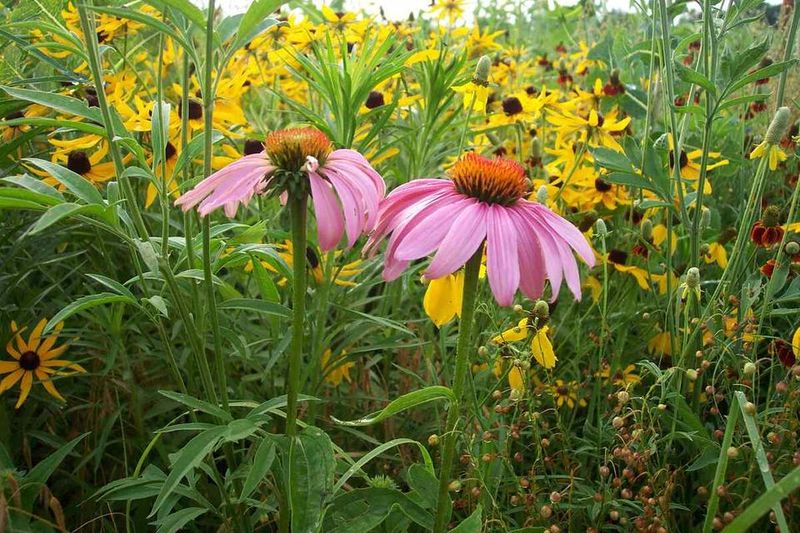
Coneflowers, black-eyed Susans, and other natives develop mature seed heads that stay standing well into fall and even winter.
Those seed heads are not just decoration. They hold seeds that wildlife can use, and the dried stalks themselves add structure to the garden during a season when most other food sources are gone.
Ohio State University Extension notes that native plants provide layered seasonal benefits beyond their bloom period.
Removing spent flower heads immediately after blooming can strip away material that has not yet finished contributing to the yard. Seeds may still be maturing.
Insects may still be sheltering near the base of the stalk. Birds may not have found the seed head yet.
Automatic early cleanup treats every faded plant as finished, but that is rarely the full picture. A brown coneflower head in October still has value.
Letting plants complete their natural seasonal cycle before cutting gives wildlife a fair chance to benefit from what your garden produces. Tidy and useful are not always the same thing, and in a native garden, the untidy parts often do the most work.
2. Hollow Stems Become Tiny Winter Shelters
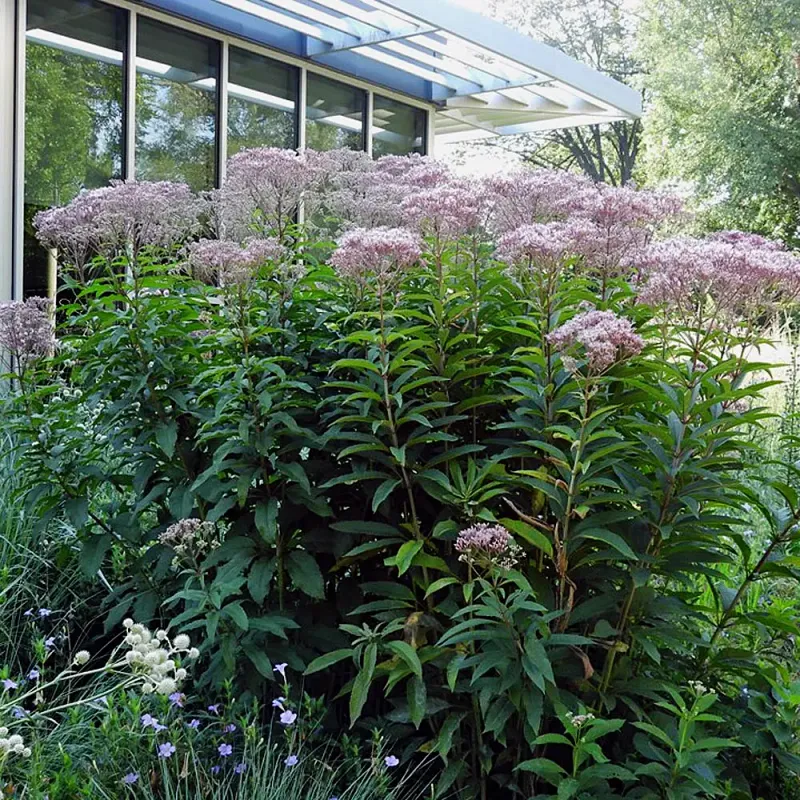
Look closely at a dried stem from a native bergamot or Joe-Pye weed plant after the season ends. Some of those stems are hollow or have a soft, pithy center.
To a small bee or beneficial insect, that hollow space is a ready-made shelter for surviving cold months.
Certain native bee species, including some small sweat bees and mason bees, may use hollow or pithy stems as overwintering sites.
Ohio State University Extension and pollinator researchers note that stem-nesting bees are a diverse group with varied nesting strategies.
Not every bee nests in a stem, and not every stem holds an insect.
Cutting all stems to the ground in early fall removes that potential habitat before insects have finished using it. A stem that looks empty from the outside may still be occupied or may become a nesting site the following spring.
Your Ohio Garden Changes Every Week. Your Plan Should Too.
Gardening in Ohio changes quickly throughout the season. Every Friday you’ll receive a simple weekly plan showing exactly what to plant, prune, fertilize, harvest, and protect so you never miss the right timing.
Leaving a reasonable number of standing stems through fall and winter costs very little effort. The stems take up no extra space.
They ask for nothing. But for the insects that depend on them, those dried stalks can mean the difference between finding shelter and not finding any at all.
Preserving some of that structure is one of the simplest things a gardener can do for local pollinators.
3. Seed Heads Keep Backyard Birds Feeding
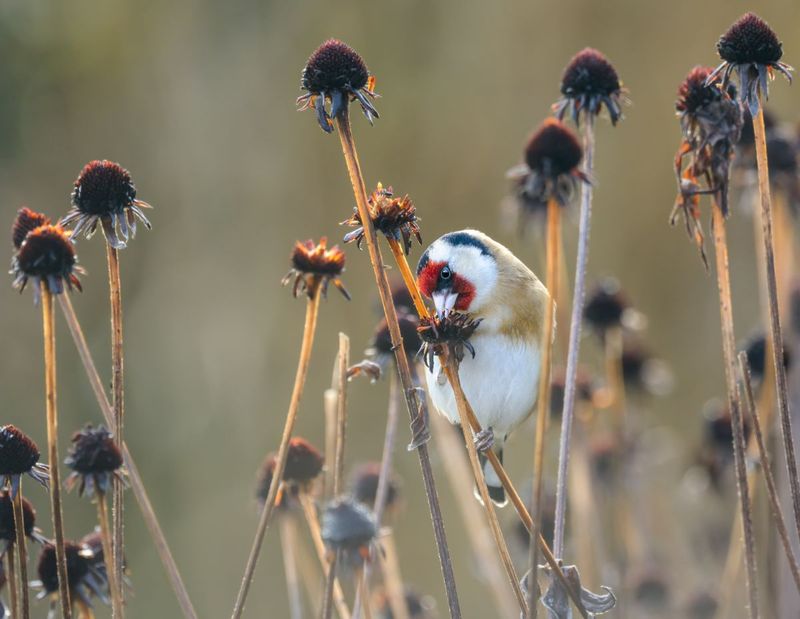
Watch a goldfinch work over a dried coneflower head in January and you will understand immediately why leaving seed heads standing matters.
Seed-eating birds like American goldfinches, chickadees, and house finches actively search for standing seed sources during fall and winter when other food is scarce.
Native perennials that produce seed heads, including coneflowers, black-eyed Susans, and native grasses, can act as a natural feeding station.
The Cornell Lab of Ornithology and Ohio State resources both recognize that native plantings support bird populations by providing food beyond the growing season.
Removing seed heads in early fall cuts off that supply.
Not every bird species feeds from every type of seed head, and not every perennial produces seeds in a form birds can easily access. But leaving at least some mature seed heads standing gives local birds more options during a lean season.
A yard with standing seed heads is simply more useful than one that has been cut clean.
Supplemental bird feeders can help, but native plants offer something a plastic feeder cannot: natural foraging behavior and a food source that fits the local food web.
Letting coneflowers and similar plants stand through winter adds a practical, low-effort food source that birds in the region already know how to find and use.
4. Standing Growth Protects More Than You See
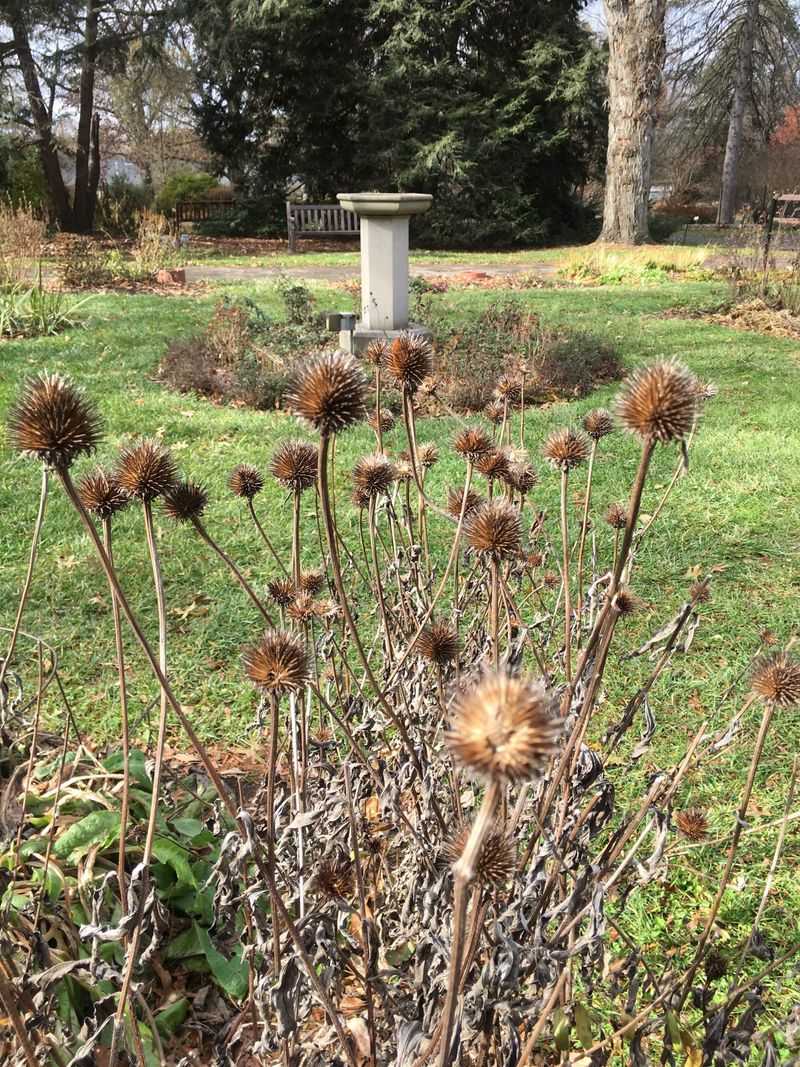
A garden in January can look completely still, but a lot is happening just beneath and around those standing stems. Dormant plants are not empty plants.
Dried stalks, seed heads, and plant bases create a layered structure that shelters more than most gardeners realize.
Ground beetles, spiders, and other beneficial insects find cover in the debris and stems around dormant perennials. Some butterfly and moth species overwinter as pupae attached to or buried near plant stems and litter.
Cutting everything down removes the physical shelter these creatures depend on through the coldest part of the year.
Standing stems also catch snow, which acts as insulation around plant crowns and soil. That trapped snow can help protect plant roots during hard freezes.
The stems themselves slow wind at ground level, which reduces moisture loss from the soil and the crowns of perennial plants.
A dormant garden can look like it is doing nothing while it is actually functioning as habitat, wind buffer, and insulation layer all at once. Leaving some structure through the winter does not require any extra work.
Gardeners simply hold off on cutting. The plants handle the rest.
A bed of standing native perennials in winter is rarely as empty as it looks from the sidewalk.
5. Leaf Litter Belongs Beneath The Plants
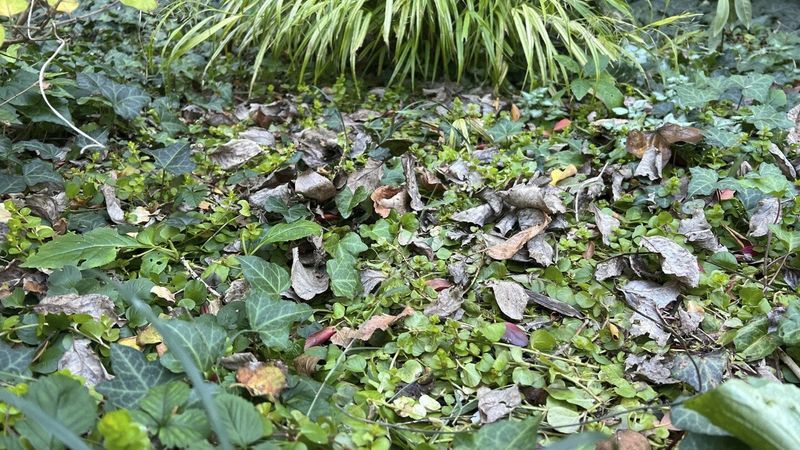
Fallen leaves have a reputation problem. Many gardeners rake leaves away from beds without a second thought.
But a thin layer of leaf litter around native perennials can support a surprising amount of wildlife. Some moth and butterfly species overwinter as eggs or pupae tucked into that layer of leaves.
Ohio State Extension and pollinator researchers point out that leaf litter provides ground-level habitat for small insects and other invertebrates. Fireflies, for example, spend part of their life cycle in moist leaf litter.
Removing every leaf from a native garden bed can disrupt these small but important relationships.
The goal is not to pile leaves so thick that plant crowns are smothered or drainage is blocked. Thick, matted leaf piles can create conditions that encourage rot or disease around plant bases.
A moderate, natural layer is the sweet spot. Think of it as a light blanket rather than a heavy quilt.
Shredding leaves before leaving them in beds can help them break down faster and reduce the risk of matting. Keeping the layer thin and loose around plant crowns gives insects the cover they need without creating problems for the plants underneath.
A little leaf litter is not a messy yard. Managed well, it is a functioning habitat layer that costs nothing to maintain.
6. Diseased Stems Are The Big Exception
Leaving stems standing through winter is not a rule that applies to every plant in every situation. Diseased foliage and infected stems are the clearest exception.
Gardeners should know how to distinguish healthy dormant material from growth with a real plant-health problem.
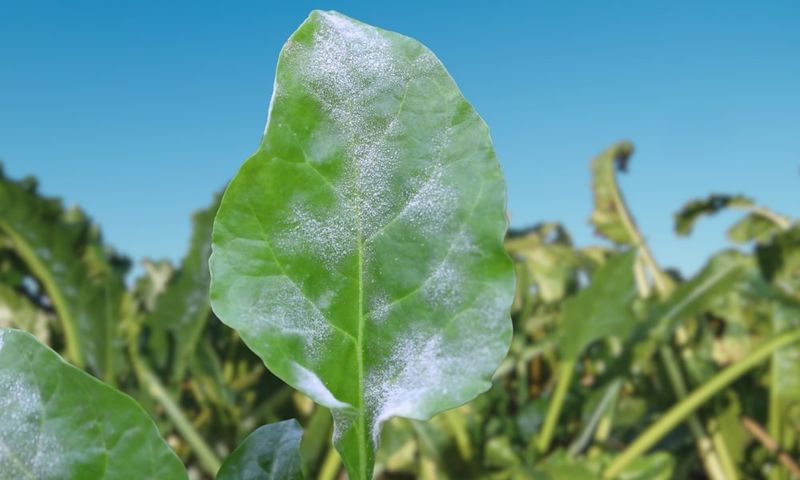
Ohio State University Extension identifies powdery mildew as a common fungal issue on several native perennials, including bee balm and some asters. Heavily infected foliage can harbor fungal spores that survive winter and reinfect plants the following season.
In these cases, removing and discarding the affected material in fall can reduce disease pressure going forward.
Do not compost diseased plant material unless you are confident your compost pile reaches temperatures high enough to break down pathogens. When in doubt, bag it and put it out with yard waste.
Leaving infected stems standing is one of the situations where early cleanup is actually the right call.
Brown, dry, and dormant does not automatically mean diseased. Most native perennial stems simply go dormant and turn brown as cold arrives.
Gardeners should look for signs of active infection like white coating, unusual spots, or tissue that looks wet or rotted rather than just dry and brown. Healthy dormant stems deserve to stay.
Genuinely infected material should come down to protect the rest of the garden.
7. Late Winter Is A Better Time To Cut
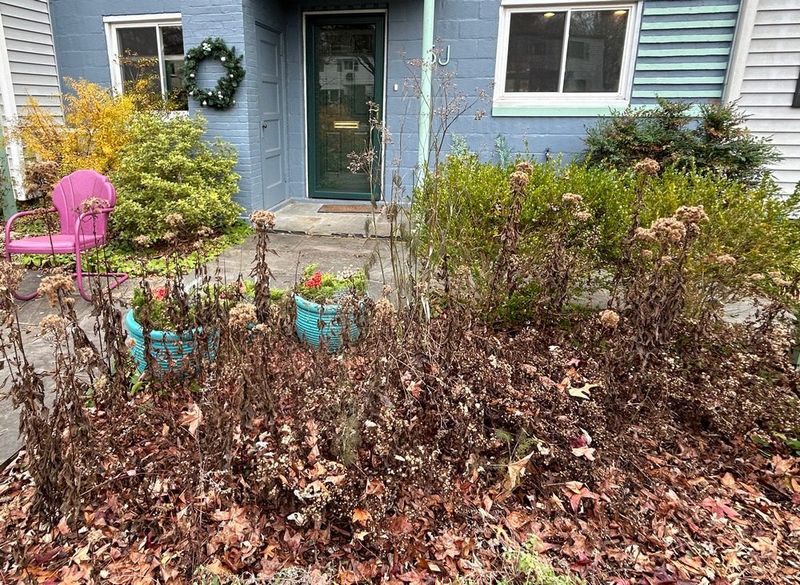
Late winter cleanup has a practical logic that early fall cleanup simply cannot match. Waiting until late February or early March lets stems and seed heads do their job through the coldest months.
It still leaves plenty of time to prepare beds before spring growth takes over.
Ohio State University Extension pollinator guidance supports waiting until late winter or early spring for cleanup. This helps protect overwintering insects still sheltering in stems and litter.
Warming temperatures in late winter signal when insects begin to emerge, which gives gardeners a natural cue that the shelter is no longer as critical.
No single calendar date works for the entire state. Conditions vary by location, elevation, and year.
Watch for consistent daytime temperatures above 50 degrees Fahrenheit. Also check whether new growth is beginning to emerge from plant crowns.
Cutting before vigorous new growth makes the job easier and reduces the risk of accidentally snipping fresh shoots.
Late winter cleanup also means gardeners only handle stems once, rather than doing a full fall cut and then managing any regrowth issues in spring. Holding off is not laziness.
It is a more efficient approach that happens to benefit wildlife at the same time. Waiting a few extra months costs almost nothing and pays off in habitat value through the whole winter season.
8. Leave Twelve Inches For Spring-Nesting Bees
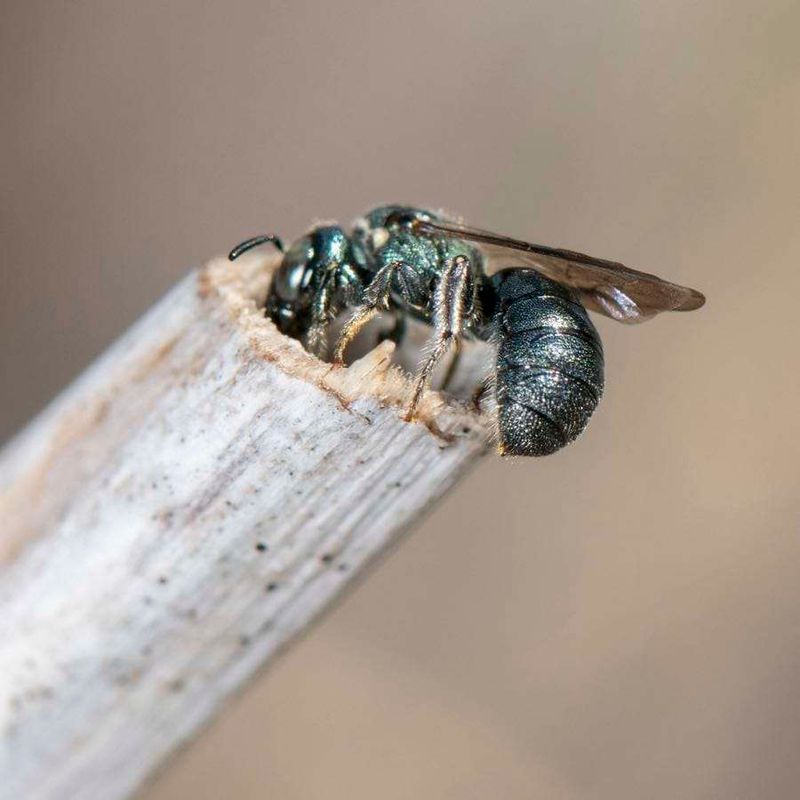
Cutting every stem flush to the ground seems thorough, but it removes something useful in the process. Ohio State University Extension pollinator guidance recommends cutting some stems to a height of roughly 12 to 18 inches rather than all the way to the soil.
That remaining section of stem can serve as a future nesting site for stem-nesting bees in spring.
Stem-nesting bees are a diverse group. Not all bee species use cut stems, and no stem is guaranteed to attract a nesting bee.
But leaving some stems at that height gives those bees a ready option when they begin searching for nesting sites as temperatures warm up. A stem that looks like a stub in March can become an active nest site by May.
New plant growth typically surrounds and eventually hides old cut stems as the season progresses. The habitat stays useful while becoming visually less noticeable.
Gardeners do not have to choose between a tidy spring garden and a bee-friendly one.
Twelve inches is part of a recommended range, not a magic number that works identically for every plant or every yard. The point is to leave some meaningful stem length rather than removing everything.
A cleaner-looking fall or winter garden is not automatically a better-functioning one. Preserving some standing native perennial structure can quietly support garden pollinators.