Why Lavender Turns Woody Over Time (And How To Fix It For Good)
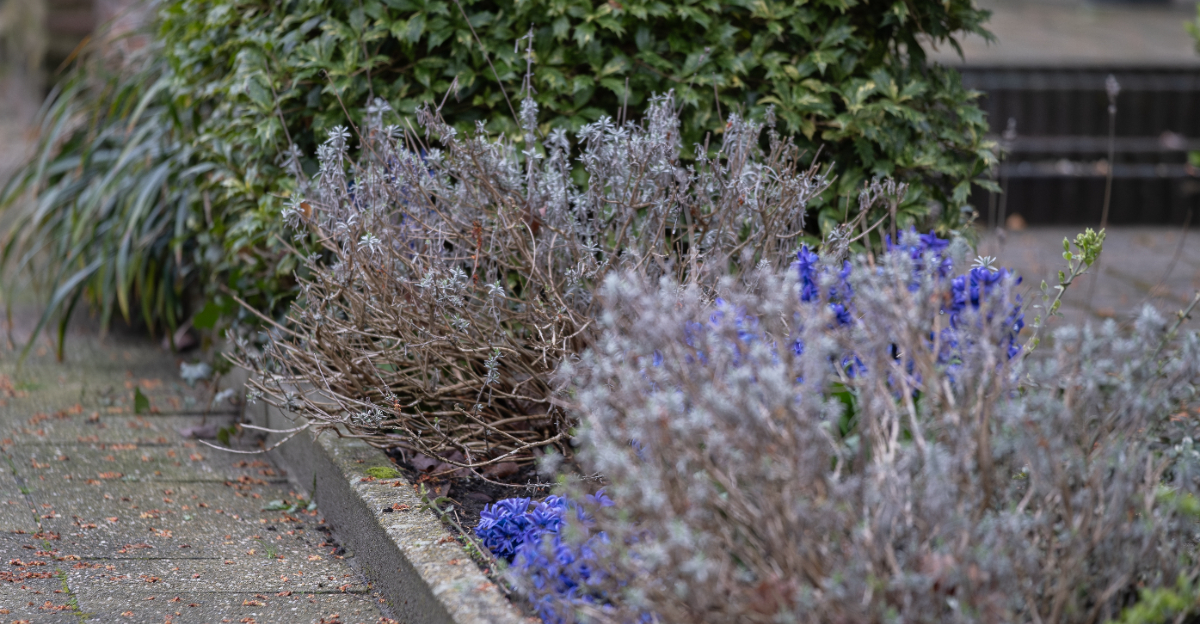
Lavender can surprise you without warning, and few gardeners see it coming. Woody stems creep toward you while blooms fade without warning. Gardeners everywhere watch their favorite plant slowly lose its shape.
Nobody warns you that lush lavender can change quickly overnight. Texture turns brittle in your garden, and fragrance thins quickly. Confidence dims fast when your favorite plant stops performing.
Experts rarely explain why your plant’s transformation happens so quietly. Roots stay healthy while your stems above ground turn fragile. Certain gardens seem especially likely to test your patience.
Patterns exist, and you can learn exactly where to look. Timing matters more than you probably realize right now. Pruning habits and watering choices shape your plant’s future.
Nothing about your plant’s decline is random or unfixable. Answers exist, and they’re sharper than you expect. Once you understand why lavender turns woody, you simply won’t be able to look away.
Infrequent Pruning Lets Stems Mature
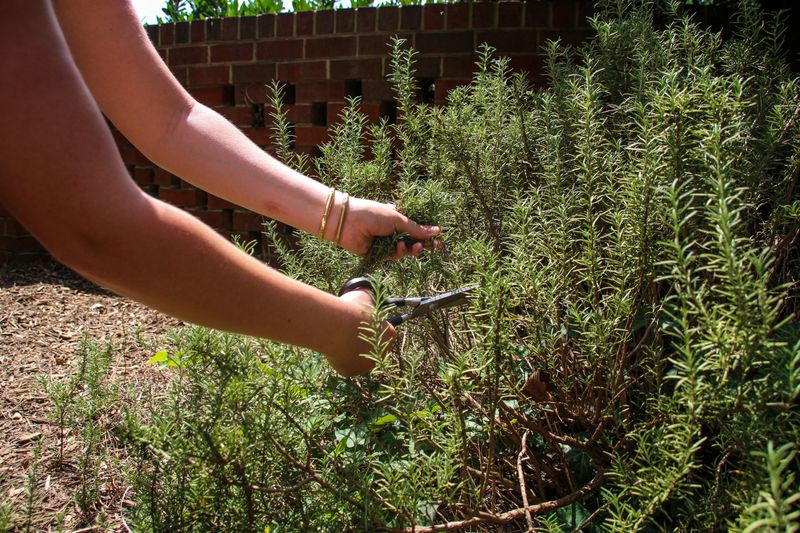
Skipping pruning is the fastest way to end up with a lavender plant that looks like a tiny, stubborn tree. Most gardeners mean to trim, but life gets busy and the shears stay in the shed.
When lavender goes uncut season after season, the lower stems begin to harden. That hardening is called lignification, and it happens naturally as the plant ages without intervention.
Woody stems cannot produce new green growth the way soft stems can. Once that base turns gray and stiff, no amount of watering or sunshine will coax it back to life.
Pruning is the reset button your lavender needs. Even one good trim each year makes a significant difference in how full and fragrant the plant stays.
Think of it like a haircut for your garden. Regular cuts keep things fresh, shapely, and ready to bloom with energy.
Gardeners who prune annually report far fewer woody stems and much longer plant lifespans. The effort is minimal, but the reward is enormous.
If your lavender is already looking stiff and bare at the base, do not panic just yet. There are still steps you can take to bring it back from the edge.
Consistent pruning is the single most powerful habit you can build for healthy lavender. Start this season, and your plant will thank you with a flush of fresh purple blooms.
Overwatering Weakens Roots Over Time
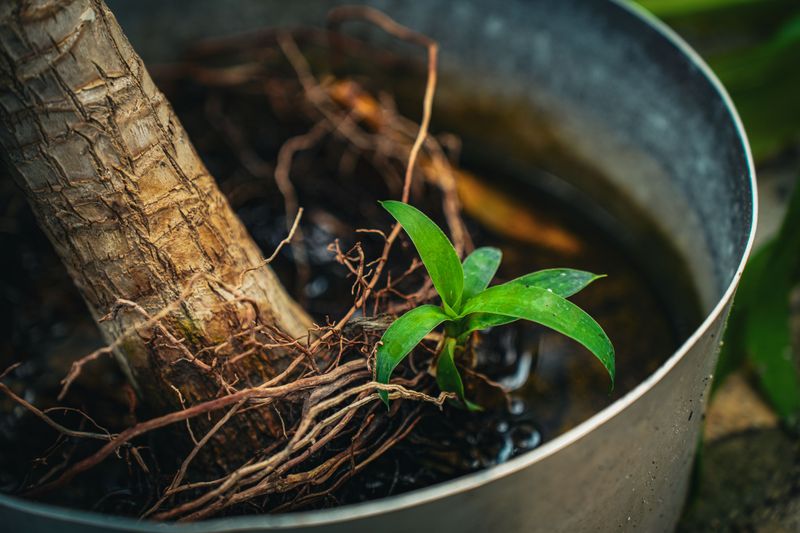
Lavender struggles with wet feet more than almost any other common garden plant. It evolved in dry Mediterranean hillsides, so soggy soil feels deeply wrong to its roots.
When roots sit in too much moisture, they begin to weaken and rot. A rotting root system cannot deliver nutrients properly, and the plant responds by going into survival mode.
Survival mode for lavender means pushing growth upward and abandoning the lower stems. Those lower stems then harden and turn woody as the plant focuses its energy on staying alive.
Many gardeners overwater with the best intentions, thinking more water means more growth. For lavender, the opposite is almost always true.
A good rule of thumb is to water deeply but infrequently. Let the soil dry out completely between waterings, especially during cooler months when the plant is not actively growing.
Checking soil moisture before watering is a simple habit that saves a lot of heartache. Stick your finger two inches into the soil, and only water if it feels completely dry.
In climates with regular rainfall, established lavender often needs little supplemental watering. In hot or dry regions, it will need more consistent watering to stay healthy.
Cutting back on water is one of the easiest fixes you can make right now. Less really is more when it comes to keeping lavender roots strong and stems flexible.
Poor Drainage Stresses The Plant
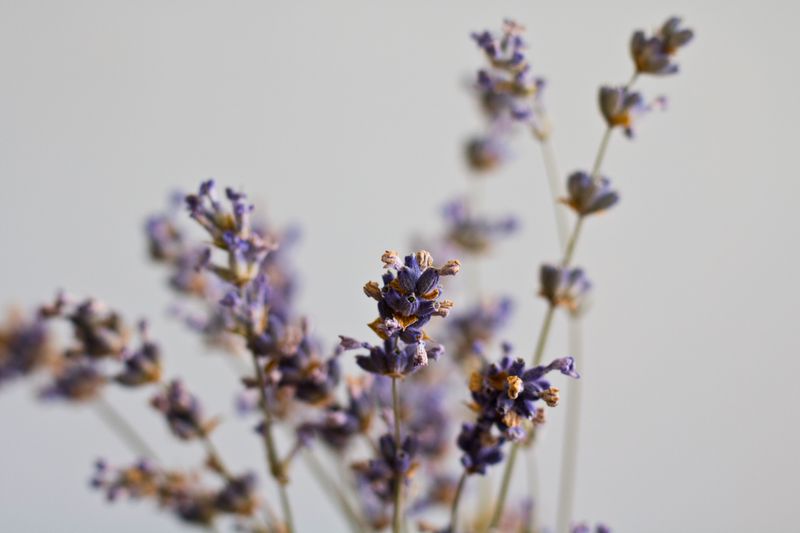
Even if you water perfectly, bad drainage can offset your efforts after heavy rain. Clay-heavy soil holds water like a sponge, and lavender absolutely cannot tolerate that.
When water cannot drain away quickly, roots stay wet far longer than they should. That prolonged moisture triggers the same stress response as overwatering, pushing the plant toward woody growth.
Drainage is not just about the soil, either. The location of your lavender matters just as much as what it is planted in.
Low spots in the yard collect runoff from everywhere around them. Planting lavender in a dip or at the bottom of a slope is practically a recipe for stressed, woody stems.
Raised beds and mounded planting spots are popular solutions that work incredibly well. Elevating lavender even slightly improves how fast water moves away from the roots.
Amending your soil with coarse sand or gravel before planting is another proven fix. These materials create air pockets that allow excess moisture to escape quickly and keep roots breathing.
If your current lavender is already planted in poor-draining soil, consider adding a gravel mulch around the base. This helps wick moisture away from the crown and reduces rot risk significantly.
Good drainage is the foundation of a long-lived lavender plant. Fix the soil, and you solve half the problem of premature woodiness before it even starts.
Aging Naturally Hardens Old Stems
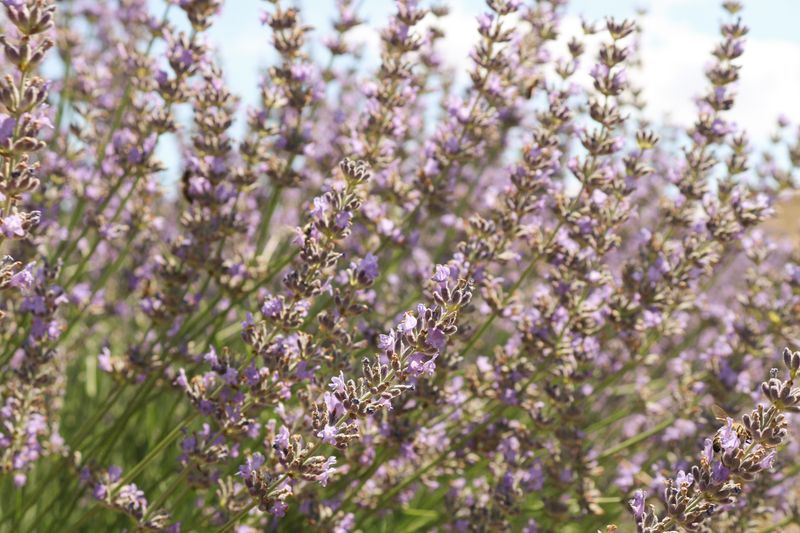
No matter how perfectly you care for lavender, age will eventually catch up with it. All lavender plants naturally become woodier as they get older, and that is simply biology at work.
Young lavender has soft, flexible green stems that bloom freely and look lush. As the plant matures over the following years, the base begins to harden regardless of your care routine.
This natural process happens because the plant is building structural support for itself. Older stems become like a trunk, holding the plant upright while newer growth reaches up from above.
The problem arises when the woody base takes over and new growth becomes sparse. At that point, the plant starts looking more architectural than floral, which is rarely what gardeners want.
Understanding this natural timeline helps you plan ahead instead of reacting in surprise. As your lavender approaches the later stretch of its lifespan, now is the time to act.
Aggressive spring pruning can slow the woodiness down, but it cannot stop it entirely. Even the best-pruned lavender will eventually reach a point where rejuvenation becomes necessary.
Some gardeners actually appreciate the sculptural look of older, woody lavender plants. However, if blooms are your goal, age is working against you and intervention is worth the effort.
Knowing that aging is part of lavender’s story takes the pressure off. You are not doing anything wrong when lavender turns woody with time.
Trim Lightly After Each Bloom
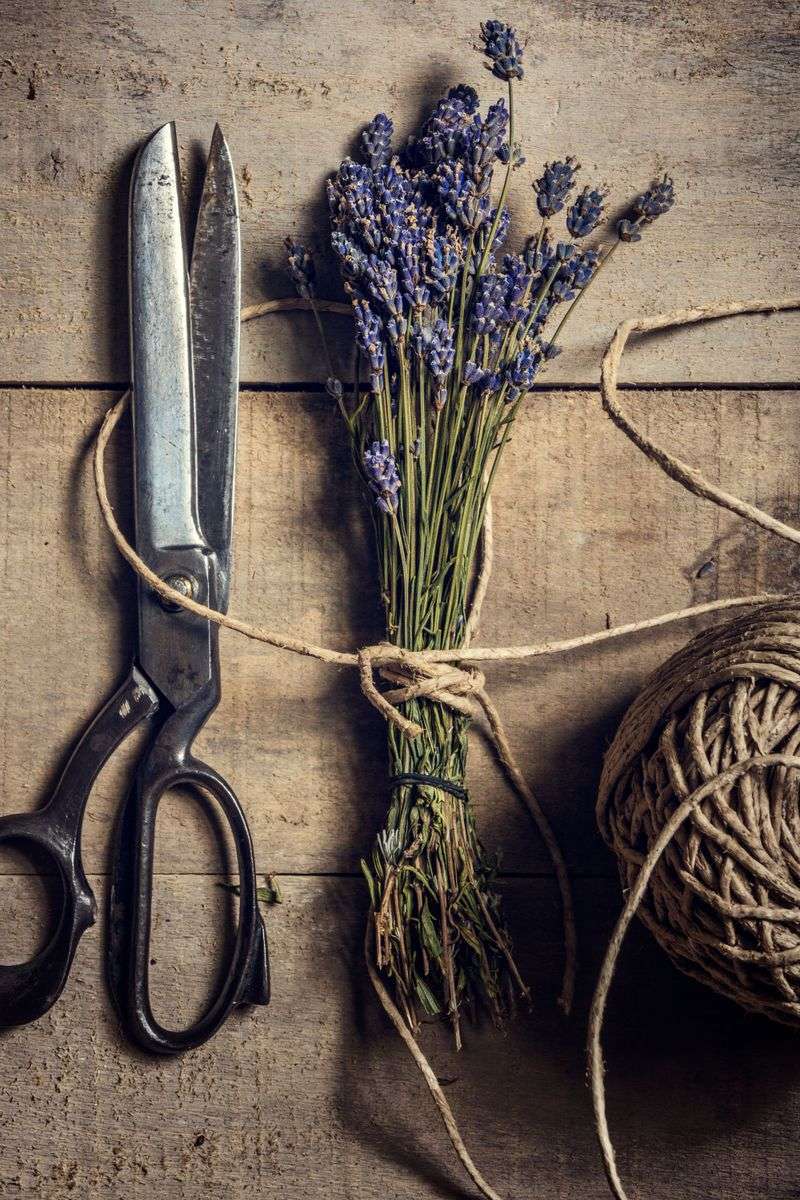
Right after your lavender finishes blooming is a golden opportunity most gardeners miss completely. A light trim at this moment sets the plant up for a healthier future than almost anything else you can do.
Post-bloom trimming removes the spent flower stalks and encourages the plant to direct energy toward new green growth. That fresh growth is what keeps the base from going woody too quickly.
The key word here is light. You are not cutting back hard at this stage, just removing the faded blooms and a small portion of the leafy stems below them.
Aim to cut back about one-third of the current season’s growth after blooming wraps up. Never cut into the old, woody base during this trim, as that can stress the plant significantly.
This post-bloom routine works best when you do it consistently every single year. One missed season will not ruin your lavender, but several in a row absolutely will accelerate the woodiness.
Timing matters more than most people realize. Trim too late in fall, and new growth may not harden off before cold weather arrives, leaving the plant vulnerable to frost damage.
A pair of sharp, clean pruning shears makes the job easier and reduces disease risk. Dull blades crush stems rather than cutting cleanly, which invites bacteria and fungi to move in.
Think of this trim as a light refresh that keeps your lavender feeling young. Small, consistent effort delivers the biggest long-term payoff.
Cut Back Hard Each Spring
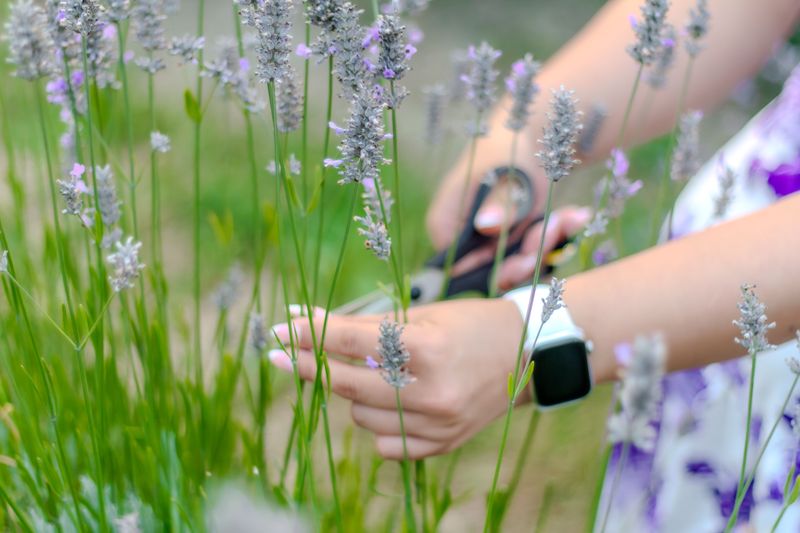
Spring is when lavender gets its most important haircut of the year. A hard cutback at this time is the single most effective way to fight back against woody stems.
Hard pruning means removing up to two-thirds of the plant’s overall size. That sounds dramatic, but lavender is incredibly resilient and bounces back with surprising speed when the timing is right.
Wait until you see the first signs of new green growth emerging from the base before cutting. Pruning too early in cold weather can expose tender new growth to a damaging late frost.
Use sharp, clean shears and cut just above a set of healthy green leaves or buds. Leaving a few inches of green material on each stem gives the plant the energy it needs to regrow.
Never cut all the way back to bare wood in a single session. Bare wood on lavender rarely produces new growth, so cutting there can leave you with a plant that struggles to recover.
If your lavender is already quite woody, try a staged approach over two seasons. Cut half the woody stems back the first year and tackle the rest the following spring.
After pruning, give the plant a light top-dressing of gravel or coarse sand around the base. This improves drainage and keeps the crown dry as the plant pushes out new growth.
Spring pruning is your annual reset, and skipping it is how lavender turns woody before you even notice. Make it a non-negotiable part of your gardening calendar.
Avoid Rich, Growth-Pushing Fertilizer
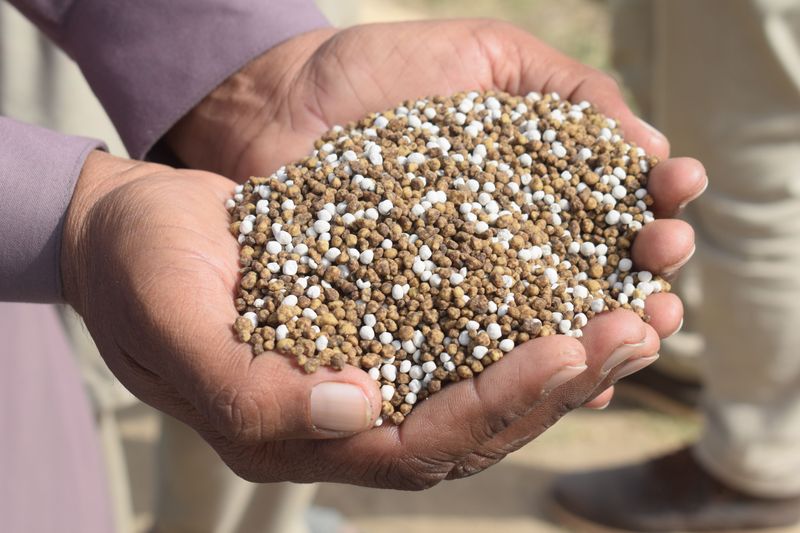
Lavender comes from poor, rocky Mediterranean soils where nutrients are scarce and drainage is excellent. Feeding it like a tomato plant is one of the quickest ways to cause problems.
Rich fertilizers, especially nitrogen-heavy ones, push lavender into rapid, lush, soft growth. That soft growth sounds appealing, but it actually accelerates the plant’s journey toward a woody base.
Fast-growing, nitrogen-fed stems are weaker and more susceptible to disease than stems that grow at a natural pace. They also tend to flop over, creating a messy, sprawling plant that is hard to manage.
Lavender that grows slowly and steadily in lean soil produces tighter, more aromatic foliage and stronger stems. The stress of low nutrients actually triggers the production of the oils that make lavender smell so incredible.
If you want to feed your lavender at all, opt for a low-nitrogen, slow-release formula. Apply it sparingly in early spring and skip any additional feeding for the rest of the season.
Compost can be beneficial in very small amounts, but avoid piling it thickly around the base. Too much organic matter holds moisture and raises nitrogen levels, creating the exact conditions lavender dislikes.
A top-dressing of fine gravel is actually a better choice than compost for most lavender plants. It keeps the crown dry, reflects heat, and mimics the rocky soil lavender evolved to love.
Feed less, and your lavender will reward you with more blooms and fewer woody stems. Sometimes restraint is the most powerful gardening tool you own.
Replace Plants Past Five Years
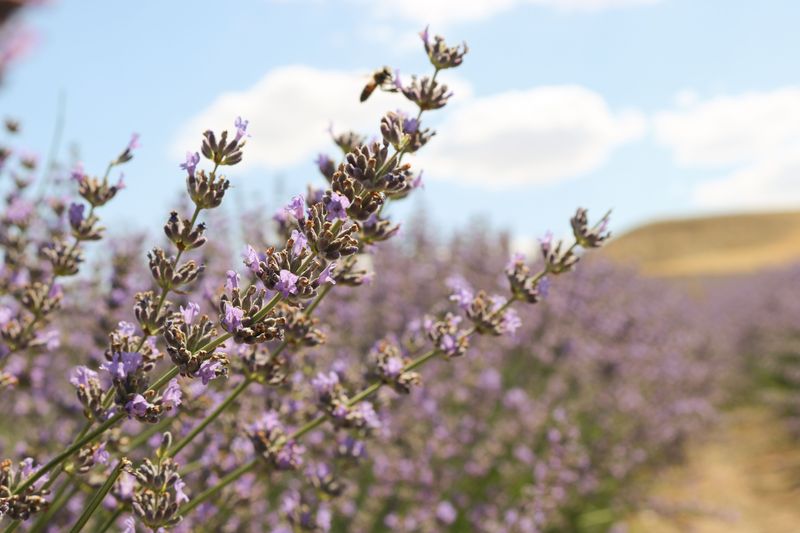
Sometimes the most practical thing you can do for your garden is let go. When lavender turns woody beyond recovery, replacing it is not failure, it is smart gardening.
Most lavender varieties have a productive lifespan of about five to seven years. After that, even perfect care cannot fully reverse the deep woodiness that has built up over time.
Signs that replacement is the right call include a base that is mostly bare wood, very few new shoots emerging in spring, and a dramatic drop in blooming. Those signals mean the plant has passed its prime.
Starting fresh with a young plant is exciting rather than discouraging. New lavender establishes quickly, especially when planted in well-draining soil with good sun exposure.
When you pull out the old plant, take time to amend the soil before replanting. Adding coarse sand and working in any compacted areas gives the new plant a much stronger start.
Choose a variety suited to your climate for the best results long-term. English lavender varieties like Hidcote and Munstead tend to be hardier and longer-lived in many climates.
Propagating cuttings from your old plant before removing it is a satisfying way to carry on the legacy. Stem cuttings root easily in sandy soil and can give you several new plants for free.
Replacing aging lavender is not giving up, it is giving your garden a fresh start. A new plant means years of fragrant blooms ahead, and that is a solid outcome.