Should You Prune Bougainvillea in September? Here’s What Florida Gardeners Should Consider

September can make a Florida bougainvillea look ready for a reset. Long canes sprawl past their supports, faded bracts cling to the stems, and the whole plant may seem overdue for a sharp cleanup.
That urge can be hard to resist, especially after months of fast summer growth. But bougainvillea does not always respond to a late-season cut the way you expect.
Florida’s heat can linger well into fall, and the plant may still have plenty of energy left. A hard trim at the wrong moment can shift where that energy goes next and change the display you hoped to see later.
A light touch may make sense in some yards, while a major cut deserves more thought. Before the pruners come out, look at what your bougainvillea is doing now.
September sits in an awkward spot between summer growth and the cooler stretch ahead.
1. September Is Usually Too Late For A Big Cut
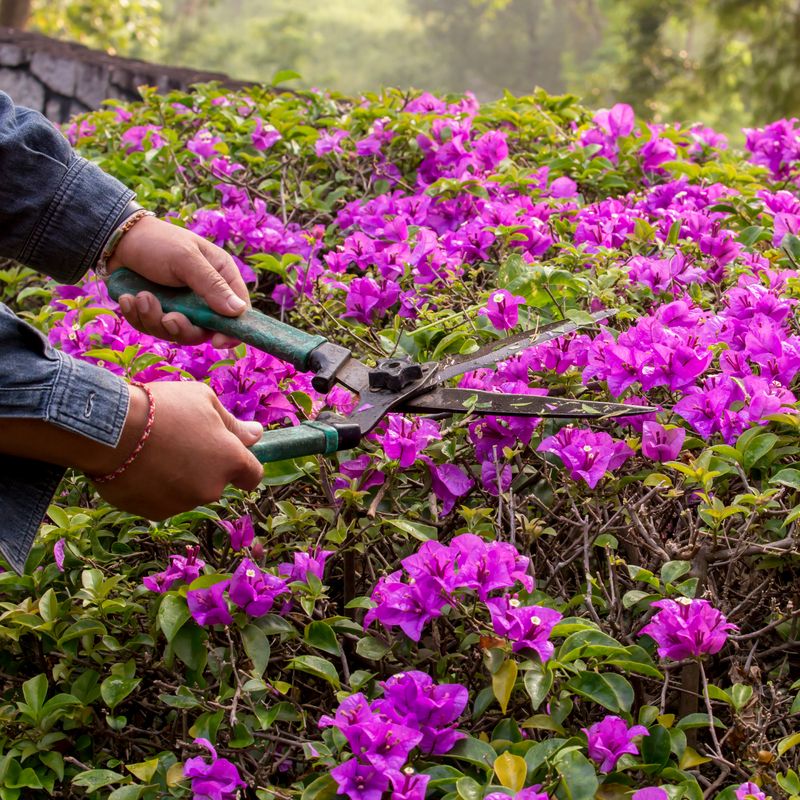
An overgrown bougainvillea arching over a fence in late summer can make any gardener reach for the loppers. However, September is generally not the right time to do a major reshaping or severe cutback on this plant.
Substantial pruning stimulates a strong flush of fresh growth. That new growth needs enough warm time to mature properly before conditions change.
A heavy September cut does not give the plant enough runway to recover well before the season shifts.
According to UF/IFAS, major bougainvillea pruning is better suited to other periods in the year. Late winter or early spring, after the main flower display has faded, tends to be the recommended window for significant structural work.
Cutting hard in September works against that natural cycle.
Not every September cut is a problem, though. Removing a single branch that has grown into a walkway or doorway is very different from reducing the entire canopy.
Targeted cleanup cuts are reasonable when genuinely needed. The concern is when a gardener turns a minor tidy-up into a full-scale reshaping session.
Keeping that distinction clear matters a lot. Light corrective trimming and a major cutback are two completely separate actions with very different consequences for the plant heading into fall and winter.
2. Late Pruning Can Cost You Winter Color
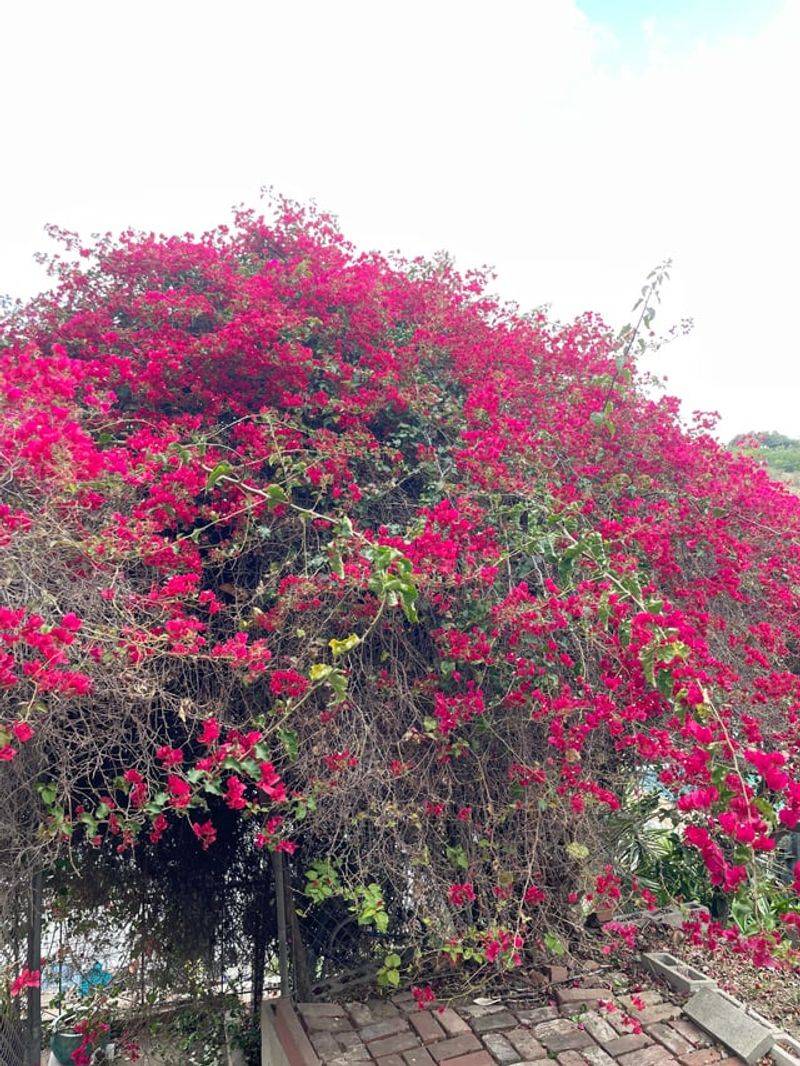
Few garden sights beat a bougainvillea absolutely loaded with color during the cooler months. Protecting that display starts with the decisions made months earlier, including what you do or skip in September.
Late-summer or early-fall pruning can reduce the winter flower show that follows. Bougainvillea tends to bloom in response to stress and matured growth.
Cutting the plant in September can remove or delay shoots that would otherwise contribute to that later burst of color.
This does not mean an unpruned plant is guaranteed to produce a spectacular winter display. Weather, soil, watering habits, and other factors all play a role.
But removing developing growth right before the plant would naturally begin setting up its next bloom cycle works against the gardener’s own goals.
A gardener who trims heavily in September hoping to make the plant look neater may end up with a tidier plant that flowers less impressively a few months later. That trade-off is worth considering before picking up the shears.
Your Florida Garden Changes Every Week. Your Plan Should Too.
Gardening in Florida changes quickly throughout the season. Every Friday you’ll receive a simple weekly plan showing exactly what to plant, prune, fertilize, harvest, and protect so you never miss the right timing.
Bloom timing should always influence pruning decisions with bougainvillea. A late cut can delay flowering or reduce the display.
That gives gardeners a good reason to limit September pruning to genuinely necessary cleanup.
3. Fresh Shoots Have Less Time To Toughen Up
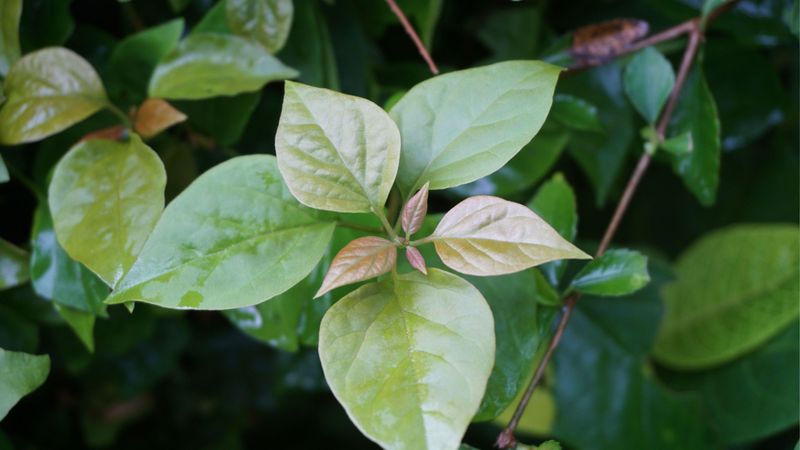
Every cut on a bougainvillea sends a signal to the plant: send out new growth. That response can look encouraging at first, with fresh green shoots appearing quickly after pruning.
The timing of that new growth matters more than most gardeners realize. Soft, newly emerged shoots are tender and have not had time to harden off.
Growth produced late in the season has far less time to mature before cooler weather eventually arrives.
Bougainvillea is sensitive to frost and freezing temperatures. UF/IFAS notes that frost can damage or destroy tender tissue on this plant.
Heavy September pruning can trigger a flush of fresh growth in October or November. That soft tissue may still be vulnerable when temperatures eventually drop.
September itself is not cold enough to cause that kind of damage in most of the state. The concern is what happens weeks or months later, when tender growth produced after a late cut has not had adequate time to firm up and develop some natural hardiness.
Letting the plant carry its existing, more mature growth into the cooler season is generally a safer strategy. Mature stems handle cold snaps better than fresh shoots that emerged after a late-season pruning session.
4. South Florida Has More Wiggle Room But Not A Free Pass
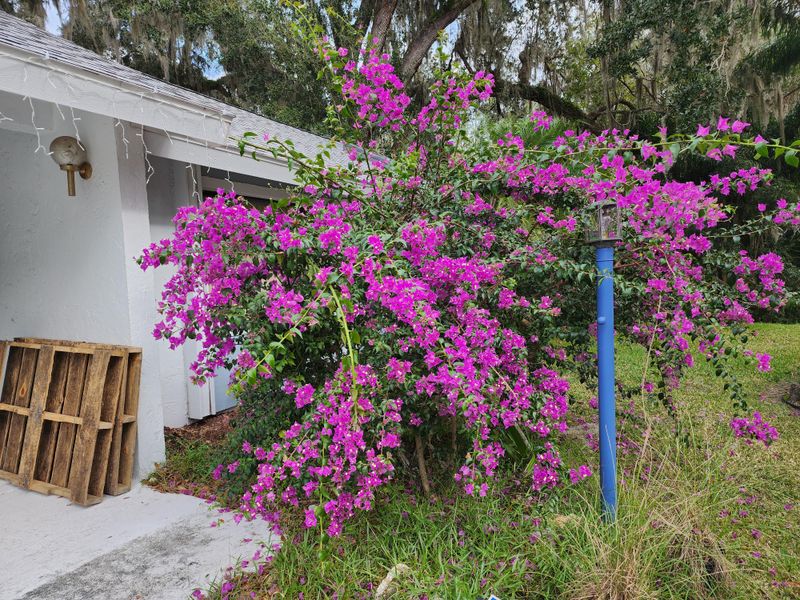
A gardener in Miami and a gardener near Gainesville are not working with the same conditions in September. Regional differences across the state genuinely affect how much pruning risk is reasonable at this time of year.
South Florida typically has more warm growing weather remaining after September. That longer warm season gives new growth more time to mature before any cold risk becomes relevant.
For gardeners in that region, a light corrective trim carries somewhat less cold-related concern than it does farther north.
Central and North Florida move toward cooler conditions sooner. Gardeners in those areas have a shorter window between a late-season pruning and the first chilly nights.
That compressed timeline makes the timing decision more consequential.
Even so, a longer warm season in South Florida does not erase the potential effect of late pruning on winter flowering. Bloom timing is a separate issue from cold sensitivity.
A September cut in Miami can still push flowering further out or reduce the winter display, regardless of how warm the weather stays.
No rigid regional cutoff dates exist for this. Gardeners across Florida should consider cold risk and bloom timing separately.
A warmer location does not automatically make major September pruning a safe choice.
5. Snip The Stray Shoots Instead Of Reshaping Everything

That one branch jutting out across the front walkway has been catching sleeves and scraping shoulders for weeks. Dealing with it in September is perfectly reasonable, and it does not require turning the whole plant into a pruning project.
Selective shortening of a single branch blocking a path, doorway, window, or fence line is very different from reducing the entire canopy. Targeted cuts address a specific problem without triggering the kind of widespread regrowth that a major session would produce.
Approaching the plant with this mindset helps gardeners stay in control of the session. Remove one problematic shoot and then step back to reassess the plant.
This helps prevent a simple cleanup from quietly turning into a full reshaping.
Bougainvillea has sharp thorns that can cause real discomfort during any pruning work. Thick gloves and long sleeves are sensible protection before reaching into the plant.
Even a short session can result in scratches if the stems catch bare skin unexpectedly.
Keeping the goal narrow and specific protects both the gardener and the plant. A well-placed snip on a stray stem does its job without setting off a chain of regrowth that the plant, and the gardener, will have to manage later in the season.
6. Constant Trimming Can Quiet The Flower Show
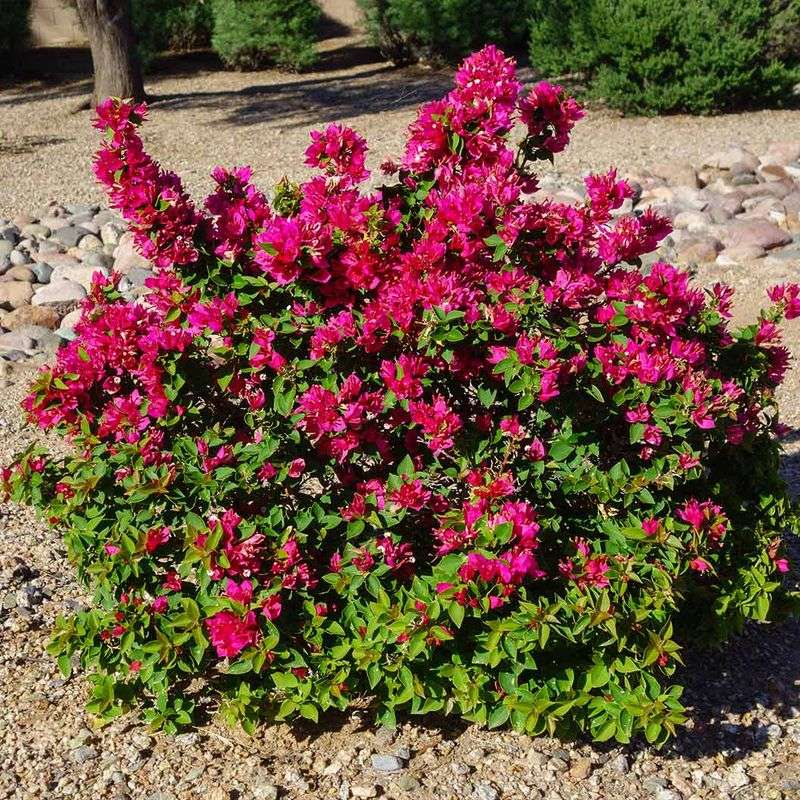
A bougainvillea clipped into a perfectly neat shape every few weeks might look tidy, but that regular attention often comes at a cost. Repeated trimming can interfere with the flower display gardeners are hoping to see.
Bougainvillea produces its colorful bracts on mature growth. Continually cutting the plant back removes developing shoots before they have a chance to reach the stage where flowering can occur.
The plant keeps sending out new growth, and that growth keeps getting removed before it matures.
Pruning frequency matters just as much as pruning timing. A single well-timed cut at the right time of year causes much less disruption to the flowering cycle than repeated clipping throughout the growing season.
A plant that gets trimmed every few weeks may rarely produce an impressive bloom.
A perfectly shaped bougainvillea and a heavily flowering bougainvillea are sometimes hard to achieve at the same time. Gardeners who want maximum color may need to accept a somewhat looser, less manicured shape during the growing season.
Allowing the plant to carry more of its natural growth gives shoots the time they need to mature and eventually support flowering. Stepping back from the shears more often can reward gardeners with a far more colorful display than a frequently trimmed plant tends to deliver.
7. Save Major Reshaping For The Better Pruning Window
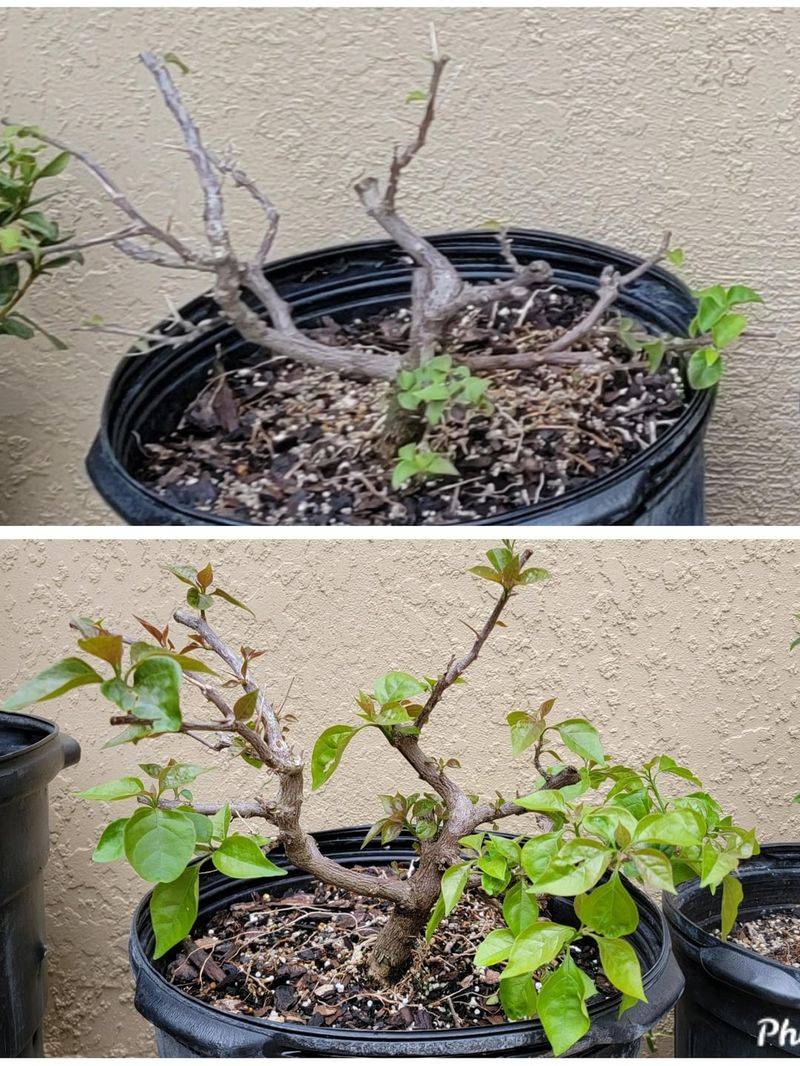
An oversized bougainvillea that has completely outgrown its space can feel urgent to deal with whenever the problem becomes obvious. However, acting on that urgency in September usually creates more complications than it solves.
Major reductions are better planned for a pruning window supported by UF/IFAS guidance. Late winter or early spring, after the main flowering period has wound down, is generally the more appropriate time for significant structural work.
Cutting back at that stage allows the plant to recover during the warm growing season ahead.
Waiting for the right window also gives gardeners a chance to plan the cuts more carefully. A rushed September reshaping often removes more than intended.
A deliberate late-winter session, done with a clear goal in mind, produces better long-term results for the plant’s structure and future flowering.
A plant that needs constant severe cutting may have been given too little space from the beginning. Bougainvillea can grow very large.
Placing it where it has room to expand naturally reduces the need for repeated emergency trimming throughout the year.
Major reshaping should never involve topping or random cutting across the canopy. Planned structural pruning, done at the right time and with a clear purpose, supports a healthier and more floriferous plant over the seasons that follow.
8. Let September Growth Set Up The Next Flower Show

Restraint is not always the most satisfying gardening strategy in the moment, but with bougainvillea in September, it tends to be the smarter one. Allowing the plant to carry its current growth forward sets up a better outcome for the months ahead.
Winter flowering, tender new growth risk, and regional climate all point in the same direction. Leaving established stems in place gives the plant its best foundation for producing color during the cooler season.
That does not mean ignoring genuinely problematic shoots that need to come off.
A branch crossing a path, blocking a view, or causing a safety concern can still be removed selectively. The goal is to keep those cuts targeted and purposeful rather than letting them expand into a full-scale reshaping session.
Gardeners in Central and North Florida have less warm weather remaining after September, which makes the case for restraint even stronger in those regions. South Florida gardeners have a bit more flexibility, but bloom timing remains a factor worth respecting regardless of location.
So, should you prune bougainvillea in September? Light corrective trimming on specific problem branches is reasonable.
Save a major cutback or full reshaping for a more suitable pruning window. That gives the plant enough time and the right conditions to recover and prepare for its next colorful display.