There’s Still Time To Prune Gardenias In Florida This September, But The Window Is Closing
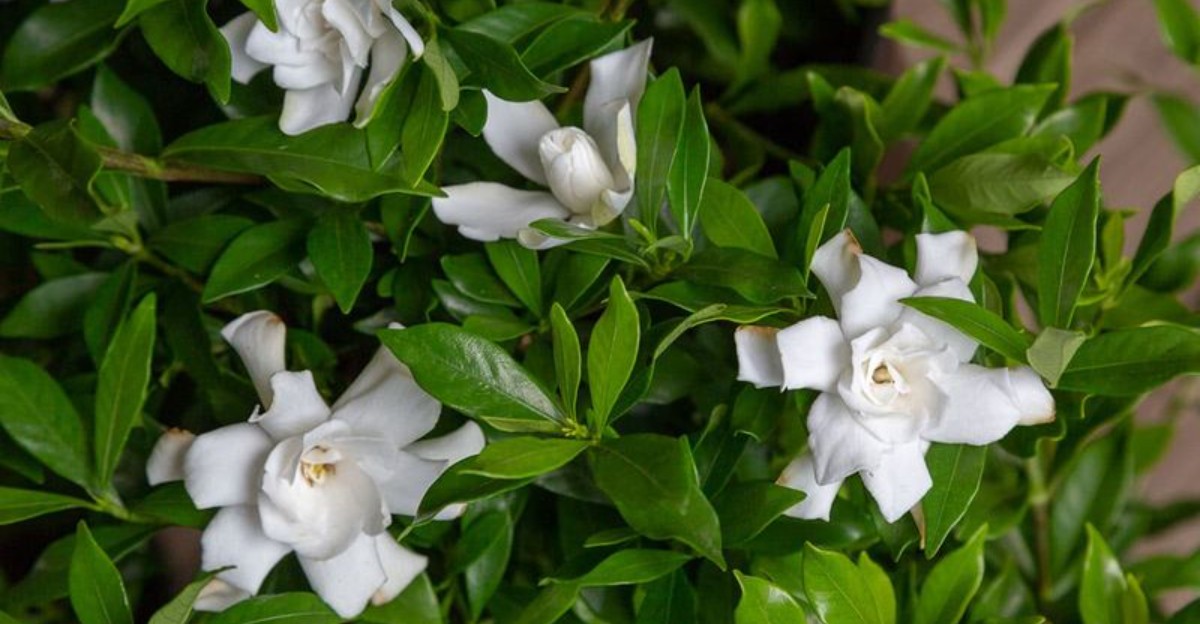
Florida air in September still feels like a warm, wet towel someone draped across the entire backyard. Somewhere in that heavy haze, a favorite shrub is quietly deciding how generous next spring will be.
Gardeners down here read the calendar like a weather map, half hopeful and half deeply suspicious. Miss one narrow window this month, and next year’s flower show turns oddly stingy and short.
Right now the clock is still ticking, though those hands move faster than most folks expect. A couple of weeks from now, the honest answer quietly shifts from yes toward probably not.
In a state where summer refuses to take the hint, careful timing beats raw talent every single time. Your gloves, meanwhile, have been sunbathing on the porch since June and frankly deserve better.
The Last Safe Stretch Of Florida’s Pruning Calendar
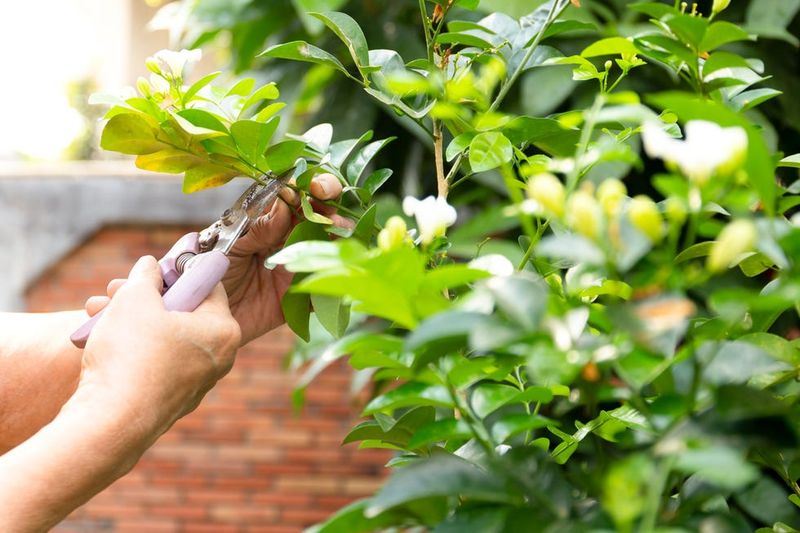
Grab those clippers sooner rather than later, because September is the tail end of a generous window. Gardenias in Florida handle trimming best from right after bloom through the early part of fall.
Most bushes finished flowering back in late spring, so the plant has had months to recover. Cutting now still leaves warm weeks ahead for fresh growth to harden off nicely.
Wait until October or November, though, and you start snipping off the buds meant for spring. That single mistake is a common reason for bloom-free complaints heard at garden centers each spring.
Think of September as a short grace period rather than a wide open invitation. Light shaping is welcome here, while heavy renovation cuts belong back in May or June.
Weather helps you out this month, since Florida soil stays warm and rainfall remains steady. Wounds seal quickly under those conditions, and new shoots push out within a week or two.
Pick a cooler morning if you can, ideally well before the afternoon thunderstorms roll through. Your plant recovers with less stress, and you avoid working in that punishing midday heat.
Skipping the job entirely is also a choice, and a perfectly reasonable one some years. Gardenias bloom fine on unpruned wood, so restraint costs you nothing but a tidier shape.
Mark the date once the job is finished, because memory fades faster than you expect. Next year you will know exactly when your window opened and when it quietly closed.
Fall Bud Set And Next Spring’s Flowers
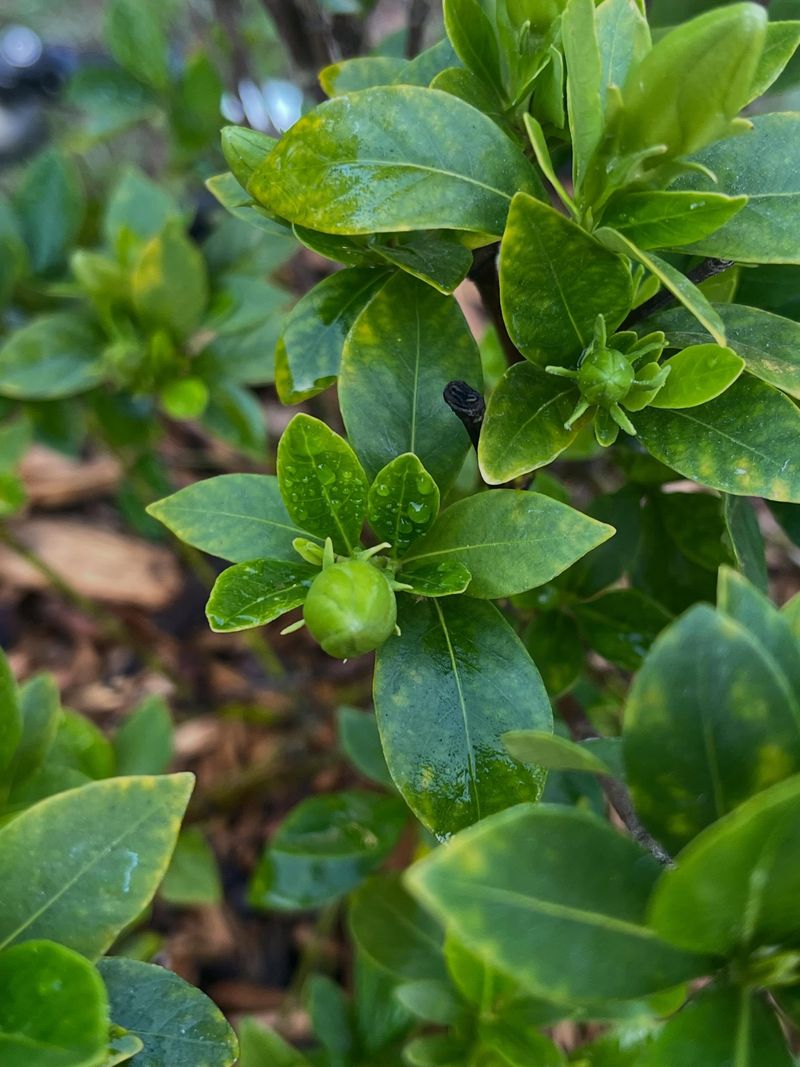
Gardenias plan ahead like overachieving students, quietly setting next spring’s flower buds during the fall months. Those tiny buds sit on last season’s wood, waiting patiently for warm March weather.
Once cooler nights arrive, usually in October here, that bud building process kicks into gear. Anything you cut after that point takes future flowers along with the stems.
September sits right before the handoff, which is exactly what makes it useful. New growth still has time to mature, and bud formation has not really started yet.
Picture a shrub carrying hundreds of unopened promises across the winter, each one microscopic. Pruning in December feels harmless because nothing looks like a bud, yet the loss is real.
Your Florida Garden Changes Every Week. Your Plan Should Too.
Gardening in Florida changes quickly throughout the season. Every Friday you’ll receive a simple weekly plan showing exactly what to plant, prune, fertilize, harvest, and protect so you never miss the right timing.
Gardeners who trim for neatness in winter often blame pests or fertilizer for missing blooms. The calendar, not the bug spray, usually deserves the blame in those situations.
Bud set also depends on decent light, so thinning crowded interior branches now pays off. Sunshine reaching inner wood encourages more flower buds rather than bare, leggy stems.
Leaf color offers a clue about what is happening inside the plant. Deep green foliage in September usually signals a shrub with plenty of energy for budding.
Some gardeners tag a few branches with ribbon to track where buds appear. Come March, those markers show exactly which wood you should leave alone next year.
Respect the handoff and your reward arrives with that unmistakable perfume next spring. Ignore the calendar, and you get a tidy green bush with almost nothing on it.
The Real Cutoff Date For Florida Gardenias
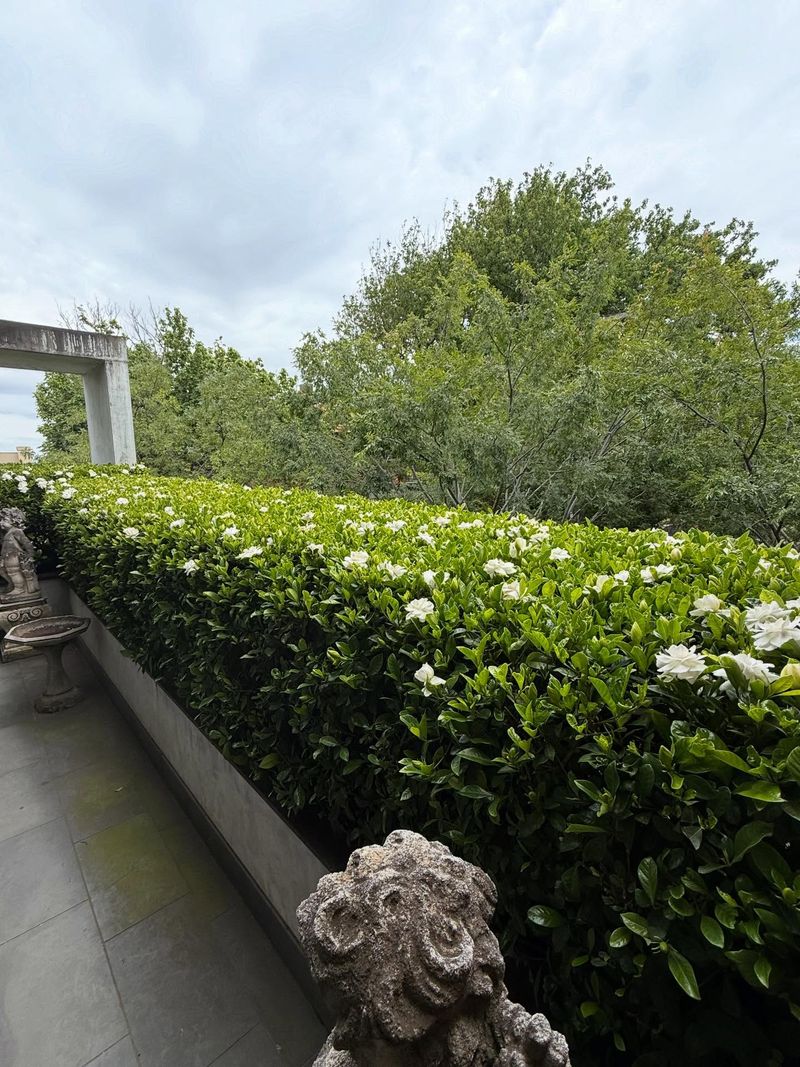
Florida stretches far enough north and south that pruning conditions vary widely from one end to the other. Your county still matters, since coastal and southern spots run warmer, longer.
Statewide, the real cutoff sits around October 1. After that, hard pruning starts cutting into next year’s blooms, though light shaping stays safe a bit longer in the warmer southern counties.
Hurricane season complicates the plan, since storms can shred a shrub without asking permission. Many growers wait until the tropics look quiet before making any real cuts.
Damage repair follows different rules, and broken branches can come off any month. Removing a snapped limb after a storm protects the plant from rot and insects.
Watch nighttime temperatures rather than dates if you enjoy gardening by feel. Once nights turn reliably cool, treat the pruning season as finished.
Write the October 1 cutoff on the calendar beside hurricane prep and fertilizer reminders. Small notes like that turn guesswork into a routine you can actually trust.
Neighbors with thriving gardenias are worth asking, because local experience beats a generic chart. Microclimates near the coast or a warm wall can push that cutoff a little later.
The Hard Shear Mistake That Erases Blooms
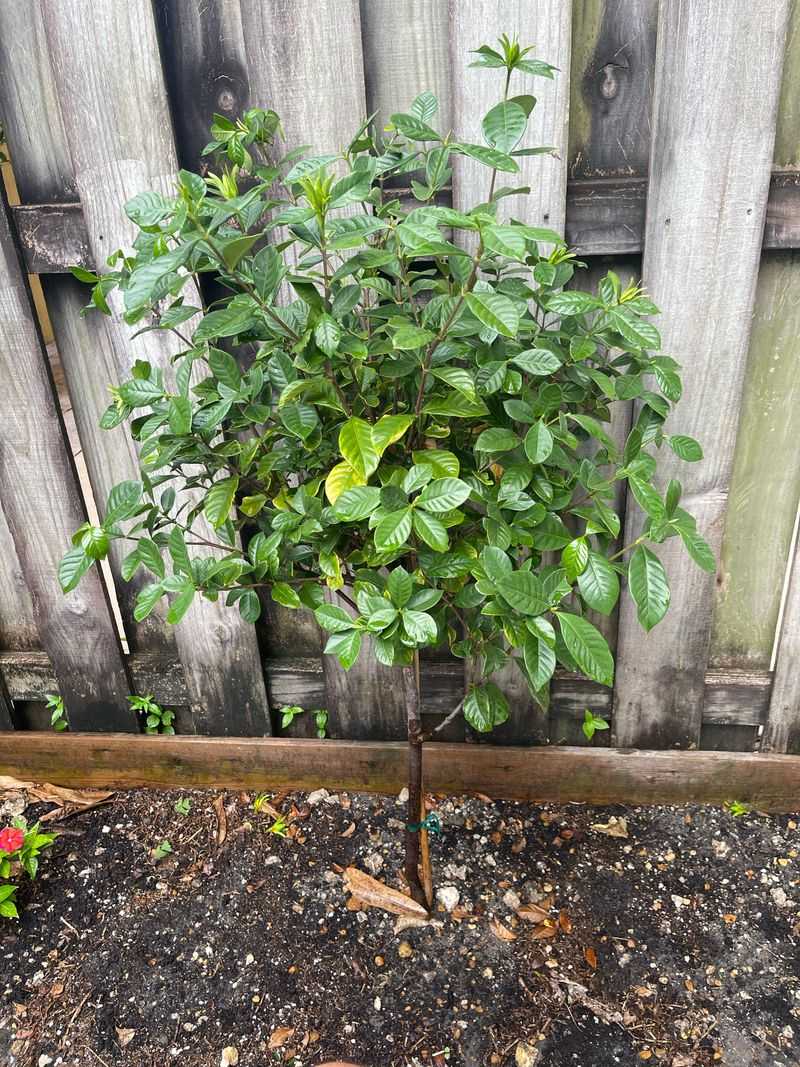
Hedge trimmers and gardenias make an unfortunate couple, despite what tidy shrub photos suggest. Shearing the outside into a green meatball removes the very wood that flowers.
Flowers appear on stem tips from the previous season, mostly on the outer branches. Buzz that surface off in fall, and spring arrives with leaves and little else.
Another common misstep involves cutting back a third or more of the plant now. Heavy reduction pushes a flush of soft growth that struggles once temperatures drop.
Dull blades cause trouble too, crushing stems instead of slicing them cleanly. Ragged wounds invite fungus, and Florida humidity turns small problems into sticky brown messes.
Some folks prune and fertilize on the same afternoon, hoping to speed recovery. Heavy nitrogen in September fuels tender shoots exactly when the plant should be slowing.
Topping a leggy gardenia rarely fixes the shape people dislike. Thinning a few older stems at the base opens the plant far more gracefully.
Pruning a stressed shrub is another gamble worth skipping. Yellow leaves, scale insects, or drought stress should be handled before any blades appear.
Watch for stubs left behind when cuts land in the middle of bare stems. Those stumps seldom resprout well and often turn into brittle, dark little spikes.
Restraint feels boring, yet gardenias reward patience better than enthusiasm. A few thoughtful cuts beat an ambitious afternoon with a loud gas powered trimmer.
Timing, tools, and restraint solve nearly every gardenia complaint people bring to nurseries. The plant itself is rarely the problem, which is oddly comforting news.
A Light Hand With Clean, Sharp Blades
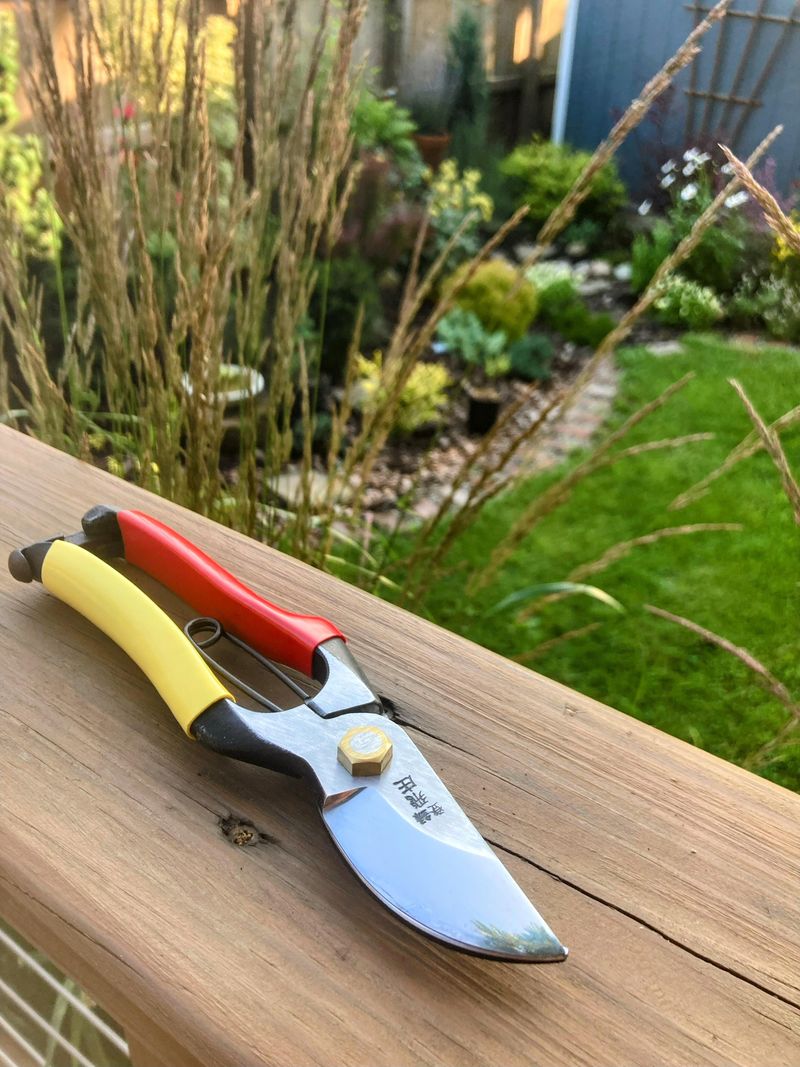
Good pruning looks like nothing happened, which is the strange compliment gardeners chase. Start by wiping your blades with an isopropyl solution before the first cut.
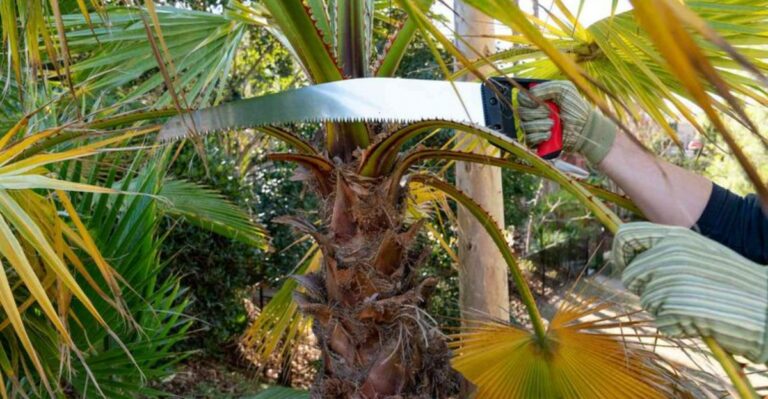
Hand pruners handle most gardenia work, with loppers reserved for thick older stems. Leave the hedge shears in the shed where they can do no harm.
Remove anything obviously broken, rubbing, or growing back toward the center of the shrub. Clearing that tangle improves airflow, which matters enormously during a humid Florida September.
Cut just above a leaf node or a side branch, angling the blade slightly. The plant heals faster there and sends new growth in a useful direction.
Keep total removal under about a fifth of the canopy during this late window. Light work now, bigger reshaping next June, and everybody stays happy.
Suckers sprouting below the graft on grafted gardenias deserve immediate removal. Those shoots steal energy and grow foliage that rarely matches the top growth.
Step back every few cuts and look at the whole shrub from several angles. Gardeners who keep their nose against the plant tend to overdo one side.
Collect the clippings rather than leaving them piled around the base. Old leaves harbor fungal spores and the occasional scale insect looking for a ride.
Finish with a deep watering to settle the plant after the disturbance. Moist roots and clean cuts make a surprisingly powerful combination in sandy soil.
A quick blade sharpening afterward feels optional, yet your future self will appreciate it. Rust and sap build up fast in this climate, especially in an open carport.
Aftercare, Mulch, And A Better Plan For Next Year
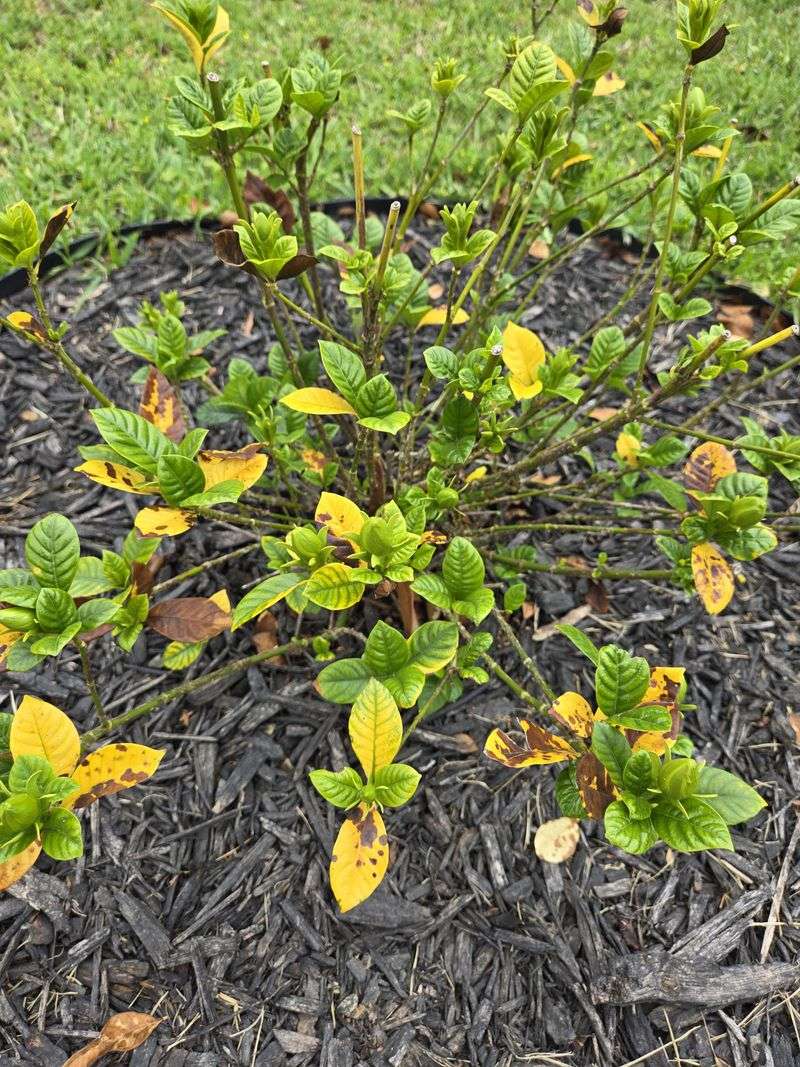
Cutting is the quick part, while the weeks afterward decide how well things go. A freshly trimmed gardenia wants steady moisture, not a soggy root zone.
Florida sand drains fast, so check soil moisture with your finger every few days. Two inches of pine bark or pine straw mulch holds water and moderates soil temperature.
Keep that mulch a couple of inches away from the main stems. Material packed against the trunk traps moisture and encourages rot near the base.
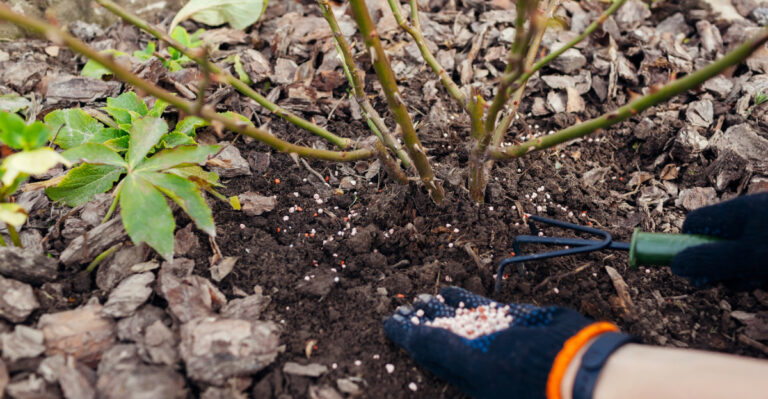
Skip heavy fertilizer until spring, roughly when new growth appears after the last cool spell. An acid forming product made for gardenias works well in March and again in June.
Yellow leaves with green veins point to iron or magnesium shortages, not pruning damage. A soil test through your county extension office costs little and settles the argument.
Watch for scale, whitefly, and sooty mold on the fresh growth you just encouraged. Horticultural oil handles most of those visitors when temperatures stay below ninety degrees.
Plan next season around bloom time instead of your own free weekends. Prune right after flowers fade in late spring, and this September scramble disappears.
Snap a photo of the finished shrub and save it with the date attached. Comparing pictures next September tells you more than any memory ever could.
Gardenias reward consistency more than heroics, which suits a laid back Florida gardening style. Handle the basics and that famous fragrance returns right on time every spring.