The Mulch Habit Turning Pennsylvania Yards Into Standing Water After Heavy Rain
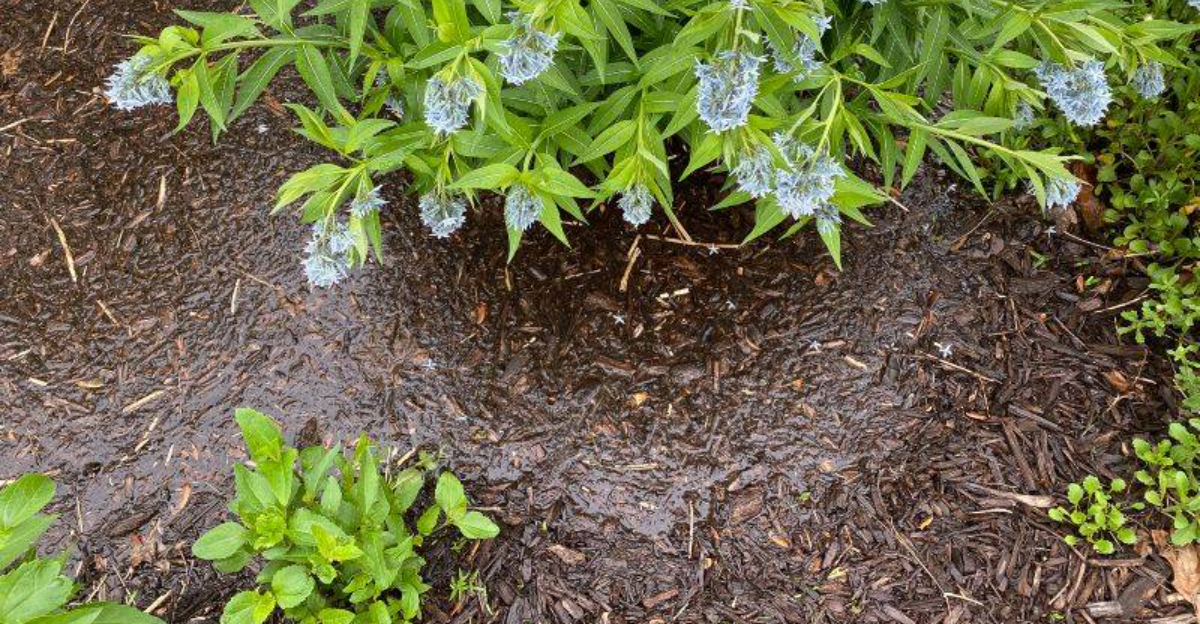
Puddles that refuse to disappear near your porch rarely start with the rain itself. Spring pushes you toward the same thick layer across your Pennsylvania yard, chosen for looks rather than drainage.
Compacted material builds beneath your beds season after season, blocking the drainage your soil depends on. Foundations near your home sit closer to standing water than you realize.
Grass thins along your walkways while you rarely link the pattern to what covers the beds. Clay-heavy pockets across Pennsylvania trap the moisture your yard needs to release, making your situation worse.
Nobody warns you that a fresh layer can act like a lid instead of a filter. Certain materials compress into a nearly waterproof crust within weeks of you spreading them.
Layering New Mulch Over Old Builds A Crust Water Cannot Pass
Picture this: you add fresh mulch every spring, stacking it right on top of last year’s layer. Over time, those layers compress into something that acts more like a mat than a garden topping.
This stacking problem is usually where the trouble begins. Old mulch breaks down into a tight, dense layer that water simply cannot push through.
Rain hits the surface and just sits there, pooling above the crust instead of soaking into the soil below. Gardeners often mistake this for clay soil issues, but the real blockage is only a few inches up.
Each new layer you add makes the crust thicker and more water-resistant. A two-inch top layer sounds harmless, but five years of layering can create a six-inch barrier.
That barrier acts almost like a plastic tarp laid over your garden bed. Water rolls off the edges and collects in the lowest spots nearby.
Checking your mulch depth each spring before adding more is a simple fix. Rake back the old material, see what is underneath, and remove the compacted base before refreshing the top.
A quick test is to pour a cup of water onto the mulch surface and watch what happens. If it beads up or runs sideways, your yard has a crust problem worth fixing now.
Double Shredded Hardwood Knits Together And Sheds Rain Sideways
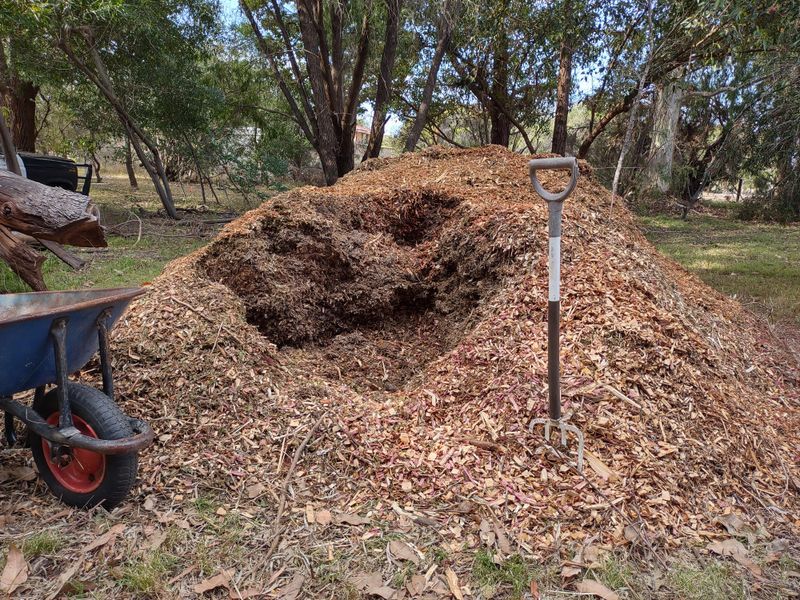
Double shredded hardwood mulch is wildly popular, and it is easy to understand why. It looks polished, stays in place during wind, and breaks down slowly to feed the soil.
The catch is that its finely shredded texture causes the pieces to knit together almost like felt. Once that happens, rainwater finds it nearly impossible to pass straight down through the layer.
Instead, water follows the path of least resistance and runs sideways across the surface. That lateral movement carries moisture away from plant roots and pushes it toward lawn edges and low corners.
Homeowners often notice soggy grass lines forming right at the border between their mulched beds and their turf. That wet stripe is a telltale sign that the mulch is shedding water rather than absorbing it.
The fiber structure of double shredded hardwood is part of what makes it knit so tightly. Individual strands interlock and create a surface that repels rain almost as effectively as roofing felt.
Your Pennsylvania Garden Changes Every Week. Your Plan Should Too.
Gardening in Pennsylvania changes quickly throughout the season. Every Friday you’ll receive a simple weekly plan showing exactly what to plant, prune, fertilize, harvest, and protect so you never miss the right timing.
Switching to a coarser mulch type can help break up this problem. Chunky bark nuggets or pine straw allow water to pass through gaps between pieces much more freely.
If you love the look of fine hardwood mulch, try raking it lightly before a forecasted storm. Loosening the surface breaks up that felt-like layer and gives incoming rain a better chance of reaching the roots below.
Sideways Runoff Finds Your Foundation And Yard’s Low Points
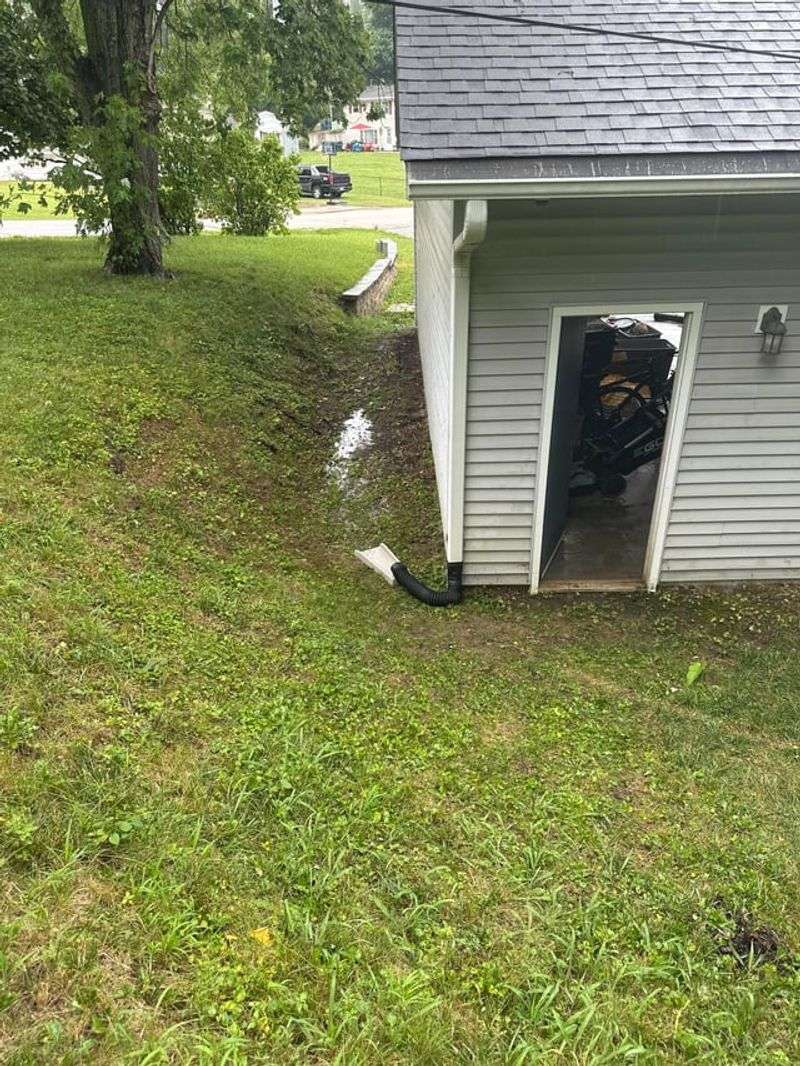
Water tends to find the lowest point, and mulch helps it get there faster. When garden beds shed rainwater sideways, that flow has to go somewhere, and foundations are often first in line.
That runoff carries real structural risk over time. Water pressed against a foundation wall can slowly work its way into basements over repeated storms.
Low corners of yards collect runoff from multiple directions at once. A single heavy storm can leave those spots underwater for hours, depending on how much clay sits in the soil below.
Grading matters enormously here. Beds that slope toward the house instead of away from it funnel every drop of shed water right to the worst possible place.
A simple fix is to regrade the soil beneath your mulch so it pitches away from the foundation. Even a gentle slope of one inch per foot makes a dramatic difference in where that water travels.
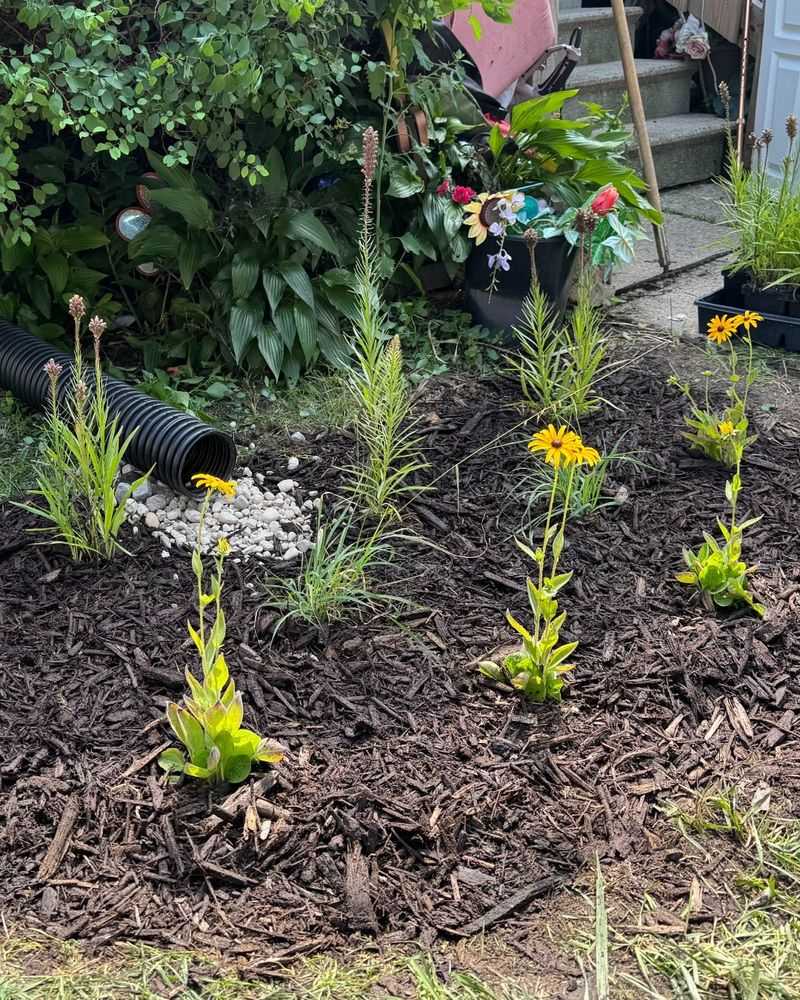
Adding a dry creek bed or a French drain along the low corner of the yard gives runoff a designed path to follow. That keeps water moving instead of pooling and soaking in the wrong spots.
Walk your yard during or right after a heavy rain to see exactly where water collects. Those wet zones tell you precisely where your drainage needs attention before the next storm rolls through.
Trapped Moisture Starves Shallow Roots Of Oxygen
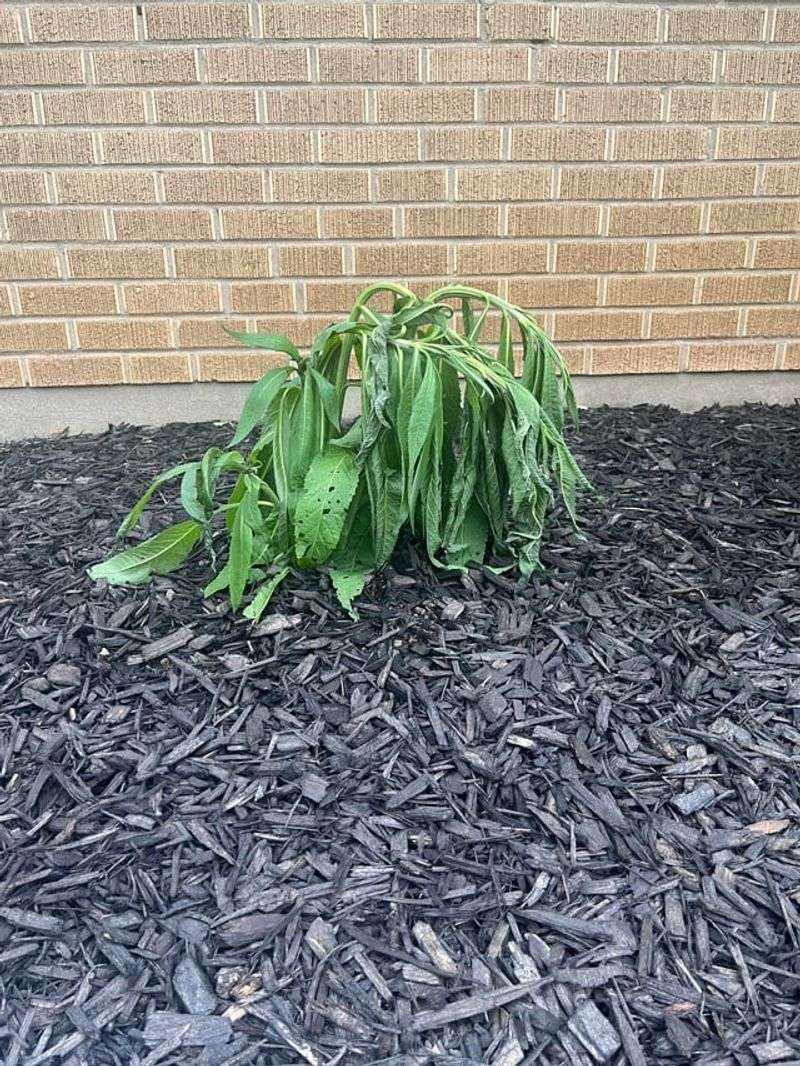
Roots need two things to survive: water and air. When the ground beneath a mulch layer stays saturated for too long, oxygen gets pushed out of the soil.
Shallow-rooted plants like azaleas, hydrangeas, and ornamental grasses suffer first. Their feeder roots sit in the top six inches of soil, exactly where waterlogging hits hardest.
A soggy layer of mulch traps moisture against the soil surface and prevents it from evaporating between storms. The ground rarely dries out fully, so the next rain adds to a problem that hasn’t had a chance to reset.
Gardeners sometimes notice yellowing leaves or wilting plants even after plenty of rain. That counterintuitive symptom is root suffocation, not drought, and adding more water only makes it worse.
Pulling back the mulch and checking the soil texture is the fastest way to diagnose this. If a handful of soil squeezes out water like a sponge, the ground is beyond saturated.
Aerating the soil before relaying mulch gives roots breathing room and improves drainage significantly. A simple garden fork pushed six inches deep and rocked back and forth opens up the compaction quickly.
Keeping mulch pulled back a few inches from plant stems also helps reduce crown rot. Stems sitting in wet mulch for days at a time invite fungal problems that spread fast in humid summer weather.
Depth And Texture Suited To Pennsylvania Storm Totals
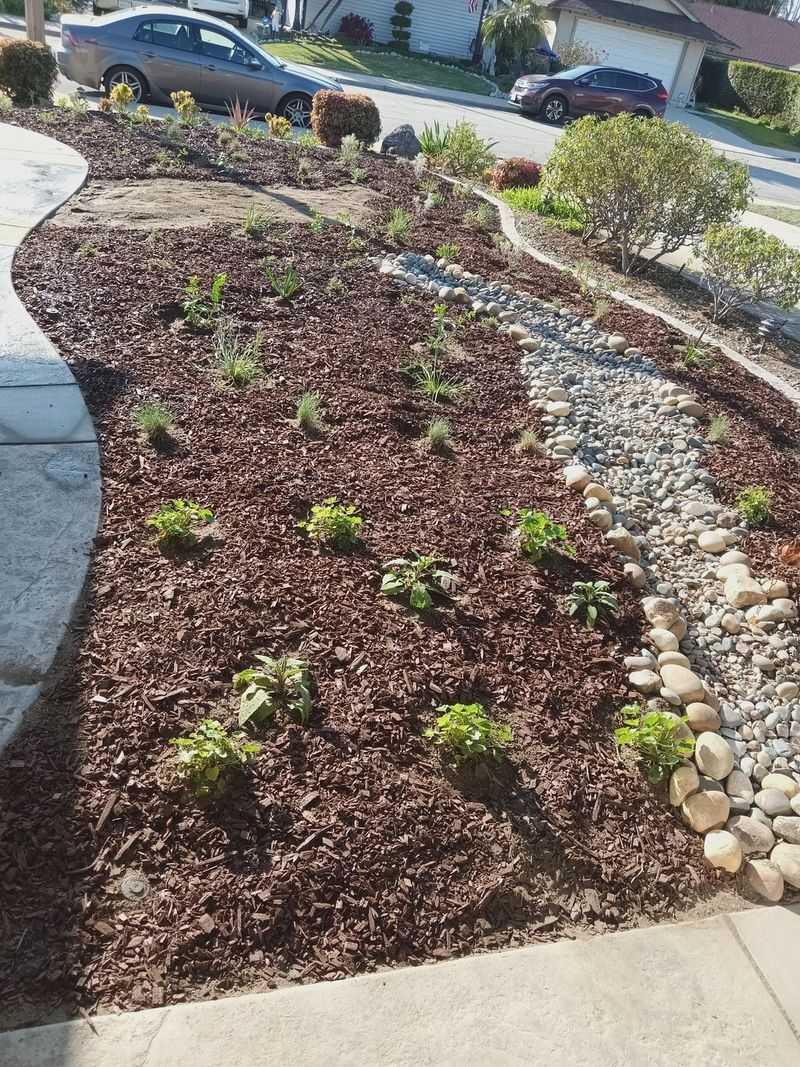
Storms across the mid-Atlantic region can drop heavy rain totals in under an hour during peak summer. That kind of intensity overwhelms any mulch layer that is not designed to handle fast-moving water.
Depth is the first variable to control. Two to three inches is the sweet spot for most garden beds in this region, and anything beyond that starts creating more problems than it solves.
Texture is just as important as depth. Coarser materials like shredded bark, wood chips, or pine straw have natural gaps that let water pass through to the soil below.
Fine-ground mulches, including triple-ground hardwood, pack together quickly and lose those gaps within weeks. A single heavy rain can compress a fluffy layer into a dense, water-repelling mat overnight.
Matching your mulch choice to local rainfall patterns is smart landscaping. Areas of the state that receive heavy summer thunderstorms benefit from chunkier materials that hold their structure under pressure.
Mixing textures is another practical approach. A base layer of chunky wood chips topped with a thin layer of fine mulch gives you good drainage underneath and a tidy appearance on top.
Refreshing mulch in fall rather than spring gives it time to settle and partially break down before intense summer storms arrive. That seasonal timing reduces the risk of a fresh, dense layer sitting on top of saturated ground when the hardest rains hit.
Loosening The Crust Ahead Of The Next Storm
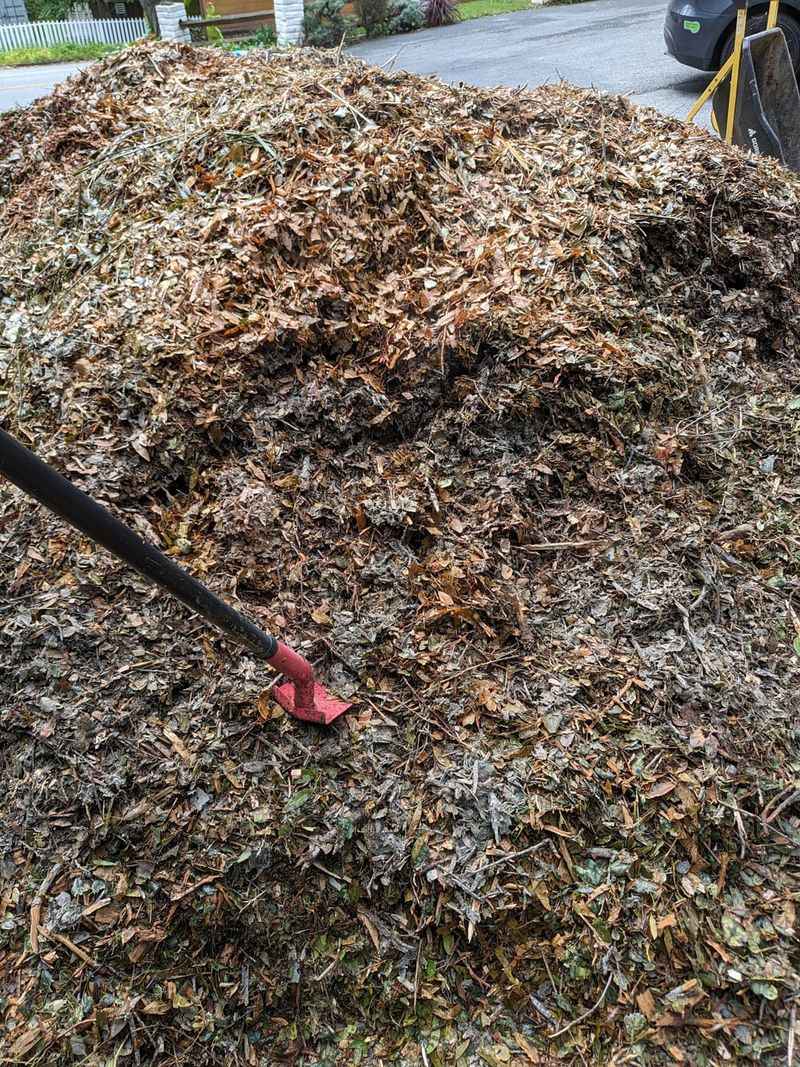
A garden rake is the simplest tool standing between your yard and the next round of standing water. Breaking up the hardened surface of old mulch takes about ten minutes per bed and pays off immediately.
This is reversible with regular maintenance. Raking the surface before a forecasted storm loosens the crust and restores the mulch’s ability to absorb water.
Focus on spots where the surface looks shiny or matted down. Those glossy patches are where the material has compressed into a near-waterproof layer that sheds rain like a tin roof.
A hand cultivator works well for tighter spaces around plant stems and crowded beds. Short back-and-forth strokes break up the surface without disturbing the roots below.
After raking, check whether the loosened mulch layer is still thick enough to suppress weeds. If it has broken down to less than an inch, add a thin top-up of fresh coarse material to restore proper depth.
Checking beds after each major storm helps you spot new problem areas before they get worse. A quick walk-through while the ground is still wet shows you exactly where water pooled and where drainage is failing.
Consistent attention to your mulch keeps your yard looking great and your soil breathing freely. Small efforts made before the rain arrives are far easier than dealing with waterlogged beds and soggy foundations after the storm passes.