Why Mold Thrives In Arkansas’s Humid Backyards
Shadows creep across your deck when no one’s watching. Something is quietly forming where you’d least expect it. Fences develop strange marks almost overnight in Arkansas.
Spores drift invisibly, searching for warmth and moisture. Patches spread faster than most homeowners ever notice. Wooden surfaces shift color before you even blink.
Walls whisper secrets through faint, creeping stains. Nobody tells you what’s really happening outside your home. Humidity here turns ordinary backyards into hidden spaces, and Arkansas summers make it worse.
Every hidden corner eventually becomes a target. Stains spread quietly, long before anyone notices them. Understanding what’s forming outside changes how you see everything.
Knowledge gives you an edge against something unseen. Waiting only lets this hidden guest grow stronger. Time works against you more than you realize.
You deserve answers before this mystery spreads further. This mystery won’t fully reveal itself until you take a closer look right now.
1. A Silent Problem Growing In Arkansas Backyards
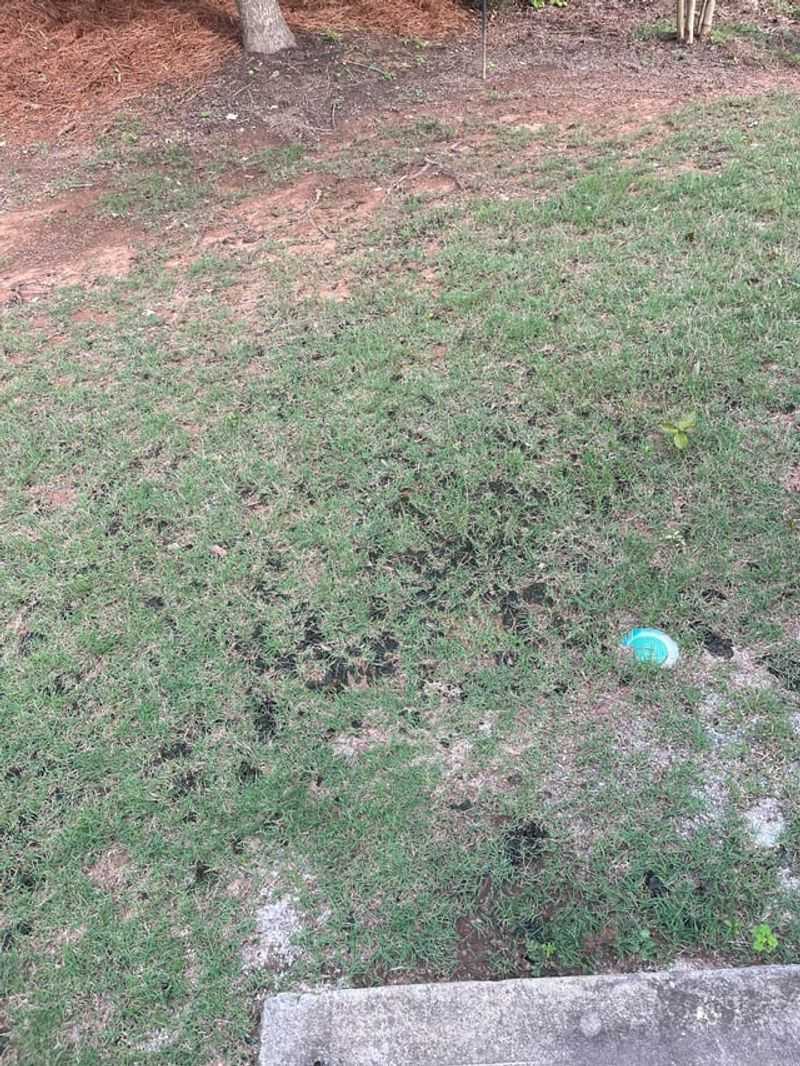
Mold often grows unnoticed before it becomes visible, spreading across surfaces over time. Arkansas sits in one of the most humid regions in the country.
That thick summer air creates a perfect breeding ground for mold and mildew in backyards everywhere.
Most homeowners notice a musty smell before they ever see the problem. That smell is a warning sign you should never brush off.
Mold spores float through the air constantly. When they land on a damp surface, they start growing within 24 to 48 hours.
This silent threat loves Arkansas’s humid backyards because moisture rarely fully evaporates here. Shade, poor drainage, and dense plant growth keep surfaces wet far longer than they should be.
Wooden decks are among the first victims. Untreated wood absorbs moisture easily, creating ideal conditions for mold growth.
Concrete patios, brick walls, and garden furniture are not safe either. Any porous surface exposed to humidity is fair game for mold colonization.
Ignoring early growth can lead to more extensive repairs down the line. The longer mold sits, the deeper it roots into materials.
Catching it early is your best defense. Stay alert, stay curious, and never assume that dark patch on your fence is just dirt.
2. The Warning Signs Homeowners Often Miss
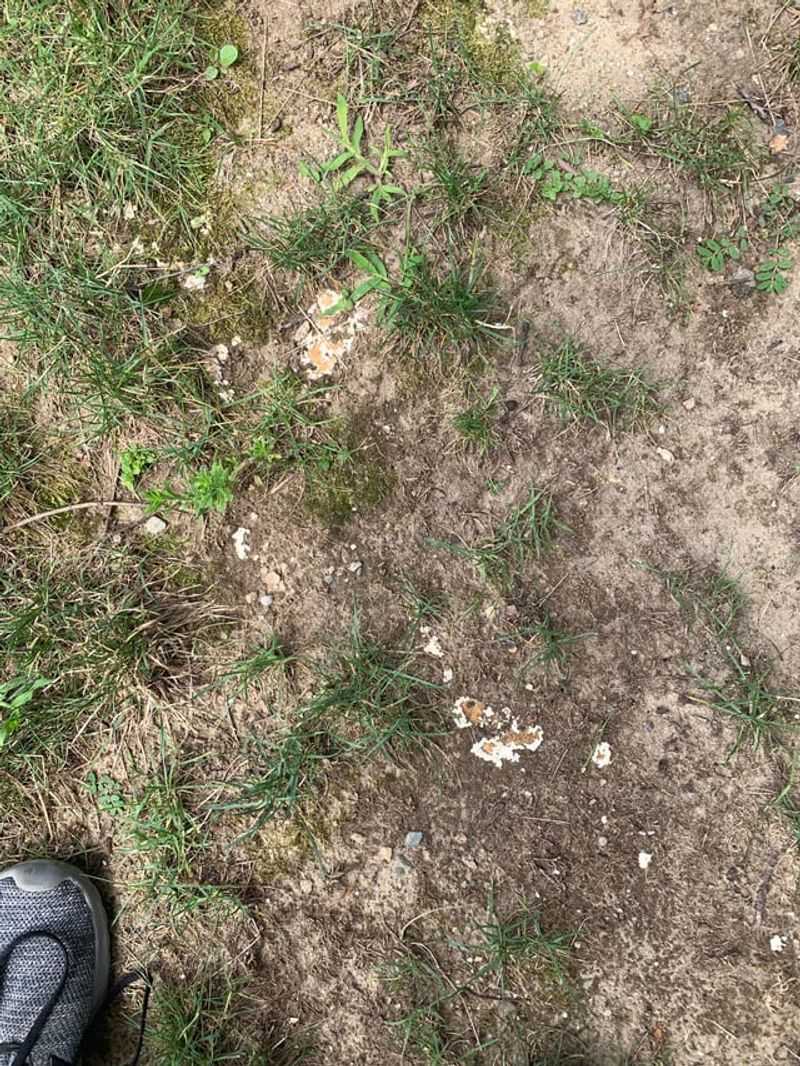
Most people walk past mold every single day without recognizing it. It blends in, disguises itself, and hides in plain sight.
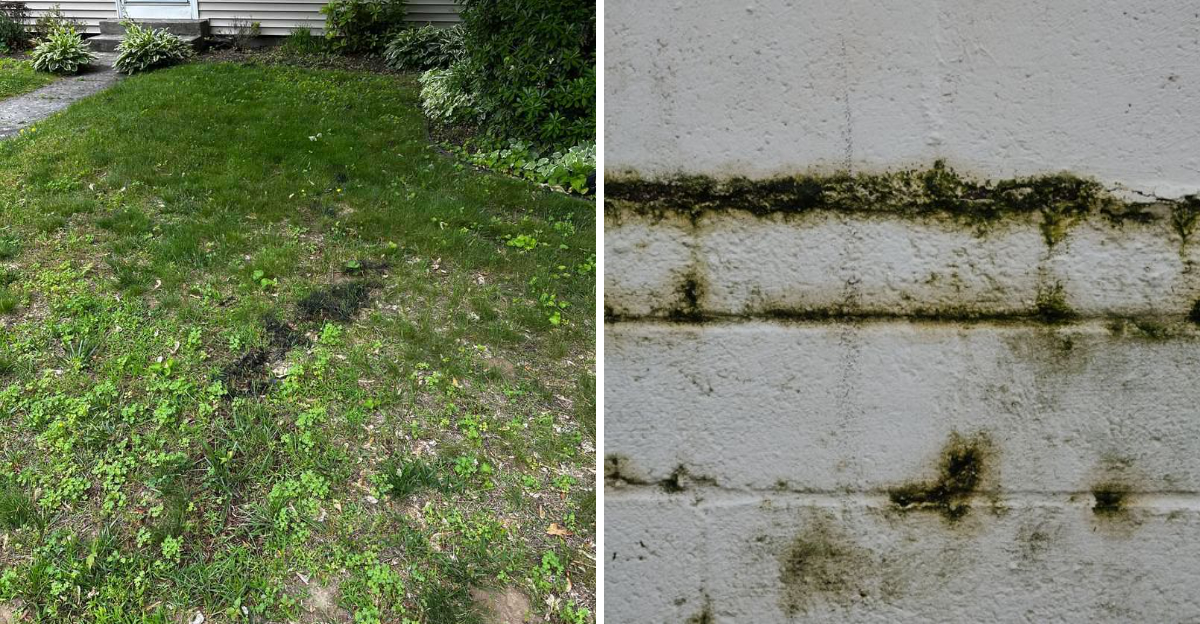
A grayish or greenish patch on your fence might look like weathering. In reality, it could be a thriving mold colony spreading outward.
Musty odors near outdoor furniture or garden sheds are a red flag. If your nose catches something earthy and stale, trust that instinct.
Discoloration on concrete is another warning sign many homeowners dismiss. Black streaks or fuzzy patches are rarely just dirt.
Peeling paint on wooden surfaces often signals moisture trapped underneath. Where moisture hides, mold follows close behind.
Soft or spongy wood on your deck is a serious indicator. When wood loses its firmness, fungal growth has likely already started its work.
Look closely at grout lines between outdoor tiles. Mold loves those thin, damp crevices and can fill them quickly.
Your Arkansas Garden Changes Every Week. Your Plan Should Too.
Gardening in Arkansas changes quickly throughout the season. Every Friday you’ll receive a simple weekly plan showing exactly what to plant, prune, fertilize, harvest, and protect so you never miss the right timing.
Check the underside of patio furniture cushions regularly. That dark, damp fabric against a humid surface is practically a welcome mat for mildew.
Even plastic surfaces can harbor mold if they stay wet long enough. Do not assume non-porous materials are automatically safe.
Catching these signs early puts you in control. A small stain today is far easier to handle than a widespread outbreak next month.
3. Why Humidity Makes Mold So Persistent
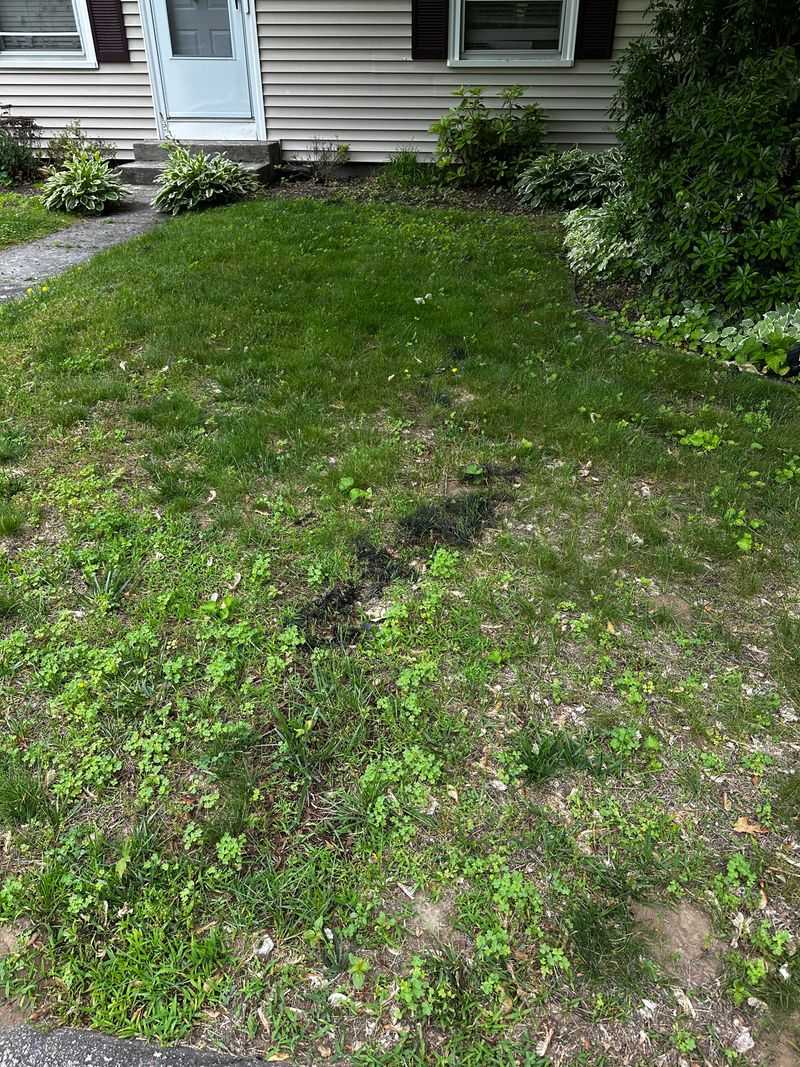
Humidity is mold’s best friend. When the air holds a lot of moisture, surfaces stay damp even without rain.
Arkansas summers regularly push humidity levels well above 70 percent, with early-morning readings sometimes climbing even higher.
Warm, moist air clings to decks, siding, and garden tools. Every surface becomes a potential home for fungal growth.
Mold reproduces by releasing tiny spores into the air. Those spores are invisible and travel easily on the breeze.
Once spores settle on a humid surface, they germinate fast. A little warmth and a little moisture is all the fuel they need.
Mold thrives in Arkansas’s humid backyards because the conditions are almost never fully dry. Even a cloudy day with no rain keeps the air heavy with moisture.
Shaded areas are especially vulnerable. Without sunlight to dry them out, these spots stay damp for days after a rainstorm.
High humidity also slows evaporation significantly. Water that would dry in an hour in a drier climate might linger for a full day here.
Fighting persistent mold means fighting humidity itself. Reducing moisture around your property is the single most effective long-term strategy available to homeowners.
Understanding why mold keeps coming back is the first step toward stopping it. Humidity is the engine, and cutting off its fuel changes everything.
4. Where Mildew Hides Best Around Your Property
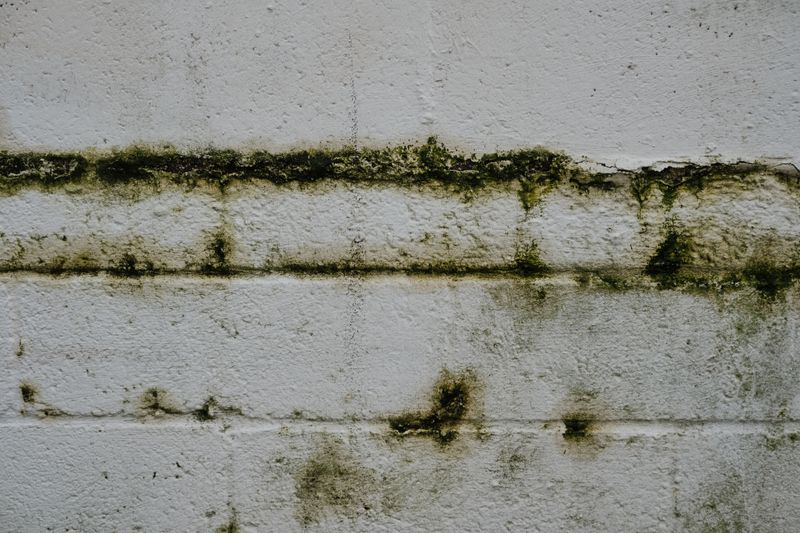
Mildew tends to form in predictable, hidden spots. The darkest, dampest corners of your yard are its favorite address.
Underneath wooden decks is one of the most common hiding places. That dark, enclosed space rarely dries out and almost never sees direct sunlight.
Behind potted plants is another overlooked hotspot. Water runoff pools beneath containers, keeping the ground or surface beneath them consistently wet.
Garden hoses left coiled and damp can grow mildew on their exterior. Even the connectors and nozzles trap moisture that feeds fungal growth.
Fence posts, especially where they meet the soil, are prime targets. Soil holds water, and that constant contact keeps the wood wet from the base up.
Outdoor air conditioning units create condensation that drips steadily. The area around them often stays wet enough to support heavy mold growth.
Gutters that overflow direct water down exterior walls and into garden beds. That runoff creates a trail of moisture that mold happily follows.
Crawl spaces near the home’s foundation let humid air seep outward. That creeping moisture affects nearby outdoor surfaces more than most people realize.
Even decorative rocks and mulch beds trap moisture beneath their surface. Lift a rock after a rainy week and you may find mildew already forming.
Knowing where to look gives you a serious advantage. A quick weekly check of these spots can stop a hidden problem before it grows out of control.
5. Simple Steps To Stop The Spread Early
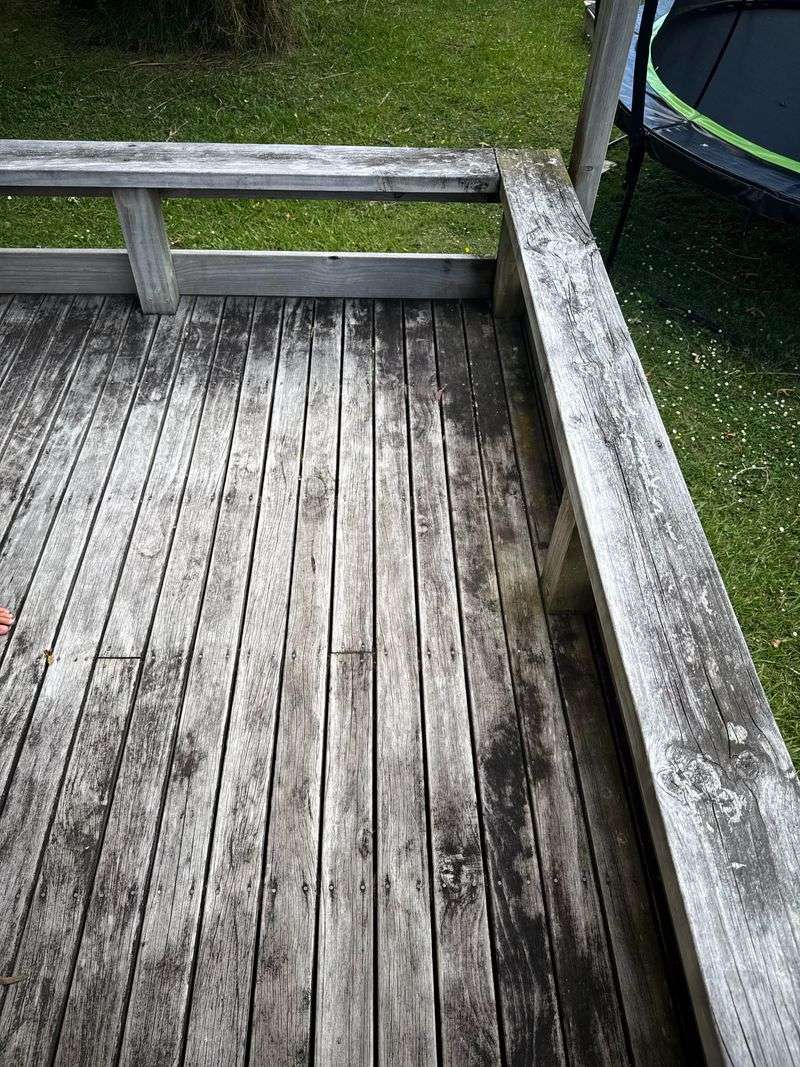
Stopping mold early prevents bigger problems down the line. A few simple habits can make a huge difference.
Start by improving airflow around your home. Trim back overgrown shrubs and trees that block sunlight and trap moisture against surfaces.
Fix any drainage issues in your yard as soon as possible. Standing water is an open invitation for mold to settle in and stay.
Clean your deck and patio surfaces at least twice a year. A solution of water and white vinegar works well on most outdoor surfaces without harsh chemicals.
Apply a water-repellent sealant to wooden decks and fences annually. This creates a barrier that helps reduce moisture soaking into the wood grain.
Move potted plants periodically so the surface beneath them can dry out. Leaving them in one spot for months creates conditions that encourage mold growth underneath.
Store outdoor cushions and fabric furniture in a dry space when not in use. Even a few rainy days can trigger mildew growth on damp fabric.
Check your gutters every season and clear any blockages. Overflowing gutters send water exactly where you do not want it.
Use a dehumidifier in enclosed outdoor spaces like screened porches. Keeping humidity below 60 percent significantly slows mold growth on nearby surfaces.
Small consistent actions beat one big cleanup every time. Stay proactive, and mold will be far less likely to spread in your backyard.
6. When It’s Time To Call In A Mold Professional
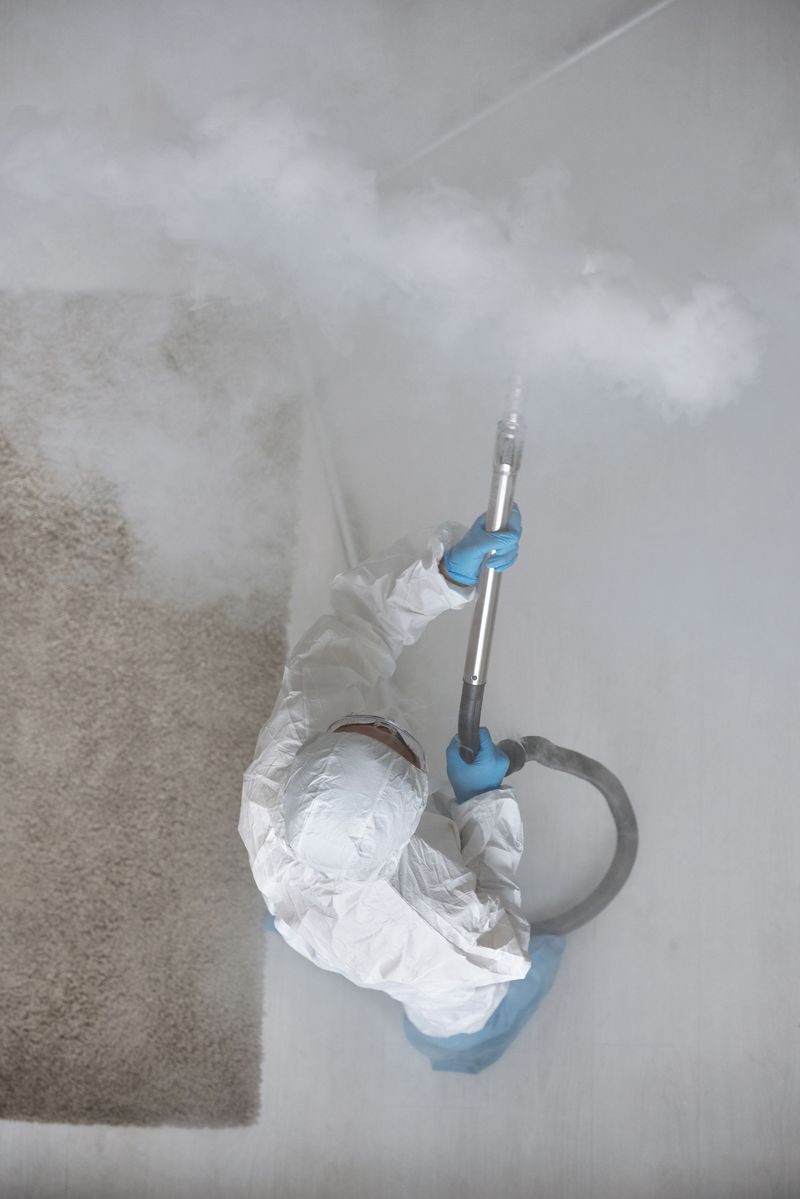
Some mold problems go beyond a weekend scrubbing session. When growth covers large areas or keeps returning, it is time to bring in expert help.
A general rule of thumb is the 10-square-foot guideline. If mold covers more than 10 square feet of surface, professionals should assess the situation.
Recurring mold after repeated cleaning usually signals a deeper moisture source. A professional can track down that source and address it directly.
Mold growing inside wall cavities or beneath flooring near outdoor areas is serious. This type of growth requires specialized tools and training to remove safely.
Professionals use moisture meters to detect hidden damp areas invisible to the eye. Those readings reveal problems that a visual inspection would completely miss.
Remediation specialists also test air quality to measure spore concentration. High spore counts in outdoor living areas can affect your comfort and well-being over time.
Licensed mold remediation companies follow strict containment protocols. They prevent spores from spreading to unaffected areas during the cleanup process.
After treatment, many professionals apply antimicrobial coatings to treated surfaces. These coatings add a layer of protection that slows future fungal colonization significantly.
Getting a professional assessment is not an admission of defeat. It is a smart investment in protecting your home and your outdoor living space.
Mold thrives in Arkansas’s humid backyards, but it doesn’t have to take over. With the right help, you can take your yard back for good.
7. Natural Remedies That Can Help With Outdoor Mold
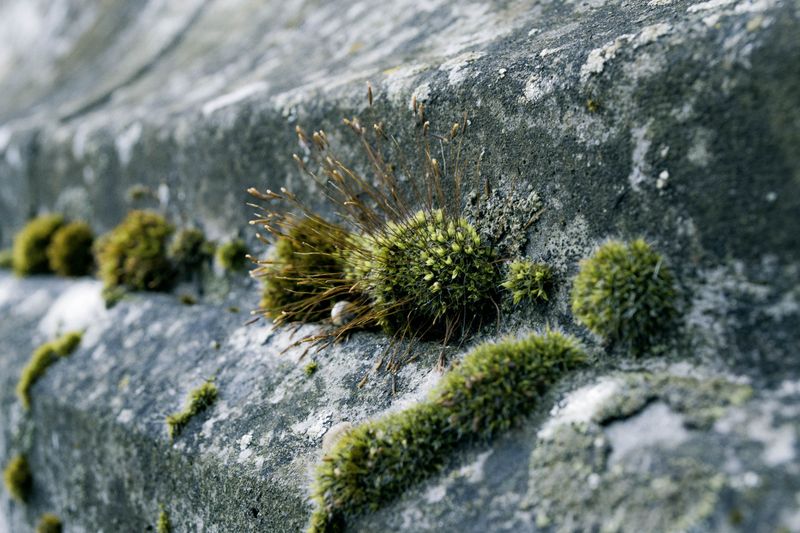
Nature offers some surprisingly effective tools against outdoor mold. You probably already have most of them sitting in your kitchen cabinet.
White vinegar is one of the most commonly recommended natural options for treating mold. Its acetic acid content breaks down mold structure and prevents regrowth on many surfaces.
Mix undiluted white vinegar in a spray bottle and apply it directly to affected areas. Let it sit for at least an hour before scrubbing with a stiff brush.
Baking soda is another powerful option that works differently than vinegar. It absorbs moisture and raises the surface pH, creating conditions that mold struggles to survive in.
Combine baking soda with water to form a paste and apply it to stubborn patches. Scrub thoroughly, rinse, and let the surface dry completely in direct sunlight.
Tea tree oil, while pricier, is a natural antifungal with impressive staying power. A few drops mixed with water in a spray bottle can treat and help prevent future growth.
Hydrogen peroxide at a 3-percent concentration also tackles mold on outdoor surfaces effectively. Spray it on, wait 10 minutes, then scrub and rinse clean.
Avoid mixing these remedies together without researching compatibility first. Some combinations can reduce effectiveness or create unpleasant reactions on certain surfaces.
Sunlight is the oldest natural remedy of all. Whenever possible, expose damp surfaces to direct afternoon sun to naturally dry out and slow fungal spread.
Natural solutions work best on early-stage growth. Staying consistent with these treatments keeps the problem manageable without relying on harsh commercial products.
8. Protecting Your Backyard Long-Term Against Mold
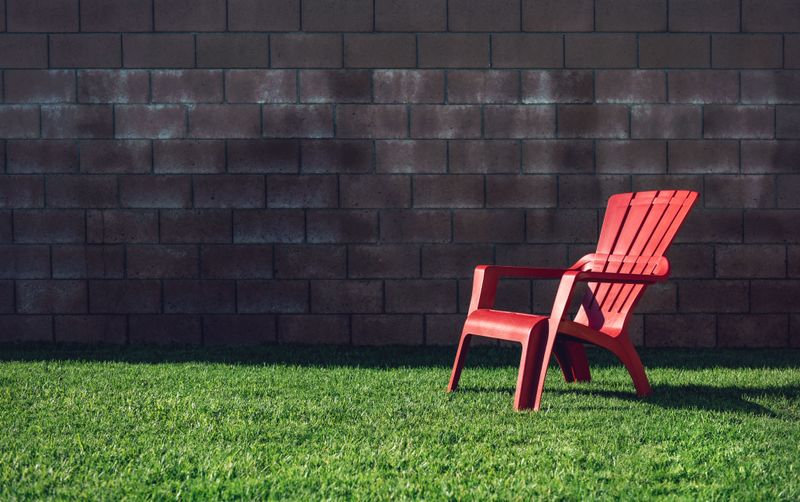
Long-term mold prevention is about building smarter outdoor habits. A few strategic changes to your backyard setup can dramatically reduce future problems.
Choose mold-resistant materials when replacing or upgrading outdoor structures. Composite decking, treated lumber, and sealed concrete are all far less hospitable to fungal growth.
Grade your yard so water flows away from your home’s foundation. Even a slight slope in the right direction prevents pooling that feeds ongoing moisture problems.
Install proper drainage channels in low-lying areas of your yard. French drains and surface drains are affordable solutions that pay off quickly in a humid climate.
Plant moisture-loving ground covers strategically to absorb standing water. Native plants adapted to the local climate handle excess moisture without creating new shaded damp zones.
Regularly inspect and maintain your gutters and downspouts throughout the year. Directing water at least five to ten feet away from your home helps prevent a major source of backyard moisture.
Consider a UV-resistant sealant for all outdoor wood and masonry surfaces. Reapplying it every one to three years, depending on the product, keeps surfaces protected through multiple wet seasons.
Rotate or rearrange outdoor furniture and decor seasonally. This simple habit prevents moisture from building up in the same spots year after year.
Keep a seasonal maintenance checklist for your backyard. Consistent attention to small details prevents the conditions that allow mold to take hold again.
Mold thrives in Arkansas’s humid backyards, but a proactive homeowner is the best defense against it. Your backyard can stay clean, healthy, and enjoyable all year long.