These Are The Reasons Fire Ant Mounds Keep Multiplying In Your Arkansas Yard

Three new mounds appeared overnight. You counted twice. Yesterday, your yard was clean, and now it looks like something is building beneath it.
Fire ants do not ask permission, and they do not pause until something forces them to stop.
Why does this keep happening to your yard? Arkansas summers create the exact conditions fire ants thrive in.
Warm soil, scattered rainfall, and open grass give every queen a reason to move and establish new ground. Each mound is not just a problem but a signal that something larger is happening underground.
New queens break off from a single nest, find fresh territory fast, and start building before you notice anything has changed. Bad luck is not what you are dealing with here.
Biology drives every Arkansas infestation, and it follows rules you can learn. Once those rules make sense to you, the guessing stops and the winning starts.
1. Rain Does Not Stop Fire Ants, It Moves Them
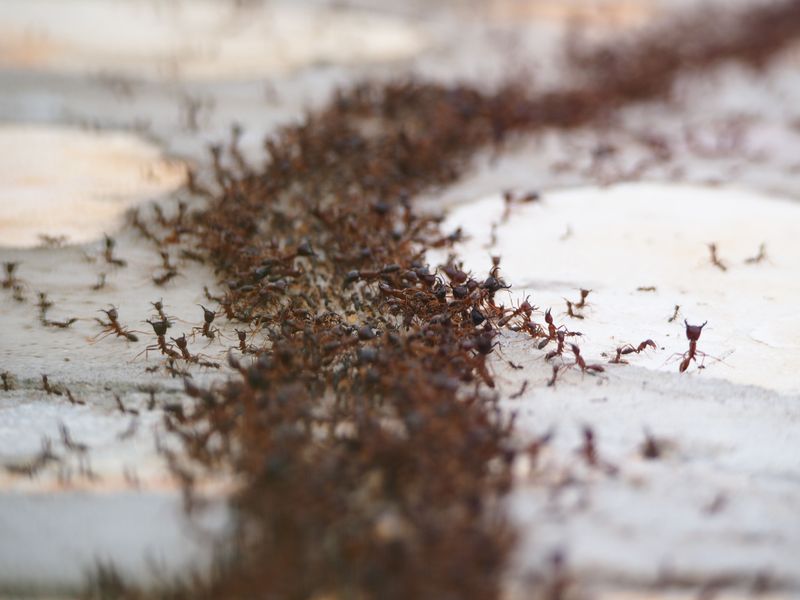
After a heavy downpour, fire ants do something remarkable. They float. When floodwater creeps into their underground tunnels, entire colonies link together to form a living raft.
This survival trick lets them drift across standing water until they find dry land. That dry land is often your yard. Once the water recedes, they rebuild fast and in a new spot.
Arkansas gets significant seasonal rainfall, especially in spring and early summer. Each rain event can push dozens of colonies toward higher, drier ground.
That means your raised garden beds, your patio edge, and your lawn are all prime real estate. The ants are not choosing your yard out of spite. They are simply following the water.
This behavior explains why mound counts spike after storms. You might treat your yard in April, then find fresh mounds in May after a wet week.
The good news is that understanding this pattern helps you time treatments better. Applying bait or contact treatments within a few days after rain can catch colonies while they are still settling in.
Watch for mounds near low spots in your yard where water collects. Those areas act like landing zones for displaced colonies.
Staying one step ahead of the rainfall calendar can make a real difference in keeping fire ant mounds from multiplying unchecked.
2. Summer Heat Turns One Mound Into Many
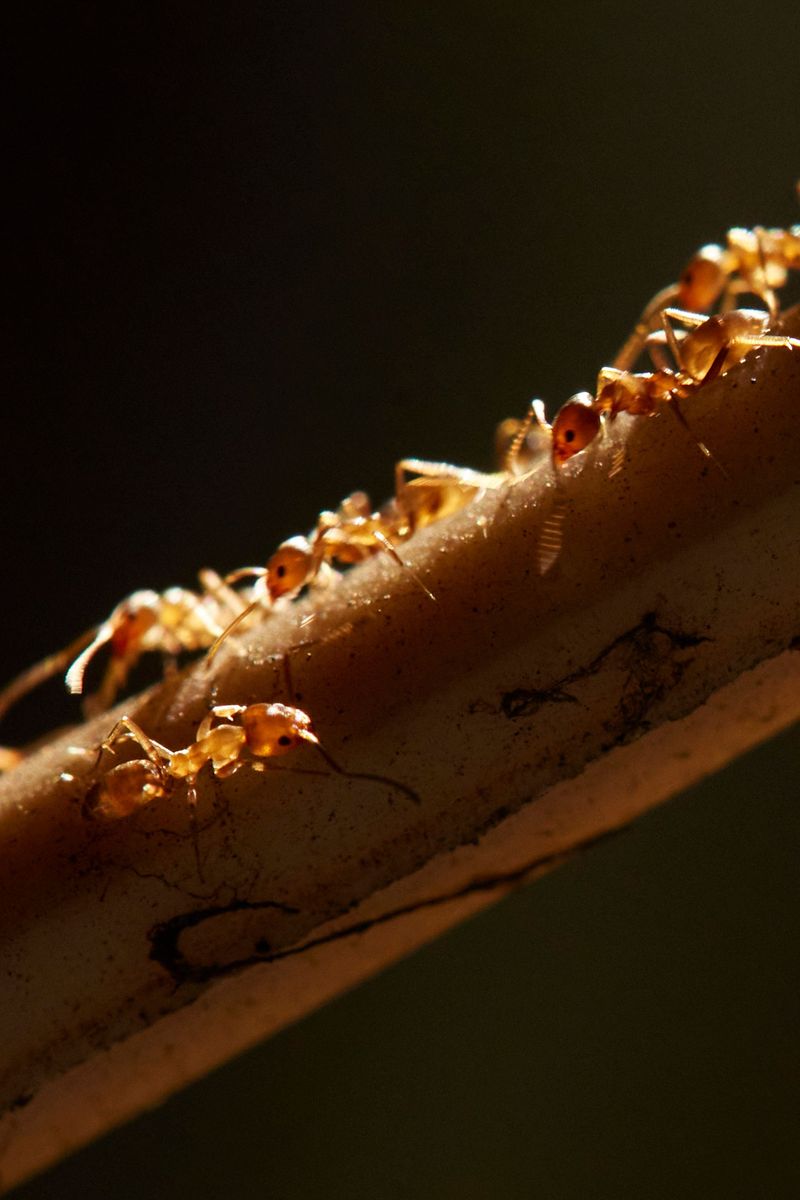
Summer in Arkansas is peak fire ant season. Warm temperatures trigger queen ants to ramp up egg-laying dramatically.
A single healthy queen can lay anywhere from 800 to 1,500 eggs per day, depending on colony maturity and food availability. Multiply that across weeks of peak summer heat and the numbers grow fast.
More workers mean more tunneling, more foraging, and more pressure on existing mound space. When a colony gets too crowded, it splits.
That splitting process is called budding. A new queen and a group of workers simply move a short distance away and start fresh.
This is why you can treat one mound and find two new ones nearby within weeks.The original colony did not disappear, it expanded into new ground nearby.
Your Arkansas Garden Changes Every Week. Your Plan Should Too.
Gardening in Arkansas changes quickly throughout the season. Every Friday you’ll receive a simple weekly plan showing exactly what to plant, prune, fertilize, harvest, and protect so you never miss the right timing.
Summer also brings more outdoor activity for humans, which means more accidental mound disturbances. Each disturbance can trigger a budding response.
Kids running through the yard, lawn mowers rolling over mounds, and garden tools scraping the soil all stress colonies into relocating. That relocation creates new mounds in places you least expect.
Keeping populations in check during late spring, before peak summer hits, is the smartest move. Bait treatments applied in May work with the ants’ natural foraging behavior.
They carry the bait back to the queen before egg production hits its summer peak. Timing is everything when fire ant mounds keep multiplying despite your best efforts.
3. Arkansas Climate Gives Fire Ants Every Advantage

Arkansas sits in a climate sweet spot for fire ants. Hot summers and mild winters rarely get cold enough to slow them down for long.
Fire ants forage most actively when soil temperatures fall between 70 and 90 degrees Fahrenheit. In much of the state, that window stretches from March through November.
Add regular rainfall to that warmth and you create near-perfect conditions for colony growth. Moist soil is easy to tunnel through and holds moisture that keeps larvae alive.
Dry soil can actually slow ant activity. But Arkansas rarely stays dry long enough to matter.
The combination of heat and humidity also supports the insects and organisms that fire ants feed on. More food means faster colony development and stronger queens.
Soil that is slightly moist but not flooded is the ideal building environment. Your lawn after a warm spring rain offers near-ideal conditions for a fire ant queen to establish a new nest.
This climate advantage is why Arkansas sees heavier infestations than northern states. Colonies that might struggle through a harsh winter elsewhere just keep growing here.
Homeowners sometimes assume winter will handle the problem naturally. In most of central and southern Arkansas, winter temperatures rarely drop low enough to significantly reduce fire ant populations.
Northern parts of the state may see some cold-weather suppression, but it is not a reliable long-term solution.
Staying proactive year-round, especially during warm wet stretches, is the only reliable strategy. Waiting for cold weather to solve the problem is how fire ant mounds keep multiplying season after season.
4. Wrong Treatments Make Your Mound Problem Worse

Grabbing a jug of something from the hardware store feels like taking action. But the wrong treatment can make your problem significantly worse.
Many popular DIY methods, like pouring boiling water or using gasoline, only disturb the surface of the colony. The queen and most workers survive deep underground.
When a colony senses a major threat above ground, it triggers an emergency response. Workers grab larvae and eggs, and the colony fragments into multiple smaller groups.
Each group moves in a different direction and starts a new mound. One treated mound can become three or four new ones within days.
This is called the scatter effect, and it is one of the biggest reasons fire ant mounds keep multiplying despite treatment attempts. Homeowners treat the yard and then blame the ants for coming back.
In reality, the treatment pushed them outward. The colony did not leave. It fragmented and multiplied into several smaller ones scattered across your yard.
Contact insecticides sprayed directly on mounds have the same problem. They remove surface workers but leave the queen untouched underground.
Slow-acting bait products work differently. Worker ants carry the bait down to the queen as food, which gradually breaks down the colony from the inside.
Patience matters with bait treatments. They take longer to show results, but they do not trigger the scatter response that sends ants racing across your lawn.
Choosing the right method is not just about clearing ants from your yard. It is about not accidentally creating more colonies in the process.
5. One Mound On The Surface Hides A Much Bigger Network

When August heat bakes the ground hard, fire ants do not stay put. They push outward in search of food and cooler soil.
Foraging trails can stretch 100 feet or more from the original mound. That range covers most residential yards with ease.
As workers explore farther territory, scout ants identify promising new nesting spots. Once a scout approves a location, a splinter group can establish a satellite mound fast.
Satellite mounds are connected to the original colony underground. But from the surface, they look like brand-new infestations.
This expansion habit means treating one mound does not address the network beneath it. The colony has already spread roots across a wider area than you can see.
Extreme heat also drives ants toward moisture sources. Leaky irrigation lines, garden hose drips, and shaded flower beds become magnets for new activity.
Checking those areas regularly during hot dry spells can help you catch new mounds early. Early-stage mounds are smaller and easier to treat before populations build up.
Foraging also increases near outdoor pet food bowls and bird feeders. Ants follow scent trails to food sources and often decide to move in nearby.
Keeping food sources tightly managed during peak heat months reduces the incentive for colonies to spread in your direction. A well-maintained yard gives fire ants fewer reasons to set up new outposts across your lawn.
6. Parts Of Arkansas Have Two Fire Ant Species To Deal With
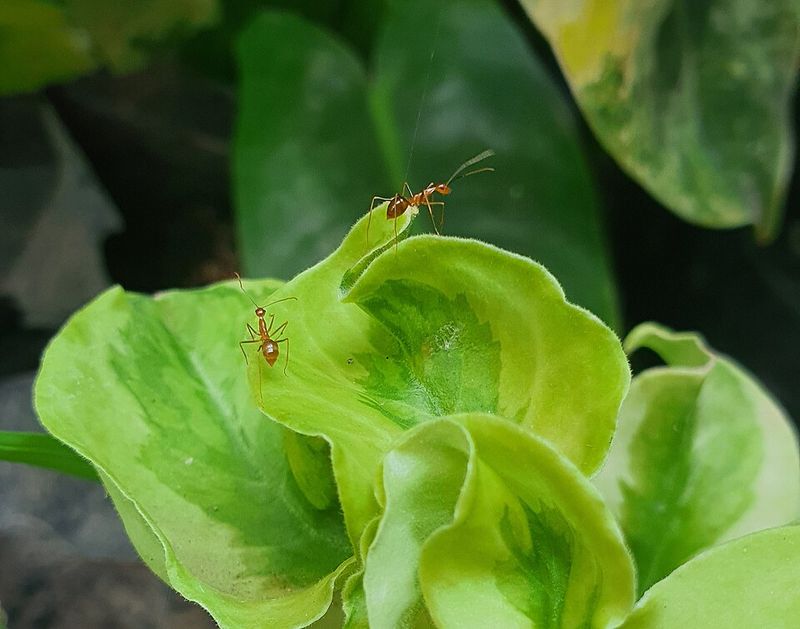
Most people think of fire ants as one problem. In a small number of Arkansas counties, that assumption is wrong.
The black imported fire ant has been documented in Phillips, Mississippi, and Crittenden counties, where it overlaps with the red imported fire ant. In those specific areas, two competing species share the same territory.
When two competing species share the same yard, mound density increases. Each colony works harder to claim territory before the rival species moves in.
This competition accelerates the budding process. Colonies that might otherwise stay stable start splitting more aggressively to hold ground.
Homeowners in those counties may notice mounds appearing in unusual patterns. Clusters can form along property lines, fence rows, and garden edges where territory pressure between the two species is highest.
Treatments that work well against one species may be less effective against the other. This is why some yard treatments seem to reduce mounds in one area while new ones pop up elsewhere.
Your local cooperative extension office can help with identification. The presence of both species also makes natural die-off less likely.
When one population declines, the other often expands to fill the gap. For most Arkansas homeowners, the red imported fire ant is the only species involved.
If you live in or near the affected northeastern and eastern counties, identifying which species you are dealing with can help you choose more targeted control methods.
Your local cooperative extension office can confirm which species are present in your area. A broader strategy that addresses both species gives you a much better shot at long-term control.
7. Your Yard Is Exactly What Fire Ants Are Looking For

Picture a flat, open lawn baking under full afternoon sun. From a fire ant’s perspective, that is ideal nesting ground.
Fire ants prefer open, sunny areas because warm soil speeds up larval development. The faster larvae develop, the faster the colony grows.
Heavily shaded yards tend to have fewer mounds. Dense tree cover keeps soil cooler and wetter in ways that slow colony development.
Most residential yards in Arkansas offer exactly what fire ants want. Manicured grass, minimal shade, and sunny open space create prime nesting territory.
Lawn care habits also play a role. Short, regularly mowed grass offers less resistance to mound building and keeps soil exposed to maximum sunlight.
Bare patches in the lawn are especially attractive. Soil without grass cover warms faster and is easier to excavate for tunneling.
Adding shade trees or dense ground cover to parts of your yard can make those areas less appealing. It is a long-term solution, but it changes the habitat in meaningful ways.
Mulched garden beds near sunny lawn edges often become hotspots. The mulch retains warmth and moisture while the open lawn nearby offers easy foraging access.
Rethinking your yard’s layout with fire ant behavior in mind can reduce pressure over time. A yard designed with some natural variation in sun and shade gives these insects fewer places to comfortably settle in and thrive.
8. Infested Land Surrounds Your Yard On Every Side

Fire ants first arrived in the United States through the port of Mobile, Alabama. The black imported fire ant arrived around 1918, followed by the more aggressive red imported fire ant in the late 1930s.
They have been spreading steadily ever since. Red imported fire ants were first reported in Arkansas in 1958.
Decades of unchecked spread since then have produced the dense statewide population homeowners deal with today.
A yard that seems clean today is surrounded by infested land on all sides. Neighboring properties, roadside ditches, parks, and farmland all serve as constant source populations.
Even if you eliminate every mound in your yard, new colonies will migrate in from surrounding areas. This is one of the hardest truths about managing fire ant mounds that keep multiplying.
The sheer scale of statewide infestation means individual yard treatments are a maintenance strategy, not a permanent fix. Regular, consistent effort is what keeps numbers manageable.
Community-level treatment programs, sometimes organized through county extension offices, can have a bigger impact than solo efforts. When neighbors treat at the same time, reinfestation slows significantly.
Statewide spread also means genetic diversity in local populations has increased. More diverse colonies can sometimes show resistance to commonly used treatments over time.
Rotating treatment products and methods helps prevent colonies from adapting. Staying informed about new control options keeps your approach effective.
The bottom line is that fire ant mounds keep multiplying partly because of a decades-long head start.
Consistent effort, smart timing, and community coordination are your strongest tools against a problem that has been building for generations.