How Standing Water Is Creating A Hidden Problem Across Louisiana
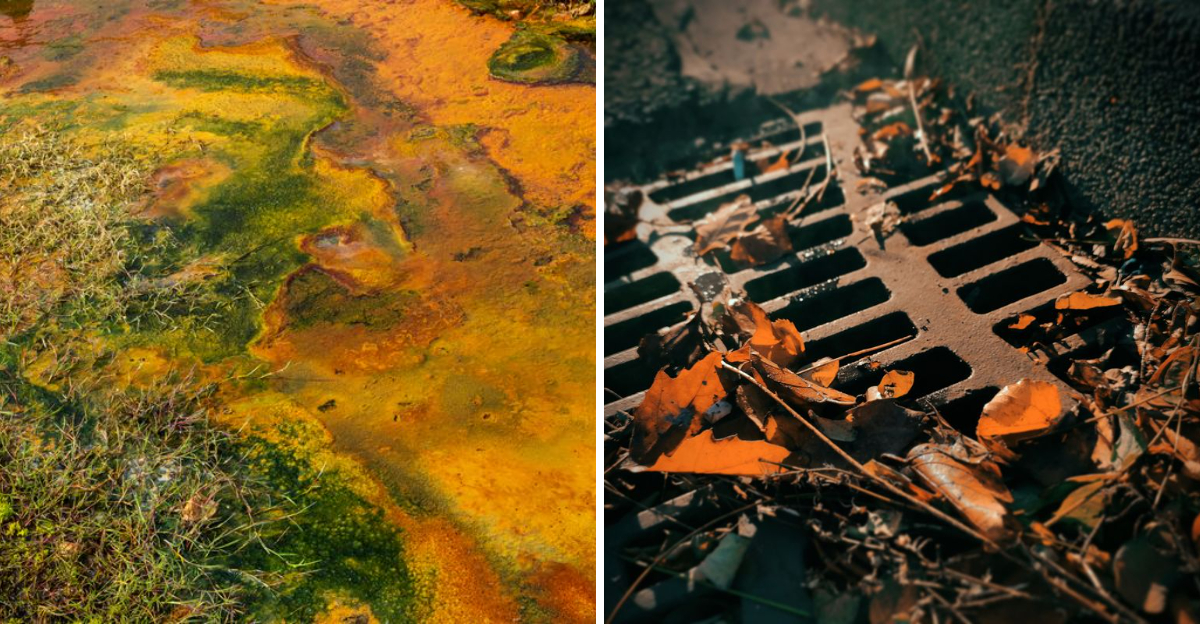
Beneath your porch, something waits that you cannot see. Water pools after every storm rolls through Louisiana. You assume it evaporates, harmless and forgotten within hours.
Nothing about that assumption protects your home from damage. Mosquitoes find that puddle faster than you ever will. Termites sense moisture and follow it straight to your foundation.
Pipes wear down faster in wet, unstable soil. Roots twist toward moisture, reaching beneath walkways and driveways. Wood softens, concrete weakens, and mold creeps through walls.
Damage spreads slowly, then all at once. Louisiana’s humidity turns small puddles into breeding grounds overnight. Basements fill with water while you sleep upstairs.
Your yard becomes a highway for pests you never invited. Property values can decline when drainage problems go unaddressed. Insurance claims can increase each year due to preventable water damage.
Every ignored puddle writes a cost you haven’t seen yet. What happens next determines whether your home makes it through the season.
1. Mosquitoes Multiply Fast In Stagnant Pools
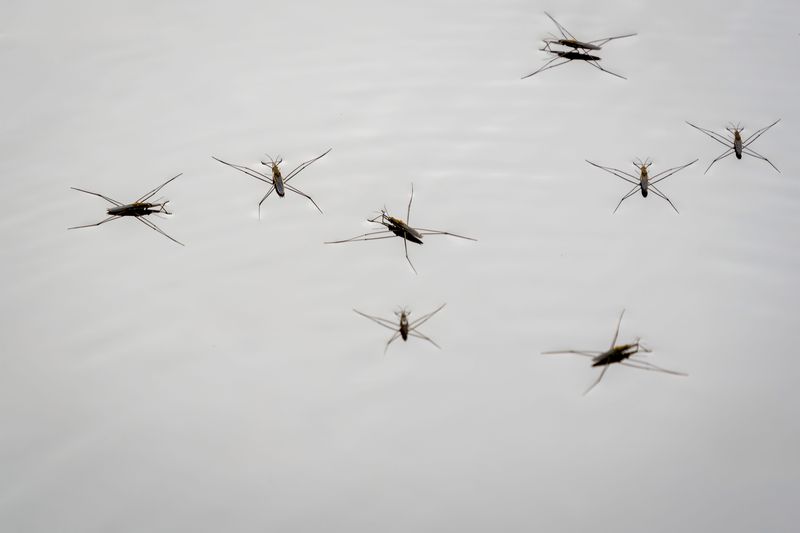
A small amount of standing water, sometimes even a bottle cap’s worth, is enough for a mosquito to start a family.
Mosquitoes lay hundreds of eggs at a time, and those eggs hatch within 24 to 48 hours. Warm, unmoving water speeds everything up, especially in Louisiana summers.
Once larvae become adults, they scatter fast across your yard and neighborhood. A single stagnant pool can produce hundreds of mosquitoes within one to two weeks.
Beyond the itching and buzzing, mosquitoes carry West Nile virus and other serious illnesses. Standing water in Louisiana turns a minor annoyance into a real health concern.
Birdbaths, clogged gutters, and low spots in your lawn are prime breeding spots. Checking these areas twice a week can significantly reduce your mosquito problem.
Dumping and scrubbing containers removes eggs that simple rinsing misses. A little effort goes a long way when the goal is fewer bites.
Mosquito dunks, which are small tablets dropped in water, stop larvae safely. They work in rain barrels, ponds, and anywhere you cannot drain the water completely.
Keeping your yard dry is the most powerful mosquito control tool available. No standing water means no place for the next generation to get started.
2. Foundations Weaken From Prolonged Moisture Exposure
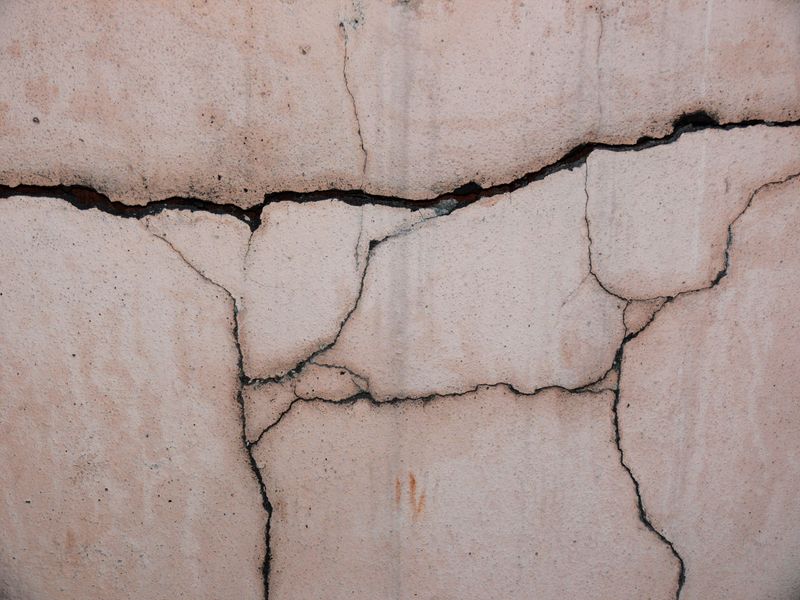
Water can sit against your foundation for weeks, gradually entering every crack and gap it finds. Louisiana homes built on clay-heavy soil face extra risk because clay expands when wet and shrinks when dry.
That constant movement puts enormous pressure on concrete slabs and block foundations.
Prolonged moisture softens the soil beneath a home, causing it to shift and settle unevenly. Uneven settling leads to cracks in walls, sticking doors, and sloping floors.
Homeowners often blame aging for these signs, but moisture is usually the real culprit. By the time cracks appear, damage has already been building for months.
Water that pools against the foundation also encourages mold growth inside crawl spaces and wall cavities. Mold can spread without obvious signs, and indoor air quality can decline without visible warning.
Your Louisiana Garden Changes Every Week. Your Plan Should Too.
Gardening in Louisiana changes quickly throughout the season. Every Friday you’ll receive a simple weekly plan showing exactly what to plant, prune, fertilize, harvest, and protect so you never miss the right timing.
Waterproofing the exterior of your foundation and installing a proper drainage slope away from the house helps redirect water. Grading your yard correctly is one of the best investments a homeowner can make.
French drains and sump pumps are worth considering if your property holds water regularly. A licensed contractor can assess your specific situation and recommend the right solution.
Catching moisture problems early can save significant money in repairs. Your foundation is essential to your home’s structure, and standing water gradually affects it over time.
3. Bacteria Thrive In Warm, Unmoving Water
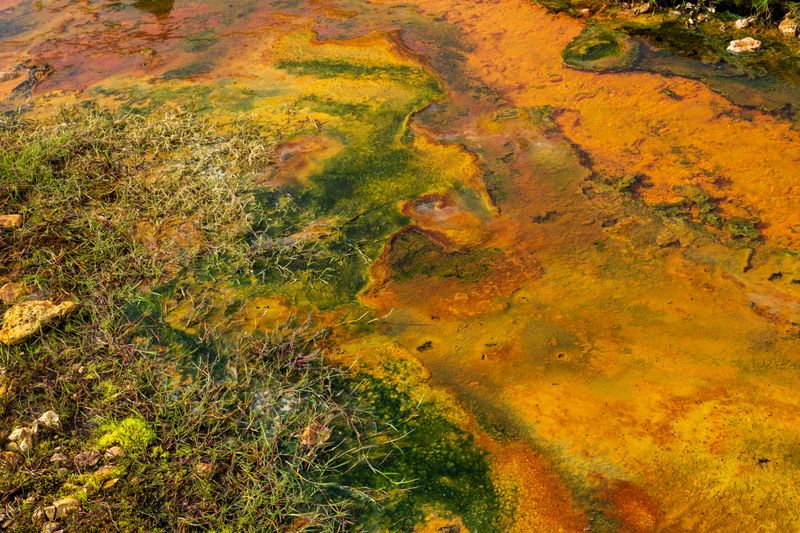
Warm, still water accelerates bacterial growth. The heat speeds up microbial growth, and the lack of movement keeps everything concentrated in one spot.
Louisiana’s climate is nearly perfect for harmful bacteria to multiply fast. Warmer water becomes an environment for rapid microbial activity within days.
Leptospira, E. coli, and other harmful bacteria can develop in flood-related puddles across the Gulf South. Contact with contaminated water can cause skin rashes, stomach illness, and worse.
Children playing outside and pets roaming the yard are especially at risk. They are closer to the ground and far less likely to avoid a muddy puddle.
Floodwater that lingers after storms carries bacteria from sewage systems, animal waste, and decomposing organic matter. That murky puddle in your yard is not just dirty water.
Bacteria also produce toxins that can irritate eyes, skin, and lungs even without direct contact. Algae blooms fueled by standing water can release toxins that affect surrounding air quality.
Wearing waterproof boots and gloves when dealing with standing water reduces exposure significantly. Washing hands and clothes immediately after contact is a smart habit year-round.
Addressing drainage issues early keeps bacterial buildup from reaching dangerous levels. Protecting your family starts with keeping the water moving.
4. Lawns Develop Fungal Patches And Root Rot
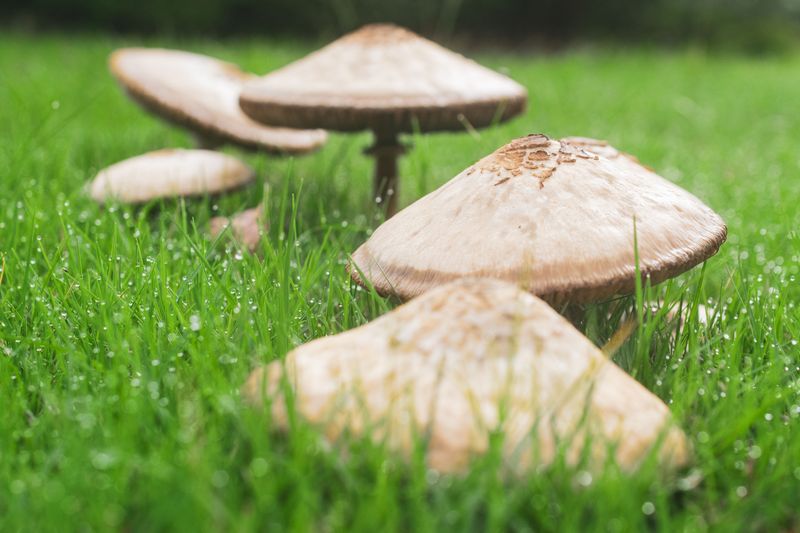
A lawn that holds water too long stops being a lawn and starts becoming a problem. Grass roots need oxygen, and soggy soil cuts off their supply.
Root rot sets in when roots sit in waterlogged soil for more than a day or two. Once roots begin to decay, the grass above turns yellow, then brown, then disappears.
Fungal diseases like brown patch and dollar spot love humid, wet conditions. Louisiana summers create the perfect storm of heat and moisture for these fungi to take over.
Brown patch can spread several feet within just a few days under the right conditions. What looks like a small brown spot on Monday can be a massive ring by Friday.
Overwatering makes the problem worse, and many homeowners do not realize their irrigation schedule is adding to already saturated soil. Checking soil moisture before watering is a habit worth building.
Improving drainage through aeration, topdressing with sand, or regrading low spots helps water move through the lawn faster. A well-draining lawn bounces back from heavy rain much more quickly.
Fungicide treatments can stop active infections, but they work best when paired with improved drainage. Treating the symptom without fixing the cause just delays the next outbreak.
Choosing grass varieties suited to wet climates, like centipede or St. Augustine, also helps. The right grass for the right yard makes a noticeable difference in how well it handles Louisiana’s unpredictable rain.
5. Wildlife Gets Drawn Closer To Homes
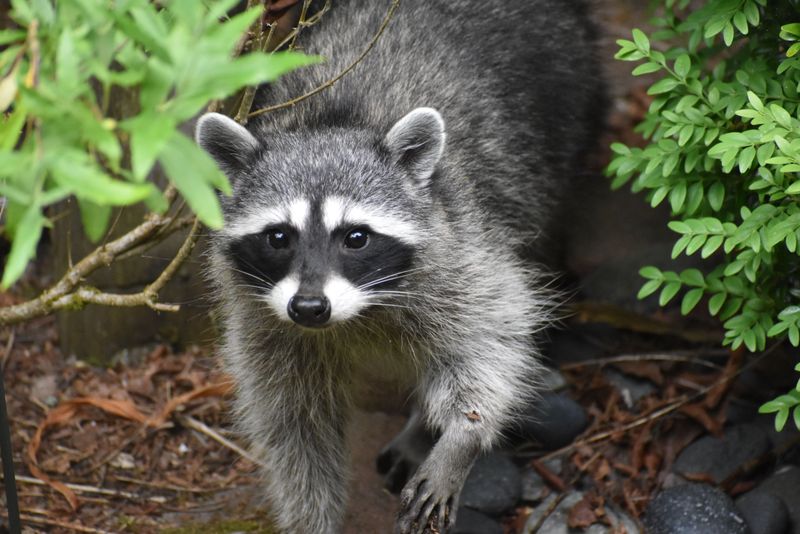
Standing water near your home sends out an open invitation to wildlife. Animals need water to survive, and a reliable source right next to your house is hard to resist.
Raccoons, nutria, snapping turtles, and even alligators have been spotted in suburban yards across south Louisiana. They are not being adventurous. They are following the water.
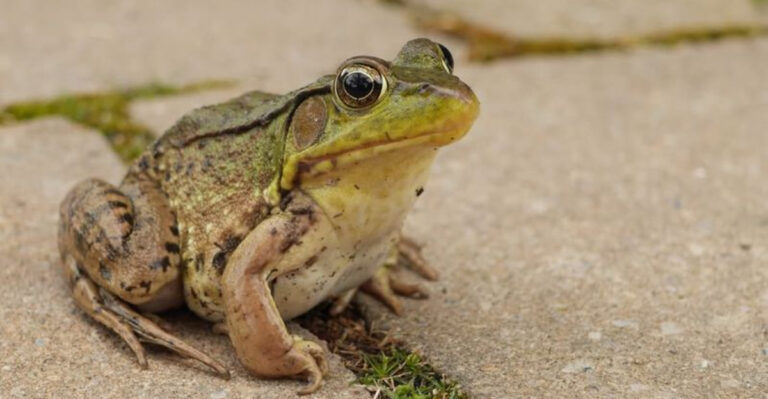
Snakes are also frequent visitors to areas with standing water because frogs and small rodents gather there too. A stagnant pond in your backyard can develop into a small ecosystem.
While some wildlife sightings are exciting, others create real safety concerns. Raccoons and nutria can carry diseases, and alligators are simply dangerous when they lose their natural fear of people.
Pets are especially vulnerable when wildlife moves in close. A dog investigating a snapping turtle or a curious cat near a snake can lead to injury.
Removing standing water reduces the draw. Animals are less likely to linger when your yard no longer offers easy access to water.
Securing garbage cans, trimming back dense vegetation, and filling low spots in the yard also reduces wildlife attraction. A tidy yard with no pooling water is far less interesting to passing critters.
The goal is not to remove all wildlife from your property. The goal is to stop making your yard the most appealing spot on the block.
6. Odors Build Up As Water Stagnates
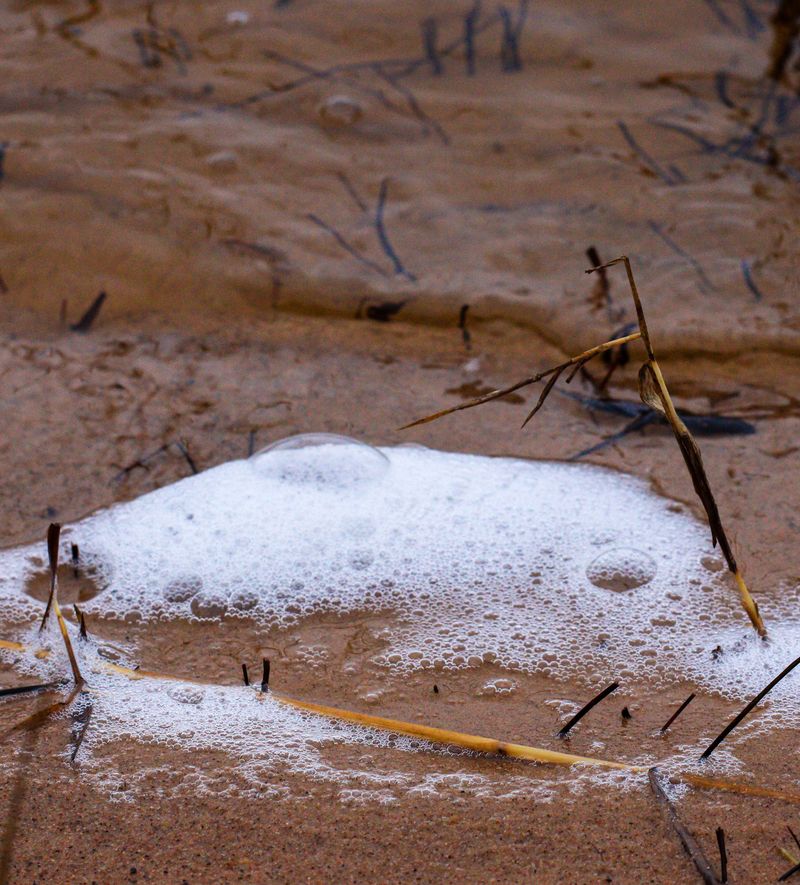
Few things affect a backyard gathering faster than a strong odor drifting in from a nearby ditch. Stagnant water has a way of announcing itself.
The odor comes from anaerobic bacteria breaking down organic matter in oxygen-poor water. Fallen leaves, grass clippings, and animal waste all decompose and release hydrogen sulfide gas.
Hydrogen sulfide smells like rotten eggs, and even small amounts are noticeable. In high concentrations near enclosed spaces, it can cause headaches and nausea.
Neighbors notice too. Persistent odors from standing water can trigger complaints or code enforcement attention in affected neighborhoods.
The smell tends to get worse in late summer when water temperatures peak and bacterial activity hits its highest point. What started as a mild musty odor in spring becomes noticeably stronger by August.
Covering water sources and adding aeration to ponds helps reduce odor significantly. Moving water carries more oxygen, which shifts the microbial balance away from the smelly anaerobic kind.
For smaller problem areas, clearing out debris and flushing with fresh water disrupts the bacterial cycle. Keeping gutters and drainage channels free of leaf buildup prevents new odor sources from forming.
Addressing standing water is as much about quality of life as it is about health. Addressing odor issues helps you enjoy your backyard again.
7. Insects Lay Eggs In Overlooked Containers
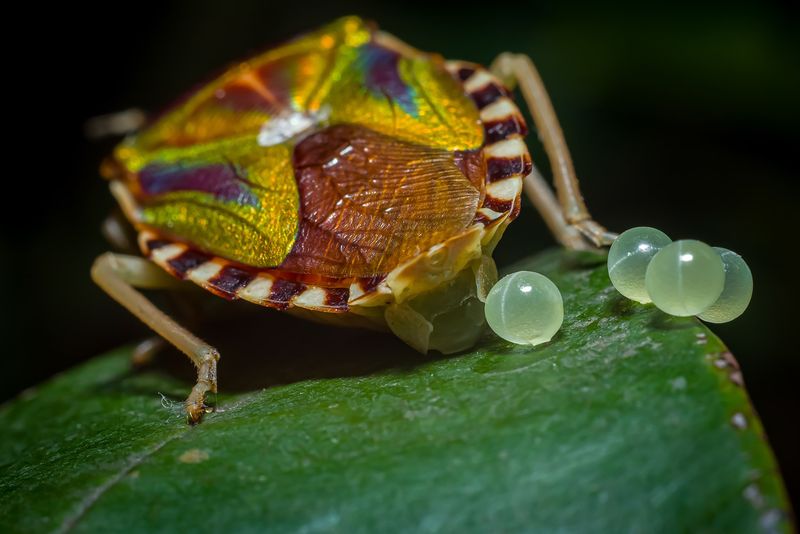
Old tires, forgotten flowerpots, upturned lids, and clogged gutters all share one thing in common. They collect water without anyone noticing.
Mosquitoes and other biting insects are experts at finding these hidden spots. A bottle cap with a quarter inch of rainwater is enough for some species to lay eggs.
Fungus gnats, midges, and drain flies also breed in containers with standing water or wet organic matter. These insects swarm around doors and windows, causing significant nuisance indoors and outdoors.
Louisiana’s frequent rain events keep forgotten containers filled without any help. A container that dries out between storms gets refilled the next time clouds roll in from the Gulf.
Walking your property after every rain and dumping any container holding water is a simple but effective habit. It only takes a few minutes and breaks the breeding cycle before it starts.
Covering containers when not in use keeps rainwater out entirely. Mesh covers work well for rain barrels while still allowing water collection.
Drilling drainage holes in the bottom of decorative pots prevents water from pooling in the soil dish underneath. That dish is one of the most overlooked mosquito breeding spots in any garden.
Teaching kids to flip containers after rain turns them into helpers in the effort. When the whole household stays alert, those breeding spots become far less likely to persist.
8. Drainage Systems Clog With Debris Buildup
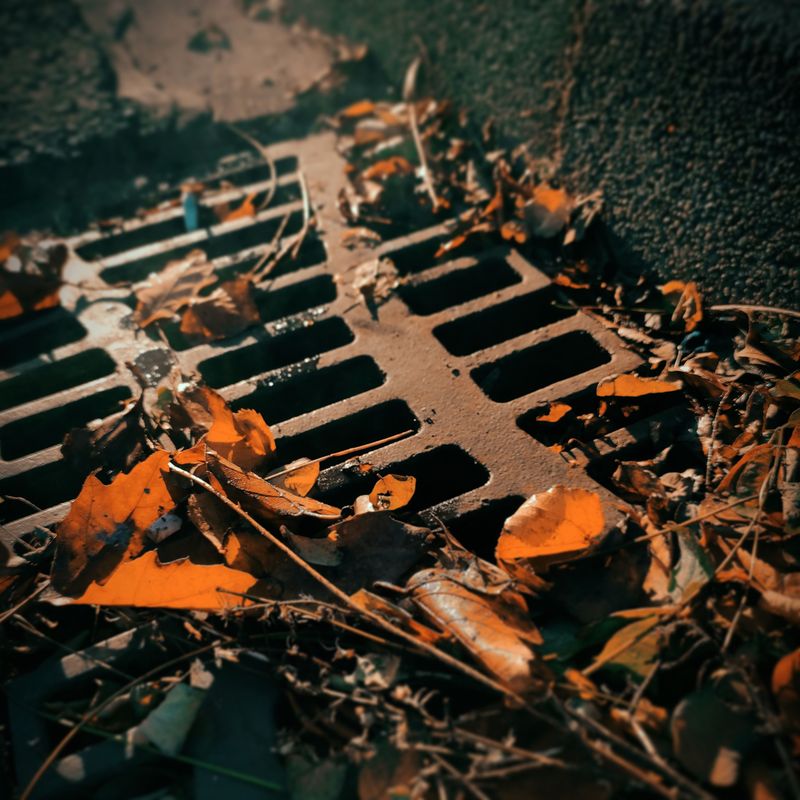
A drainage system is only as good as the last time someone cleaned it. When gutters, ditches, and culverts fill with leaves and mud, water has nowhere to go.
Blocked drainage is one of the top reasons standing water lingers on Louisiana properties long after a storm passes. The water is not going anywhere because the path out is plugged.
Leaves, pine needles, grass clippings, and silt all build up gradually. By the time a homeowner notices pooling water, the blockage has usually been growing for months.
Clogged culverts under driveways are especially problematic because they back water up across entire yards and sometimes into streets. A single blocked pipe can affect multiple neighboring properties.
Cleaning gutters at least twice a year, in spring and fall, keeps water flowing off the roof and away from the foundation. Gutter guards reduce maintenance frequency but still need occasional inspection.
Checking roadside ditches near your property and reporting blockages to your local parish office is a smart move. Many drainage issues on public land are the parish’s responsibility to fix.
Hydro-jetting and manual clearing of culverts can restore full drainage capacity quickly. Hiring a professional for larger drainage projects ensures the job gets done right the first time.
Keeping drainage systems clear is one of the most effective ways to manage standing water across Louisiana. Clear the path, and drainage issues become far less likely to recur.