Something Is Nesting Under Louisiana Porches As Fall Settles In
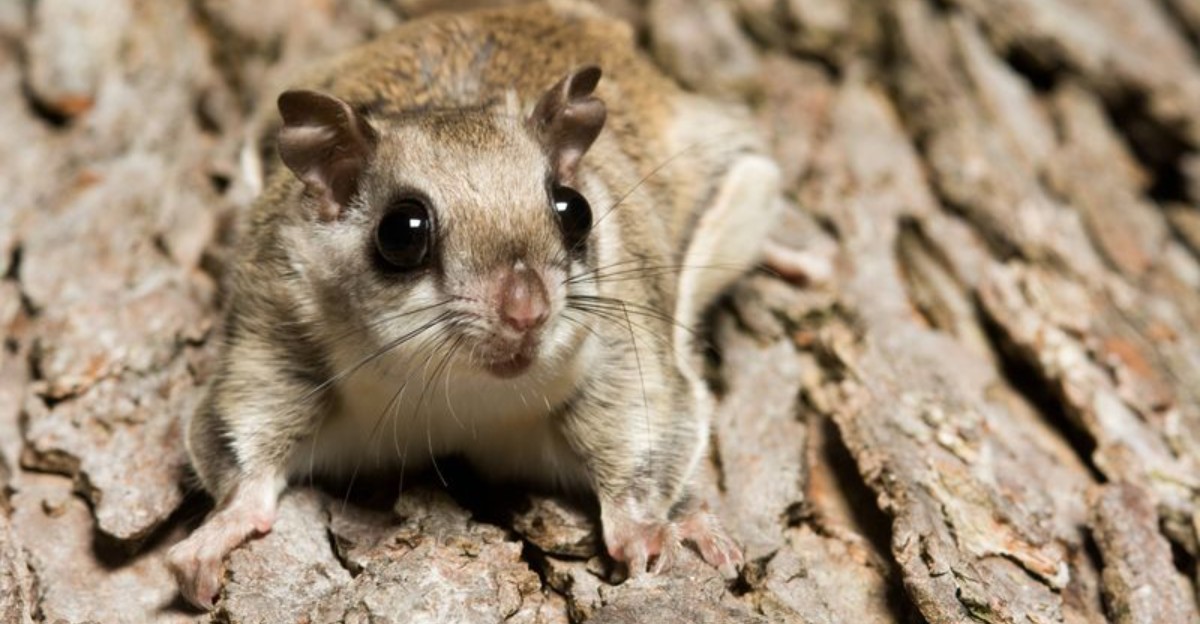
Scratching starts the moment autumn cools your Louisiana evenings. Porch boards creak beneath slow movement you cannot yet identify. Soffits hum with tiny thumps once darkness settles fully.
Rats seem obvious until the sound stops the instant you move. Squirrels take the blame next, then birds, then cats. Guesswork rarely survives a closer, much quieter home inspection.
Louisiana homes hide a tenant stranger than any suspect listed. Chirps drift down from spaces too tight for rodents. Thumps echo softly, rhythmic, patient, and strangely deliberate near your ceiling.
Dark eyes built for moonlight track shifting shadows near you. Wings unfold silently, carrying this visitor across open air. Gliding replaces scurrying, and that upends what you assumed.
These attics apparently make excellent nursery grounds. Curiosity turns quickly into concern the instant details emerge. Facts about this quiet visitor surprise even seasoned local homeowners. You deserve to know exactly what shares your roofline
The Midnight Glider Behind The Scratching
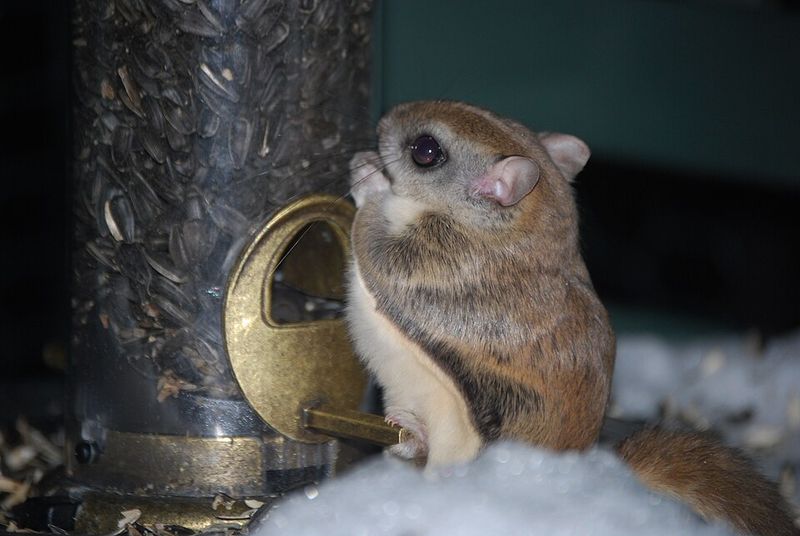
Picture a squirrel shrunk down to the size of a soft cotton sock, with eyes the size of shirt buttons. That’s the Southern flying squirrel, Glaucomys volans, and it lives across nearly all of Louisiana.
Adults weigh around two to three ounces and stretch about nine inches nose to tail tip. Their fur is silky gray-brown on top and creamy white underneath, softer than any other squirrel in the state.
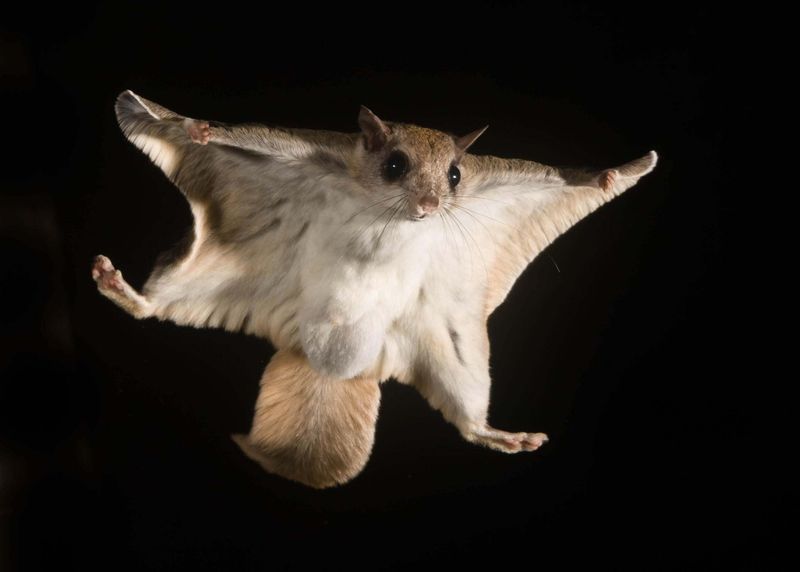
They don’t truly fly. A stretchy flap of skin called the patagium runs from wrist to ankle, and when they leap, it opens into a living kite.
Glides typically span 20 to 30 feet, with some recorded flights reaching up to 150 feet or more. They steer with their flattened tail and land on tree trunks with a soft thump.
Here’s the part that surprises people. Southern flying squirrels are strictly nocturnal, so you can share a yard with a dozen of them for years and see none.
Fun fact for the campfire crowd: under ultraviolet light, their belly fur glows a bubblegum pink, a discovery researchers are still working to fully explain. In autumn, when nights cool and pecans drop, these little gliders start hunting for snug winter quarters.
A porch with a gap, a soffit with a lifted edge, or a hollow column all read as tree cavity to them. So the mystery scratching under your floorboards often has nothing to do with rats at all.
Why September Turns Your Porch Into Prime Real Estate
Something shifts in Louisiana around the first week of September. Daylight shortens, humidity loosens its grip a little, and acorns and pecans start hitting the ground.
Flying squirrels read those signals as a countdown. They spend autumn caching nuts and scouting shelter for the colder stretch ahead.
Natural cavities are the goal. Old woodpecker holes, hollow limbs in water oaks, rotted-out pine snags, all of it makes a fine winter apartment.
Trouble is, tidy neighborhoods remove hollow trees fast. A fallen limb gets hauled off, a snag gets cut, and suddenly the housing market gets tight.
Your Louisiana Garden Changes Every Week. Your Plan Should Too.
Gardening in Louisiana changes quickly throughout the season. Every Friday you’ll receive a simple weekly plan showing exactly what to plant, prune, fertilize, harvest, and protect so you never miss the right timing.
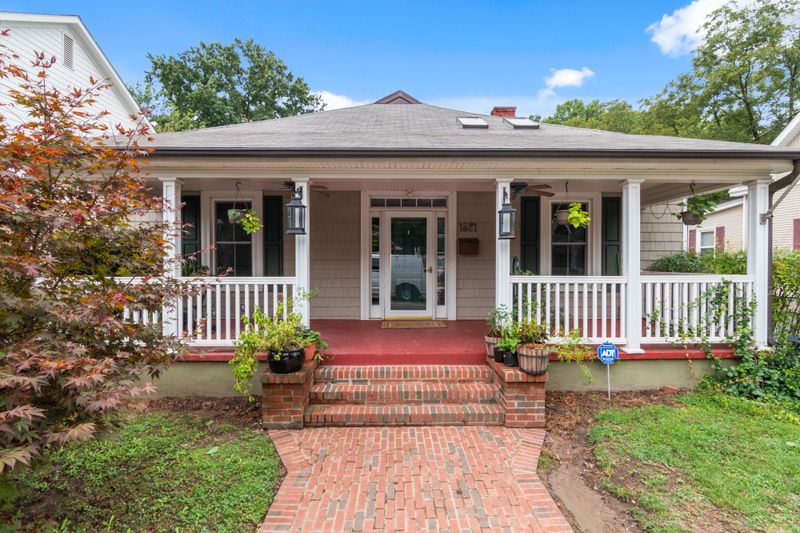
Your porch steps in as the replacement. The dark space under decking holds steady temperature, stays dry during those October downpours, and sits close to nut-bearing trees.
Soffits, roof returns, and attic vents get the same treatment. Anything with a gap wider than about an inch and a quarter can serve as a doorway.
Louisiana adds another wrinkle. Mild winters mean these squirrels stay active year-round instead of sleeping through the cold, so they need shelter they can come and go from nightly.
They also huddle. Groups of five, ten, sometimes twenty pile together on chilly nights to share body heat, which is why one small entry hole can lead to a surprisingly busy crowd.
Early September is your best window to walk the perimeter and look for openings before the huddling season begins in earnest.
Sounds And Signs That Give Them Away
Ask anyone who has hosted these tenants and they’ll describe the same thing. Light, quick scampering that starts roughly 30 to 45 minutes after sunset.
Timing is the biggest clue. Roof rats and gray squirrels bang around at dawn and during daylight, while flying squirrels keep strict night hours.
Listen for the sound quality too. Rats drag and gnaw with a slow, grinding rhythm, but flying squirrels move in bursts, like someone rolling marbles across plywood.
Vocalizations help confirm it. They chirp, twitter, and let out soft high squeaks that carry through drywall and porch boards.
Look for a landing zone outside. Repeated gliding to the same spot leaves faint scuff marks and worn paint on siding or a porch post.
Droppings offer another read. Flying squirrel pellets are small, oval, and tend to pile in one latrine area rather than scattering everywhere.
Check for nesting material as well. Shredded insulation, bark strips, Spanish moss, leaves, and stripped cloth get packed into a loose ball about the size of a cantaloupe.
Chewed pecan shells are a strong tell in Louisiana. Flying squirrels open nuts with a neat, smooth-edged hole, while rats leave ragged, splintered edges.
A simple test settles it. Sprinkle a light dusting of flour near a suspected entry, then check at daybreak for tiny five-toed prints with a faint tail drag. Once you know the pattern, identification gets easy fast.
Damage They Can Cause When They Move In
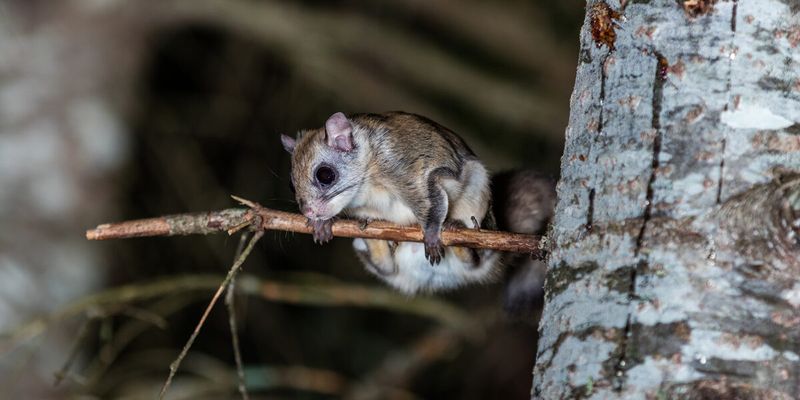
Cute does not mean harmless. A flying squirrel colony under a porch or in an attic can quietly run up a repair bill.
Gnawing tops the list. Their front teeth grow continuously, so they file them down on whatever is handy, including electrical wiring insulation.
Exposed wiring in an attic is a genuine fire concern, which is why many wildlife professionals treat gnawed wiring as a priority repair.
Insulation takes a beating too. Nesting groups compress and shred batting, which lowers your attic’s R-value and nudges cooling costs upward.
Urine and droppings accumulate in latrine spots. Over months, that soaks into sheetrock and joists, leaving stains and a musky odor that lingers.
Wood soffits and fascia boards can experience widening damage. What starts as a small gap gets chewed into a comfortable, permanent doorway.
Under a porch, they may pull at vapor barriers, tunnel through stored items, and shred cardboard boxes for bedding material.
Health considerations exist, though the risk stays low for most households. Their nests can host fleas, mites, and lice that wander indoors.
In rare historical cases, flea-borne illnesses linked to flying squirrel nests have been documented in parts of the southeastern United States, though such cases remain uncommon today.
Good ventilation, gloves, and a mask during any cleanup handle those concerns well. The takeaway is simple. Address a small entry point in September and you avoid a much messier project in February.
Sealing Your Home Without Trapping Anyone Inside
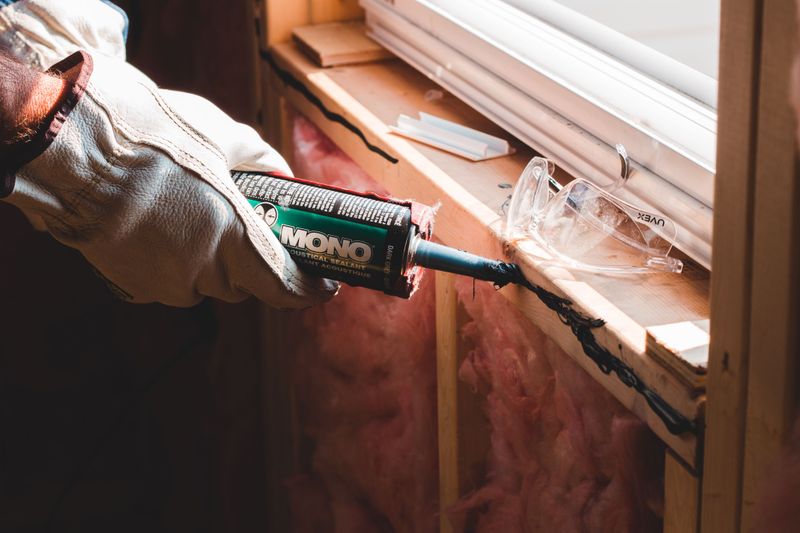
Exclusion beats trapping, and it lasts longer. The idea is to let the residents leave on their own, then close the door behind them.
Start with a daylight inspection. Walk the full perimeter and note gaps at roof returns, vent screens, chimney flashing, porch skirting, and where utility lines enter.
Anything wider than about an inch counts. These squirrels squeeze through openings that look far too small for a mammal.
A one-way door is the humane workhorse. Mount it over the main entry so animals can exit at night but cannot get back in.
Timing matters in Louisiana. Litters are common in late summer and again in late winter, so early September works well if young are already mobile.
If you hear faint squeaking from a nest, wait a few weeks. Separating a mother from dependent young creates a worse problem inside your walls.
Seal with materials they cannot chew through. Half-inch galvanized hardware cloth, sheet metal flashing, and steel wool packed into small gaps all hold up.
Skip expanding foam as a standalone fix. They chew straight through it in a night or two. Trim tree limbs back six to eight feet from the roofline where practical, though remember these animals glide, so trimming alone will not solve it.
Louisiana regulates native wildlife, including flying squirrels, under state law, and rules can change, so confirm current LDWF guidance before trapping, excluding, or relocating them yourself. When in doubt, a licensed nuisance wildlife operator handles it cleanly.
Keeping Them Around, Just Not Under Your Floorboards
Plenty of Louisianans, once they figure out what’s been chirping under the porch, decide they’d rather keep the neighbors than evict them entirely. Good news, you can do both.
Give them a better address. A wooden nest box with a 1.5-inch entrance hole, mounted 12 to 20 feet up on a mature oak, pine, or pecan, reads as a five-star cavity.
Face the hole away from prevailing wind and add a couple inches of wood shavings inside. They often move in within a season.
Leave a snag standing when safety allows. A hollow limb far from the house does more for local wildlife than most yard features.
They eat hickory nuts, acorns, pecans, seeds, mushrooms, tree sap, insects, and bird eggs on occasion. Native trees keep them fed without any help from you.
Bring bird feeders inside at dusk if they’re raiding them. That small habit steers them back toward natural foraging.
Outdoor cats are the biggest local threat to these gliders, so keeping cats indoors at night helps the population more than anything else you can do.
Want to actually see one? Sit quietly on a porch an hour after dark with a red-filtered flashlight and watch tree trunks for movement.
A glide across a moonlit yard is a genuinely startling sight, silent and fast and over in a heartbeat. Seal the house, hang a box, and you get the show without the repair bills.