The Texas Shrubs To Fertilize In September And The Ones To Skip
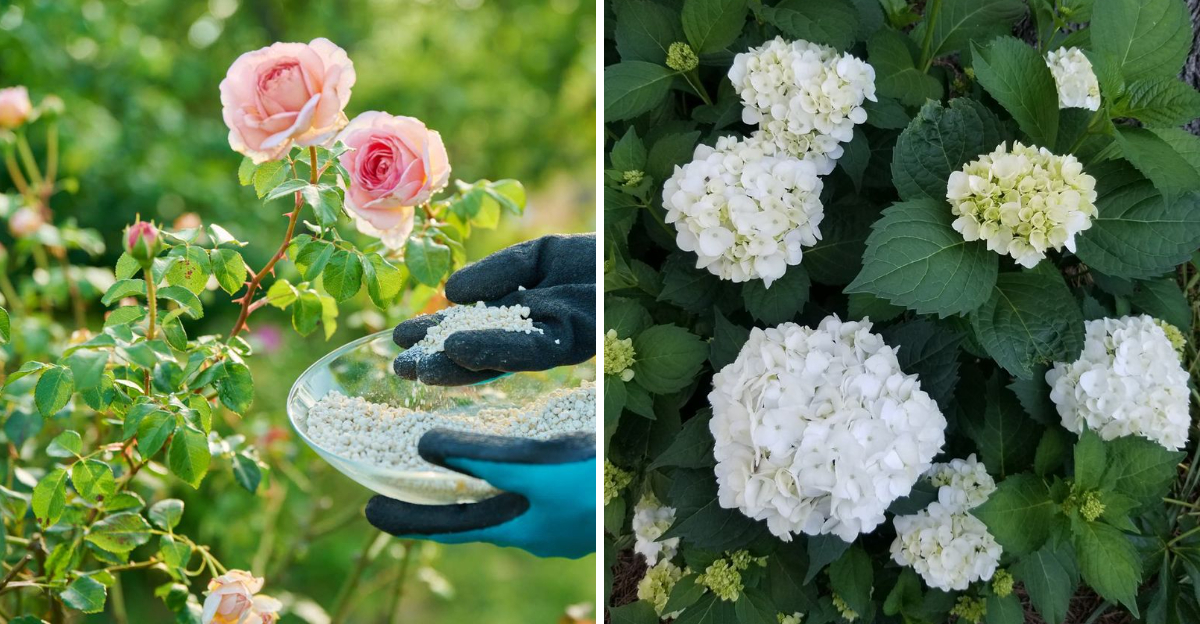
September in Texas brings one of the most important transitions in the gardening calendar.
Temperatures are starting to ease, plants that were in pure survival mode through August are beginning to show signs of renewed energy, and the instinct to give everything a nutritional boost at this moment feels completely reasonable.
But fertilizing in September is not a one size fits all decision. Not even close.
Some Texas shrubs respond beautifully to a September feeding, using the nutrients to push new growth that has time to harden before the first cold arrives and fueling a fall performance that makes the whole season worthwhile.
Others are entering a natural slowdown that fertilizing disrupts in ways that leave them more vulnerable to cold damage, disease, or the kind of stressed soft growth that doesn’t survive a Texas winter in good condition.
The difference between the two categories comes down to growth timing, flowering habit, and how each shrub responds to the specific conditions September in Texas provides.
1. Lantana
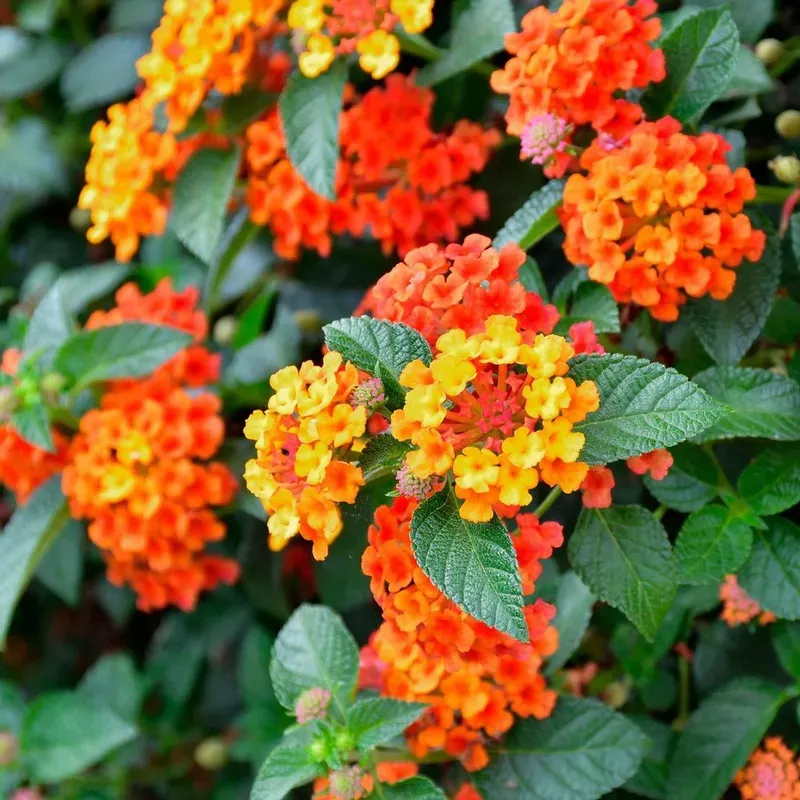
Lantana is one of the toughest, most colorful shrubs you can grow in Texas, and it thrives in the kind of punishing summer heat that wilts everything else. By September, though, even lantana can look a little worn out.
The good news is that as temperatures start to drop slightly, heat-stressed lantana plants can respond really well to a light feeding.
A modest dose of fertilizer in early September can help lantana push out fresh blooms as the season shifts. The key word here is light.
You do not want to go overboard because too much fertilizer, especially anything high in nitrogen, will encourage your lantana to produce a lot of leafy green growth instead of the colorful flowers you want to see.
Look for a fertilizer that is lower in nitrogen and higher in phosphorus if you want to support blooming. Apply it carefully and always water the plant well after feeding.
Lantana is fairly drought-tolerant, but it still needs moisture to process nutrients effectively.
One thing many gardeners do not realize is that lantana blooms on new growth. So encouraging a little new growth in September is not a bad idea, as long as you are not pushing it too hard.
A gentle nudge with fertilizer can produce a beautiful late-season display of color.
Skip the heavy feeding and stick with a light touch. Your lantana will thank you with a burst of blooms that can carry your garden all the way through the warm days that Texas often enjoys well into October and even November.
2. Reblooming Roses
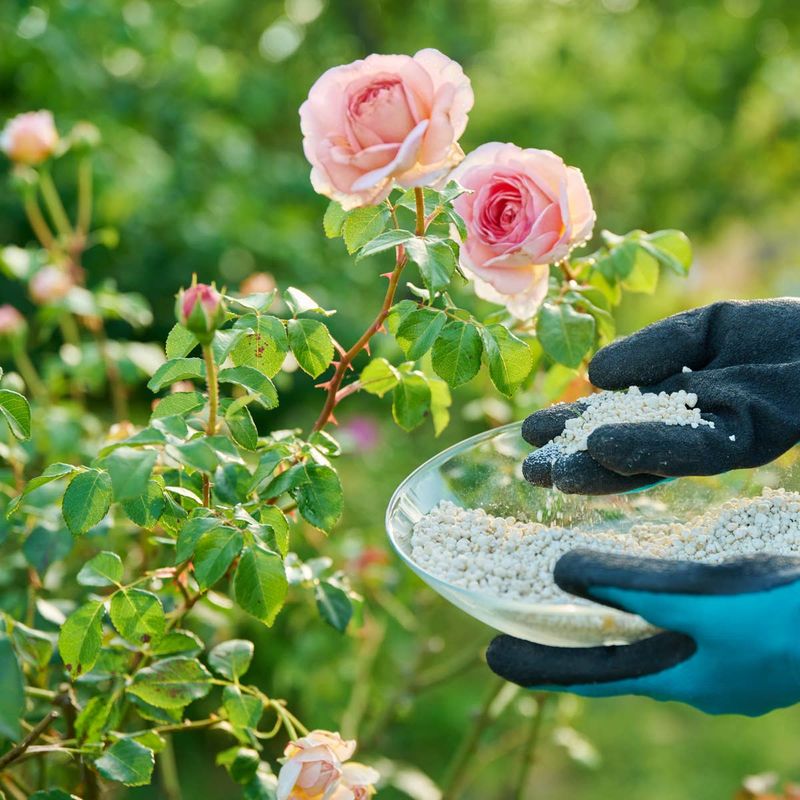
Few things in a Texas garden are as rewarding as watching your roses push out a fresh flush of blooms after a long, brutal summer. Reblooming roses are one of those shrubs that actually benefit from a light feeding in September.
As temperatures start to moderate, these plants are gearing up for their fall flowering season, and a small amount of fertilizer can give them the energy they need to perform at their best.
Your Texas Garden Changes Every Week. Your Plan Should Too.
Gardening in Texas changes quickly throughout the season. Every Friday you’ll receive a simple weekly plan showing exactly what to plant, prune, fertilize, harvest, and protect so you never miss the right timing.
Keep the feeding light. A balanced, slow-release fertilizer works well here because it delivers nutrients gradually without overwhelming the plant.
Heavy feeding at this stage can push too much leafy growth instead of encouraging the blooms you are hoping for.
Watering thoroughly after you fertilize is just as important as the fertilizer itself. Water helps move nutrients down into the root zone where the plant can actually use them.
Without good moisture, even the best fertilizer will not do much good. Timing matters too. Try to fertilize your reblooming roses in early September rather than waiting until the end of the month.
This gives the plant enough time to absorb the nutrients and produce blooms before cooler temperatures slow things down.
Roses can be a little fussy, but they reward careful attention. Watch for new growth and bud formation in the weeks following your feeding.
If you see healthy green stems and buds forming, you are on the right track. A well-timed September feeding can turn a tired, heat-stressed rose bush into a stunning fall showpiece that keeps your yard looking great well into October.
3. Autumn Sage
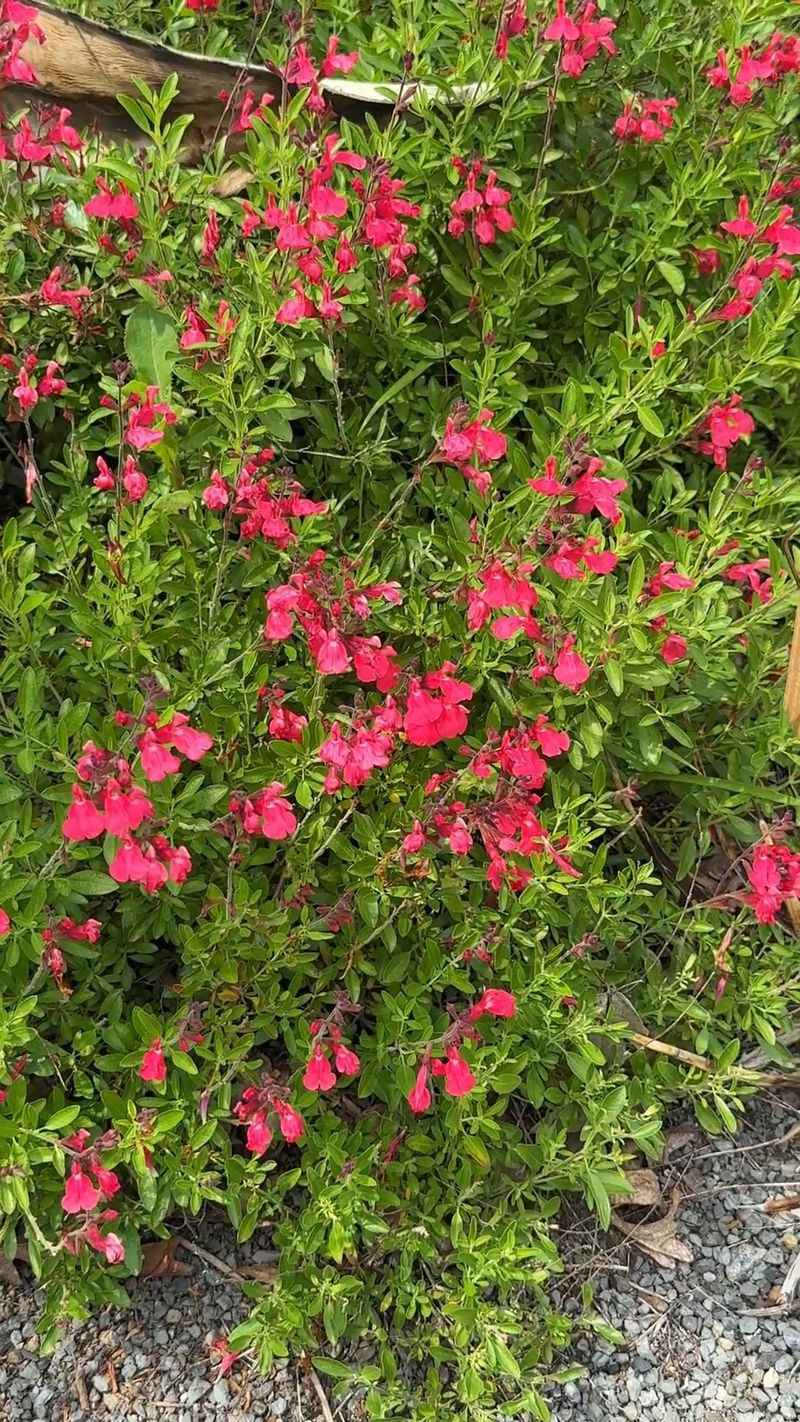
Autumn sage has a name that practically tells you everything you need to know about when it shines.
This Texas-friendly native shrub is built for fall, and in the warmer parts of the state, a light feeding in September can help it put on a spectacular show of red, pink, or coral blooms.
Hummingbirds love it, and once you see it covered in flowers against a blue Texas sky, you will understand why so many gardeners swear by it.
In warmer regions of Texas, like South Texas and the Hill Country, autumn sage can benefit from a modest fertilizer application in early September. The slightly cooler nights signal the plant to start flowering more actively, and a little extra nutrition can support that process.
Use a balanced, light fertilizer and avoid anything too heavy in nitrogen. However, there is an important exception to keep in mind. If your autumn sage is already growing strongly and blooming well on its own, skip the fertilizer entirely.
These plants are adapted to lean, well-drained soils and do not need much help when they are already performing. Adding fertilizer to a plant that is already thriving can actually cause problems by pushing unnecessary growth.
Always pay attention to what your plant is telling you. A shrub that looks lush, green, and full of buds does not need extra feeding. Save your fertilizer for the plants that look like they could use a little encouragement.
Autumn sage is low-maintenance by nature, and respecting that quality is part of what keeps it healthy and vibrant season after season.
4. Texas Sage
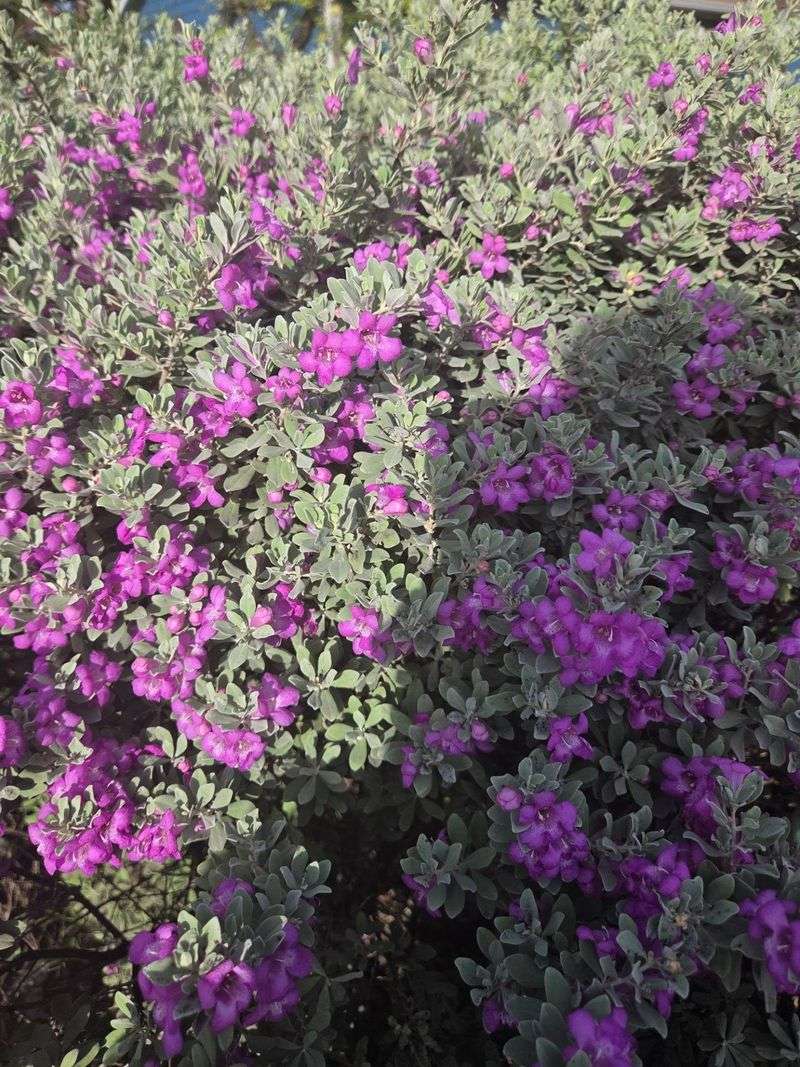
Texas sage, also called cenizo or purple sage, is one of those plants that seems almost magical. It blooms after rainfall without any help from gardeners, and it thrives in some of the harshest, driest conditions Texas has to offer.
If you have ever driven through West Texas or the Hill Country and seen roadsides covered in purple blooms after a summer storm, you have seen Texas sage doing what it does best.
September is not the month to fertilize Texas sage, and here is why. This shrub is a native plant that has evolved to grow in poor, lean, rocky soil.
It does not need or want extra nutrients. Fertilizing it can actually encourage weak, floppy growth that looks out of place and makes the plant more vulnerable to stress.
Texas sage is a classic example of a plant that thrives on neglect. The less you interfere with it, the better it performs.
Good drainage, full sun, and no extra feeding are really all it needs to stay healthy and bloom reliably year after year.
Gardeners who try to pamper Texas sage with fertilizer often end up disappointed. The plant may produce a flush of soft, weak stems that do not hold up well.
Worse, that extra growth can make it harder for the plant to handle temperature swings as fall progresses.
If you want to support your Texas sage this September, focus on making sure it has excellent drainage and is not being overwatered. That is the real key to keeping this tough, beautiful native looking its best through fall and into the cooler months ahead.
5. Azaleas
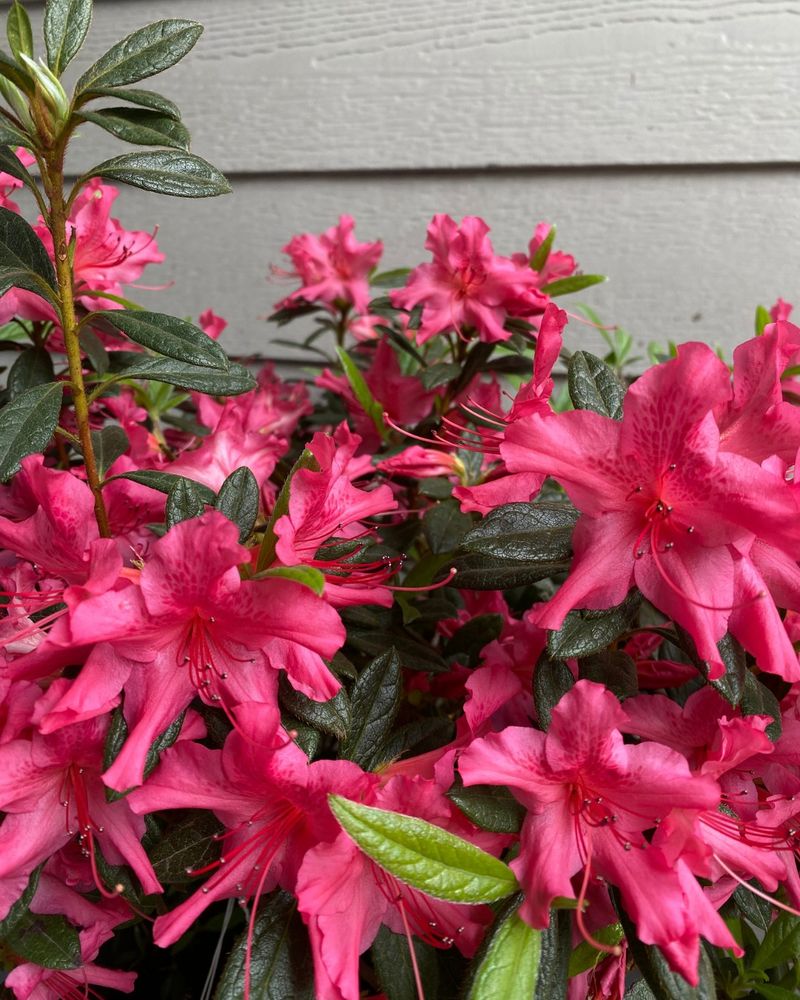
Azaleas are beloved by Texas gardeners for their spectacular spring blooms, and keeping them healthy year-round takes some planning. September, however, is one of the worst times to reach for the fertilizer bag.
Feeding azaleas this late in the growing season can stimulate a flush of tender new growth that simply is not ready to handle the temperature drops that fall brings.
That soft, new growth is vulnerable. It has not had time to harden off, which means a sudden cold snap can cause real damage to the stems and buds that your plant needs for next spring.
Protecting those buds is essential if you want a stunning bloom display when spring rolls around again.
Azaleas have a specific feeding window that works best for their growth cycle. Most experts recommend fertilizing azaleas in early spring after they finish blooming, and then again in early summer if needed.
By the time September arrives, their feeding season is essentially over for the year.
Instead of fertilizing in September, focus on other forms of care. Make sure your azaleas have a good layer of mulch around the base to help retain moisture and regulate soil temperature.
Keep the soil consistently moist but never waterlogged, since azaleas are sensitive to both drought and standing water.
Think of September as a rest month for your azaleas. They have worked hard all year, and now they need time to settle in and get ready for the cool season.
Give them water, mulch, and a little patience, and they will reward you beautifully come spring.
6. Bigleaf Hydrangeas
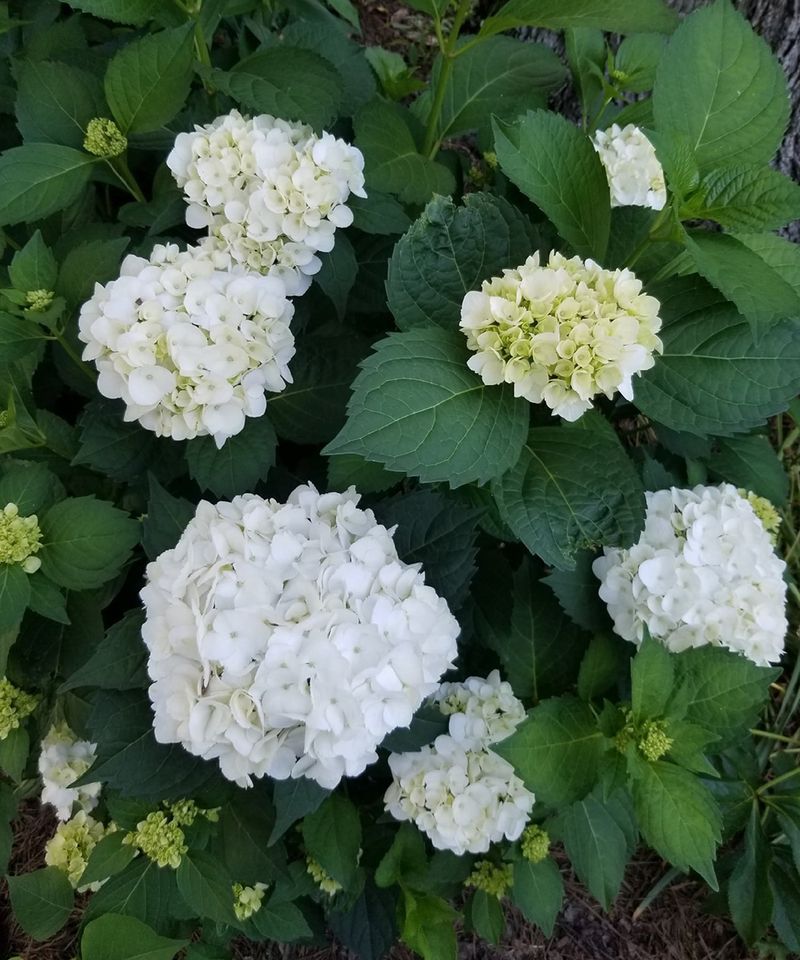
Bigleaf hydrangeas, with their big, showy flower clusters, are a favorite in Texas gardens, especially in the eastern and northern parts of the state where summers are slightly less extreme.
By September, these plants are starting to wind down from their summer blooming period and beginning the slow process of preparing for cooler weather. That transition is important, and fertilizing right now can actually work against it.
Feeding bigleaf hydrangeas in September can push a flush of tender new growth at exactly the wrong time. As the plant should be slowing down and toughening up for fall, fresh fertilizer signals it to keep growing.
That new growth is soft and vulnerable, and an early frost or cold snap can cause serious harm to those stems.
Instead of fertilizing, shift your focus to moisture management. Bigleaf hydrangeas need consistent watering, especially during warm September days.
Keeping the soil evenly moist helps the plant stay healthy without pushing unwanted growth.
Protecting the healthy stems you already have is also a priority this month. Those stems are what carry next year’s bloom buds in many bigleaf hydrangea varieties.
Keeping them intact and undamaged through fall and winter is one of the most important things you can do for a good spring display.
A layer of mulch around the base of the plant can help insulate the roots and retain moisture as temperatures start to shift. Skip the fertilizer bag for now and focus on steady, consistent care.
Your hydrangeas will be much better positioned to thrive when warmer weather returns next year.
7. Wax Myrtle
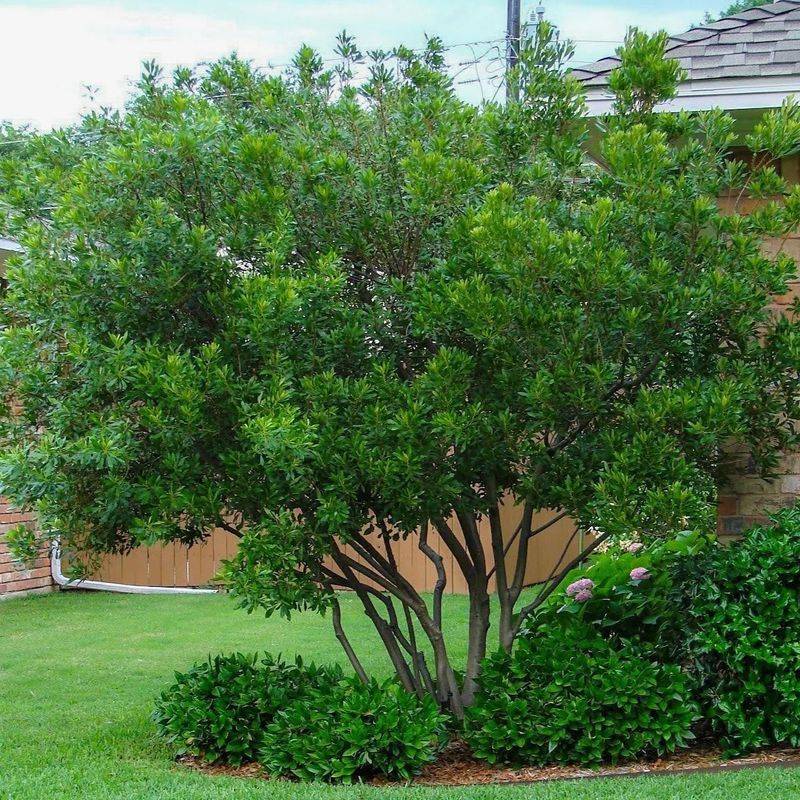
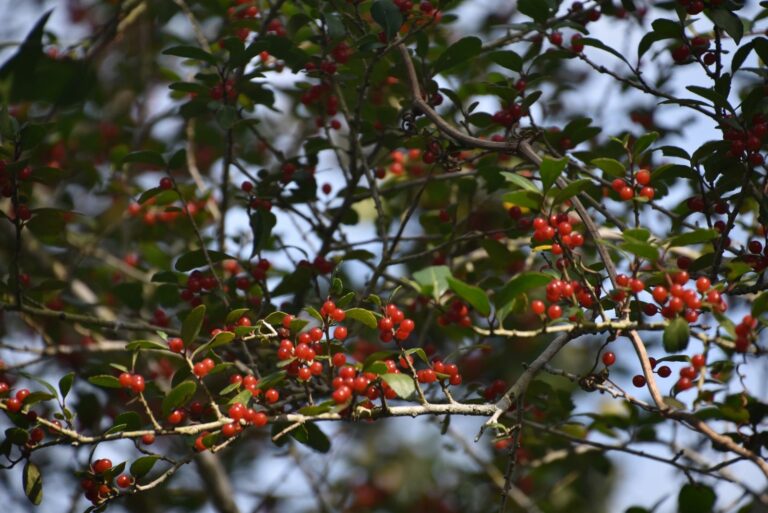
Wax myrtle is a workhorse of the Texas landscape. It grows fast, handles both wet and dry conditions, provides excellent wildlife habitat, and stays green year-round.
Established wax myrtles are so self-sufficient that they honestly do not need much attention from gardeners, and September is definitely not the month to start fertilizing them.
Mature, established wax myrtles have deep root systems that can access nutrients and moisture on their own.
A September fertilizer application would likely just push a surge of new, soft growth at a time when the plant should be slowing down and getting ready for cooler temperatures.
That new growth is more vulnerable to cold damage, which becomes a real concern as fall progresses.
In North and Central Texas especially, an early freeze can arrive before you expect it. Wax myrtle that has been pushed into active growth by late fertilizing is at greater risk when temperatures suddenly drop.
The plant is much better off heading into fall in a steady, settled state rather than actively pushing new stems.
If your wax myrtle looks healthy and full, just leave it alone this month. These plants are naturally adapted to Texas conditions and do not need extra encouragement to perform well.
Focus on watering during any dry spells and making sure the area around the base is clear of weeds that compete for moisture.
Wax myrtle earns its reputation as a low-maintenance, reliable Texas native by being tough and independent. Respecting that quality by skipping the September fertilizer is one of the best things you can do to keep it thriving through fall and into winter.