What To Do If You’re Bitten By A Black Widow In Your California Garden
One careless reach behind a planter can turn an ordinary afternoon in your California garden into a very uncomfortable surprise.
Black widows favor quiet, sheltered spaces, which means a bite may happen while moving pots, clearing clutter, or working somewhere you never expected to share with a spider.
The first reaction is often a mix of panic and questions. How serious is it? What symptoms matter? Should you treat the spot yourself, call someone, or head straight for medical care?
Not exactly the decision-making exercise you planned between watering and weeding.
Black widow bites deserve attention, but the situation can unfold differently depending on the person, the symptoms, and how much time has passed.
That makes knowing the appropriate response especially important when every new sensation suddenly feels suspicious.
Quick thinking can make a stressful moment easier to handle. If a black widow bites you while you are working outside, knowing what to watch for and which steps matter most can help you respond with less guesswork and a lot more confidence.
1. Wash The Bite Area With Soap And Water
Right after a black widow bites you, your first move should be to clean the area thoroughly. Washing with soap and water is simple, but it is one of the most effective first steps you can take.
It helps remove any venom that may still be sitting on the surface of your skin. Use warm water if you can. Scrub the area gently with regular hand soap for at least 20 to 30 seconds.
Do not scrub too hard because that could irritate the skin and make swelling worse. Rinse well and pat the area dry with a clean cloth.
Cleaning the bite also lowers the risk of infection. Spider bites can sometimes introduce bacteria into the skin, especially if you have been working in the dirt.
Keeping the wound clean gives your body a better chance to fight back without extra problems.
After washing, try not to touch or scratch the bite. Your hands carry germs that can slow down healing.
If you have a clean bandage, you can loosely cover the area to protect it. Do not wrap it too tightly.
This quick and easy step sets a solid foundation for everything else you will do next to take care of yourself safely.
2. Apply A Cold Pack To Help With Pain And Swelling
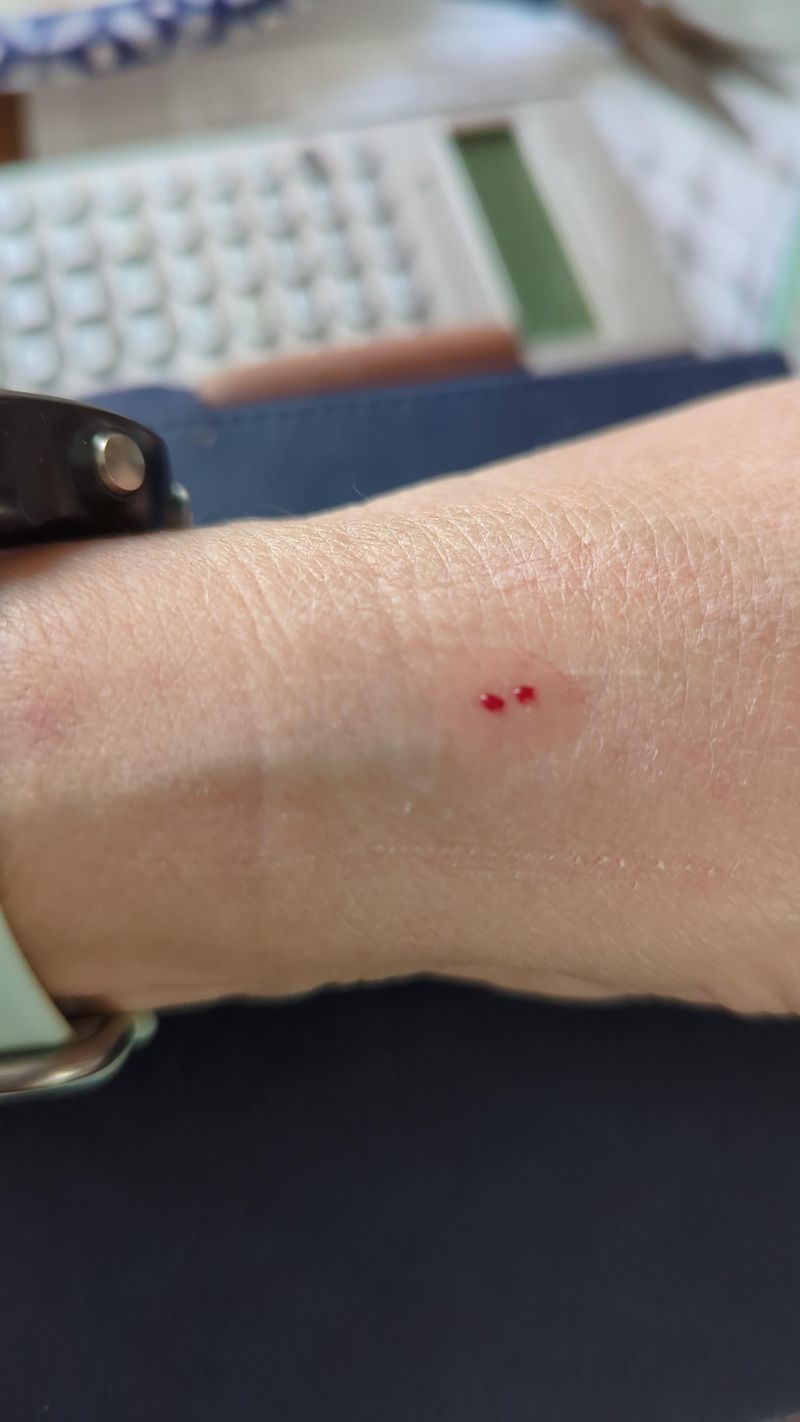
Pain and swelling are two of the most common reactions after a black widow bite. Applying a cold pack right away can bring real relief.
The cold slows down blood flow to the area, which helps reduce both swelling and the sharp, burning pain that often comes with the bite.
Grab a bag of ice or a cold pack from your freezer. Wrap it in a thin towel or cloth before placing it on your skin.
Never put ice directly on a bite because it can cause frostbite, especially if your skin is already irritated or sensitive from the venom.
Hold the cold pack on the bite for about 10 to 15 minutes at a time. Take a break for a few minutes, then apply it again if needed.
Your California Garden Changes Every Week. Your Plan Should Too.
Gardening in California changes quickly throughout the season. Every Friday you’ll receive a simple weekly plan showing exactly what to plant, prune, fertilize, harvest, and protect so you never miss the right timing.
Repeating this process can help manage discomfort while you wait for medical help or while you are on the phone with Poison Control.
Cold therapy works best when used early. The sooner you apply it, the more effective it tends to be. Keep in mind that this step manages symptoms but does not treat the venom itself.
3. Stay Calm And Limit Unnecessary Movement
Staying calm after a black widow bite might sound easier said than done, but it genuinely matters for your health. When you panic, your heart beats faster.
A faster heart rate can push venom through your bloodstream more quickly, which may make symptoms worse in a shorter amount of time.
Find a comfortable place to sit or lie down. Try to keep the bitten limb lower than your heart if possible.
Avoid running around or doing any heavy lifting. The goal is to slow down your circulation just enough to give your body time to respond without spreading the venom rapidly.
Take slow, steady breaths. Breathing deeply can help your nervous system settle down and reduce the anxious feeling that comes with any scary situation.
If someone is with you, ask them to stay close and help you stay focused. Having support nearby makes staying calm much easier.
Limiting movement is especially helpful in the first 30 minutes after the bite. Use that time to clean the wound, apply cold, and call for help.
Do not try to drive yourself to the hospital if you are alone and already feeling symptoms. Resting and letting others assist you is the smarter and safer choice. Your body is working hard, so give it the stillness it needs right now.
4. Call Poison Control For Immediate Guidance
One of the smartest things you can do after a black widow bite is call Poison Control right away.
The number in the United States is 1-800-222-1222, and it is available 24 hours a day, seven days a week. You do not need to wait for symptoms to get bad before you call.
Poison Control specialists are trained to handle exactly this kind of situation. They will ask you a few questions about the bite, your symptoms, your age, and your weight.
Based on your answers, they can tell you whether you need to go to the emergency room or if you can manage things at home for now.
Be honest and specific when you talk to them. Tell them where on your body you were bitten, how long ago it happened, and what symptoms you are feeling.
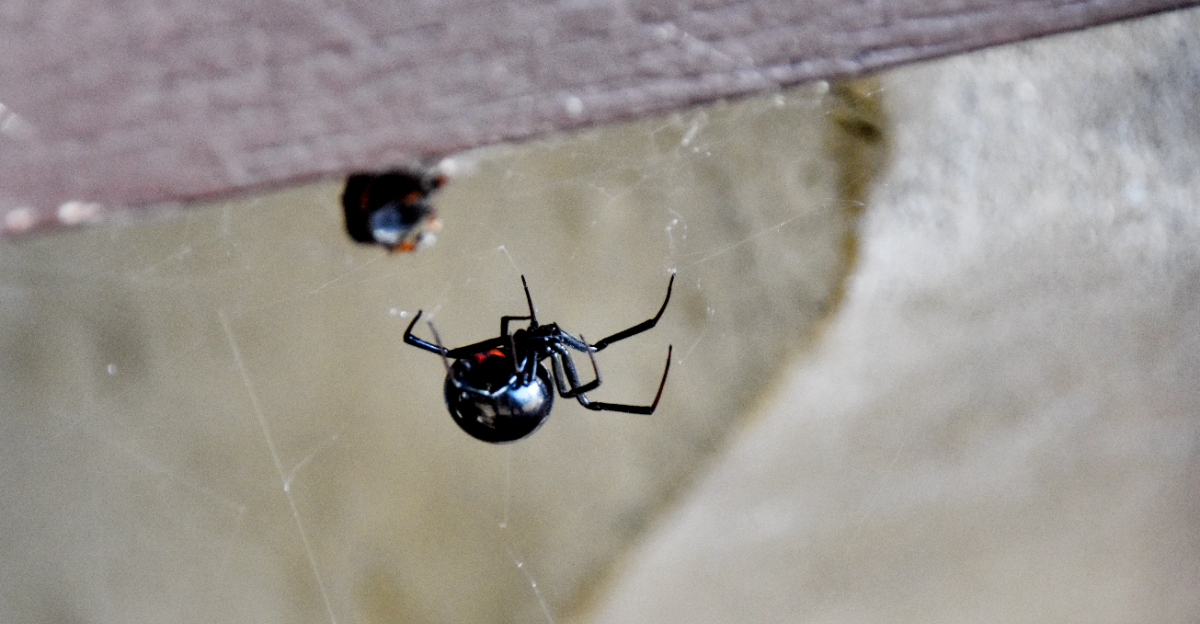
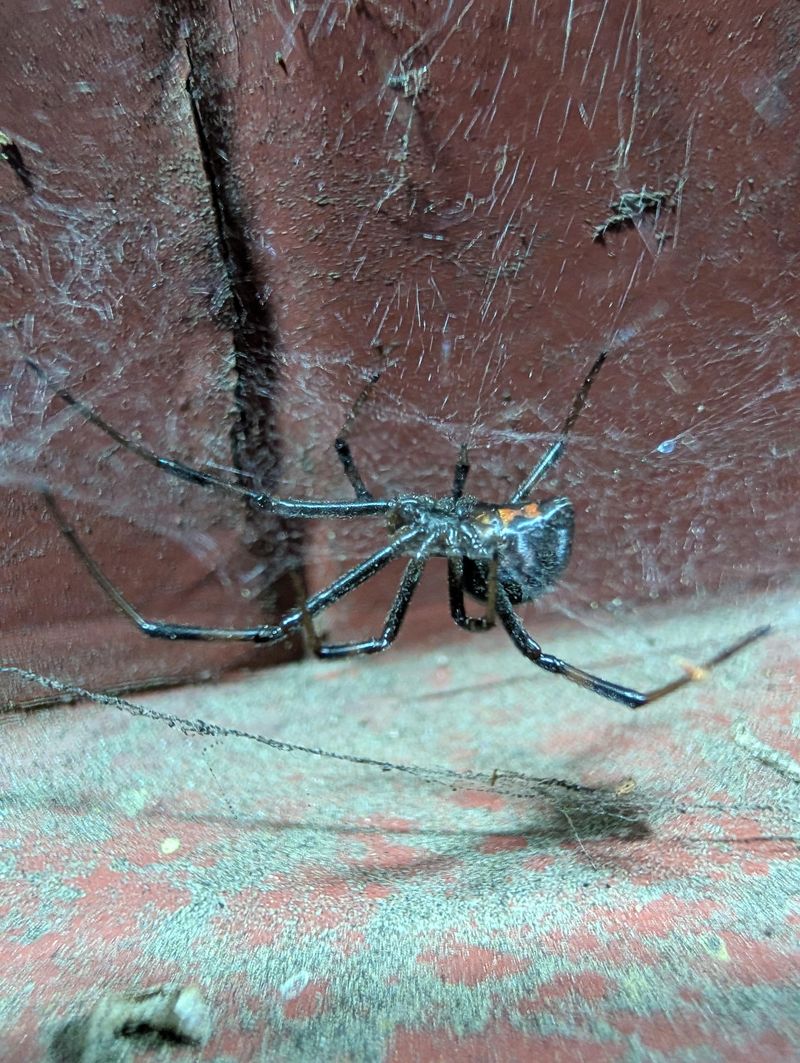
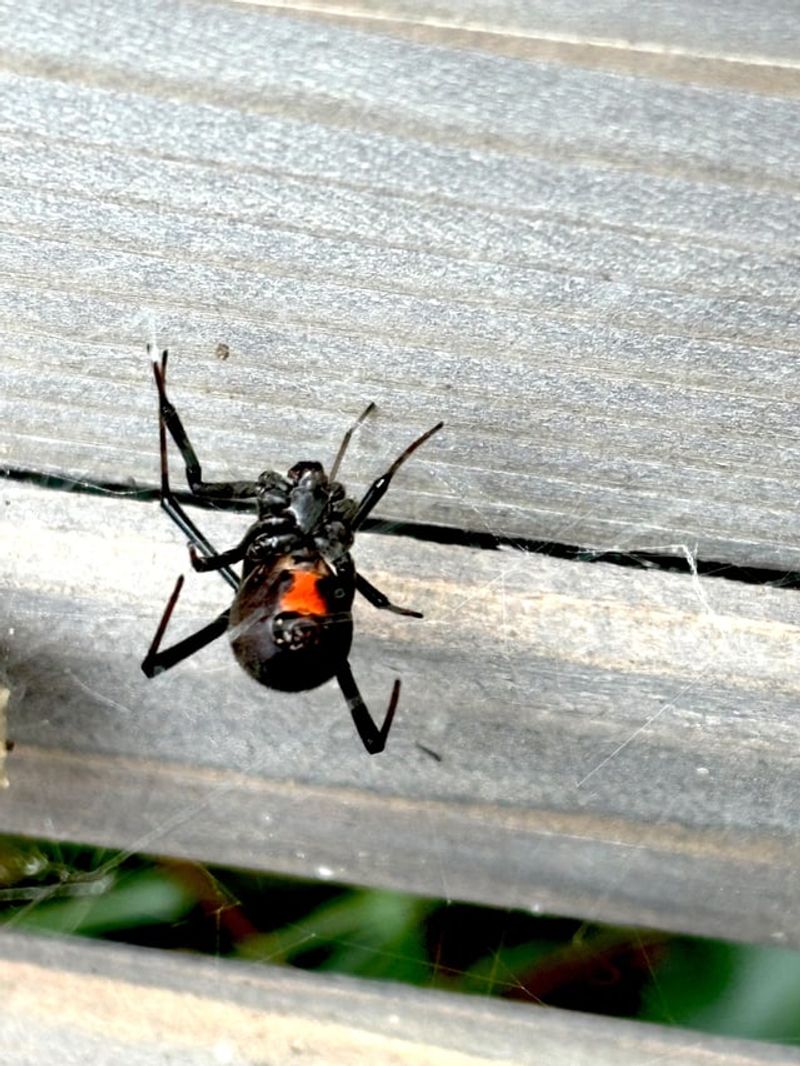
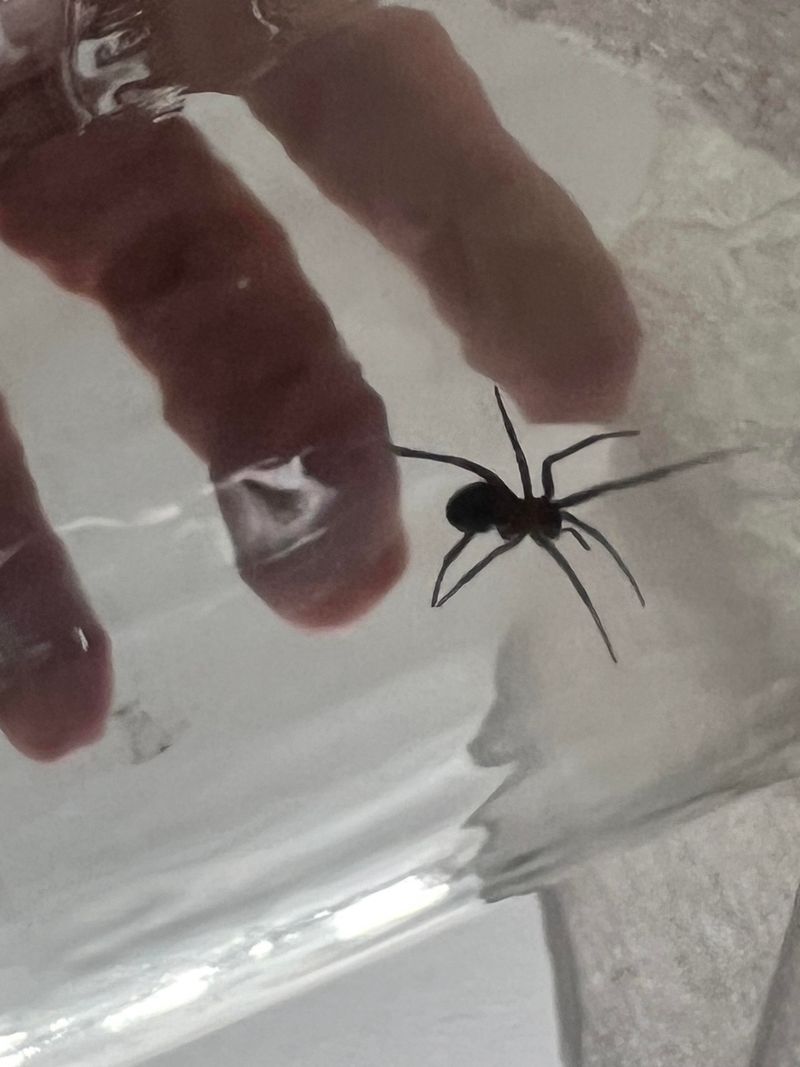
If you saw the spider, describe it as best as you can. A black widow is usually shiny and black with a red hourglass shape on its belly.
Following the guidance of a Poison Control expert can save you a lot of time and stress. They may recommend you head straight to the hospital, or they might walk you through safe home steps while monitoring your condition.
Either way, their advice is based on real medical knowledge and is completely free to access anytime you need it.
5. Watch For Severe Muscle Pain Or Cramping
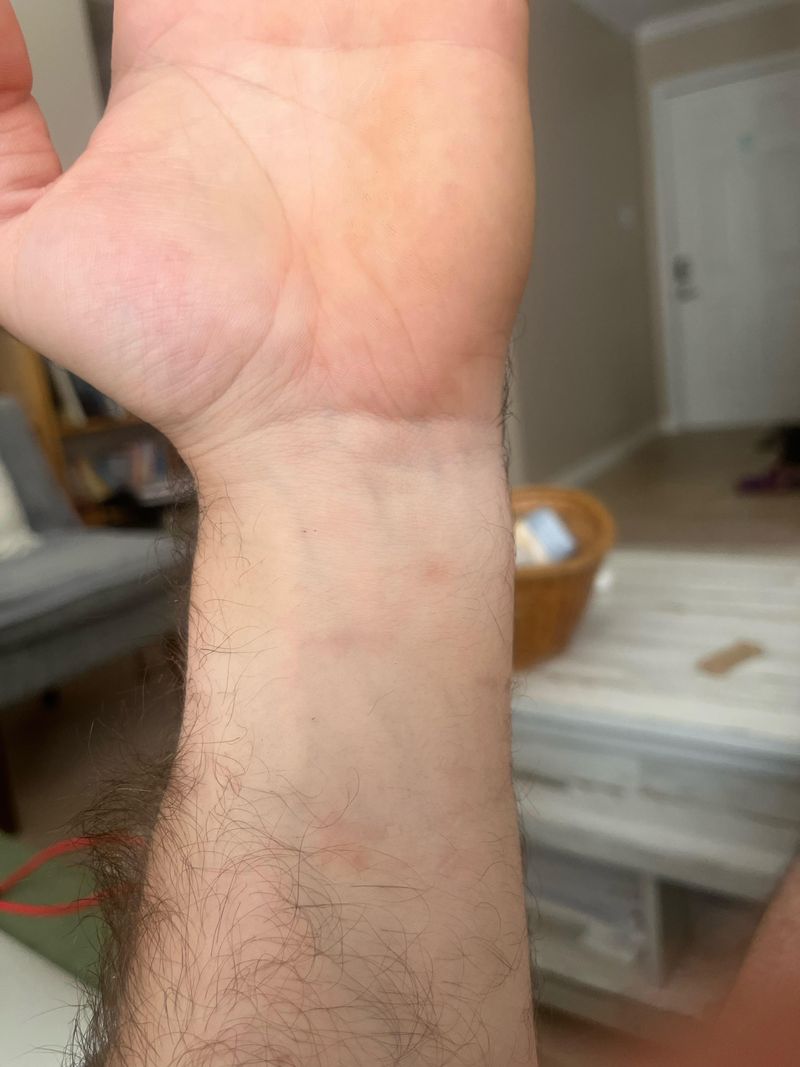
Muscle pain and cramping are among the most telling signs that black widow venom is affecting your body. This type of pain often starts near the bite and then spreads outward.
Many people report intense cramping in their abdomen, back, or chest within 30 minutes to a few hours after the bite.
Pay close attention to how your body feels after you have cleaned the bite and called for help.
If you notice your muscles tightening up or spasming in waves, that is a strong signal that the venom is active in your system. Write down when the pain started and which parts of your body are affected.
Sharing this information with medical professionals will help them treat you faster and more accurately. Muscle cramping from a black widow bite can sometimes be confused with other conditions, so being specific about your symptoms makes a big difference.
Tell them if the pain feels like squeezing, burning, or sharp stabbing sensations.
Over-the-counter pain relievers might offer some minor comfort, but they are not strong enough to fully address venom-related muscle pain. Medical treatment, which may include prescription muscle relaxants or antivenom, is often needed for serious cramping.
Do not try to push through severe muscle pain on your own. Seeking care quickly leads to a much smoother and faster recovery for most people.
6. Nausea And Sweating Can Mean The Venom Is Affecting You
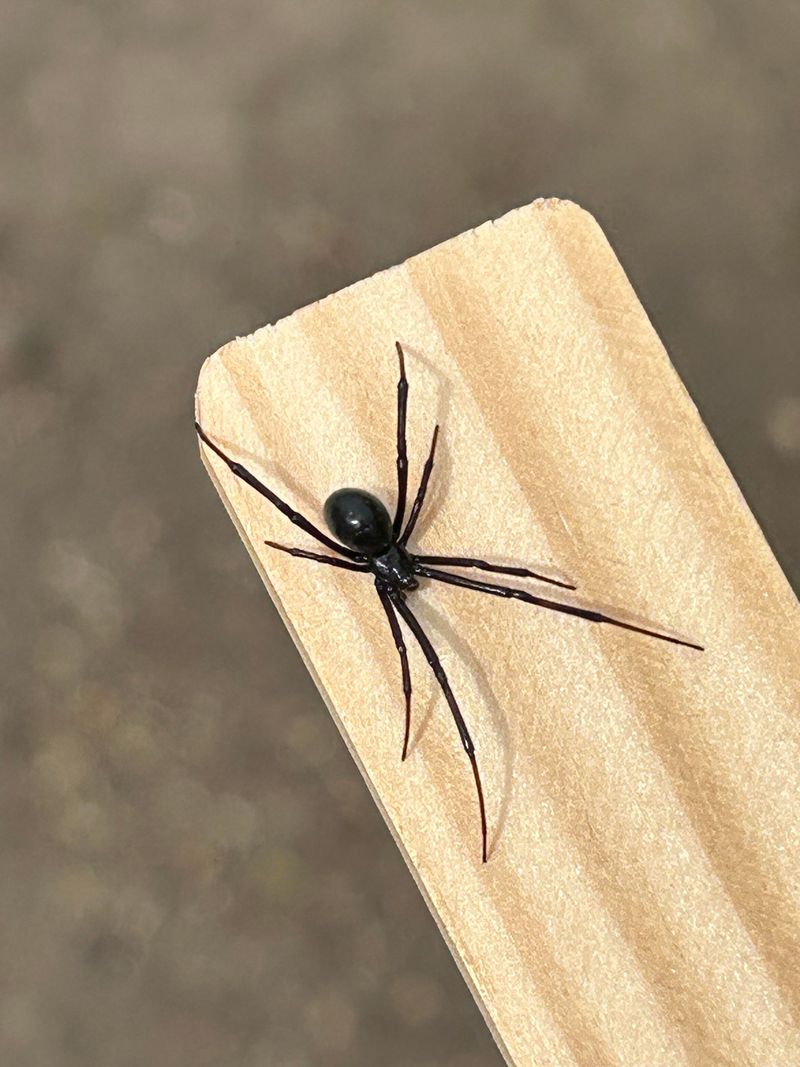
Not everyone bitten by a black widow will feel sick right away, but nausea and sweating are two signs that the venom is starting to work through your system.
These symptoms often show up within an hour of the bite and can feel similar to having the flu or a bad stomach bug.
Black widow venom attacks the nervous system, and that can trigger a range of physical reactions.
Sweating heavily without physical activity, feeling queasy, or even vomiting are all responses your body may have as it tries to deal with the venom. These are not signs to brush off or wait out alone.
If you start feeling nauseous, sit or lie down in a safe and comfortable position. Sip small amounts of water if you can keep it down.
Avoid eating anything heavy until you have spoken with a medical professional. Trying to eat a full meal while feeling sick can make nausea worse.
Keep track of when these symptoms started and how strong they feel. Mild nausea that stays mild may be manageable at home under medical guidance.
But if nausea comes on fast and strong, or if you are sweating a lot without any clear reason, treat it as a warning sign.
Contact Poison Control or go to a medical facility right away. Your body is telling you something important, and listening to it quickly matters a lot.
7. Seek Medical Care If Symptoms Start Getting Worse
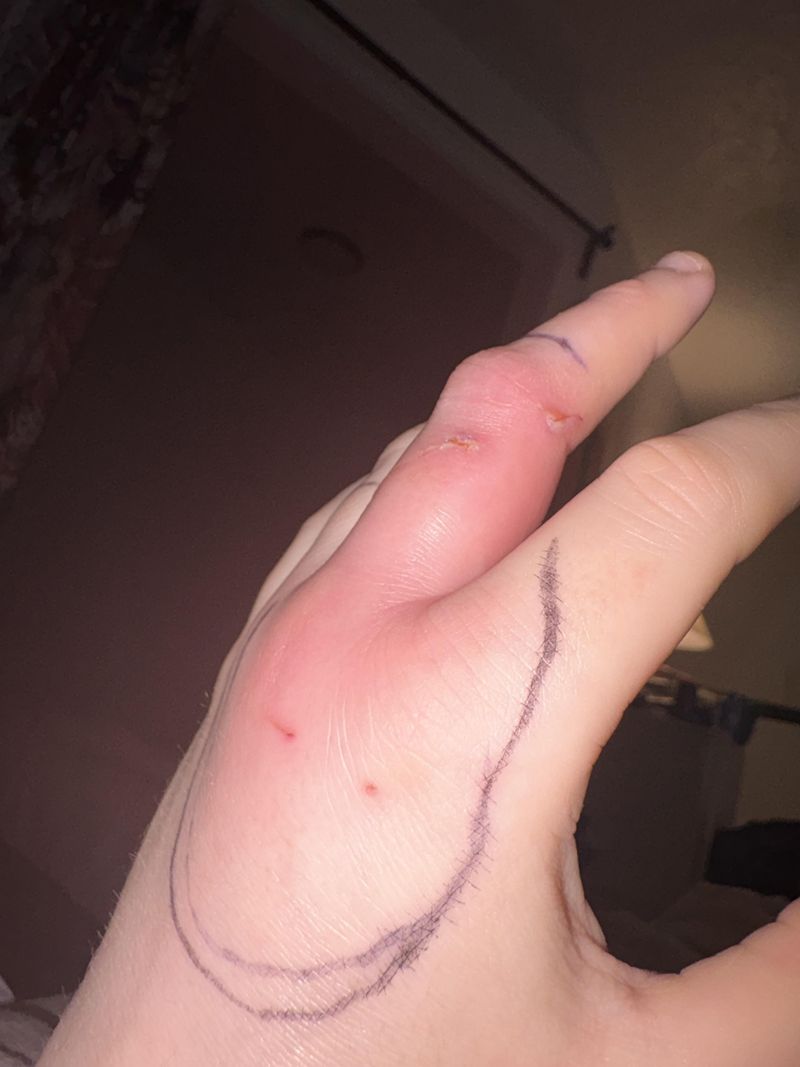
Sometimes a black widow bite starts out feeling mild but gets worse over time. That change in symptoms is your body telling you that it needs professional help.
Do not wait too long hoping things will improve on their own. Getting to a clinic or emergency room sooner is almost always the better choice.
Symptoms that get worse over time can include spreading pain, increasing muscle stiffness, dizziness, or a feeling of weakness throughout your body.
Some people also notice their heart beating irregularly or feel a tightness in their chest. Any of these changes mean you need to be evaluated by a doctor.
When you arrive at a medical facility, tell the staff right away that you were bitten by a black widow. Show them the bite site and share the timeline of your symptoms.
If you took any photos of the spider, show those too. The more information the medical team has, the faster they can put together the right treatment plan.
Treatment for a serious bite may include intravenous fluids, pain management, muscle relaxants, or antivenom in more severe cases. Most healthy adults recover well with proper care.
Children, elderly individuals, and people with certain health conditions may need closer monitoring.
In California, hospitals in most areas are familiar with black widow bites and are well-equipped to handle them effectively and safely.
8. Call 911 For Trouble Breathing Or Severe Reactions
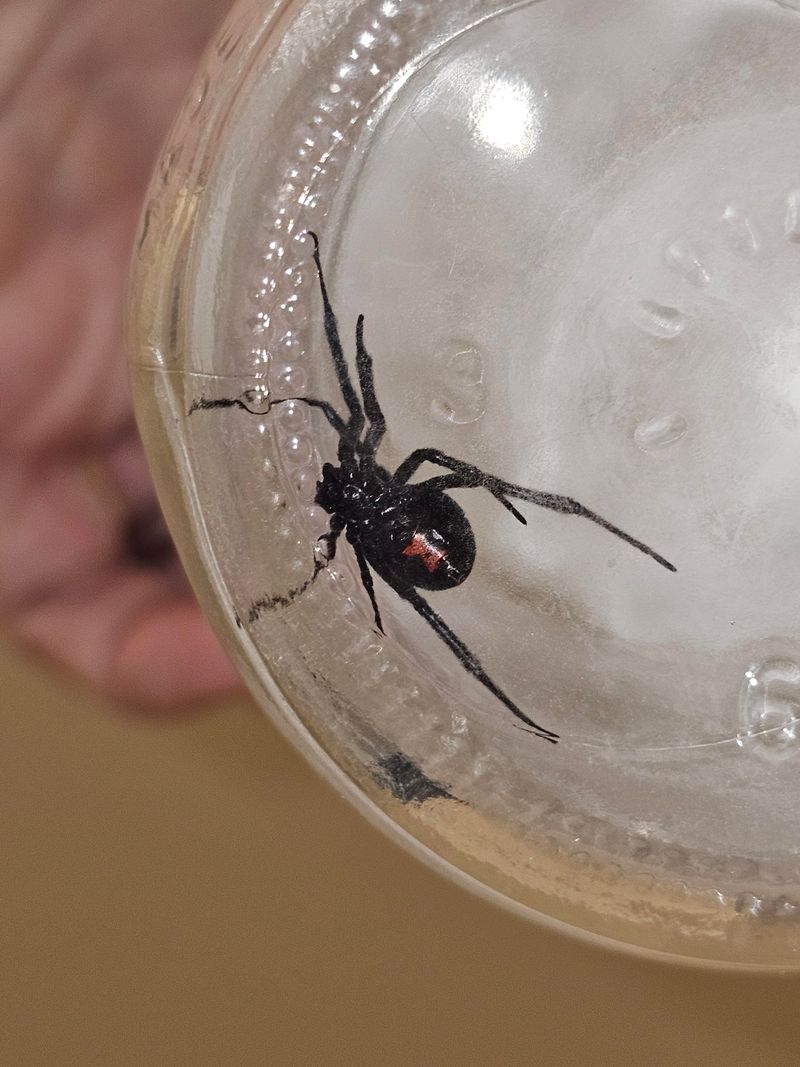
If you or someone with you starts having trouble breathing after a black widow bite, call 911 immediately. Difficulty breathing is a serious symptom that means the body is having a strong reaction to the venom.
Do not drive to the hospital in this situation. Wait for emergency help to come to you.
Other reasons to call 911 right away include loss of consciousness, a very fast or irregular heartbeat, severe chest tightness, or a sudden drop in blood pressure.
These are signs of a severe systemic reaction, and they require emergency medical treatment that only trained paramedics and hospital staff can provide.
While waiting for the ambulance, keep the person calm and still. Loosen any tight clothing around the neck, chest, or waist.
Do not give them food, water, or any medications unless a 911 operator specifically tells you to. Follow the instructions of the emergency operator carefully until help arrives.
Black widow bites rarely cause life-threatening reactions in healthy adults, but young children, older adults, and people with heart or respiratory conditions face higher risks. In California, emergency services are well-trained to respond to venomous bites.
Acting fast by calling 911 at the first sign of a severe reaction gives the affected person the best possible chance of a safe and full recovery. Do not hesitate, because every minute counts in a true emergency.