More Dragonflies In Your Texas Garden Means Fewer Mosquitos This Summer

Mosquitoes have turned Texas backyards into their personal buffet, and no amount of citronella seems to slow them down. Sprays wash off, yet the bites keep piling up night after night.
A silent hunter already patrols the airspace above most Texas yards, snapping mosquitoes out of the sky with almost unfair precision. Dragonflies don’t need an invitation printed on paper, just the right plants and a place to perch.
Texas gardens that attract these fliers see mosquito numbers drop without a single chemical spray. The insects handle the pest control, and homeowners just handle the setup.
Small adjustments to your yard’s layout can turn dragonflies from occasional visitors into permanent residents. Evenings on the patio start feeling different when the buzzing finally quiets down.
Dragonflies Are Nature’s Mosquito Control
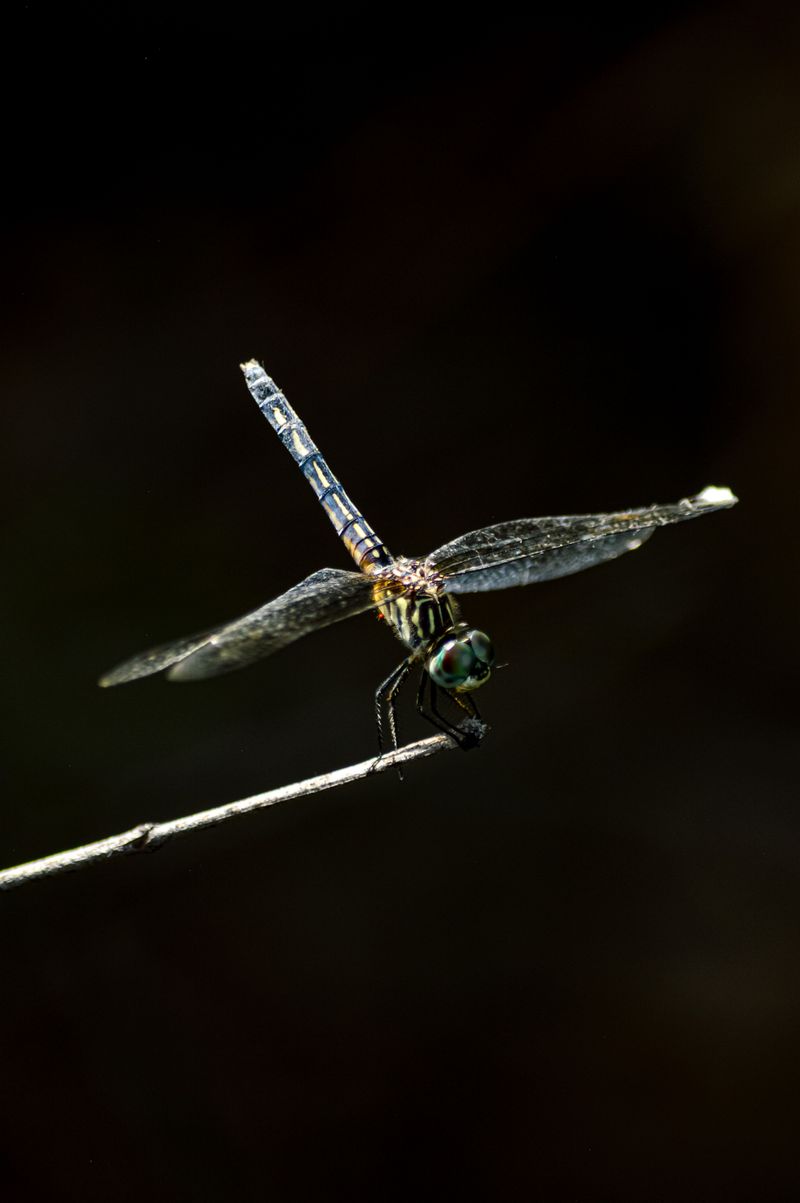
Pound for pound, dragonflies are among the most effective hunters on Earth. Studies show they catch up to 95 percent of the prey they chase.
Mosquitos make up a huge portion of a dragonfly’s diet. One adult dragonfly can consume dozens of mosquitos in a single afternoon of hunting.
What makes them such effective predators is their eyesight. Their large compound eyes give them nearly 360-degree vision, so almost nothing escapes their attention.
They also fly with extraordinary precision. Dragonflies can hover, dart sideways, and change direction mid-flight faster than most insects can react.
Even in the larval stage, these creatures are relentless hunters. Dragonfly nymphs live underwater and feed aggressively on mosquito larvae before either insect ever takes flight.
That means a single dragonfly controls mosquito populations at two different life stages. Few pesticides can match that kind of double-action coverage.
Dragonflies have been perfecting this hunting strategy for over 300 million years. They were patrolling wetlands long before dinosaurs walked the planet.
For Texas gardeners battling summer mosquito swarms, this ancient predator is the most powerful ally available. Welcoming more dragonflies into your outdoor space is one of the smartest moves you can make this season.
Key Factors That Draw Dragonflies To Your Yard
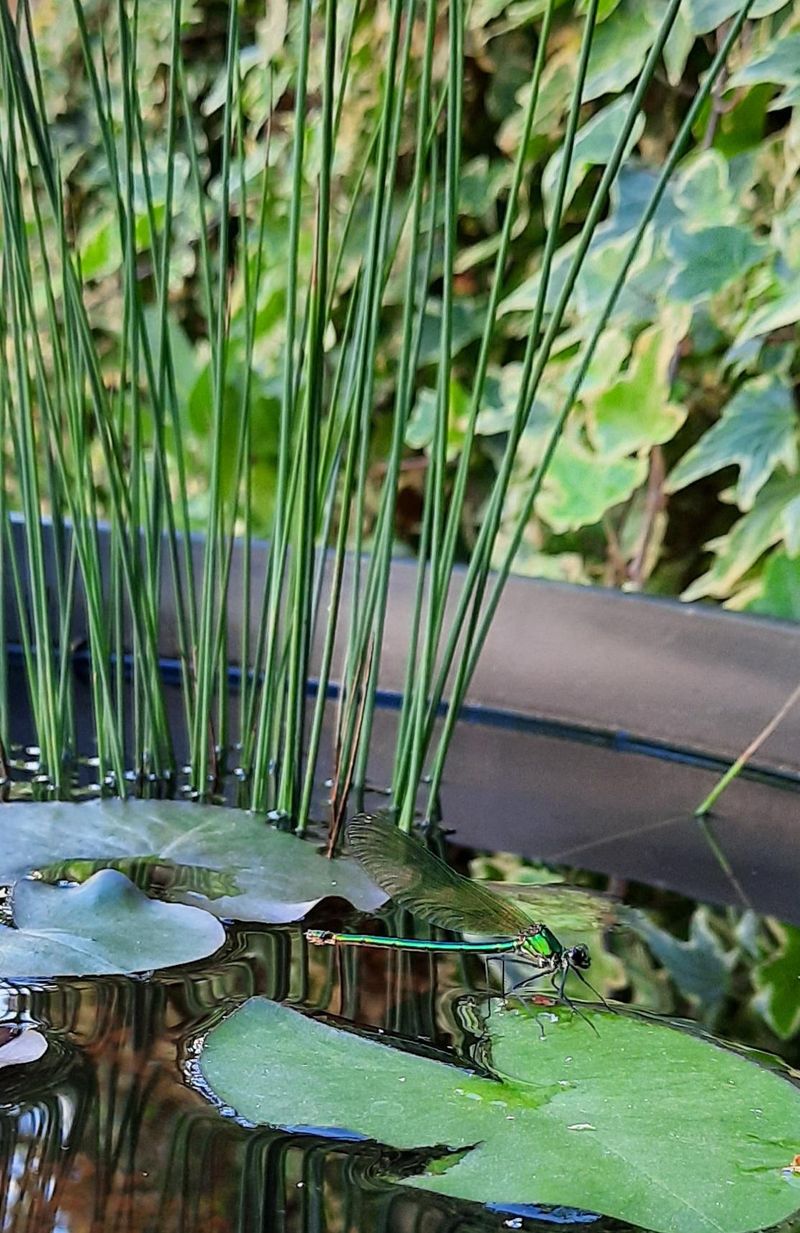
Dragonflies are not random wanderers. They show up in places that meet very specific needs, and understanding those needs puts you in control.
The number one draw is water. Dragonflies breed near still or slow-moving water, so any yard with a pond or water feature becomes prime real estate for them.
Sunlight matters just as much as moisture. These insects are cold-blooded, so they seek out warm, sunny spots to regulate their body temperature throughout the day.
Open flying space is another key factor. Dragonflies need room to hunt, so cluttered or heavily shaded yards tend to see fewer of them passing through.
Tall perches near water are also important. Dragonflies love to land on sticks, reeds, or garden stakes to rest and scan for prey between hunting runs.
They also respond to the presence of other dragonflies. Spotting one in your yard often signals to others that the area is a good territory worth claiming.
Avoiding chemical pesticides is critical if you want them to stay. Broad-spectrum sprays eliminate the very insects dragonflies depend on for food, leaving your yard feeling empty.
Your Texas Garden Changes Every Week. Your Plan Should Too.
Gardening in Texas changes quickly throughout the season. Every Friday you’ll receive a simple weekly plan showing exactly what to plant, prune, fertilize, harvest, and protect so you never miss the right timing.
Creating a yard that checks all these boxes takes some planning, but none of it is complicated. Small, intentional changes can turn an average backyard into a dragonfly magnet almost overnight.
Water Features That Attract Dragonflies Fast
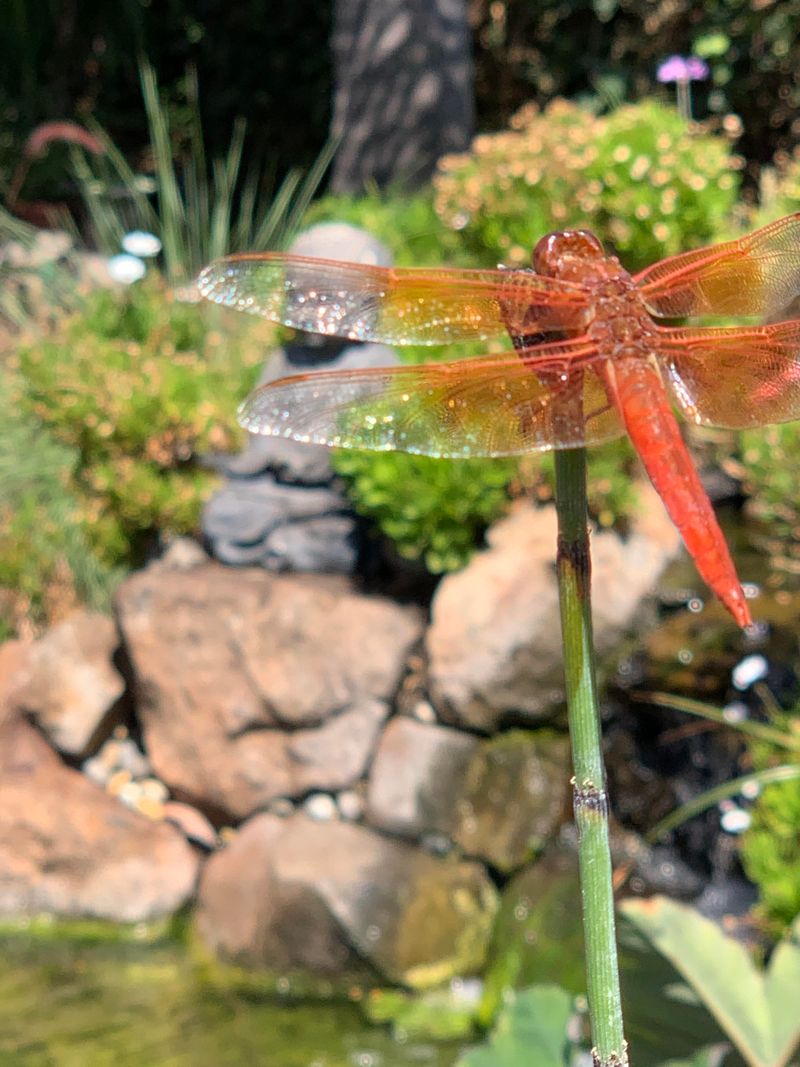
Standing water is the single fastest way to bring dragonflies into your yard. Even a small container pond can make a noticeable difference within a few weeks.
You do not need a massive installation to get results. A half-barrel planter filled with water and a few aquatic plants can serve as a perfectly functional breeding habitat.
Depth matters when planning your water feature. Aim for at least two feet of depth in part of the pond so dragonfly nymphs have enough room to develop safely.
Rocks and logs placed along the edge give emerging nymphs a surface to climb out of the water. That transition from nymph to adult requires a stable, dry surface nearby.
Aquatic plants like water lilies and cattails make the feature even more attractive. They provide shade, shelter, and egg-laying surfaces that female dragonflies actively seek out.
Keep the water clean but skip the fish if you can. Many popular fish species eat dragonfly eggs and nymphs, which undermines the whole purpose of the habitat.
Avoid running fountains or strong water movement in the breeding zone. Dragonflies prefer calm water for reproduction, though a gentle bubbler can help keep the water from going stagnant.
Position your water feature in a sunny spot, ideally receiving at least six hours of direct light daily. Sun-warmed water accelerates nymph development and keeps adults coming back all summer long.
Plants That Support Dragonfly Activity
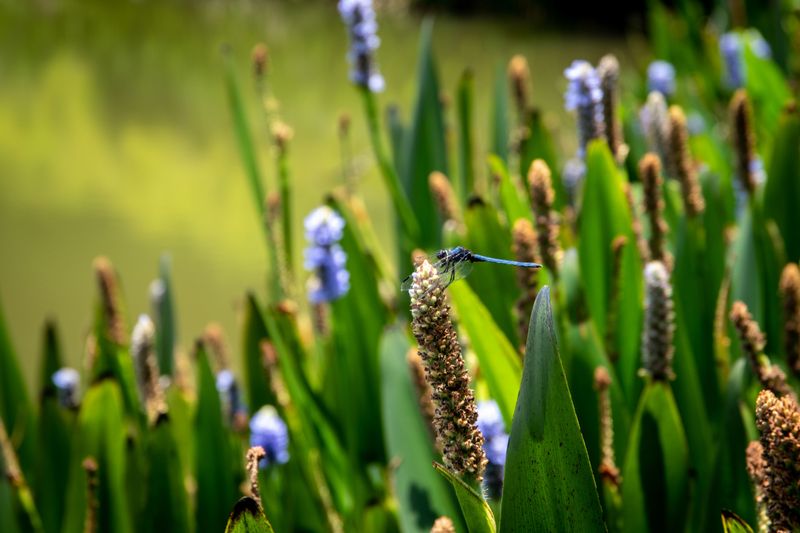
Plants play a bigger role in dragonfly attraction than most gardeners realize. The right choices create a habitat that supports every stage of the dragonfly life cycle.
Aquatic and semi-aquatic plants are the most important category to focus on. Species like pickerelweed, arrowhead, and water iris grow at the water’s edge and give females a safe place to deposit eggs.
Emergent plants with tall, upright stems are especially valuable. Dragonfly nymphs crawl up these stems when they are ready to shed their skin and become adults.
Cattails are a classic choice for Texas water gardens. They grow quickly, provide excellent vertical structure, and are a favorite perching spot for adult dragonflies between hunts.
Away from the water, native flowering plants attract the smaller insects that dragonflies also feed on. Black-eyed Susans, coneflowers, and native milkweed all bring supporting prey species into the yard.
Tall ornamental grasses serve double duty in the dragonfly garden. They offer perching height and create the kind of open-yet-sheltered environment that makes dragonflies feel safe and comfortable.
Avoid heavily manicured, monoculture lawns near your water feature. Diverse plantings with varied heights give dragonflies the layered habitat structure they prefer for hunting and resting.
Mixing native Texas plants into your design is the smartest approach. Local species are adapted to the climate, require less maintenance, and support a wider range of native wildlife all season long.
Simple Habits That Keep Dragonflies Coming Back
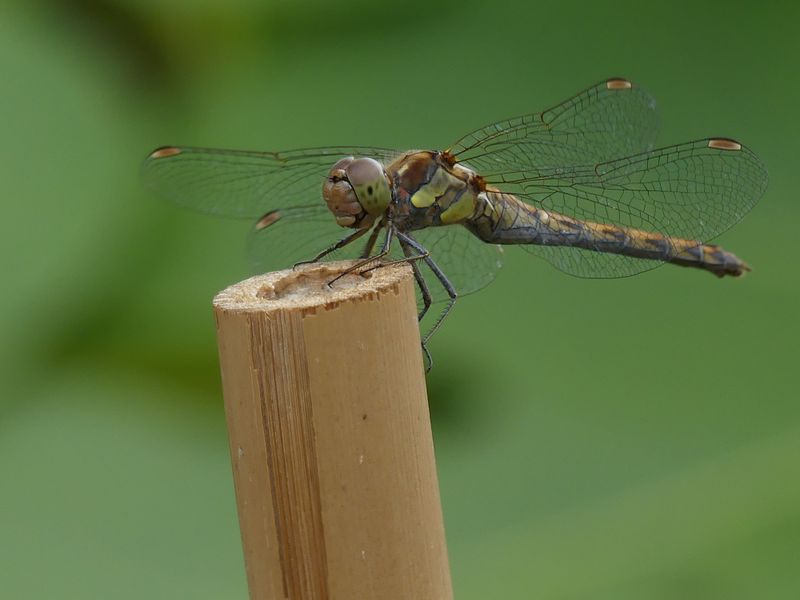
Getting dragonflies to visit is one thing. Keeping them around all summer long takes a few consistent habits that are easier than you might expect.
The most important habit is skipping the pesticide sprayer. Chemical treatments wipe out the food chain that dragonflies depend on, and the insects will simply move on to better hunting grounds.
Leaving a few bare, sunny patches of soil near the water feature helps more than most people know. Dragonflies bask on warm ground and flat rocks to absorb heat between flights.
Wooden stakes or bamboo rods placed around the garden give adults dedicated perching spots. Positioning them at varying heights near the water creates a kind of dragonfly rest station they return to daily.
Topping off your pond regularly keeps the water level stable. Dragonfly eggs and nymphs are sensitive to sudden drops in water level, which can strand or expose them to predators.
Removing excess algae from the water surface once a month keeps oxygen levels healthy. A well-oxygenated pond supports the aquatic insects that nymphs feed on during their underwater phase.
Keeping a section of your yard a little wild and unmowed near the pond edge encourages more insects overall. More insects means more food, and more food means more dragonflies deciding to stay.
Consistency matters more than perfection here. Small, repeated actions throughout the season build the kind of stable environment that makes your yard a year-after-year dragonfly destination.
Signs Your Garden Has A Healthy Dragonfly Population
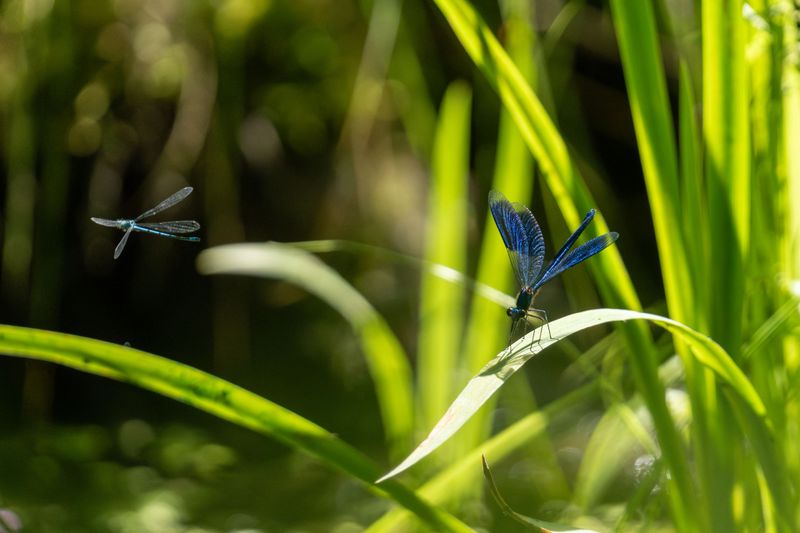
Knowing that your efforts are actually working is part of the fun. A few clear signals will tell you that dragonflies have claimed your yard as their own territory.
The most obvious sign is simply seeing multiple adults flying at the same time. One dragonfly passing through is a visitor, but several hunting together means your yard has become a real habitat.
Watch for territorial behavior near your water feature. Male dragonflies defend prime spots aggressively, so if you see one repeatedly returning to the same perch, he has claimed that area as his own.
Spotting females dipping their abdomens into the water is a major milestone. That behavior means they are depositing eggs, which confirms your pond is meeting their breeding requirements.
Look closely at the stems of your aquatic plants for shed skins. These translucent shells, called exuviae, are left behind when nymphs complete their transformation into adults right in your garden.
A noticeable drop in mosquito pressure around your yard is one of the most satisfying signs of a thriving population. Fewer bites during evening hours is a real and measurable result.
You may also notice an increase in other beneficial insects nearby. A balanced, pesticide-free garden tends to become a hub of healthy insect activity across multiple species.
More dragonflies in your Texas garden is not just a win for mosquito control. It is a sign that your outdoor space has become a genuinely healthy, living ecosystem worth protecting.