The Meaning Behind Box Turtles Moving Through Pennsylvania Gardens More Frequently In Early Fall
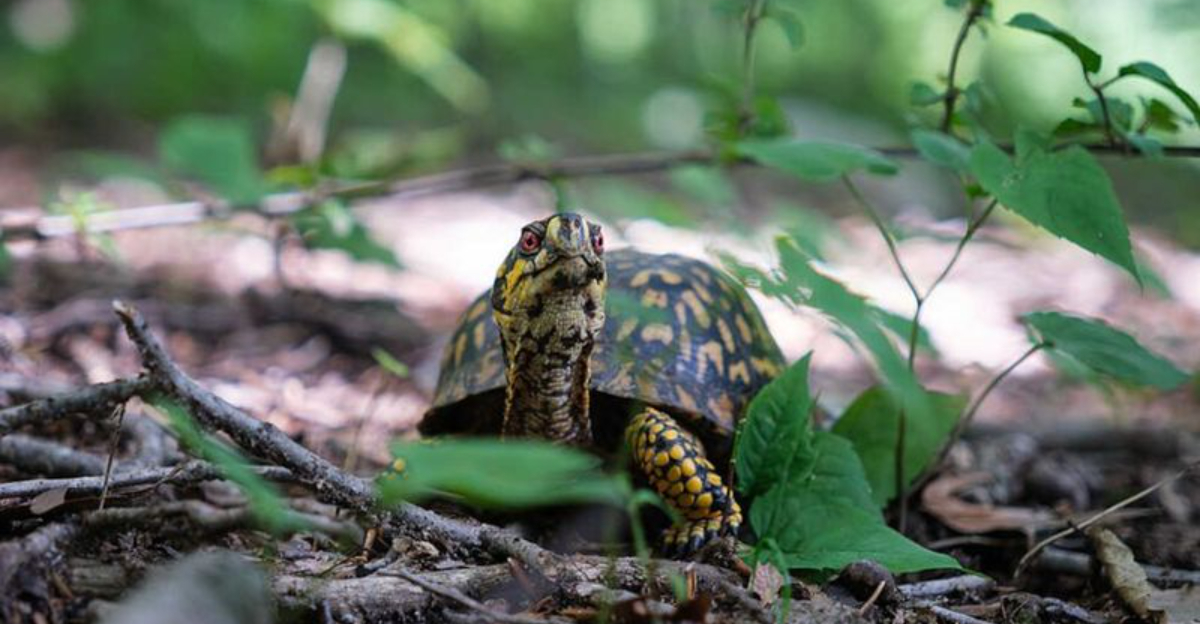
If box turtles have been moving through your Pennsylvania garden more frequently as summer transitions to fall, you’ve probably noticed the uptick and wondered what’s behind it. A single box turtle crossing the yard is a charming encounter.
Several of them appearing over a span of days, or the same familiar shell showing up repeatedly in different corners of the garden, tends to prompt a more deliberate question. What’s happening out there?
Box turtles are creatures of remarkably predictable seasonal rhythm, and the movement patterns they follow in early fall are not random wandering.
They’re driven by specific biological needs that the changing season triggers, and a garden that sees increased box turtle activity during this window is offering something those needs require.
Understanding what it is tells you something genuinely interesting about your property and the ecosystem your garden supports.
Beyond the ecological explanation, box turtles carry deep symbolic meaning across many cultural traditions, and their appearance in a garden, particularly during seasonal transitions, has been interpreted as significant for generations.
Here’s what box turtles moving more frequently through your Pennsylvania garden in early fall is really telling you.
1. They’re Preparing For Winter
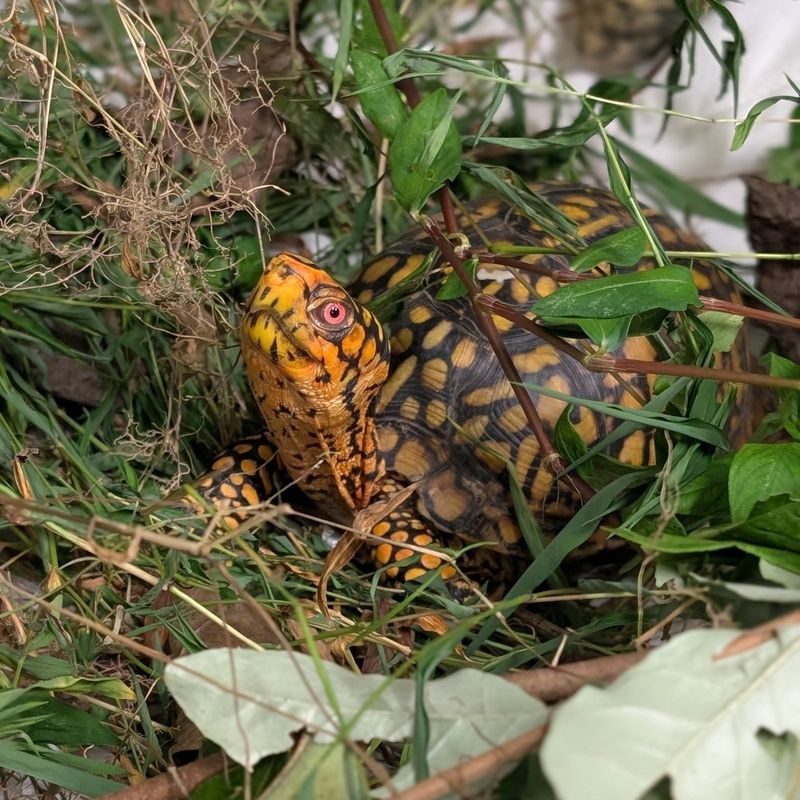
Every fall, box turtles face one of the biggest challenges of their year: finding a safe, warm place to wait out the cold months ahead.
As temperatures start dropping in September and October, their bodies begin sending signals that it is time to slow down and seek shelter. This seasonal drive pushes them to move more actively before the cold fully sets in.
Box turtles in Pennsylvania typically overwinter by burrowing into loose soil, leaf litter, or the soft ground near tree roots. They look for spots that will stay just cold enough to keep them dormant but not so cold that their bodies are harmed.
Gardens with deep mulch, thick leaf piles, or shaded, moist soil can look very attractive to a turtle on the move.
What is interesting is that this behavior has been happening for thousands of years. Box turtles are incredibly well-adapted to Pennsylvania’s climate.
They know, through instinct, when the season is shifting. Seeing a turtle moving through your yard in early fall often means it is scouting for the perfect overwintering location nearby.
You can actually help by leaving natural leaf litter in corners of your yard. Avoid raking up every pile of leaves near garden edges.
A turtle that chooses your garden to overwinter is a good sign that your space offers healthy, natural habitat.
Just make sure to be careful when using garden tools near leaf piles during late fall and winter months, so you do not accidentally disturb a resting turtle tucked quietly beneath the surface.
2. Recent Rain Has Brought Them Out
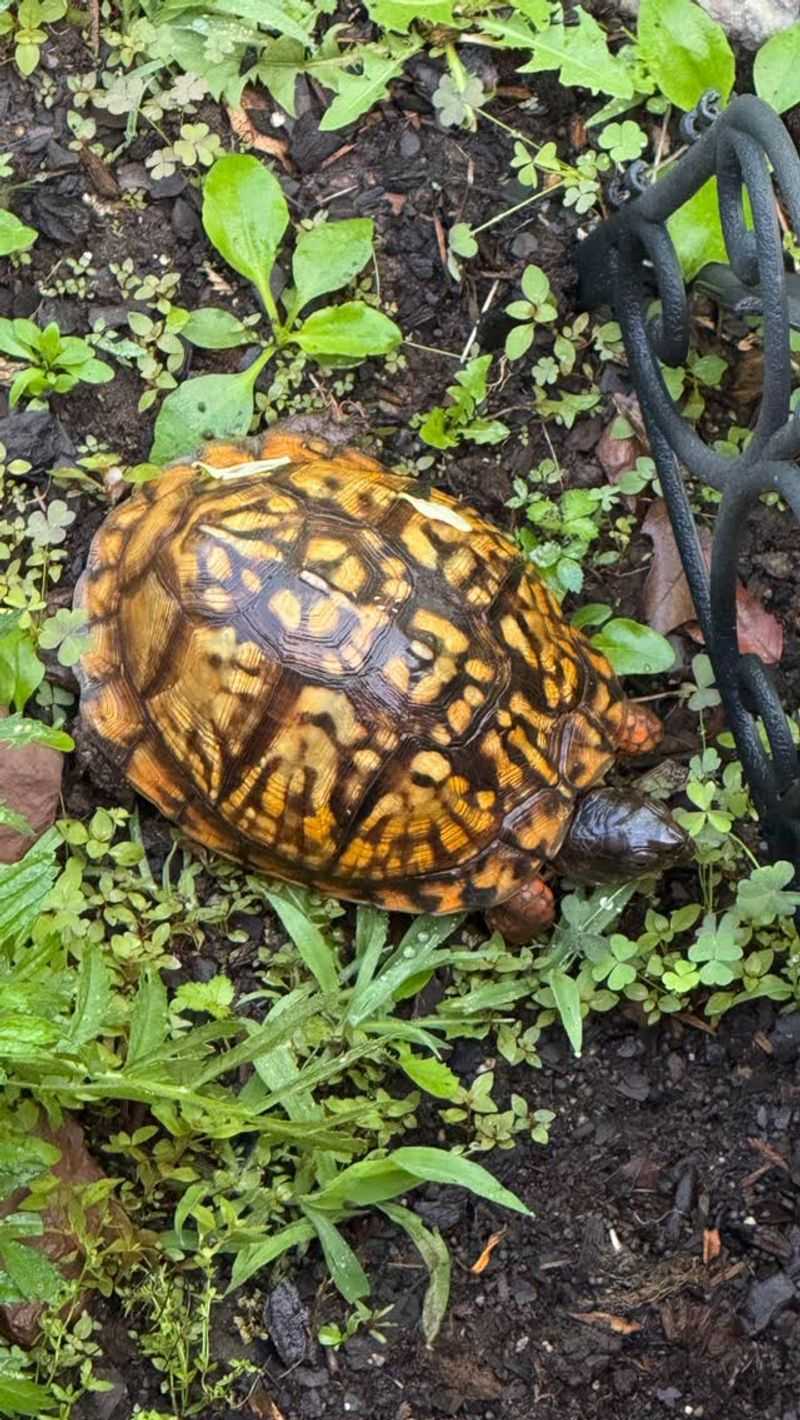
Rain has a remarkable effect on box turtles. After a good rainfall, you are far more likely to spot one crossing your yard, garden path, or even your driveway.
Wet conditions make the world a much easier place for a turtle to navigate. The moist ground softens under their feet, reduces friction, and makes traveling longer distances much more manageable for a small reptile.
Your Pennsylvania Garden Changes Every Week. Your Plan Should Too.
Gardening in Pennsylvania changes quickly throughout the season. Every Friday you’ll receive a simple weekly plan showing exactly what to plant, prune, fertilize, harvest, and protect so you never miss the right timing.
Box turtles also rely heavily on their sense of smell to find food and familiar locations. Damp air actually carries scent much more effectively than dry air does.
So after rain, a turtle’s ability to sniff out earthworms, mushrooms, berries, and other favorite foods improves significantly. Rain is basically a green light for a box turtle to get moving.
Pennsylvania experiences a fair amount of rainfall in September and early October, which lines up perfectly with the time of year when turtles are already motivated to move before winter.
The combination of seasonal instinct and favorable wet conditions creates a kind of perfect storm for turtle activity in fall gardens.
If you notice turtles appearing in your yard shortly after a rainstorm, that timing is no coincidence. You can make your yard even more inviting by keeping a shallow dish of clean water available and avoiding the use of pesticides or chemical fertilizers near garden beds.
These chemicals can be absorbed through a turtle’s skin and cause serious health problems. Keeping your garden as natural as possible after rain events gives visiting turtles a safe place to roam freely and comfortably.
3. Your Garden Offers Moist, Sheltered Habitat
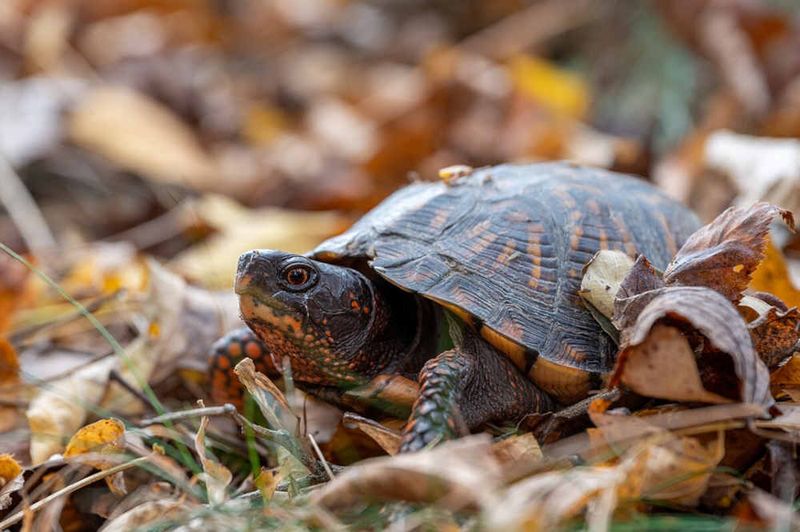
Box turtles are not wandering into your garden by accident. Gardens, especially well-maintained ones with a mix of shrubs, mulch, leaf litter, and shaded areas, offer exactly the kind of habitat that box turtles naturally seek out.
In the wild, they prefer forest edges, meadows, and transitional zones where open areas meet wooded cover. A typical Pennsylvania garden mimics those conditions surprisingly well.
Leaf litter is especially valuable to box turtles. It provides hiding spots from predators, keeps moisture levels stable, and harbors insects and earthworms that turtles love to eat.
Dense shrubs and low-growing plants give turtles a sense of security as they move through unfamiliar spaces. Even a modest garden with a few overgrown corners can be a welcome refuge for a passing turtle.
Shaded soil stays cooler and moister longer than exposed ground, which is important for a cold-blooded animal trying to regulate its body temperature.
Box turtles are very sensitive to heat and can overheat quickly in direct sunlight, especially when they are moving across open ground.
Your shaded flower beds or vegetable garden borders may offer just the right balance of warmth and protection they need.
One easy way to make your garden even more turtle-friendly is to avoid using netting or wire mesh at ground level that a turtle could get tangled in. Also, try to keep areas near the base of shrubs clear of sharp landscaping materials.
A turtle that feels safe and comfortable in your garden is likely to pass through regularly, which is a wonderful sign of a healthy and balanced outdoor environment.
4. They May Be Searching For Fall Food
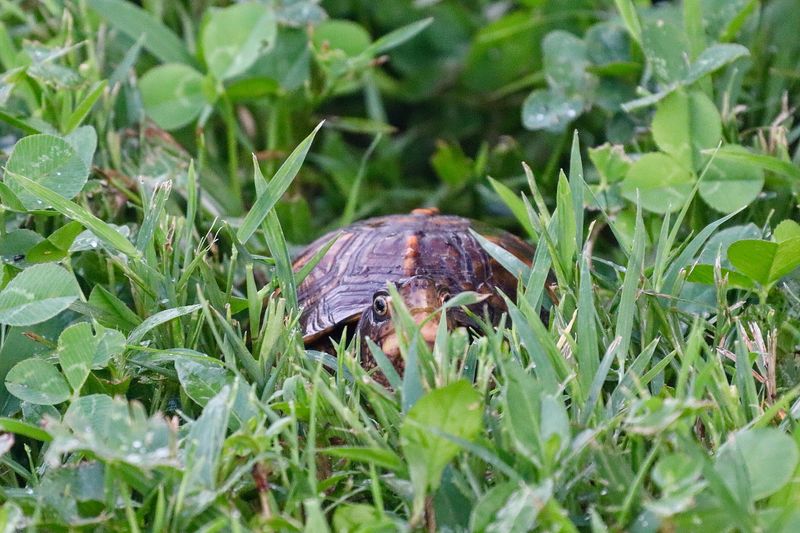
Fall is actually a surprisingly busy feeding season for box turtles. Before they settle in for their long winter rest, they need to eat as much as possible to build up energy reserves.
Gardens can offer a surprisingly rich variety of foods that box turtles find irresistible. Fallen apples, overripe tomatoes, wild mushrooms, earthworms, slugs, and beetles are all fair game for a hungry turtle making its rounds.
Box turtles are omnivores, meaning they eat both plant and animal matter. Their diet shifts depending on what is available, and in early fall, gardens are full of ripening and falling produce.
A vegetable or fruit garden is basically an all-you-can-eat buffet for a turtle with a good nose and plenty of patience. Fungi are a particular favorite, and many types of mushrooms pop up in garden soil after fall rains.
Interestingly, box turtles can safely eat some mushrooms that would make humans very sick. Researchers have actually used this ability to study which mushrooms are toxic to people.
So if you see a turtle nibbling on something growing in your garden bed, it probably knows exactly what it is doing.
You do not need to feed box turtles intentionally. They are very capable foragers and do best when left to find their own food naturally.
However, leaving fallen fruit on the ground or allowing a small patch of garden to grow a little wild can naturally attract them. Avoid using slug pellets or insect bait near areas where turtles roam, since these products can harm turtles that eat poisoned prey.
5. Morning Sightings Are Especially Normal
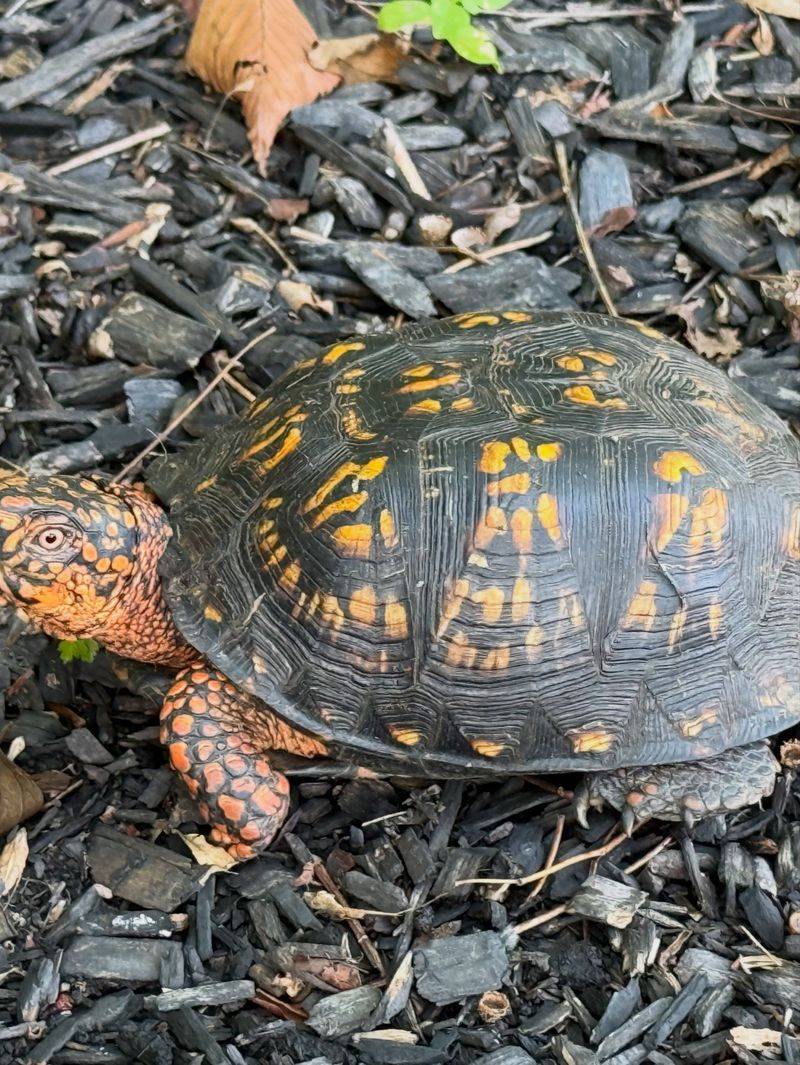
Ever noticed that most of your box turtle sightings happen before noon? That is not a coincidence.
Pennsylvania box turtles are most active during the morning hours, especially in fall when midday temperatures can still climb higher than what a turtle finds comfortable.
Early morning gives them the best of both worlds: enough warmth to get moving, but not so much heat that they risk overheating.
Box turtles are ectotherms, which means they rely on outside temperatures to regulate how warm or cool their bodies are. On a cool fall morning, a turtle may start moving as soon as the sun begins warming the ground.
It will often bask briefly in a patch of sunlight to raise its body temperature before heading off to forage or travel. By late morning or early afternoon, it may tuck itself under a log or leaf pile to rest through the warmest part of the day.
This morning-active pattern is one reason many gardeners notice turtles while doing early yard work or drinking their morning coffee on the porch. The quiet hours of the morning are prime turtle time in Pennsylvania gardens throughout September and into October.
If you want to catch a glimpse of a box turtle, try stepping outside in the hour or two after sunrise. Walk slowly along the edges of your garden beds, near shrubs, or along any natural border between your lawn and a wooded area.
Turtles tend to follow the same general paths repeatedly, so once you spot one in a certain spot, it may show up in that area again. Watching quietly without disturbing the turtle makes for a genuinely rewarding outdoor experience.
6. They May Simply Be Crossing Their Familiar Home Range
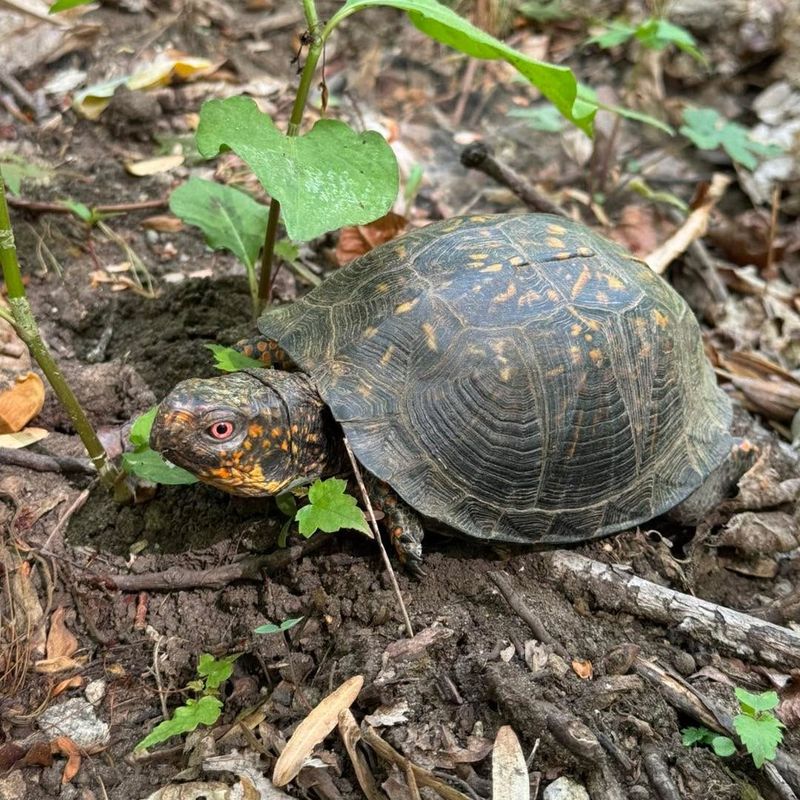
Not every turtle you see in your garden actually lives there. Box turtles are known for having strong attachments to their home range, which is the specific area of land they travel through regularly throughout their lives.
A home range for a box turtle is usually somewhere between one and ten acres, and they can navigate it with impressive accuracy. Your garden may simply fall within the regular territory of a turtle that has been using the same paths for years, possibly even decades.
Box turtles have an extraordinary homing ability. Studies have shown that if a box turtle is moved even a short distance from its home range, it will spend enormous amounts of energy trying to return.
Relocating a turtle, even with good intentions, can be genuinely harmful to its long-term wellbeing. A turtle removed from its familiar territory often fails to find food, water, and shelter effectively in an unfamiliar area.
So if a turtle passes through your garden looking calm and purposeful, the best thing you can do is simply let it go about its business. Avoid picking it up unless it is in immediate danger, such as in the middle of a road.
If you must move it for safety, place it just off the road or path in the direction it was already heading.
Healthy box turtles do not need rescuing just because they are in your yard. A turtle moving through a garden in early fall is almost certainly doing exactly what it should be doing.
Respecting its independence and giving it space is the kindest and most helpful response a gardener can offer.