What It Means When A Woodpecker Visits Your Pennsylvania Garden Every Morning
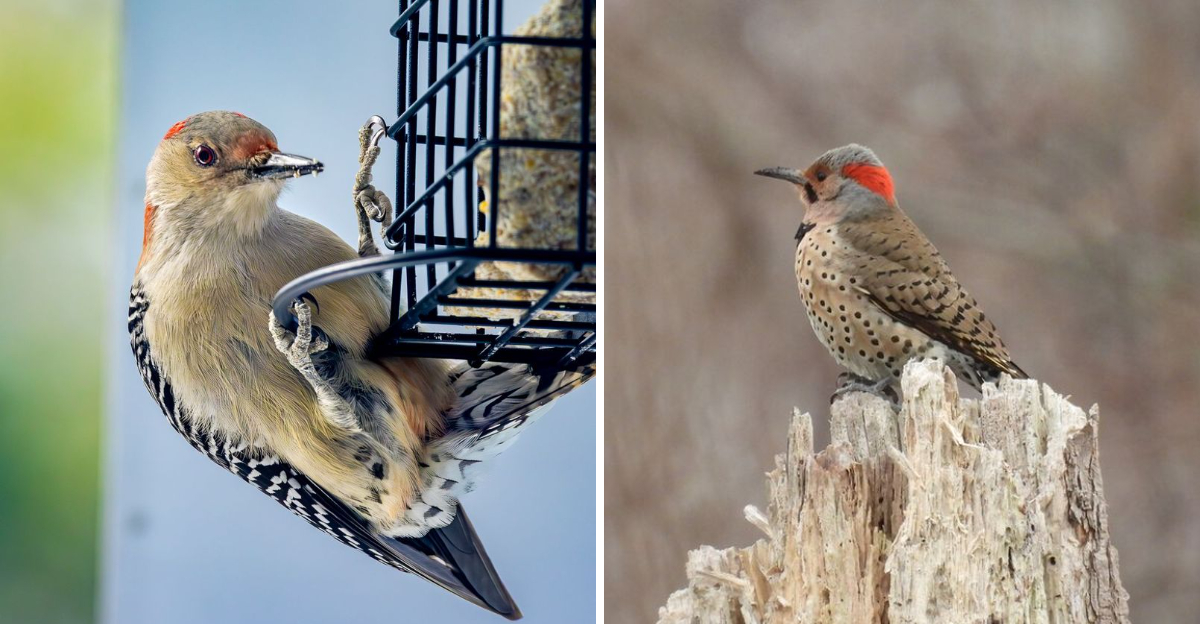
A woodpecker that shows up to your Pennsylvania garden every morning is a bird with a purpose.
That steady, rhythmic drumming carries through the early quiet, and once you start looking for the source, there it is, working the same tree or section of fence with a focus that makes every visit feel intentional.
Most gardeners who experience this routine find themselves watching for it. And wondering what it actually means.
A woodpecker that returns every morning is not doing so randomly. These are highly territorial, highly strategic birds, and a daily visit to the same location reflects something very specific about what your trees and garden are currently providing.
Their presence can tell you something real and useful about the health of the trees they’re working, the insect activity in your yard, and the broader character of the ecosystem your garden supports.
For many Pennsylvania gardeners, a woodpecker that keeps showing up also carries personal and symbolic weight that goes beyond birdwatching. These birds have held meaningful roles in folklore and cultural tradition across generations.
1. Your Yard Has Become Part Of Its Daily Route
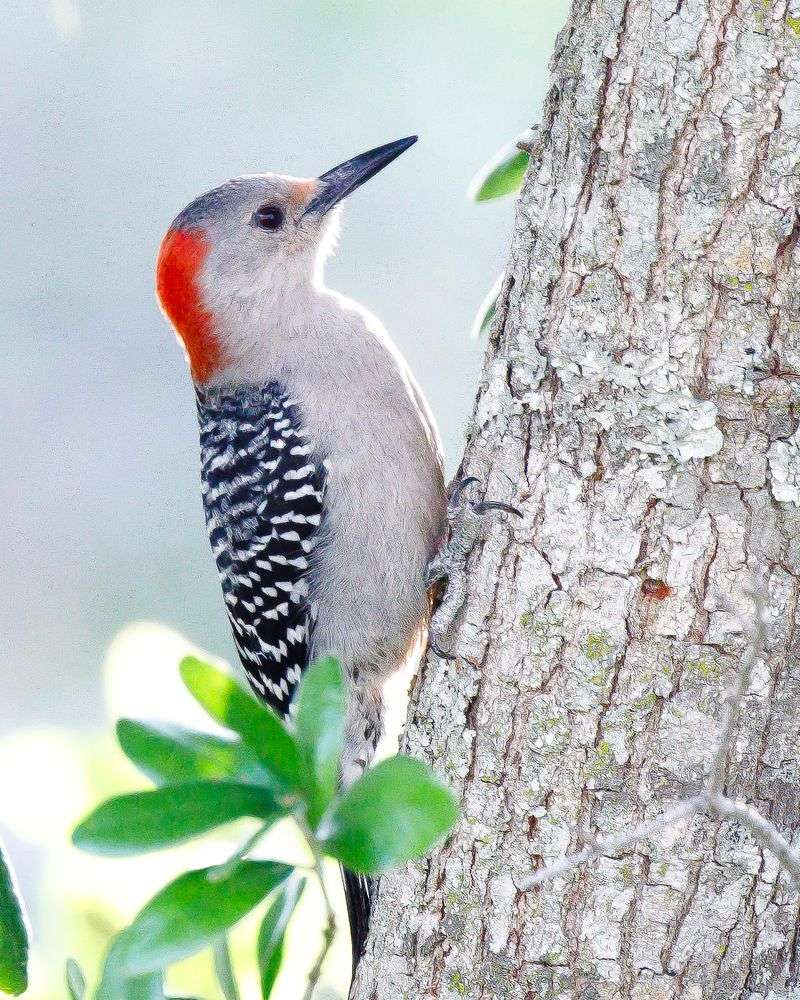
Picture this: the sun has barely risen, and already there is a familiar tapping sound coming from your backyard. That steady rhythm you hear every morning is not a coincidence.
Woodpeckers are creatures of habit, and once they find a reliable spot, they tend to return to it day after day.
Birds in general follow what wildlife experts call a “trapline” route. Just like a trapper checking traps in order, a woodpecker moves through its territory visiting the same trees, feeders, and spots in a predictable pattern.
Your garden has likely earned a regular stop on that route. What makes a yard worthy of a daily visit? Mostly, it comes down to dependability.
If your trees consistently offer insects, if your feeder stays stocked, or if your yard simply provides a safe and quiet place to rest, a woodpecker will factor it into its morning rounds.
Over time, that daily visit can feel almost like a scheduled appointment. The bird knows your yard.
It knows where to look and what to expect. Familiar surroundings also mean less energy spent being cautious, which matters a lot for a small animal trying to survive.
You can actually encourage this behavior by keeping things consistent. Leave the feeder in the same spot.
Avoid loud disturbances during early morning hours. Let fallen logs or old stumps stay in a corner of your yard.
Small choices like these quietly signal to the woodpecker that your garden is a trustworthy part of its world, and that is a genuinely special thing to have earned.
2. Your Trees May Be Providing Insect Food
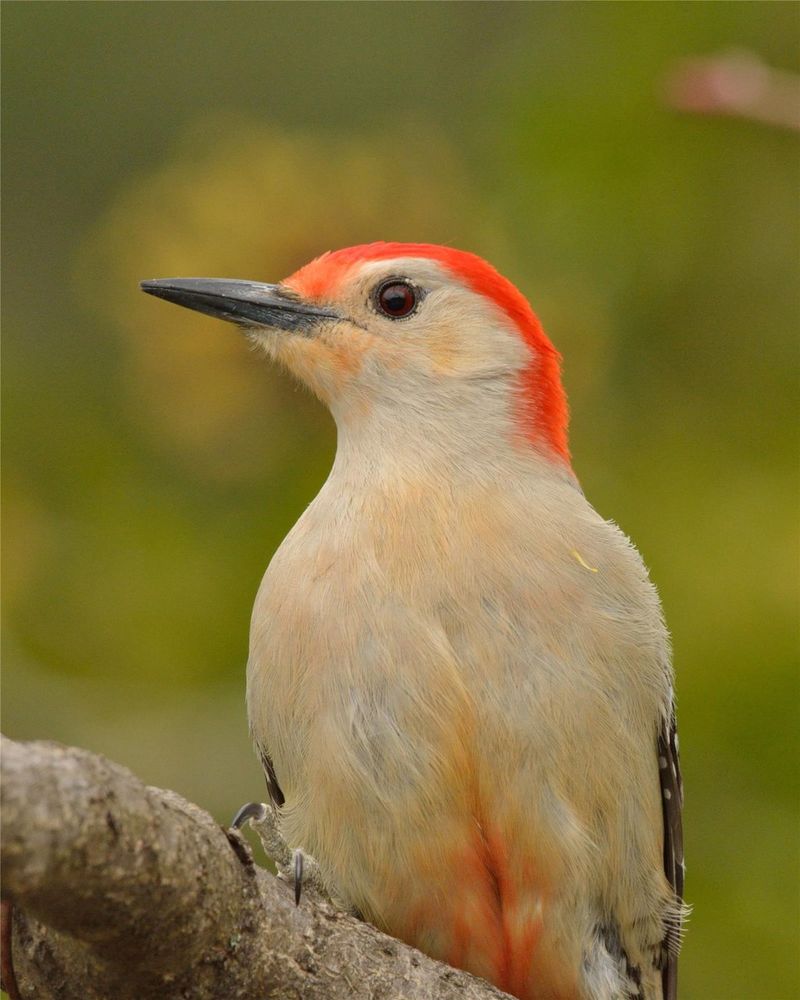
Woodpeckers are built for one thing: finding food that nobody else can reach. Their beaks are strong enough to chip through bark, and their tongues are long and sticky enough to pull insects out of tight spaces inside wood.
When a woodpecker visits your trees, it is running a full inspection for hidden meals. Beetles, carpenter ants, wood-boring larvae, and termites are all on the menu. These insects often live just beneath the surface of tree bark or inside rotting wood.
Your Pennsylvania Garden Changes Every Week. Your Plan Should Too.
Gardening in Pennsylvania changes quickly throughout the season. Every Friday you’ll receive a simple weekly plan showing exactly what to plant, prune, fertilize, harvest, and protect so you never miss the right timing.
A woodpecker can hear and feel vibrations that tell it exactly where to start pecking. It is an impressive skill that has taken millions of years to develop.
Here is something that surprises many people: a woodpecker pecking at your tree does not automatically mean the tree is in serious trouble.
Woodpeckers explore healthy trees too, especially ones with rough or deeply ridged bark that tends to shelter insects. Checking for bugs is just part of what they do every single morning.
That said, if you notice a lot of holes concentrated in one area of a tree, or if the woodpecker keeps returning to the same spot repeatedly, it might be worth having an arborist take a look.
Concentrated activity can sometimes point to a hidden insect infestation worth addressing early.
For most homeowners, though, a woodpecker working your trees is actually a form of free pest control. It is quietly removing insects that could otherwise cause more damage over time. Letting the bird do its job is almost always the right move.
3. Mature Trees Are Making Your Yard More Attractive
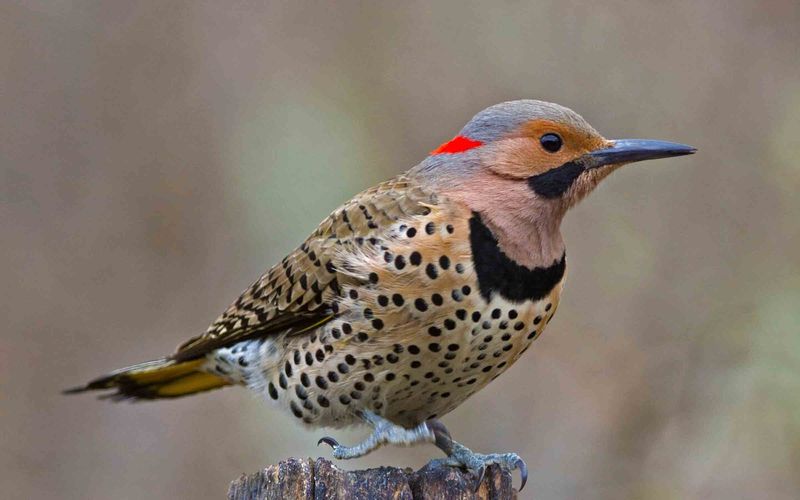
Not every yard gets regular woodpecker visits, and one of the biggest reasons some do is the presence of older, larger trees. Mature trees offer something younger ones simply cannot: layers of opportunity.
Thick bark, deep crevices, old cavities, and weathered wood all make a mature tree a prime destination for a hungry woodpecker.
Age gives trees character, and for woodpeckers, that character equals food and shelter. Insects prefer to nest and hide in older wood.
Cavities that have formed naturally over decades become cozy roosting spots or even nesting chambers. A woodpecker might visit a mature oak or maple every morning simply because that tree has been generous for years.
Dry branches, sometimes called snags, are especially valuable. Many homeowners rush to remove dry wood for the sake of tidiness, but leaving a snag in place, as long as it is not a safety hazard, can make your yard significantly more attractive to woodpeckers and other wildlife.
Snags are packed with insects and offer perfect perching and drumming spots. Even a section of a fallen log left near a garden bed can serve as a feeding station.
Woodpeckers will work through decaying wood looking for grubs and beetles, often returning to the same log over many mornings. It is low-effort habitat creation that costs you almost nothing.
If you are lucky enough to have big old trees in your Pennsylvania yard, take a moment to appreciate them as living ecosystems. They are quietly doing the work of attracting wildlife, including your morning woodpecker visitor, every single day.
4. Your Feeder May Be Keeping It Coming Back
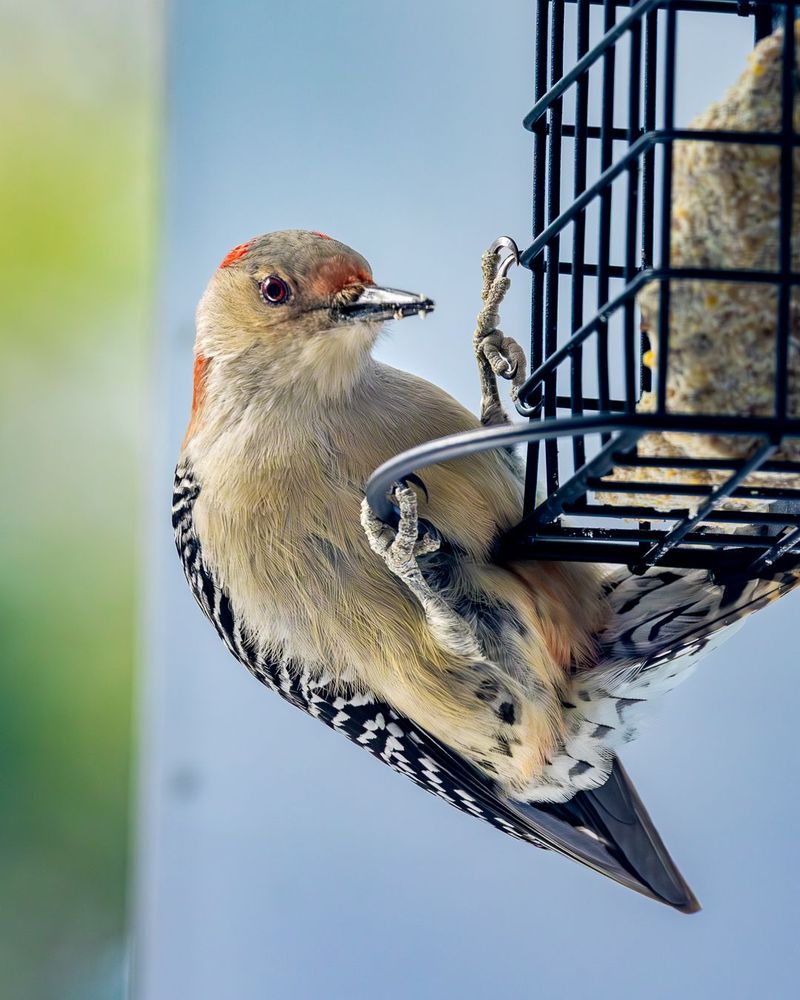
Suet is basically woodpecker gold. If you have a suet feeder hanging in your yard, there is a very good chance that is exactly what is drawing your morning visitor back again and again.
Suet is a high-fat food source that gives birds a quick energy boost, and woodpeckers absolutely love it.
Several Pennsylvania woodpecker species are regular feeder visitors. The downy woodpecker, the red-bellied woodpecker, and the hairy woodpecker are all known to hit suet feeders with enthusiasm.
Even the larger pileated woodpecker has been spotted at specially designed feeders in some suburban and rural Pennsylvania yards.
Once a woodpecker discovers your feeder, it will often work that stop into its daily route. Birds are smart about energy.
Flying around looking for food takes effort, so when a reliable food source exists, they tend to prioritize it. A full suet cage on a cold Pennsylvania morning is hard to pass up.
Placement matters more than many people realize. Woodpeckers prefer feeders that are attached to a tree trunk or hung close to one, because that mimics the natural position they use when foraging.
A feeder dangling in the open middle of a yard may get fewer visits than one positioned near bark or a wooden post.
Keeping your feeder consistently stocked is the simplest way to hold a woodpecker’s attention. Running out of suet for a few days might cause the bird to drop your yard from its route.
Stay stocked up, especially through fall and winter, and your morning guest will likely keep showing up right on schedule.
5. Morning Drumming May Mean It Is Claiming Territory
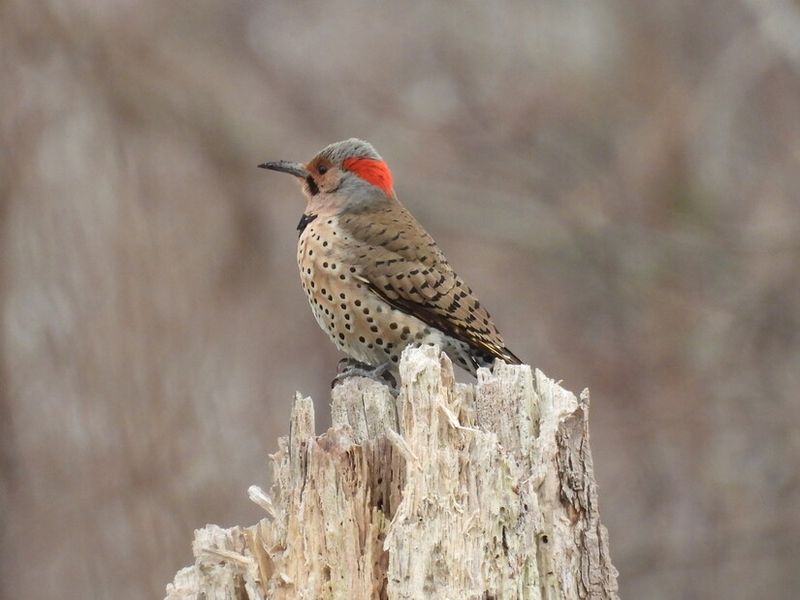
If the sound you hear every morning is less of a searching peck and more of a rapid, rhythmic burst, your woodpecker might not be looking for food at all.
That kind of fast, repetitive drumming has a completely different purpose: communication. Woodpeckers use drumming the way other birds use song.
During late winter and early spring, male woodpeckers drum to announce their presence and warn off rivals. A good drumming surface is one that carries sound as far as possible.
Trees work well, but woodpeckers also love metal gutters, chimney caps, and wooden siding because these surfaces produce loud, resonant booms that travel across a neighborhood.
If your woodpecker has been hammering on your house, that is probably what is going on. The bird is not looking for insects in your siding.
It is using your home as a giant amplifier to broadcast its claim over the surrounding territory. Flattering, in a noisy kind of way.
Drumming is most intense in the morning because that is when territorial communication among birds peaks.
Hormones are higher, rivals are active, and the bird is motivated to make its presence known before the day gets busy. Your yard, sitting inside the bird’s chosen territory, is simply the stage it has selected.
If the drumming on your house becomes a problem, try hanging reflective tape or placing a visual deterrent near the spot. You can also try attaching a foam pad to the surface temporarily to reduce the sound reward the bird gets.
With patience and a few simple adjustments, most drumming issues can be managed without any harm to the bird.
6. You May Have A Year-Round Neighbor
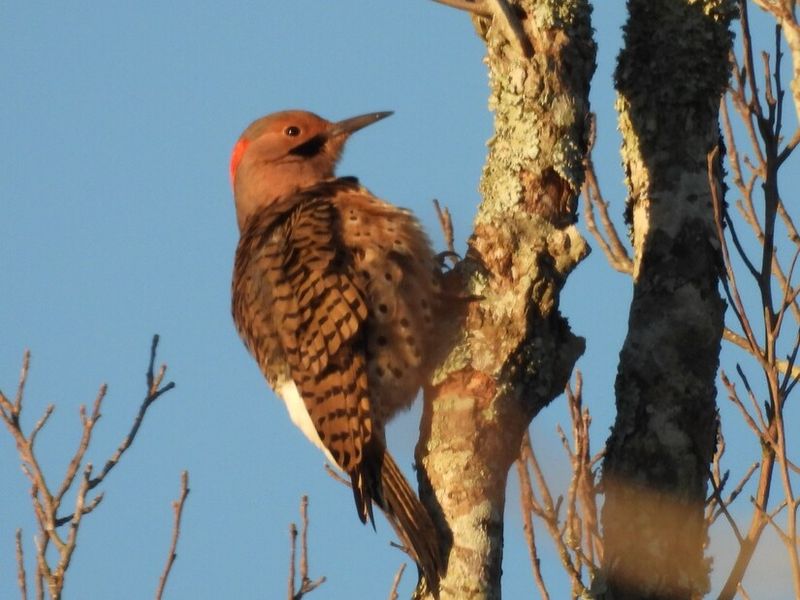
Some birds are just passing through Pennsylvania on their way somewhere else. Woodpeckers are not those birds.
Most of the woodpecker species you will spot in a Pennsylvania yard are full-time residents who stick around through every season, including the coldest winter months.
The downy woodpecker is the smallest and perhaps the most common backyard visitor in the state. It stays year-round and adapts easily to suburban life.
The hairy woodpecker, slightly larger and less common, also remains through winter. And the pileated woodpecker, the dramatic crow-sized bird with the bright red crest, is a permanent Pennsylvania resident that can show up in wooded neighborhoods any time of year.
Seeing the same woodpecker every morning in June does not mean it will be gone by October. That bird may well be in your yard through February, braving the cold and relying on the habitat and food sources your property provides.
Regular visitors often become genuinely familiar over time, and many birdwatchers can identify individual birds by their markings or habits.
Winter is actually when your yard matters most to these birds. Natural insect supplies shrink when temperatures drop, making a stocked suet feeder and a yard with mature trees even more valuable than they are in summer.
A woodpecker that found your yard in spring has every reason to stay once the leaves fall. Thinking of your morning woodpecker as a neighbor rather than a passing guest changes the whole experience. You are not just watching a wild bird.
You are sharing your space with a permanent resident who has decided, for very good reasons, that your Pennsylvania garden is home.