What Every Pennsylvania Homeowner Should Know Before Planting Anything Near A Property Line
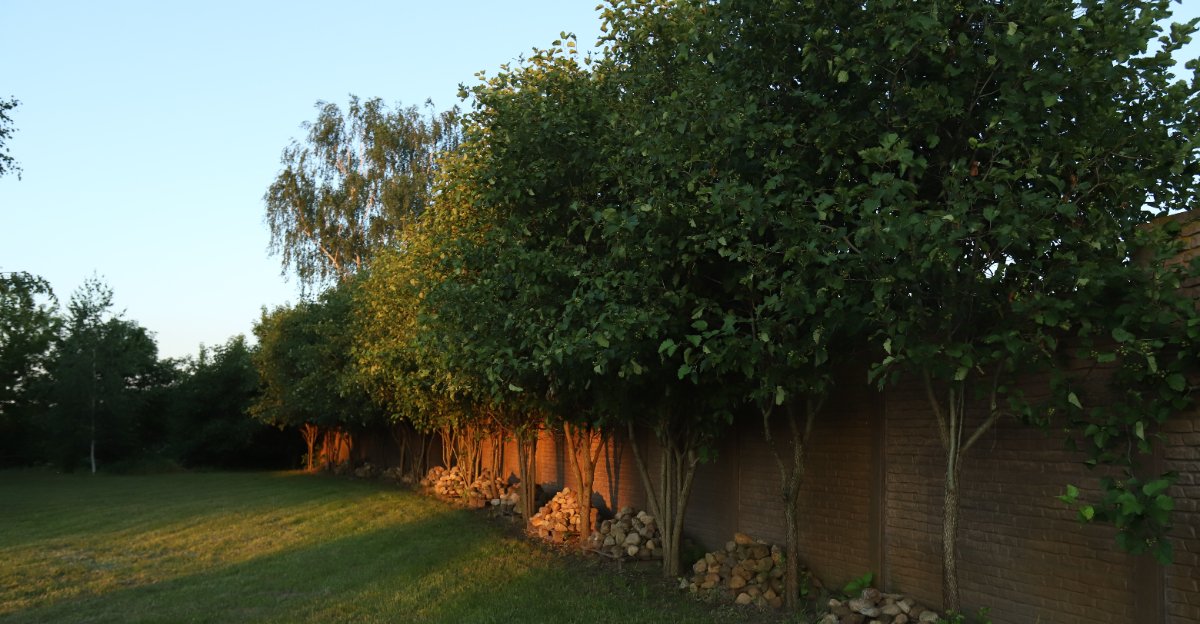
Pennsylvania has its own rulebook for what grows along a shared boundary, and most homeowners never open it until a neighbor already has. A maple planted a foot too close can spark a decade-long argument nobody wanted.
Roots don’t respect fences, and neither do overhanging branches once they start reaching into someone else’s yard. What looks like a harmless landscaping choice today can quietly become a liability question tomorrow.
State law, township codes, and old-fashioned neighborly courtesy don’t always agree on where the line actually sits. Guessing wrong means more than an awkward conversation over the fence.
Here’s what actually determines whether that tree stays a backyard feature or becomes a legal headache waiting to sprout.
1. There’s No Statewide Setback Rule, Only Local Ones
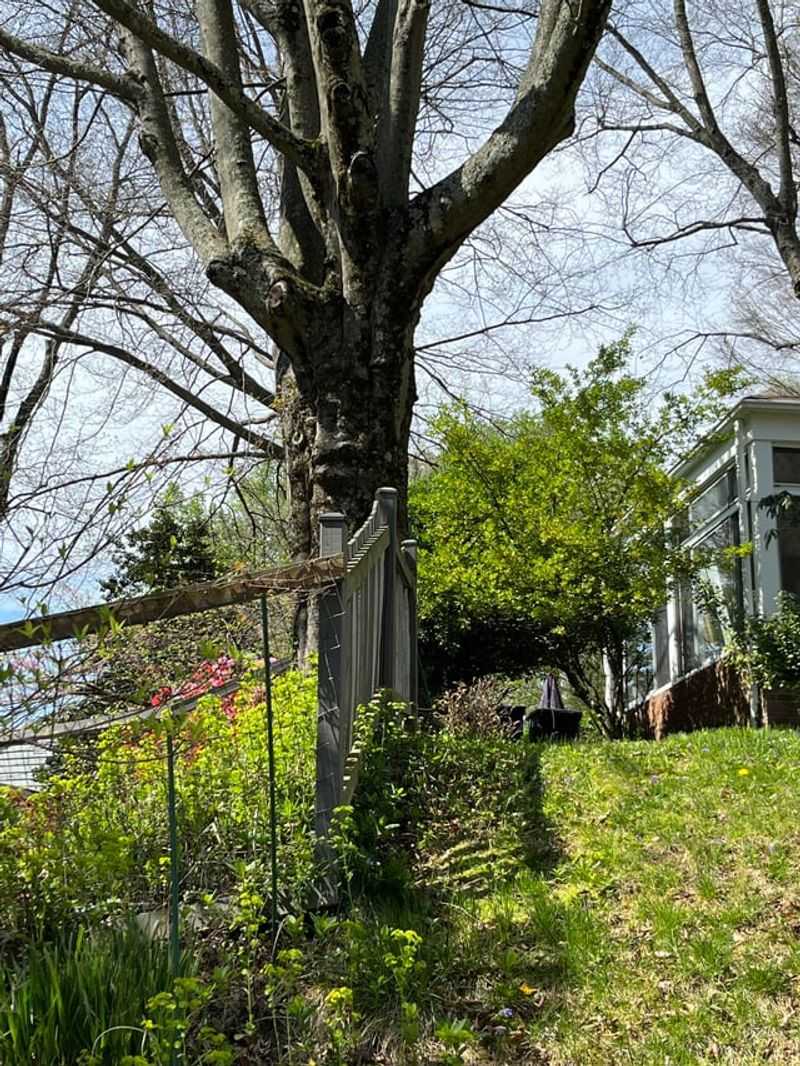
Surprise: Pennsylvania has no single statewide rule on how far plants must sit from a boundary. Most homeowners assume there is one clear law governing every yard in the state. There is not.
Each municipality sets its own setback distances for fences, structures, and plantings. A township in Chester County might require hedges to sit three feet from the line.
A borough in Allegheny County might have a completely different number. That patchwork of local rules is what makes planting near a property line tricky here.
You cannot simply Google a universal answer and trust it for your specific address. Your neighbor two towns over might be playing by totally different rules.
Some municipalities tie setback rules to plant height or species type. A low flowering shrub might be fine at the boundary, while a tall arborvitae hedge could require a five-foot buffer.
Knowing the difference before you plant saves real money later. Zoning codes are public documents, and most townships post them online.
Search your municipality name plus the words “zoning ordinance” and “landscaping setbacks” to find the relevant section fast. Bookmark the page once you find it.
Understanding that no statewide rule exists is actually the most important first step. Once you accept that local rules vary widely, you stop making assumptions.
That shift in thinking protects your yard and your relationship with the neighbors next door.
2. Local Ordinances Can Still Restrict Where You Plant
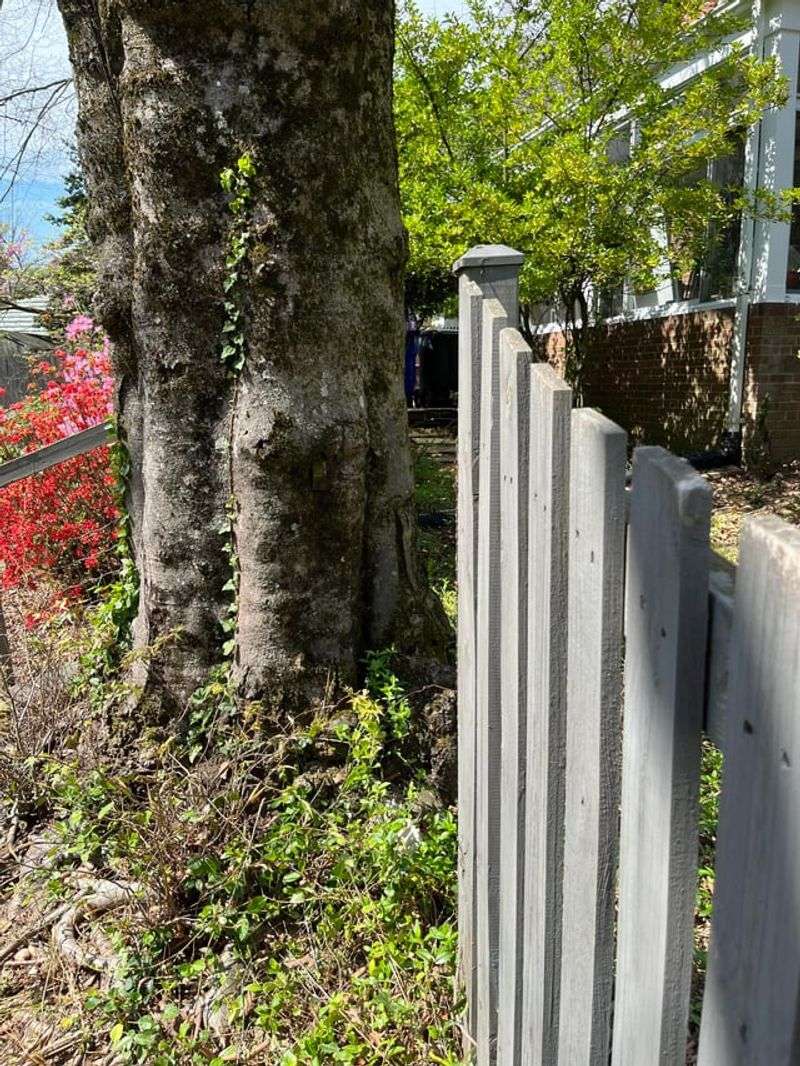
Even when you think your yard is yours to do with as you please, local ordinances often say otherwise. Municipal codes can restrict plant height, species type, and placement near boundaries.
That majestic row of Leyland cypresses might violate a local hedge ordinance you never knew existed. Some townships specifically ban certain fast-growing species near property lines. Bamboo is a big one.
Several Pennsylvania municipalities have passed anti-bamboo ordinances because its roots spread aggressively and cross boundaries fast. HOA rules add another layer on top of municipal codes.
If your home sits inside a homeowners association, you may face restrictions tighter than anything your township requires. Always check both sets of rules before you plant anything taller than your knee.
Sight-line ordinances are another surprise for many homeowners. These rules prevent plantings near driveways or road intersections from blocking driver visibility.
Your Pennsylvania Garden Changes Every Week. Your Plan Should Too.
Gardening in Pennsylvania changes quickly throughout the season. Every Friday you’ll receive a simple weekly plan showing exactly what to plant, prune, fertilize, harvest, and protect so you never miss the right timing.
A beautiful flowering shrub at the corner of your lot could actually be a traffic hazard under local law. Noise and privacy screens made from plants sound harmless.
But some municipalities cap the height of any living fence near a boundary at six feet. Planting taller than that cap can result in a formal complaint and a required removal order.
The good news is that most violations are handled quietly through a notice and correction process. Catching a potential issue before planting beats receiving a letter from your township after the tree is already in the ground.
3. A Line Tree Straddling The Boundary Has Shared Ownership
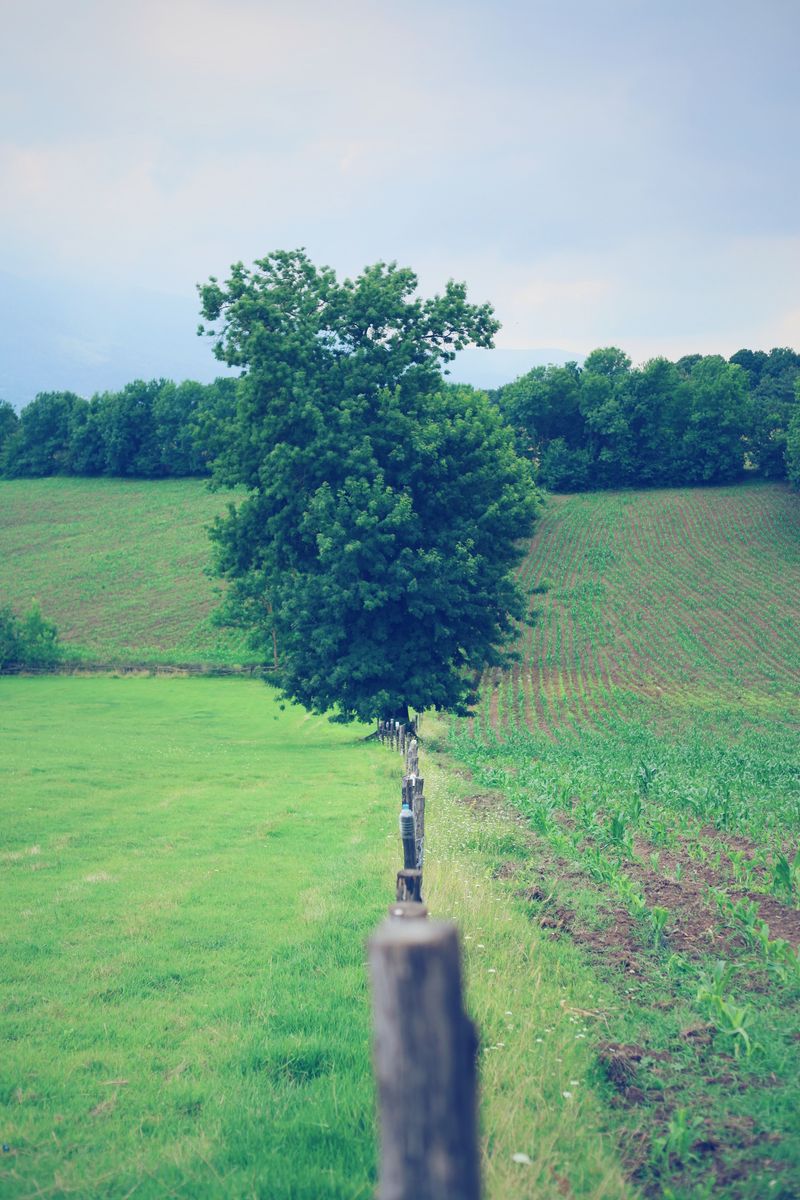
Picture this: a thick oak tree sits with its trunk split perfectly along the boundary between two yards. Who owns it? Both of you do, and that shared status changes everything.
Pennsylvania courts treat boundary trees as co-owned property by both neighboring landowners. Neither owner can cut down a shared boundary tree without the other’s consent.
Doing so without agreement could expose you to a civil lawsuit. Judges have awarded significant damages to homeowners whose neighbors removed a shared tree unilaterally.
Co-ownership also means shared responsibility for maintenance costs. If the tree needs professional trimming or bracing, both neighbors are expected to share that financial burden.
Agreeing on a plan in writing before any work starts is always the smarter move. Shared ownership gets complicated when one neighbor wants the tree gone and the other wants it to stay.
In those cases, the disagreeing parties sometimes end up in magistrate court. A written agreement between neighbors, drafted before any conflict arises, is far easier than a courtroom argument.
Selling your home adds another wrinkle to boundary tree ownership. Buyers and their attorneys may flag a shared boundary tree as a potential liability during inspection.
Disclosing the situation upfront saves a deal from falling apart at the last minute. The smartest move is to talk to your neighbor before either of you plants anything close to the line.
A quick conversation now prevents a complicated co-ownership situation from sprouting up years down the road.
4. Overhanging Branches And Roots Are Considered Trespassing
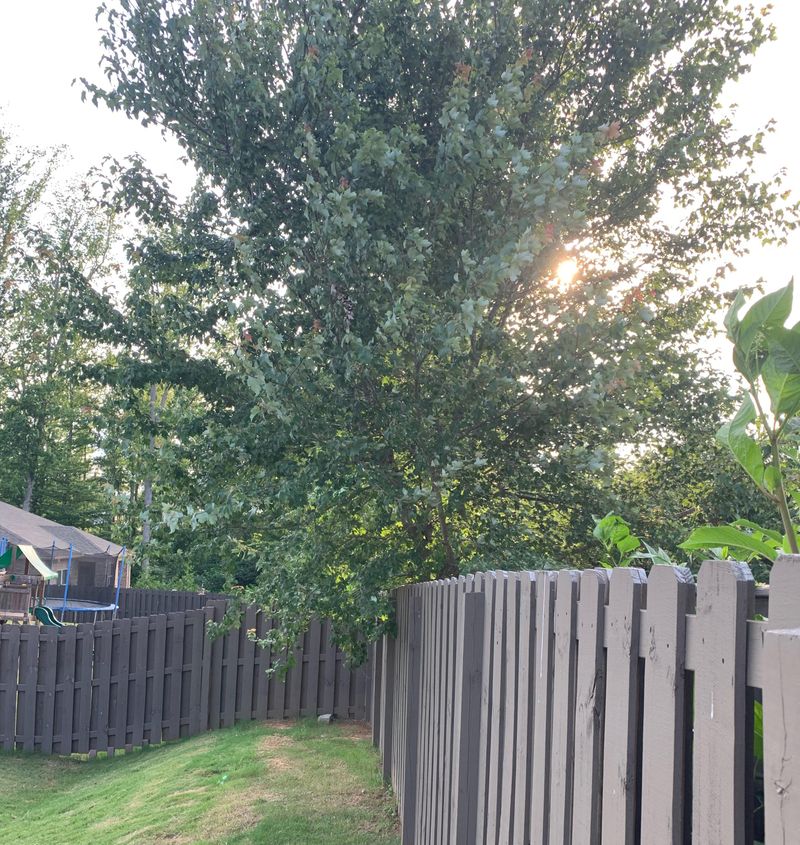
Branches hanging over the fence look harmless from your side of the yard. But under Pennsylvania property law, those branches and roots crossing the boundary line are technically a trespass.
Your neighbor has legal standing to act on that intrusion. Roots are the sneaky version of the same problem.
They travel underground, unseen, until they crack a driveway or lift a patio slab. By then, the damage is done and the finger-pointing has already started between neighbors.
Pennsylvania follows the common law rule on encroaching vegetation. That means the affected neighbor has the right to remove anything that crosses the property line at their own expense.
They do not need your permission to cut branches or roots up to the boundary. The trespass concept does not automatically make you financially responsible for every encroachment.
However, if your tree causes actual damage after a neighbor has formally notified you of the problem, liability shifts significantly. Ignoring a written notice is a costly mistake.
Fruit from overhanging branches is a surprisingly common dispute. Legally, ownership of fruit hanging over a neighbor’s yard is a gray area, and courts don’t always agree on who it belongs to.
That means your apple tree might be feeding the whole block whether you like it or not. Planting species with aggressive root systems near the boundary is asking for trouble.
Willows, silver maples, and poplars are notorious for root spread. Choose slower-growing, compact species when planting within ten feet of any property line.
5. Your Neighbor Can Legally Trim What Crosses The Line
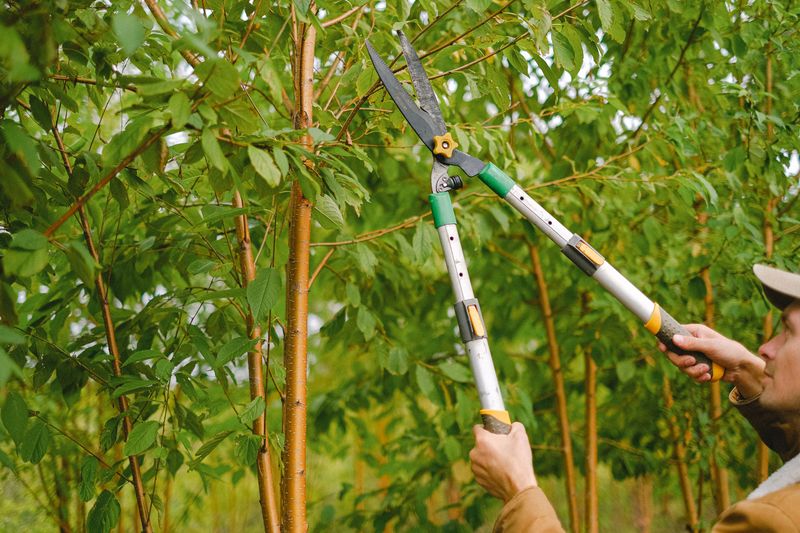
Your neighbor does not need to knock on your door before trimming branches that cross into their yard. Pennsylvania law gives property owners the right to cut encroaching vegetation at the property line.
That right exists even if you planted the tree decades ago. The trim must stop at the boundary, though.
Your neighbor cannot legally enter your property to cut branches on your side of the line. Any pruning that happens on your land without permission crosses into trespass territory for them.
Here’s the part that catches people off guard: your neighbor can trim to the line, but they are not required to do it carefully. They can cut straight across the boundary without regard for the tree’s shape or health.
The result can look uneven and jarring, especially on an ornamental tree you have spent years shaping. Some neighbors use trimming as a passive-aggressive tool during disputes.
A row of beautifully shaped arborvitae can be legally cut back hard right at the boundary if the branches cross over. That is perfectly within their rights under Pennsylvania property law.
Protecting your investment means planting with future growth in mind. A small shrub today can have a six-foot spread in five years.
Planting three feet from the line might feel safe now but invite trimming conflicts later. A proactive conversation with your neighbor before branches ever cross the line changes the whole dynamic.
Most people prefer a friendly chat over a surprise trim job that ruins a beloved landscape feature.
6. You’re Responsible For Damage Your Tree Causes
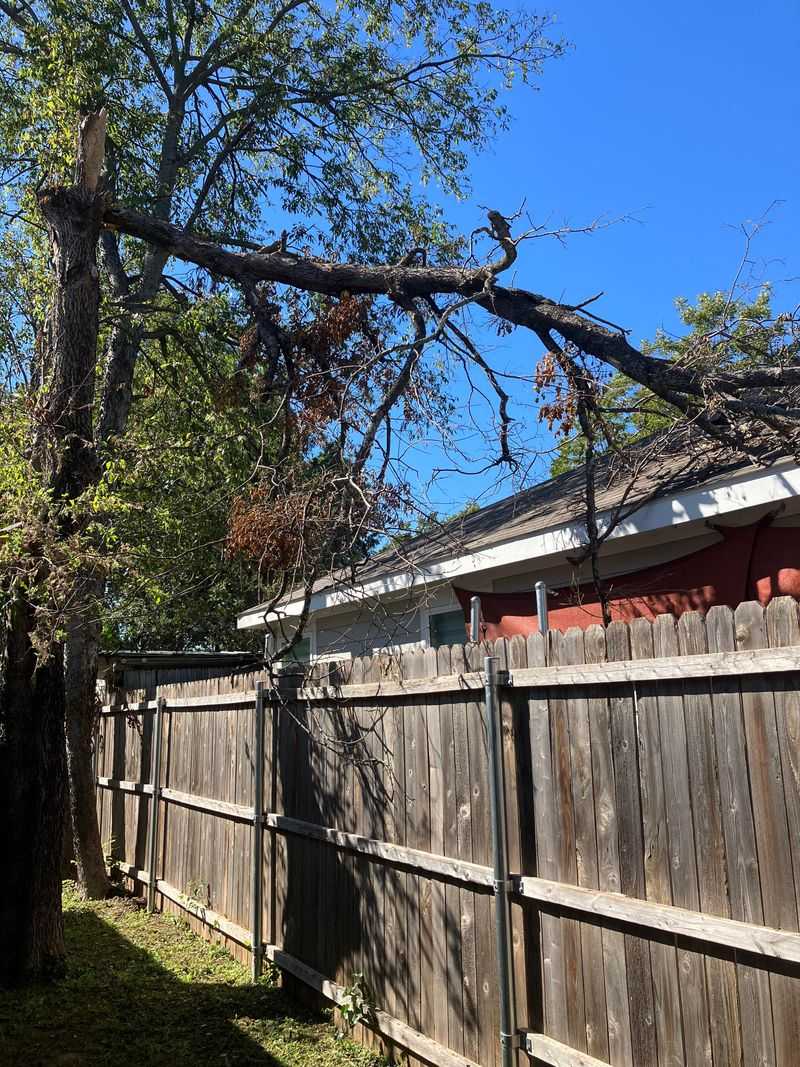
A storm rolls through and your old oak drops a massive limb onto your neighbor’s fence. Who pays for the damage? In many cases, you do.
Pennsylvania courts look at whether the tree owner knew or should have known about a hazardous condition. The key legal term here is “negligence.”
If your tree was visibly diseased, leaning dangerously, or previously flagged by a certified arborist, you are expected to act. Failing to address a known hazard makes you liable for resulting damage.
Homeowner’s insurance typically covers tree damage claims, but policies vary widely. Some cover damage to structures but not fencing.
Others exclude damage caused by trees that were clearly in poor condition before the storm hit. Your neighbor’s insurance might cover their own structural damage.
But if they can prove you were negligent, they or their insurer can come after you for reimbursement. That process is called subrogation and it happens more often than most homeowners realize.
Documenting your tree’s health is a simple but powerful protective step. Hire a certified arborist every few years for a written inspection report.
That paper trail shows you acted responsibly if a claim ever arises. Responsibility for property line plantings does not end at the boundary.
The effects of your landscape choices travel with roots, branches, and falling debris. Treating every tree near the line as a long-term responsibility keeps you on the right side of both law and neighborly goodwill.
7. Historic Districts And Floodplains May Add Extra Rules
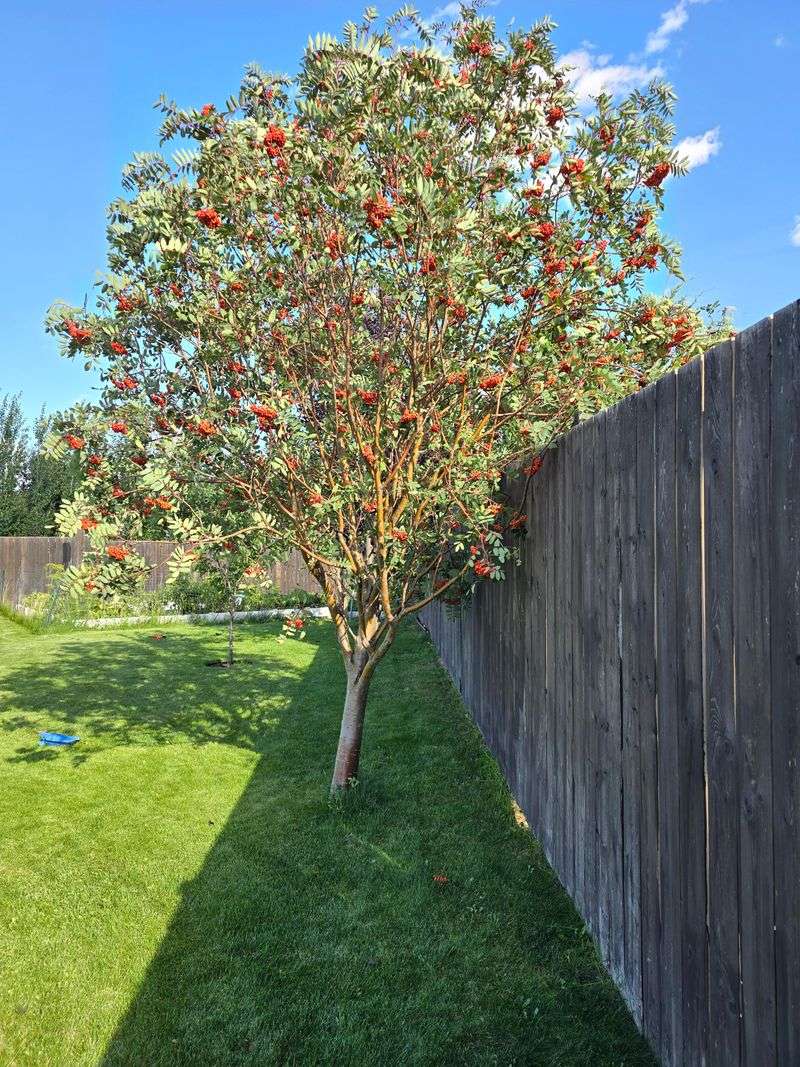
Living in a historic district in Pennsylvania comes with charm and complications. Local historic preservation boards often regulate what you can plant and where, especially when plantings affect the character of the streetscape.
Even a hedge can require board approval before installation. Floodplain properties face a completely different set of restrictions.
The Federal Emergency Management Agency and local floodplain administrators can limit certain types of plantings near waterways. Disturbing soil in a floodplain without a permit can trigger fines and mandatory restoration.
Act 167 stormwater management plans in Pennsylvania sometimes restrict vegetation near drainage corridors. If your property sits near a designated drainage easement, planting there might violate the easement terms.
Always check your deed for easement language before breaking ground anywhere near a low-lying area. Stream buffers are another layer specific to properties near creeks or rivers.
Pennsylvania’s Clean Streams Law encourages protective buffer zones along waterways. Planting invasive species in or near those buffers can create legal exposure under state environmental regulations.
Wetland areas on or near your property carry federal protections under the Clean Water Act. Placing any fill material, including soil mounded around a new tree, in a wetland without a permit is a federal violation.
That is not a fine you want to receive in the mail. These extra rules might feel like obstacles, but they exist for real reasons tied to flood control and community character.
Knowing which layers apply to your specific lot turns a confusing situation into a manageable checklist before any planting near a property line begins.
8. It’s Worth Calling Your Local Zoning Office First
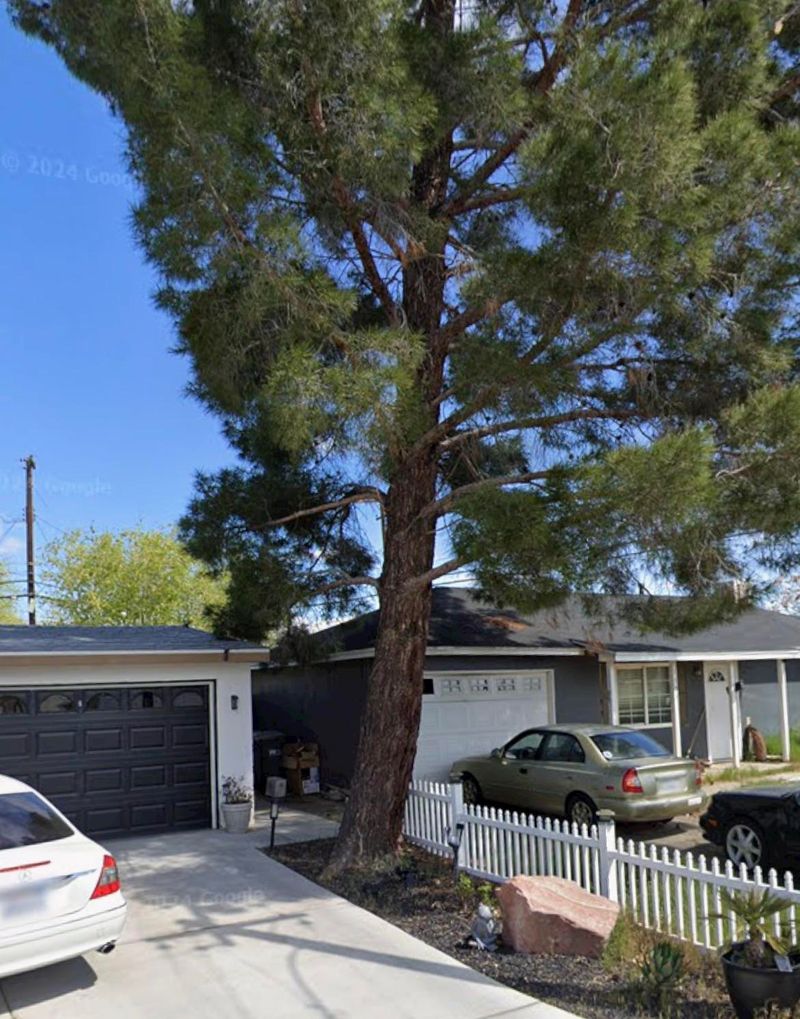
One phone call can save you thousands of dollars and months of neighbor drama. Your local zoning office exists specifically to answer questions about what is and is not allowed on your property.
Most zoning officers are genuinely helpful when you call before a problem starts. Ask about setback requirements for plantings near property lines in Pennsylvania specifically for your municipality.
Bring your property address to the conversation so the officer can pull up the exact zoning district rules that apply to your lot. Generic answers are less useful than address-specific guidance.
Request information in writing whenever possible. An email confirmation of what you were told protects you if there is ever a dispute later.
Verbal assurances from a zoning office are harder to use as evidence than a written response. Your deed and any recorded easements are also worth reviewing before you plant.
Title companies and county recorder offices can help you access those documents. Easements for utilities, drainage, or shared access can run directly through areas that look like open planting space.
Neighbors are worth a conversation too, before the first shovel breaks ground. A simple heads-up about what you are planting and where builds goodwill that pays off for years.
Most boundary disputes start not with bad intentions but with a lack of communication. Planting near a property line in Pennsylvania does not have to be stressful.
With the right calls made early, you can create a beautiful landscape that respects the law, your neighbors, and your long-term investment in your home.