November Starts A Final Countdown For Illinois Gardens
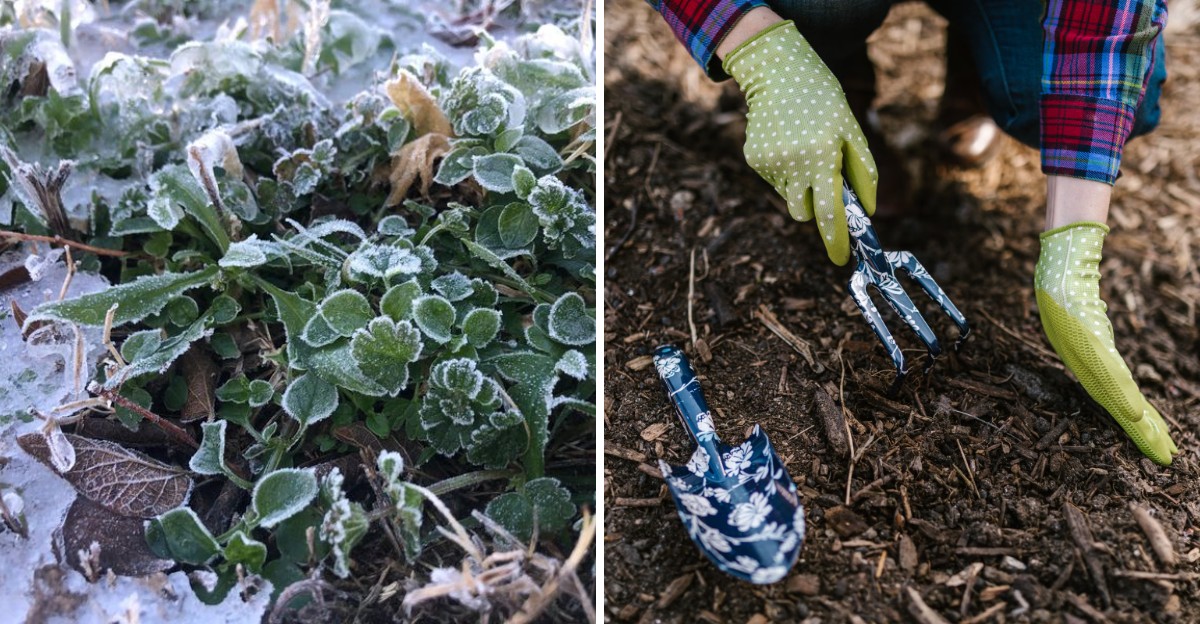
Frost has already visited most Illinois gardens by now, and it will be back harder. Cold air settles in quickly once daylight shortens, and the mornings have a bite that September never had.
Illinois soil is still holding a little warmth, but not for long. Nights now dip well below freezing while a sunny afternoon can still feel mild. Those mild afternoons are misleading this time of year.
Temperatures swing between a frosty dawn and a calm, bright midday. Plants react before you do, turning limp, dark, or dormant overnight.
Gardeners who wait too long often find the soil frozen solid before the last jobs are done. Weather across Illinois shifts fast, so early action beats hesitation.
Hardy greens, root crops, and garlic beds are waiting for your next move. What you do now decides how your garden wakes up in spring.
Every task carries weight, and every week of delay shrinks your window. This is the season for finishing what you started. The ground is about to close for winter, and so is your chance.
Why November Timing Matters More Than It Seems
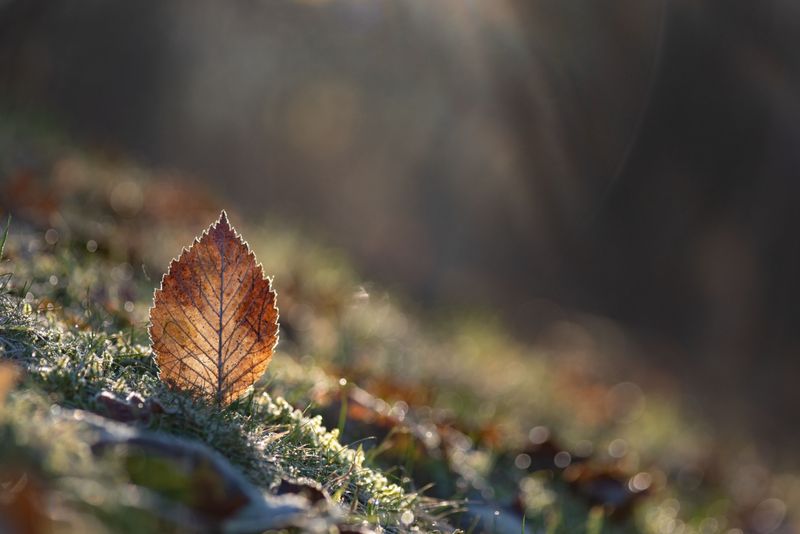
November feels quiet, and that is exactly why it tricks you. The garden looks mostly finished, the leaves are down, and it seems like there is nothing left to do.
But underneath that stillness, a different countdown is running. The date the ground freezes does not care about your schedule or your unplanted bulbs.
Many gardeners lose their best fall opportunities not because they missed the warning signs, but because they assumed the season was already over.
November is the month where the work hides behind gray weather. A mild afternoon in the 50s can be followed by a night in the low 20s. That contrast is what catches people off guard.
Paying attention now means you are not chipping at frozen soil in December with a dull trowel. A little effort in early November saves a lot of frustration come spring.
The final countdown for Illinois gardens starts the moment the calendar flips to November. Smart gardeners treat that flip like a closing bell.
They finish, they protect, and they tuck the garden in before the deep freeze arrives. Your garden has given you all year. November is your chance to give something back by putting it to bed properly.
When Illinois Typically Sees Its Hard Freeze And Frozen Ground
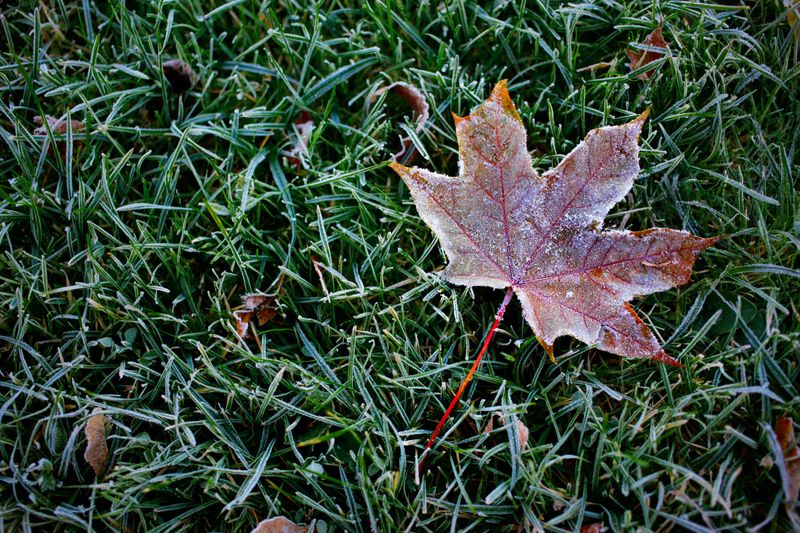
Frost does not arrive on a single date across the whole state, and by November most regions have already had their first one. What matters now is the hard freeze, when temperatures drop to the mid-20s or lower, and then when the ground freezes.
Northern Illinois, including Rockford, usually saw its first freeze around mid-October, and Chicago’s average first freeze lands near October 19th.
In November, these areas can expect repeated hard freezes, with the ground often beginning to freeze later in the month or in December.
Central Illinois, around Springfield and Bloomington, typically had frost in the second half of October and now faces regular freezing nights.
Southern regions near Carbondale tend to see their first frost later than the rest of the state, and the ground usually stays workable longer.
These averages are based on historical data, and weather rarely follows them perfectly. A warm spell can leave soil workable into December, while an early deep freeze can lock it up by Thanksgiving.
Checking your local forecast and soil temperature is a smart step. The Old Farmer’s Almanac offers a free frost date lookup tool, NOAA publishes local freeze data, and many university extension offices share local soil temperature data.
Once you know roughly when your ground freezes, count backward. That window is your action zone, when planting, mulching, and cleanup all need to happen.
Mark it on your calendar right now. Treating your frozen-ground date like a fixed date on the calendar changes how you approach the rest of November entirely.
Warning Signs That A Hard Freeze Is Close
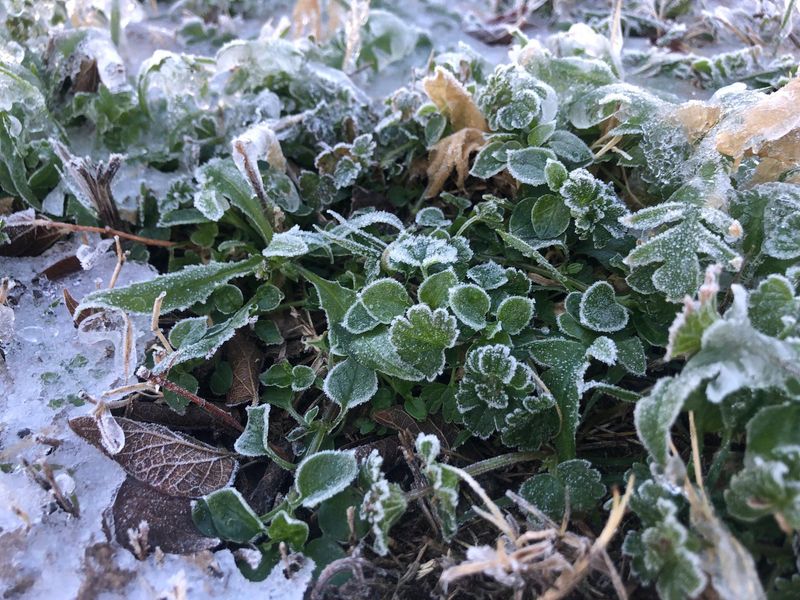
Your weather app will not always tell the whole story. Learning to read the signs yourself gives you a faster, more reliable warning system.
The clearest sign is a clear sky at night combined with calm winds. Cloud cover acts like a blanket, trapping heat near the ground. Without it, temperatures drop fast after sunset.
Low humidity is another red flag. Dry air loses heat more quickly than moist air, so a dry, clear, calm night is a strong freeze risk. Check the dew point, not just the temperature.
A low dew point can mean temperatures at ground level fall well below the forecast. Readings at weather station height often run warmer than what your plants actually experience.
Watch the ground and your plants for clues too. Puddles with ice at the edges, stiff or crunchy grass in the morning, and drooping, darkened leaves on tender plants all signal that cold is winning.
In November, the question is also how deep the cold goes. Several hard freezes in a row can start freezing the top inch or two of soil, which is your signal to finish digging.
Local news stations do issue freeze warnings, but they do not always leave much lead time. By the time one posts, you may have only an evening to act.
Building the habit of checking conditions every evening in November puts you ahead of the forecast. A quick look at the sky and a thermometer check costs nothing and saves a lot.
What To Harvest While You Still Can
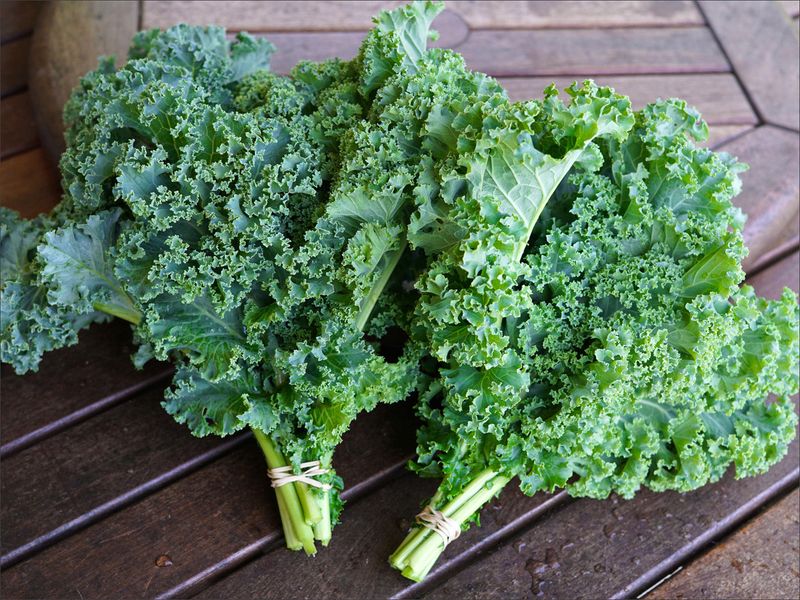
By now, summer crops like tomatoes, peppers, and basil are long gone or finished by frost. November belongs to the tough, cold-loving crops, and many of them taste better after a freeze.
Kale, collards, and Brussels sprouts get sweeter as the cold converts starches to sugars. Pick them as you need them, but harvest everything before temperatures stay in the teens.
Carrots, parsnips, beets, and turnips can sit in the ground for a while, especially under a thick layer of mulch. Dig them before the soil freezes solid, or cover them with six inches or more of straw or leaves to extend harvest.
Cabbage, leeks, and spinach tolerate light freezes, but heads can crack or turn mushy in a deep one. Cut cabbage and leeks while they are still crisp.
Any green tomatoes or peppers still clinging to plants should come in right away. Wrap tomatoes in newspaper and keep them in a cool room, and they may ripen slowly over several weeks.
Hardy herbs like parsley, thyme, and sage can often be picked into November, but rosemary and other tender herbs should come indoors. Harvest and dry or freeze what you can, and pot up a few sprigs or plants for a sunny windowsill.
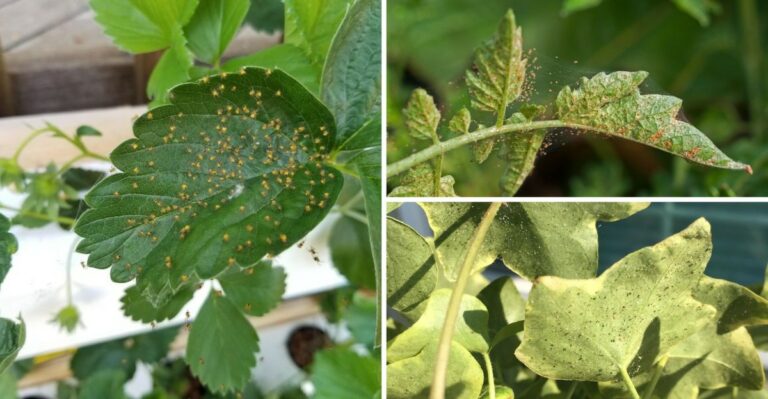
Clear out finished crops, leaving nothing rotting in the bed. Mushy plant material invites pests and disease.
Harvest with intention this month. Every basket you bring in before the ground freezes is a win for your November Final Countdown checklist.
How To Protect Plants When Temperatures Drop
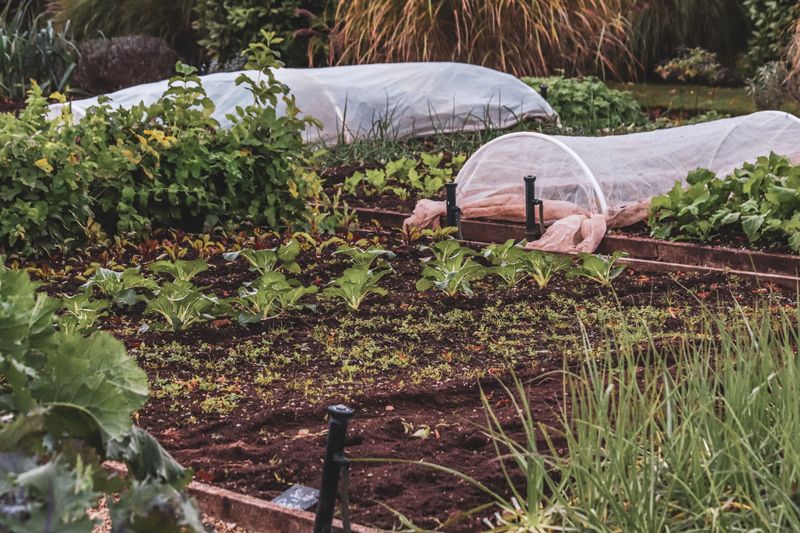
Some plants are worth fighting for even when hard freezes arrive. Covering them correctly can extend your harvest well into winter. That is not nothing, especially when kale and spinach are still going strong.
Frost cloth, also called row cover, is still the best tool for the job. For November’s harder freezes, use a heavier-weight cloth, or place it over low hoops to make a mini tunnel.
Drape it loosely and anchor the edges with rocks, stakes, or soil. Do not let it press tightly against leaves, because the cold transfers through contact. Air space between the fabric and the plant is what provides insulation.
A cold frame, which is essentially a bottomless box with a clear lid, can keep spinach, lettuce, and other greens growing for weeks. Vent it on sunny days so the plants do not overheat.
Plastic sheeting traps heat well overnight, but it must come off or be vented in the morning. A bright winter day can cook plants underneath it.
Mulch is your best friend now. Spread a thick layer of shredded leaves or straw over garlic, strawberries, carrots, and perennials to hold in soil warmth and protect roots from freeze-thaw cycles.
Potted plants should move inside or into an unheated garage or enclosed porch. Tender perennials in containers will not survive a hard freeze outdoors.
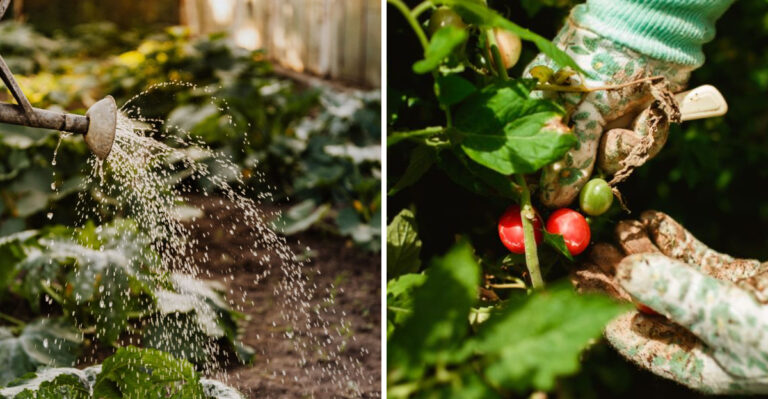
Water your garden the evening before a hard freeze is expected, as long as the soil is not already frozen. Moist soil holds heat better than dry soil, and that stored warmth helps protect roots and lower stems.
Covering your plants is not giving up on the season. It is playing smart until the last possible moment.
Getting Your Garden Ready For Next Spring
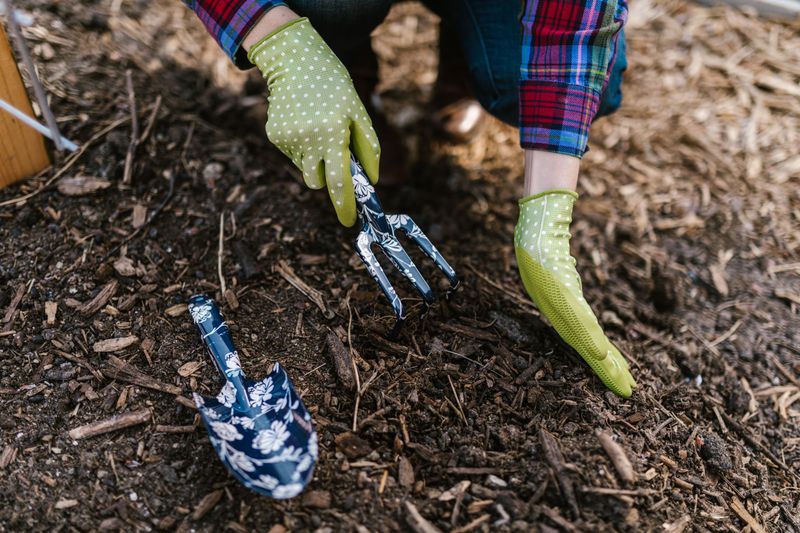
Now that the growing season is nearly over, the real investment begins. What you do to your garden this month determines how strong it comes back next spring. November is the last good window for this work, while the soil can still be worked.
Pull spent plants now if you have not already. Leaving old plant material in the bed invites disease and pests to overwinter right where your next crop will grow.
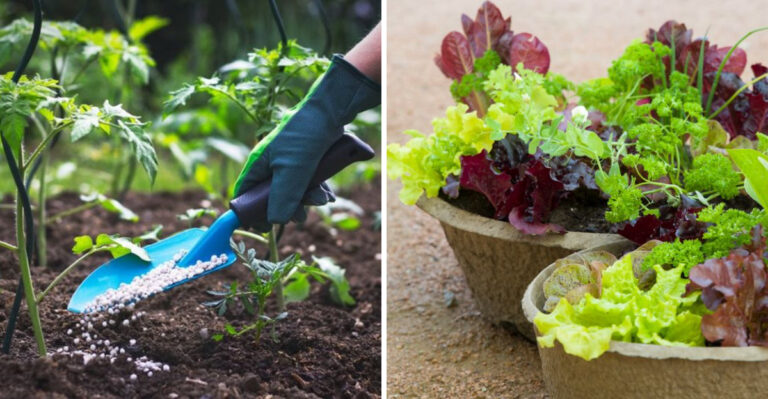
Add a thick layer of compost to every bed you clear. Spread two to three inches across the surface and work it in lightly with a fork.
Soil microbes will keep slowly breaking it down over winter, leaving you with rich, ready-to-plant beds come April.
Plant garlic now if you have not yet, ideally before the ground freezes. Early November is still workable in much of Illinois, especially in the central and southern parts of the state.
Cover the bed with four to six inches of straw or shredded leaves after planting. Tulip, daffodil, and other spring bulbs can also go in the ground until it freezes, so do not let that bag in the garage go to waste.
Cover crops like winter rye are best sown earlier in the fall, so if you missed that window, protect empty beds with a thick mulch of shredded leaves or straw. Mulch guards soil from erosion, adds organic matter, and suppresses weeds all winter.
Clean and oil your tools before storing them, and drain and store hoses so they do not crack. Rust and frozen pipes are slow problems that become spring headaches if ignored now.
November’s final countdown for Illinois gardens is about finishing well, and how you close the season shapes everything that comes next.