The Garden Tasks Illinois Gardeners Should Finish Before August
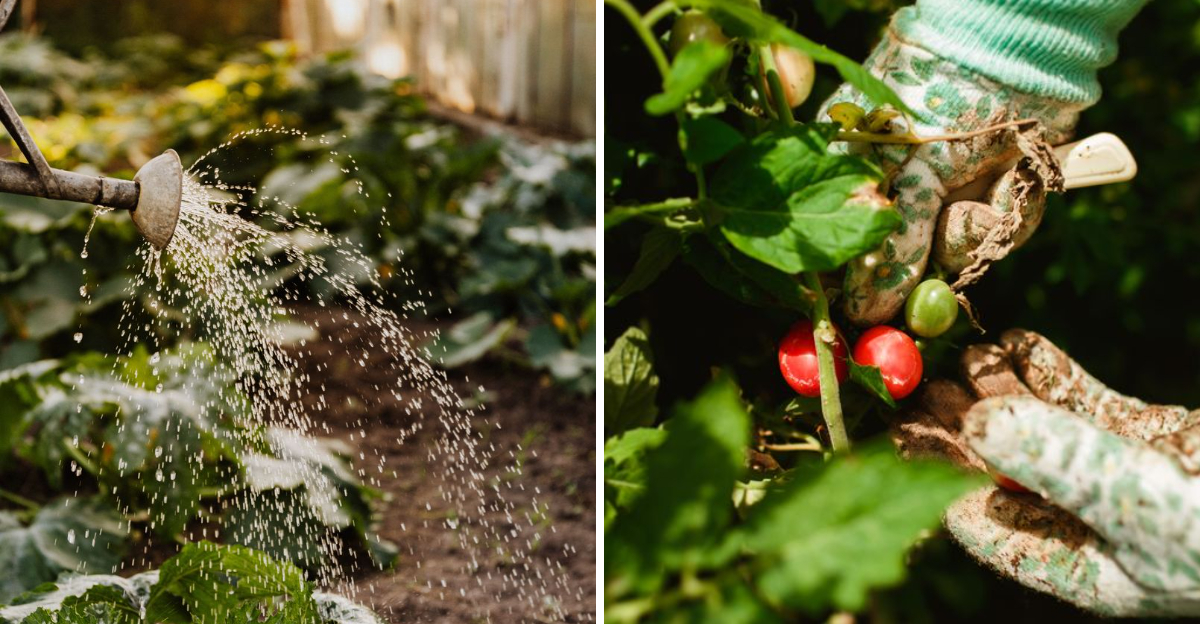
Illinois summers shift gears without warning. A garden bed that looked picture-perfect in June can turn patchy and stressed by late July, and most gardeners notice the change only after it’s already happening.
The stretch between mid-summer and August is where next season gets decided. Soil dries out faster than expected, pests multiply while attention drifts elsewhere, and plants that skipped a feeding start showing it in their leaves.
Illinois gardeners who stay a step ahead during this window tend to walk into September with color still holding and roots still strong. Skip a few key jobs now, though, and the payback arrives fast: crispy foliage, stalled blooms, lawns that go dormant early.
This is the season for quiet course corrections, not dramatic overhauls, and knowing which tasks matter most makes the difference between a garden that coasts through fall and one that gives up early.
1. Sowing Cool Season Crops For A Fall Harvest
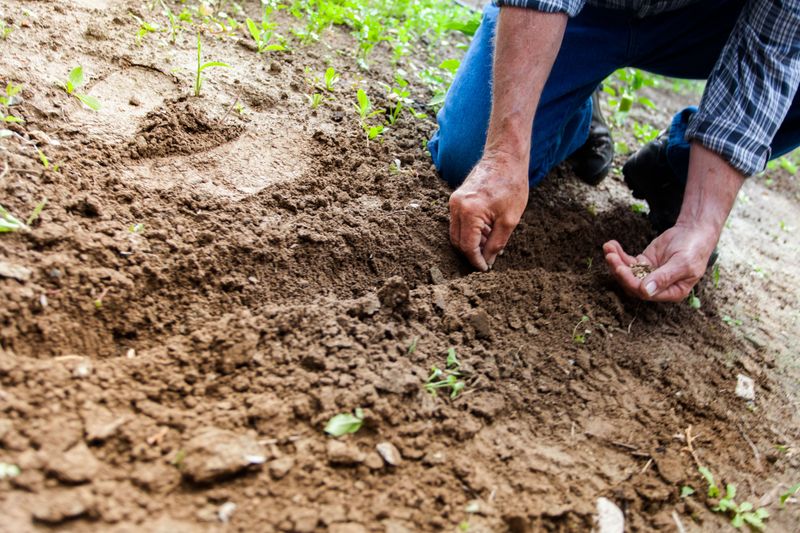
Cool weather crops are sneaky overachievers. They quietly thrive when summer heat fades and most gardeners have given up on new planting.
Sowing seeds now means your fall table could be full of crisp lettuce, tender spinach, and sweet kale. These crops actually taste better after a light frost touches them.
Start counting back from your first expected frost date in your area. Most of northern Illinois sees frost around mid-October, so planting in late July gives crops enough time to mature.
Radishes are ready in about 30 days. Broccoli needs closer to 60, so get those transplants in the ground without waiting.
Loosen your soil and mix in a little compost before sowing. Compacted summer soil can slow germination and stress young seedlings before they get a fighting chance.
Water lightly but consistently during germination. Once seedlings appear, ease back and let the roots chase moisture deeper into the soil.
Row covers can protect young plants from late summer heat spikes. They also keep cabbage moths from laying eggs on your brassica seedlings.
This is one of those garden tasks Illinois gardeners tend to skip because summer feels endless. But August arrives fast, and the planting window closes quietly without warning.
2. Cutting Back Overgrown Perennials And Removing Spent Blooms
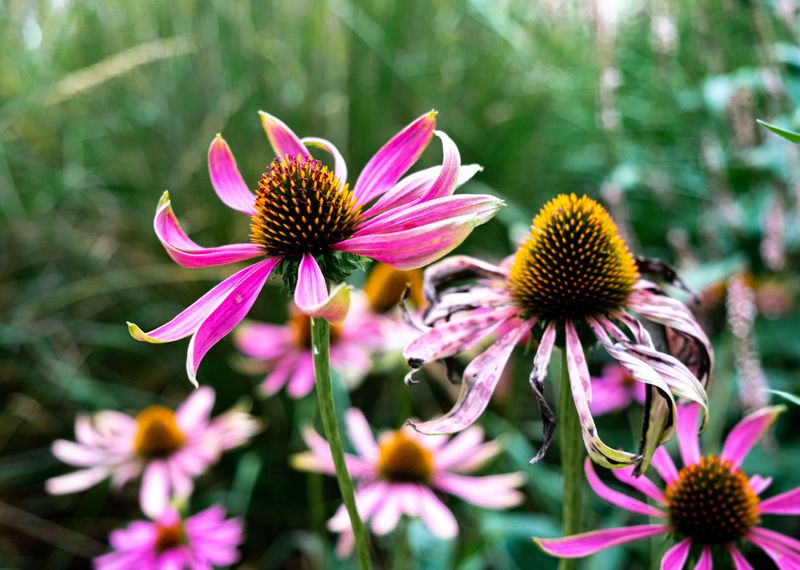
Your perennials are probably looking a little wild right now. That explosion of early summer growth has turned into a tangled, floppy mess in many Illinois gardens.
Cutting back leggy stems encourages fresh growth and sometimes triggers a second wave of blooms. Plants like salvia and catmint respond beautifully to a firm midsummer trim.
Removing spent blooms redirects the plant’s energy toward roots instead of seeds. That shift supports stronger root growth and new buds.
Grab a pair of clean, sharp scissors or pruners and walk your beds slowly. Snip off any flower that looks brown, mushy, or fully open past its prime.
For perennials that have flopped over neighbors, cut stems back by about one-third. This tidies the bed and improves air circulation, which reduces fungal problems in humid Illinois summers.
Your Illinois Garden Changes Every Week. Your Plan Should Too.
Gardening in Illinois changes quickly throughout the season. Every Friday you’ll receive a simple weekly plan showing exactly what to plant, prune, fertilize, harvest, and protect so you never miss the right timing.
Hostas and daylilies benefit from having their spent scapes removed cleanly at the base. Leaving them attached invites rot and looks messy heading into fall.
Do not compost diseased plant material from this cleanup. Bag it and toss it to prevent spreading pathogens back into your garden beds next season.
A well-pruned perennial bed heading into August looks intentional and cared for. Your plants will reward the effort with stronger roots and a healthier start next spring.
3. Stopping Rose Fertilizing Before The Month Ends
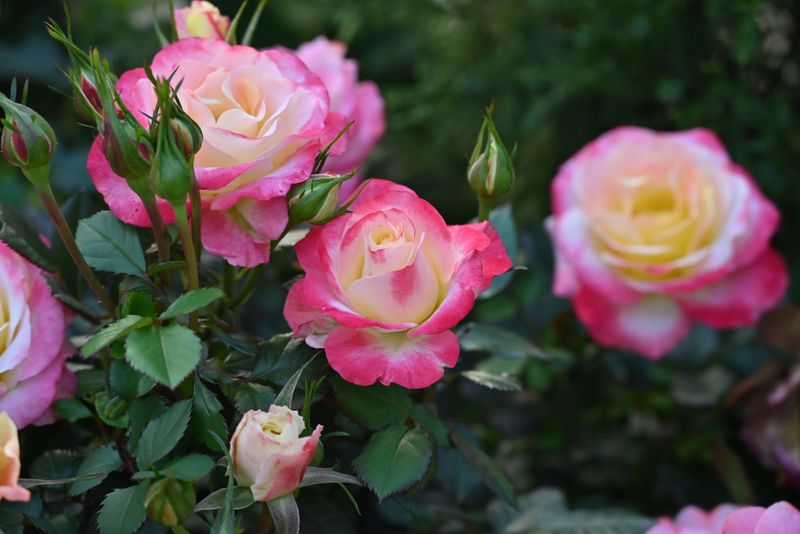
Roses are heavy feeders during their bloom season, but late summer feeding can actually work against them. Pushing new soft growth right before fall signals the plant to stay tender when it should be hardening off.
New growth stimulated by nitrogen-rich fertilizer is extremely vulnerable to early frost damage. In Illinois, that first cold snap can arrive faster than most gardeners expect.
The general rule is to stop all fertilizing by the end of July. This gives your roses enough time to slow down and start preparing for winter dormancy naturally.
If you have been using a slow-release granular fertilizer, check the label for how long it stays active. Some formulas keep feeding for up to three months, so your last application timing really matters.
Liquid fertilizers stop feeding quickly after application. They give you more control over the exact cutoff date, which is helpful when timing is critical.
After you stop fertilizing, keep watering your roses deeply and consistently. Hydrated canes are far less prone to winter damage than dry, stressed ones.
Remove any spent blooms to keep the plant tidy, but stop cutting back hard once August begins. Pruning stimulates growth the same way fertilizer does.
Healthy, well-timed care now means your roses come back strong next spring. These are the garden tasks Illinois gardeners often overlook until the first cold morning arrives as a reminder.
4. Dividing Peonies While There Is Still Time
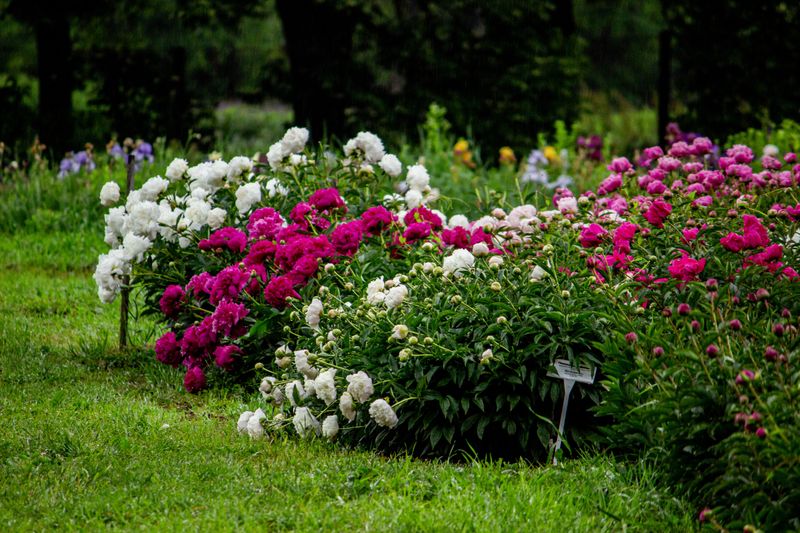
Peonies seem untouchable, like heirlooms you dare not disturb. But dividing them is actually one of the kindest things you can do for a mature, crowded clump.
Overgrown peonies produce fewer blooms over time because the roots compete fiercely for nutrients. Dividing them resets that energy and leads to stronger flowering in the seasons ahead.
Early fall is the real sweet spot for this task in the Midwest, though the window opens in late August once the worst heat breaks. By then the plant has finished blooming and is pulling energy back into its roots, keeping transplant stress low.
Start by cutting the foliage back to about six inches above the ground. This makes the root ball easier to lift and reduces moisture loss during the division process.
Use a sharp spade to dig a wide circle around the clump, then lift the entire root mass. Shake off loose soil so you can see the eyes, which are the reddish buds on the crown.
Each division needs at least three to five eyes to bloom reliably. Fewer eyes mean the plant will survive but may take several years before it flowers again.
Replant divisions so the eyes sit no more than two inches below the soil surface. Planting too deep is the number one reason peonies fail to bloom the following spring.
Water thoroughly after replanting and mark the spots clearly. You will be glad you did when spring growth emerges in exactly the right place.
5. Deep Watering Through Late Summer Dry Spells
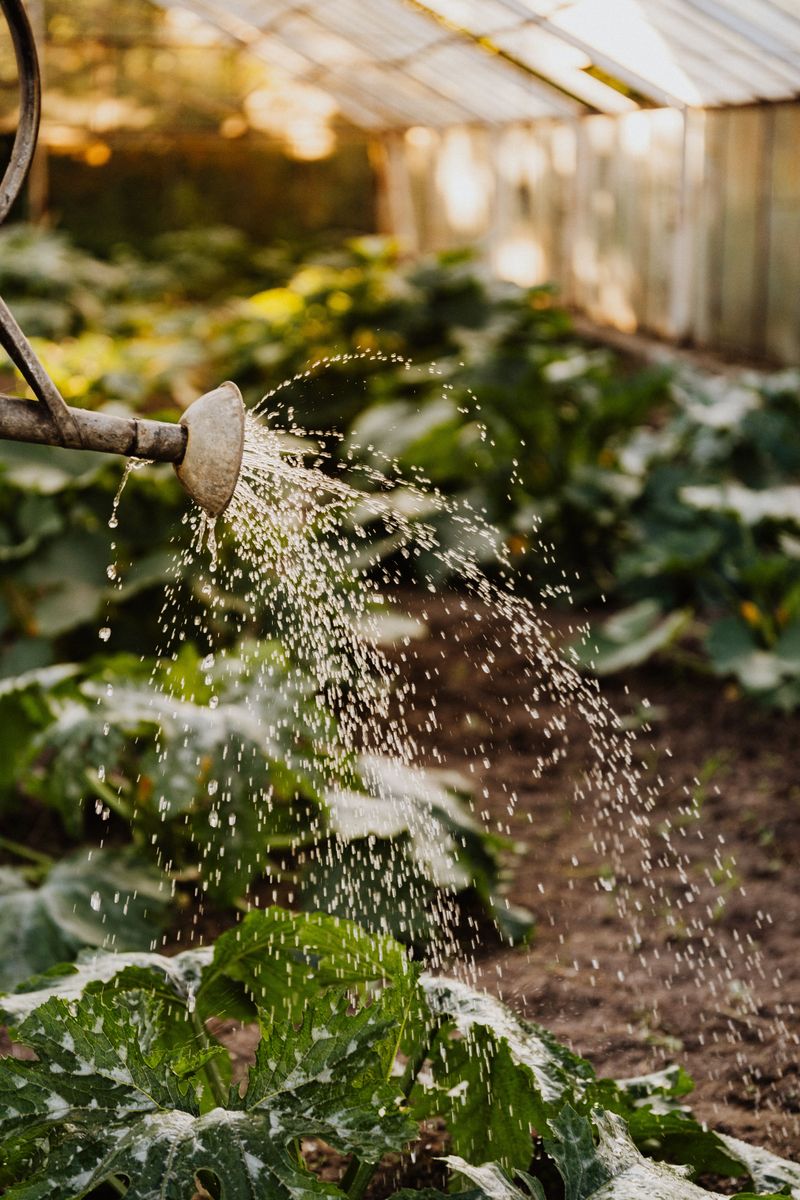
August in Illinois can feel like the garden is holding its breath. Rainfall becomes unpredictable, temperatures stay brutal, and shallow-rooted plants start showing stress fast.
Deep watering means soaking the soil to a depth of six to eight inches, not just wetting the surface. Shallow watering trains roots to stay near the top where they are most vulnerable to heat.
Soaker hoses and drip irrigation are your best friends during dry stretches. They deliver water slowly right at the root zone, reducing evaporation and keeping foliage dry.
Overhead sprinklers in hot weather leave foliage wet for hours, which invites fungal problems more than it saves time. They also waste water through evaporation before it ever reaches plant roots.
Water early in the morning whenever possible. Soil absorbs moisture more efficiently when temperatures are cooler, and any splashed foliage dries quickly before fungal problems can develop.
Check soil moisture by pushing a finger two inches into the ground near your plants. If it feels dry at that depth, it is time to water regardless of what the forecast says.
Mulching around plants with two to three inches of wood chips or straw dramatically reduces moisture loss. It also keeps soil temperatures from spiking during afternoon heat.
Consistent deep watering now builds the root strength plants need to survive both late summer stress and early fall transitions. Your garden will show the difference by September.
6. Overseeding Thin Lawn Areas Before Fall Arrives
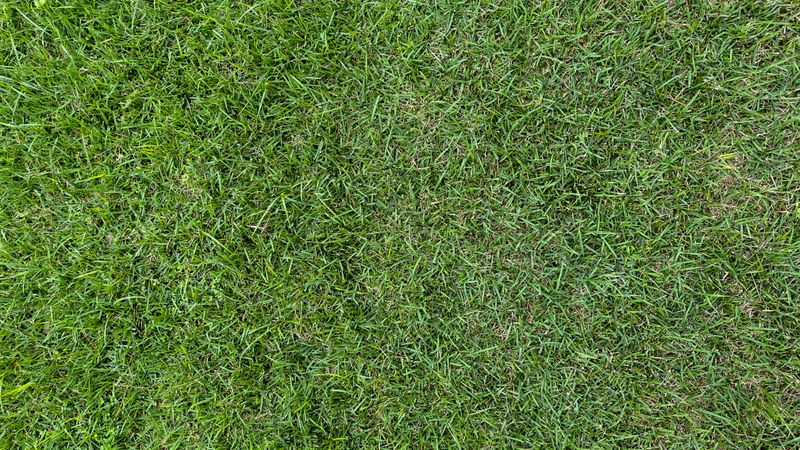
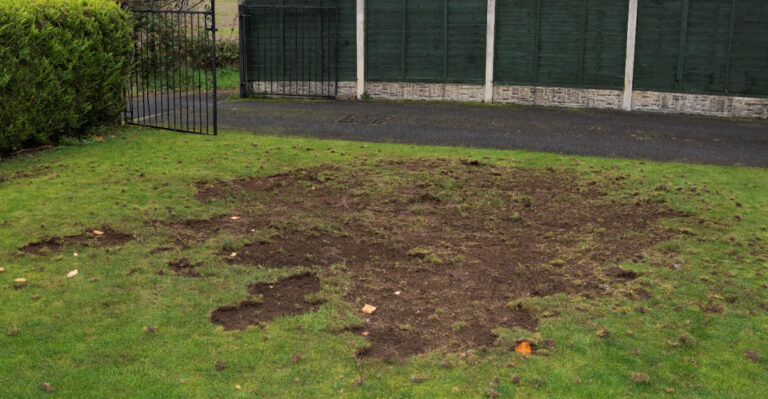
Bare patches in a lawn are basically open invitations for weeds. Thin spots you ignore now often turn into a dandelion or crabgrass stronghold by next spring.
Late summer is actually one of the best times to overseed cool-season grasses in Illinois. Soil temperatures are still warm enough to trigger quick germination, and cooler fall air helps new grass thrive.
Start by raking thin areas vigorously to remove dry grass and loosen the top layer of soil. Seed needs direct contact with soil to germinate, and thatch is the enemy of that connection.
Choose a grass seed blend suited to your yard’s conditions. Shady spots need different varieties than sunny open areas, so read labels carefully before buying.
Spread seed at the rate recommended on the package, then lightly rake it in or top-dress with a thin layer of compost. That slight covering protects seed from birds and drying wind.
Keep the seeded area consistently moist until germination occurs. This may mean light watering twice daily during hot stretches, which takes commitment but pays off quickly.
Avoid mowing newly seeded areas until the grass reaches about three inches tall. Mowing too soon pulls young seedlings right out of the ground before roots can anchor.
A thick, healthy lawn heading into fall chokes out weeds naturally and enters winter dormancy in much stronger shape. Starting now gives your lawn the head start it genuinely needs.
7. Side Dressing Vegetables Still Actively Producing
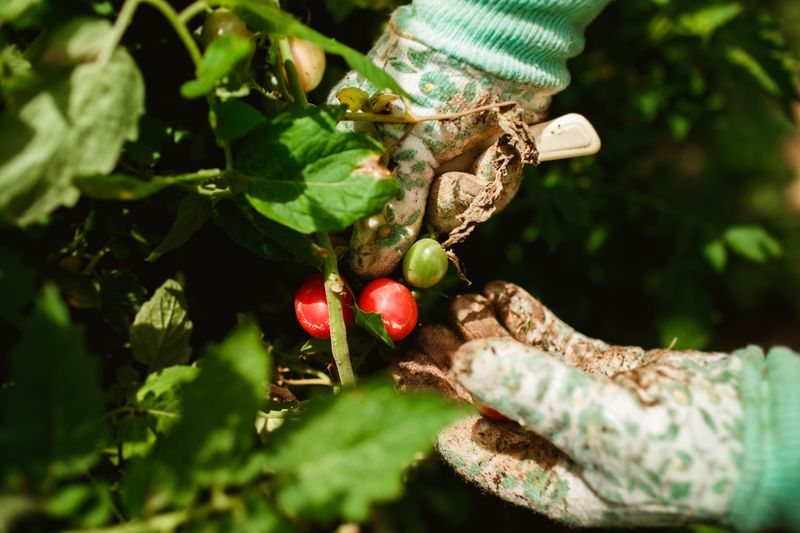
Tomatoes, peppers, and squash are working overtime right now. They have been feeding fruit production all season, and the soil around them is running low on available nutrients.
Side dressing is the practice of applying fertilizer alongside actively growing plants without disturbing their roots. It gives heavy producers a targeted nutrient boost at exactly the right moment.
A balanced granular fertilizer or compost works well for most vegetables at this stage. Scratch it lightly into the soil surface about four to six inches from the plant’s main stem.
Avoid high-nitrogen options for fruiting crops at this point in the season. Too much nitrogen now pushes leafy growth instead of fruit development, which is the opposite of what you want.
Blossom end rot on tomatoes looks like a calcium problem, but it’s usually a watering one. Keep moisture consistent and soil amendments become a minor backup, not the fix.
Water thoroughly after side dressing to help nutrients move into the root zone. Dry fertilizer sitting on the surface does very little until moisture carries it where roots can access it.
Check your plants for signs of nutrient deficiency before choosing what to apply. Yellowing lower leaves often signal nitrogen need, while purple-tinged leaves can indicate a phosphorus gap.
Supporting your vegetables through August keeps production rolling well into September. These garden tasks Illinois gardeners sometimes skip can add weeks of harvest to an already successful growing season.
8. Watching For Pests And Disease Before Cooler Weather
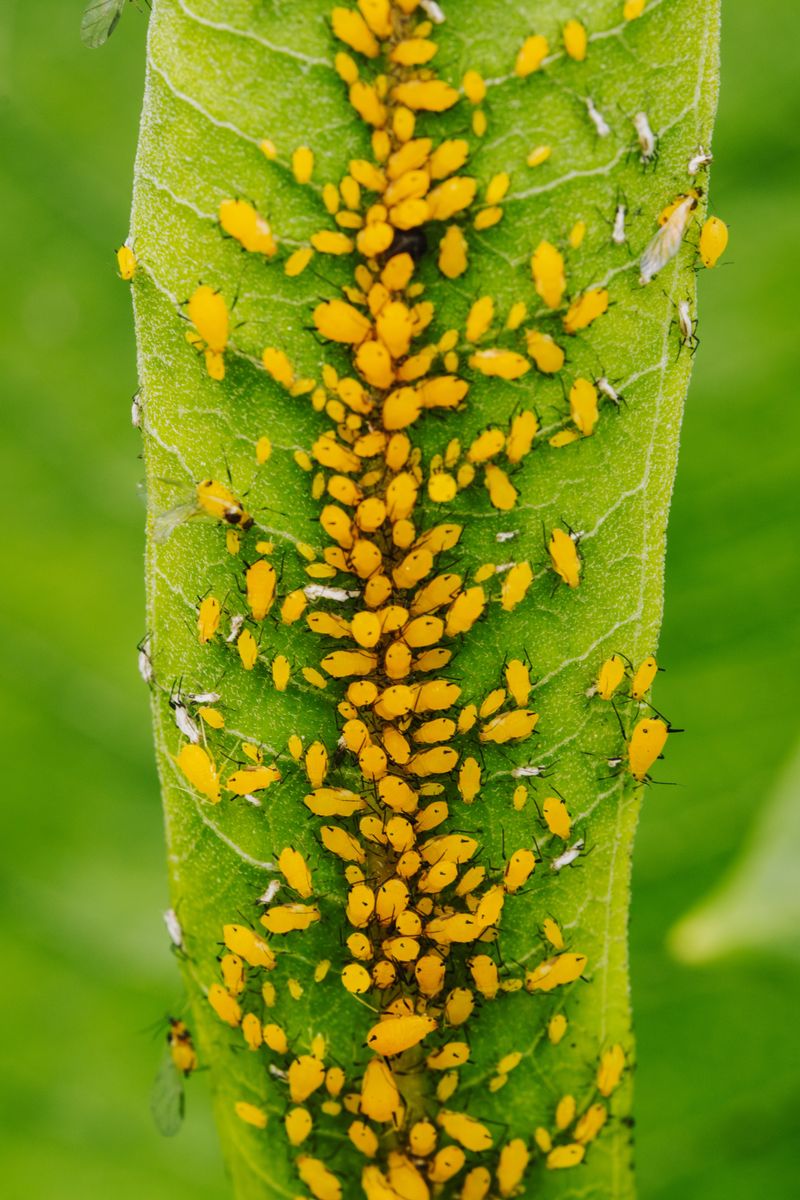
Late summer is when garden pests make their boldest moves. Populations of aphids and spider mites climb fast this time of year, while Japanese beetles are already tapering off after their midsummer peak.
Catching problems early is the difference between a minor annoyance and a full-blown infestation. Walking your garden every few days with sharp eyes is enough to spot most of them in time.
Flip leaves over regularly and look at the undersides carefully. Spider mites, aphid colonies, and squash bug eggs all hide there, invisible from a casual glance at the top of the leaf.
Powdery mildew is another late summer visitor that spreads quickly in warm, humid conditions. It shows up as a white chalky coating on leaves and weakens plants heading into fall.
Remove any heavily infected leaves immediately and dispose of them away from the garden. Leaving them in place allows spores to spread to healthy plants nearby with every passing breeze.
Neem oil spray is an effective organic option for both fungal issues and soft-bodied insects. Apply it in the early morning or evening to avoid leaf scorch from sun exposure.
Encourage natural predators by planting flowers near your vegetables. Ladybugs, lacewings, and parasitic wasps settle in gardens where they find pollen and nectar close by.
Staying ahead of pests now protects your garden through the final stretch of the growing season. These garden tasks Illinois gardeners often postpone are far easier to handle early than after damage spreads.