7 North Carolina Perennials Worth Growing Just For Their Winter Seed Heads
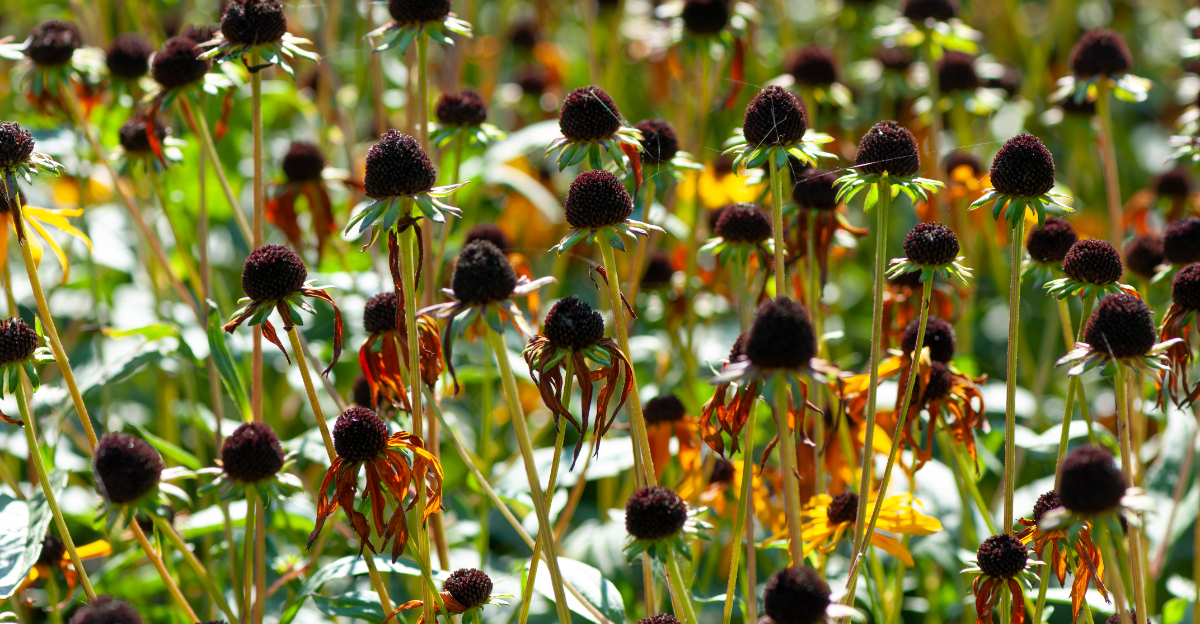
Most gardeners cut perennials back the moment blooms fade, missing out on an entirely different kind of beauty that shows up only after flowers are long gone.
Several North Carolina perennials actually offer their most interesting look during winter, once seed heads take over where blooms used to be.
Understanding which plants fall into this category could completely change how you think about fall and winter cleanup in your own garden.
Many gardeners are surprised by how striking these seed heads actually look once frost and bare branches set the scene around them.
This list could turn typically overlooked winter months into a season worth genuinely looking forward to. Once you start leaving these particular plants standing, you’ll likely notice details you never appreciated before.
Sometimes the most rewarding garden view comes long after the flowers themselves have disappeared.
1. Purple Coneflower
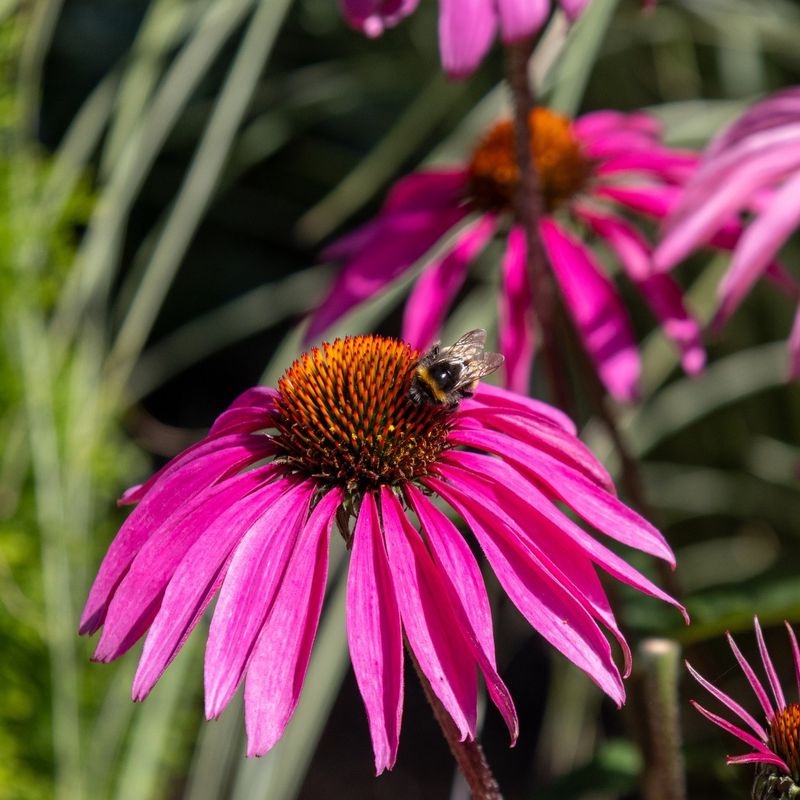
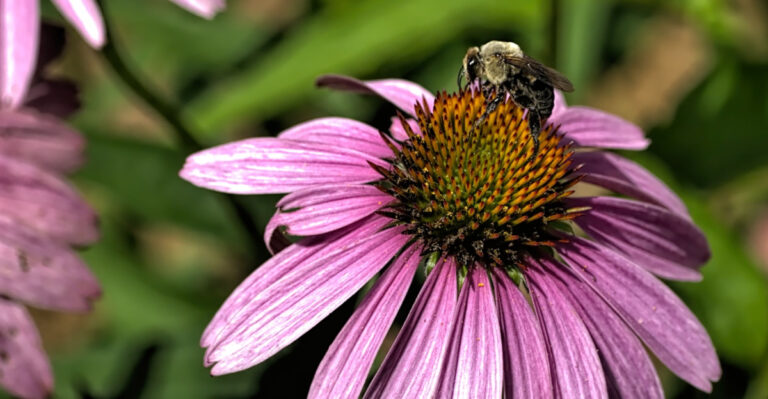
Long after the pink petals drop away, purple coneflower keeps giving. The spiky brown cones stand up strong on stiff stems, looking a bit like tiny sea urchins frozen in place.
Those dark cones are packed with seeds, and birds absolutely love them. Goldfinches and other songbirds cling to the tops on chilly mornings, pulling out snacks one by one.
If you leave the cones standing instead of trimming them in fall, you turn your garden into a little winter diner.
Purple coneflower, also called Echinacea, grows easily across North Carolina. It handles heat, poor soil, and dry spells without much fuss, which makes it a favorite for busy gardeners.
The seed heads look great when frost or a dusting of snow settles on them. Their spiny shape catches light in a way soft flowers never could, giving your yard texture during the quiet season.
Plant coneflowers in a sunny spot with room to spread. They form clumps that get bigger each year, so a few plants soon become a cheerful patch.
Here is a fun bit of history: Native peoples used this plant long ago, and today it shows up in many herbal teas and remedies. That deep-rooted past gives the flower extra charm.
Wait until early spring to cut the old stems back. By then, the birds will have cleaned out most seeds, and fresh green shoots will already be pushing up from the base, ready to start the cycle again.
2. Black Eyed Susan
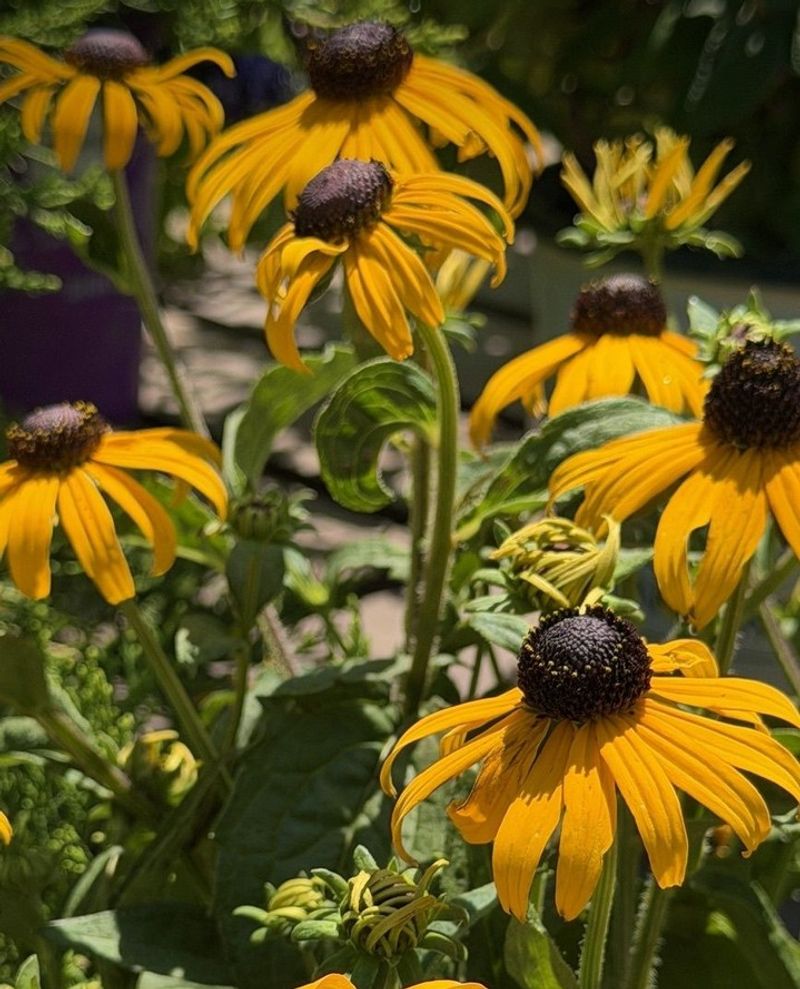
Bright yellow petals make black eyed susan a summer star, but the real winter magic hides in the middle. Once the petals fall, round dark seed heads remain, sitting like little chocolate buttons on top of tall stems.
Those seed heads bring rich texture to a sleepy garden. Against pale winter skies or a blanket of snow, the dark centers pop and give your beds a rhythm of dots and lines.
Songbirds treat these plants like a snack bar. Goldfinches especially flock to the seeds, balancing on the stems and picking away throughout the coldest weeks. Leaving the heads up means free bird food and lots of fluttering visitors.
Your North Carolina Garden Changes Every Week. Your Plan Should Too.
Gardening in North Carolina changes quickly throughout the season. Every Friday you’ll receive a simple weekly plan showing exactly what to plant, prune, fertilize, harvest, and protect so you never miss the right timing.
Black eyed susan grows almost anywhere in North Carolina. It shrugs off heat, tolerates dry ground, and reseeds itself, so you often get surprise plants popping up in new spots the following year.
For the best show, plant them in full sun where their stiff stems can stand tall. Grouping several together creates a bold sweep that looks amazing in every season.
A neat detail worth knowing is that this cheerful flower is the state flower of Maryland, though it thrives happily far beyond that border. Its friendly, wildflower look fits perfectly in cottage gardens and meadow plantings alike.
Hold off on cutting the stems until late winter or early spring. The standing seed heads shelter tiny insects and feed birds during lean weeks, and trimming too soon takes away one of the garden’s most helpful winter gifts.
3. Joe Pye Weed
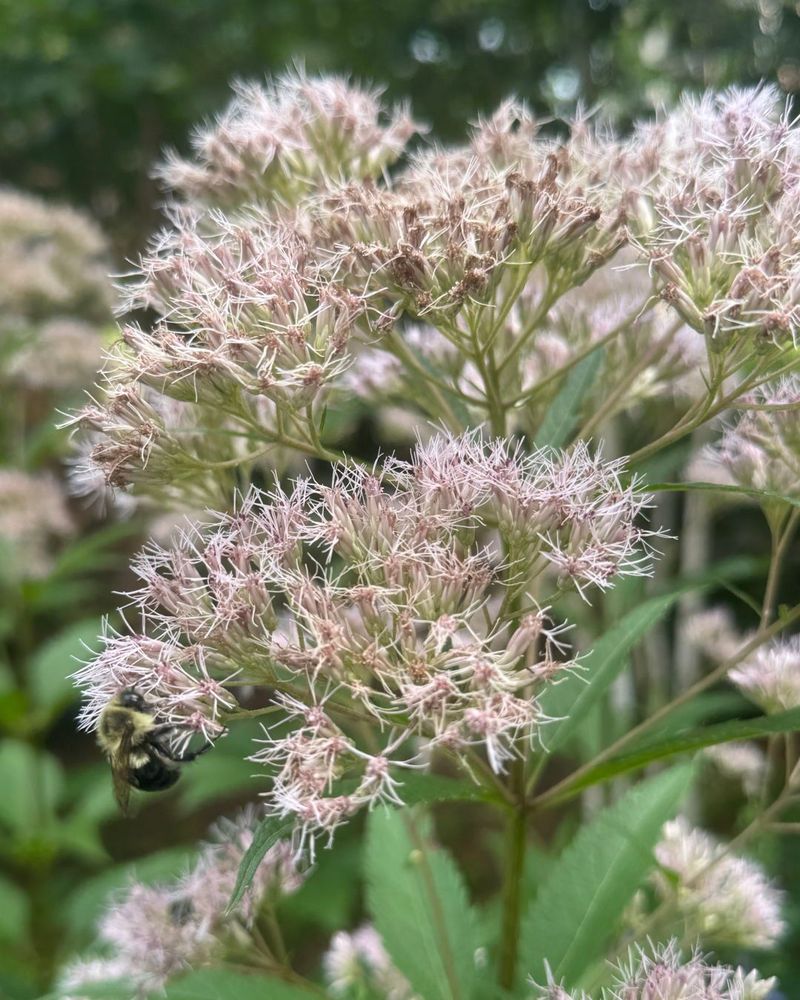
Towering and proud, Joe Pye weed brings drama to any garden. In summer its huge dusty-pink flower clusters buzz with butterflies, but the plant keeps performing long after those blooms fade.
As the season turns, the big flower heads dry into soft, fluffy tufts. These seed heads sit high on strong stems that can reach several feet, so they stay visible even when snow piles up below.
The fluffy texture adds a gentle softness to winter beds. When morning light glows behind them, the seed heads seem to shimmer, giving your garden a dreamy, wild look that store-bought plants rarely match.
Birds pick through the seeds during cold spells, and the hollow stems offer shelter for helpful insects. Leaving the plant standing turns it into a mini wildlife hotel through the quiet months.
Joe Pye weed loves moist soil and grows well across much of North Carolina, especially in spots that stay a little damp. Give it room, because it can grow tall and full over a single season.
Plant it toward the back of a bed where its height becomes a lovely backdrop for shorter perennials. In the wild, you often spot it near streams and ditches, proof that it likes a good drink.
Wait until early spring to cut the old stems down. By that time, the fluffy heads will have scattered many seeds, and new growth will be waking up at the base, ready for another towering year.
4. Little Bluestem
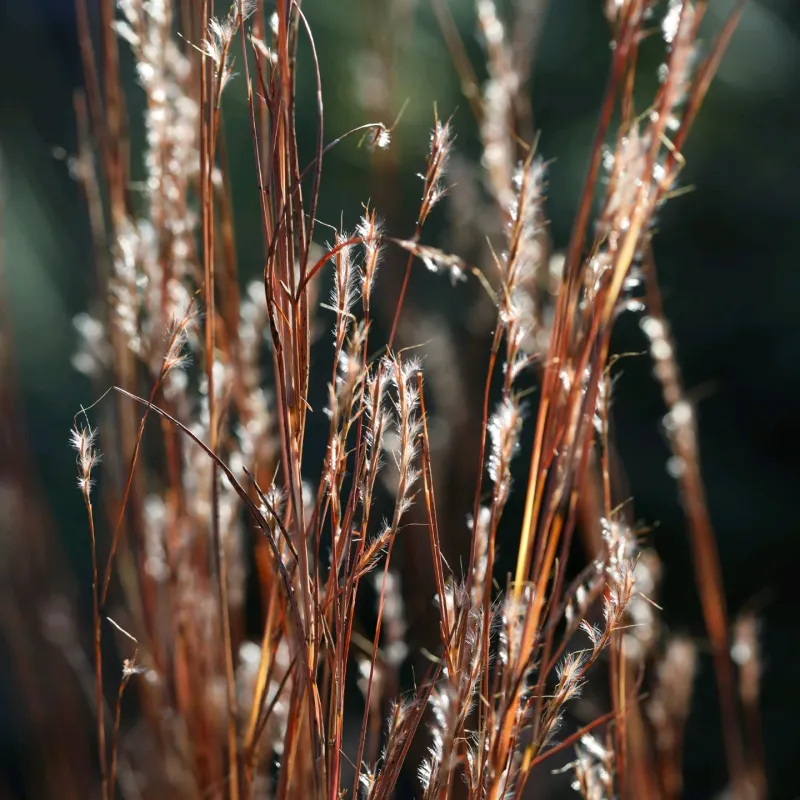
Few plants dance in the wind like little bluestem. This native grass turns from soft blue-green in summer to a warm bronze and copper in the cooler months, lighting up the garden with fiery color.
Tiny silvery seed heads line the stems and catch every ray of sun. When the light hits just right, they sparkle like frost, giving the whole clump a glowing, feathery outline.
Movement is the real gift here. Even a gentle breeze sends the stems swaying, so your garden feels alive during weeks when most plants sit perfectly still. That motion adds life to an otherwise quiet yard.
Little bluestem thrives in sunny, dry spots and handles North Carolina’s clay soils with ease. Once it settles in, it needs almost no watering, making it a dream for low-effort gardeners.
Small birds visit the seed heads for snacks, and the thick clumps give tiny creatures a cozy place to hide from the wind. That combination of beauty and shelter makes it a smart pick.
Plant it in groups for the biggest impact, letting the coppery clumps blend into a warm river of color. It pairs beautifully with coneflowers and black eyed susan for a natural meadow feel.
A cool fact is that little bluestem once covered vast American prairies, feeding grazing herds and shaping the land. Growing it in your yard brings a little slice of that wild history home.
Leave the grass standing all winter and cut it back in early spring, just before fresh blades appear.
5. Gray’s Sedge
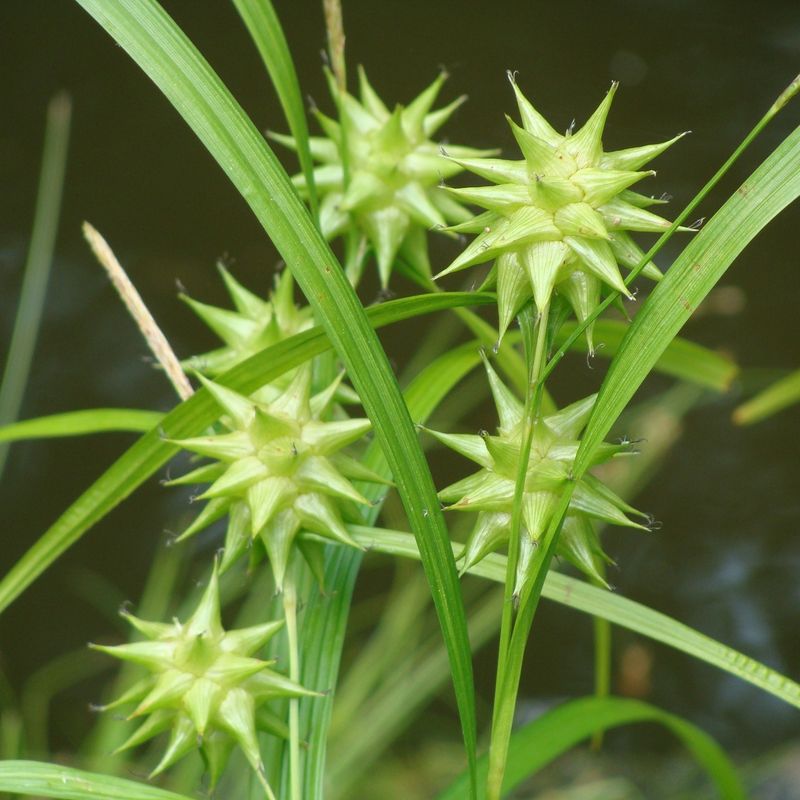
Ever seen a plant that looks like it grows tiny medieval maces? Gray’s sedge does exactly that, with round spiky seed heads that seem almost too fun to be real.
Those odd seed heads dry right on the plant and hold their shape for weeks. Their star-burst spikes bring a playful, sculptural touch that stands out from the soft grasses and fluffy tufts around them.
Because the seed balls stay firm through cold weather, they give your garden quirky winter interest that always sparks conversation. Kids especially love spotting the funny green globes that turn tan as the season cools.
Gray’s sedge loves moisture, so it fits best in the Coastal Plain and Piedmont regions of North Carolina where soil stays damp. Rain gardens, pond edges, and low wet spots are ideal homes for it.
Plant it where taller plants might struggle with wet feet. This sedge welcomes the extra water and rewards you with lush green blades and those unforgettable seed heads.
Wildlife appreciates it too, since the seeds feed birds and the clumps shelter frogs and helpful bugs near water. It quietly supports a whole tiny neighborhood in your yard.
A neat detail is that sedges are grass-like but not true grasses. An old saying goes that sedges have edges, meaning their stems feel triangular when you roll them between your fingers.
Leave the seed heads standing through winter to enjoy their shape, then tidy the clump in early spring as fresh new growth begins to fill in around the base.
6. Autumn Joy Sedum
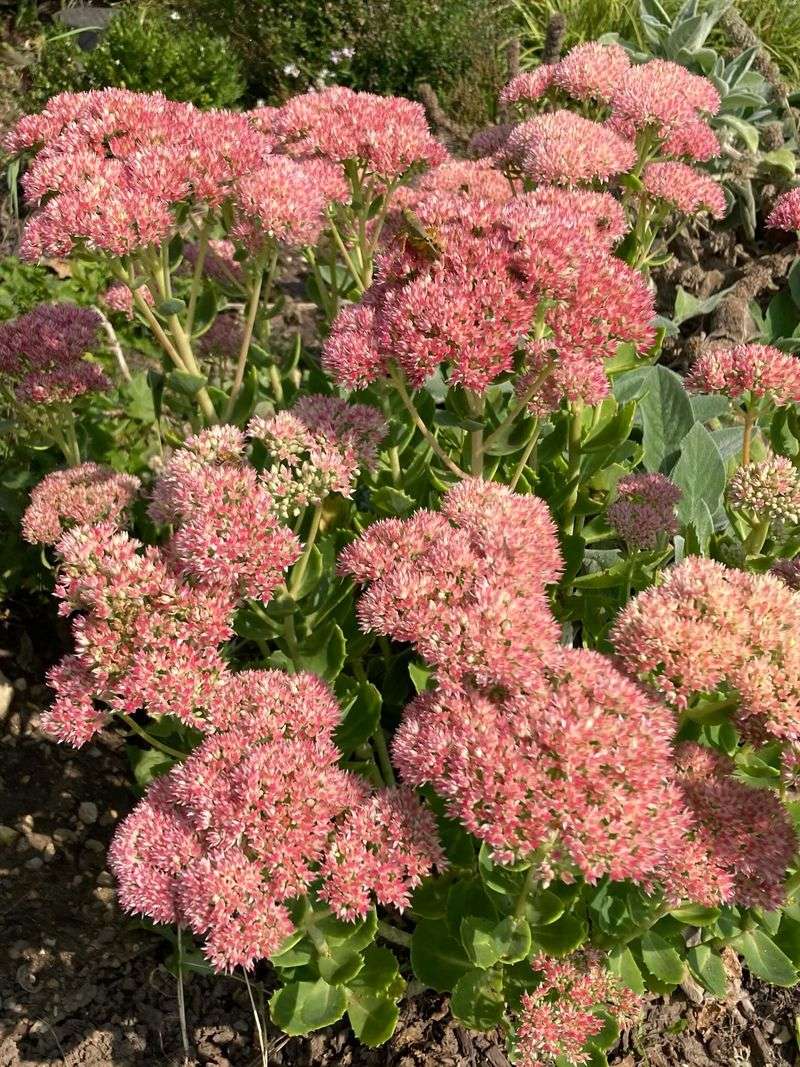
Sturdy and dependable, Autumn Joy sedum earns its keep in every season. Its thick green leaves and flat flower clusters shift from pink to deep rose in fall, then dry to a rich rusty brown as the air cools.
Those broad, flat heads are the winter showstopper. They sit on strong stems that stay upright through wind, frost, and light snow, so the plant looks tidy and handsome even in rough weather.
Instead of trimming them back in fall, leave the dried heads standing. They catch snowflakes on their flat tops, creating little frosted plates that look charming on a crisp morning.
Autumn Joy handles North Carolina’s heat and dry spells with ease. Its plump leaves store water, so it barely notices a missed watering, making it one of the toughest perennials you can plant.
Give it full sun and well-draining soil, and it will reward you for years. The clumps grow slowly larger, and you can split them in spring to make free new plants for other beds.
Bees and butterflies swarm the blooms in late summer, and the standing winter heads shelter small insects that birds hunt for later. The plant keeps working for wildlife all year long.
Here is a helpful tip: if the clump flops open in the middle, pinch the stems back in early summer to keep it bushier and stronger.
Cut the old stems down in early spring, just as fresh rosettes of new leaves start pushing up from the ground.
7. Astilbe
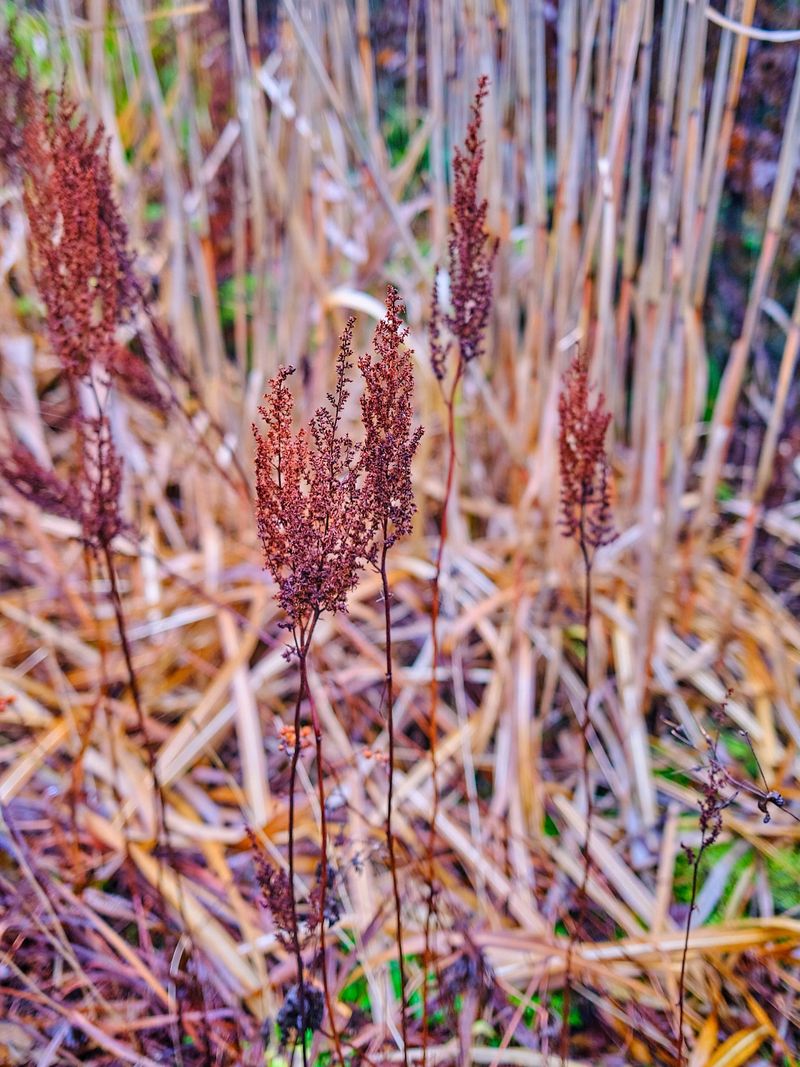
Soft as feathers in summer, astilbe surprises many gardeners by looking just as lovely in the cold. Its fluffy flower plumes fade from bright pink or white into warm tan and bronze, keeping their airy shape long after the color goes.
Those dried plumes add gentle texture to shady corners where few winter plants thrive. Standing tall on slender stems, they bring softness and height to spots that might otherwise feel flat and dull.
Shade gardens often go quiet in winter, so astilbe’s lasting plumes are a real treasure. They sway a little in the breeze and catch tiny bits of frost, adding quiet beauty under trees and along north-facing beds.
Astilbe loves moist, rich soil and cool shade, which suits many woodland gardens across North Carolina. Keep the roots damp and it will thrive without much other care.
Plant it near ferns, hostas, and other shade lovers for a lush, layered look. The feathery seed heads rise above their leafy neighbors, giving the whole planting a soft, romantic feel.
Because the plumes hold up so well, you can even snip a few for dried flower arrangements indoors. They keep their shape for a long time and look beautiful in a simple vase.
A charming fact is that astilbe is sometimes called false spirea because its plumes resemble that shrub, though the two are not related at all.
Leave the plumes standing through winter, then cut the old stems back in early spring as fresh fern-like leaves unfurl below.