The Best Time To Pick North Carolina Strawberries For The Sweetest Flavor
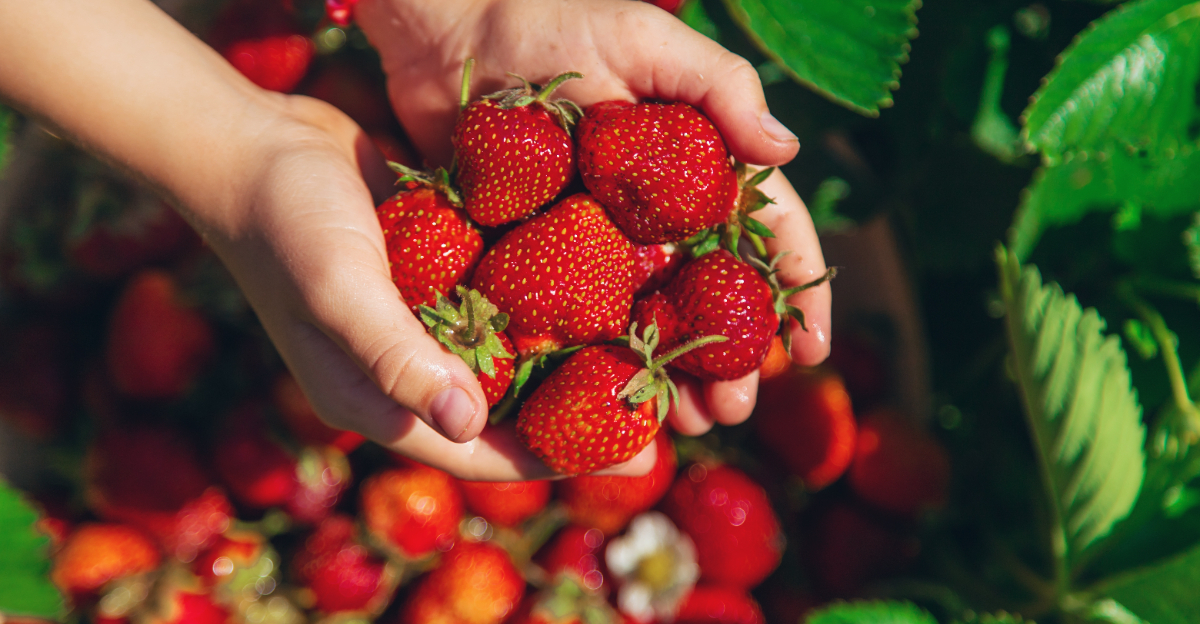
Strawberry season in North Carolina moves fast and rewards the gardeners and pickers who pay close attention to timing. The difference between a berry picked a day too early and one harvested at exactly the right moment is not subtle.
It shows up immediately in flavor, texture, and how long the fruit holds up after picking. North Carolina’s spring warmth pushes strawberries through their ripening window quickly, sometimes within days during a warm stretch in April or May.
Color alone is not a reliable indicator of peak sweetness here. Knowing what combination of visual and physical cues actually signals that a berry is ready makes every picking session significantly more rewarding than going by looks alone.
1. Pick During North Carolina’s Main Strawberry Season
May is the magic month for North Carolina strawberry lovers. That is when most farms across the state hit their peak production, and the fields are absolutely loaded with ripe, fragrant berries just waiting to be picked.
The combination of warm sunny days and the natural ripening cycle creates conditions that are nearly perfect for sweet, flavorful fruit.
The exact timing shifts a little from year to year depending on how spring unfolds. A warm February and March can push the season forward, while a late cold snap can delay it by a week or two.
That natural unpredictability is part of what makes fresh local strawberries feel so special when they finally arrive.
Local pick-your-own farms are your best bet for catching berries at their sweetest. When fields are producing heavily and fruit is harvested at peak ripeness, the flavor is noticeably richer than anything you will find at a grocery store.
Following your favorite farm on social media or checking their website regularly in April and May is one of the smartest moves you can make.
Many farms post daily updates about field conditions and availability, so you can plan your visit right when the berries are at their absolute best.
2. Start Earlier In The Coastal Plain
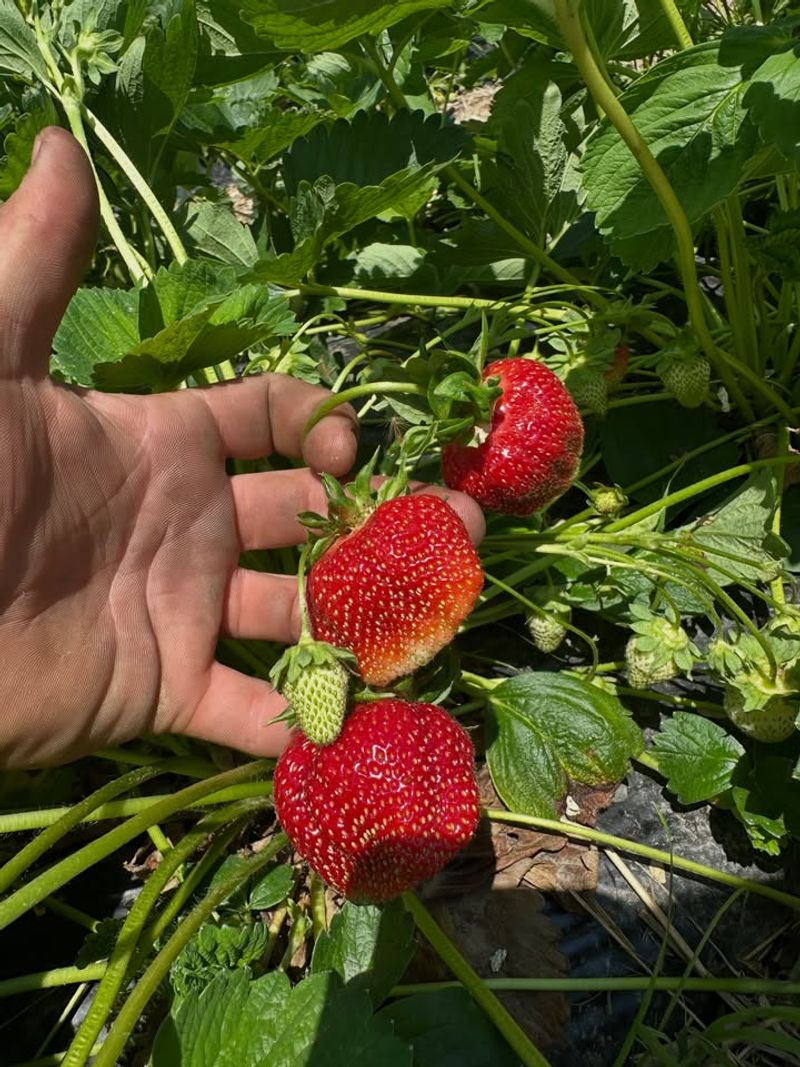
Warm spring weather arrives earlier in southeastern North Carolina than almost anywhere else in the state.
That head start means strawberry farms in the Coastal Plain region often open for picking as early as April, sometimes even in the last days of March during a particularly mild year.
If you want to be among the first to taste fresh local berries each season, this is the region to watch.
The warmer temperatures in this part of the state speed up the ripening process naturally. Sandy, well-drained soils that are common in the region also help plants get an early jump on the growing season.
Farms near towns like Wilmington, Goldsboro, and Rocky Mount tend to be among the earliest to open their fields each spring.
One important thing to remember is that the opening date changes every single year. Weather is unpredictable, and a cold front in late March can push things back just as easily as a warm stretch can pull them forward.
Your North Carolina Garden Changes Every Week. Your Plan Should Too.
Gardening in North Carolina changes quickly throughout the season. Every Friday you’ll receive a simple weekly plan showing exactly what to plant, prune, fertilize, harvest, and protect so you never miss the right timing.
Always check directly with local farms before making the trip. Most farms update their websites, Facebook pages, or phone hotlines regularly during the season.
A quick call or a few minutes of online research can save you a wasted drive and make sure you arrive when the berries are truly at their sweetest and most plentiful.
3. Expect Piedmont Berries In Mid To Late April
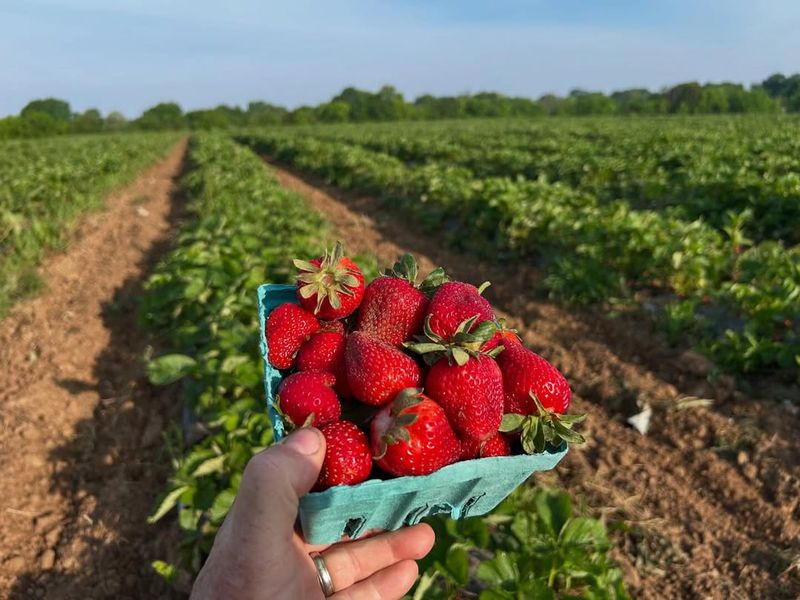
The Piedmont sits in the middle of the state, and its strawberry season lands right in that sweet spot between the early Coastal Plain harvest and the later mountain farms.
Most Piedmont farms begin welcoming pickers somewhere between mid-April and early May, depending on how the spring temperatures have played out.
It is a wonderful time of year to visit a farm because the fields are fresh, the crowds are manageable, and the berries are bursting with flavor.
Warm days combined with cooler nights during this period actually help develop sweetness in the fruit.
That natural temperature swing slows the ripening just enough to let sugars build up inside each berry, which is part of why Piedmont strawberries can taste so incredibly good when conditions line up right.
If you live near Raleigh, Durham, Greensboro, Winston-Salem, or Charlotte, you have easy access to some excellent pick-your-own farms. The key is staying alert during April and checking farm updates often.
Many farms use social media to announce their first picking days, and those posts can fill up a field fast. Sign up for farm newsletters, bookmark their websites, and set a reminder to check in early April.
Getting there on one of the first open days means the rows are full, the berries are perfectly ripe, and the whole experience feels fresh and exciting from the very first handful you pick.
4. Wait Longer In Western North Carolina
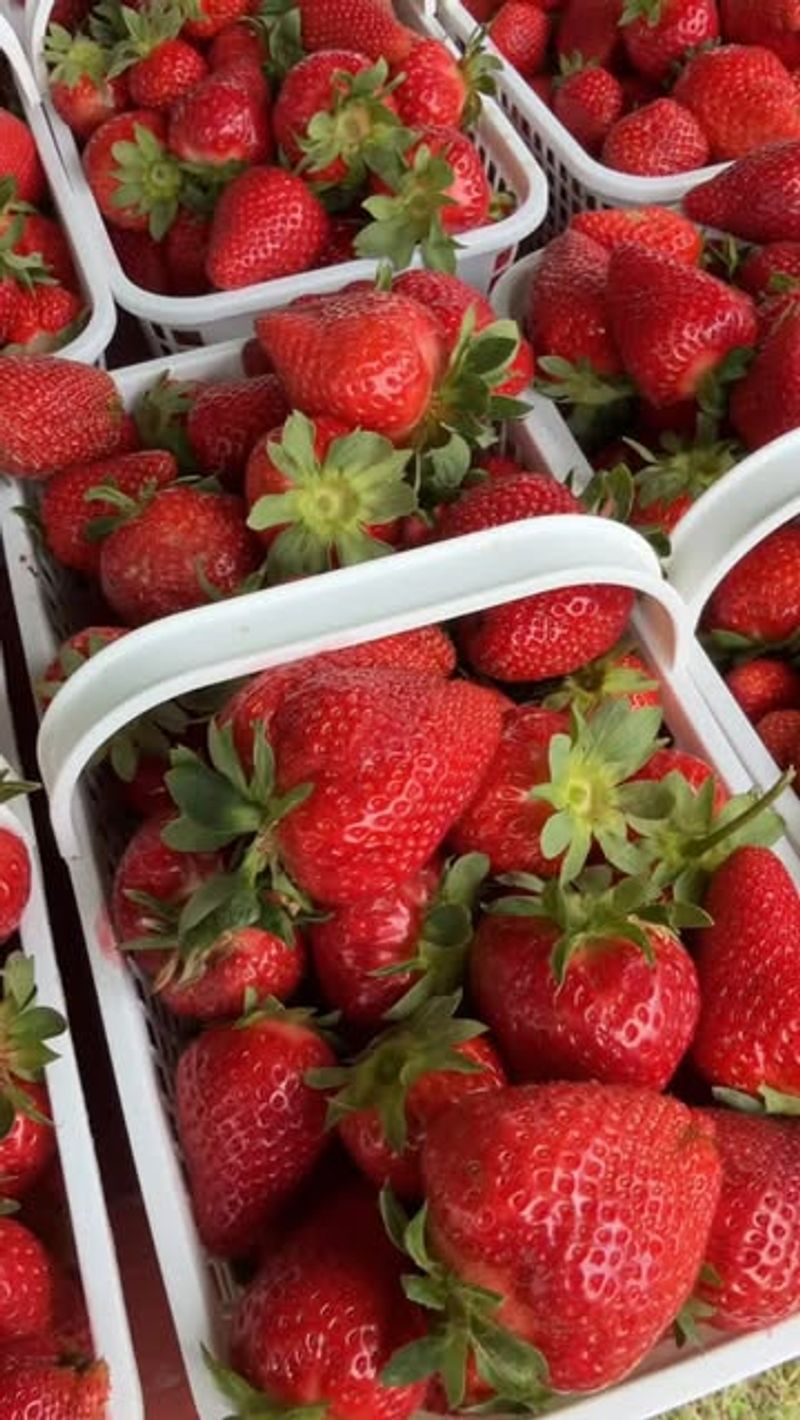
Mountain living comes with a trade-off when it comes to strawberries. The cooler temperatures and higher elevation in western North Carolina mean that strawberry plants take longer to wake up and ripen compared to the rest of the state.
Most mountain farms do not open for picking until early May, and some years it can stretch closer to mid-May before the berries are truly ready. That slower pace is not a bad thing at all.
Cooler growing conditions actually allow the sugars in strawberries to develop more gradually, and many berry enthusiasts swear that mountain strawberries have a depth of flavor that is hard to match.
The berries tend to be firm, bright, and wonderfully aromatic when they finally reach full ripeness.
If you are planning a trip to the mountains and hoping to pick strawberries, build some flexibility into your schedule. The season in western NC can shift by a week or more depending on spring weather patterns.
Farms near Asheville, Hendersonville, and Boone often share updates on their websites and social media as the season approaches. Reaching out to farms directly is always a smart move, especially if you are traveling from a distance.
The wait for mountain strawberries is absolutely worth it, and arriving when the fields are fully ripe makes the entire experience feel genuinely rewarding and delicious.
5. Choose Fully Red Berries For The Sweetest Flavor
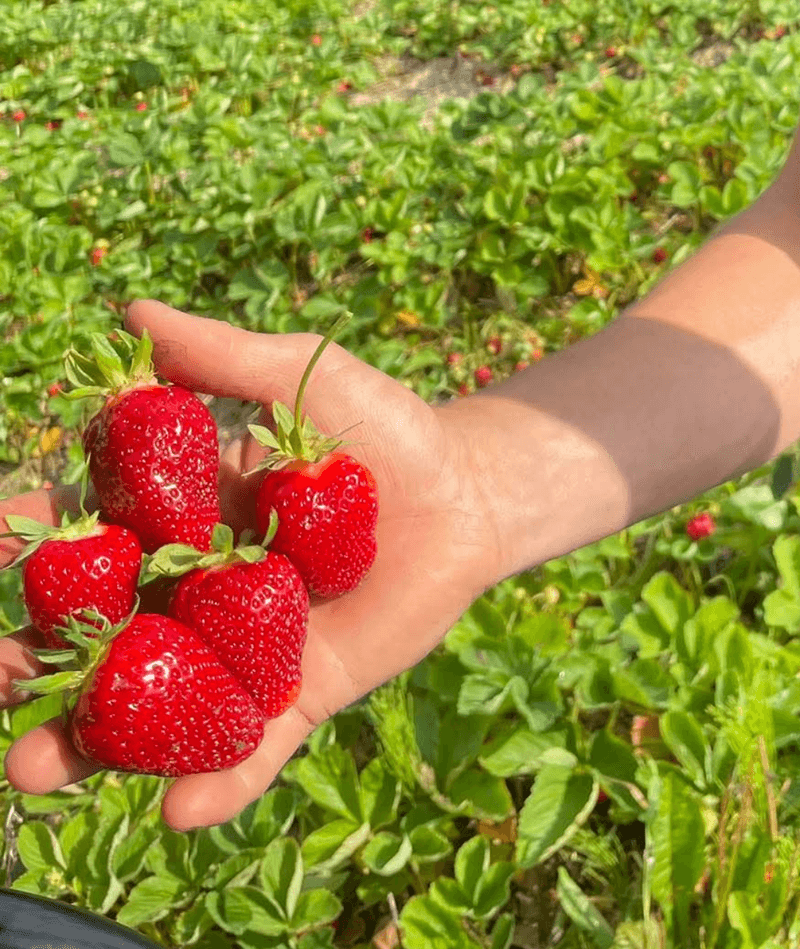
Color is everything when it comes to picking strawberries.
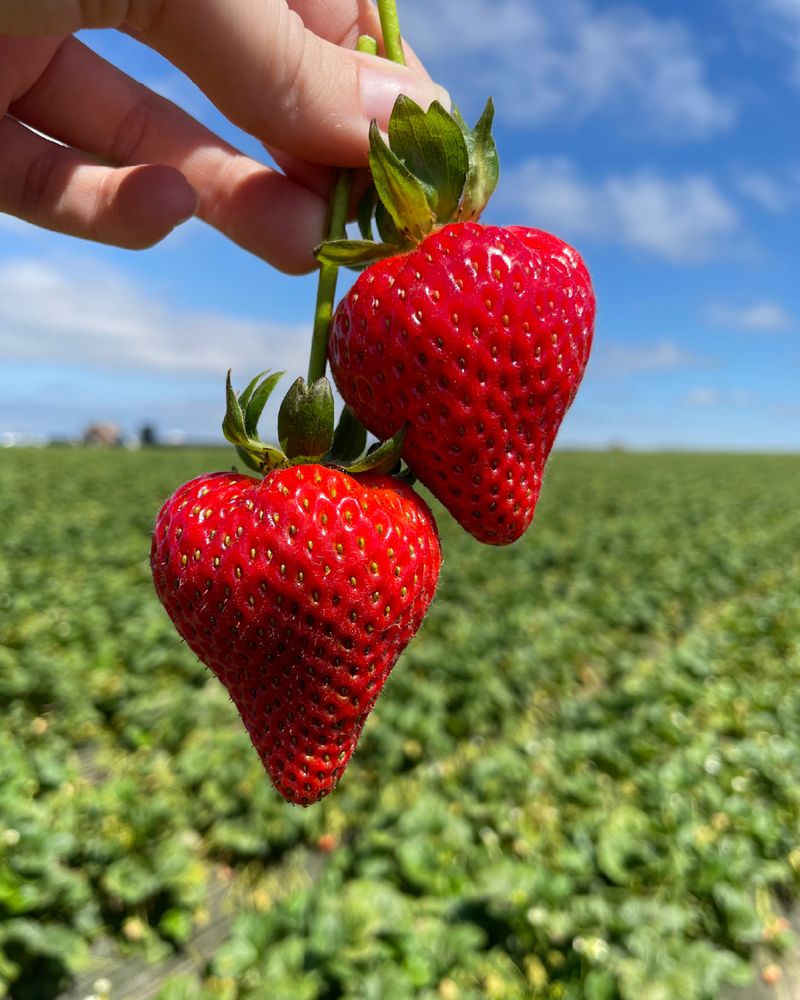
A bright, deep red berry that is fully colored from the tip all the way up to the stem is almost always going to taste sweeter and more flavorful than one that still has pale or white shoulders near the top.
That visual cue is the single most reliable guide you have when you are standing in the middle of a pick-your-own field.
Here is something really important to know: strawberries do not continue to ripen or get sweeter after you pick them.
Unlike bananas or peaches, which can soften and sweeten off the plant, strawberries are done developing the moment you pull them from the vine.
Whatever flavor they have at picking time is the flavor you get, which is exactly why waiting for full color matters so much.
When you are out in the field, take a moment to look underneath the leaves and around the base of each plant. The biggest, ripest berries sometimes hide in the shadier spots where you might not notice them right away.
Gently lift leaves and check all angles before moving on. Leave any berry that still shows white or greenish coloring near the stem for your next visit.
Coming back a day or two later for those berries means you will enjoy far better flavor than if you had rushed the pick.
6. Pick In The Cool Morning When Possible
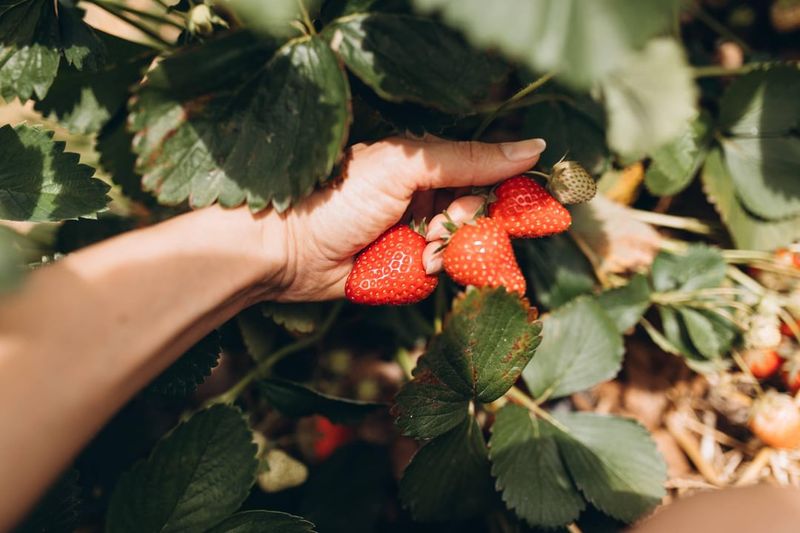
There is a reason experienced berry pickers show up at the farm gates right when they open. Morning is genuinely the best time of day to pick strawberries, and it has everything to do with temperature.
Berries that have spent the night in cooler air are firmer, crisper, and hold up much better after harvest than fruit that has been sitting in afternoon heat for hours.
North Carolina summers can get hot quickly, and once the sun climbs high, the strawberry field becomes a warm place in a hurry.
Berries that have been baking in direct sunlight tend to be softer, bruise more easily, and start to break down faster once they are in your basket.
That softness is not just a texture issue. It also means the berries will not last as long once you get them home.
Going early also has a few bonus perks. The fields tend to be less crowded in the morning, which means you get better access to rows that have not been picked through yet.
The air is fresher, the light is beautiful, and the whole experience just feels more relaxed and enjoyable. Pack your baskets, wear comfortable shoes, bring a hat, and aim to arrive as close to opening time as possible.
Those first couple of hours in the morning are when the picking is at its absolute finest, and the flavor reflects it perfectly.
7. Pick When The Fruit Is Dry
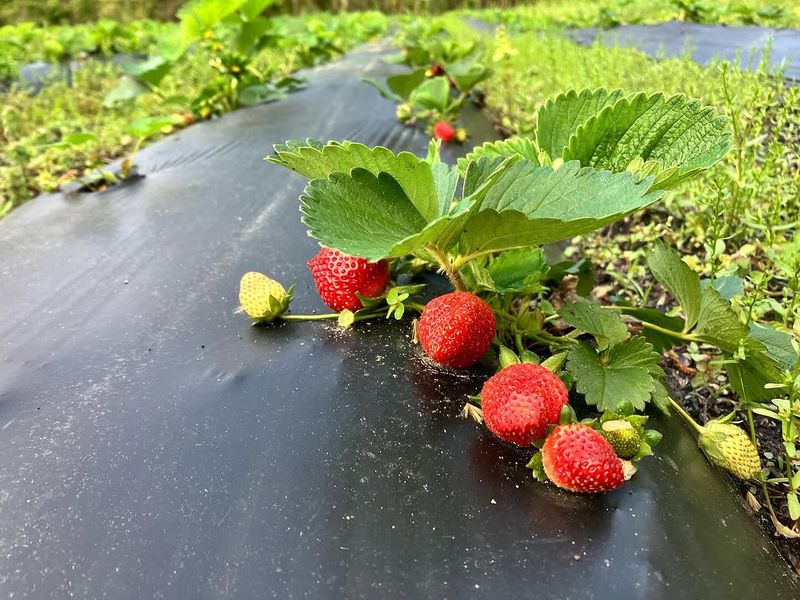
Wet strawberries and picking baskets are not a great combination. When berries are covered in rainwater or heavy morning dew, they become slippery, bruise more easily, and are much more likely to develop mold quickly after harvest.
Waiting until the plants and fruit have had a chance to dry out makes a noticeable difference in how well your berries hold up once you bring them home.
After a rainstorm, it is worth giving the field a few hours to dry before you head out to pick.
The berries themselves are fine after rain, and many farmers will tell you that a good rain followed by sunshine actually helps push the final ripening stage along beautifully.
The trick is just letting the surface moisture evaporate before you start filling your baskets.
Morning dew can also leave berries wet early in the day, which is one reason some pickers prefer to arrive a little later in the morning rather than at the very first light. A light breeze and a bit of sunshine usually clear the dew fairly quickly.
If you are unsure whether conditions are right, call the farm ahead of your visit. Most farms are happy to give you a quick update on field conditions.
Picking dry fruit means cleaner handling, better storage life, and a basket full of berries that stay fresh and flavorful much longer after you get them home.
8. Cool Berries Quickly After Picking
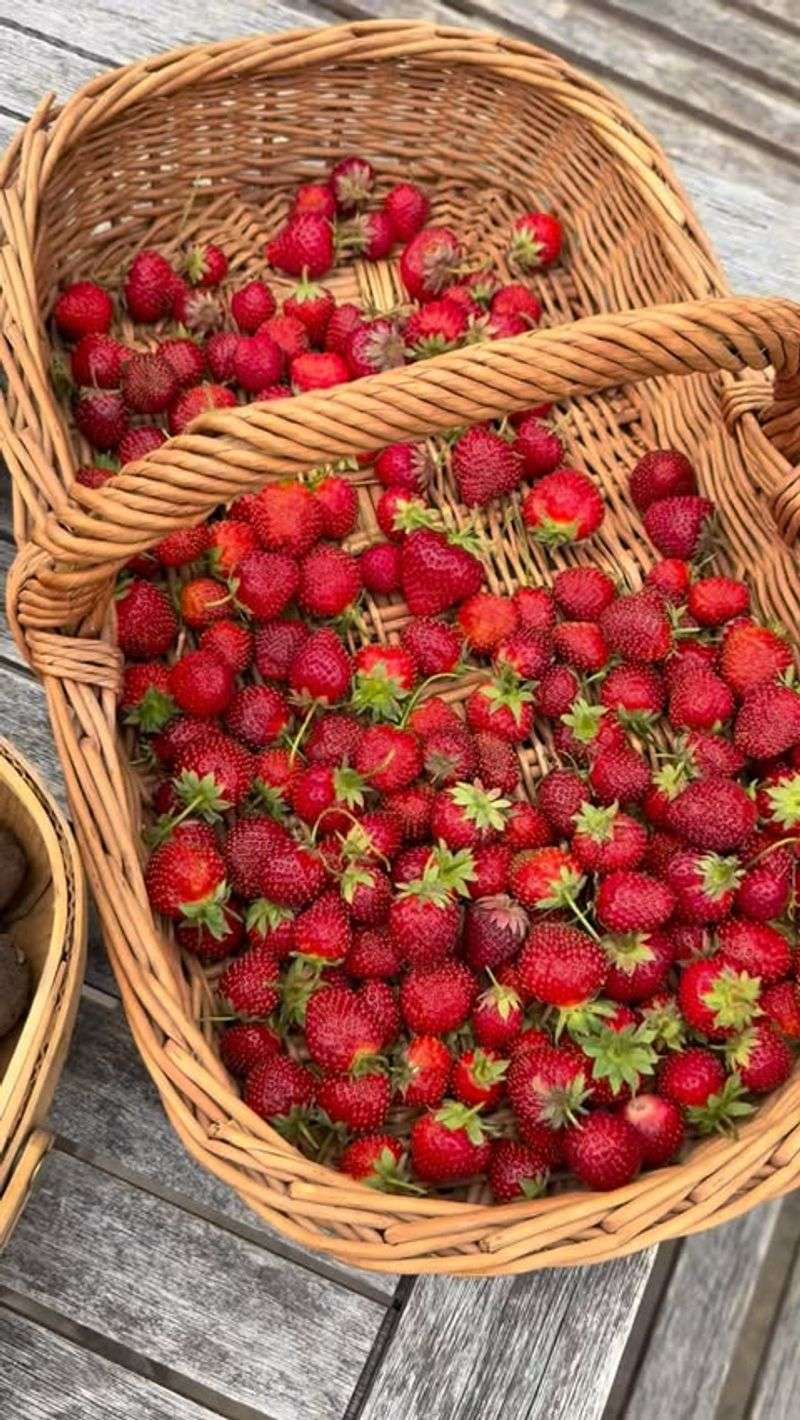
Freshly picked strawberries are incredibly delicate, and heat is their biggest enemy once they leave the plant. The longer berries sit in warm temperatures after picking, the faster they begin to break down.
NC State University recommends removing field heat from strawberries as quickly as possible after harvest, and that same principle applies whether you are a commercial farmer or a family who just spent a fun morning at a pick-your-own farm.
One of the most common mistakes people make is leaving their berry baskets in a hot car while they finish shopping at the farm stand or stop for lunch on the way home.
Even thirty minutes in a warm vehicle can significantly shorten the shelf life of freshly picked strawberries.
Bringing a small cooler with a few ice packs is a simple habit that makes a huge difference in berry quality.
Once you get home, refrigerate your berries as soon as possible. Do not wash them before storing because moisture speeds up spoilage.
Keep them in a single layer if you can, or at least in a shallow container so the berries on the bottom are not getting crushed under too much weight.
Properly cooled strawberries can stay fresh for several days, giving you plenty of time to enjoy them in all your favorite ways.
A little care right after picking protects every bit of that incredible fresh flavor you worked to find.
9. Eat Or Use Them Soon For Peak Flavor
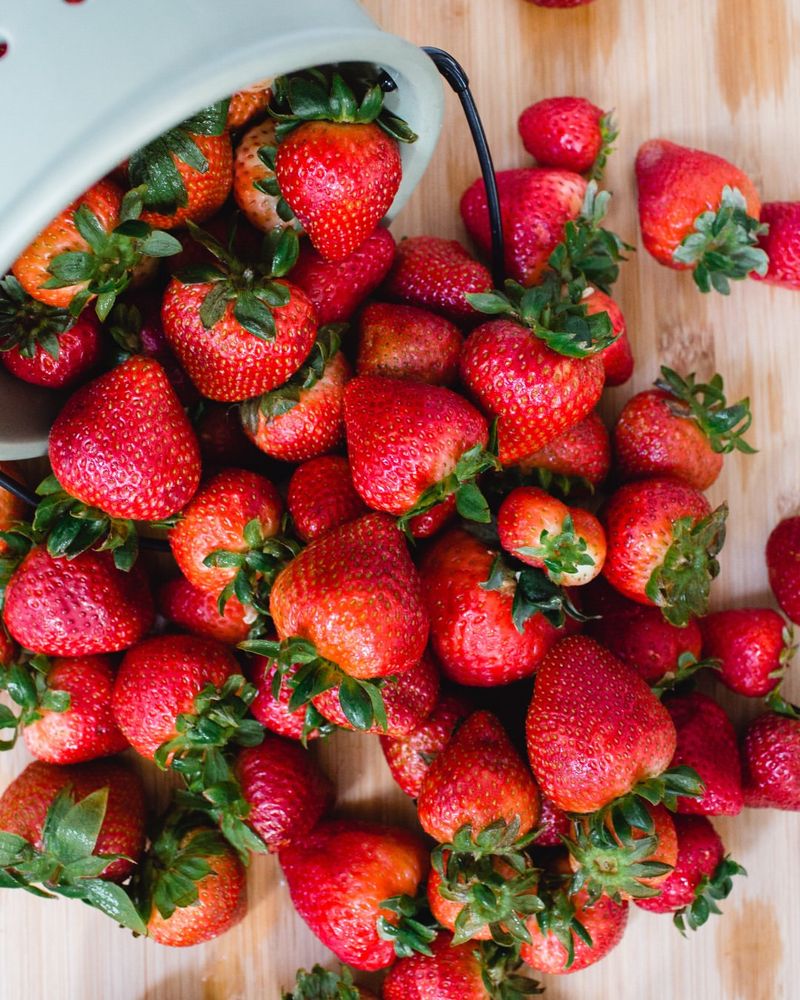
Even the most perfectly picked strawberry has a short window of peak flavor, and that window closes faster than most people expect. Fresh, locally grown strawberries are at their absolute best within one to two days of picking.
After that, the texture begins to soften and the bright, vibrant flavor starts to fade, even when the berries are properly refrigerated. Eating them soon is not just a preference, it is the whole point.
One simple rule that makes a real difference: do not wash your strawberries until you are actually ready to eat or use them. Water on the surface breaks down the skin faster and introduces moisture that speeds up spoilage.
Keep them dry in the refrigerator and rinse them right before they go into your bowl, onto your shortcake, or into your blender.
If you picked more than you can eat fresh, strawberries freeze beautifully. Hull them, spread them in a single layer on a baking sheet, freeze until firm, then transfer to a freezer bag.
Frozen strawberries work wonderfully in smoothies, sauces, jams, and baked goods for months. The best flavor, though, always comes from local, fully red, cool-picked berries eaten as close to harvest as possible.
That first bite of a perfectly ripe North Carolina strawberry, still faintly warm from the morning sun, is one of those simple seasonal pleasures that is genuinely hard to beat.