The Tilling Mistake North Carolina Gardeners Make With Wet Beds In September
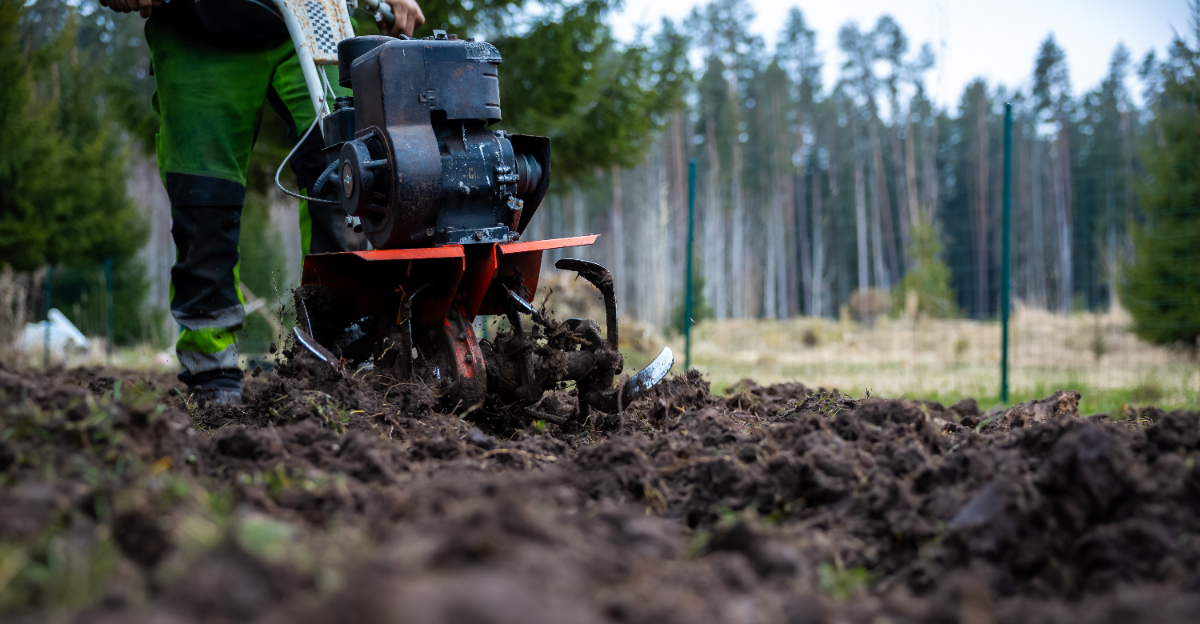
September rain tends to leave North Carolina garden beds looking soft and workable, tempting plenty of gardeners to grab a tiller and get ahead on fall prep.
It feels like the productive thing to do, especially with cooler weather finally making yard work more enjoyable again. But tilling wet soil at this exact moment can quietly undo months of good soil health in a single afternoon.
Most gardeners have no idea this mistake is even a mistake until they’re left wondering why their beds seem harder and less workable the following spring.
Understanding what actually happens to wet soil under a tiller changes how you should be timing this task for the rest of fall.
Many people repeat this same misstep year after year without ever connecting it to the compacted, clumpy beds they keep struggling with.
Once you know what to avoid, protecting your soil structure becomes a remarkably simple adjustment to your fall routine.
1. Tilling Wet Soil Is Almost Always A Mistake
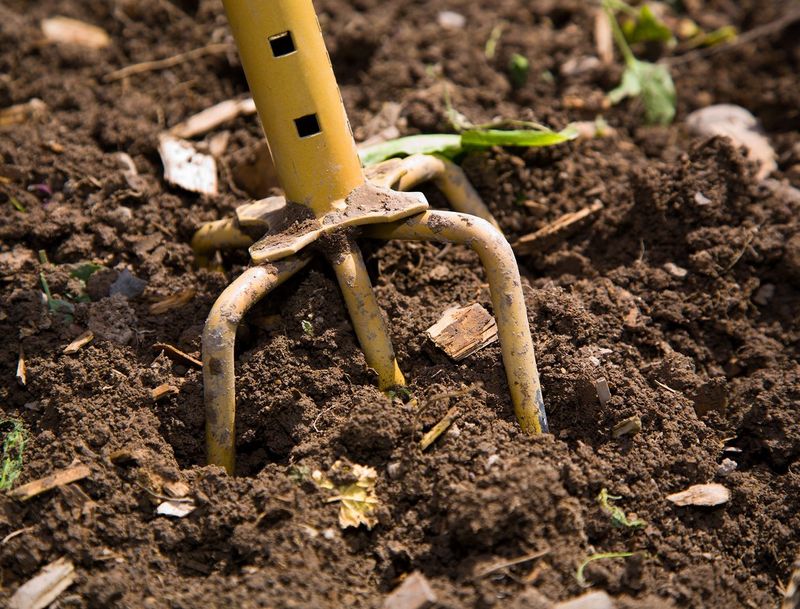
Right after a heavy September storm, the ground looks ready and easy to work. That soft, muddy feel tricks a lot of folks into thinking it is the perfect moment to start tilling.
The trouble is that wet soil does not break apart the way dry soil does. Instead of crumbling into loose bits, it smears and slides. When a tiller spins through it, the blades slice through mud and press it into slick clumps that harden as they dry.
North Carolina beds are often full of clay, which makes this problem worse. Working saturated clay squeezes the tiny air spaces out and leaves behind a heavy, brick-like layer. Roots struggle to push through soil that turned solid.
Timing matters more than most gardeners expect. Even one afternoon of impatient tilling can undo months of careful bed building. The damage may not show up right away, but you will notice it later when plants sit still and refuse to grow.
A better plan is simple patience. Give the bed a few dry days so moisture drains and the surface firms up just a little. The soil should feel damp but not gooey before any tool touches it.
Fall planting has a long, friendly window in North Carolina, so there is no need to rush. Waiting a short while protects everything living in that bed. Your future harvest depends far more on good timing than on getting an early start.
2. Wet Clay Compacts Easily
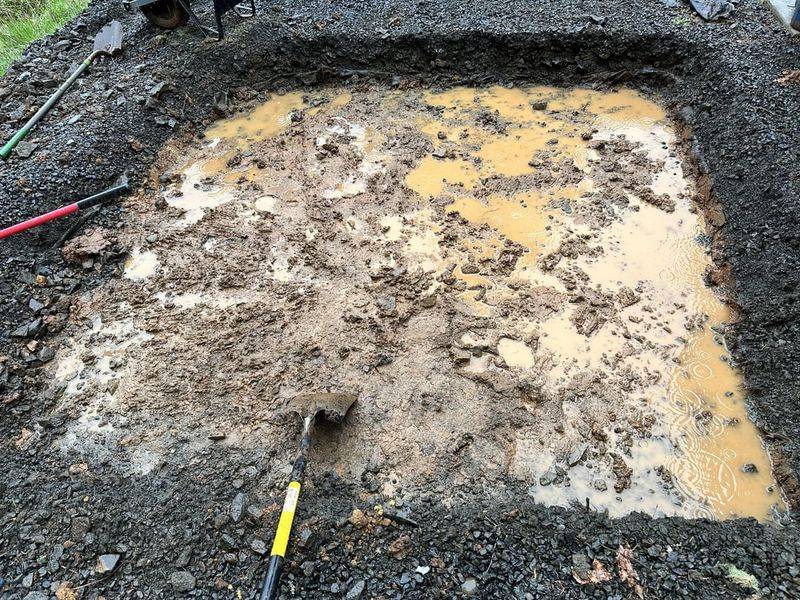
Clay gets a bad reputation, but the real problem is how it behaves when soaked. North Carolina is famous for its red clay, and those particles are incredibly tiny and flat.
When clay is dry, the little particles hold loose shapes with gaps between them. Add water, and they slide against each other like wet plates stacked flat. A tiller pushing through that mess presses the plates together tightly.
Once those flat particles lock into place, they form a dense sheet that dries as hard as pottery. That is exactly what happens in a kiln, and you do not want your garden bed baking into ceramic.
Your North Carolina Garden Changes Every Week. Your Plan Should Too.
Gardening in North Carolina changes quickly throughout the season. Every Friday you’ll receive a simple weekly plan showing exactly what to plant, prune, fertilize, harvest, and protect so you never miss the right timing.
Sandy soil drains fast and forgives mistakes, but clay traps water and stays wet longer. That means clay beds need even more waiting time after rain than gardeners usually give them.
You can test your soil with a simple squeeze. Grab a handful and press it. If it forms a shiny, sticky ball that holds its shape, the clay is far too wet to work.
Try that same test again after two or three dry days. When the ball crumbles apart with a gentle poke, the moisture has dropped to a safer level.
Respecting how clay reacts to water saves you from years of hard, cracked beds. Gardeners who learn this rhythm end up with soil that stays loose and welcoming. A little knowledge about your dirt goes a surprisingly long way toward stronger plants.
3. Tilling Can Destroy Good Soil Structure
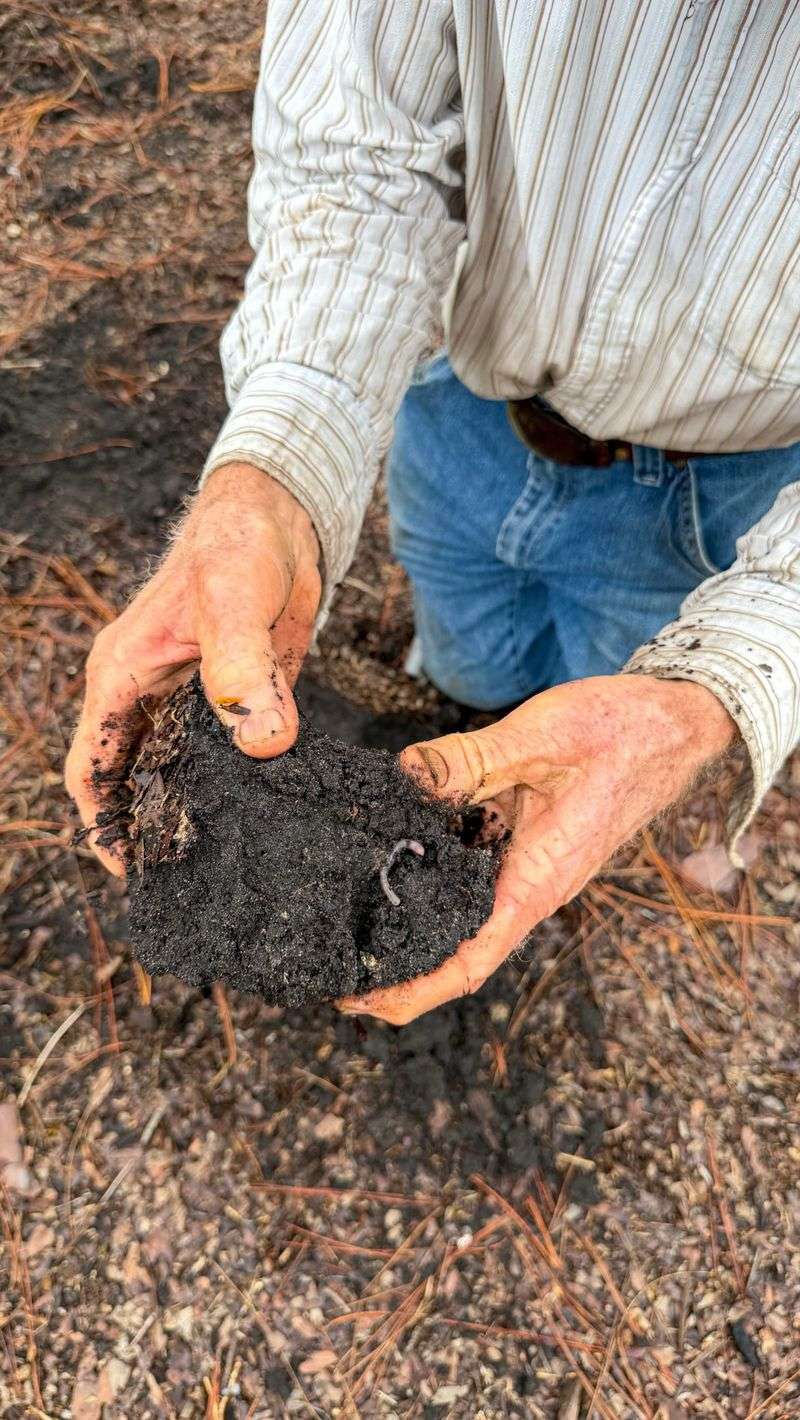
Healthy soil is not just a pile of dirt. It is built from tiny crumbs called aggregates, little clusters of particles glued together by roots, fungi, and helpful microbes.
Those crumbs create a spongy, open structure with plenty of gaps. Water flows through, air moves freely, and roots find easy paths to travel. It took nature and your own hard work to build that structure.
Running a tiller through wet soil shatters those crumbs. The blades smear the aggregates into paste, and all that careful architecture collapses into a flat, gummy mass.
Once the crumbs break down, the soil loses its ability to hold shape. As it dries, it turns into a dense slab instead of a fluffy bed. Roots then hit a wall they cannot break through.
The living parts of the soil suffer too. Earthworms and beneficial fungi build much of that structure, and churning wet soil disrupts their tunnels and threads.
Rebuilding good structure takes seasons, not days. You cannot quickly glue those crumbs back together, so it pays to protect them in the first place.
Gardeners often say they are loosening the soil, but tilling wet beds does the opposite over time. What feels helpful in the moment sets you back for months.
Treat your soil crumbs like treasure. Keep them intact, and your beds will drain well, breathe easily, and grow plants that reach deep with confidence and strength.
4. Compacted Soil Holds Less Air
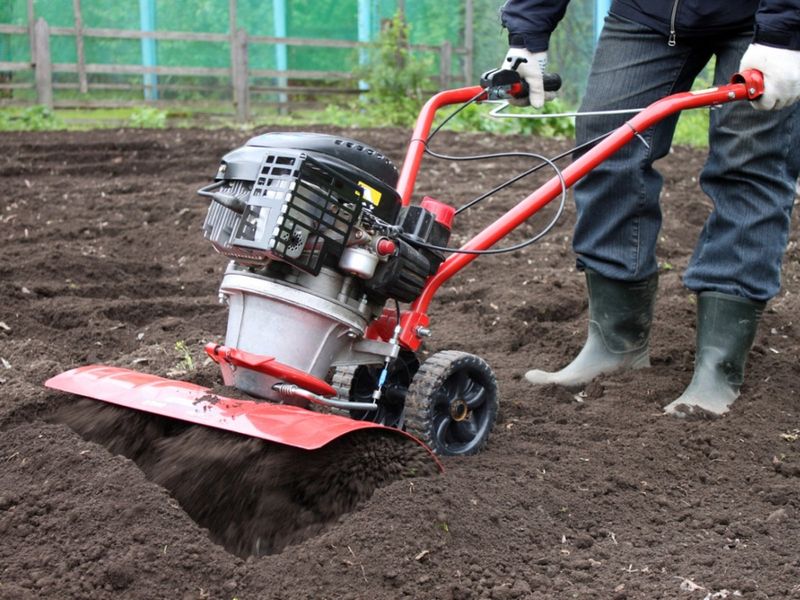
Plants breathe underground, and that surprises a lot of new gardeners. Roots need oxygen just as much as leaves need sunlight, and they pull that oxygen from tiny pockets in the soil.
Those pockets, called pore spaces, sit between soil crumbs. They hold air, move water, and give roots room to stretch out. A loose bed is full of them.
When soil gets compacted from tilling wet ground, those pores collapse. The particles pack so tightly that air can barely squeeze in, and water pools on top instead of soaking down.
Vegetables and flowers really struggle in airless soil. Roots that cannot find oxygen grow slowly, turn stunted, and become easy targets for rot in soggy conditions.
Water movement suffers too. In a healthy bed, rain drains through and reaches deep roots. In compacted soil, it either runs off the surface or sits and drowns the plants.
You can often spot the trouble by watching after a rain. If puddles linger for hours on your bed, the pore spaces have likely been squeezed shut.
Good pore space also helps friendly organisms thrive. Worms, microbes, and roots all share that hidden network of tunnels and gaps beneath the surface.
Keeping soil loose and airy is one of the kindest things you can do for a garden. Avoid packing it down, and every plant you grow will reward you with steadier, greener, more vigorous growth throughout the fall season.
5. Wait Until The Bed Crumbles Again
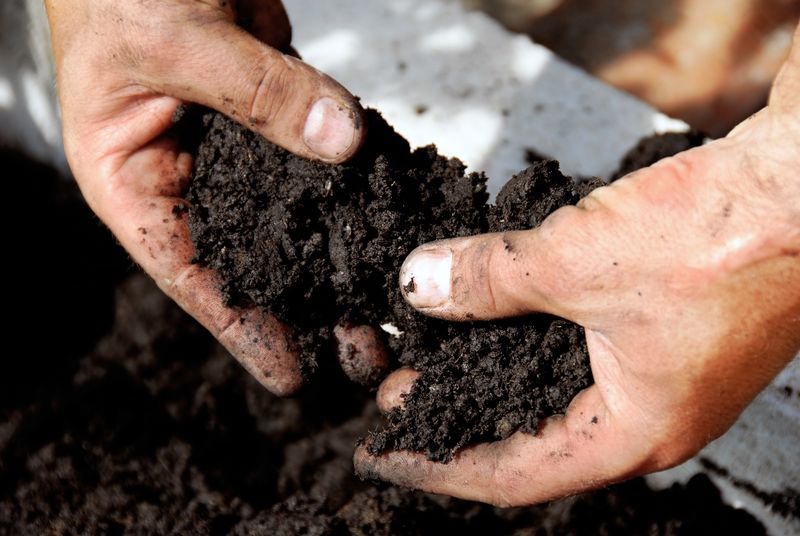
Knowing when to work the soil is half the battle, and your own hands make the perfect tool. There is no need for fancy meters or guesswork.
Scoop up a handful of soil from a few inches down. Squeeze it into a ball, then poke the ball with your finger.
If it crumbles apart into loose bits, the moisture is just right for digging or tilling. If it stays sticky and holds its shape like clay, give it more time.
Damp soil that breaks easily is in what gardeners call the friable stage. That is the sweet spot where tools slice cleanly and crumbs stay intact.
North Carolina weather usually cooperates within a few dry days after September rain. Warm afternoons and light breezes pull moisture out faster than you might think.
Check the bed each morning rather than tilling on a set schedule. Soil dries at its own pace depending on shade, slope, and how much clay it holds.
Beds in full sun on a gentle slope drain first. Low, shady corners stay wet longest, so test each area separately before starting work.
Patience here truly pays off. Working soil at the friable stage keeps crumbs whole, protects air pockets, and makes the whole job easier on your back and tools.
Trust the crumble test every single time. It is a simple habit that keeps your beds loose, healthy, and ready to grow strong fall crops.
6. Keep Feet Off Wet Beds Too
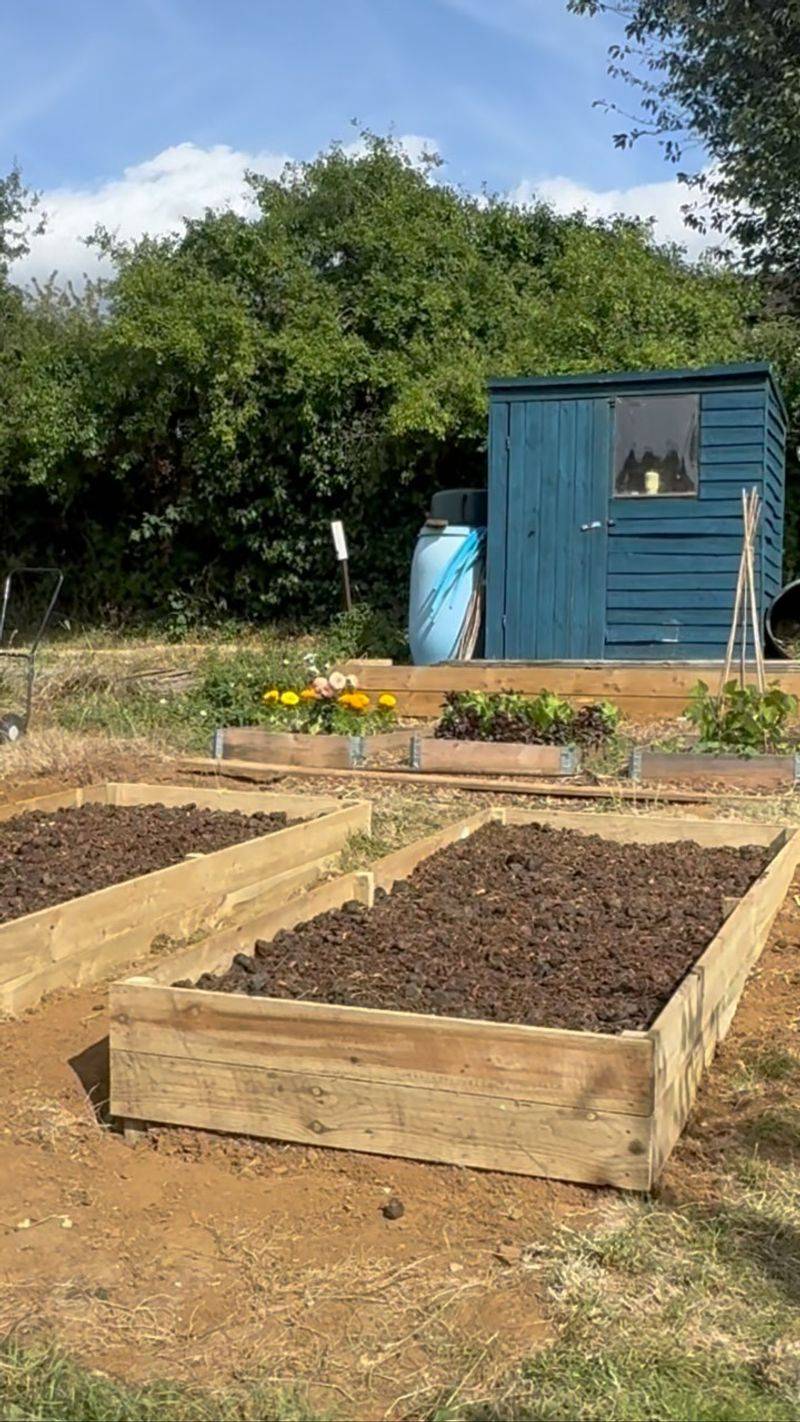
Here is something many gardeners forget: you do not need a tiller to wreck wet soil. Your own two feet can do plenty of damage all on their own.
Every time you step on a soggy bed, your body weight presses down on a small patch of ground. That pressure squeezes the pore spaces flat, just like a tiller would.
Walking back and forth to weed or harvest packs the soil into hard trails. Over time those paths turn into dense strips where nothing grows well.
Wet soil is especially fragile because water lets particles slide and settle tightly. A single muddy footprint can leave a compacted dent that lasts for weeks.
The easy fix is to stay off the beds when they are wet. Admire your garden from the edge and save the real work for drier days.
Permanent paths and stepping stones help a lot. Placing a wide board across the bed spreads your weight and softens the pressure if you truly must reach the middle.
Raised beds and narrow rows make this simple. Design your garden so you can reach every plant without ever setting foot on the growing soil.
Kids and pets add to the problem too, so gently steer them around soggy beds after storms. A quick reminder keeps everyone from packing the ground down.
Protecting soil from footsteps is a small habit with big rewards. Loose, untrampled beds drain better and grow far happier fall plants year after year.
7. Use The Waiting Time To Add Mulch
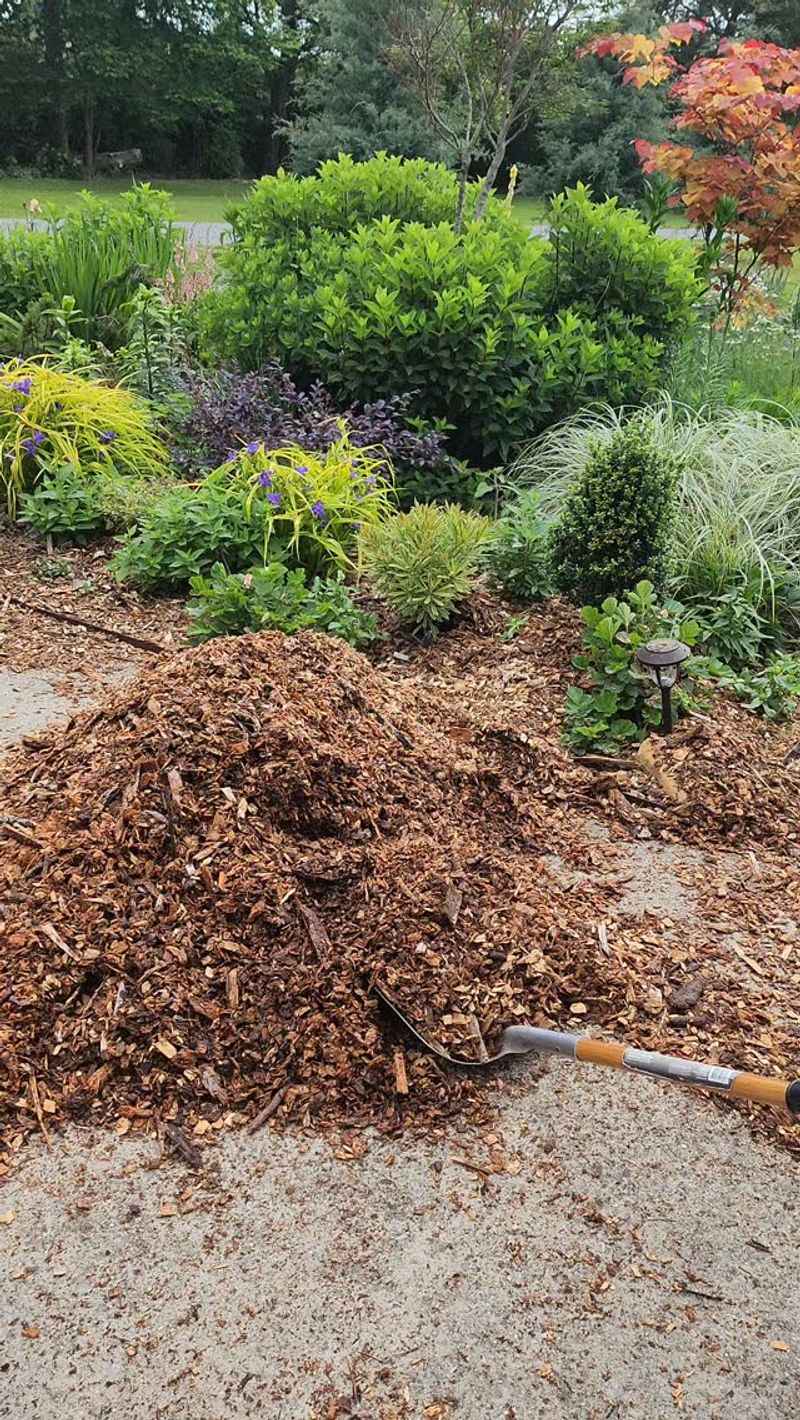
Waiting for soil to dry does not mean standing around doing nothing. It is actually the perfect moment to tuck a cozy blanket over your beds.
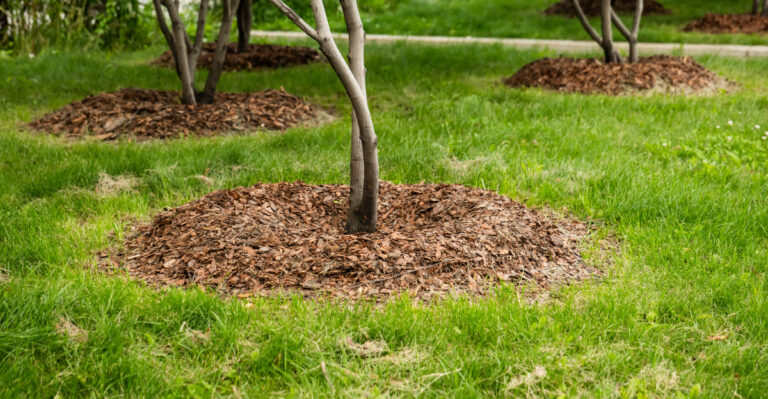
Bare September soil takes a beating from sun, wind, and pounding rain. Spreading organic mulch across the top shields it from all three.
Straw, shredded leaves, grass clippings, and wood chips all work well. A layer a few inches thick keeps the surface soft and easy to work later on.
Mulch slows down water so it soaks in gently instead of splashing and crusting the soil. That means fewer hard crusts forming on your beds after storms.
It also helps control moisture in a smart way. Mulch keeps the top from turning into either dusty powder or sticky mud, holding things in a steadier middle range.
Weeds hate mulch because it blocks the sunlight they need to sprout. Fewer weeds means less pulling, which means fewer footsteps on your beds.
As the mulch slowly breaks down, it feeds the soil below. Worms and microbes pull those bits underground and turn them into rich, crumbly humus.
Free mulch is everywhere in fall. Rake up leaves from your yard or ask neighbors for theirs, and you have a season’s worth of protection.
Covering bare beds while you wait turns idle days into productive ones. By the time the soil is ready, you will have healthier ground and a real head start.
8. Improve The Bed Once Conditions Are Right
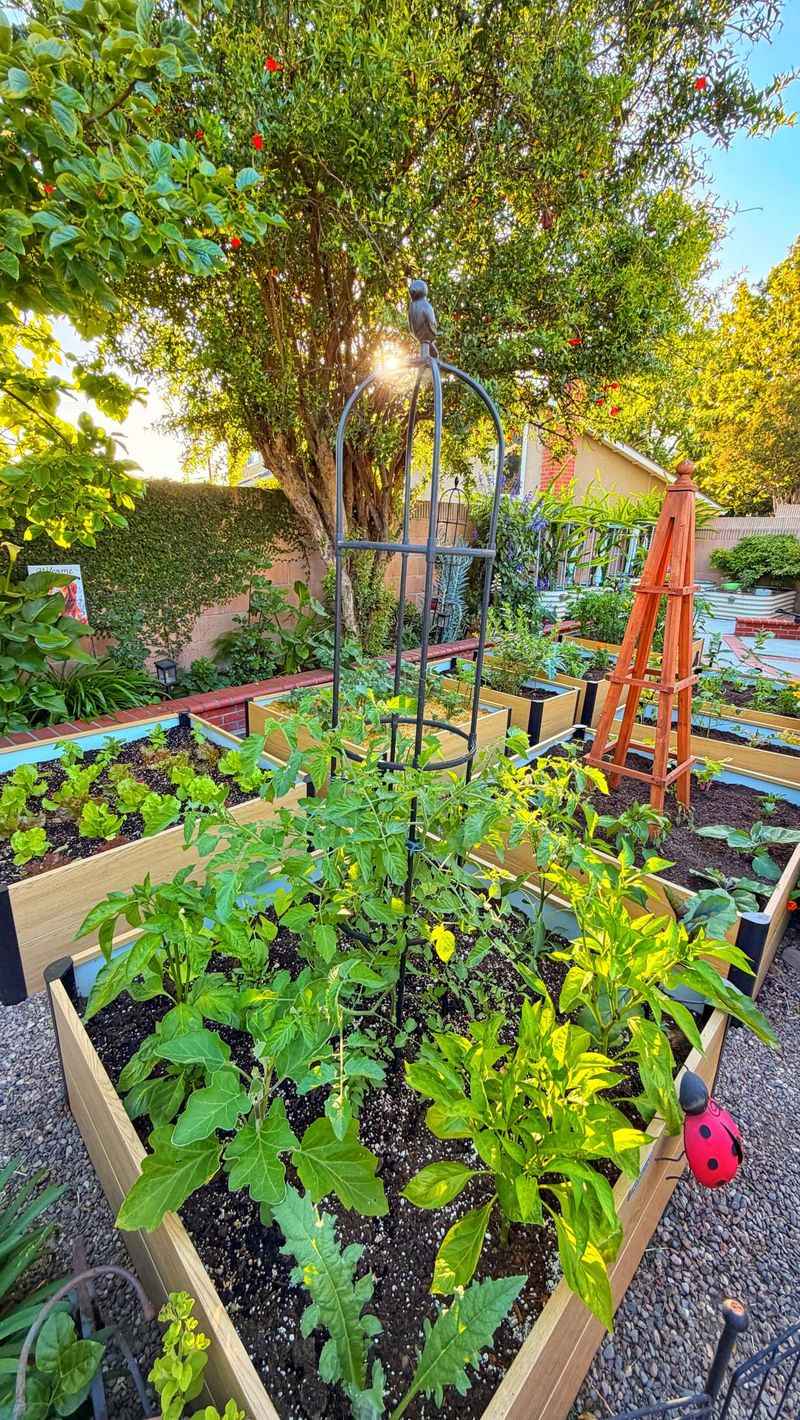
Once your soil passes the crumble test, the fun part begins. Now you can actually improve the bed instead of harming it.
The best thing you can add is organic matter. Compost, aged manure, and shredded leaves all feed the soil and rebuild its friendly structure.
Spread a two or three inch layer of compost across the surface. Then gently mix it into the top several inches with a fork rather than a heavy tiller.
Organic matter works magic on North Carolina clay. It creates space between those tight particles and helps water drain instead of pooling on top.
The same additions help sandy spots too. Compost acts like a sponge, holding moisture that would otherwise rush straight through loose ground.
Feeding the soil also wakes up its hidden life. Worms and microbes feast on the fresh material and glue crumbs together as they go about their work.
This kind of improvement builds up over time. Adding organic matter every fall slowly turns even stubborn clay into loose, dark, welcoming earth.
You do not have to fix everything in one season. Small, steady additions beat one big frantic effort, and your back will thank you for it.
Fall is a wonderful time for this work in North Carolina. Cooler days make digging pleasant, and the soil has all winter to settle and blend.
Rich, well-structured beds reward you for years. Treat your soil kindly now, and it will grow generous harvests season after season.