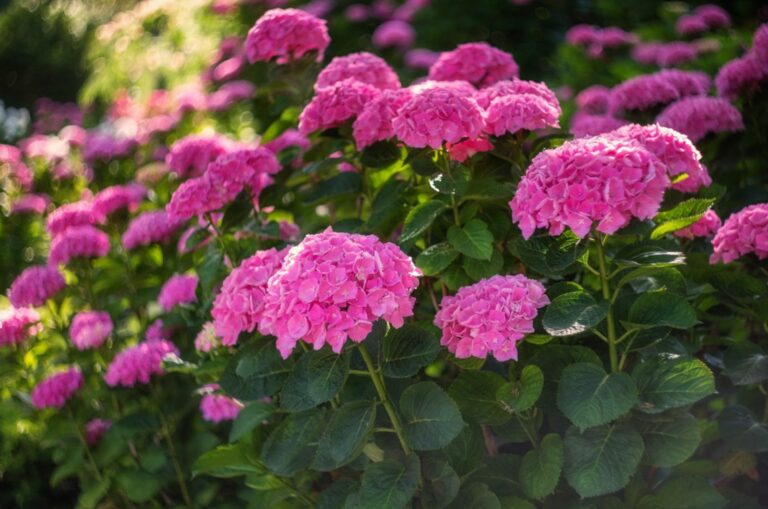
Why Two Hydrangeas In The Same Yard Can Have Totally Different Results
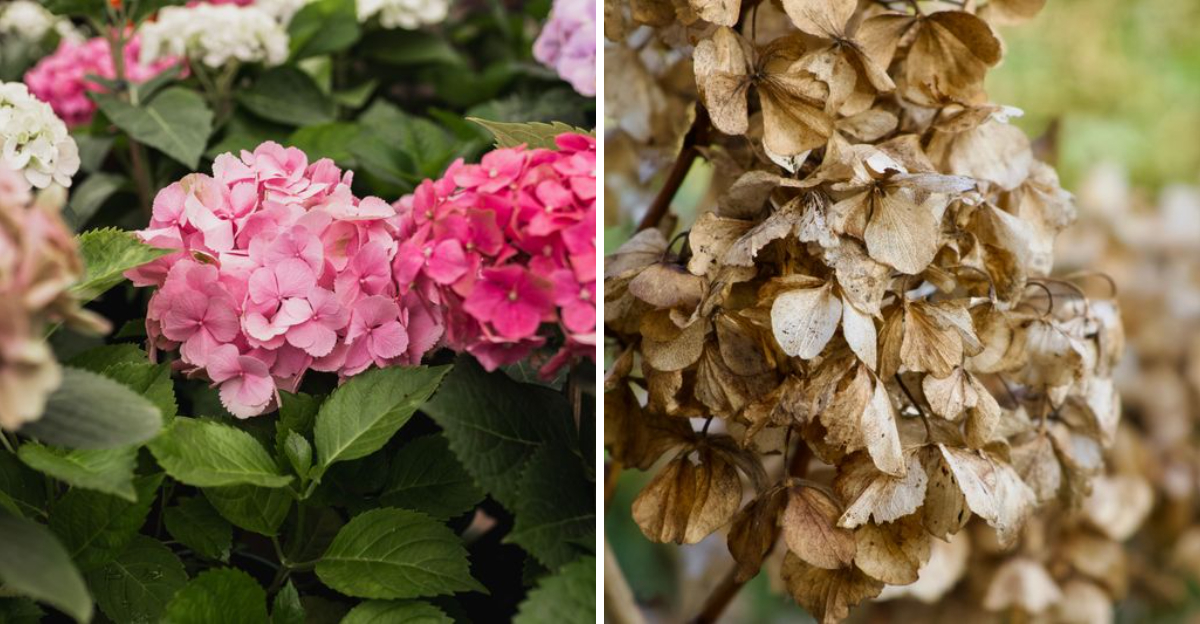
Identical hydrangeas can surprise you within weeks. Soil chemistry hides secrets most gardeners miss. Sunlight angles shift across a single afternoon, changing everything you assumed.
Roots draw water quietly underground, taking it before you notice. Drainage patterns fool even experienced growers into false confidence. Clay pockets trap moisture unevenly, favoring one plant while starving another.
Microclimates form inside ordinary backyards, invisible yet powerful. Gardeners often blame fertilizer when the real culprit lies beneath. Shade shifts slowly as trees mature, quietly rewriting rules you once trusted.
Nutrients move unevenly through compacted earth, favoring stronger roots. Wind exposure alters moisture loss more than most realize. Temperature pockets form near walls, fences, and pavement edges.
Every variable compounds, guiding one hydrangea toward brilliance and another toward silence. You cannot afford to stop here now.
1. Sunlight Exposure Differs Between The Two Spots
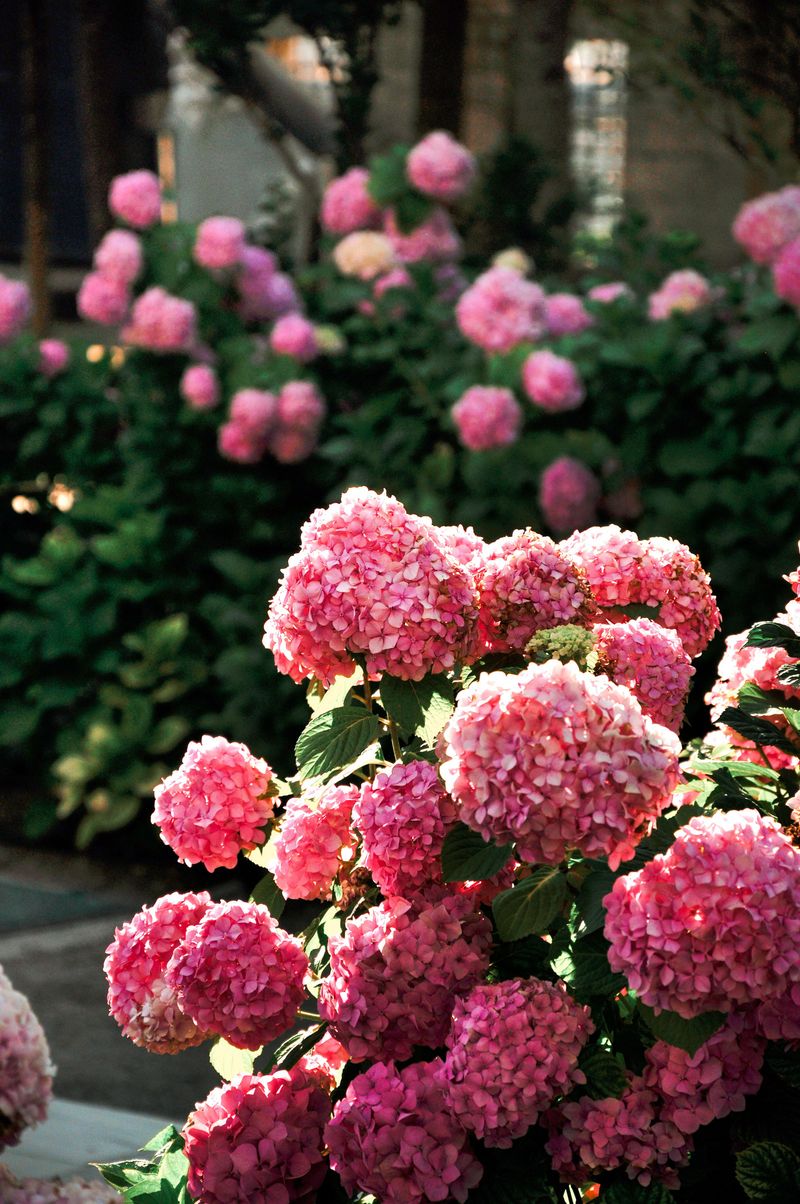
Your yard is not a flat, even stage with equal lighting everywhere. One hydrangea might bask in morning sun while the other sits under a canopy of afternoon shade.
Hydrangeas are picky about light, and even a few feet of difference can change everything. Most varieties prefer morning sun and afternoon shade, but not all spots in your yard deliver that combo.
A hydrangea planted near a south-facing fence gets intense midday heat. That plant may wilt, drop blooms early, or produce fewer flowers than its shadier neighbor.
Meanwhile, the plant tucked closer to a tree line gets filtered light all day. That gentler exposure keeps moisture in the soil longer and reduces stress on the leaves.
Two hydrangeas in the same yard can have totally different results simply because one has had years to establish and the other has not. Age changes what a plant can handle, even when everything else is equal.
Walk your yard at 8 a.m., noon, and 4 p.m. to see which spots get full sun, partial shade, or deep shade at each hour.
You might be surprised how much the light shifts from one garden bed to the next. That knowledge alone can save you a season of frustration and a lot of head-scratching.
Sunlight is the single biggest driver of hydrangea performance. Getting it right from the start puts you miles ahead of guessing after the damage is done.
2. Roots Compete With Nearby Trees For Water
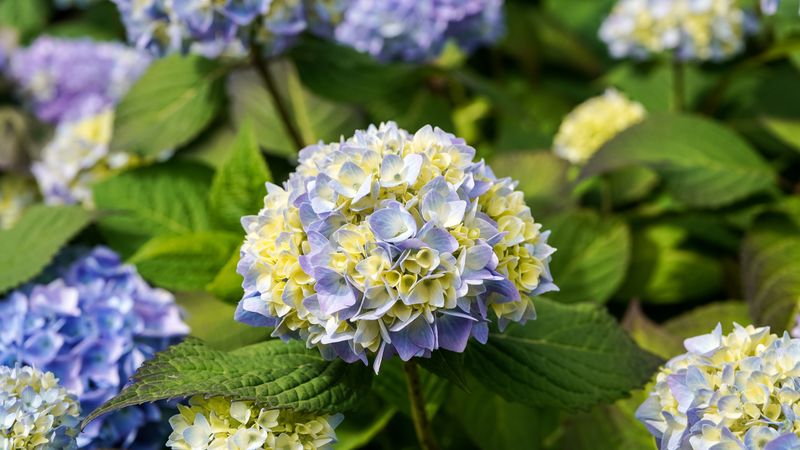
Planting a hydrangea near a big tree feels like a great idea until the tree draws away most of the available water. Tree roots spread far beyond the canopy and quietly pull moisture away from nearby plants.
Mature oaks, maples, and elms are especially aggressive about water. Their root systems often extend well beyond the width of the tree canopy underground, though the exact spread varies by species and soil.
A hydrangea planted within that zone is at a real disadvantage when it comes to accessing moisture. The tree’s roots are older, deeper, and far more established than those of a young shrub.
You might water both hydrangeas the same amount every week. But the one near the tree is getting far less actual moisture at its roots because the tree intercepts it first.
This is one of the sneakiest reasons two hydrangeas in the same yard can have totally different results. One plant thrives while the other looks chronically thirsty despite your best efforts.
Signs of root competition include wilting leaves even after rain, smaller blooms, and slow overall growth. These symptoms often get blamed on disease or poor soil when the real culprit is an invisible neighbor.
To fix this, try deep watering directly at the base of the struggling hydrangea. A soaker hose or drip system can help water reach the roots before the tree claims it.
Sometimes the best solution is simply moving the hydrangea to a spot away from large trees. Give it space to breathe and drink on its own terms.
3. Soil Drainage Varies Even A Few Feet Apart
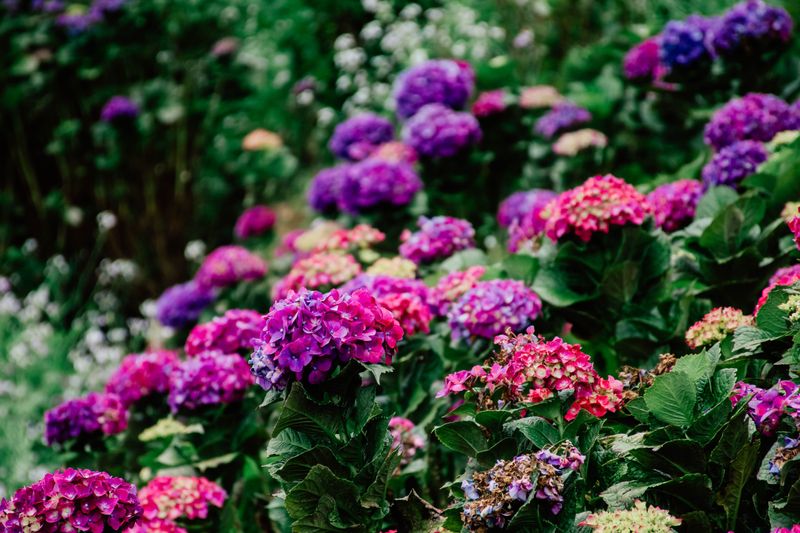
Soil is not the same everywhere in your yard, even if it looks identical on the surface. Just a few feet can separate well-draining loam from heavy clay that holds water like a bowl.
Hydrangeas need consistent moisture but struggle when sitting in standing water. Poor drainage deprives roots of oxygen and creates conditions for root rot, which looks a lot like drought stress at first glance.
One hydrangea might be planted in a low spot where rainwater collects. That plant sits in soggy soil for days after a storm while its neighbor drains quickly and stays healthy.
The other hydrangea, just a short distance away on a slight slope, drains perfectly. Its roots stay moist but never waterlogged, which is exactly the balance hydrangeas crave.
You can test drainage easily by digging a hole about 12 inches deep and filling it with water. If the water is still sitting there an hour later, drainage is a real problem in that spot.
Amending soil with compost or coarse sand can improve drainage over time. Raised beds are another solid option if your yard has persistent drainage issues in certain areas.
Two hydrangeas in the same yard can have totally different results when one is sitting in a poorly drained low spot. The fix is often simpler than people expect once the problem is identified.
Healthy roots start with healthy soil conditions. Drainage is the foundation everything else is built on, and it deserves your full attention before you plant.
4. Pruning Timing Affects One Plant’s Bloom Cycle
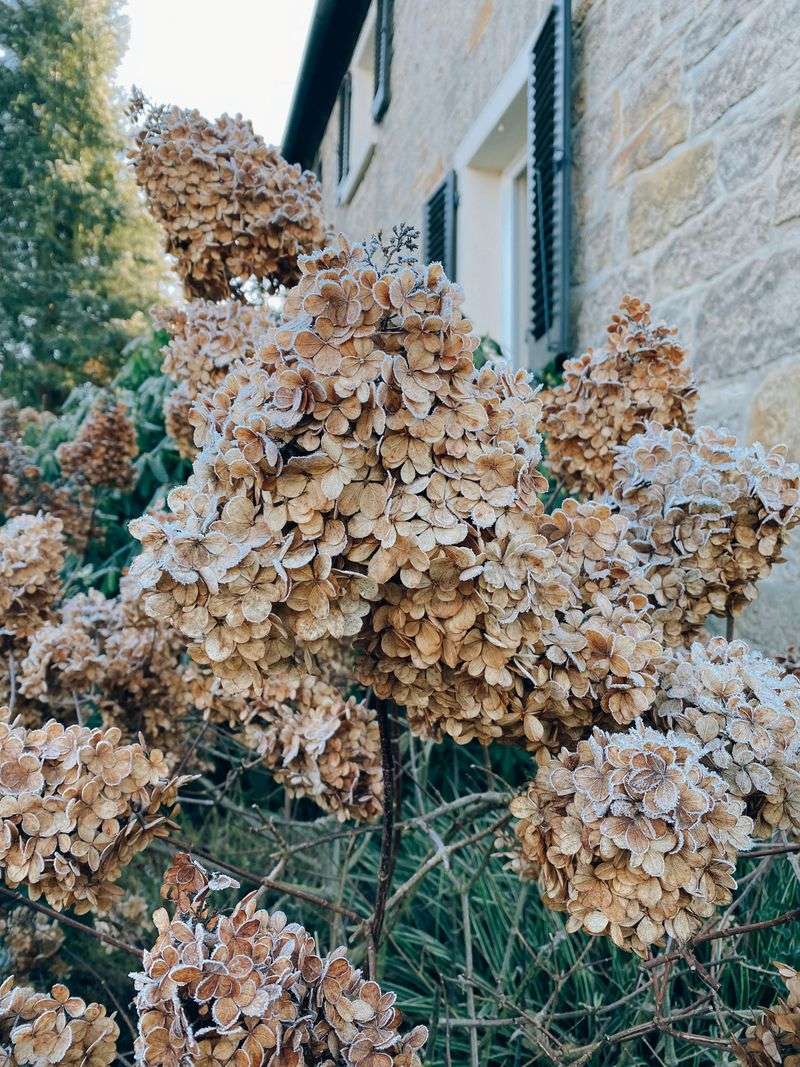
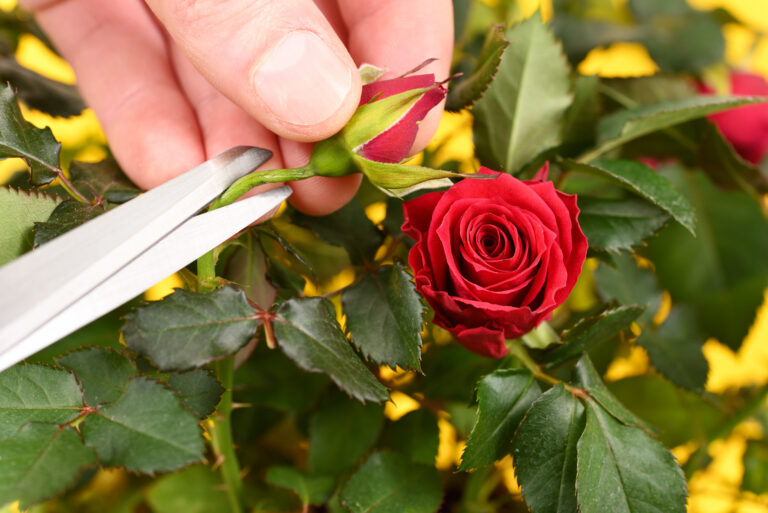
Grab your pruning shears at the wrong time and you could accidentally cut off every bloom before it opens. Pruning timing is one of the most misunderstood parts of hydrangea care.
Different hydrangea varieties bloom on either old wood or new wood. Old wood bloomers set their flower buds in fall, so pruning in spring removes the buds you were waiting all winter to see.
New wood bloomers, like Annabelle or panicle hydrangeas, set buds on fresh growth each spring. Pruning these in fall or late winter is perfectly fine and often encourages bigger blooms.
If you have two hydrangeas of different types in your yard, the same pruning schedule will help one and hurt the other. That mismatch explains a lot of lopsided blooming seasons.
Even with the same variety, one plant might get pruned too aggressively while the other gets a lighter trim. Heavy pruning on an old wood bloomer means waiting another full year for flowers.
A good habit is to mark each plant with a small tag noting its type and pruning window. That tiny bit of organization saves you from a season of disappointment.
Two hydrangeas in the same yard can have totally different results when their pruning schedules are not matched to their specific variety needs. One thrives while the other sits stubbornly flowerless.
Timing is everything in the garden. Prune with intention and your hydrangeas will reward you with blooms that make the whole yard worth showing off.
5. Variety Differences Mean Different Care Needs
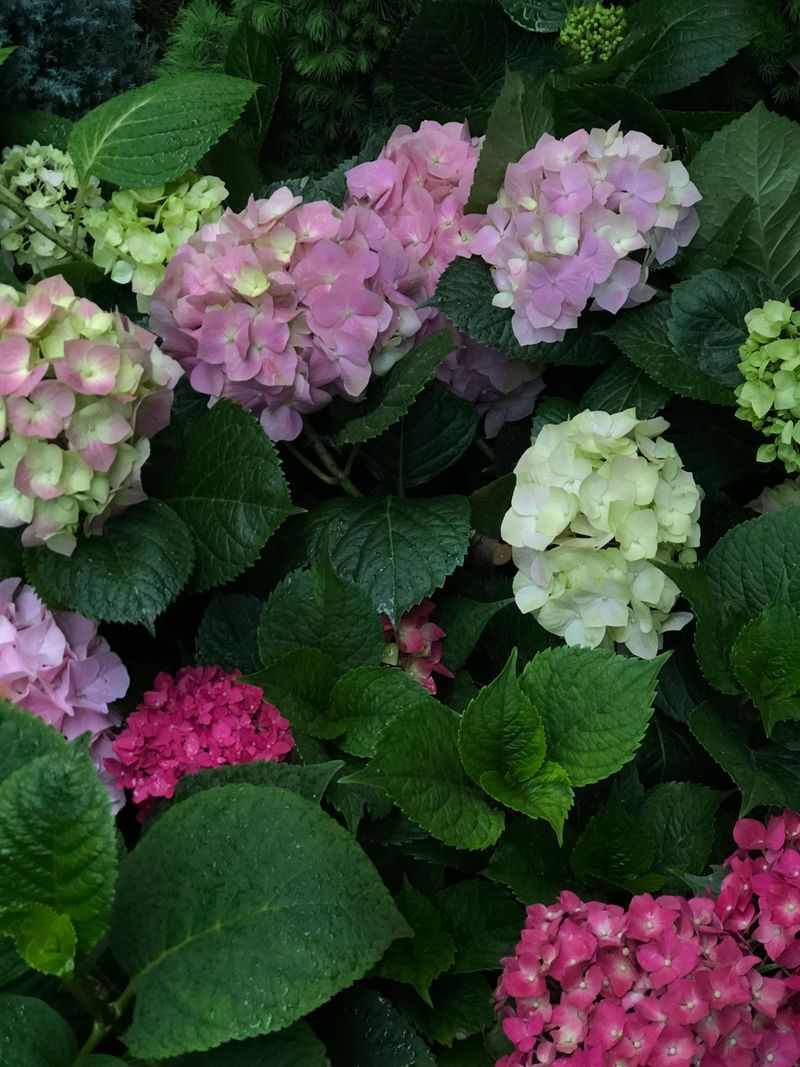
Not all hydrangeas are the same plant wearing different outfits. Bigleaf, panicle, oakleaf, smooth, and climbing hydrangeas each have their own preferences for sun, water, and pruning.
A bigleaf hydrangea craves consistent moisture and afternoon shade. A panicle hydrangea, on the other hand, handles full sun and drier conditions far better than most other types.
If you planted one of each in your yard without knowing the difference, you might be watering both the same way. One plant loves it and the other gets stressed from too much or too little care.
Variety also affects bloom color response. Bigleaf hydrangeas change color based on soil pH, but panicle and oakleaf types stay white or cream no matter what you add to the soil.
Gardeners sometimes buy hydrangeas based on looks at the nursery without checking the label. That one small oversight can lead to years of confusion about why one plant behaves so differently from the other.
Take a photo of the plant tag before you leave the nursery or write the variety name in a garden journal. Knowing exactly what you have makes every care decision easier and more effective.
Two hydrangeas in the same yard can have totally different results simply because they are not the same plant at all. Treating them identically ignores their very different needs.
Variety awareness is your secret weapon in the garden. Match care to the plant, not the other way around.
6. Wind Exposure Stresses One More Than The Other
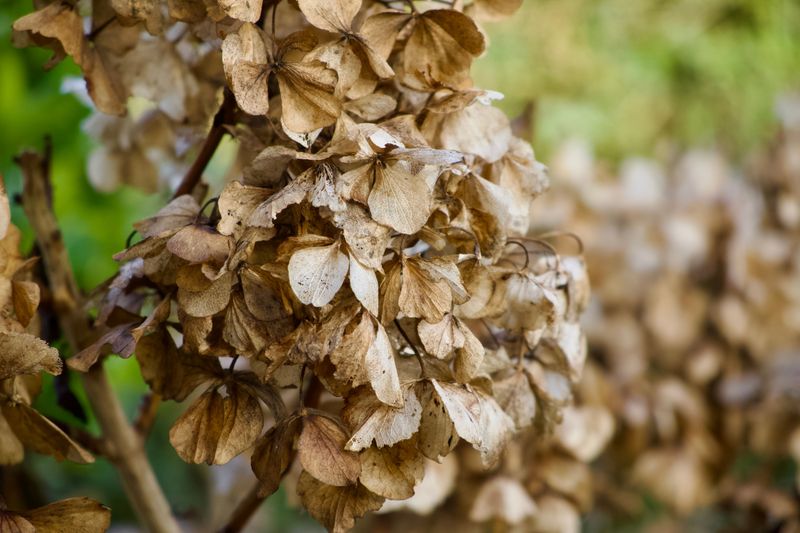
Wind is an often-overlooked stress factor in the garden. It pulls moisture from leaves faster than roots can replace it, leaving plants looking dry and depleted even after a good rain.
A hydrangea planted within that zone is at a real disadvantage when it comes to accessing moisture. That constant exposure causes leaf scorch, broken stems, and blooms that brown at the edges before their time.
Meanwhile, the hydrangea near a fence or wall gets natural wind protection. That sheltered spot stays calmer, holds humidity longer, and lets the plant focus energy on growing instead of surviving.
Wind stress is easy to overlook because it does not leave obvious clues like pests or disease do. Gardeners often blame poor soil or lack of water when wind is actually the main problem.
Watch how your yard behaves on a breezy day. Notice which spots get the full force of the wind and which ones feel calm and protected even when it is gusty outside.
Planting near a structure, hedge, or fence line can make a huge difference for wind-sensitive plants. Even a simple burlap screen in winter protects hydrangeas from cold, drying winds that damage buds.
Two hydrangeas in the same yard can have totally different results when one faces the wind and one does not. The sheltered plant often outperforms its exposed neighbor by a wide margin.
Protection from wind is not pampering, it is smart gardening. A little barrier goes a long way toward keeping your hydrangeas looking their absolute best.
7. Mulch Depth Impacts Moisture Retention Unevenly
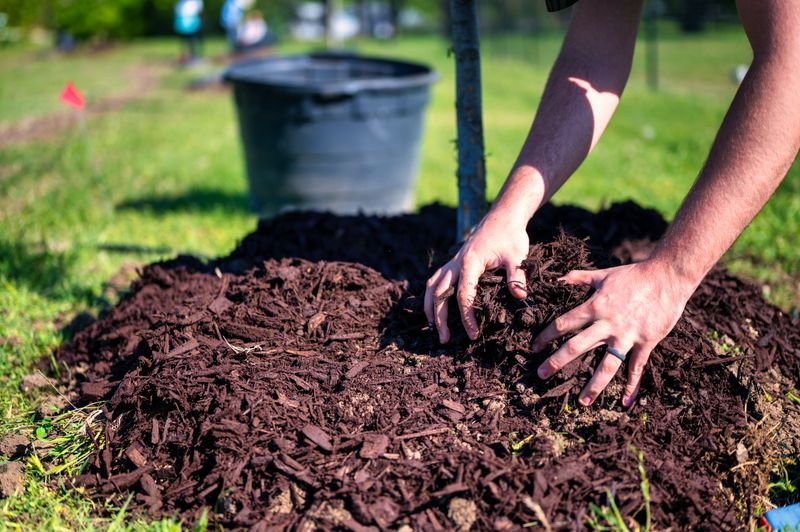
Mulch is one of the most powerful tools in a gardener’s kit, but only when it is applied consistently. Uneven mulching across your yard creates wildly different growing conditions for nearby plants.
A hydrangea with three to four inches of wood chip mulch around its base stays cooler and holds moisture far longer than one sitting in bare soil. That moisture difference compounds over weeks and months.
Bare soil heats up quickly in summer and loses water to evaporation at a rapid rate. A mulched hydrangea can often go longer between waterings than an unmulched one, though the exact difference depends on climate and soil.
Beyond moisture, mulch also regulates soil temperature. Roots under a thick mulch layer stay cooler in summer heat and a bit warmer during early cold snaps in fall.
Mulch also breaks down over time and adds organic matter to the soil. That slow decomposition improves soil structure, which helps roots spread more easily and absorb nutrients more efficiently.
One common mistake is piling mulch directly against the stem of the plant. Keep mulch a few inches away from the base to prevent moisture buildup that can lead to stem problems over time.
Two hydrangeas in the same yard can have totally different results when one has proper mulch coverage and the other does not. This is one of the easiest fixes in the garden.
A bag of mulch costs just a few dollars and takes minutes to apply. The return on that small investment is a healthier, happier, and better-looking plant all season long.
8. Age Of The Plant Affects Root Establishment
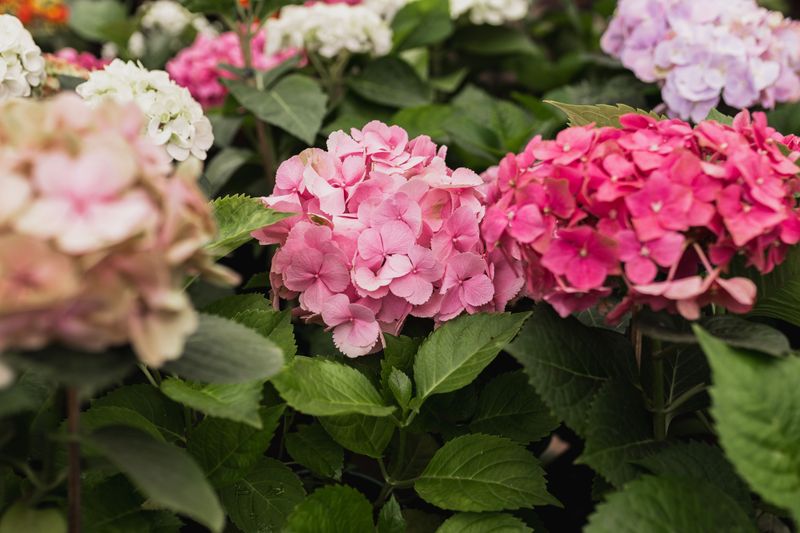
A brand-new hydrangea and a three-year-old hydrangea are playing completely different games in your yard. Age changes everything about how a plant handles heat, drought, and seasonal stress.
Young plants spend their first season or two building root systems rather than producing big blooms. That underground work is essential, but it means the plant looks underwhelming above ground for a while.
An established hydrangea has roots that reach deep into the soil and spread wide. It can pull moisture from a larger area and bounce back from dry spells much faster than a newcomer can.
A newly planted hydrangea, even one that looks full and healthy at the nursery, is essentially starting from scratch in your soil. Its root ball is small and needs consistent watering to get established.
Gardeners sometimes compare a young plant to an older one and assume something is wrong. The younger plant looks sparse and blooms less not because of poor care but because it is still getting settled.
Patience is genuinely part of the process with hydrangeas. Many gardeners notice a significant improvement by the third year, once roots are established enough to support fuller, showier growth above ground.
Two hydrangeas in the same yard can have totally different results simply because they are not the same plant at all. Treating them identically ignores their very different needs.
Age is an advantage the younger plant will eventually earn. Give your newer plants extra water, good mulch, and time. The wait is always worth it when a young hydrangea finally hits its stride.