What MSU Extension Is Warning Michigan Homeowners About Late-Summer Lawn Diseases
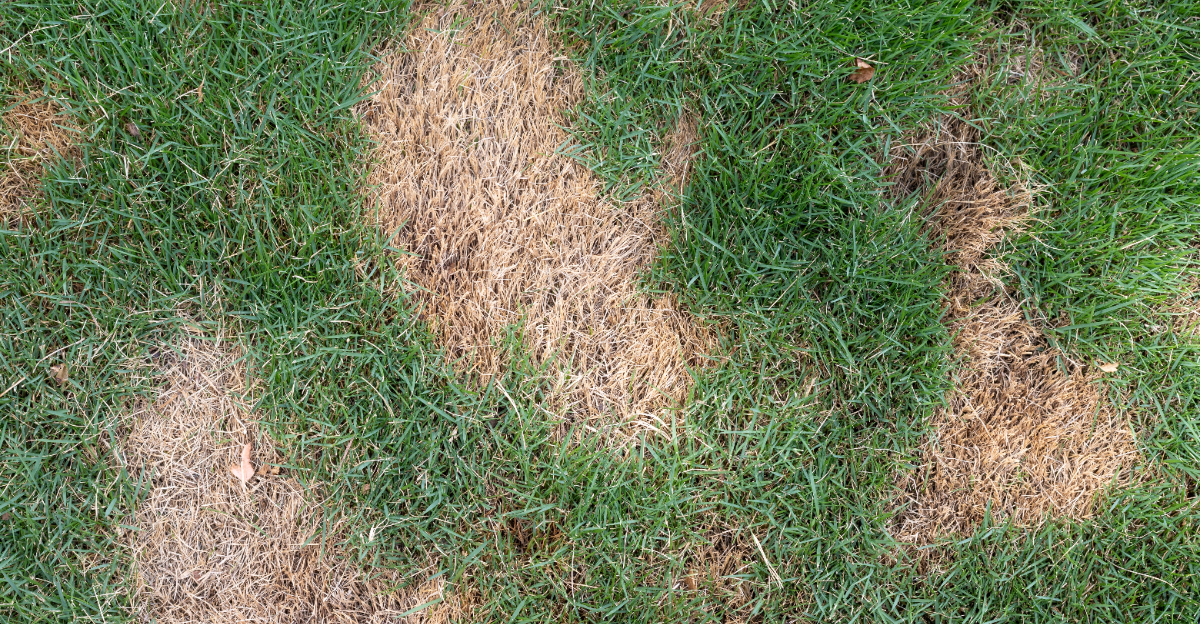
Michigan lawns are shifting fast right now, and your grass sits directly in the middle of it. You could be doing nothing wrong with your yard and still watch color changes spread faster than expected.
Patches and discoloration might show up on your lawn almost overnight, catching you off guard. Specialists at Michigan State University are tracking a pattern that keeps escalating across lawns before homeowners even notice it starting.
Every extra day you wait changes how much of your lawn you get to save. Nothing about this problem waits for a convenient moment, and it can spread through your grass before you notice.
What’s driving this shift is more specific and more surprising than you’d expect, and waiting even a few more days could cost you the rest of your lawn this season.
Warm, Humid Conditions Behind The Warning
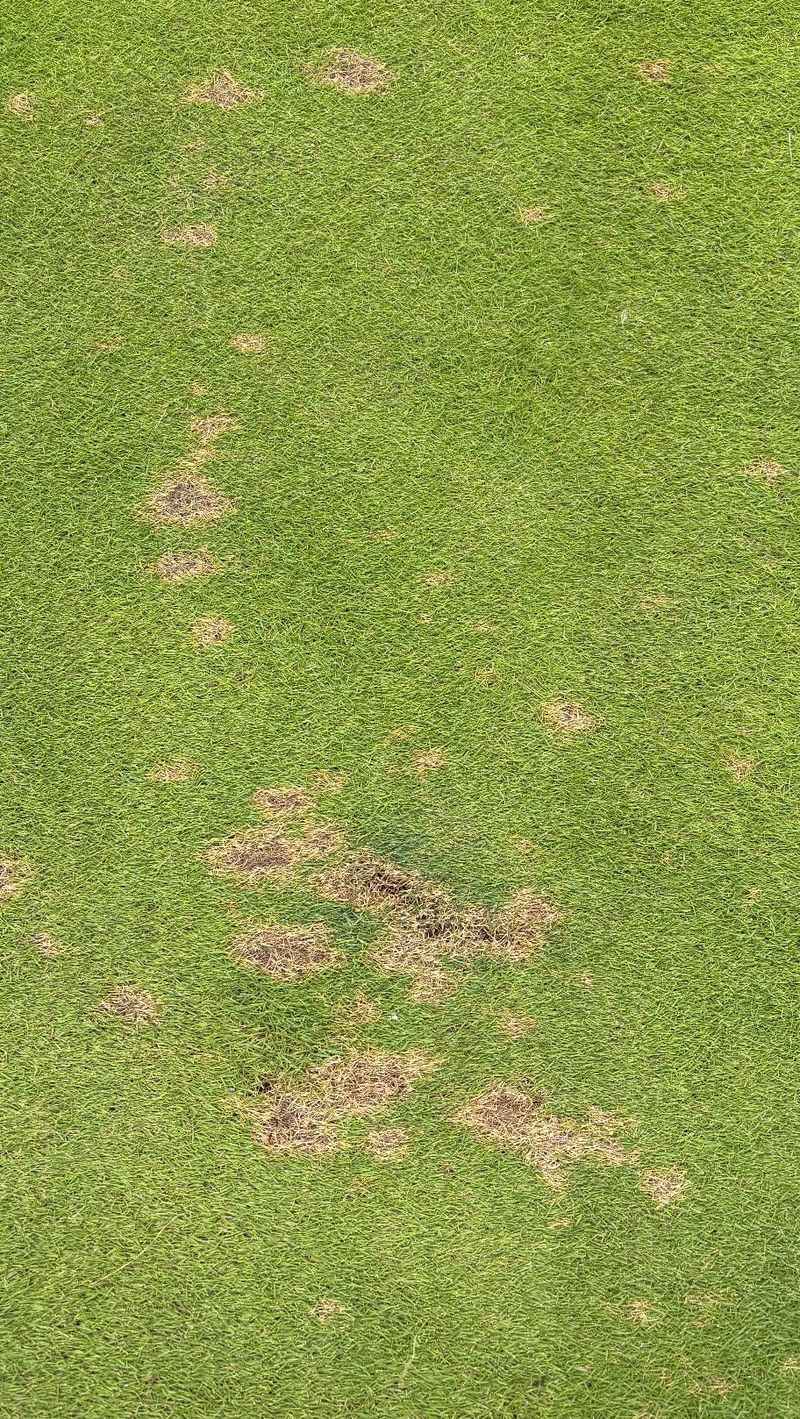
Sticky air and soggy mornings are a lawn disease’s best friend. MSU Extension has been tracking a surge in fungal activity tied directly to Michigan’s late-summer humidity patterns.
When nighttime temperatures stay above 70 degrees, grass rarely dries out completely before morning. That constant moisture creates a perfect breeding ground for fungal spores already living in the soil.
Michigan summers have grown noticeably wetter in recent years. Researchers at MSU have linked increased disease pressure to longer stretches of high humidity combined with daytime heat above 85 degrees.
Fungal pathogens do not need much of an invitation. A few warm, wet nights in a row are enough to trigger an outbreak that spreads across your entire yard within days.
Turf grass under heat stress is also weaker and less able to fight off infection. Think of it like your own immune system taking a hit when you are tired and overheated.
Cool-season grasses like Kentucky bluegrass and tall fescue are facing unusually risky conditions this season. Both species struggle when temperatures climb and moisture lingers.
The warning is not meant to panic anyone. Knowing the conditions that trigger disease outbreaks puts you in a much stronger position to protect your lawn before damage gets out of hand.
Brown Patch Symptoms Showing Up Right Now
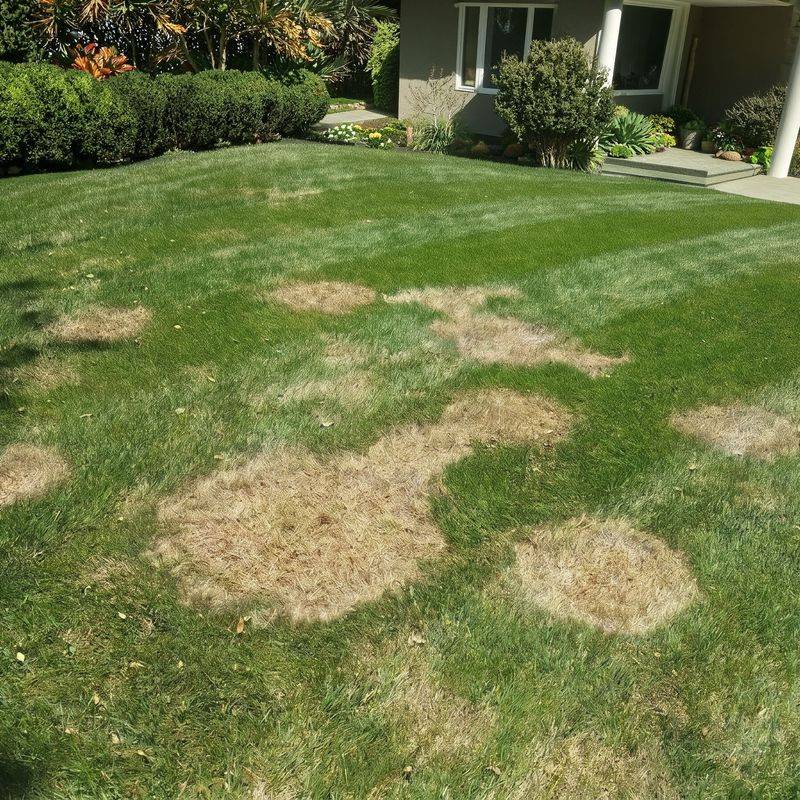
Brown patch is the lawn disease showing up in yards all across Michigan right now. MSU Extension specialists are fielding calls about it daily, and the symptoms are hard to miss once you know what to look for.
Infected areas appear as roughly circular patches ranging from a few inches to several feet wide. The grass inside those circles turns tan or light brown, while the outer edge often shows a darker, water-soaked ring.
That dark border is sometimes called a smoke ring, and it is one of the clearest signs of brown patch. Spotting it early gives you a real advantage in slowing the spread.
Brown patch is caused by a fungus called Rhizoctonia solani. It attacks the blades of grass rather than the roots, so recovery tends to be faster once conditions improve.
Cool-season grasses are most vulnerable when nighttime temperatures stay above 68 degrees for several nights in a row. Tall fescue and perennial ryegrass tend to show the worst damage.
Your Michigan Garden Changes Every Week. Your Plan Should Too.
Gardening in Michigan changes quickly throughout the season. Every Friday you’ll receive a simple weekly plan showing exactly what to plant, prune, fertilize, harvest, and protect so you never miss the right timing.
Homeowners often mistake brown patch for drought stress or grub damage. The circular shape and smoke ring border are your best clues that fungus is the real problem here.
Photographing the affected areas and comparing them against known symptoms can help confirm what you’re dealing with. Getting the identification right before reaching for any product saves money and prevents further lawn stress.
Summer Patch And Necrotic Ring Spot Explained
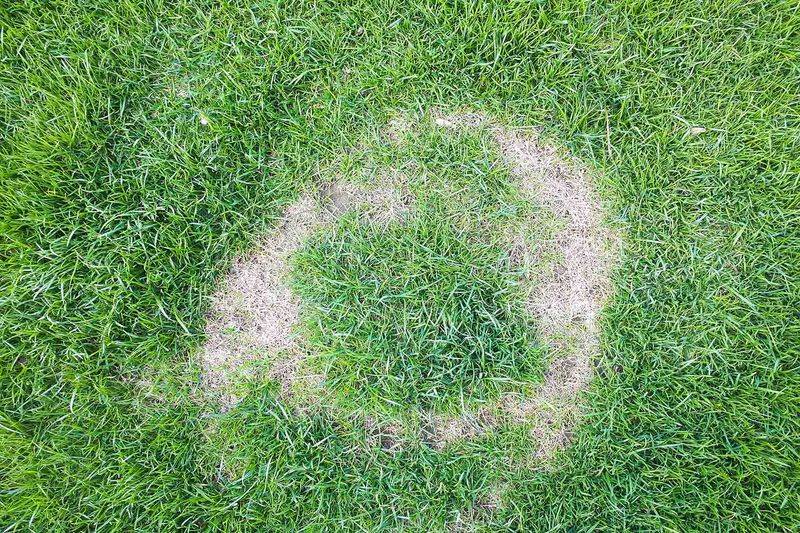
Some lawn diseases go after the roots, and those are the ones that really test a homeowner’s patience. Summer patch and necrotic ring spot both fall into that tougher category.
Summer patch attacks the roots and crown of Kentucky bluegrass and annual bluegrass. Affected turf wilts fast, even when moisture is available, because the roots can no longer pull water up properly.
Necrotic ring spot creates a distinctive pattern sometimes called frog-eye. You get a ring of dry grass surrounding a tuft of green in the center, which looks almost decorative but signals serious root damage underneath.
Both diseases are caused by soilborne fungi that thrive in compacted, poorly drained lawns. Lawns with heavy thatch layers are especially prone to outbreaks because the fungus hides and spreads easily in that spongy layer.
MSU plant pathologists note that summer patch symptoms often appear in the same spots year after year. If you had rings or dry patches last August, watch those exact areas closely this season.
Root-attacking diseases are harder to treat once symptoms appear because the damage is already done underground. Prevention through cultural practices matters far more than any spray-on treatment after the fact.
Not all lawn diseases look the same, and none of them call for the same response. Root diseases need a different game plan entirely.
Watering Habits That Make Lawns More Vulnerable
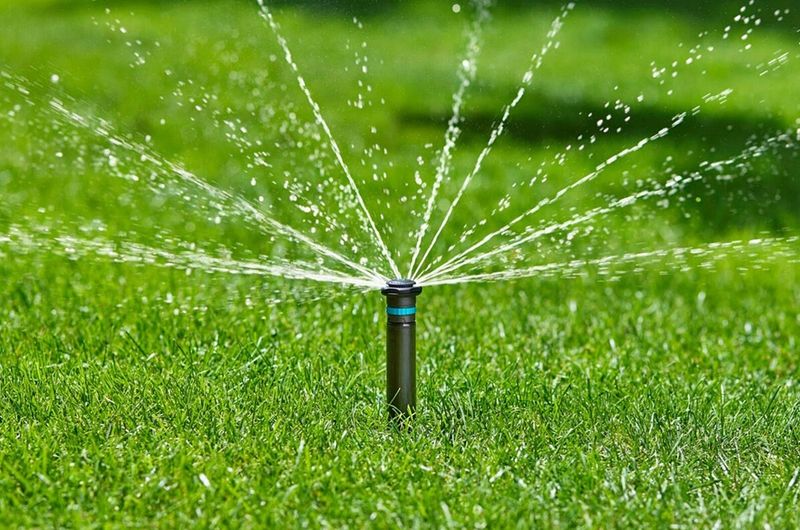
Evening watering feels logical after a hot day, but it is one of the biggest mistakes Michigan homeowners make. Wet grass sitting overnight in warm air is basically a fungal welcome mat.
MSU Extension strongly advises watering early in the morning, ideally between 4 a.m. and 9 a.m. That timing allows grass blades to dry out fully before temperatures drop at night.
Frequent shallow watering is another habit that quietly weakens turf. Grass trained to expect light daily sprinkles develops shallow roots that cannot handle heat stress or fight off infection effectively.
Deep, infrequent watering encourages roots to grow downward. Aim for about one inch of water per week, applied in one or two sessions rather than a little bit every single day.
Overwatering is just as damaging as watering at the wrong time. Soggy soil deprives roots of oxygen and creates exactly the wet, anaerobic conditions that soilborne fungi love most.
Check your soil moisture before turning on the sprinkler. Push a screwdriver six inches into the ground, if it slides in easily, the lawn does not need water yet.
Smart irrigation changes are free and immediate. Adjusting your watering schedule this week could slow the spread of late-summer lawn diseases without spending a single dollar on fungicides or treatments.
Good habits now also set your lawn up for a healthier fall recovery season. Small timing shifts create big results when conditions are this stressful.
Steps MSU Recommends Before Treating Anything
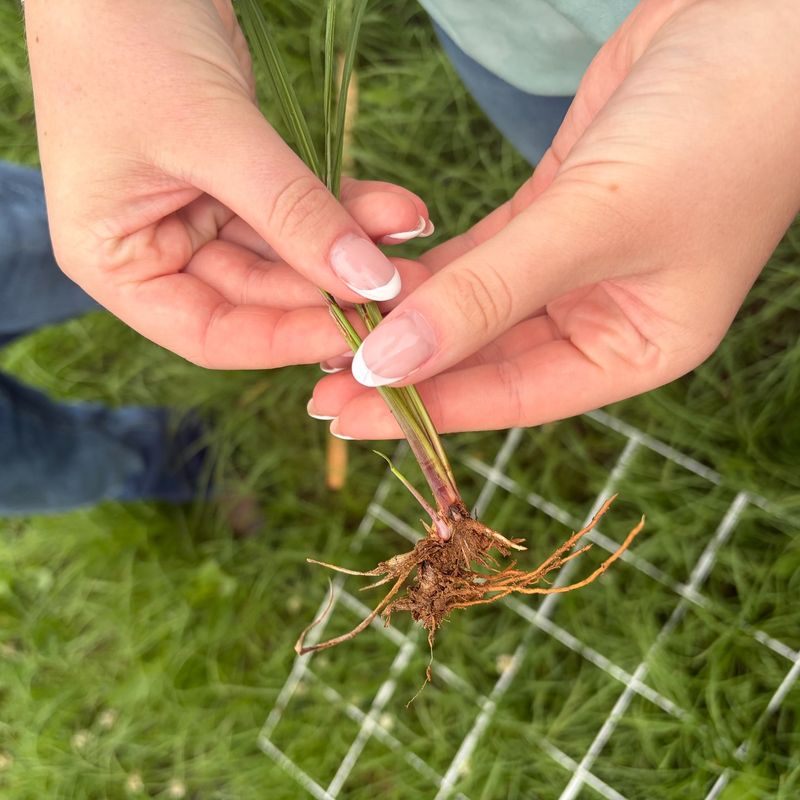
Reaching for a fungicide the moment you see brown grass is a very common impulse. Treating the wrong problem can actually make things worse, so identification should always come first.
The first recommended step is accurate identification. Not every brown patch is a fungal disease, drought stress, grub damage, and dog spots can all look similar from a distance.
MSU Extension offers a plant diagnostic service through their online portal for a small per-sample fee. Submitting photos and a soil sample can get you a professional assessment without leaving your driveway.
Mowing height matters more than most homeowners realize. Cutting cool-season grass below three inches during a heat wave stresses the turf and opens it up to faster fungal spread.
Check your mower blades too. Dull blades shred grass tips instead of cutting cleanly, and those ragged edges become easy entry points for pathogens already present in the environment.
MSU specialists also recommend pulling back on nitrogen fertilizer during active disease outbreaks. High nitrogen pushes lush, soft growth that fungal spores find extremely easy to penetrate.
Aeration and dethatching are often more useful than any chemical application. Removing compaction and excess thatch improves drainage and air circulation, both of which work against fungal disease.
Getting the diagnosis right first is the advice MSU Extension repeats most often. Treating with the wrong product wastes money, stresses grass further, and delays the real recovery your lawn actually needs.
Long-Term Lawn Care That Reduces Future Risk
A lawn that bounces back fast from disease pressure is not an accident. It is the result of consistent care choices made throughout the entire growing season, not just when trouble appears.
Overseeding thin or bare spots every fall is one of the highest-impact habits a Michigan homeowner can adopt. Thick, dense turf physically crowds out the conditions where fungal diseases get their start.
Choosing disease-resistant grass varieties makes a measurable difference. MSU turfgrass researchers regularly publish updated lists of cultivars that perform well under Michigan’s specific climate pressures.
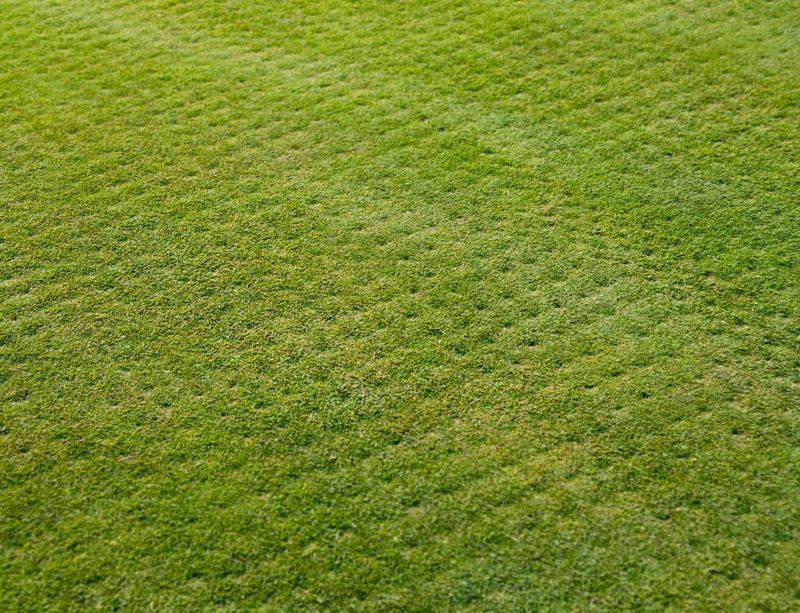
Annual core aeration breaks up compaction and improves drainage, cutting off the excess moisture soilborne fungi need to thrive. Doing it every fall before overseeding gives your lawn a genuine head start on next summer.
Soil pH affects how well grass absorbs nutrients and how resistant it is to stress. Testing soil every two to three years and adjusting with lime or sulfur keeps your turf in its strongest possible condition.
Balanced fertilization throughout the season builds a healthier root system. Leaning too hard on nitrogen in spring and summer creates soft, fast-growing grass that is more attractive to pathogens.
Building a resilient lawn is ultimately a long game, not a single late-summer fix. Short-term fixes help, but long-term habits are what truly protect your investment.
A healthy lawn is not just prettier, it handles stress, heat, and disease pressure in ways that struggling turf simply cannot match.