Protect Virginia’s Rarest Woodland Orchid Before It’s Gone
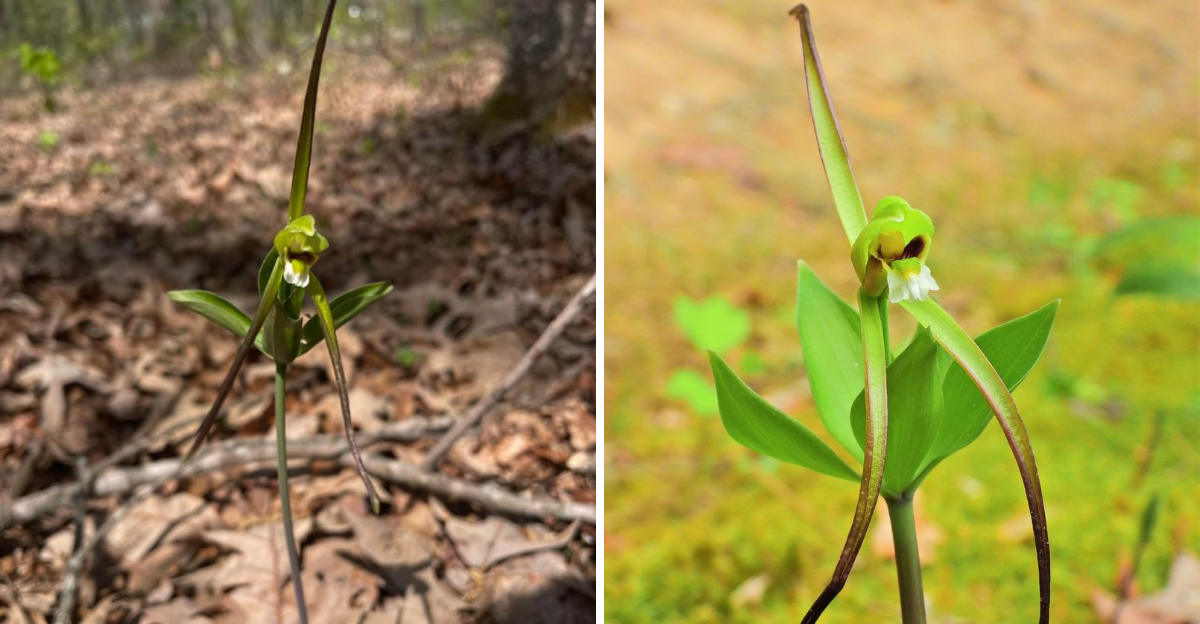
You almost never get the chance to see this flower bloom in the wild. Deep in Virginia, something rare clings to existence. Botanists guard its precise location like a closely held secret.
Its only close relative, the large whorled pogonia, is far more common across the eastern United States. Deer graze nearby, unaware they threaten its future.
Bulldozers still idle near ancient forests that hide its last refuge. Hikers walk past it without noticing anything unusual.
Nobody warns you how close this flower is to disappearing. Virginia holds one of the species’ scattered strongholds in the eastern United States.
Scientists track every remaining stem with quiet urgency. Researchers return each season, counting what remains.
Conservationists work quietly without fanfare or recognition. Every single footstep near its fragile habitat carries risk. This flower demands attention most people never give it.
Understanding it means understanding what endurance actually costs. Protecting it means choosing to act now before it’s too late. Only you can decide whether this story continues.
What Is The Small Whorled Pogonia
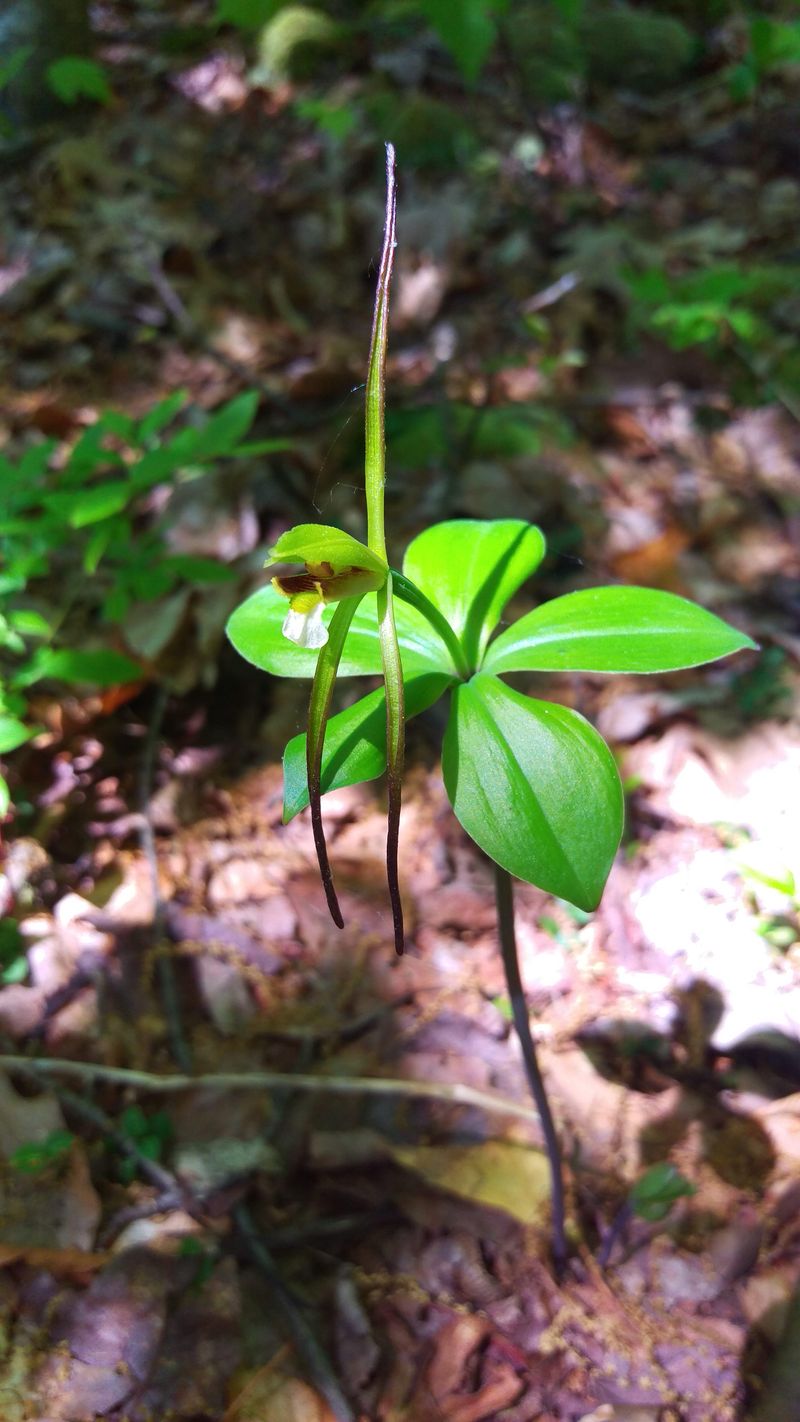
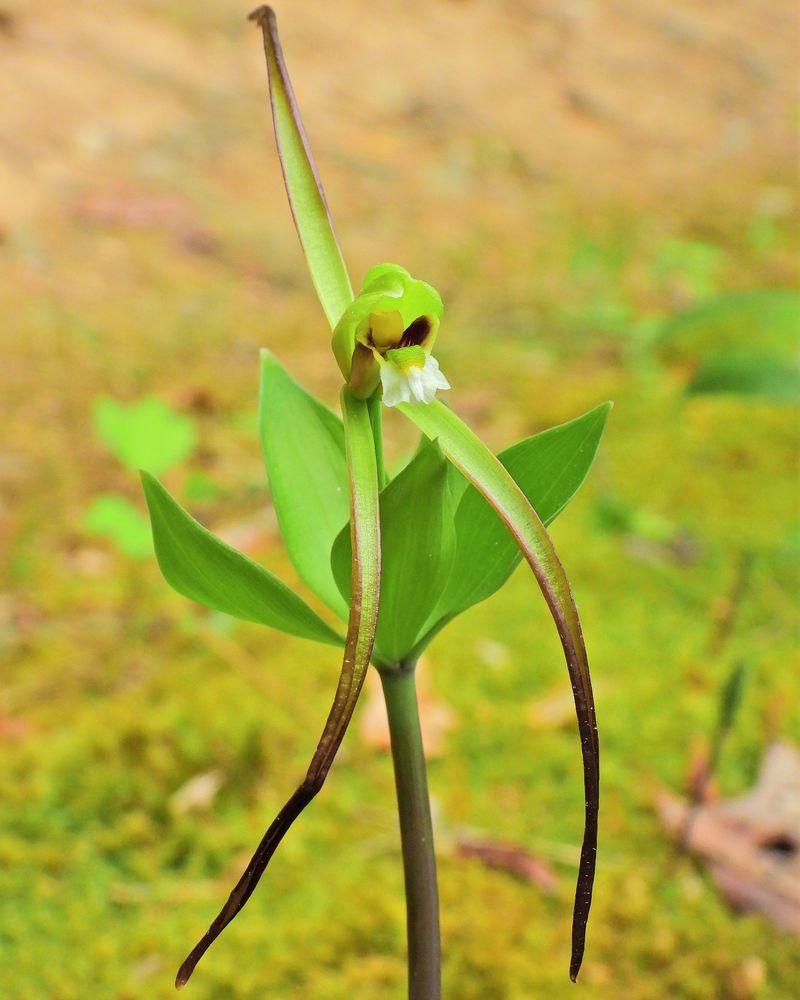
Picture a plant so small and shy that it hides among fallen leaves on the forest floor. The small whorled pogonia, known scientifically as Isotria medeoloides, is a native North American orchid that rarely grows taller than eight inches.
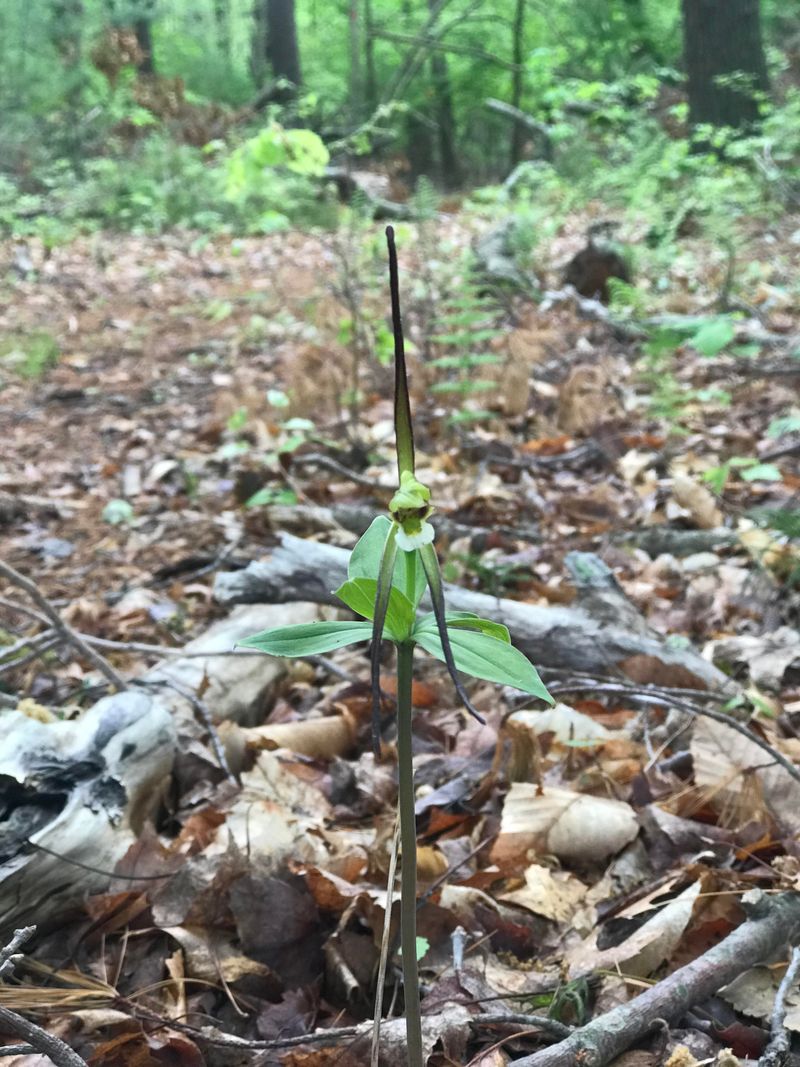
Most people walk right past it without a second glance. Its pale greenish-yellow flowers blend into the dappled shade of mixed hardwood forests, making it nearly invisible to untrained eyes.
Each plant produces a single stem topped with a whorl of five or six leaves. From the center of those leaves, one or two small flowers emerge in late spring to early summer.
Unlike showier orchids you might spot in a garden center, this species keeps a very low profile. Its subtle beauty is part of what makes finding it feel like a rare discovery.
Botanists classify it as one of the rarest orchids in the entire eastern United States. Only a few thousand individual plants are known to exist across its entire range.
Protecting Virginia’s rarest woodland orchid is a team effort that anyone can join. Awareness is the most powerful conservation tool we have right now.
Why It’s Considered Rare And Threatened
Rarity in the plant world is not always obvious, but for this orchid, the numbers reveal a clear pattern. Fewer than 300 known populations of the small whorled pogonia exist across its entire North American range.
Most of those contain only a handful of plants. The U.S. Fish and Wildlife Service listed it as threatened under the Endangered Species Act back in 1982. That federal protection marked a turning point for how the species was managed.
What makes this plant especially vulnerable is its slow reproductive cycle. Germinating seed into a mature, flowering plant remains poorly understood. Scientists have not even succeeded in germinating its seeds under controlled conditions.
Even when conditions seem perfect, plants sometimes skip flowering entirely for several seasons in a row. Scientists call this dormancy, and it makes population surveys tricky and unpredictable.
Your Virginia Garden Changes Every Week. Your Plan Should Too.
Gardening in Virginia changes quickly throughout the season. Every Friday you’ll receive a simple weekly plan showing exactly what to plant, prune, fertilize, harvest, and protect so you never miss the right timing.
Adding to the challenge, the orchid depends on a specific soil fungus to germinate and grow. Without that underground partner, seeds simply cannot sprout, no matter how ideal the habitat looks above ground.
Virginia’s rarest woodland orchid sits at a vulnerable point in its population trend. Every lost population is a setback. Recovery, if it happens at all, can take decades.
Where It Grows In Virginia
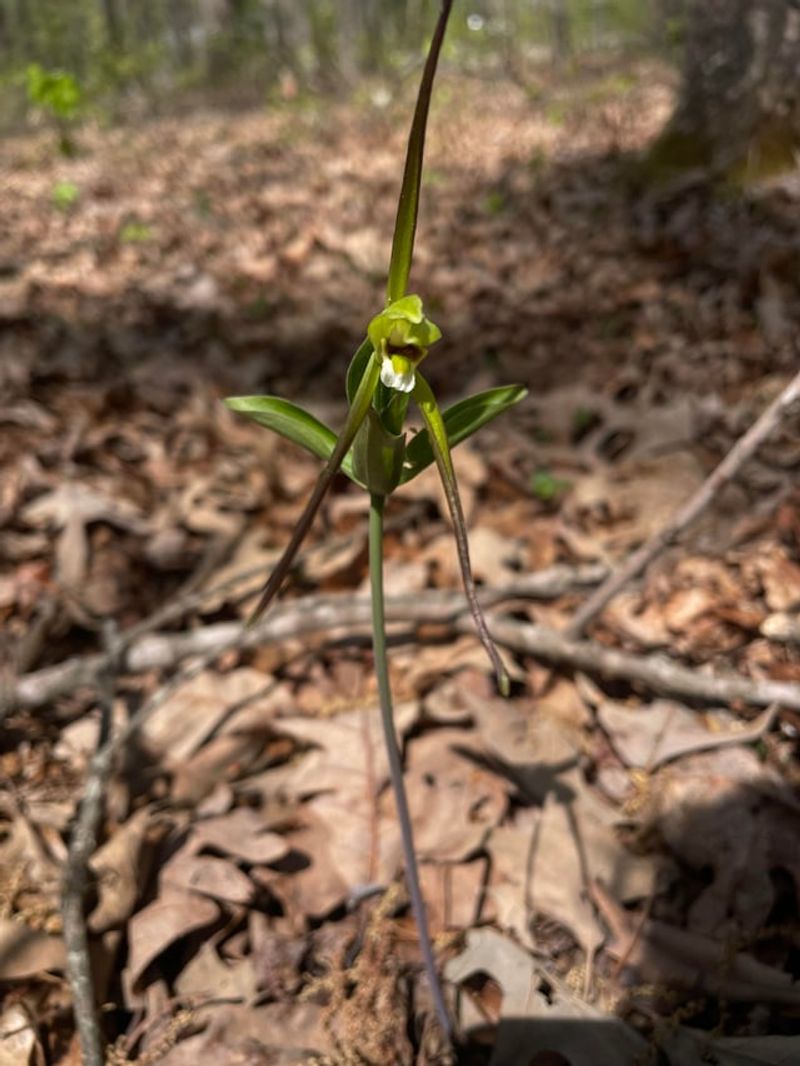
Not every forest qualifies as home for this delicate orchid. The small whorled pogonia prefers mature, second-growth mixed hardwood forests with acidic, well-drained soils and a relatively open understory.
In the Commonwealth, known populations are clustered in a handful of counties, many near the Blue Ridge Mountains and the Shenandoah Valley foothills. Exact locations are often kept confidential to prevent disturbance by collectors.
The orchid tends to favor spots where the leaf litter is deep and the tree canopy provides consistent shade. Too much sun or too much shade can both push the plant out of a site over time.
Interestingly, the species sometimes appears near old logging roads or forest edges where the soil was disturbed decades ago. Researchers believe those past disturbances may have created the specific conditions it needs.
Finding a new population in Virginia is a significant event for botanists and land managers. Each discovery adds critical data to maps that guide future conservation planning across the state.
Protecting Virginia’s rarest woodland orchid means protecting the specific forest patches where it already lives. Targeted land conservation in those counties could be the single most impactful action anyone takes.
Its Unique Blooming Habits
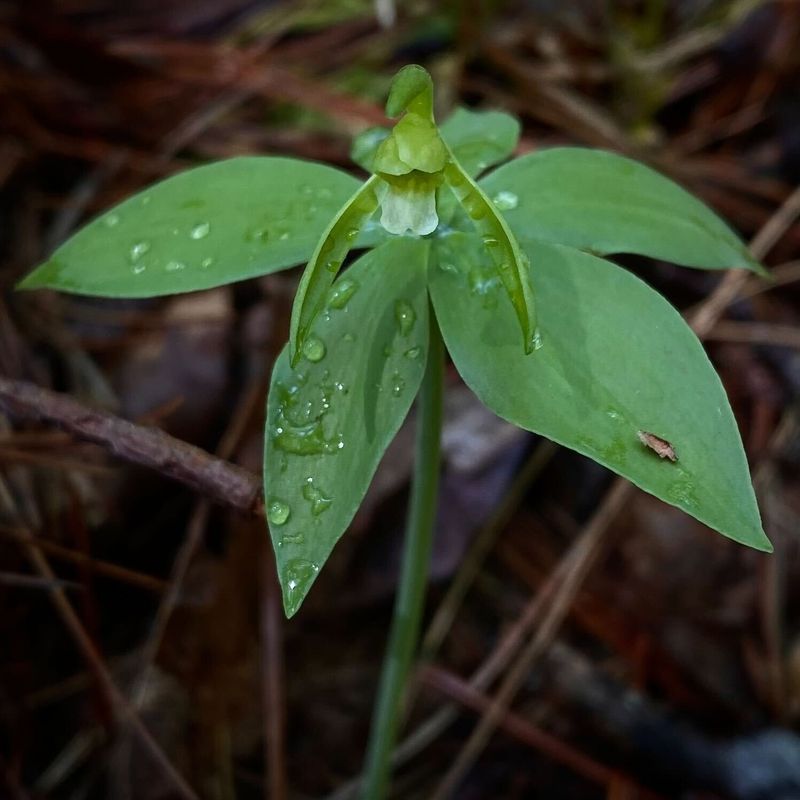
Timing is everything for this unpredictable plant. The small whorled pogonia typically blooms between late May and mid-June, making it an early-summer rather than a true late-summer species in most of its range.
However, some Virginia populations show slightly later flowering windows depending on elevation and local climate conditions. Cooler, shadier sites at higher elevations can push bloom time back by several weeks.
One of the strangest habits of this orchid is its tendency to go dormant underground for years at a time. A plant that flowered last season may simply not appear above ground next year, leaving researchers unable to fully explain the pattern.
Pollination is another quirky chapter in its story. This orchid pollinates itself rather than relying on bees or other insects. Its flowers lack the scent and nectar that would normally attract pollinators.
When seeds do form, they are nearly microscopic and incredibly lightweight. Wind carries them through the forest, but most never land in a spot with the right fungal partner needed for germination.
That unpredictable blooming schedule makes monitoring this species a serious commitment for conservation teams. You might visit a known site three years in a row and see nothing, then suddenly spot a cluster of blooms on the fourth visit.
Threats Facing The Species
Habitat loss is the biggest threat this orchid faces today. As forests get cleared for development, fragmented by roads, or degraded by invasive plants, suitable patches of woodland shrink fast.
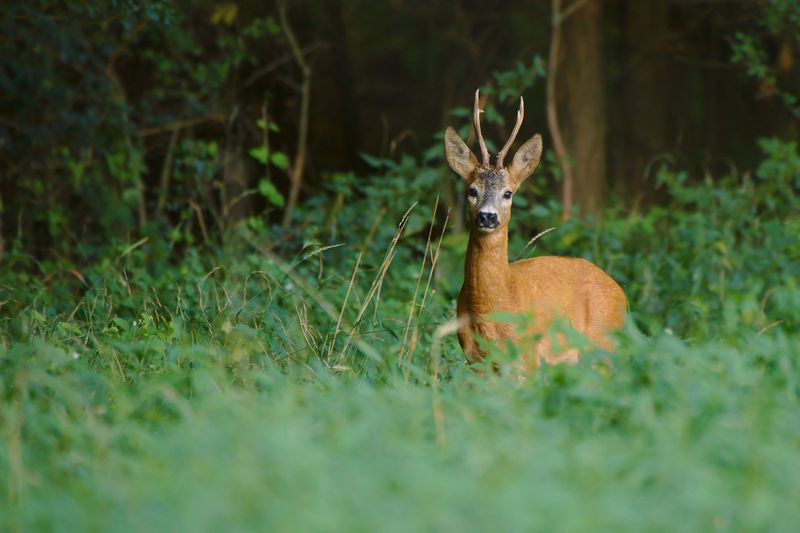
White-tailed deer are another major problem across the Mid-Atlantic region. Deer browse on the orchid’s leaves and stems before the plant can flower or set seed. Repeated browsing can wipe out a patch over successive seasons.
Invasive shrubs like Japanese barberry and multiflora rose crowd out the open understory conditions the orchid needs. Once those plants take hold, they are expensive and labor-intensive to remove effectively.
Climate change adds another layer of stress. Shifts in temperature and rainfall patterns can alter the timing of flowering, disrupt fungal partnerships underground, and push the orchid’s narrow habitat window even tighter.
Illegal collection by plant enthusiasts is also a documented threat. Because the orchid is so rare and unusual-looking, some people dig up plants to transplant at home, which almost always results in the plant failing to survive.
Off-trail hiking and accidental trampling cause more harm than most people realize. A single boot crushing a stem during the growing season can set a slow-reproducing plant back by several years, compounding threats that are already serious.
Conservation Efforts Underway
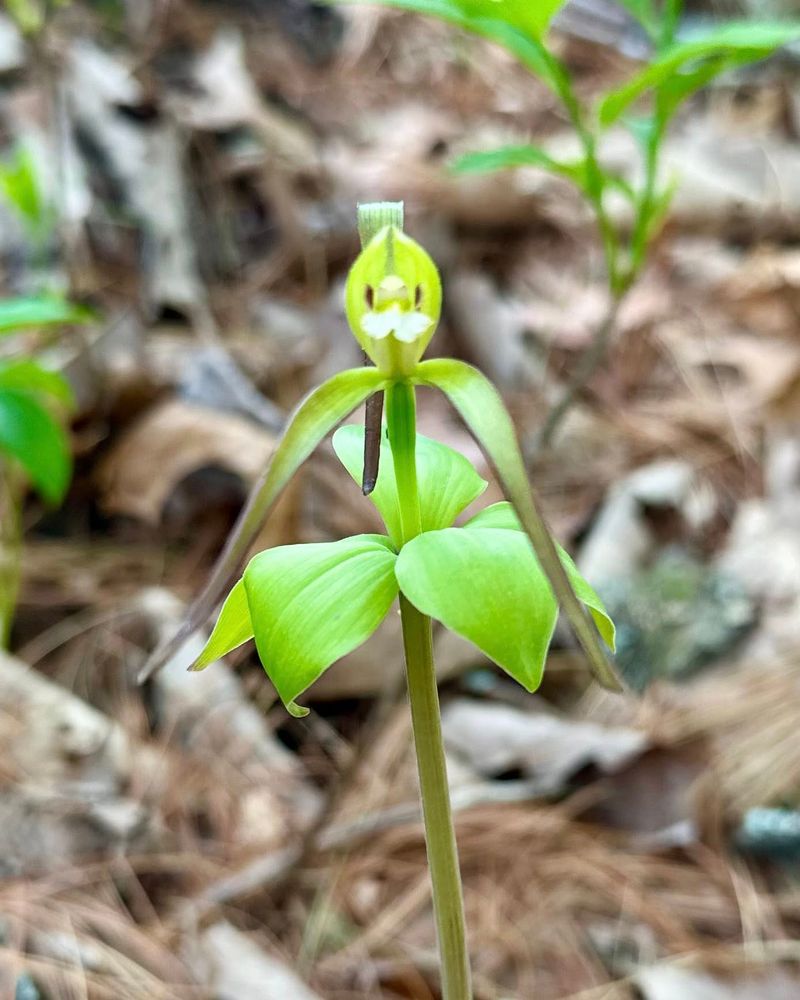
Good news does exist in this story, and it starts with dedicated people refusing to give up. State and federal agencies, land trusts, and volunteer botanists are actively working to monitor and protect known populations across the region.
The Virginia Department of Conservation and Recreation tracks rare plant populations through its Natural Heritage Program. Staff biologists visit known sites regularly to count plants and document any changes in population size or health.
Land acquisition is one of the most direct tools available. When conservation organizations purchase or place easements on forests with known populations, those sites gain long-term protection from logging or development.
Some deer management programs near sensitive sites have reported encouraging early results. Reducing deer density in targeted areas allows orchid plants to flower and set seed without being browsed down before they get the chance.
Invasive plant removal projects are also gaining momentum across the state. Volunteers and land managers are pulling and treating invasive shrubs in priority areas, slowly restoring the open understory conditions the orchid prefers.
Protecting Virginia’s rarest late-summer orchid is a team effort that anyone can join. Supporting local land trusts, reporting sightings to the Natural Heritage Program, or simply staying on marked trails all make a measurable difference for this fragile species.
How You Can Help Protect It
You do not need a biology degree to make a real impact here. Everyday choices by regular people add up to meaningful protection for rare species like this orchid.
Start by staying on designated trails whenever you hike in Virginia forests. Wandering off-path might seem harmless, but sensitive plants like the small whorled pogonia grow in spots that look just like ordinary forest floor.
Reporting any suspected sightings to the Virginia Department of Conservation and Recreation helps scientists track where populations exist. A clear photo and GPS coordinates from your phone can provide genuinely valuable data.
Supporting organizations like The Nature Conservancy or the Virginia Native Plant Society puts money directly toward land protection and restoration work. Even small annual memberships fund monitoring programs that keep rare species on the map.
Planting native trees and shrubs at home improves regional forest connectivity over time. Larger, connected forest patches give rare species more room to spread and reduce the isolation that makes small populations so fragile.
Spreading the word matters more than most people think. Sharing accurate information about protecting Virginia’s rarest woodland orchid with friends, family, and neighbors builds broad public support. That support influences land-use decisions for years to come.