These Are The Most Destructive Worms Tunneling Into Georgia Cucumbers Right Now
Your cucumber vines can look flawless in the morning light and hollow by evening. Georgia’s humid summer stretch has created exactly the conditions you didn’t expect, and something small is using it against your plants.
Something is already working through the stems you watered yesterday, and it isn’t stopping. Farmers across Georgia are pulling up plants that look untouched to you, with no outward wilting and only ruin underneath.
Roots you assumed were solid are being hollowed bite by bite from within. Exit holes won’t show up until the damage has already reached the row next to yours.
Cucumbers that seemed fine to you yesterday can collapse by the next afternoon. Many gardeners are asking the same question about what’s tunneling beneath the soil right now.
The Culprit Hiding Inside Georgia’s Cucumber Vines
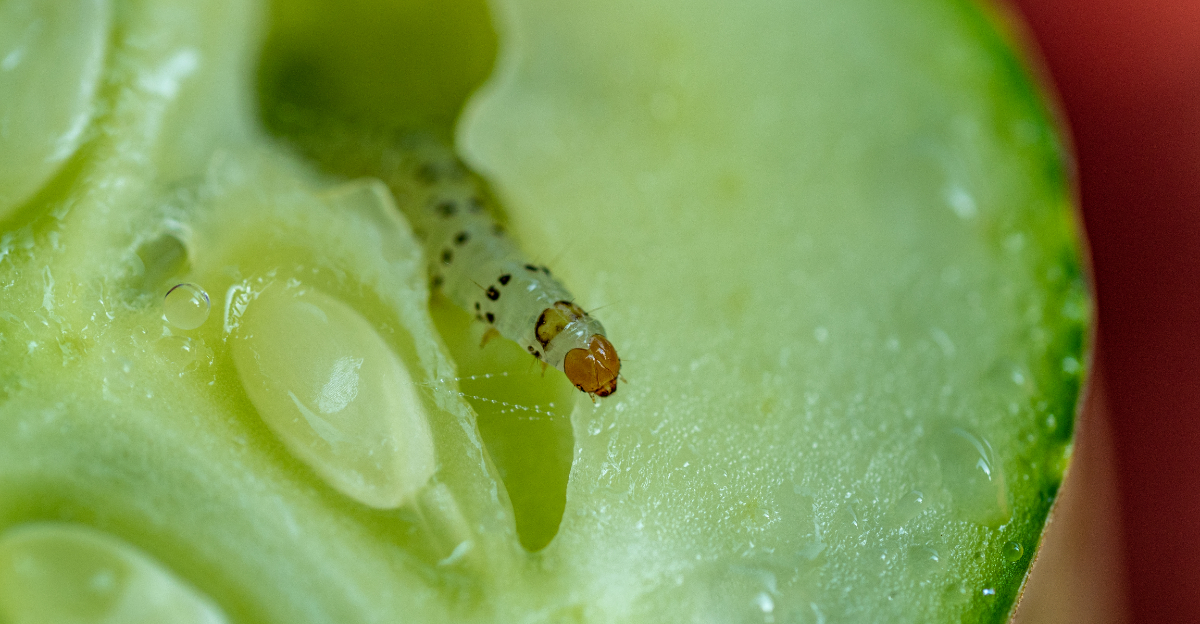
Most gardeners don’t spot the worm until the cucumber is already ruined. The pickleworm is the top pest burrowing into cucumbers across Georgia right now.
Its scientific name is Diaphania nitidalis, but most farmers just call it a serious problem. This pale green larva starts feeding on flowers and stems before moving into the fruit itself.
Once inside, the worm is almost impossible to reach with sprays. It feeds from the inside, protected by the thick cucumber skin around it.
Pickleworms are especially active during Georgia’s hot, humid summers. The Southeast’s climate is basically a five-star resort for this pest.
Adult moths fly in from Florida each season, riding warm winds northward as temperatures rise. They are not year-round residents but seasonal invaders that hit hard and fast.
The moths lay eggs on cucumber leaves and flowers at night. Within days, tiny larvae hatch and begin feeding immediately.
Young larvae start on the outside of buds and blossoms. Then they tunnel inward once they grow large enough to breach the skin.
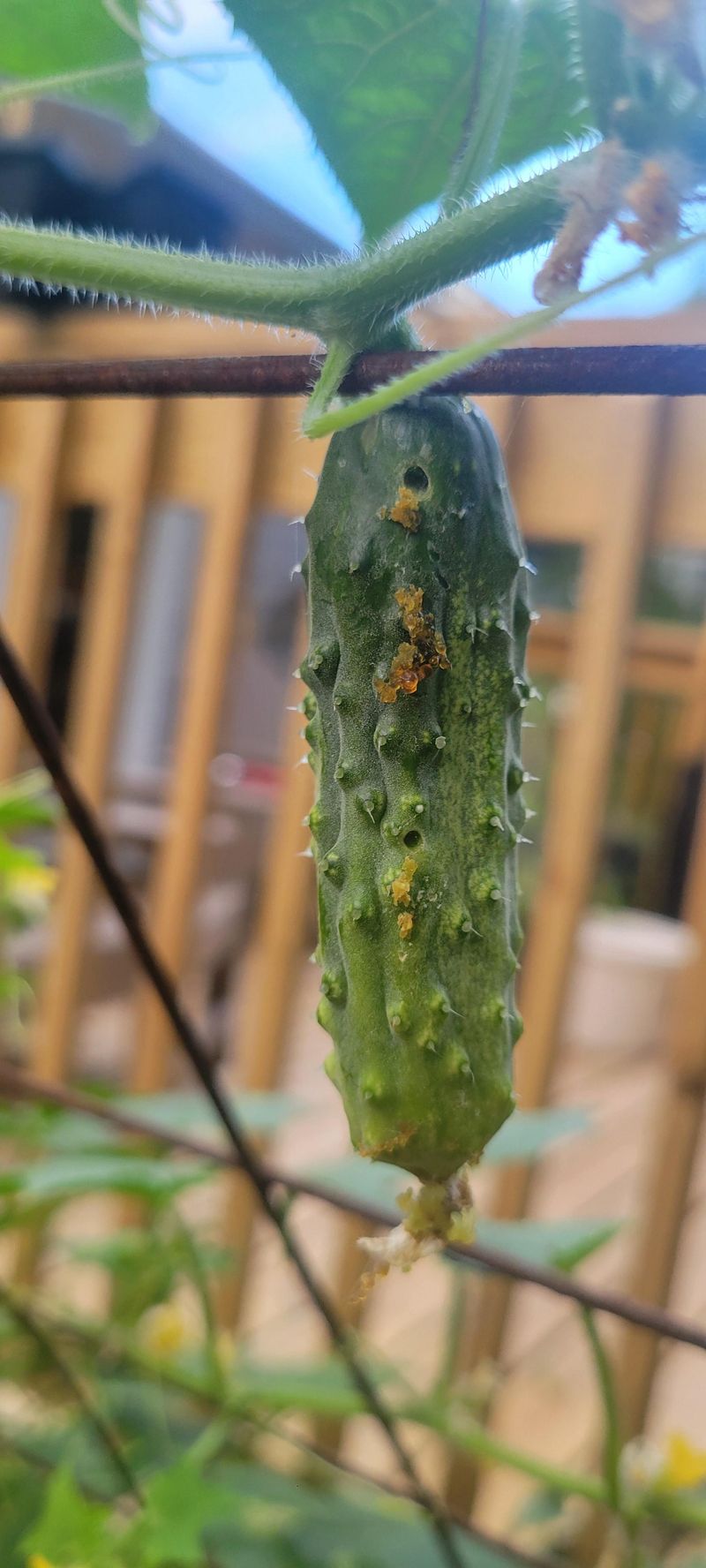
Gardeners often mistake early damage for disease. The entry hole is tiny, sometimes just a pinpoint surrounded by slight discoloration.
By the time you notice a soft spot or strange smell, the worm has already fed for days. Catching this pest early gives you the best chance of saving your crop from serious loss.
Tunneling Damage Revealed Inside The Fruit
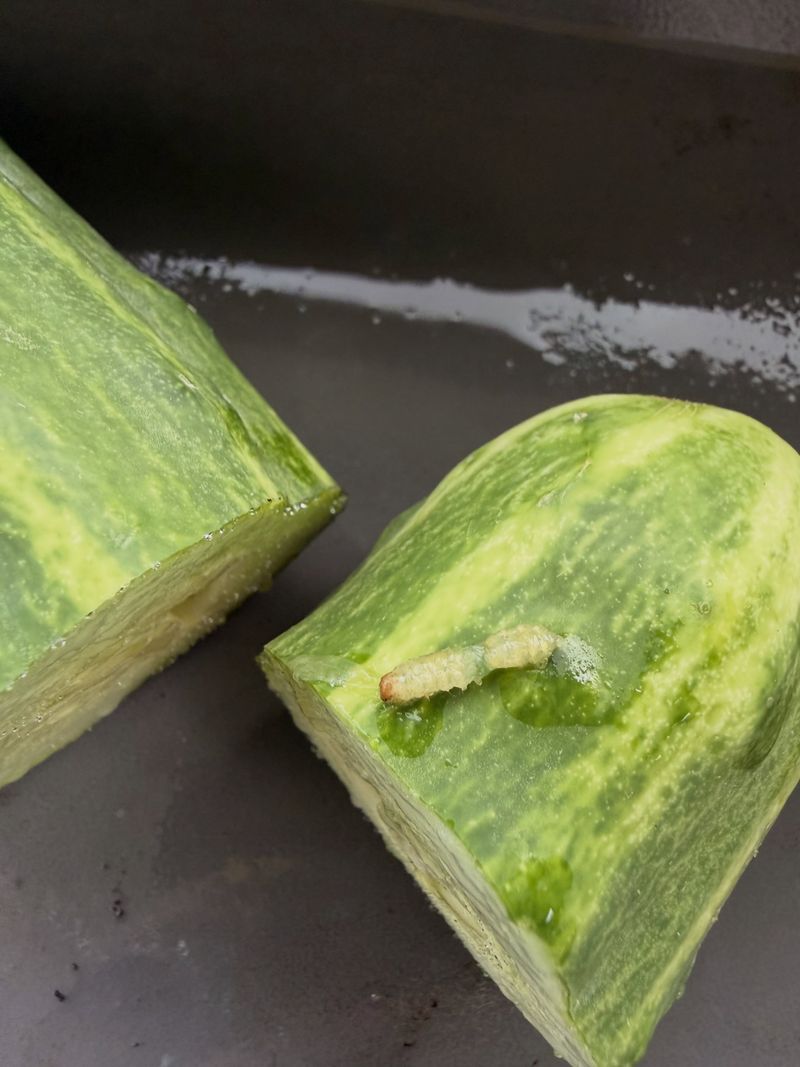
Slice open a damaged cucumber and the evidence becomes hard to miss. You will find dark, winding tunnels carved through the pale green flesh inside.
The tunnels are often filled with a wet, brownish material that smells slightly sour. That mixture is a combination of frass, feeding debris, and decayed plant tissue.
Secondary infections move fast once a tunnel opens up inside the fruit. Bacteria and fungi enter through the same hole the worm used and spread quickly.
This is why damaged cucumbers rot so fast on the vine. The worm creates the wound, and rot finishes the job within just a few days.
From the outside, the cucumber might still look mostly normal at first. A small entry hole, a slight soft spot, or a tiny brown dot are the only early clues.
Your Georgia Garden Changes Every Week. Your Plan Should Too.
Gardening in Georgia changes quickly throughout the season. Every Friday you’ll receive a simple weekly plan showing exactly what to plant, prune, fertilize, harvest, and protect so you never miss the right timing.
Growers who press gently along the cucumber’s length sometimes feel a soft section before seeing it. That soft zone is almost always a sign of internal tunneling.
Heavily infested fruit will collapse or shrivel on the vine before it even reaches full size. Younger cucumbers are especially vulnerable because their skin is still thin and easy to breach.
Tunneling damage also makes cucumbers unmarketable. Few people want to buy or eat a cucumber with a worm trail running through the middle of it.
Knowing what the damage looks like helps you act fast. The sooner you pull infested fruit, the slower the pest population spreads through your garden.
The Reason Pickleworms Prefer Fruit Over Foliage
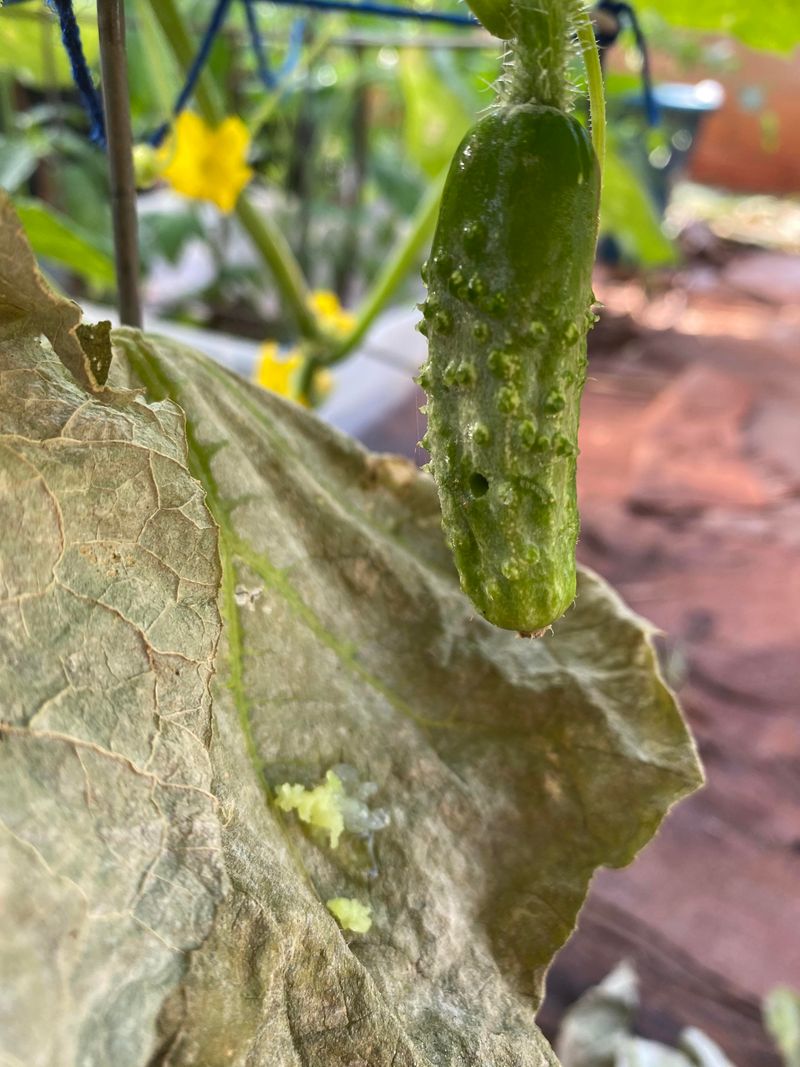
Most caterpillar pests chew leaves and call it a day. Pickleworms are different because they want the fruit itself, not just the greenery around it.
Young larvae do start on flowers and tender buds before moving inward. But their real goal is the soft, moist interior of the developing cucumber.
Fruit provides far more nutrition than a leaf ever could. The sugar content and moisture inside a growing cucumber make it a perfect food source for a fast-growing larva.
Pickleworms also gain protection inside the fruit that they rarely get on a leaf. Predators, weather, and sprays cannot reach them once they tunnel through the skin.
This behavior makes them one of the hardest pests to manage with contact insecticides. You have to catch the larvae before they enter, not after.
Squash and melons are also targets, but cucumbers are a preferred host in Georgia gardens. The thin skin of a young cucumber is especially easy for a small larva to penetrate.
Interestingly, pickleworms will skip foliage almost entirely when fruit is available. Researchers have noted that leaf feeding drops sharply once cucumbers begin setting on the vine.
This fruit-focused behavior is tied to the larva’s rapid development cycle. It needs dense calories fast to pupate and continue the pest’s life cycle.
Understanding why the worm targets fruit changes how you approach management. Protecting the fruit at the earliest stage is far more effective than reacting after infestation begins.
Signs Of Frass That Give Away An Infestation
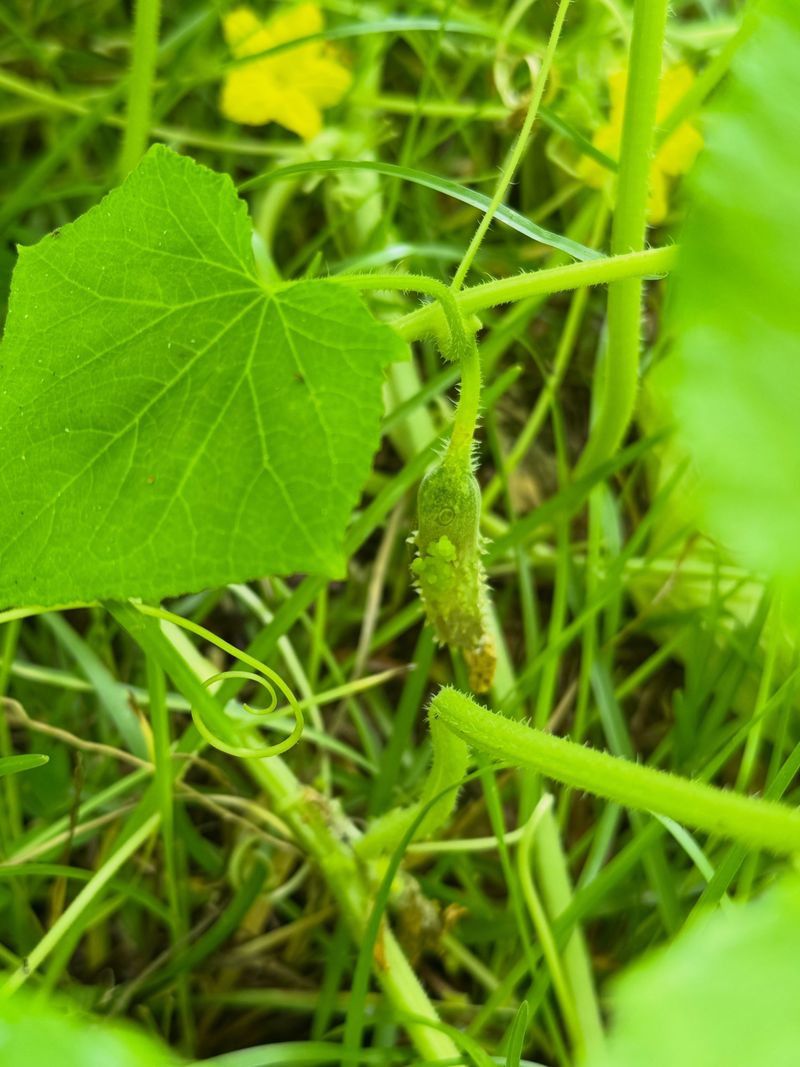
Frass is the technical word for insect droppings, and it is one of the most reliable clues a worm has moved in. Pickleworm frass looks like tiny dark pellets packed near or around the entry hole on the cucumber’s skin.
Sometimes the frass is mixed with a wet, greenish sawdust-like material. That mixture is chewed plant tissue pushed out of the tunnel as the larva feeds deeper inside.
Check the blossom end of your cucumbers first, because that is where larvae most often enter. A small cluster of frass near the tip is a strong sign something is already feeding inside.
Frass can also appear at the base of flowers before the worm even reaches the fruit. If you see dark specks on wilted blossoms, check the nearby developing cucumbers right away.
Fresh frass is slightly moist and dark green or brown in color. Older frass dries out and turns almost black, which tells you the infestation has been there for a while.
One entry hole does not always mean one worm. Multiple larvae can enter the same cucumber through separate holes, accelerating the internal damage significantly.
Gardeners who check their plants every two to three days catch infestations much earlier. A quick scan of blossom ends and stem joints takes less than five minutes per row.
Spotting frass early gives you a real window to act. Pull infested fruit immediately and dispose of it away from the garden to stop the cycle cold.
Timing That Makes Late Summer The Riskiest Window
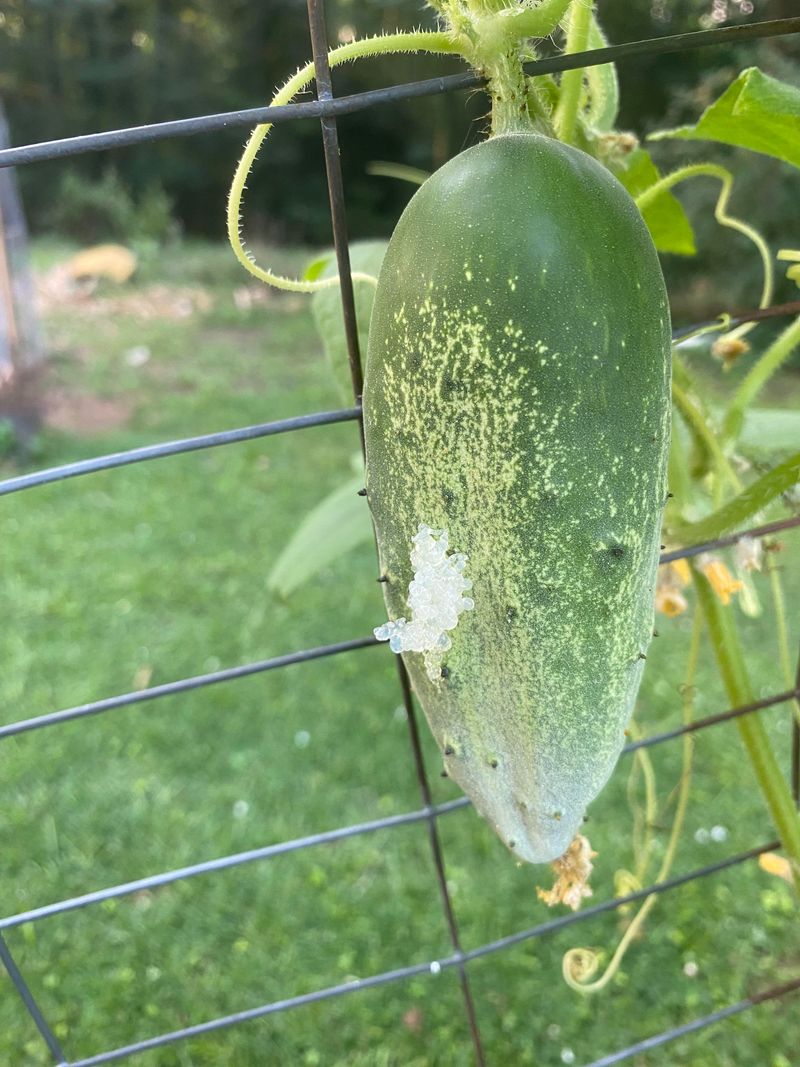
Late summer in Georgia turns intense fast once the heat sets in. For pickleworms, though, July through September is peak season and feeding is at its most intense.
Moth populations build throughout the summer as each new generation cycles through. By August, populations can be far larger than what arrived in early June.
Warm, humid nights are ideal for adult moths to mate and lay eggs. Georgia’s midsummer conditions keep the reproductive cycle moving quickly.
Early-season cucumber plantings often escape the worst of the damage. Gardeners who harvest before mid-July frequently report far fewer infested fruits than those with late-season crops.
A second planting timed for fall harvest can also sidestep peak pressure if done carefully. Starting seeds in late August means fruit sets after moth populations begin to decline in October.
Humidity compounds the problem by encouraging the fungal and bacterial rot that follows tunneling. Georgia’s sticky summer air turns a small worm hole into a rotting cucumber within just a few days.
Neighboring states like Florida serve as the source population, and moths push northward all season long. Each warm front that moves up from the Gulf can bring a fresh wave of egg-laying adults.
Knowing the timing gives you a strategic advantage over this pest. Plan your planting calendar around these high-risk weeks and you will protect far more of your harvest than you might expect.
Row Covers And Other Ways To Stop The Moths
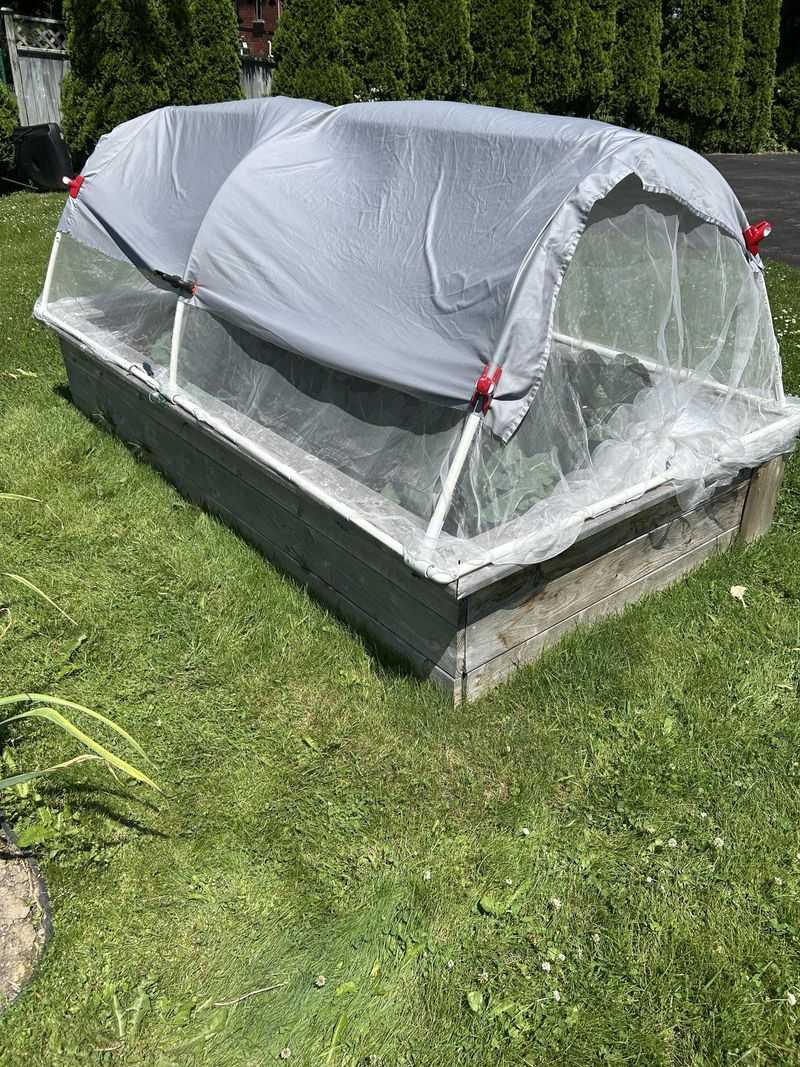
Floating row covers are one of the most effective non-chemical tools a gardener can use against pickleworms. The lightweight fabric creates a physical barrier that keeps adult moths from reaching the plants to lay eggs.
You need to install covers before moth activity begins, ideally when plants are still young. Waiting until you see damage means the moths have already been visiting your garden at night.
Remove covers briefly during the day when flowers are open so pollinators can get in. Cucumbers need bee visits to set fruit, so timing your cover removal matters a great deal.
Bacillus thuringiensis, commonly called Bt, is a natural spray that targets caterpillar larvae specifically. It works best when applied to young larvae before they tunnel into the fruit.
Spinosad is another organic option with strong results against pickleworm larvae. Apply it to flowers and young fruit every five to seven days during peak moth season for the best protection.
Removing and destroying infested fruit immediately is not optional if you want to slow the spread. Every worm you remove from the garden is one fewer moth laying eggs next week.
Pheromone traps can help you monitor adult moth activity so you know when to spray. When trap catches spike, that’s a good signal to consider increasing application frequency.
A combination of timing, covers, and targeted sprays gives you the best protection against worms tunneling into Georgia cucumbers. Consistent scouting is what separates a successful harvest from a frustrating one.