Native Asters Are Replacing Mums In More Georgia Flower Beds This Fall

Fall flower beds lean on mums, but they are not the only plants capable of carrying color into cooler weather. Native asters bring a different look while offering something extra for the garden.
Their flowers arrive when many summer favorites are beginning to fade. That timing gives Georgia gardeners another way to refresh beds without relying on the same fall standby.
There is also a practical reason these plants deserve attention. Their late blooms can provide food for pollinators still active during fall.
Choosing the right aster, however, matters just as much as choosing the plant itself.
Different native species vary in size, growing conditions, and appearance, so placement deserves some thought.
Before filling every open spot with mums, see why native asters may deserve room in your fall beds.
1. Blooms Arrive Exactly When Pollinators Run Short

Late September is a hungry stretch for bees. Summer flowers have faded and not much nectar is left.
Asters open right in that gap. Purple and white daisy-like blooms show up from September into November, depending on the species and the weather.
Monarchs passing through the state in October often stop on them.
Bumblebees, small native bees, and skippers work the flowers on warm afternoons.
Garden mums, by contrast, are usually bred for dense petals and long shelf life. Some cultivars offer little accessible nectar or pollen.
Watch the two side by side and the difference is easy to spot. Bees crowd the asters and mostly ignore the mums.
That matters more than it sounds. Insects heading into winter need fuel to store fat or finish a migration.
Aster foliage also feeds caterpillars of several moth species.
Chewed leaves are normal, not a problem to fix.
If you want the biggest effect, plant three or more of the same species together. Clumps are easier for pollinators to find than single plants scattered around.
Skip pesticide sprays on and near the blooms during peak season. Spraying undoes the whole point.
Bloom timing shifts a bit with heat, rain, and how much sun the bed gets. Expect some year-to-year variation.
2. They Come Back Instead Of Getting Tossed
Most grocery store mums are treated like decorations.
Buy in fall, enjoy six weeks, pull them out.
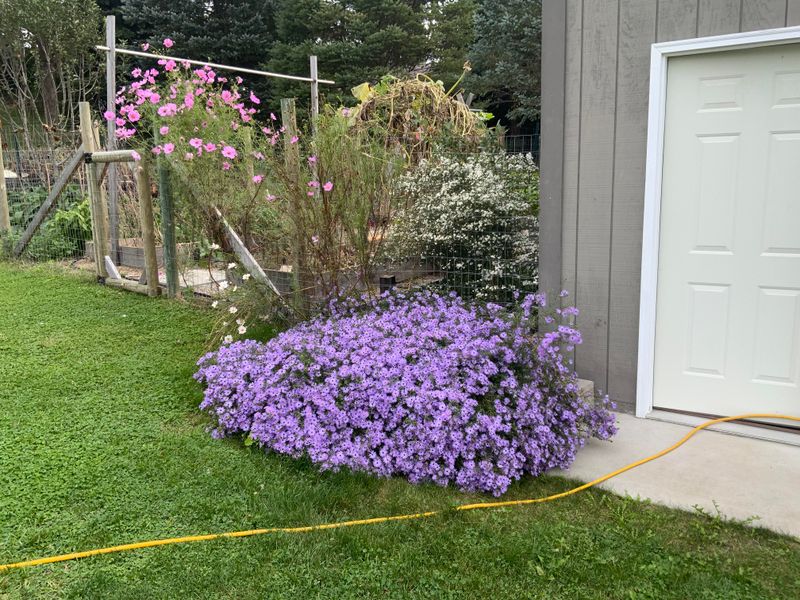
Asters work differently. Given decent drainage and a full season to root, they usually return each spring.
Year one is often modest. Expect a smaller plant with fewer blooms while roots get established.
By year two, growth picks up noticeably. Year three clumps can spread a foot or more wide.
Cost adds up in favor of the perennial. Three mums each October, every October, versus a one-time purchase.
Not every aster is equally reliable, though. Wet, compacted clay that stays soggy in winter can cause losses.
Raised beds or amended soil help a lot in heavy Piedmont ground. Adding a few inches of compost improves drainage.
Some gardeners do overwinter mums successfully in the Southeast. Hardy garden mums planted early enough in the season have a better shot than late-fall purchases.
Your Georgia Garden Changes Every Week. Your Plan Should Too.
Gardening in Georgia changes quickly throughout the season. Every Friday you’ll receive a simple weekly plan showing exactly what to plant, prune, fertilize, harvest, and protect so you never miss the right timing.
Still, the odds favor asters. Their wild cousins already handle local winters without help.
Divide crowded clumps every three or four years in early spring. Replant the outer pieces and share the rest.
Mark the spot before winter. Aster stems get cut back and the crown can be hard to find in March.
3. Aromatic Aster Handles Heat And Clay Better Than Most
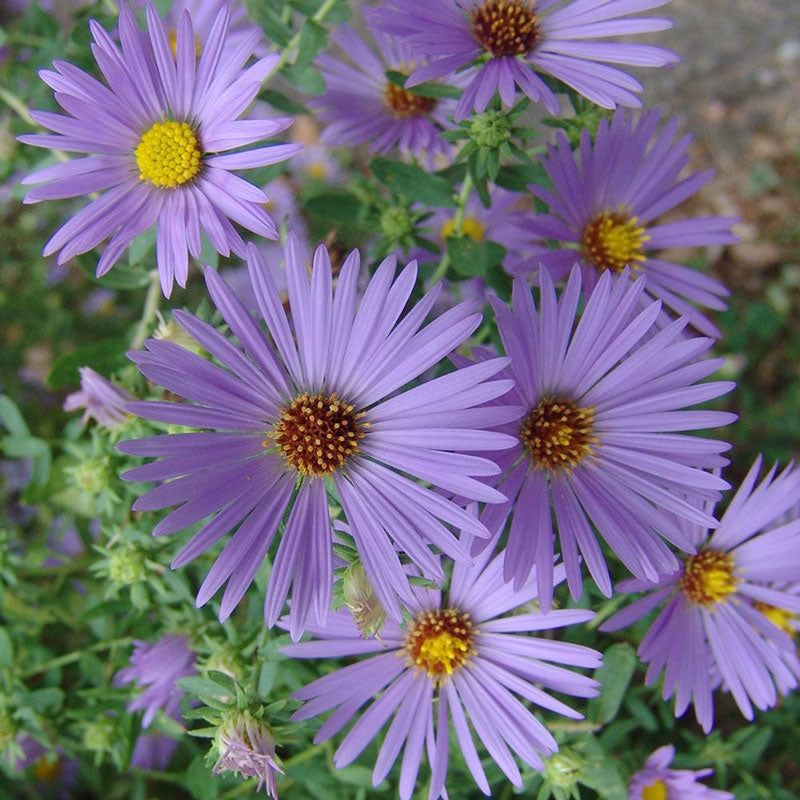
Ask a native plant grower for one starter aster and aromatic aster comes up often.
Its formal name is Symphyotrichum oblongifolium.
Leaves give off a light scent when brushed.
Drought tolerance is the selling point. Once rooted, it handles dry spells and lean soil without much sulking.
Flowers are lavender-blue with yellow centers, and the plant tends to form a rounded mound. Some cultivars like October Skies and Raydon’s Favorite stay tighter and lower.
That mounded habit is why it appeals to former mum buyers. Similar shape, longer life.
Bloom time usually runs October into early November here. Frost dates in the mountains will shorten that window.
Full sun gives the best form. Shade makes it stretch and flop.
Pinch stems back once in early June if you want a denser plant. Skip it if you like a looser, wilder look.
Rocky or gravelly soil is fine. Rich, constantly moist ground often produces floppy growth instead.
Deer browse varies by neighborhood. Some gardeners report light damage, others see none.
Water new plants weekly through the first summer. After that, rainfall usually covers it except in long droughts.
Leave the seed heads standing through winter. Small birds pick at them and the dried stems look decent in January light.
4. Georgia Aster Is A Rare Native Worth Planting
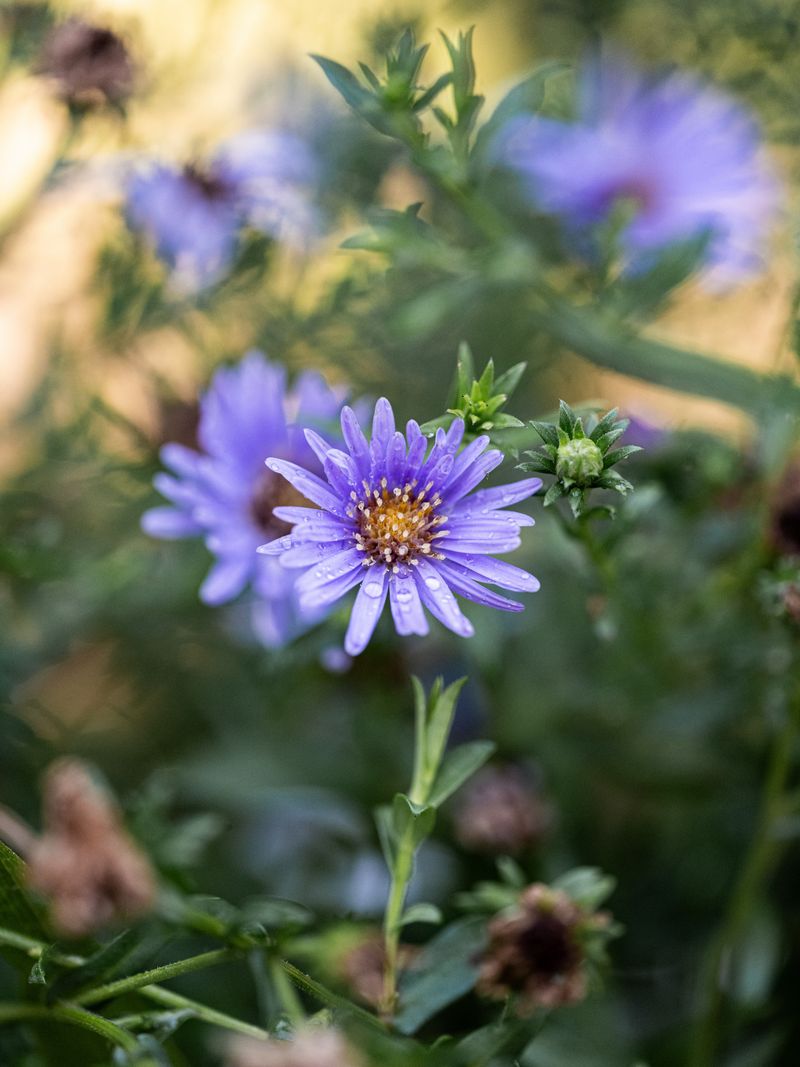
One aster carries the state’s name and it is genuinely uncommon in the wild.
Symphyotrichum georgianum has deep violet-purple petals and pale, creamy centers.
The color is richer than most garden asters.
Wild populations are limited and have been tracked by conservation agencies for years. Habitat loss and fire suppression are the usual reasons given.
Nursery-grown plants are the right way to get one. Digging from the wild is never acceptable.
A handful of native plant nurseries in the Southeast carry it. Fall plant sales run by botanical gardens are another source.
Sun and good drainage are the main requirements. Roadside banks and open woodland edges are its natural haunts.
Height often reaches three to four feet. Give it room and neighbors that can lean against it.
Bloom generally starts in October. In warm falls it can hold on into November.
Pair it with little bluestem or goldenrod for a look that mirrors real habitat. The purple against bronze grass is hard to beat.
Growth can be a bit rangy in rich soil. Cutting stems back by a third in late spring helps.
Planting it in a home bed does not restore wild populations. Still, it keeps a regional plant in circulation and gives pollinators late nectar.
5. Water Bills Drop Once Roots Settle In
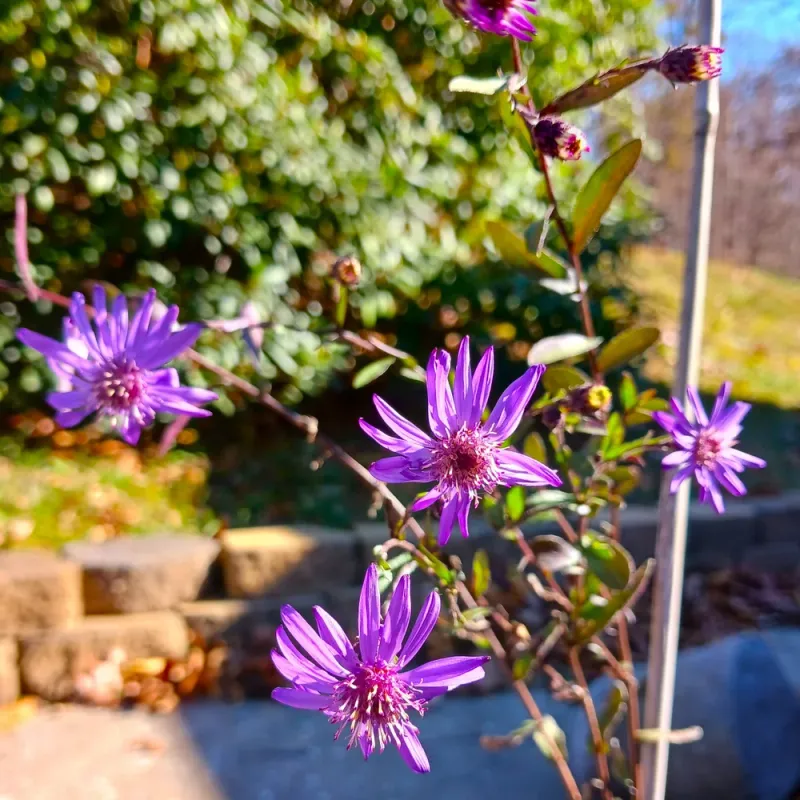
Mums are thirsty. Skip watering a potted mum for two days in October heat and it wilts fast.
Root systems explain it. Nursery mums are grown for quick sale, so roots stay shallow and confined.
Native asters build deeper roots over time.
Second-year plants often go weeks between waterings.
Fall in the Southeast can swing from soaking rain to three dry weeks. Deeper roots ride out that swing better.
Front-loading matters, though. New transplants need regular water their first summer, roughly once a week without rain.
Planting in fall works well here. Cooler air, warmer soil, and roots get a head start before summer stress.
Spring planting is fine too. Just plan on more watering through July and August.
Two or three inches of mulch cuts evaporation. Keep it pulled back an inch from the stems.
Skip heavy fertilizer. Rich feeding pushes weak, leggy stems that flop after storms.
Drought severity varies by year and county, so no plant is truly maintenance-free. Extended dry spells may still need a deep soak.
Watch the leaves for cues. Slight curling in the afternoon is normal, all-day wilting is not.
Over three or four seasons, the savings in hose time and replacement plants become obvious.
6. Loose, Airy Shape Beats The Perfect Dome
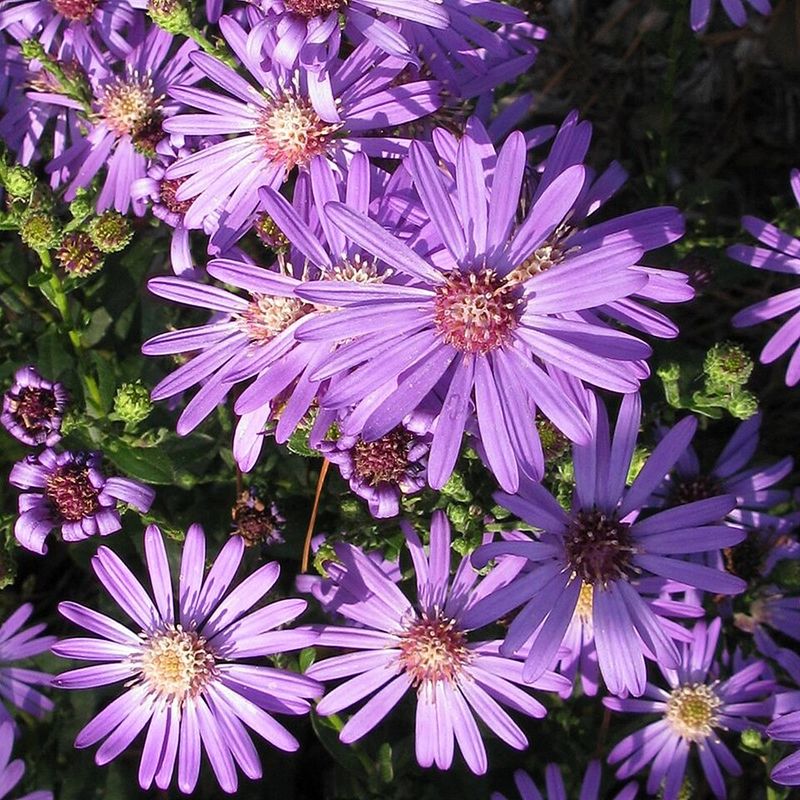
Mum domes look tidy for about three weeks. Then the middle browns out and the shape collapses.
Asters never aim for tidy. Stems arch, branch, and carry hundreds of small flowers.
That looseness blends with other plants instead of sitting apart from them.
Grasses, sedum, and goldenrod all mix well.
Design-wise, the effect reads more like a meadow than a store display. Some people love it, some find it messy.
Height range gives you options. Low cultivars stay under two feet while tall species can reach five or six.
Put tall ones at the back where nearby stems offer support. Short ones handle path edges.
Flopping is the common complaint. Pinching in June or a single quiet stake fixes most of it.
Color choices are wide. Blue, violet, lavender, pink, and clean white all show up across species.
White wood aster suits shaded beds under oaks and works in mountain gardens. Blue wood aster tolerates part shade too.
Combine two bloom times for a longer show. Early species carry September, later ones handle late October.
Leave the structure alone until late winter. Dried stems hold shape and give insects a place to overwinter.
Cut everything back in February and the new basal growth comes up clean.
7. Fewer Plants Thrown Out Each November

Count the mums that end up in the trash after Thanksgiving. It adds up statewide.
Plastic nursery pots go with them. Most curbside programs will not take those thin black containers.
Perennials change that math. One aster planted once removes years of annual purchases and disposal.
Peat, potting mix, fuel for shipping, and greenhouse heating all factor into a seasonal mum. None of that repeats with an established clump.
Divisions extend the benefit. A single plant can become four in a few years.
Neighborhood plant swaps have picked up around Atlanta and other metro areas.
Free divisions beat retail every time.
Seed collection is another route. Aster seed heads dry on the stem and can be sown in a nursery flat.
Germination rates vary, so sow more than you need. Some species need a cold period first.
Sharing spreads the shift faster than any campaign. One good clump in a front yard prompts questions from walkers.
None of this makes mums a villain. Buying a few for the porch is a small thing.
Choosing perennials for the beds is where the real difference shows. Less waste, less spending, more habitat.
Keep a couple of pots in reserve for divisions. Someone will ask.
8. Care Comes Down To Three Simple Tasks
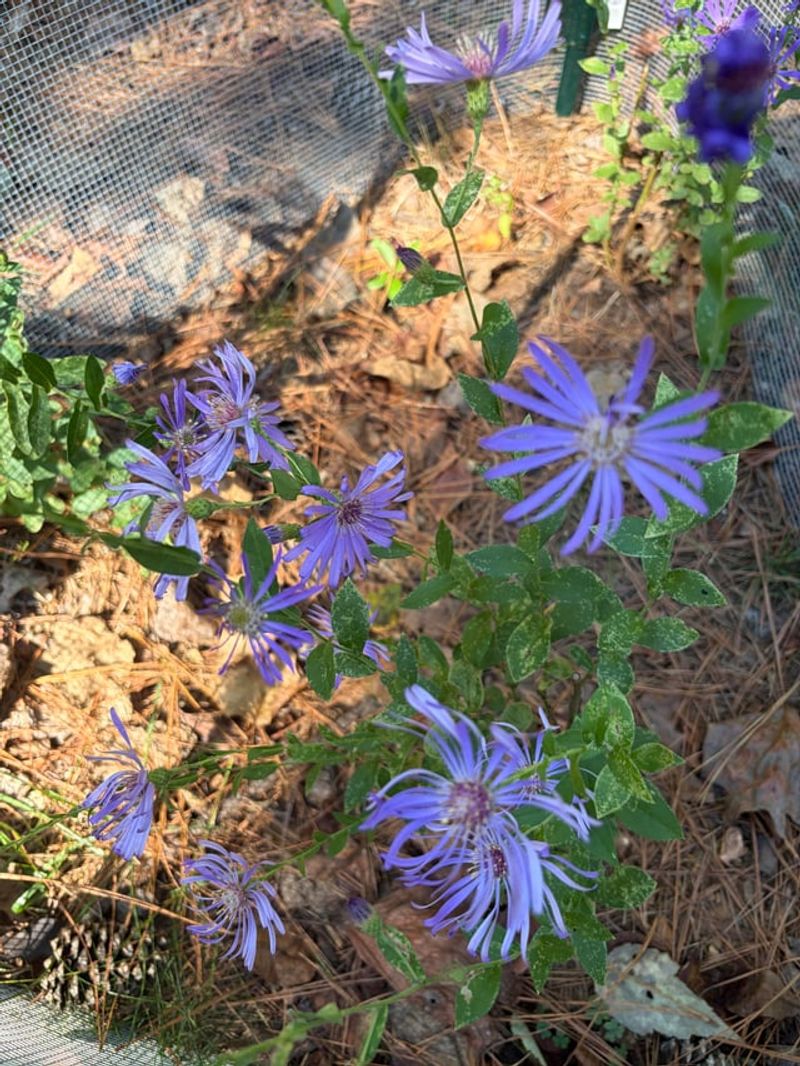
Three jobs. That covers most of the year.
Pinch in June. Cut stems back by a third to keep plants compact and reduce flopping later.
Water through the first summer. Weekly soaks when rain skips a week, then taper off in year two.
Cut back in late winter. February works well, once the worst cold has passed.
Fertilizer is mostly unnecessary. Compost worked in at planting handles it.
Watch for powdery mildew on lower leaves in humid stretches.
Air circulation helps more than sprays.
Space plants 18 to 24 inches apart. Crowding raises mildew risk.
Some species spread by underground runners. New England aster and calico aster can wander in loose soil.
Pull unwanted shoots in spring. It takes minutes.
Deadheading is optional. Leaving seed heads feeds finches and adds winter texture.
Slugs occasionally chew young spring growth. Damage is usually cosmetic.
Clay soil deserves attention before planting. Break it up a foot deep and mix in compost.
Results depend on sun, drainage, and how wet your winter runs. No plant performs identically in every yard.
Still, the routine is lighter than replacing mums each October. Once a clump settles, most seasons need almost nothing from you.