The Ohio Flowers Worth Leaving Standing For Chickadees And Finches
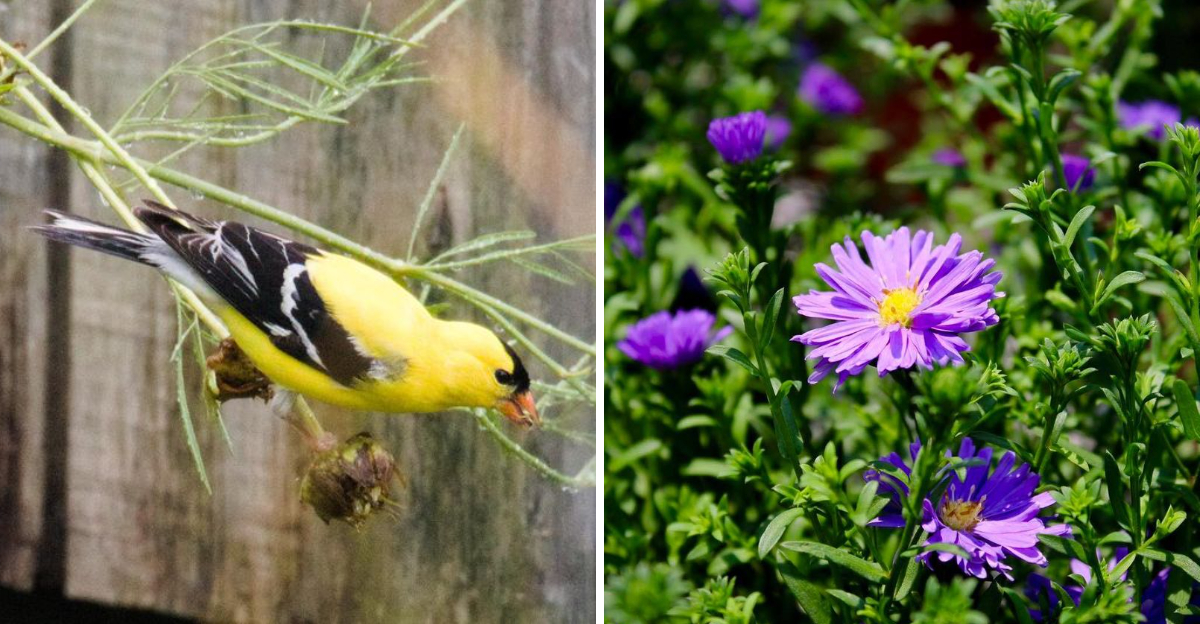
An Ohio garden can look finished after the first hard frost, but some of its most useful work has only just begun.
Petals disappear. Stems turn brown. Seedheads dry into shapes that seem to belong on the cleanup list, especially when tidy beds have been the goal all season.
That is where one easy fall decision can quietly remove food, shelter, and winter structure all at once.
Several familiar native flowers change roles as temperatures drop. What fed bees and butterflies in summer can become something entirely different for small birds once snow starts covering the ground.
So which stems deserve to stay?
The answer is not every dried plant in the yard.
A handful of species provide especially useful seed, perches, cover, or insect habitat long after their blooms are gone.
Leave those standing, and the winter garden becomes far more active than it looks.
The best part is that helping local birds may require less work, not more, before spring arrives on the coldest Ohio mornings still ahead.
1. Leave Purple Coneflower Seedheads Standing
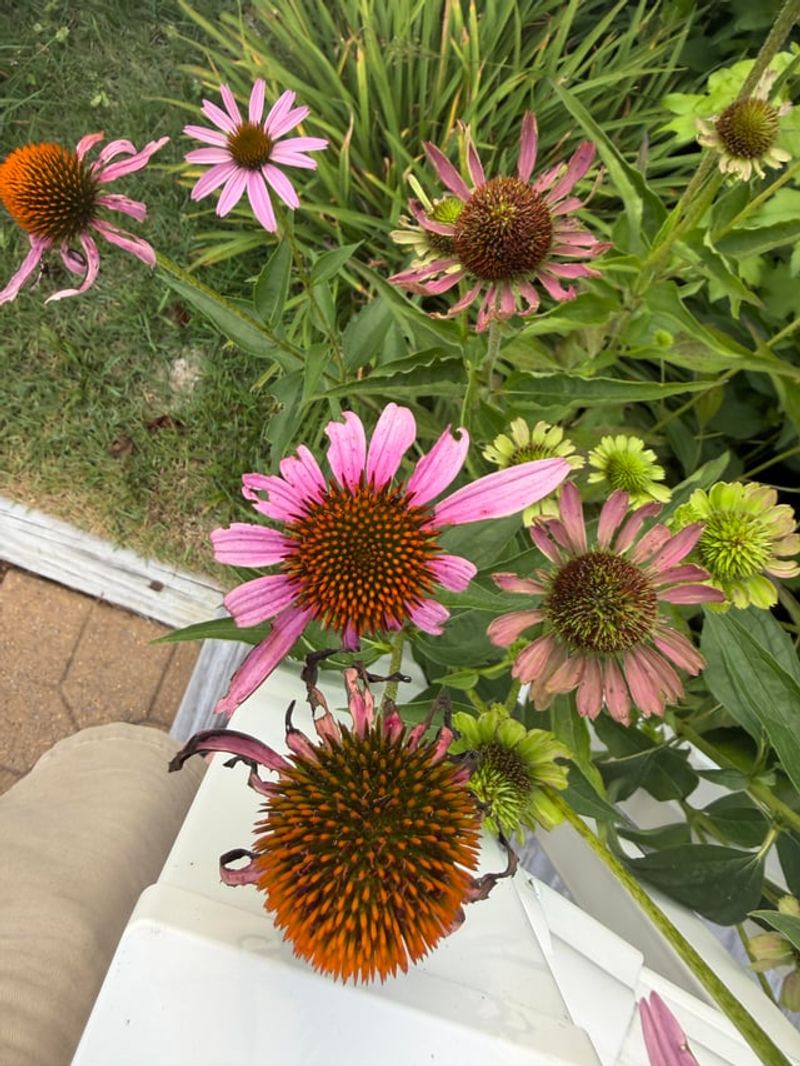
A purple coneflower does not stop being useful when its petals drop.
The dark, bristly cones that remain on Echinacea purpurea hold seeds that can attract American goldfinches and other small seed-eating birds through fall and winter.
Chickadees may also investigate the heads while moving through mixed plantings, especially when natural food is scattered across several standing perennials.
That makes fall cleanup worth delaying.
Instead of cutting every stem to the crown after frost, leave the strongest seedheads upright. They keep food above snow level and give birds a convenient place to land while they work through the seeds.
The stems also add structure to a winter border.
Snow catches around them, dried cones hold their shape, and the planting looks intentionally seasonal rather than simply empty.
Healthy stems can remain until late winter or early spring, when new growth begins making the old material easier to identify and remove.
Do not worry when birds leave some seeds behind.
Those leftovers can fall naturally and produce seedlings around an established patch. Thin or move extras in spring when the planting becomes too crowded.
The simplest maintenance choice is the useful one here.
Let the cones stay brown, dry, and standing.
What looks finished to the gardener can still function as a small winter feeding station for birds moving through an Ohio yard.
2. Keep Black-Eyed Susans Up Through Winter
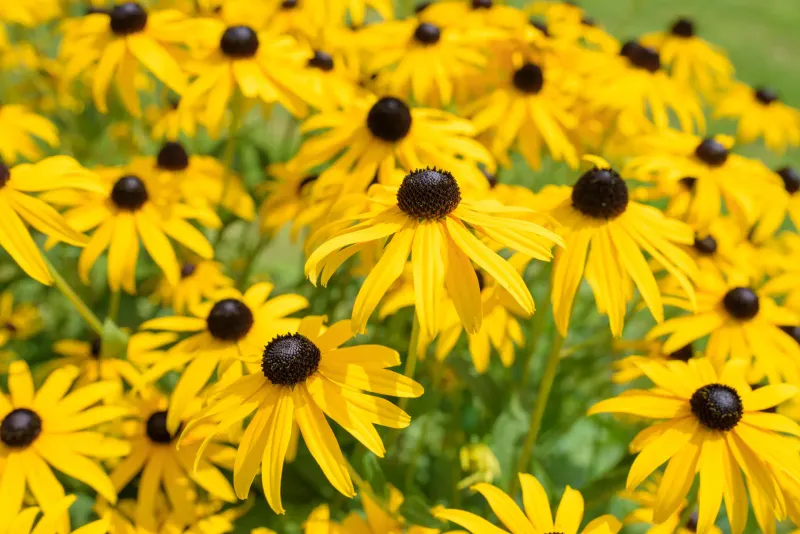
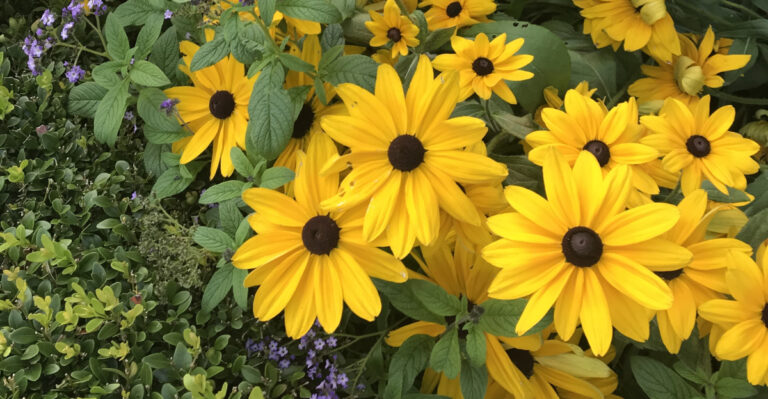
Black-eyed Susans can look ready for the compost pile as soon as their yellow petals disappear.
The central cones tell a different story.
Both Rudbeckia hirta and perennial forms such as Rudbeckia fulgida produce small seeds packed into those dark heads.
Finches and other seed-foraging birds can work through them after flowering ends, making the standing plants more useful than a freshly cleared bed.
Leave the stems in place through at least part of winter.
The strongest stalks often stay visible above light snow and give small birds something to perch on while they feed.
Your Ohio Garden Changes Every Week. Your Plan Should Too.
Gardening in Ohio changes quickly throughout the season. Every Friday you’ll receive a simple weekly plan showing exactly what to plant, prune, fertilize, harvest, and protect so you never miss the right timing.
A patch also creates more cover at ground level than bare soil does, especially when nearby grasses and other perennials remain standing too.
The stems may help insects as well.
Some native insects overwinter in or around standing plant material, and birds such as chickadees spend winter searching stems, bark, and seedheads for both seeds and hidden invertebrates.
That means a dried Rudbeckia patch can provide more than one kind of foraging opportunity.
Cut the old growth back near the end of winter or in early spring before fresh shoots take over.
There is no need to reduce every stem to a precise six-inch height.
Leave some variation, especially where wildlife habitat matters more than a perfectly uniform border.
Black-eyed Susan earns its place twice: first with summer flowers, then with a winter structure birds can keep using.
3. Save Native Sunflowers For Hungry Finches
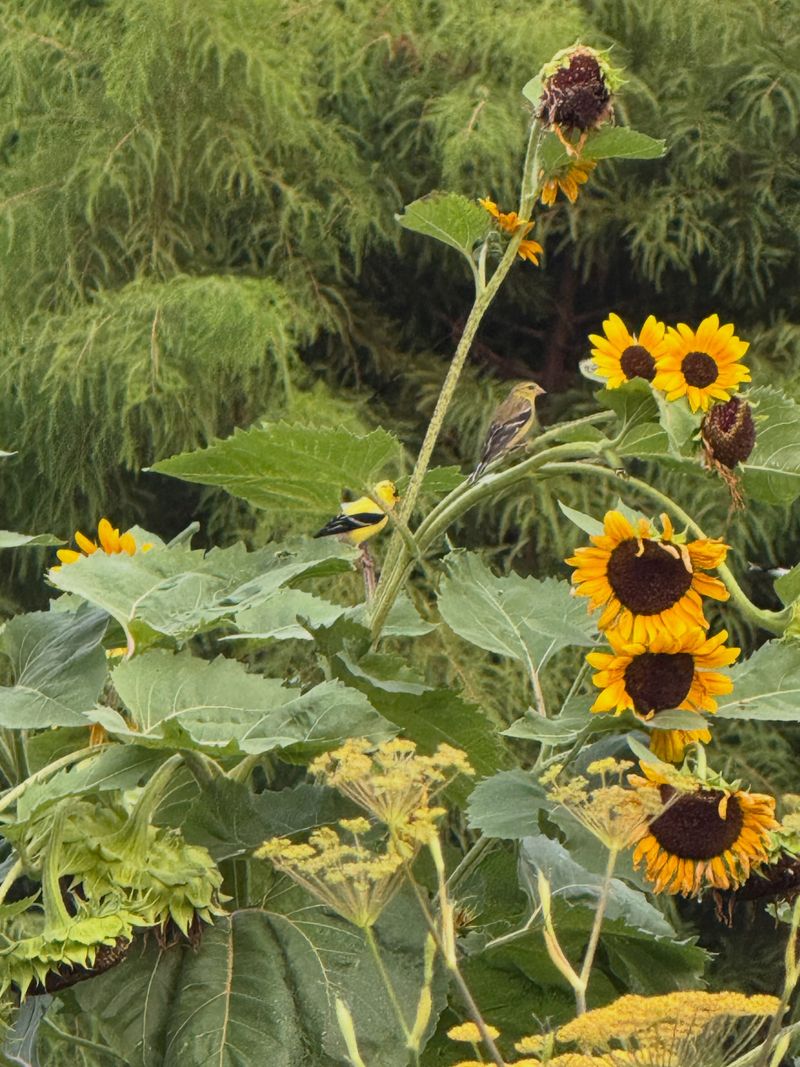
Native sunflowers are difficult for finches to ignore once the seeds begin maturing.
Species in the genus Helianthus produce seed-rich flower heads that remain valuable well after the petals fade.
American goldfinches, house finches, and other seed-eating birds can pick through the heads directly, often balancing on stems that look far too thin for the job.
Leave those heads attached as long as the stalks remain reasonably sturdy.
Tall native sunflowers work especially well at the back of a border, along a fence, or in a meadow-style planting where their winter height looks intentional.
Even after frost turns the foliage brown, the flower heads continue holding seed above the ground.
Ohio gardeners have several native perennial sunflowers to consider, including downy sunflower, Helianthus mollis, and woodland or pale-leaved types suited to different sites.
Choose the species for the soil, moisture, and light rather than treating every sunflower as interchangeable.
Some spread strongly by rhizomes.
That vigor can be useful in naturalized spaces but frustrating in a narrow formal bed, so give aggressive types boundaries before planting.
In fall, skip the instinct to remove every browned stalk.
A standing sunflower patch can keep offering seed until birds, wind, and weather finally empty the heads.
Once spring approaches, cut the old stems before new growth becomes tangled with them.
The birds have already handled the most enjoyable part of the cleanup by then.
4. Let Asters Hold Their Late Seeds
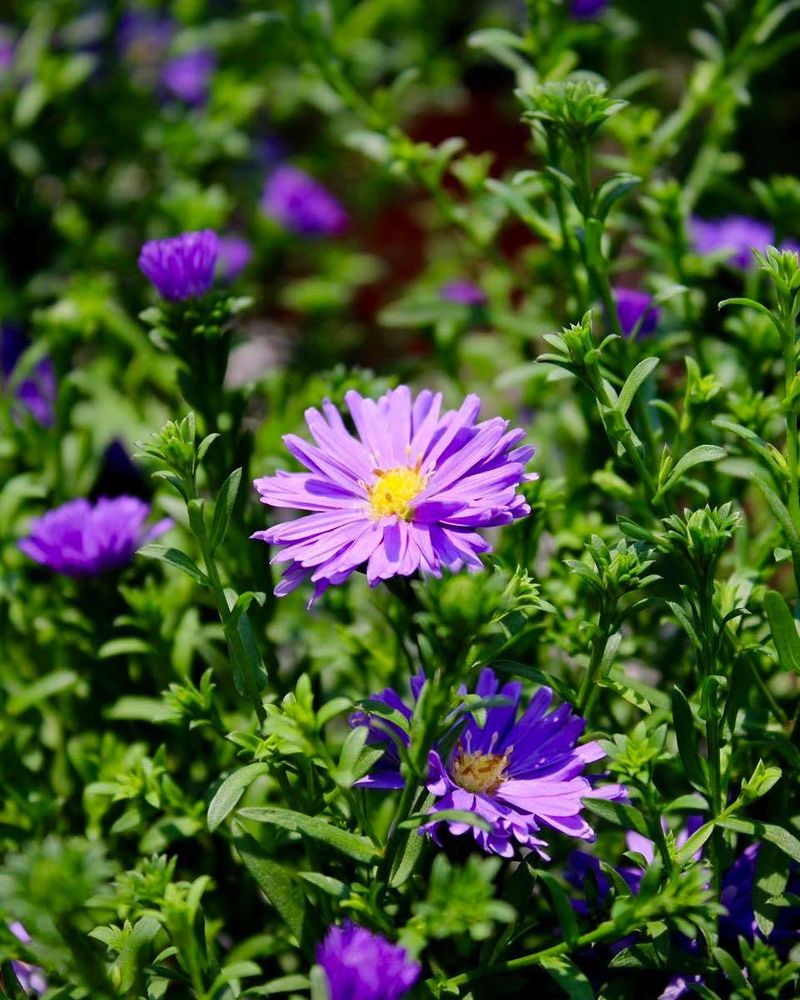
Asters arrive late enough to feed two different waves of wildlife.
Their flowers support bees, butterflies, and other insects near the end of the growing season. After frost finishes the blooms, the plants carry small seeds attached to fluffy structures that help them travel on the wind.
Some of those seeds become food.
Finches, sparrows, and other small birds may forage through dried aster heads, while chickadees can search the dense stems for tiny insects and other winter food.
The seed is lighter than sunflower or coneflower seed, so asters work best as one part of a diverse winter planting rather than the only food source.
Their structure adds another benefit.
A mature clump of New England aster, Symphyotrichum novae-angliae, or another Ohio-native aster can remain dense after frost. That tangle provides low cover from wind and gives small birds places to move between feeding stops.
Leave healthy stems standing through winter.
Avoid cutting everything immediately after the last flowers fade simply because the planting has turned brown. Seed dispersal, insect shelter, and bird foraging can continue after the ornamental display ends.
In spring, cut old stems back as new growth approaches.
Where self-seeding becomes excessive, thin seedlings rather than removing every seedhead in fall.
Asters do not need to stay colorful to stay useful.
Their winter value is quieter, but birds moving through the stems make it visible.
5. Leave Goldenrod Standing Into Winter
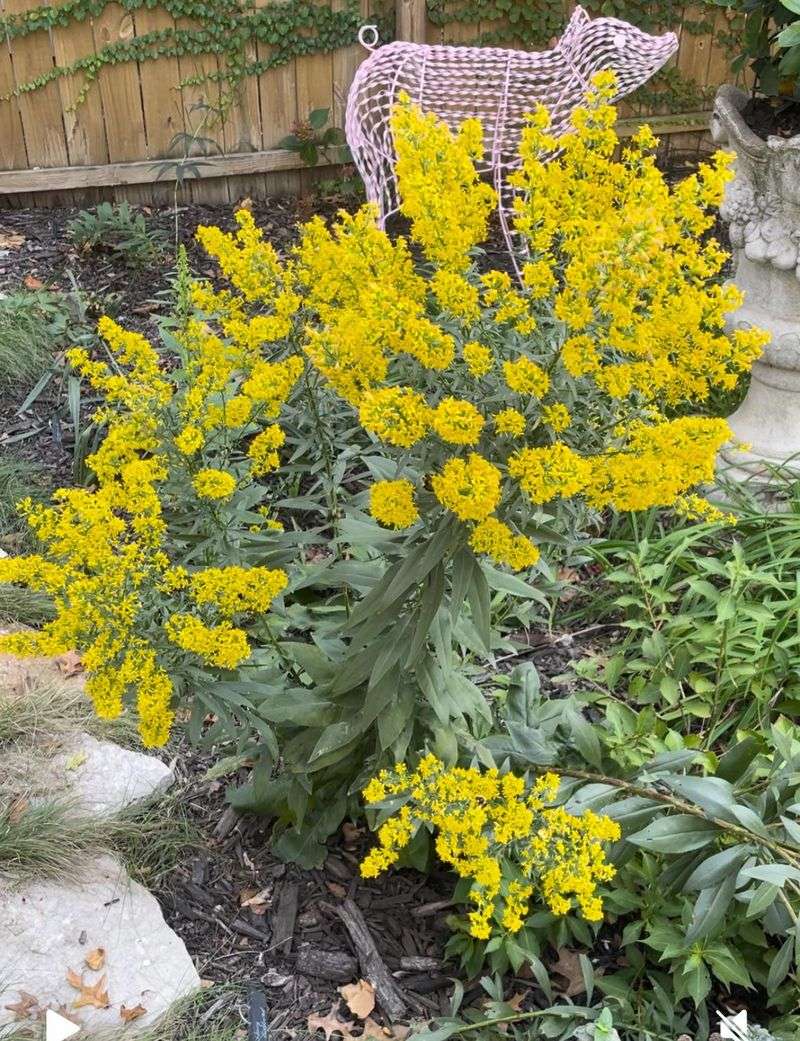
Goldenrod becomes a completely different plant after its yellow flowers fade.
The fluffy seed clusters that follow can remain on upright stems into winter, where small birds forage through them and use the plants as temporary cover.
Goldfinches, sparrows, juncos, and other seed-eating birds may all investigate a mature patch when more obvious food has disappeared.
The stems themselves deserve attention too.
Goldenrods support a remarkable variety of insects during the growing season, and some insects remain associated with stems, galls, or dried plant material through winter.
Chickadees are active insect hunters even in cold weather, so a standing patch can offer both plant seed and opportunities to search for tiny invertebrates.
That makes immediate fall cutting unnecessary.
Leave healthy stems where they stand, particularly in meadow beds, back borders, or naturalized sections where the dried seedheads fit the design. Remove diseased material selectively rather than clearing the whole patch by habit.
Goldenrod can spread.
Rhizomatous species may move quickly through open soil, so use division, edging, or species selection to keep the planting at the scale you want. The answer is not automatically a fall haircut.
Wait until late winter or early spring for the main cleanup.
By then, birds have had months to use the seedheads and insects have gained more time inside the standing material.
A goldenrod patch that looks untidy to one gardener may look like a fully stocked winter pantry to a bird.
6. Keep Coreopsis Seedheads Above The Snow
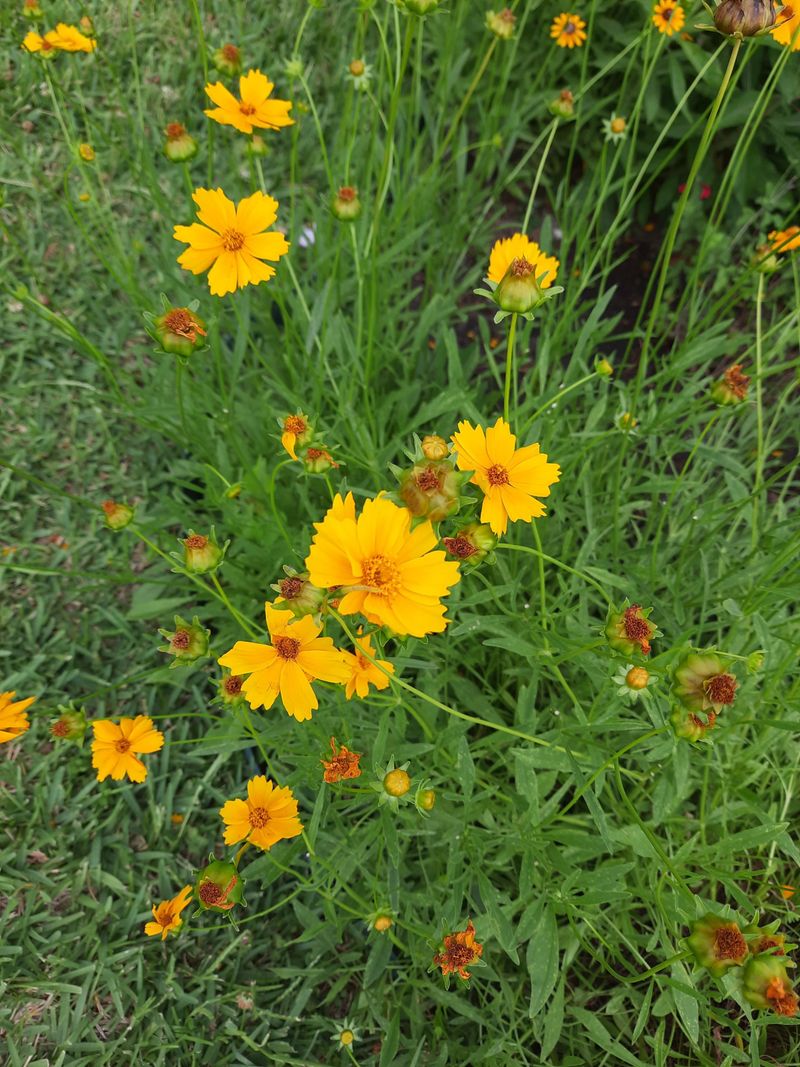
Coreopsis seedheads are smaller than sunflower cones, but small does not mean useless.
Native species such as lanceleaf coreopsis, Coreopsis lanceolata, and tall coreopsis, Coreopsis tripteris, can hold dry seedheads well after flowering.
Finches and other small seed-eating birds may pick through those heads while moving between larger food sources across the garden.
Height becomes part of the advantage.
Tall coreopsis can keep some seed above shallow snow, while shorter species add another feeding layer closer to the ground.
Mixed with coneflower, grasses, asters, and goldenrod, the plants create a range of perches and seedhead sizes rather than one exposed feeding point.
Leave the strongest stems intact after frost.
There is no need to preserve every bent or diseased stalk. Remove material that has collapsed across paths or shows a significant health problem, then let the rest remain through winter.
The dried stems also keep the location of the plant visible.
That is surprisingly useful when snow or dormant neighboring plants make perennial borders hard to read. You know where the clump sits before spring cleanup starts.
Once new basal growth begins approaching, cut the previous year’s stems back and clear only what needs clearing.
Avoid burying the crown beneath heavy piles of chopped material.
Coreopsis asks very little from the gardener at this stage.
By postponing one routine cleanup job, you leave another set of seeds in the landscape for Ohio birds to discover.
7. Save Blazing Star For Winter Foragers
Blazing star looks finished quickly once its purple spikes turn brown.
The upright stalk still has a job.
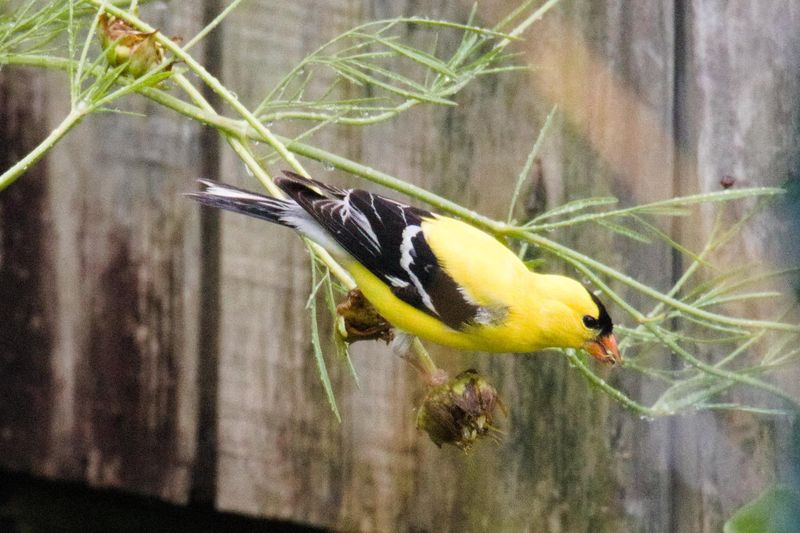
Species of Liatris produce small seeds along the old flower spike, and American goldfinches are particularly well suited to working through them.
Their lightweight bodies let them cling to stems and pull seeds from places larger birds may ignore.
That makes the dried stalks worth leaving.
A group of blazing star standing among native grasses and coneflowers creates upright winter texture while keeping seed in the garden. The stems can also serve as temporary perches as birds move between food sources.
Choose the right Liatris for the site.
Different species vary in moisture and soil preferences, so avoid assuming every blazing star wants identical conditions.
Full sun and decent drainage suit many garden forms, while some native species naturally occur in moister ground.
After flowering, do less.
Skip removing spent flower heads where winter bird food is the goal. Leave the seed-bearing spikes until weather or wildlife has stripped most of them, then wait for late winter or spring for the main cleanup.
Cut old stems once new growth begins emerging from the base rather than pulling hard enough to disturb the underground crown.
The summer flowers draw the first attention, but the dried spikes extend the plant’s usefulness much further.
For a finch, a brown Liatris stalk can still be very much in season.
8. Let Joe Pye Weed Finish The Season
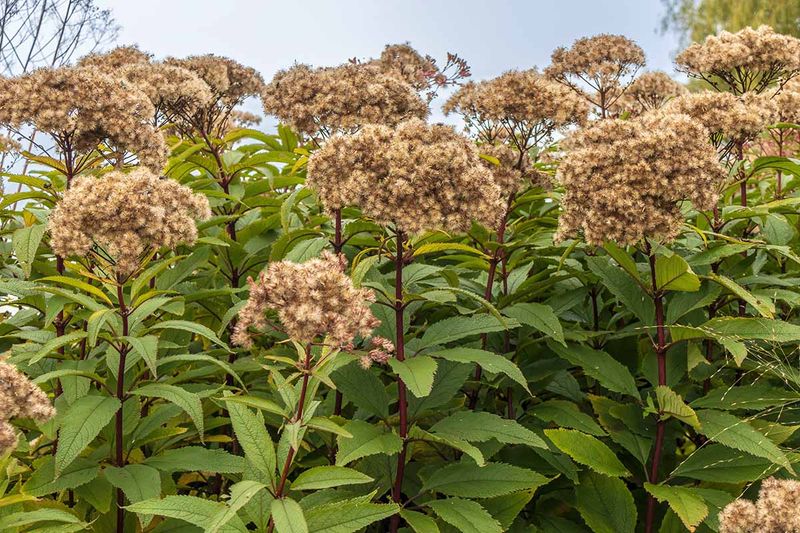
Few perennials make winter structure as obvious as Joe Pye weed.
Tall stems remain visible long after frost, holding broad clusters of fluffy seedheads above much of the surrounding garden.
Finches, sparrows, and other small birds may forage through those seeds while using the stems as perches between feeding stops.
The height becomes especially useful after snow.
Seedheads that sit several feet above ground remain accessible when shorter plants become buried or bent.
A grouping at the back of a border, along a fence, or near a moist naturalized area can keep vertical habitat in a garden that would otherwise become flat.
Ohio-native Joe Pye weeds in the genus Eutrochium also bring strong summer value.
Their late flowers attract butterflies, bees, and other insects before the plant moves into its seed-producing stage. Leaving the stems connects those seasons instead of ending the plant’s usefulness at first frost.
Avoid cutting the entire stand in October.
Remove only stems that create a safety issue or collapse into paths. Let the rest remain until late winter or early spring.
When cleanup comes, cut old growth before new shoots become difficult to work around. Some gardeners leave portions of sturdy stems at varying heights to retain additional insect habitat.
Joe Pye weed earns the space it occupies.
Its flowers dominate late summer, its seedheads carry into winter, and birds get another tall place to forage when the Ohio garden looks quiet.