The Meaning Behind A Texas Tarantula Crossing Your Garden In September
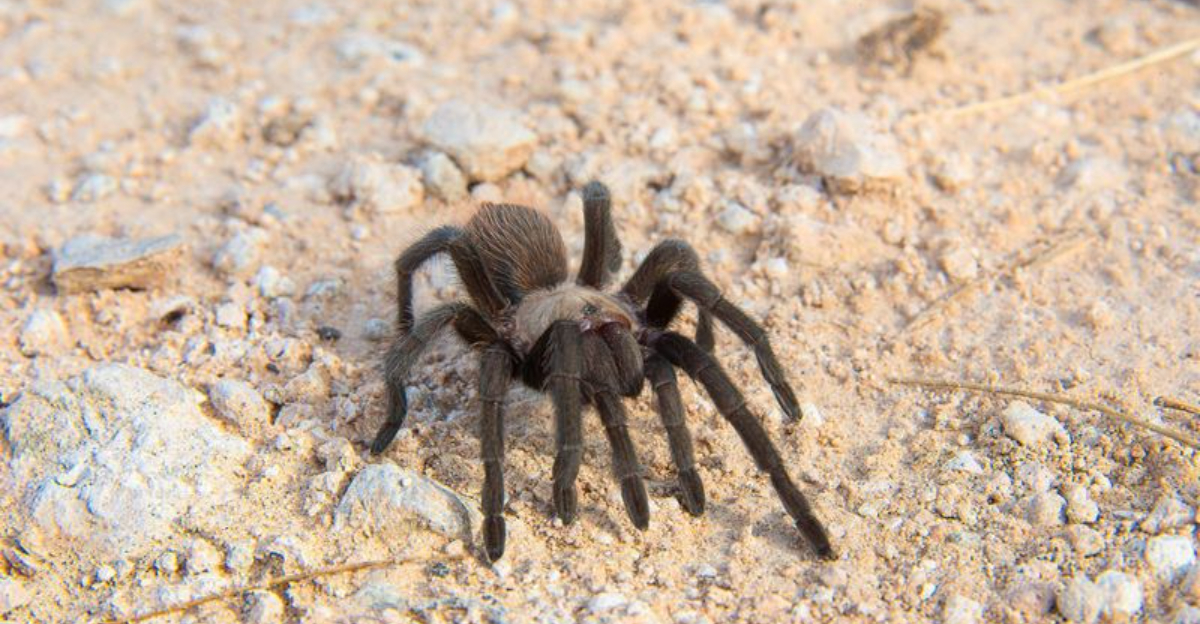
Finding a tarantula crossing your Texas garden in September is one of those encounters that produces a very immediate and very human response.
They’re large, they move deliberately, and they have a way of appearing without warning that makes even the most composed gardener take a sharp step backward.
But once the initial reaction settles, the questions arrive. Why September? Why the garden? And what does it mean when one of these animals crosses your path? September tarantula sightings in Texas are not random.
These encounters are part of one of the most fascinating and least discussed wildlife behaviors that plays out in Texas landscapes every fall.
The timing, the direction of travel, and even the specific spot where the crossing happens all carry information about what this animal is doing and why it chose your garden as part of its route.
Beyond the biological explanation, tarantulas carry deep symbolic meaning across many of the cultural traditions that have shaped Texas for generations, and an unexpected encounter with one tends to prompt a reflection that goes well beyond spider identification.
1. It May Be A Male Searching For A Mate
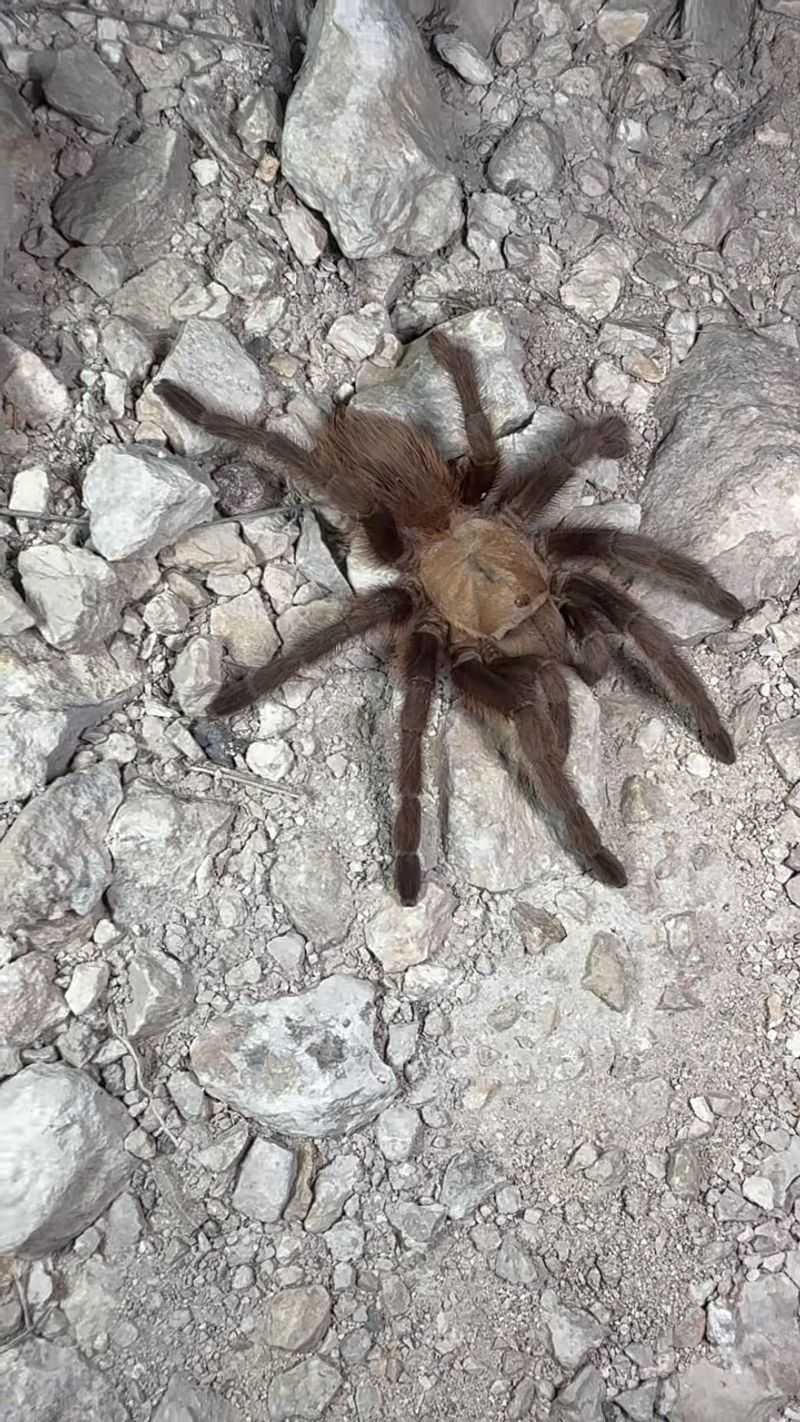
Every September in Texas, something remarkable happens beneath your feet and across your garden paths. Male tarantulas, after spending years living quietly in their burrows, suddenly feel a strong biological urge to wander.
They leave the safety of their underground homes to search for females, sometimes traveling surprisingly long distances to find a mate.
Male tarantulas typically reach maturity between seven and ten years of age. Once they mature, their main focus shifts entirely to reproduction.
You might notice them moving slowly but steadily in one direction, not stopping to hunt or explore. They are on a mission, and your garden just happens to be on their route.
Female tarantulas usually stay close to their burrows, so the males have to do all the searching. A wandering male will follow chemical signals left by females nearby. If he finds a willing female, he will perform a brief courtship display before mating.
After mating, the male’s life cycle winds down fairly quickly. He may only live a few more months after reaching maturity.
This makes September sightings of large tarantulas especially meaningful, because you are witnessing one of nature’s most determined little journeys.
Watching a male tarantula cross your garden is genuinely special. Many people never realize what they are seeing.
Rather than being alarmed, try to observe from a respectful distance. You are watching an ancient instinct play out right in your backyard, and that is something worth appreciating.
2. Cooler Evenings Are Bringing It Out
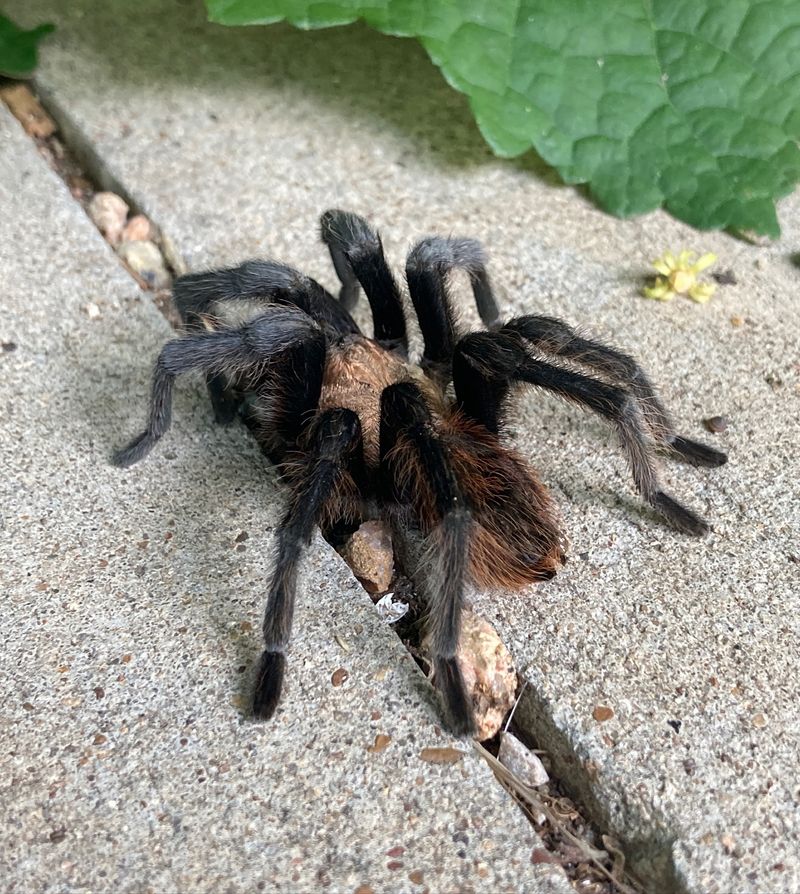
Texas summers are brutal, and tarantulas know it. During the hottest months, these spiders tend to stay deep inside their burrows where temperatures are much cooler and more stable.
But when September arrives and evenings start to cool down, tarantulas become noticeably more active above ground.
Tarantulas are ectothermic, which means their body temperature is controlled by their environment. When the air outside is scorching hot, staying underground is a smart survival strategy.
Your Texas Garden Changes Every Week. Your Plan Should Too.
Gardening in Texas changes quickly throughout the season. Every Friday you’ll receive a simple weekly plan showing exactly what to plant, prune, fertilize, harvest, and protect so you never miss the right timing.
But as temperatures drop into more comfortable ranges in the evening hours, venturing out becomes far less risky and much more rewarding for finding food and mates.
September evenings in Texas can drop to temperatures that feel almost refreshing compared to July and August. For a tarantula, that mild coolness is like a green light.
They emerge more willingly, move more actively, and cover more ground than they would during peak summer heat.
You are most likely to spot a tarantula in your garden during the hours around sunset and shortly after dark. This is when they feel safest and most energized.
If you are sitting outside on your porch in the evening and notice a slow-moving dark shape in the grass, there is a good chance it is a tarantula out for its nightly stroll.
Cooler temperatures also mean that the insects tarantulas hunt are more active too. Crickets, beetles, and grasshoppers tend to move around more in the evening, making it an ideal time for a hungry tarantula to go looking for a meal.
The timing works out perfectly for these incredible spiders.
3. Recent Rain May Have Triggered Movement
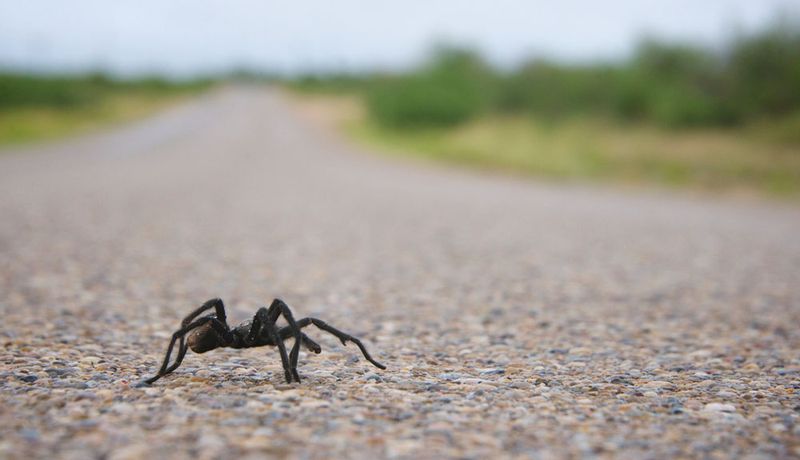
Rain can completely change a tarantula’s plans. When heavy rainfall soaks the ground, water can seep into a tarantula’s burrow and make it uncomfortable or even unlivable.
A flooded burrow forces the spider to move, sometimes quickly, to find dry ground or higher terrain.
Gardeners in Texas have reported seeing multiple tarantulas in a short period of time right after a heavy rainstorm. This is not a coincidence.
When rain hits hard and fast, many tarantulas in the same area may be forced out of their burrows at the same time, creating what looks like a mini migration across lawns and paths.
Even lighter rains can trigger movement. Moisture in the soil changes the way the ground feels and smells, which can stimulate a tarantula to explore.
Some researchers believe that rainfall cues are connected to tarantulas’ natural rhythms, encouraging them to move around and find new locations for burrows or mates.
In some parts of Texas and neighboring states, mass tarantula movements have been observed after seasonal rains. These events can look dramatic but are completely natural.
The spiders are simply responding to changes in their environment, just as many other animals do when the weather shifts.
If you have had recent rain in your area and suddenly notice a tarantula crossing your garden, the two events are likely connected. Your yard may sit near a drainage area or low spot where water collects, making it a common crossing zone for displaced spiders.
Checking your garden after a rain shower in September might just reward you with an unexpected wildlife sighting worth remembering.
4. Young Tarantulas May Be Dispersing
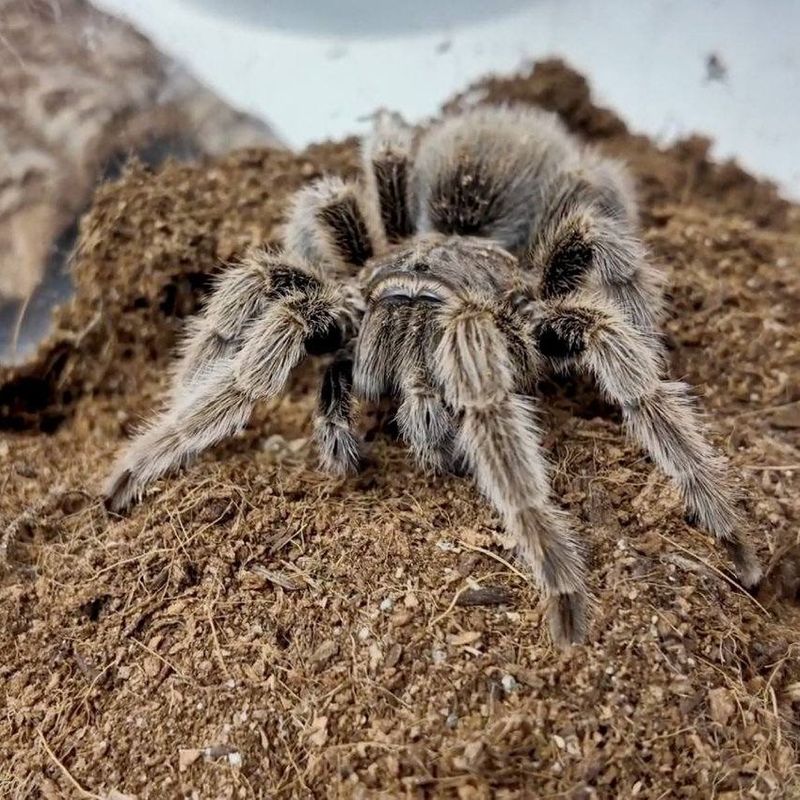
Not every tarantula you see in September is a large adult. Some of the wanderers are actually very young spiderlings setting out on their own for the very first time.
Female tarantulas lay their eggs in mid-to-late summer, and by late summer or early fall, those eggs have hatched into dozens of tiny spiderlings.
For a short time after hatching, spiderlings stay close to their mother’s burrow. But they cannot stay there forever.
Eventually, instinct kicks in and they begin to spread out in different directions to find their own spaces. This process is called dispersal, and it is a critical part of the tarantula life cycle.
Young tarantulas are much smaller than adults, sometimes only the size of a fingernail. They can be easy to miss unless you are looking carefully.
If you notice several very small spiders moving through your garden around the same time, you might be watching a dispersal event happening right before your eyes.
Each spiderling will eventually dig its own small burrow and begin the long process of growing up. Tarantulas grow very slowly, taking many years to reach full adult size.
The tiny spider crossing your garden today might not reach maturity for another seven to ten years.
Finding young tarantulas in your garden is actually a positive sign. It means there is a healthy, reproducing population nearby.
Your yard likely offers the kind of loose, well-drained soil and sheltered spots that tarantulas need to establish new burrows.
Watching these little spiders begin their independent lives is one of the quieter, more remarkable shows that nature puts on every fall in Texas.
5. Your Yard Offers Suitable Tarantula Habitat
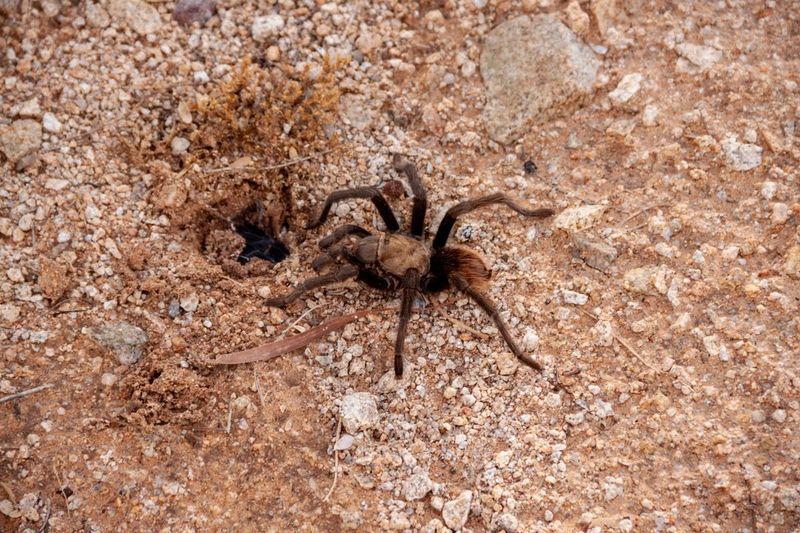
If a tarantula is crossing your garden, your yard might be more appealing to it than you think. Tarantulas are selective about where they live, and if one is passing through or stopping nearby, your property likely has some features that suit them well.
That is actually a pretty cool compliment from the spider world. Texas brown tarantulas prefer habitats with loose, well-drained soil that is easy to dig into. They use their powerful front legs to excavate burrows that can be several inches deep.
These burrows serve as their home base for hunting, resting, and sheltering from extreme weather. Compacted clay soil is harder for them to work with, so sandy or loamy ground is much more attractive.
Beyond soil type, tarantulas also look for physical structures to hide under or near. Rock piles, fallen logs, woodpiles, and thick patches of low vegetation all make excellent shelter.
If your garden has any of these features, you have essentially set up a welcome sign for local wildlife, including tarantulas.
Grassland-style yards with open patches of ground mixed with native plants are especially attractive to these spiders. Many Texas homeowners who embrace native landscaping and avoid heavy pesticide use find that their yards become surprisingly rich in wildlife.
Tarantulas are just one of the many visitors that show up when a yard is healthy and natural.
Having a tarantula nearby is a sign of a balanced backyard ecosystem. They help control insect populations naturally, which means fewer crickets and beetles munching on your plants.
Welcoming them as quiet, low-maintenance garden visitors can actually work in your favor in the long run.
6. It Usually Isn’t A Reason To Panic
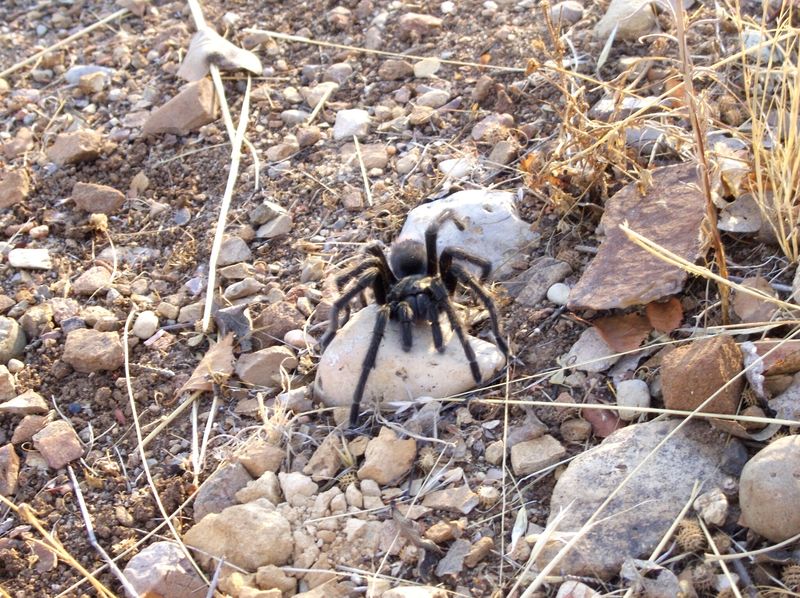
Seeing a tarantula for the first time can set your heart racing, but here is something reassuring to keep in mind. Texas tarantulas are actually among the most easygoing spiders you are likely to encounter.
They are slow-moving, non-aggressive, and far more interested in finding food or a mate than in bothering you.
Texas brown tarantulas primarily hunt insects like crickets, beetles, grasshoppers, and caterpillars. They are ambush predators that rely on patience and stealth rather than speed or aggression.
A tarantula crossing your garden is not looking for trouble. It is simply following its instincts and going about its business.
Bites from Texas tarantulas are quite uncommon. These spiders will only bite if they feel seriously threatened or are handled roughly.
Even then, their bites are generally compared to a bee sting in terms of sensation, and they are not considered medically serious for most healthy people. Giving them space is all you really need to do.
One thing to be aware of is that tarantulas can flick tiny hairs from their abdomen when they feel threatened. These hairs can cause mild skin or eye irritation.
So while you do not need to be afraid, it is still a good idea to observe them from a comfortable distance without touching or startling them.
Children and pets should be gently guided away from a tarantula to keep both the animal and the family safe.
If you want to move one out of a high-traffic area, use a broom and dustpan rather than your hands. Most of the time, the spider will simply wander off on its own without any help at all.