How To Protect Minnesota’s Dwarf Trout Lily Through Fall Dormancy
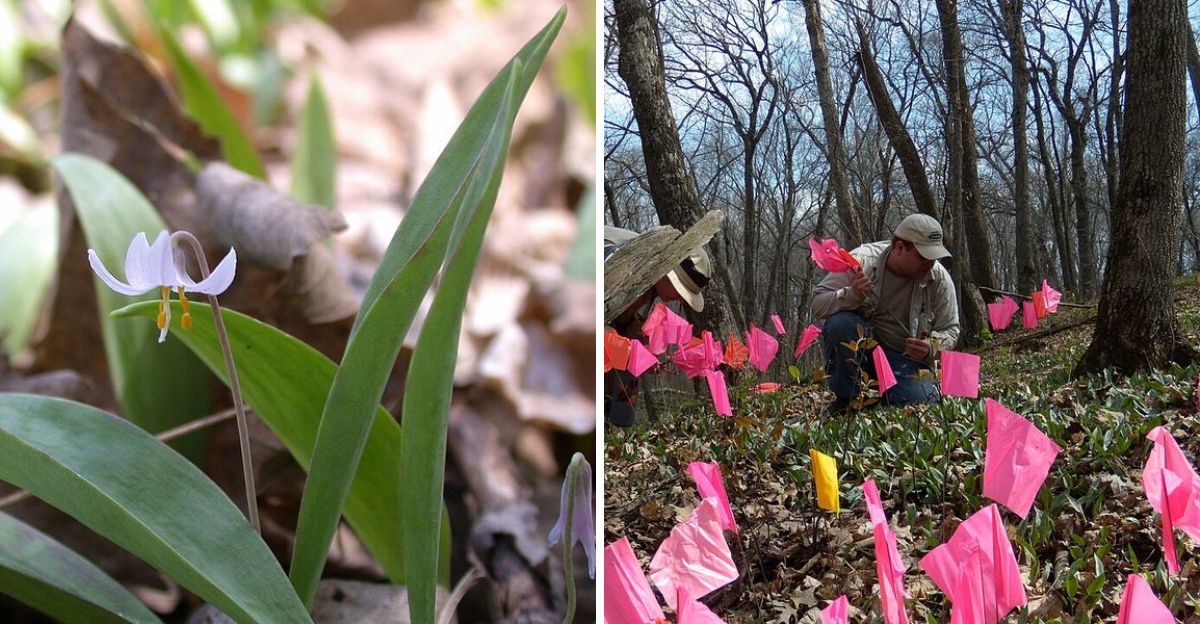
Beneath your boots, a rare flower waits for a chance. You probably walked past it without ever noticing. Minnesota alone shelters nearly the entire global population of this tiny bulb. Few people ever witness its bloom before it fades again.
Autumn quietly decides whether that bloom returns next spring. Your actions this season shape what continues underground. Leaves gather light while roots store energy for winter. Disturb that soil, and you undo years of hidden growth.
Scientists struggle to explain how fragile this species remains. Entire colonies across Minnesota could disappear within a single careless season. Every footstep, every rake, every pile carries real consequence. Nothing about this plant’s future happens by accident.
Protecting it demands precision, not vague good intentions. That single choice this fall echoes for years to come. This isn’t a distant crisis happening somewhere else. What you decide this autumn determines whether it continues at all.
1. Avoid Disturbing Soil Near Dormant Bulbs
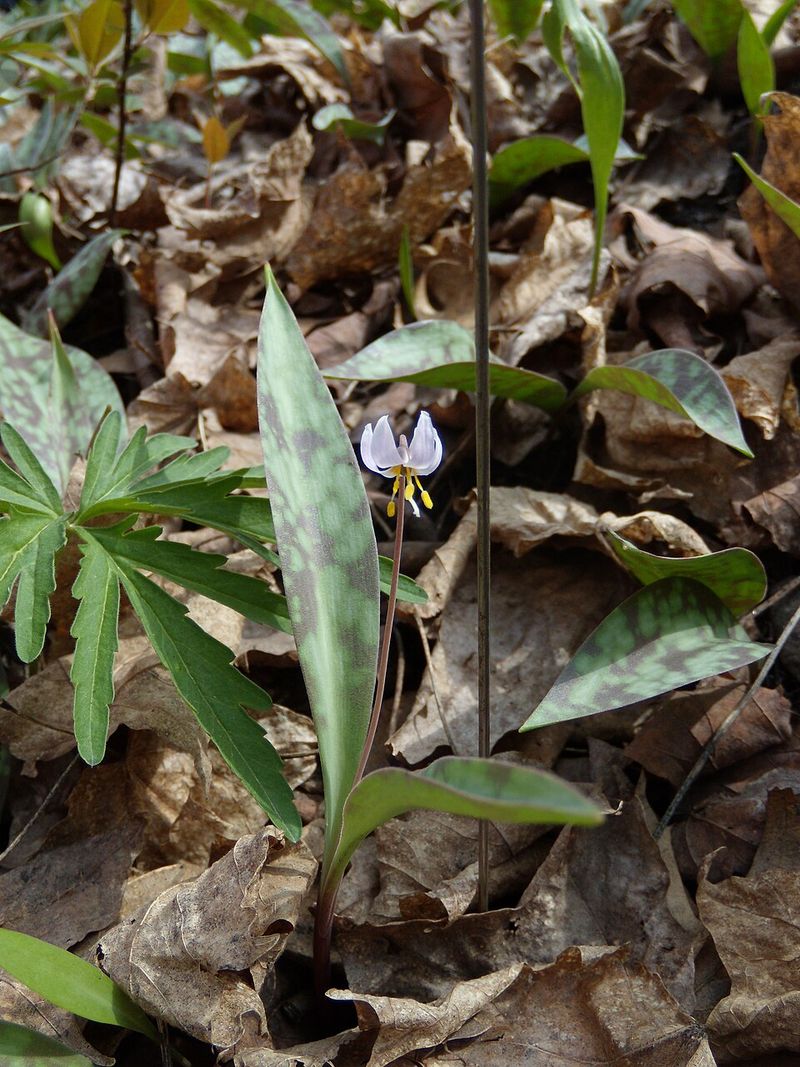
Tiny bulbs are hiding just beneath your feet right now. The Dwarf Trout Lily stores all its energy underground during fall, and that bulb is notably fragile.
Even a light scrape from a garden tool can sever the thin roots connected to the bulb. Those roots are actively absorbing nutrients before the ground freezes.
Digging or tilling anywhere near a known colony is a common way the plant can be damaged. The bulbs sit close to the surface, making them easy to accidentally harm.
A single colony can take many years to establish itself. Losing even a handful of bulbs can slow population recovery significantly.
Walk around the edges of known sites instead of through them. Mark colony boundaries with small flags or stakes so others know where to be careful.
If you are a landowner, avoid any fall landscaping projects near wooded areas where this species grows. Postponing a simple project could protect generations of plants.
Soil compaction is also a hidden threat. Heavy footsteps repeatedly in the same spot press down the earth and crush delicate underground structures.
Treat the ground with care, since it supports fragile bulbs. Protecting dormant bulbs through fall is one of the most powerful actions any steward can take.
2. Leave Leaf Litter To Insulate The Ground
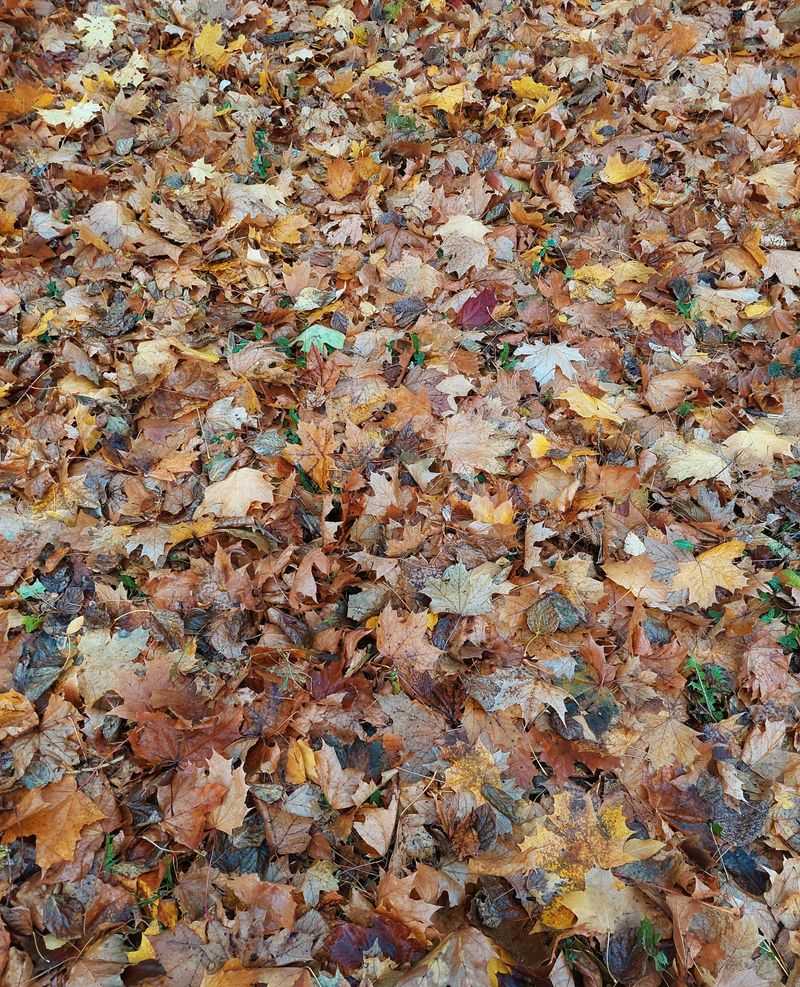
Raking leaves feels satisfying, but in a woodland habitat, it can cause real harm. Fallen leaves act as a natural blanket that keeps soil temperatures stable through freeze-thaw cycles.
The Dwarf Trout Lily depends on consistent underground temperatures to survive dormancy. Sudden temperature swings stress the bulb and can interrupt its growth cycle entirely.
Leaf litter also holds moisture close to the soil surface. That moisture keeps the root zone from drying out during dry fall stretches before snow arrives.
Oak, maple, and basswood leaves are especially common in the forests where this species grows. Letting those leaves stay where they fall is the simplest conservation act you can do.
Some people worry that thick leaf layers smother the ground. In natural woodland settings, this is rarely a problem because the forest ecosystem is built around exactly that process.
Your Minnesota Garden Changes Every Week. Your Plan Should Too.
Gardening in Minnesota changes quickly throughout the season. Every Friday you’ll receive a simple weekly plan showing exactly what to plant, prune, fertilize, harvest, and protect so you never miss the right timing.
Earthworms and fungi break down the litter slowly, creating rich organic matter that feeds the soil. That decomposition cycle is part of what makes woodland wildflower habitats so productive.
If leaves blow in from nearby lawns, that is fine too. Extra organic material layered over a colony site generally helps more than it hurts.
Resist the urge to tidy up wild areas in autumn. Leaving nature a little messy is sometimes the most helpful thing a person can do for rare plants like this one.
3. Keep Foot Traffic Away From Colonies

Off-trail foot traffic can be more damaging than natural seasonal wear. Repeated footsteps compact soil, crush hidden bulbs, and disrupt the fragile root networks below the surface.
The Dwarf Trout Lily often grows in dense colonies covering just a small patch of ground. Those patches look like empty forest floor in fall, which makes them easy to walk right through without noticing.
Staying on marked trails is the single easiest way to protect these colonies. If there is no trail, try to walk on rocks, roots, or logs to avoid pressing down on the soil.
Group visits to known sites should be kept small. Even well-meaning nature lovers can cause harm when too many people gather in a tight space.
Children and dogs are especially tricky to manage near sensitive colonies. A short leash and a gentle heads-up to kids can prevent a lot of accidental damage.
Consider placing simple rope barriers or small signs near colony edges during fall. Low-cost markers make a big visual difference and remind others to stay back.
If you lead nature walks or school groups, plan routes that go around known sites. Sharing the location of rare plants with large groups can inadvertently cause more harm than good.
Protecting this species through fall dormancy means protecting the ground it sleeps in. Every careful step you take is a vote for keeping this wildflower alive for the next generation.
4. Maintain Shaded, Moist Woodland Conditions
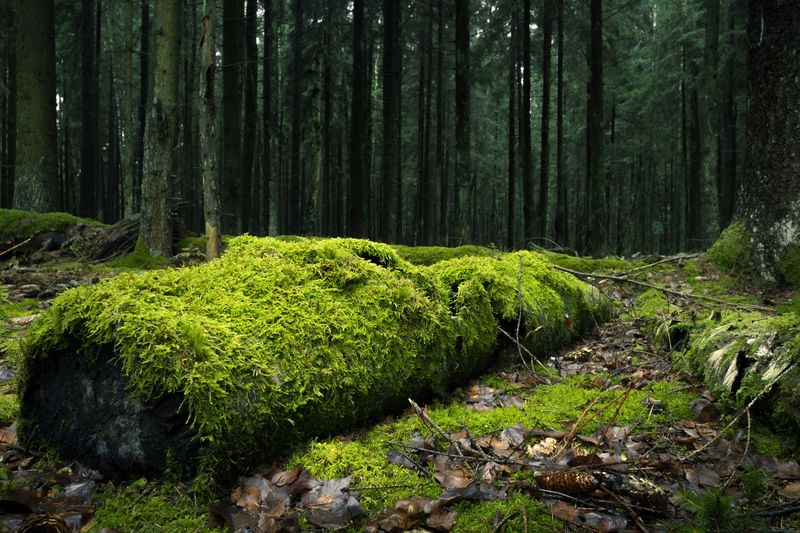
Shade is essential to this plant’s growth. The Dwarf Trout Lily evolved in the cool, filtered light of mature hardwood forests and cannot tolerate harsh sun exposure.
During fall, the canopy thins as leaves drop, but the structure of the forest still matters. Dense understory vegetation and surrounding trees continue to moderate temperature and moisture levels even after leaf fall.
Moist soil conditions are equally important heading into winter. Dry soil freezes faster and more unevenly, which stresses bulbs trying to complete their fall nutrient storage cycle.
If you manage woodland property, avoid clearing understory vegetation near known colony sites. Groundcover plants like wild ginger and wood fern help hold moisture and protect the microclimate near the soil.
Invasive species that replace native groundcover can disrupt these moisture patterns. Removing buckthorn or garlic mustard from nearby areas helps restore the shaded, humid conditions this lily needs.
Water runoff is another factor to watch. Erosion from uphill areas can flood colony sites with sediment, smothering bulbs and changing soil composition.
Simple erosion controls like brush piles or log barriers upslope can redirect water flow. These low-tech fixes protect the microhabitat without requiring heavy equipment or major investment.
A healthy woodland environment in fall sets the stage for a successful spring bloom. Keeping conditions cool, shaded, and moist through dormancy is one of the most meaningful gifts you can give this rare plant.
5. Skip Fertilizers That Disrupt Natural Soil
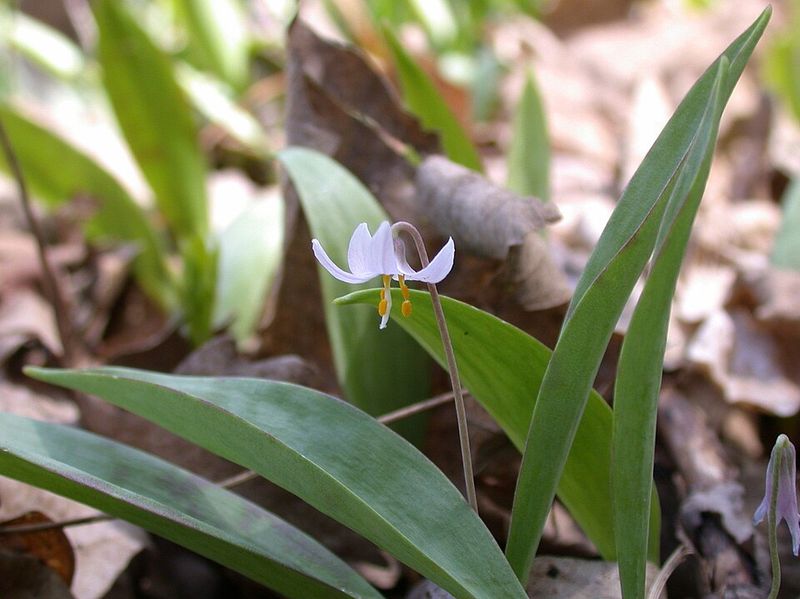
Fertilizer seems helpful, but in a wild woodland setting, it can have unintended negative effects. High-nutrient inputs shift the balance of soil chemistry in ways that favor aggressive weeds over delicate native plants.
The Dwarf Trout Lily is adapted to the low-nutrient, slightly acidic soils found in Minnesota’s hardwood forests. Adding fertilizer changes the soil environment it has spent thousands of years adapting to.
Nitrogen-heavy fertilizers are especially problematic. They accelerate the growth of fast-growing plants like garlic mustard and stinging nettle, which then crowd out slower, more sensitive species like this lily.
Even organic fertilizers like compost can cause problems when applied near wild colonies. Compost raises pH and adds nutrients in ways that benefit garden plants but not woodland wildflowers.
The best approach is to leave the soil completely alone. Natural decomposition from leaf litter provides all the nutrients a healthy woodland wildflower community needs.
If you live near a colony site and have a lawn or garden, keep fertilizer applications well away from the woodland edge. Runoff from treated lawns can travel further than most people expect.
Herbicides applied to nearby invasive plants should also be used with great caution. Soil-active herbicides can leach into the root zone and harm non-target species like this lily.
Trusting the forest to feed itself is not laziness, it is good science. Natural soil processes built this ecosystem over centuries, and they are still the best system for protecting it now.
6. Monitor Sites For Invasive Plant Encroachment
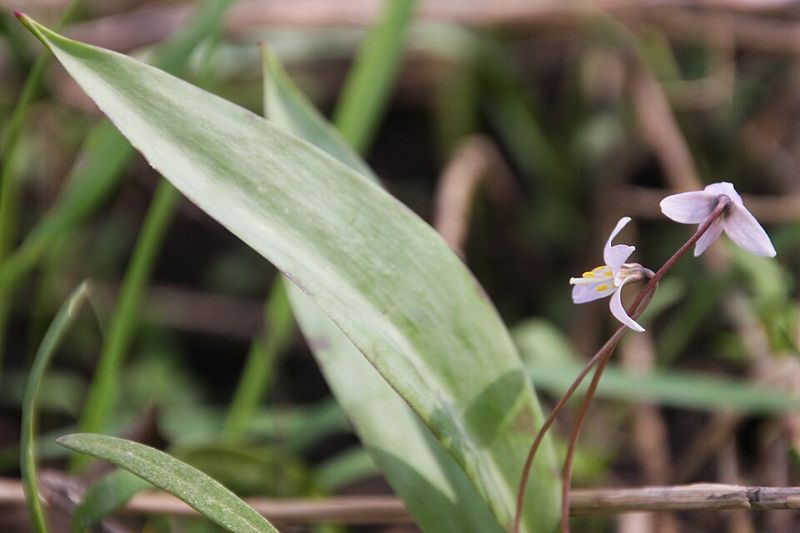
Invasive plants continue spreading through fall. Common buckthorn, garlic mustard, and Japanese barberry continue spreading aggressively even as native plants go dormant.
Fall is actually one of the best times to spot invasive species in a woodland. Many invasives stay green longer than native plants, making them easy to identify against a backdrop of fallen leaves.
Common buckthorn poses a significant challenge to Dwarf Trout Lily habitat across the upper Midwest. Its dense canopy blocks spring light and its berries spread quickly, allowing it to colonize new areas.
Garlic mustard is another major concern. It releases chemicals into the soil that suppress the mycorrhizal fungi native plants depend on for nutrient uptake.
Walk through colony sites carefully in fall and note any invasive plants you see. Recording locations with your phone’s GPS makes it easier to return and address the problem systematically.
Hand-pulling small invasive plants in fall can be very effective. Removing them before they set seed cuts off the next generation before it even starts.
For larger infestations, contact a local conservation organization or land manager for guidance. Some invasives require targeted herbicide treatment, which should be done by someone trained in native plant protection.
Staying alert through fall gives you a real head start on protecting this species. Early detection of invasive encroachment is far easier to manage than a full-blown infestation come spring.
7. Preserve Nearby Tree Canopy For Shade

Old trees offer more than aesthetic value in fall. Their canopy structure shapes the microclimate on the forest floor in ways that directly affect the survival of understory plants.
The Dwarf Trout Lily depends on the shade provided by mature hardwoods like sugar maple, basswood, and red oak. Losing even one large tree near a colony opens up a light gap that stresses shade-dependent species.
Decaying trees, surprisingly, should often be left standing. Standing snags provide wildlife habitat and their partial shade still contributes to canopy coverage above sensitive colonies.
If you own wooded land, consider working with a forester who understands rare plant conservation. A management plan that accounts for sensitive species is easy to create and protects long-term habitat quality.
Storm damage is harder to control, but you can still respond thoughtfully. Avoid dragging downed logs through colony areas during cleanup, and leave root balls in place rather than pulling them out.
Planting additional native trees near colony edges is a proactive way to invest in future shade. Young maples or basswoods planted now can contribute meaningful canopy within roughly a decade or more.
Protecting the canopy is protecting the colony beneath it. Every tree you save near a Dwarf Trout Lily site helps sustain the shelter system this rare plant depends on.
8. Report Sightings To Local Conservation Groups
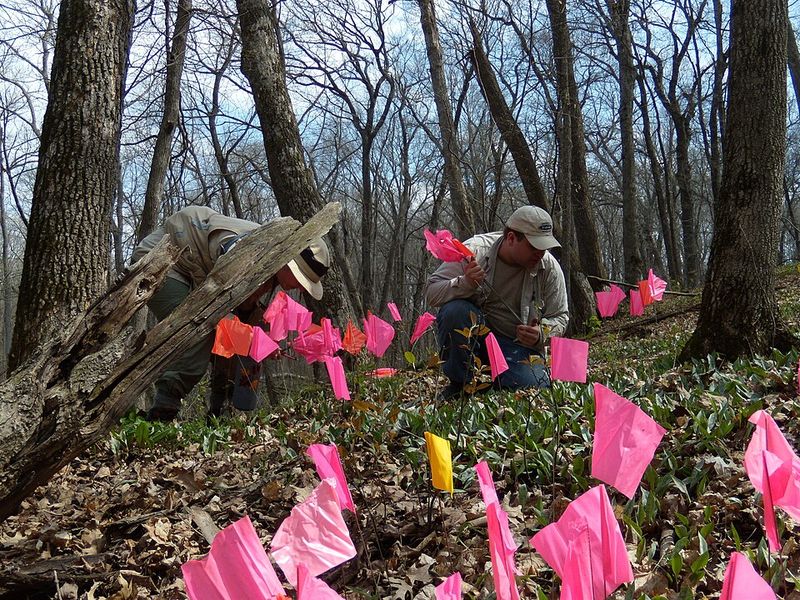
Your observation can make a real difference the next time you spot this plant. Reporting a sighting of the Dwarf Trout Lily to a conservation group puts that location on the map for future protection efforts.
The Minnesota Department of Natural Resources actively monitors and tracks rare plant populations, while community resources like Minnesota Wildflowers help document sightings and share identification information.
Your observation adds to a statewide picture that helps scientists understand where protection is most needed.
iNaturalist is a free app that makes reporting easy and accurate. A photo and a GPS pin is all it takes to contribute meaningful data to a real conservation database.
Even if you think a colony is already known, reporting it again confirms the population is still active. Repeat sightings over time help researchers track trends and spot declines early.
Fall sightings matter even though the plant is not blooming. Noting where the colony boundary is, what invasives are present, and how the canopy looks gives conservationists useful seasonal data.
If you find a new colony, avoid sharing the exact location publicly on social media. Posting precise GPS coordinates can attract too much foot traffic to a fragile site.
Instead, share the sighting directly with a trusted organization that can manage access responsibly. They have the tools and relationships to protect the site without putting it at risk.
Citizen science is one of the most powerful tools in modern conservation. Your eyes in the field, paired with a quick report, can help protect the Dwarf Trout Lily for generations to come.