This Tree Delivers The Most Spectacular Fall Color Of Any Native Pennsylvania Tree
Pennsylvania earns its fall color reputation. The drive through the state in October, when the hillsides are layered in red, orange, and gold, is one of the most celebrated seasonal experiences in the northeastern United States.
But among all the trees contributing to that display, there is one native Pennsylvania tree that consistently produces fall color so vivid and so sustained that it stands apart from everything growing around it.
Most Pennsylvania homeowners have never planted it intentionally.
This tree delivers a fall display that stops people who encounter it for the first time, with color that shifts through shades so rich and saturated that it almost doesn’t look real against a grey October sky.
And unlike some of the most celebrated fall color trees that are either difficult to establish or demanding to maintain, this native thrives in Pennsylvania’s conditions, handles the state’s soil and climate with quiet resilience, and produces its spectacular display year after year with minimal care.
If fall color is something your Pennsylvania yard has been missing, this is the tree worth knowing about.
Black Gum Is A Fall-Color Standout
Some trees change color in fall and blend right into the background. Black gum is not one of them.
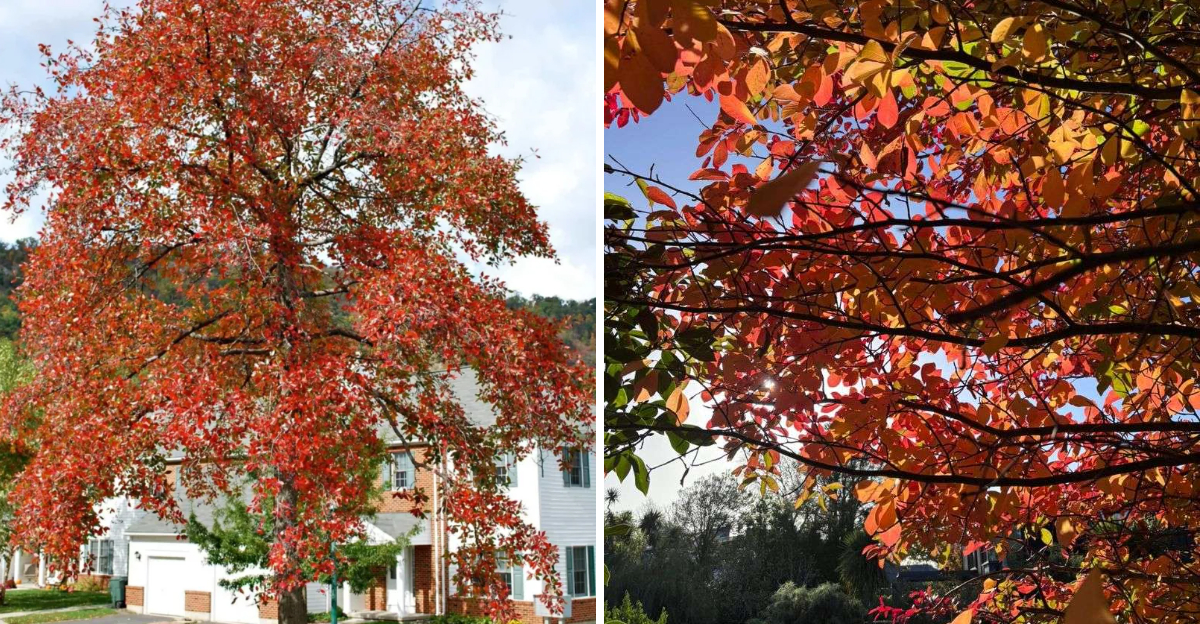
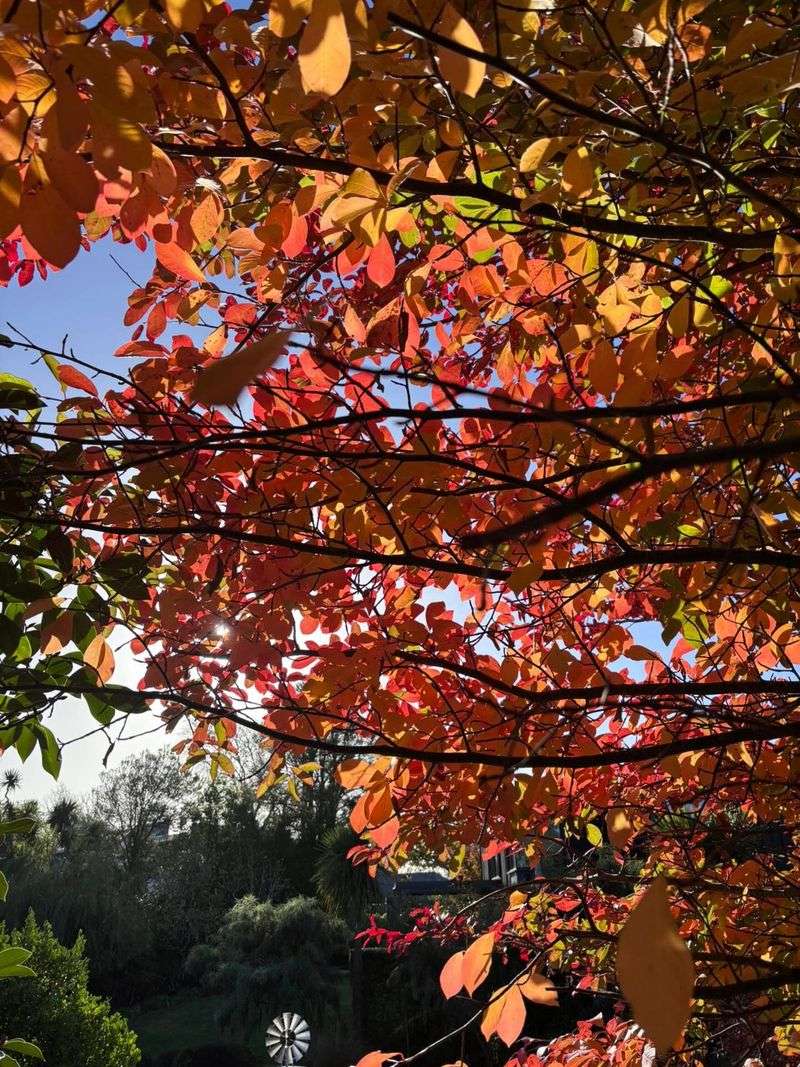
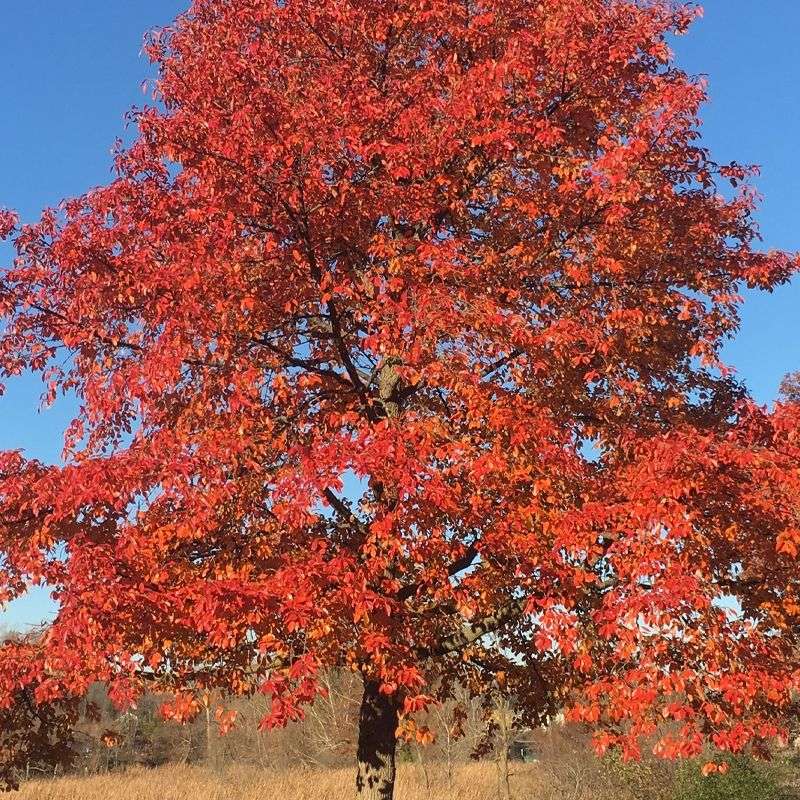
When autumn arrives in Pennsylvania, this native tree puts on a show that stops people in their tracks. Its leaves shift into some of the most vivid shades of scarlet, orange, red, and deep purple you will ever see on a single tree.
What makes black gum stand out is the intensity of its color. The leaves do not just turn red. They turn a red so bright it almost looks like the tree is glowing from the inside. Even on overcast days, the color is striking.
Many gardeners and nature lovers say it is the most impressive fall display of any tree native to Pennsylvania.
Black gum, known scientifically as Nyssa sylvatica, grows naturally across much of the eastern United States, including throughout Pennsylvania. It thrives in forests, along stream banks, and in lowland areas.
You might have walked past one without knowing it during the summer months, when its glossy dark green leaves blend in with surrounding trees.
The fall color transformation usually begins earlier than most other trees. By late September or early October, black gum is already putting on its best show.
That early start gives it an edge in the landscape. It signals the arrival of autumn before most other trees even begin to change.
Planting a black gum in your yard means you get front-row seats to one of nature’s best performances every single year. For anyone who loves fall foliage, this tree is a must-have addition to any Pennsylvania landscape.
The Color Often Builds In Layers
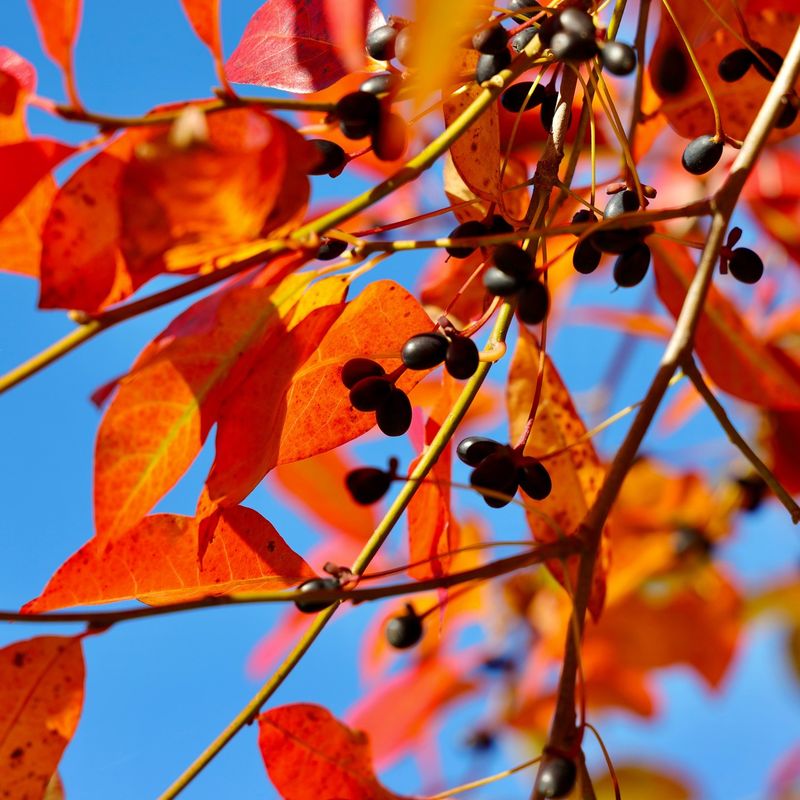
One of the coolest things about black gum is that it does not change color all at once. Different branches on the same tree can shift through their autumn colors at slightly different times.
That staggered change creates a layered, multicolored effect that is truly one of a kind.
Your Pennsylvania Garden Changes Every Week. Your Plan Should Too.
Gardening in Pennsylvania changes quickly throughout the season. Every Friday you’ll receive a simple weekly plan showing exactly what to plant, prune, fertilize, harvest, and protect so you never miss the right timing.
Walk around a mature black gum in early October and you might notice green leaves near the base while the upper branches are already blazing red. A week later, those lower leaves might be turning orange while the top fades to a deep burgundy.
The display keeps evolving, which means you get a longer autumn show from one single tree.
Most trees change color in a more uniform way. They go from green to yellow or red fairly quickly and then the leaves fall.
Black gum stretches that process out in a way that feels almost theatrical. Gardeners who have grown this tree often say they look forward to watching it change every year, almost like following a favorite seasonal tradition.
The layered effect also makes the tree look more dynamic in photographs. If you enjoy taking pictures of your yard in fall, a black gum gives you weeks of changing compositions to work with. Each visit to the backyard reveals something slightly different.
That extended color window is a real advantage for homeowners who want their landscape to stay interesting throughout the entire fall season. Instead of a brief burst of color that is gone in a week, black gum delivers a slow, satisfying transformation.
It rewards patient observers with something new to notice almost every day from late September right through mid-October.
It Also Works As A Medium-Sized Shade Tree
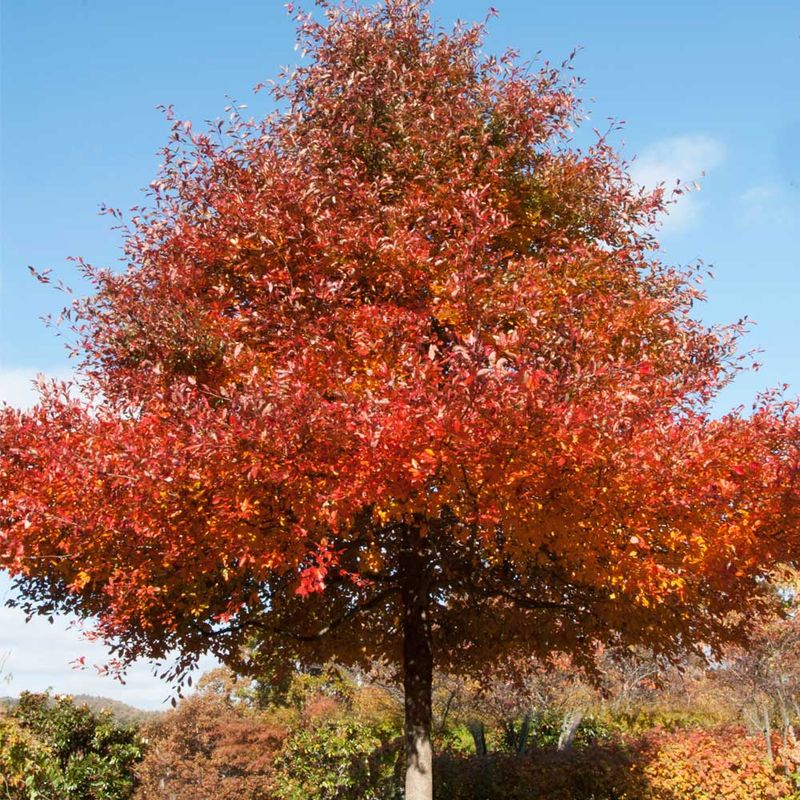
Beyond its fall fireworks, black gum earns its place in the yard by being a genuinely useful shade tree for the other three seasons.
A mature black gum develops a nicely rounded canopy that spreads out over time and casts comfortable shade during the hot summer months. It is a tree that works hard all year, not just in October.
Compared to some of the larger native trees like certain oaks or sycamores, black gum stays at a more manageable size. Most mature trees reach between 30 and 50 feet tall, with a canopy spread of 20 to 30 feet.
That makes it a great fit for average-sized residential lots where you want shade without the tree overwhelming your yard or crowding your house.
The branching habit of black gum is also worth mentioning. Young trees tend to grow with horizontal branches that spread out in a layered pattern.
As the tree matures, the canopy fills in and becomes more rounded. That natural structure means the tree rarely needs heavy pruning to look attractive.
During summer, the leaves are a rich, glossy dark green. They have a slightly waxy texture that gives them a polished look even in the middle of the season.
When the breeze picks up, those glossy leaves catch the light and shimmer in a way that adds real visual interest to the landscape even before fall arrives.
For homeowners looking for a native tree that checks multiple boxes, black gum delivers shade, structure, and seasonal beauty all in one package. It is a smart, low-maintenance choice for Pennsylvania yards of almost any size.
Wildlife Benefits From The Tree Too
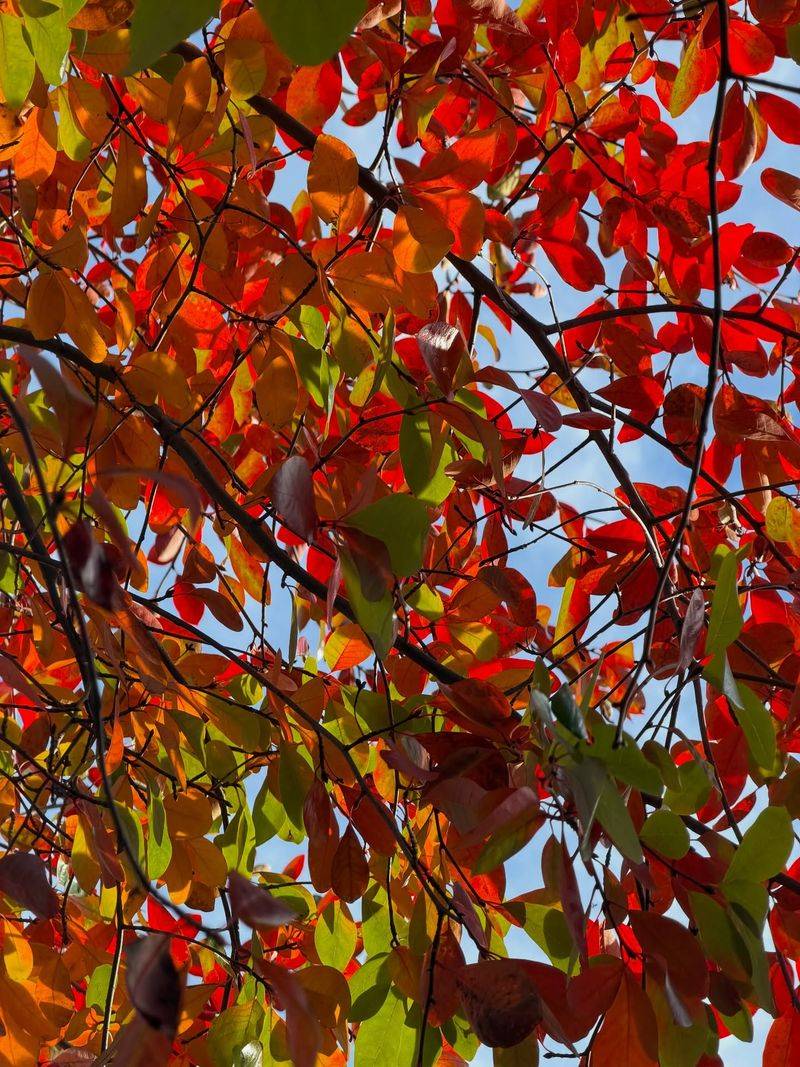
Here is something that might surprise you: black gum is not just beautiful, it is also one of the most wildlife-friendly native trees you can plant in Pennsylvania.
From spring through fall, it offers food and resources to a wide range of animals and insects that depend on native plants to survive.
In late summer and early fall, black gum produces small, dark blue-black fruits that look a bit like tiny olives. These fruits are a favorite food source for dozens of bird species.
Robins, cedar waxwings, wood thrushes, and wild turkeys are just a few of the birds that eagerly feed on them. The fruits ripen right when migrating birds need extra energy for their long journeys south, making the tree a critical pit stop in the fall.
Mammals also benefit from the fruits. White-tailed deer, black bears, and small woodland animals like foxes and raccoons eat the fallen fruits.
Planting a black gum near the edge of your property can make your yard a natural gathering spot for local wildlife throughout the season.
Earlier in the year, black gum’s spring flowers do important work for pollinators. The small white flowers are not flashy, but they are packed with nectar.
Honeybees and native bees visit them heavily, and black gum honey is actually considered a premium product in regions where the tree is common.
Choosing a black gum means you are investing in the health of your local ecosystem. The tree supports the food web from the ground up, providing for insects, birds, and mammals across multiple seasons.
That kind of ecological value is hard to beat with any other single planting.
It Handles A Range Of Pennsylvania Soils
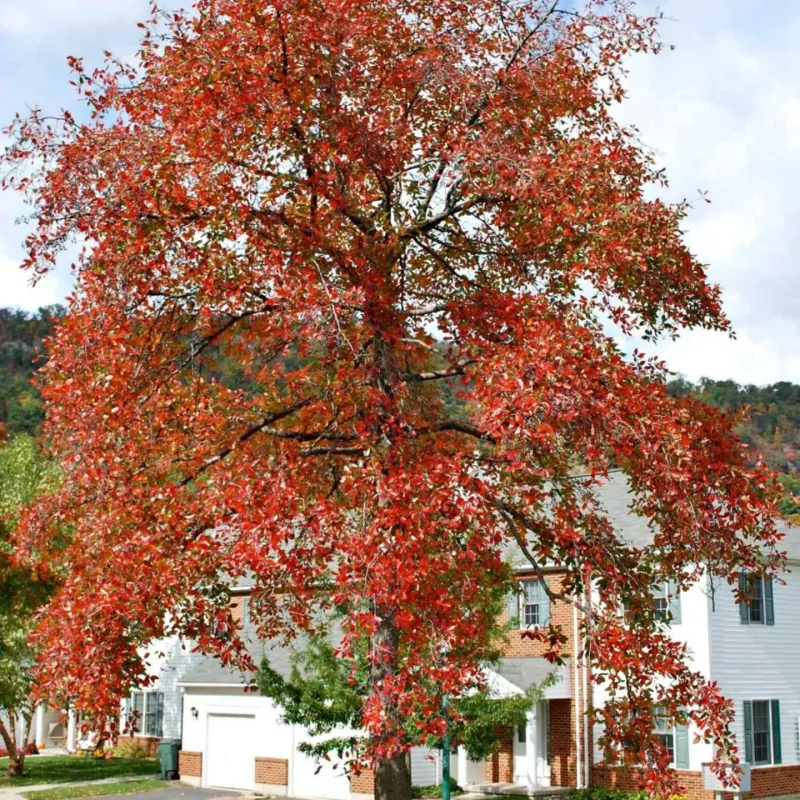
One of the biggest concerns homeowners have when choosing a tree is whether it will actually survive in their specific soil conditions. Black gum takes a lot of that worry off the table.
It is one of the more adaptable native trees in Pennsylvania when it comes to handling different types of soil.
Black gum naturally grows along stream banks, in floodplains, and in moist lowland forests. Because of that, it has a genuine tolerance for wet or poorly drained soils that would stress out many other trees.
If you have a low spot in your yard that stays soggy after rain, black gum is one of the few attractive trees that can handle those conditions without struggling.
At the same time, established black gum trees are tougher than you might expect when conditions dry out. Once a tree has been in the ground for a few years and developed a strong root system, it can handle stretches of drier weather reasonably well.
It is not a desert tree by any means, but it is far more flexible than its reputation for loving wet ground might suggest.
Black gum grows well in slightly acidic soils, which are common throughout much of Pennsylvania. If your yard already supports other native plants like blueberries or rhododendrons, there is a good chance the soil pH will suit a black gum just fine.
You do not need to amend your soil heavily or install irrigation systems to keep this tree happy. A good planting location with reasonable drainage and average moisture is enough to get a black gum off to a strong start.
That kind of straightforward adaptability makes it a reliable choice for a wide range of Pennsylvania properties.
Plant It Where It Can Stay Long Term
Planting a black gum is a long-term commitment, and that is actually one of its greatest strengths. Once it is settled into the right spot, this tree can live for hundreds of years.
Some old-growth black gums in the eastern United States are estimated to be over 650 years old. You are not just planting a tree for yourself. You are planting one for future generations.
The key to success with black gum is choosing the right location from the very beginning. Black gum develops a deep, sometimes taproot-like root system that anchors it firmly in the ground.
That root structure is part of what makes the tree so resilient and long-lived, but it also means the tree does not respond well to being moved once it is established. Repeated transplanting stresses the tree significantly.
When you select a planting spot, think ahead about the mature size of the canopy. A full-grown black gum can spread 20 to 30 feet wide.
Give it enough room to reach that size without bumping into your house, power lines, or neighboring trees. Planting it too close to structures is a common mistake that creates problems years down the road.
Young black gums can be a bit slow to establish in their first two or three years. Water them regularly during dry spells and mulch around the base to hold in moisture.
After that initial period, the tree becomes much more self-sufficient and requires very little ongoing care.
Choose the right spot, give it a good start, and a black gum will reward you and your yard with stunning fall color and ecological value for generations to come.