Why Michigan Gardeners Are Skipping Fall Bulb Fertilizer This Year
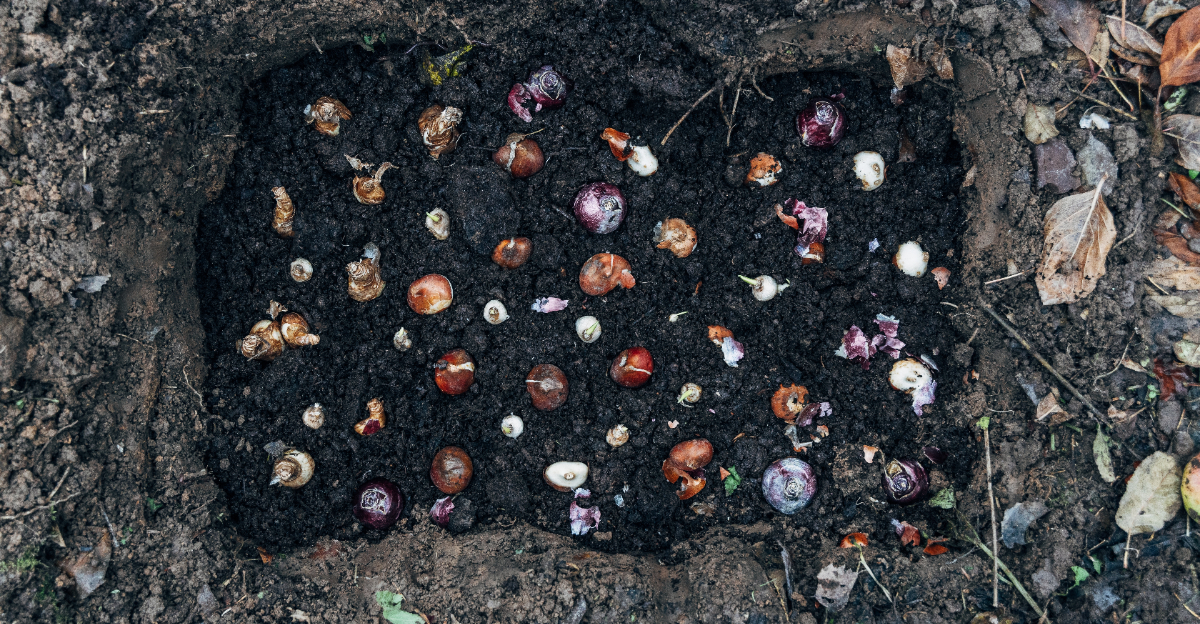
Fertilizing bulbs at planting time has long been considered standard practice, yet a growing number of Michigan gardeners are deliberately skipping this step altogether this fall.
It sounds counterintuitive at first, especially with fertilizer marketed directly at bulb planting season in nearly every garden center.
But there’s a specific, practical reason behind this shift, one that becomes clear once you understand what bulbs actually need to establish successfully before winter.
Understanding this change in approach could save you money while potentially producing better results than the traditional method ever did.
Many gardeners are surprised to learn how unnecessary, or even counterproductive, this long standing habit turns out to be.
Once you know the reasoning behind this shift, skipping fertilizer starts to feel like the smarter choice rather than a shortcut. This could change how you approach bulb planting for years to come.
1. The Soil May Already Have Enough Nutrients
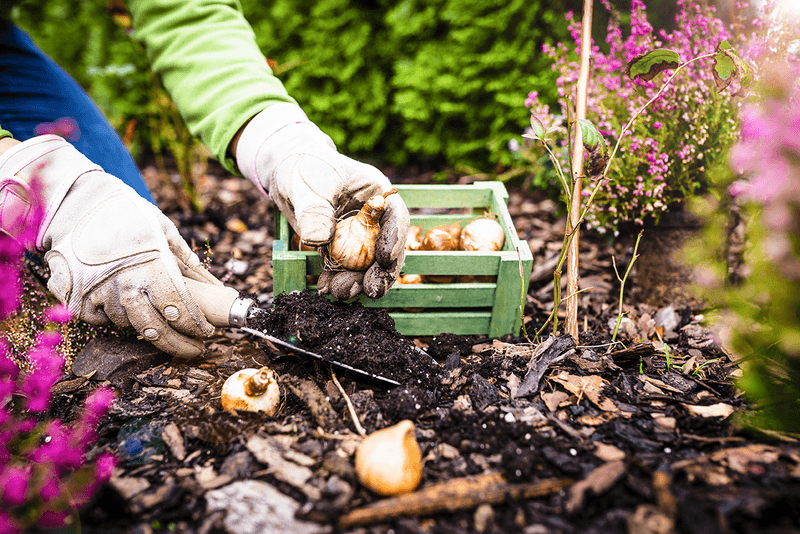
Established garden beds tend to hold a surprising amount of stored nutrients. If you have been composting, mulching, or planting in the same spot for a few years, the ground has likely built up a steady supply of what bulbs actually use.
Michigan soils, especially in the southern and central parts of the state, often carry plenty of phosphorus and potassium already. Adding more without knowing your starting point can be a waste of time and money.
Bulbs are not heavy feeders, so they do not gobble up nutrients the way tomatoes or corn do.
When gardeners dump fertilizer into every hole out of habit, they often add things the plants never needed. Extra phosphorus, for example, can build up in the soil and even wash into nearby lakes and streams.
Michigan has strict rules about phosphorus for exactly this reason. Healthy soil full of organic matter also feeds itself. Earthworms, tiny microbes, and decaying leaves slowly release nutrients right where roots can reach them.
That natural cycle keeps working through fall and into spring. Before you spend on a bag of bulb food, take a good look at how your garden has performed. If your perennials and past bulbs bloomed well without extra help, your ground is probably in fine shape.
Skipping fertilizer this year lets you trust the soil you have already built and focus your energy on planting the bulbs at the right depth instead.
2. A Soil Test Takes Away The Guesswork
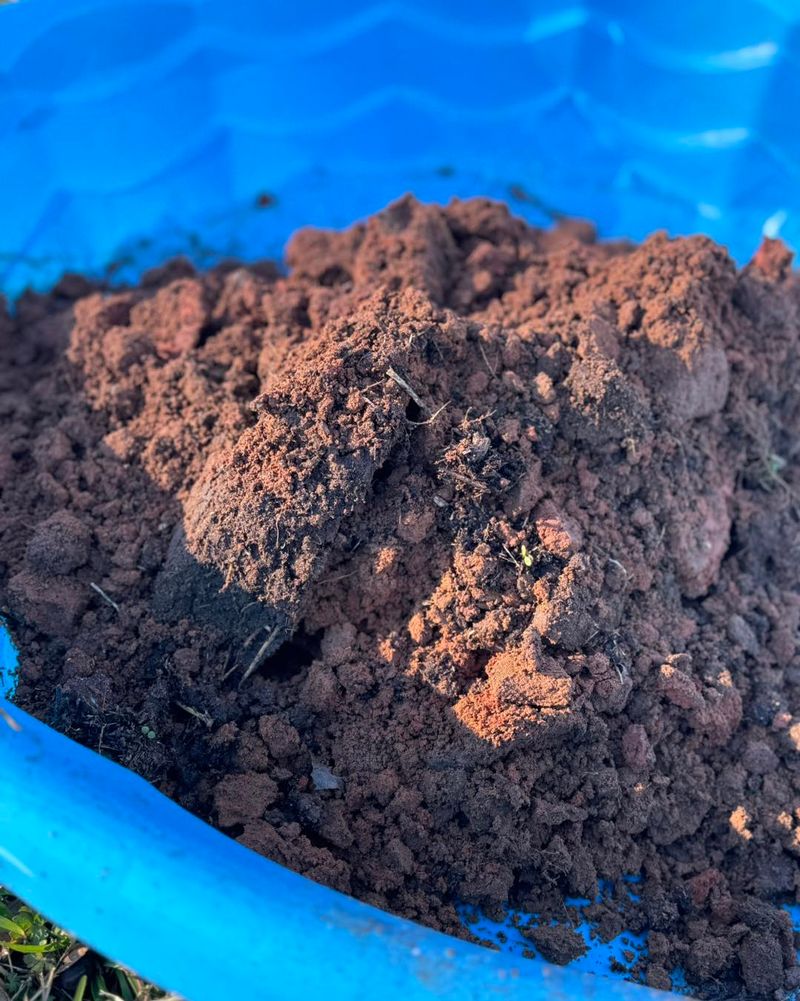
Guessing what your garden needs is a bit like taking medicine without knowing what is wrong. A soil test clears up the mystery in a simple, affordable way.
Michigan State University Extension offers easy test kits that tell you exactly what your ground holds.
The results show your levels of phosphorus, potassium, and other nutrients, plus your soil pH. With that information in hand, you no longer have to guess whether your bulbs need feeding.
You will know for sure. Many gardeners are shocked to find their beds already sit high in phosphorus. In that case, adding more does nothing helpful and may actually cause problems.
Your Michigan Garden Changes Every Week. Your Plan Should Too.
Gardening in Michigan changes quickly throughout the season. Every Friday you’ll receive a simple weekly plan showing exactly what to plant, prune, fertilize, harvest, and protect so you never miss the right timing.
Testing gives you the confidence to skip products you truly do not need. The process is easier than most people expect. You collect a few small scoops of soil from different spots, mix them together, and mail the sample in.
Within a couple of weeks, you get a report with clear recommendations. Timing works well in fall, since you can test before planting and use the results right away. If the test shows a real shortage, you can add just the missing piece instead of a general blend.
Spending a little on a test now can save you far more over several seasons. It also protects local waterways from runoff.
Smart gardeners in Michigan are treating the soil test as the first step, letting real numbers guide their choices rather than old habits or fancy marketing on a fertilizer bag.
3. Bone Meal Is Not Automatically Necessary
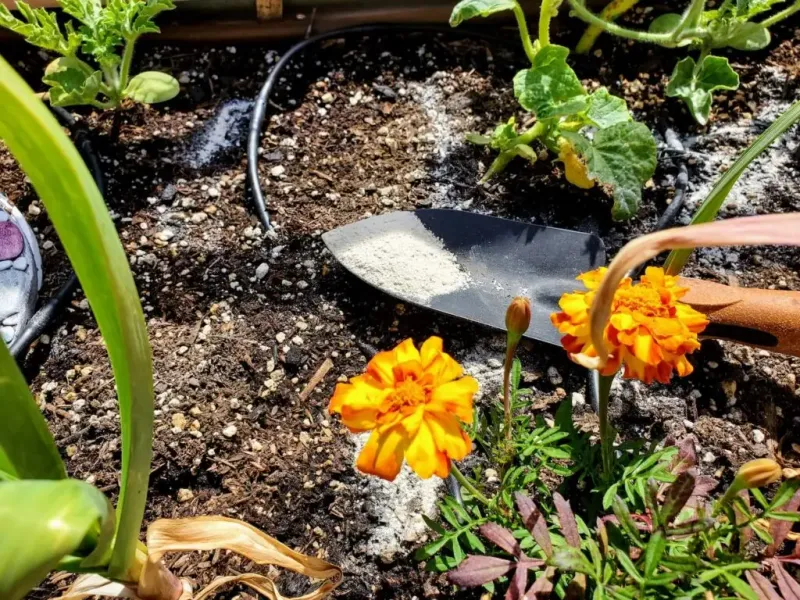
Grandparents everywhere swore by tossing a scoop of bone meal into every planting hole. That advice got passed down for generations, and plenty of gardeners still follow it without a second thought.
Here is the twist. Bone meal is mostly phosphorus, and most established Michigan gardens already have all the phosphorus their bulbs could want. Adding more simply piles up something the soil cannot use.
Phosphorus does not move easily through soil, so it stays put right where you place it. That means unused bone meal just sits there, offering no benefit while your money slowly disappears into the ground.
There is another downside worth knowing. The strong smell of bone meal can attract squirrels, dogs, and other curious animals.
They may dig up your freshly planted bulbs looking for a snack, undoing all your careful work.
Bone meal also works slowly and only in soils with the right pH. If your ground is too alkaline, the phosphorus stays locked away and never reaches the plant anyway.
None of this means bone meal is useless everywhere. In a brand new bed with poor, sandy, or truly phosphorus-poor soil, it can help. The key is knowing your soil first through a test.
For the average Michigan gardener with a mature bed, skipping the bone meal ritual is a smart move. Your bulbs will bloom just fine, your wallet stays fuller, and the neighborhood squirrels lose a reason to raid your flower beds this fall.
4. New Bulbs Already Carry Stored Energy
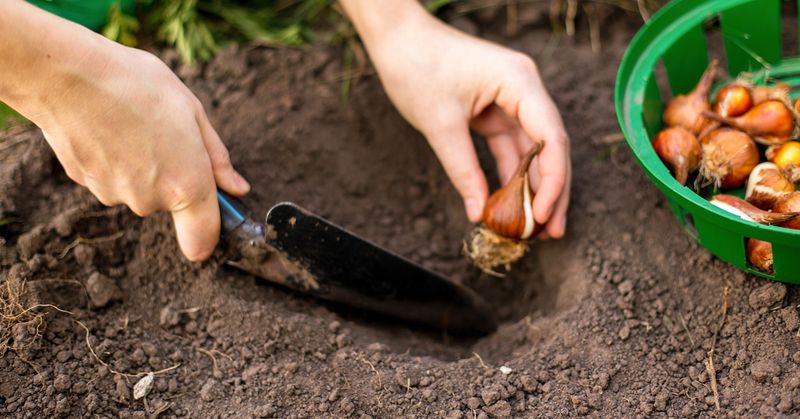
Every bulb you buy is like a tiny lunchbox packed and ready to go. Inside that papery shell sits a complete flower, already formed, along with the food it needs to push up in spring.
Growers spend an entire season building up those energy reserves before the bulbs ever reach the store. By the time you plant them, the hard work is done.
The bulb simply waits for cold weather and then wakes up when the ground warms. Because of this stored energy, extra fertilizer at planting time does very little for that first bloom. The flower is already set.
No amount of feeding will make a tulip bigger than the bulb was programmed to grow. Some gardeners believe pouring on nutrients guarantees a bigger, brighter display. In truth, the size and health of the bulb you bought matters far more than anything you add in fall.
That is why picking plump, firm, heavy bulbs pays off. A large, healthy bulb has more stored food and produces a stronger first-year show than a shriveled one, no matter how much fertilizer surrounds it.
Where feeding really helps is later, once the bulb has bloomed and needs to rebuild its reserves for next year. That happens in spring, not fall.
Knowing this, many Michigan gardeners now focus their money on quality bulbs instead of fertilizer. Choose the best bulbs you can, plant them at the right depth, and let their built-in energy do the rest come springtime.
5. Too Much Fertilizer Can Harm New Roots
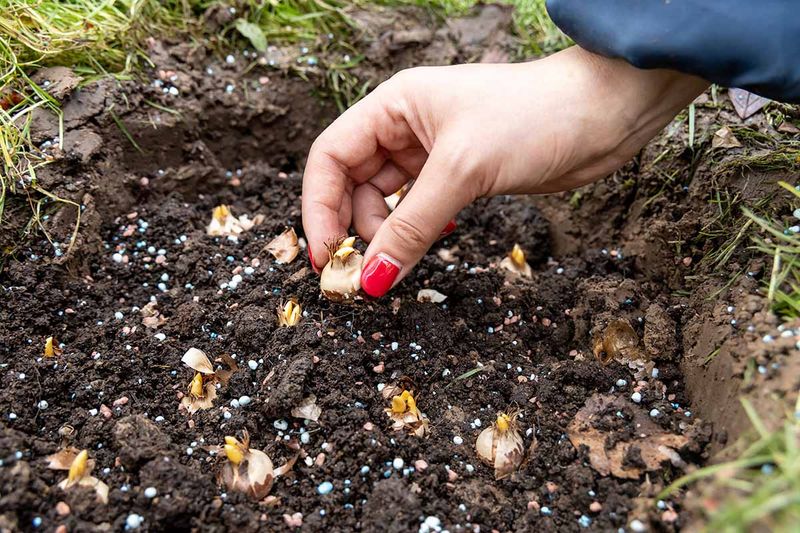
More is not always better, especially when it comes to feeding brand new bulbs. Concentrated fertilizer placed right against a bulb can actually burn the tender roots trying to grow.
Roots are delicate when they first push out in fall. They reach into the soil searching for water and nutrients, and they are very sensitive to strong chemicals sitting nearby.
Fertilizers contain salts. When those salts pile up around new roots, they pull moisture away from the plant instead of feeding it. The result is stressed, damaged growth right when the bulb needs a strong start.
This problem shows up most with quick-release, granular products dropped straight into the planting hole. The bulb touches the fertilizer directly, and the concentrated dose does more harm than good.
If you truly need to feed based on a soil test, the safer path is to mix a slow-release product into the surrounding soil, not the hole itself. Keep any fertilizer a few inches away from the bulb.
Better yet, spread a thin layer of compost on top of the bed. Compost releases nutrients gently over time and never scorches roots. Rain and worms carry it down naturally.
For most fall plantings, plain soil and a little compost give roots the calm, steady environment they crave. Skipping the concentrated fertilizer protects those first fragile roots and sets the stage for healthy spring growth.
Michigan gardeners who have learned this lesson now plant with a lighter hand and stronger results.
6. Good Drainage Matters More Than Extra Feeding
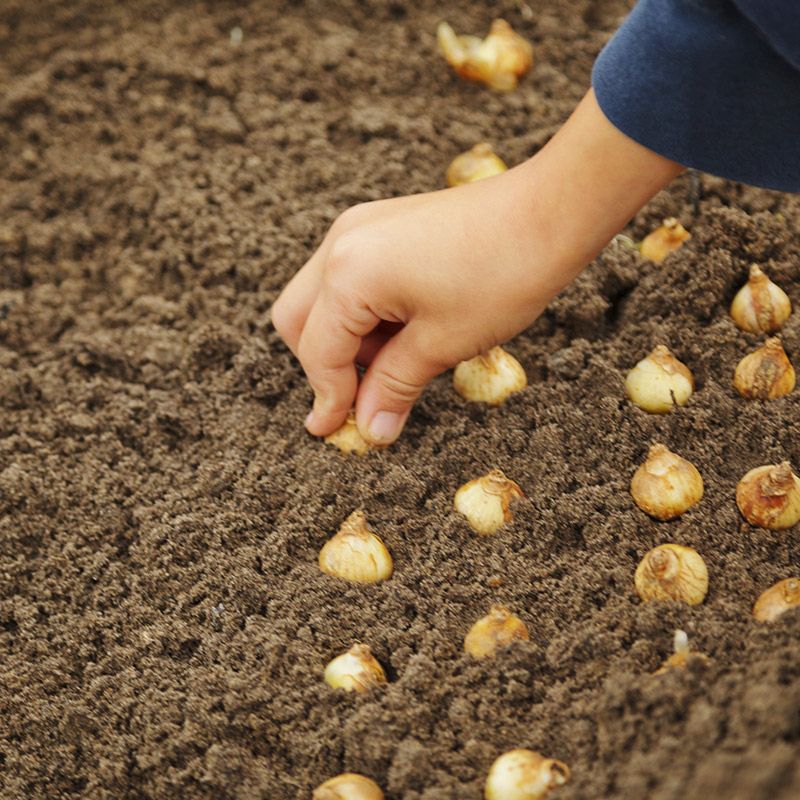
Ask any experienced grower what ruins bulbs fastest, and the answer is usually soggy soil, not a lack of food. Spring flowering bulbs need ground that drains well, or they simply rot underground.
Michigan gets plenty of rain and heavy spring snowmelt. In low spots or clay-heavy yards, water can pool and linger for days.
Bulbs sitting in that wet ground turn mushy long before they ever bloom.
No amount of fertilizer fixes a drainage problem. You could feed a waterlogged bulb the finest nutrients around, and it would still fail because the roots cannot breathe in constantly wet soil.
Fixing drainage brings a far bigger payoff. Mixing compost into heavy clay opens up the soil so water can move through.
Raised beds and gentle slopes also help excess water drain away. Some gardeners add a small handful of coarse sand or grit to their planting spots in troublesome areas. Others simply choose higher ground where water naturally runs off.
Testing your drainage is easy. Dig a hole, fill it with water, and watch. If it empties within a few hours, your bulbs will be happy. If water sits for a day, you have work to do before planting.
Spending your fall energy improving drainage instead of buying fertilizer is a trade that pays off every spring. Dry-footed bulbs stay firm, healthy, and ready to bloom.
That is why savvy Michigan gardeners now put drainage at the top of their fall to-do list.
7. Fertilize Later Only If The Plants Need It
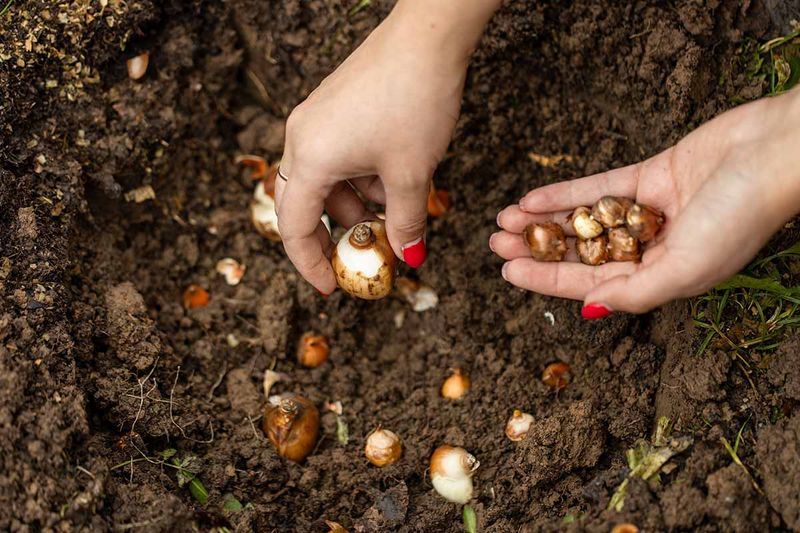
Waiting and watching often beats acting on habit. Instead of feeding at planting time, many gardeners now let the plants themselves show whether help is needed.
Bulbs give clear signals. Strong green leaves, steady blooms, and healthy clumps that come back each year tell you the soil is doing its job. When everything looks great, there is no reason to add fertilizer.
Trouble signs are just as easy to spot. Fewer flowers, yellowing leaves too early, or clumps that seem to fade over the years can mean the plants want a boost. That is the moment to consider feeding.
The best time to feed established bulbs is in spring, right as new growth appears and again after flowering. That timing helps the plant rebuild energy for the following year, which is when feeding truly matters.
Even then, a soil test should guide your choice. The report tells you which nutrient is actually short so you can add only what is missing instead of a general mix.
A light, balanced fertilizer or a topping of compost usually does the trick. There is no need for heavy doses or fancy blends.
Treating fertilizer as a response rather than a routine puts you in control. You save money, protect the soil, and avoid overfeeding. Your garden tells you what it wants, and you simply listen.
This patient approach is why so many Michigan gardeners feel comfortable skipping fall feeding entirely, trusting that spring will reveal whether their bulbs need anything at all.