The Texas Vegetables At Absolute Peak Harvest In September
September in Texas marks one of the most rewarding transitions in the entire gardening calendar.
The worst of the summer heat is finally easing, plants that were in survival mode through August are finding renewed energy, and the fall growing window that experienced Texas gardeners look forward to all year is fully open.
For those who planned ahead and made the right planting decisions in July and August, September delivers something genuinely satisfying. An actual harvest. A serious one.
Certain Texas vegetables peak in September with a productivity and flavor that the summer months simply don’t allow.
Cooler nights, more manageable daytime temperatures, and the specific conditions that late season growing brings out in certain crops combine to produce results that often surpass what the spring garden delivered months earlier.
Knowing which vegetables are at their absolute peak right now changes how you approach the garden this month.
It’s the difference between managing a tired garden through the end of the season and walking outside to a harvest that makes every difficult week of the Texas summer feel worthwhile.
1. Okra
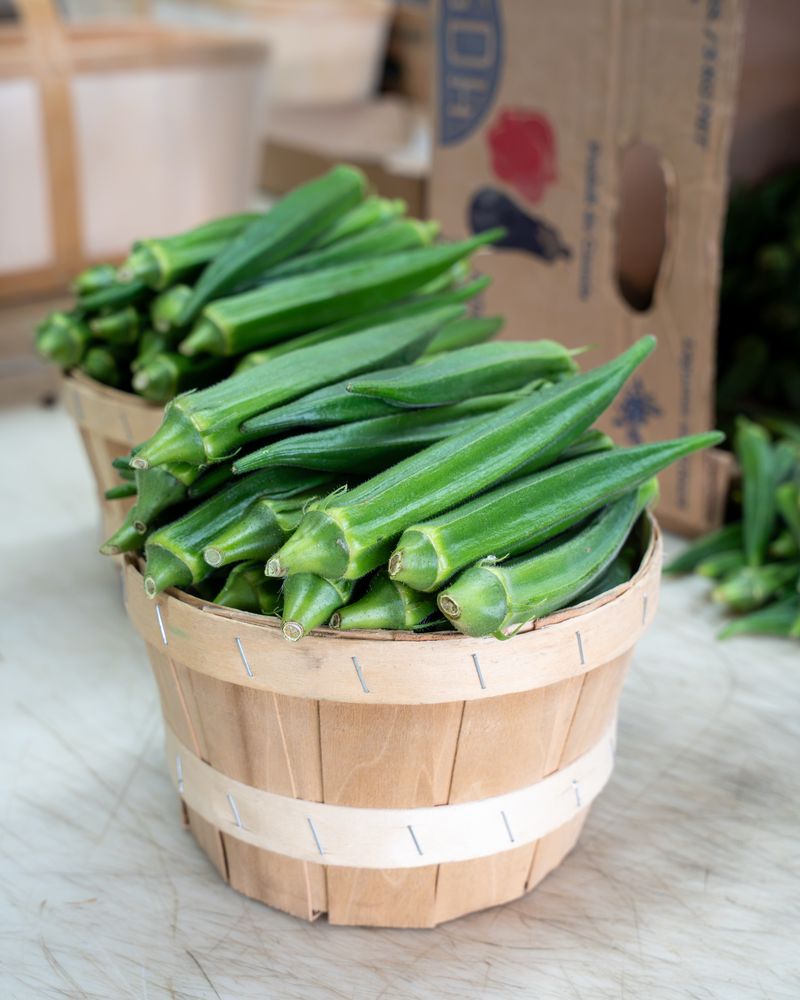
Few vegetables are as tough and productive as okra in a Texas September. While most plants struggle under the blazing sun, okra absolutely loves the heat.
It keeps pushing out pods day after day, making it one of the most reliable crops a Texas gardener can grow during this time of year.
The key to great okra is picking the pods when they are young and small, usually around two to four inches long. Once pods get too big, they turn tough, stringy, and not very pleasant to eat.
Check your okra plants every single day during September because pods can go from perfect to oversized very quickly in the warm weather.
Okra grows best in well-drained soil with plenty of direct sunlight. Texas gardeners often plant a second round in late spring specifically to catch this productive September window.
The plants can grow quite tall, sometimes reaching six feet or more, so having a basket and a pair of gloves handy makes harvesting much easier.
From a cooking standpoint, September okra is incredibly versatile. You can fry it, roast it, pickle it, or add it to soups and gumbos.
Many Texans swear by pickled okra as a snack or a garnish for a cold drink. Fresh-picked okra has a crisp, mild flavor that store-bought versions rarely match.
If you have more than you can use right away, okra freezes well after a quick blanch in boiling water. Grab it while it is at its peak because this productive stretch will not last forever.
2. Peppers
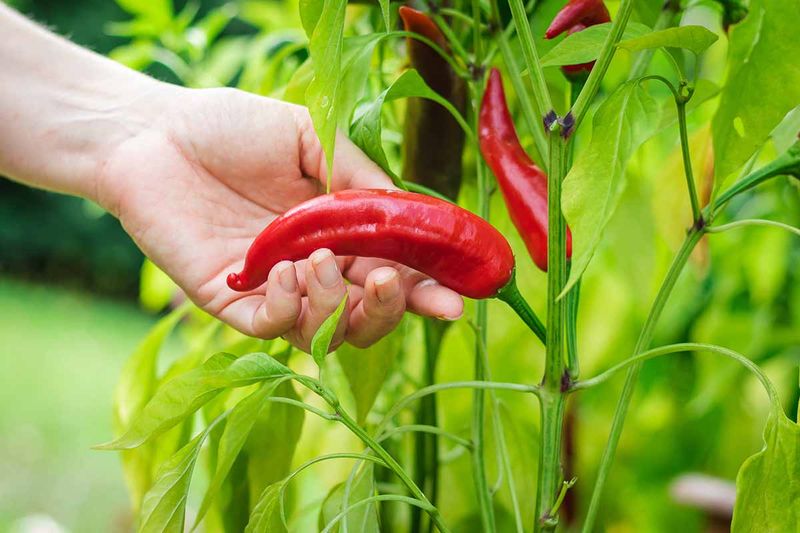
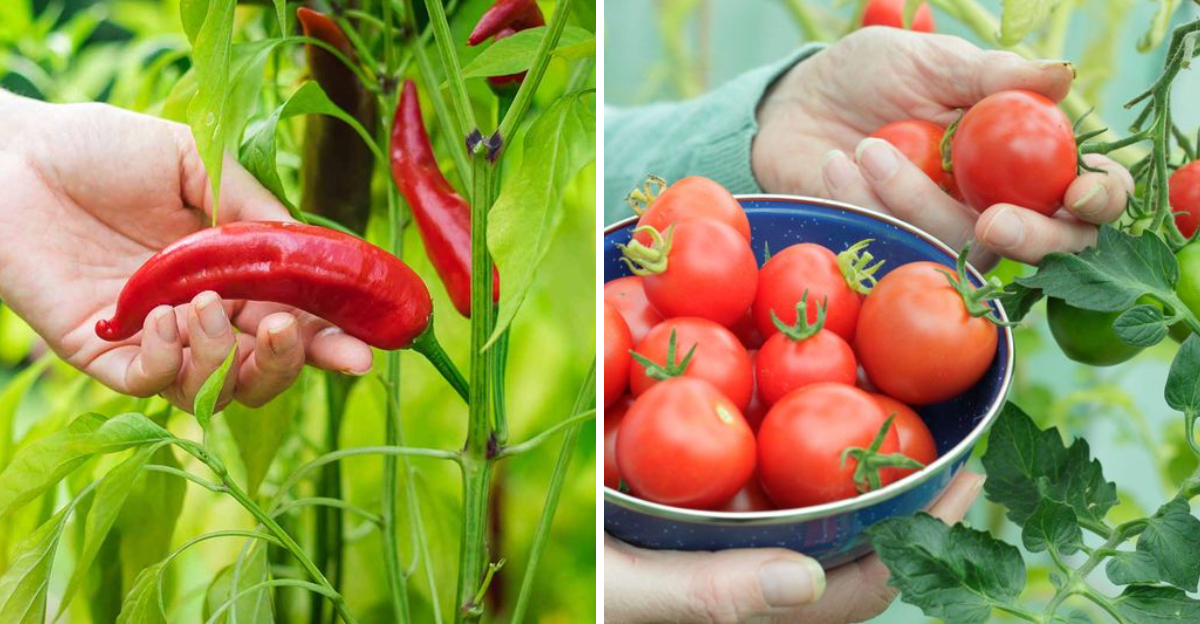
Walk into a Texas garden in September and you will likely find peppers putting on a show. Bell peppers, jalapeños, serranos, and banana peppers are all producing heavily right now.
Cooler nights help the fruit develop richer, deeper colors, and the flavor becomes more complex compared to the scorching summer months.
Bell peppers are a gardener favorite because they shift from green to red, orange, or yellow as they fully ripen. Leaving them on the plant a little longer in September actually rewards you with sweeter, more flavorful fruit.
Your Texas Garden Changes Every Week. Your Plan Should Too.
Gardening in Texas changes quickly throughout the season. Every Friday you’ll receive a simple weekly plan showing exactly what to plant, prune, fertilize, harvest, and protect so you never miss the right timing.
Hot peppers like jalapeños and serranos also develop more intense heat during this period, which is great news for anyone who loves spicy Texas cooking.
Picking peppers regularly encourages the plant to keep producing more. If you leave ripe peppers on the plant too long, production slows down.
A good rule of thumb is to harvest every few days and keep the plant tidy by removing any damaged or soft fruit immediately.
Peppers are incredibly easy to preserve. You can roast and freeze them, dry them, or make homemade salsas and hot sauces that will last all winter.
Many Texas families make large batches of salsa in September when tomatoes and peppers are both peaking at the same time. Peppers are also packed with vitamins, especially vitamin C, making them as nutritious as they are delicious.
Whether you like them mild or fiery hot, September is the perfect time to stock up on fresh Texas peppers straight from the garden or a local market stand.
3. Eggplant
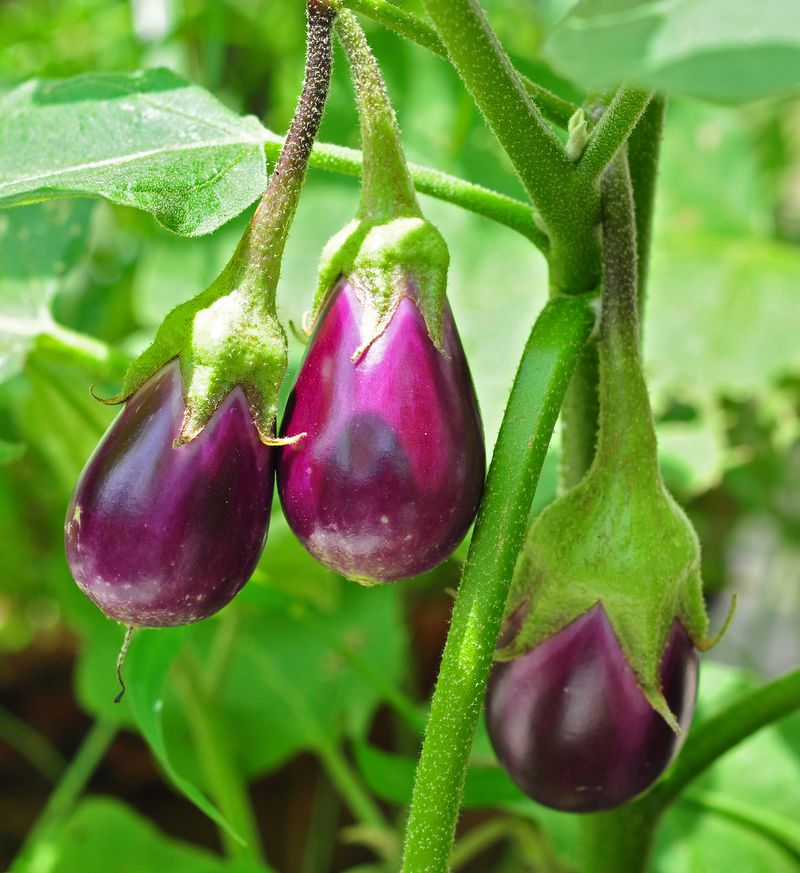
Eggplant might not always get the attention it deserves, but September is when this vegetable truly shines in Texas gardens. Warm temperatures keep the plants flowering and setting fruit at a steady pace.
Unlike many cool-season crops, eggplant thrives when the weather stays consistently warm both day and night.
The most important harvesting tip with eggplant is to pick the fruit while it is still firm and the skin is bright and glossy. Once the skin starts to look dull or wrinkled, the eggplant has passed its prime and the flesh inside can turn bitter and seedy.
A sharp knife or garden shears work best for cutting the fruit from the stem cleanly without bruising it.
Texas gardeners grow several varieties of eggplant, from the classic large Italian type to long, slender Asian varieties. All of them perform well in the September heat.
Smaller varieties tend to be slightly sweeter and cook faster, which makes them popular for grilling and roasting. Larger varieties are ideal for dishes like eggplant parmesan or baked casseroles.
One fun fact about eggplant is that it is technically a fruit from a botanical standpoint, even though most people treat it like a vegetable in the kitchen.
It belongs to the same plant family as tomatoes and peppers, which explains why they all love similar growing conditions.
Eggplant absorbs flavors beautifully during cooking, making it a fantastic ingredient in Mediterranean, Asian, and Southern American recipes. Fresh September eggplant from a Texas garden has a creamy, mild flavor that store-bought versions rarely achieve.
4. Tomatoes
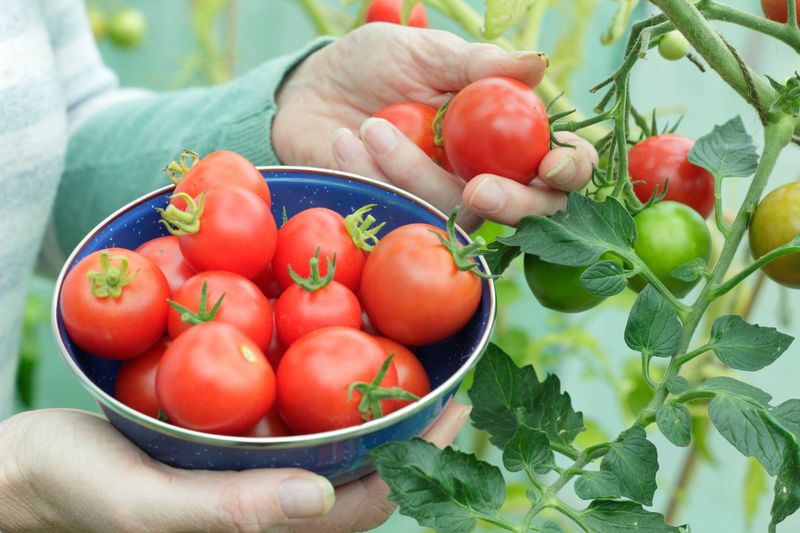
Experienced Texas gardeners know that tomatoes get a second chance in September. The extreme heat of July and August can cause tomato plants to stop setting fruit, but as temperatures begin to ease slightly, fall tomato crops start producing strongly across many parts of the state.
For many gardeners, the September harvest is even better than the spring one.
Fall tomatoes in Texas are often planted in late July or early August specifically to catch this productive September window. By the time September arrives, the plants are loaded with fruit that ripens quickly in the still-warm temperatures.
Cherry tomatoes tend to ripen fastest, but larger varieties like Celebrity, Roma, and Tycoon also perform well in the Texas fall garden.
One of the best things about September tomatoes is the flavor. Fruit that ripens during slightly cooler nights develops a sweeter, more balanced taste compared to tomatoes harvested during peak summer.
Many gardeners say their September tomatoes are the most flavorful of the entire year. Pick them when they are fully colored and give slightly under gentle pressure.
Fresh tomatoes from a September Texas garden are perfect for slicing onto sandwiches, making homemade sauces, or canning for the winter months ahead.
Pair them with the jalapeños and serranos also peaking this month and you have everything you need for a fresh batch of salsa.
If a cold snap threatens before your tomatoes fully ripen, bring them indoors and let them finish ripening on a countertop at room temperature rather than storing them in the refrigerator.
5. Southern Peas
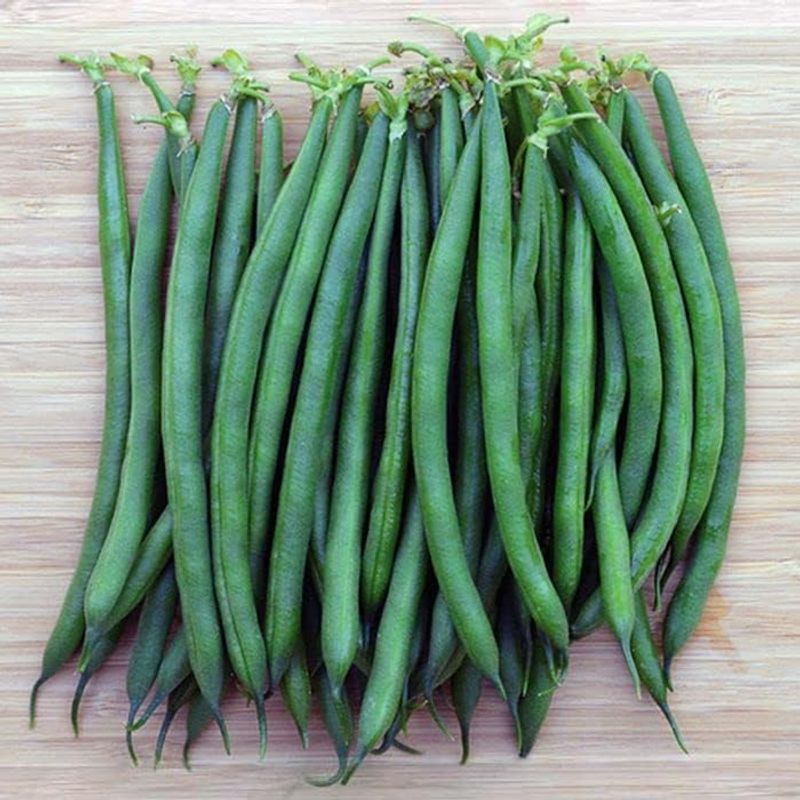
Southern peas are a true Texas garden tradition, and September is one of their most productive months.
Black-eyed peas, purple-hull peas, and cream peas are all still going strong well into fall across much of the state. These humble legumes have fed Southern families for generations, and for good reason.
The trick to keeping Southern pea plants productive is picking the pods regularly. When pods are left on the plant too long, the plant thinks its job is done and slows down production.
Checking the plants every two to three days and harvesting any mature pods keeps the cycle going strong through September and sometimes into October.
Fresh Southern peas cook much faster than dried ones and have a sweeter, creamier flavor that is hard to match. Simply shell them and simmer with a bit of seasoning for a simple, satisfying side dish that goes with almost any meal.
Many Texas cooks add a piece of smoked meat to the pot for extra depth of flavor, a classic technique passed down through many generations.
From a nutrition standpoint, Southern peas are loaded with plant-based protein, fiber, and important minerals like iron and potassium. They are an affordable and filling food that works well in soups, stews, rice dishes, and salads.
If you end up with more peas than you can eat fresh, they freeze beautifully after a quick blanch.
Spread them on a baking sheet to freeze individually before transferring to bags so they do not stick together. September is the ideal time to stock your freezer with this Southern staple.
6. Winter Squash
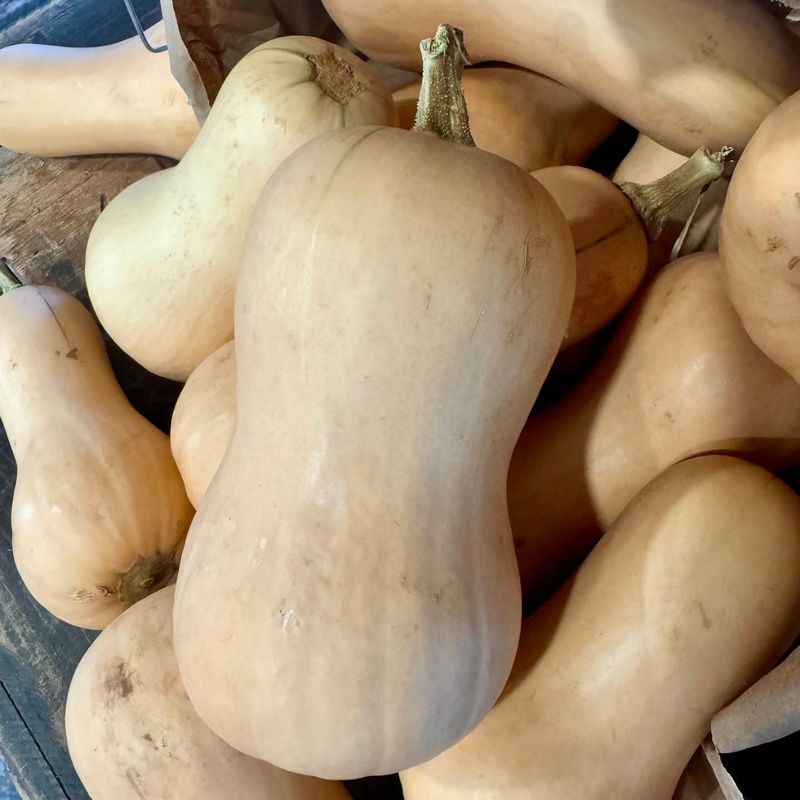
There is something deeply satisfying about pulling a heavy butternut squash off the vine and knowing it will feed your family for months to come.
September marks the beginning of winter squash harvest season across much of Texas, with butternut, acorn, and spaghetti squash all beginning to reach full maturity around this time.
Unlike summer squash, which is picked young and tender, winter squash needs to fully harden on the vine before harvest. A ripe winter squash will have a tough, hard rind that does not dent easily when you press your fingernail against it.
The stem should also be dry and slightly corky, which is a good sign the squash has finished developing and is ready to come off the vine.
One of the biggest advantages of winter squash is its incredible storage life. A properly cured butternut or acorn squash stored in a cool, dry location can last anywhere from two to six months.
To cure squash after harvest, leave it in a warm, well-ventilated spot for about ten days before moving it to longer-term storage. This process hardens the skin even further and helps preserve the flesh inside.
Winter squash is wonderfully versatile in the kitchen. Roast it with a drizzle of olive oil, mash it like mashed potatoes, blend it into creamy soups, or stuff it with savory fillings for a hearty dinner.
Spaghetti squash is especially fun because the cooked flesh pulls apart into noodle-like strands, making it a popular low-carb pasta substitute. Harvesting this crop in September sets you up for months of delicious, homegrown meals ahead.
7. Sweet Potatoes
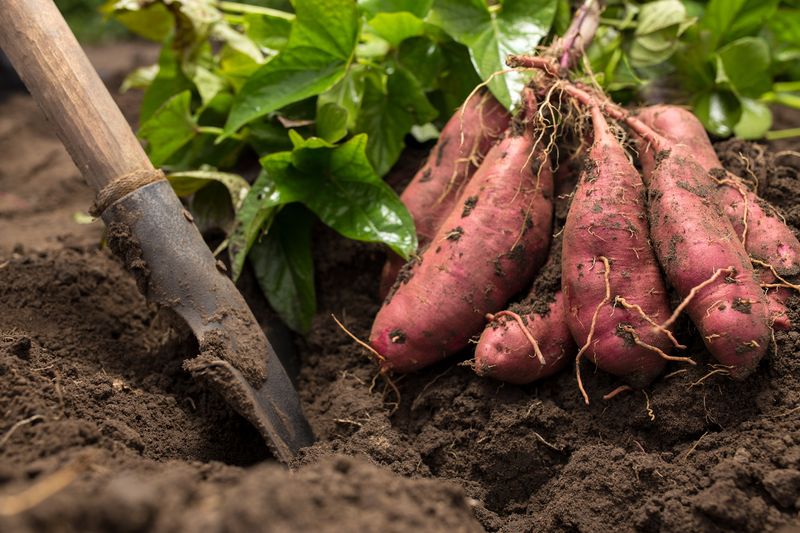
Sweet potatoes might just be the most rewarding crop a Texas gardener can grow in September. After spending the entire summer quietly developing underground, these beautiful orange roots are finally ready to come out of the ground.
Digging sweet potatoes feels a little bit like finding buried treasure every single time. Knowing when to harvest sweet potatoes is mostly about timing rather than visual cues. Most varieties are ready about 90 to 120 days after planting slips in the ground.
In Texas, that usually lines up perfectly with September. The vines may start to yellow slightly, which can also signal that the roots below have reached a good size.
Use a garden fork rather than a shovel to dig carefully around the roots and avoid slicing through them.
After digging, sweet potatoes need to go through a curing process before they are ready to eat or store long-term. Curing involves keeping the roots in a warm, humid spot, ideally around 85 degrees Fahrenheit with high humidity, for about ten to fourteen days.
This process heals any small cuts or scrapes from harvesting and converts starches in the root into sugars, making the final product much sweeter and more flavorful.
Once cured, sweet potatoes store well for several months in a cool, dry location. They are packed with vitamins A and C, fiber, and natural energy-boosting carbohydrates.
Bake them, mash them, roast them into fries, or use them in pies and casseroles. Texas sweet potatoes harvested in September and properly cured are among the sweetest and most flavorful you will ever taste.