8 Michigan Trees That Cause The Fewest Problems Near Power Lines
That tiny tree in the garden center can be a little misleading.
A young sapling looks innocent. The branches seem far away from the wires above. The space feels perfect. Then the years pass, and that once-small tree starts reaching for the exact spot you hoped it would avoid.
Have you ever looked at a tree near power lines and wondered if it was planted there by mistake? The answer often comes down to one choice made years earlier.
Picking a tree with the right mature size can save future headaches, protect your yard’s appearance, and keep maintenance much simpler.
Michigan homeowners have plenty of trees that bring flowers, wildlife value, and seasonal color without trying to become the tallest plant on the block. The secret is matching the tree to the space before the roots hit the soil.
Some trees naturally stay compact. Some keep a tidy shape. Some offer four seasons of interest while staying much easier to manage around utility areas.
Ready to discover the Michigan trees that know how to grow beautifully without reaching too far?
1. Apple Serviceberry Fits Under Utility Lines
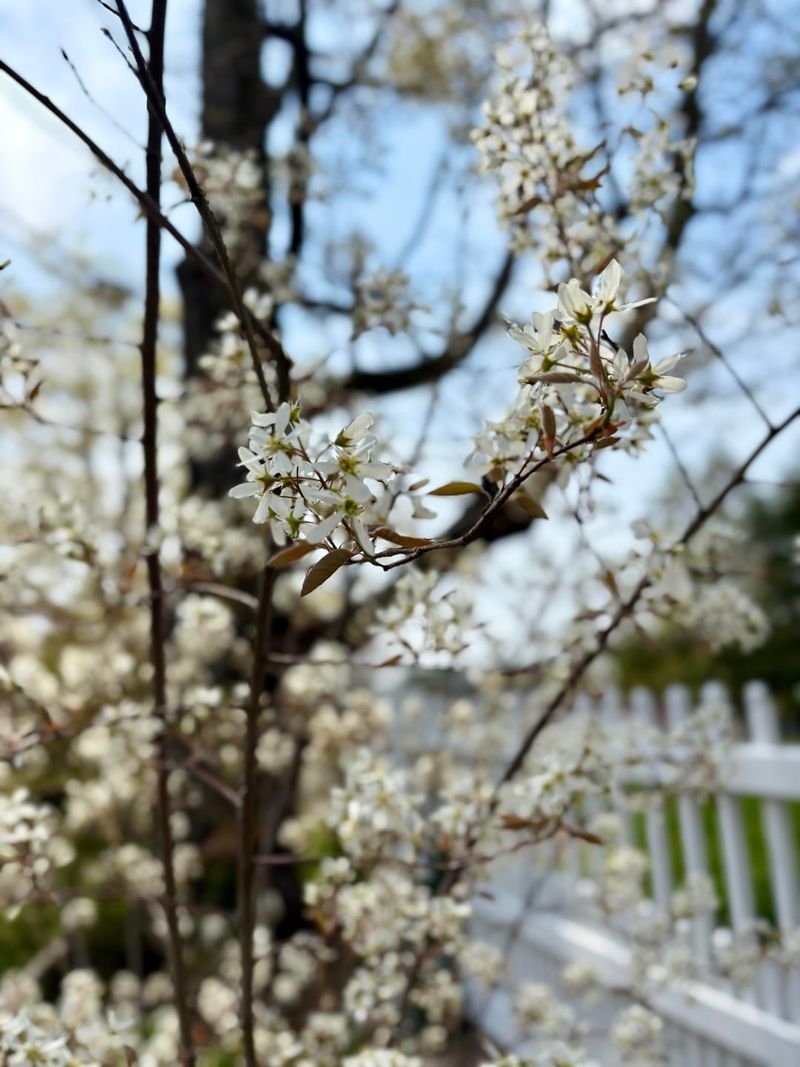
Apple serviceberry is the kind of tree that quietly wins people over. It does not need a huge yard to make a big impression.
In early spring, white flowers cover the branches before the leaves fully open. The display looks soft and elegant, almost like the tree added its own spring decoration overnight.
Amelanchier x grandiflora usually reaches around 15 to 25 feet tall, depending on growing conditions and the specific selection.
That smaller size makes it a useful option for areas where overhead space matters. It still needs proper spacing from utility lines, but it naturally stays much more manageable than large shade trees.
The beauty does not stop after flowering. Small reddish-purple berries appear in early summer and attract birds like cedar waxwings and robins. The tree keeps the wildlife show going long after the flowers disappear.
Fall brings another surprise. The leaves shift into shades of orange and red, adding color before winter arrives. Even the bare branches have a graceful shape that looks attractive against the colder Michigan landscape.
Apple serviceberry handles full sun and partial shade, which gives homeowners more planting flexibility. It prefers moist, well-drained soil but adapts well to many average yard conditions.
Place it near a walkway or front yard where you can enjoy the details. The flowers, berries, and visiting birds are easy to miss from far away.
This tree proves that staying small does not mean staying unnoticed. Apple serviceberry brings a full calendar of beauty without needing a giant stage.
2. Eastern Redbud Keeps A Smaller Crown
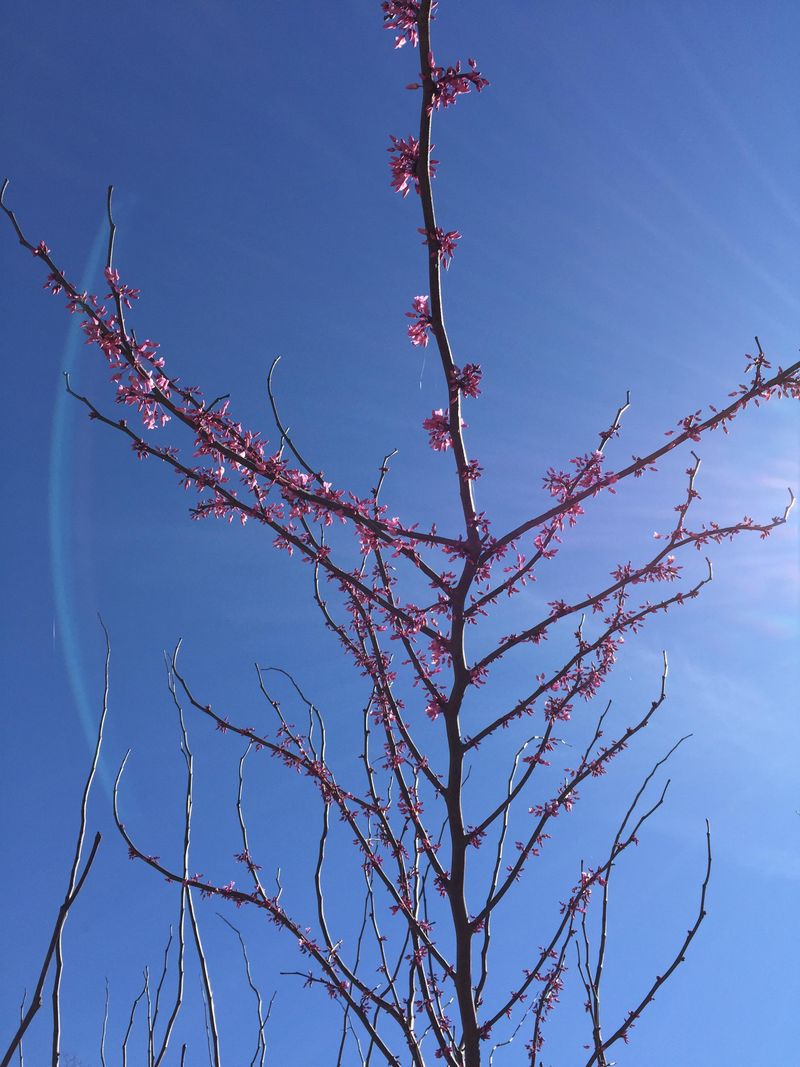
Eastern redbud does not wait for leaves to announce spring. It starts the celebration before the branches even turn green.
Clusters of pink and purple flowers appear along the bare stems, creating one of the first colorful moments of the season. In Michigan yards, that early show can feel like the landscape finally woke up after winter.
Your Michigan Garden Changes Every Week. Your Plan Should Too.
Gardening in Michigan changes quickly throughout the season. Every Friday you’ll receive a simple weekly plan showing exactly what to plant, prune, fertilize, harvest, and protect so you never miss the right timing.
Cercis canadensis usually grows around 20 to 30 feet tall. That puts it in a more manageable range than many larger trees, but the width of the canopy deserves attention.
Redbuds often spread generously, so planting distance matters just as much as height.
This is where many homeowners get surprised. A tree can stay below a wire while still stretching sideways toward it. A little planning early prevents a lot of trimming later.
Eastern redbud performs well in full sun and partial shade. It fits nicely into woodland-style gardens and smaller residential landscapes. Well-drained soil helps it stay healthy, especially in areas with heavier clay.
The heart-shaped leaves add another season of interest. They emerge with reddish tones, turn green through summer, then finish with yellow fall color.
Compact cultivars can offer even more flexibility. Selections such as ‘Ace of Hearts’ stay smaller and work better in tighter spaces.
Redbud also supports wildlife. Early flowers provide a valuable food source for native bees, making this tree more than just a pretty spring decoration.
A well-placed redbud can turn an ordinary yard into a spring highlight. It brings the color, keeps a reasonable size, and knows when to stop growing upward.
3. Pagoda Dogwood Stays Compact
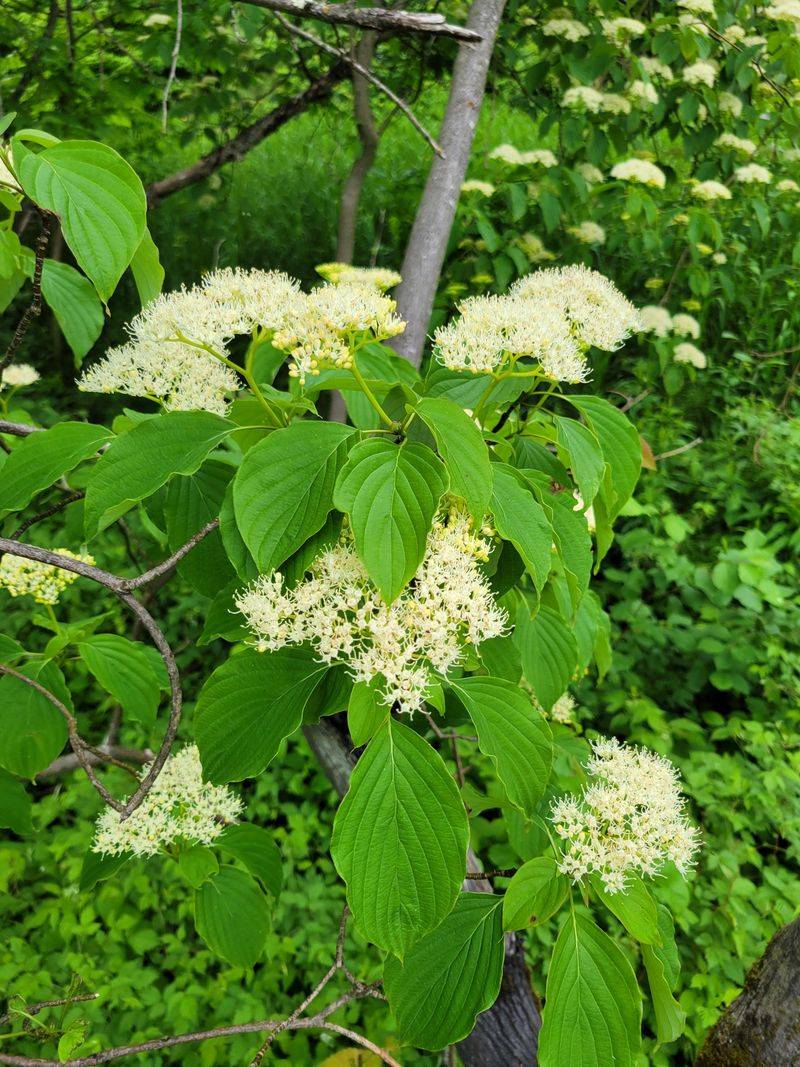
Some trees stand out because of flowers. Pagoda dogwood stands out because of structure.
Cornus alternifolia develops layered branches that look almost like stacked platforms. The shape gives the tree a unique appearance even when it is not covered in blooms.
This native Michigan tree usually grows around 15 to 25 feet tall. Its horizontal branching pattern creates a beautiful silhouette, but it also means spacing matters near utility areas. A little room around the sides helps the tree keep its natural shape.
Pagoda dogwood is especially useful for yards with partial shade. Unlike many flowering trees that demand full sun, this species naturally grows beneath larger forest trees. It appreciates filtered light and can struggle in hot, exposed locations.
The flowers arrive in late spring with creamy white clusters that attract bees and butterflies. Later, blue-black berries appear on red stems, creating a colorful snack station for birds.
Fall brings another reason to appreciate this tree. The leaves can shift into shades of burgundy and purple before dropping.
One of the nicest features is the winter look. Once the leaves disappear, the layered branches become the main attraction. The tree keeps giving even when the garden gets quiet.
Pagoda dogwood prefers moist, rich soil, but it can adapt when planted in a suitable location. Mulch around the root zone helps maintain moisture during dry periods.
This tree is a reminder that good garden design is not always about the biggest blooms. Sometimes the shape tells the story.
Pagoda dogwood keeps things interesting without trying to take over the whole neighborhood.
4. Star Magnolia Keeps Clearance Manageable
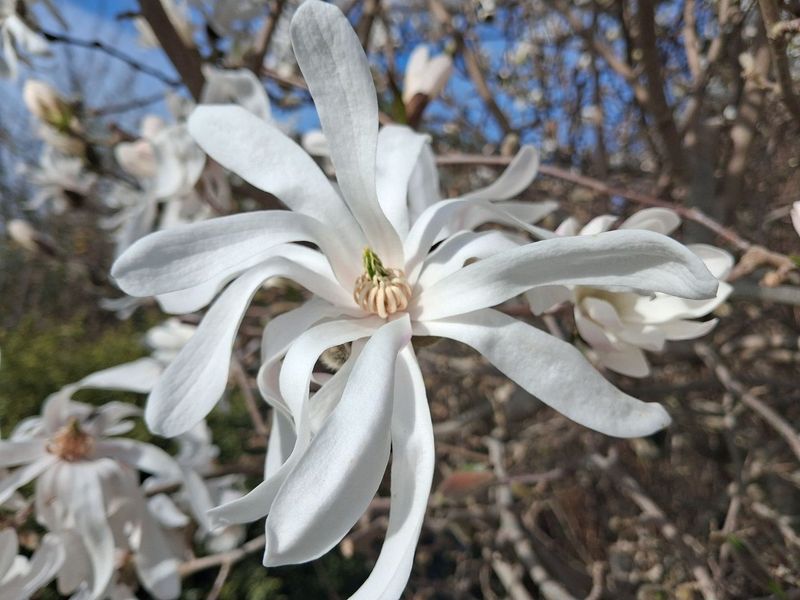
Star magnolia steals attention before most gardens are ready for spring.
The tree bursts into bloom in late winter or early spring, producing dozens of white, star-shaped flowers on bare branches. When everything else still looks sleepy, star magnolia brings a welcome preview of warmer days ahead.
Magnolia stellata usually reaches around 15 to 20 feet tall with a fairly compact spread. That smaller, rounded form makes it easier to fit into spaces where larger magnolias would create problems.
The timing of the flowers can be a little unpredictable in Michigan. Late frosts may damage open blooms, especially during early warm spells. The tree itself usually handles these temperature changes better than the flowers.
Choosing a protected location can help. A spot away from harsh winds or extreme temperature swings may give the blooms a better chance to shine.
Star magnolia prefers full sun to partial shade and performs best in moist, well-drained soil. Heavy clay or constantly wet areas can create stress, so improving drainage before planting is worth the effort.
The tree also has winter interest. Fuzzy gray buds cover the branches before flowering, adding texture during the colder months.
This is a tree you want close enough to enjoy. A spot near a walkway, patio, or front entrance lets you notice the details instead of watching the show from across the yard.
Star magnolia does not need towering height to make an impact. It simply arrives early, puts on a floral performance, and reminds everyone that spring is on the way.
5. Dwarf Crabapple Adds Color Without Towering
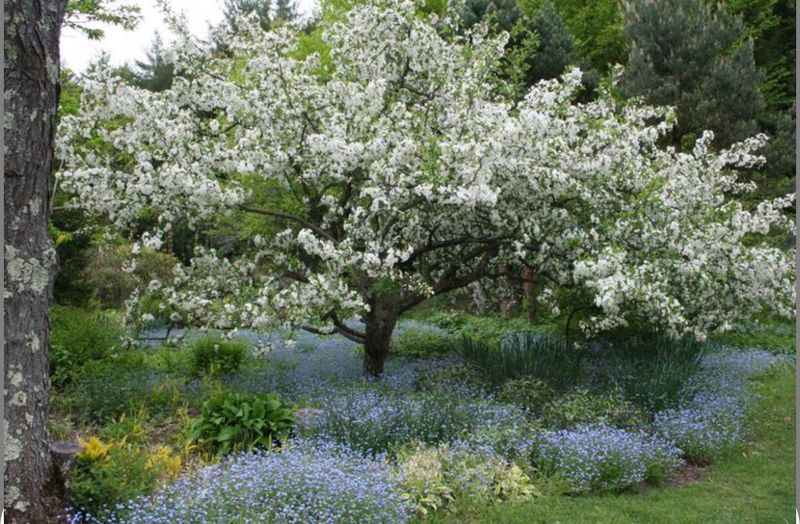
Dwarf crabapple proves that good things can come in smaller packages. This tree does not need a giant canopy to bring color, wildlife, and seasonal interest to a Michigan yard.
Many homeowners hear “crabapple” and picture a large tree that eventually creates clearance problems. That is where choosing the right variety matters.
Compact cultivars can stay around 8 to 15 feet tall, making them much easier to place near areas where overhead space is limited.
The spring display is the main attraction. Pink, white, or deep red flowers cover the branches and bring early-season energy to the landscape. Pollinators often visit during this busy blooming period, adding more movement to the garden.
Then the tree changes roles. Small fruits develop after flowering and can remain into winter. Birds such as robins and cedar waxwings may stop by for a seasonal snack.
A little research before buying makes a huge difference with crabapples. Some older varieties struggle with diseases like apple scab and fire blight.
Modern disease-resistant selections usually need less attention and stay healthier through the growing season.
Look at the plant tag carefully. The words “compact” or “dwarf” matter. A tree that stays 10 feet tall creates a very different experience from one that eventually reaches 25 feet.
Dwarf crabapples also bring fall color through their leaves and fruit. They keep the landscape interesting long after the spring flowers disappear.
For smaller Michigan yards, this tree offers a nice balance. It brings the personality of a larger ornamental tree while keeping its growth habits more polite. A little tree with good manners is always welcome near power lines.
6. Japanese Tree Lilac Fits Tight Spaces
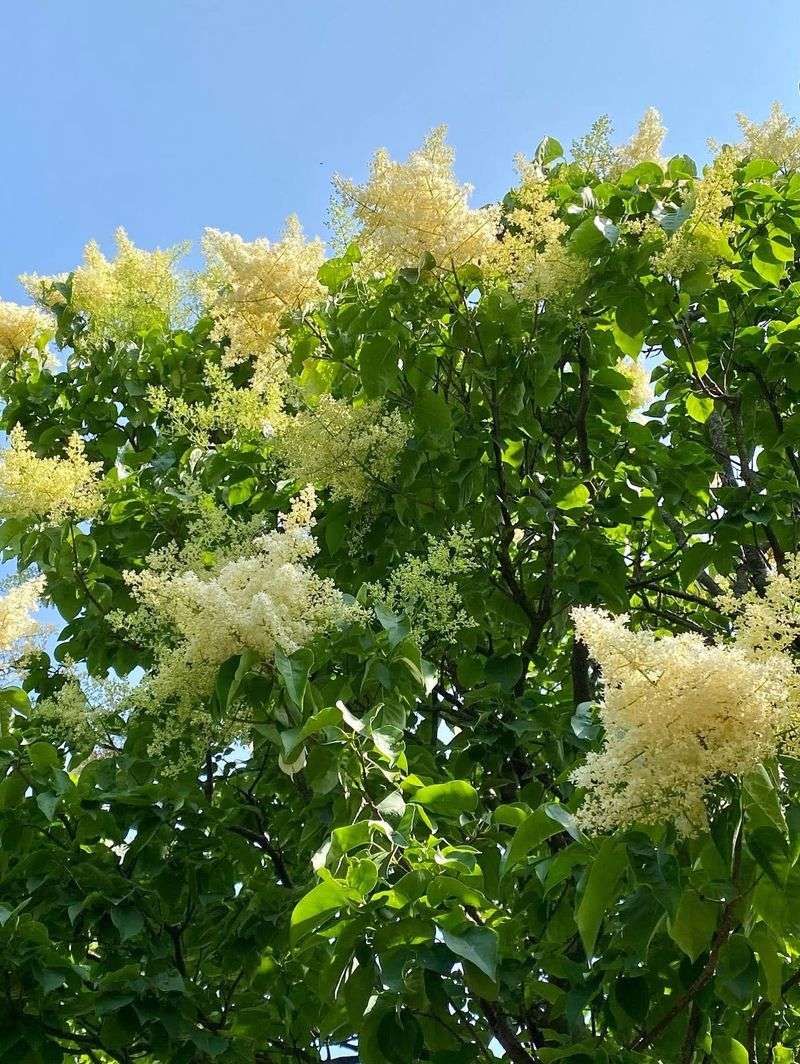
Most lilacs finish their main performance in spring. Japanese tree lilac waits and brings its own late-season encore.
Syringa reticulata blooms in early summer with large clusters of creamy white flowers. The scent is lighter than traditional shrub lilacs, but the timing makes it special because many other flowering trees have already finished.
This tree usually grows around 20 to 30 feet tall, depending on the variety. Its upright, oval shape helps it fit better into tighter spaces than many wide-spreading trees.
The popular ‘Ivory Silk’ cultivar often stays closer to the smaller side and is a favorite for residential landscapes.
The biggest advantage is the shape. Japanese tree lilac tends to grow upward instead of spreading wildly in every direction. That makes planning around nearby structures much easier.
It also handles challenging urban conditions better than many ornamental trees. Road salt, compacted soil, and heat from pavement are problems that affect many plants, but Japanese tree lilac often adapts well.
Full sun brings the strongest flowering. Good drainage also matters because constantly wet soil can create root problems.
The tree offers interest beyond summer blooms. Its reddish-brown bark adds texture during winter, giving the landscape something to look at even after leaves fall.
For homeowners near utility areas, this tree offers a useful combination. It stays relatively controlled, produces a beautiful flower show, and does not demand constant pruning.
Japanese tree lilac is proof that timing matters. Sometimes the best garden performer is the one that waits until everyone else leaves the stage.
7. Thornless Hawthorn Works Beneath Higher Wires
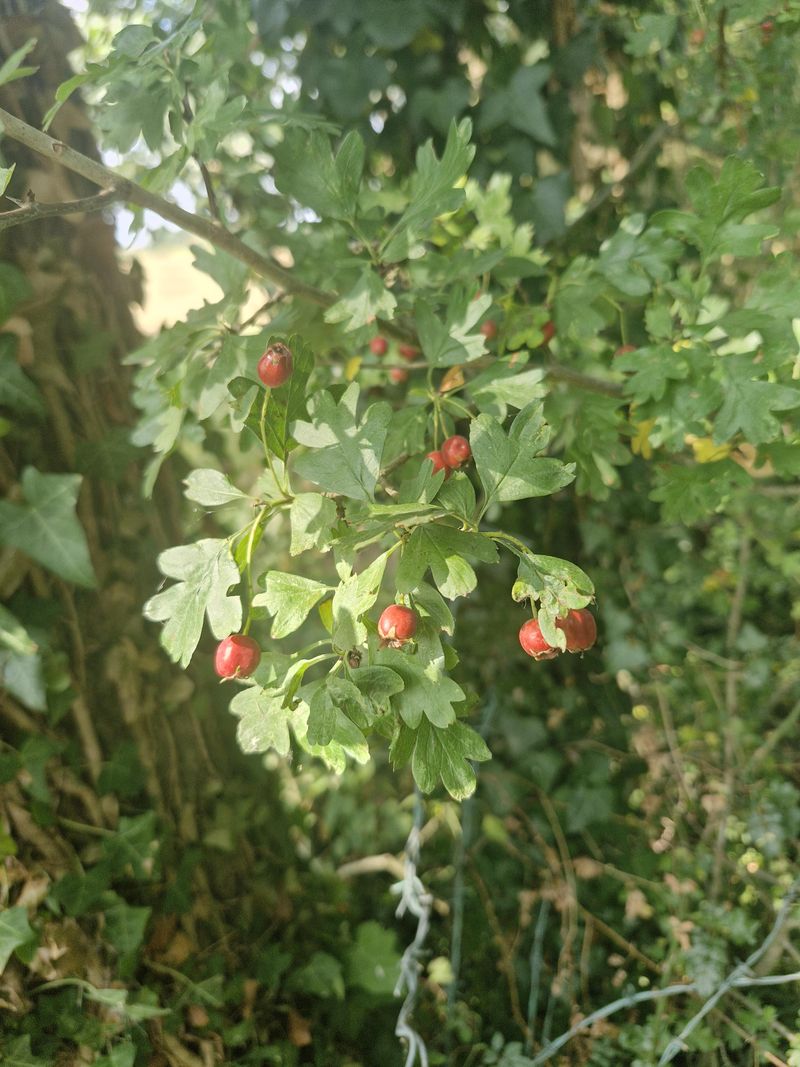
Hawthorns have a complicated reputation. They can be beautiful landscape trees, but some varieties bring sharp thorns and larger growth habits that are not ideal near utility areas.
Thornless selections offer a better option for homeowners looking for a smaller tree with seasonal interest.
Certain cultivars stay around 15 to 25 feet tall and produce spring flowers, colorful berries, and wildlife value without the same maintenance concerns as thorny varieties.
In spring, clusters of white or pink flowers cover the branches. Pollinators visit these blooms, making the tree useful for supporting backyard wildlife.
The show continues later in the year. Bright red or orange berries appear in fall and often remain into winter. Birds appreciate this food source when other options become harder to find.
Choosing the right variety is the key step. Hawthorns can vary widely in size, disease resistance, and growth habits. A quick conversation with a local nursery can prevent choosing a tree that eventually outgrows the space.
Disease resistance also matters. Some hawthorn varieties are more vulnerable to problems like rust and fire blight. A healthier selection means less maintenance and a better-looking tree.
Hawthorns prefer full sun and can handle many Michigan soil types once established. They often tolerate conditions that challenge more delicate ornamental trees.
The branching structure creates a strong winter silhouette too. After the leaves drop, the tree still adds shape to the landscape.
A thornless hawthorn is a good example of smart tree selection. It keeps the beauty, reduces the hassle, and avoids turning your yard into a tiny obstacle course.
8. Smoketree Keeps Growth Well Below Lines
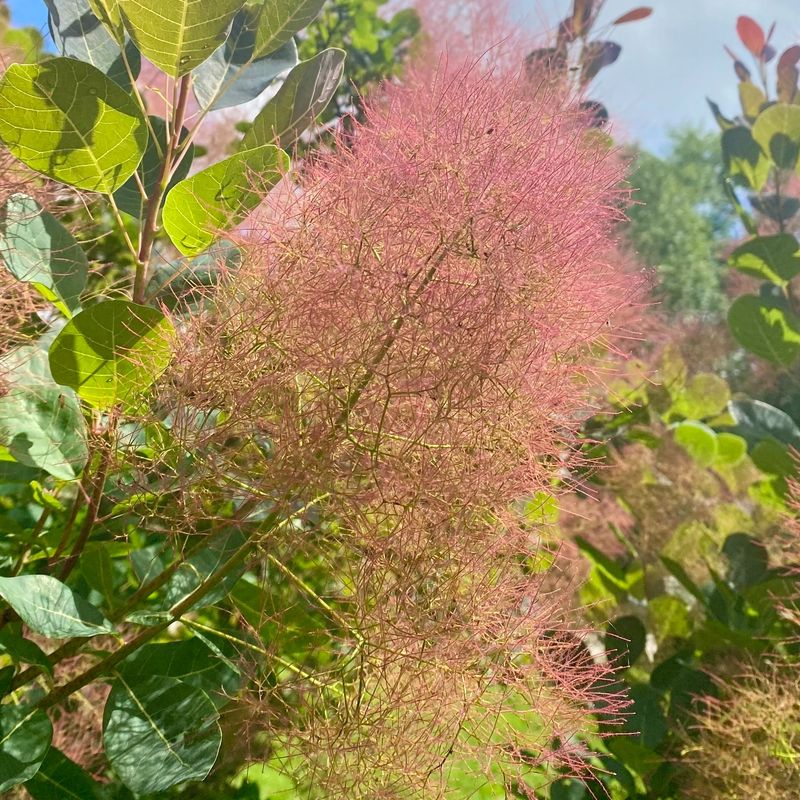
Smoketree does not blend into the background. It arrives with a little drama.
This unusual tree gets its name from the soft, smoky clouds that appear after flowering. The fuzzy clusters create a hazy effect that makes the plant look almost like it is surrounded by a gentle mist.
Cotinus coggygria usually stays around 10 to 15 feet tall when grown as a small tree form. That compact size makes it useful for areas where a large shade tree would become difficult to manage.
The flowers themselves are tiny. The real show comes from the long, fluffy clusters that develop afterward. They create texture and movement through summer when many other plants are simply holding steady.
Smoketree also brings strong foliage color. Purple-leaved varieties add rich tones throughout the growing season, while fall can bring shades of orange, red, and yellow.
The biggest requirement is sunlight. Smoketree performs best in full sun, especially when grown for strong color and dense growth. It prefers well-drained soil and does not enjoy constantly wet conditions.
This tree is also fairly comfortable with dry conditions once established. That makes it useful in spots where watering is not always convenient.
Place smoketree where evening light can reach the leaves and flower clusters. The changing colors become much more noticeable when the sun hits them.
Smoketree shows that utility-friendly trees do not have to be boring. A smaller tree can still create a conversation piece without challenging every wire above it.
Sometimes the best tree choice is the one that knows how to stand out while staying in its lane.