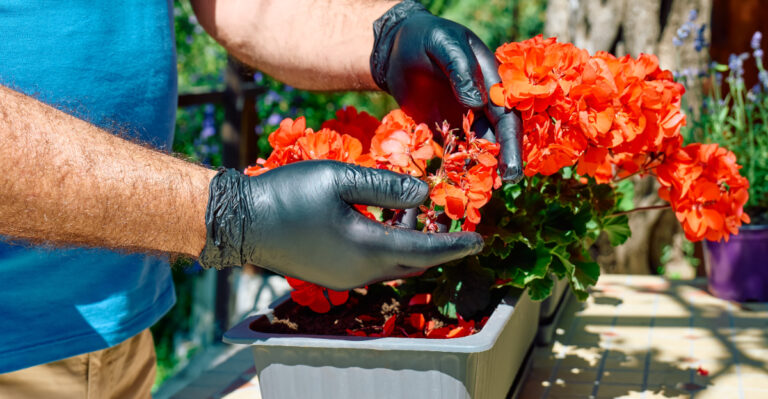
Why Michigan’s Dry Fall Could Hurt Your Trees Next Spring
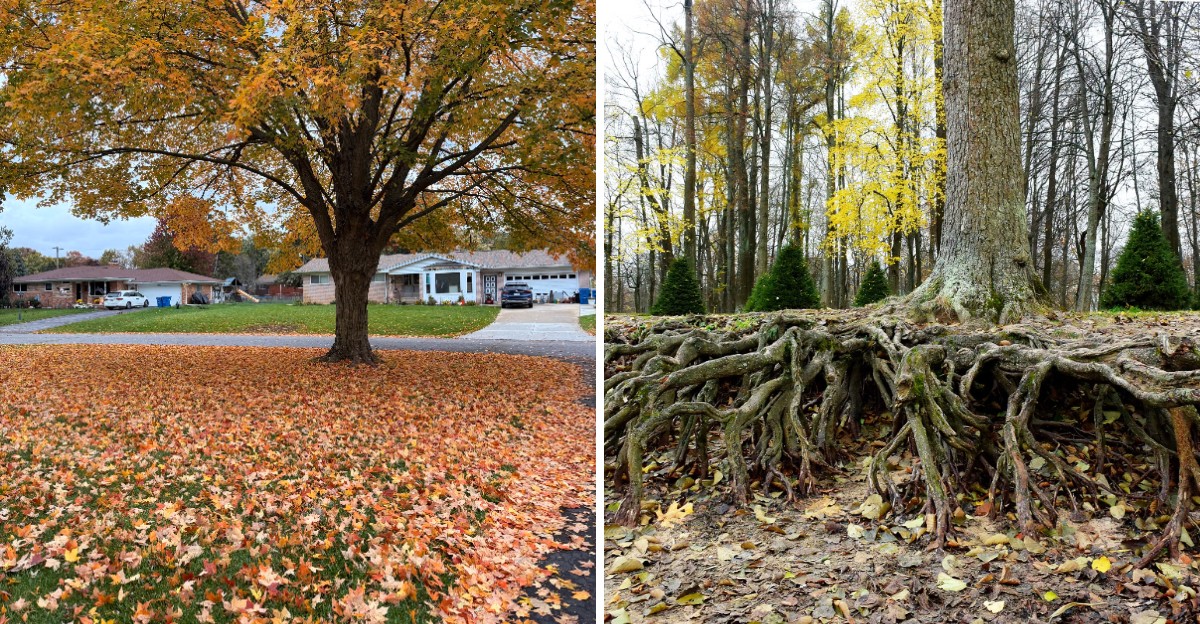
Your trees can lose water all winter long. Evergreen needles release moisture on sunny, windy days in January. The frozen ground holds back any refill.
I find that fact a little wild. Leaves drop and branches go still, yet roots keep growing in cool fall soil. They need water for that job.
Here in Michigan, a dry autumn sends many trees into winter already thirsty. The damage stays hidden for months. Personally, I check my soil now instead of waiting for brown needles in April.
Your yard might look calm and tidy right now. So what is really going on under that crunchy layer of leaves?
1. Trouble From A Thirsty Autumn Often Hides Until April
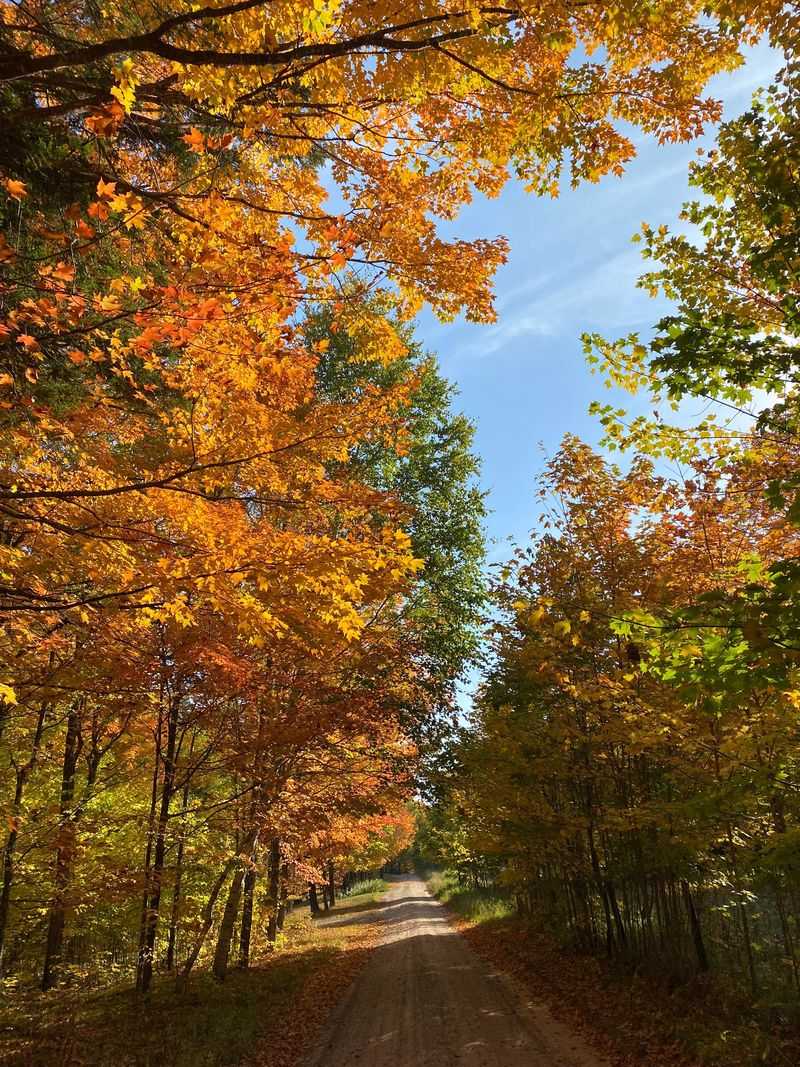
Trees are patient storytellers. They often show stress months after the actual problem happened. A dry October might not show up on your maple until next May.
Arborists call this a lag effect. Leaves are already gone in fall, so there are few clues to read. Roots and buds take the hit quietly, and nobody notices until spring growth looks weak.
Many Michigan homeowners assume fall rain does not matter much. After all, the tree is going dormant, right? In reality, autumn is when trees store energy and set up buds for the next season.
Dry soil during this window can lead to fewer buds, thinner canopies, and slow leaf-out. Young trees planted in the last few years feel it most. Their root systems are small and shallow, so they dry out fast.
The tricky part is that a stressed tree can look fine in November. Bark looks normal and branches seem healthy. That calm appearance fools plenty of gardeners.
My advice is simple. Watch your local rainfall totals in September and October. If your area got less than an inch a week, your trees probably need some help before winter settles in.
2. Roots Keep Growing Long After The Leaves Drop
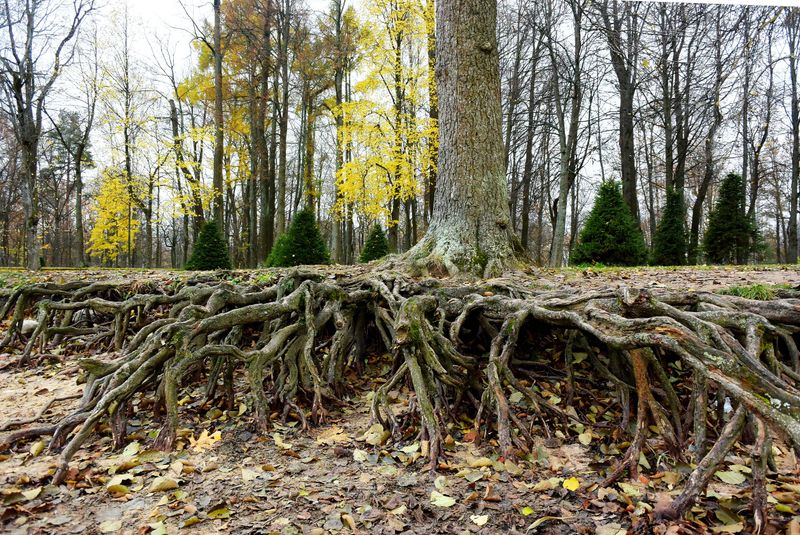
Down below, autumn is busy season. Tree roots often keep growing until the soil drops to around 40 degrees. In much of Michigan, that can stretch into late November.
The workers doing most of the job are tiny feeder roots. They sit mostly in the top 12 to 18 inches of soil. Many are thinner than a strand of spaghetti.
These fine roots soak up water and nutrients. They are also delicate. When soil gets too dry, many of them shrivel and stop working.
Losing feeder roots in fall is a real setback. The tree has to regrow them in spring before it can drink well again. Meanwhile, buds are opening and asking for water.
Sandy soils, common in west Michigan and parts of the north, dry out faster than clay. Trees growing there may feel a dry fall sooner. Trees near driveways and sidewalks also struggle, since pavement heats up and blocks rain.
A quick test helps. Push a screwdriver into the soil near the drip line. If it slides in easily, moisture is decent, but hard, crumbly ground means roots are thirsty.
3. Evergreens Get Thirsty Even In The Middle Of Winter

Ever notice how chapped your lips get in January? Evergreens deal with something similar. Their needles keep releasing water all winter, especially on sunny and windy days.
The problem comes when the ground is frozen. Roots cannot pull up water from icy soil. So the tree loses moisture with no way to refill it.
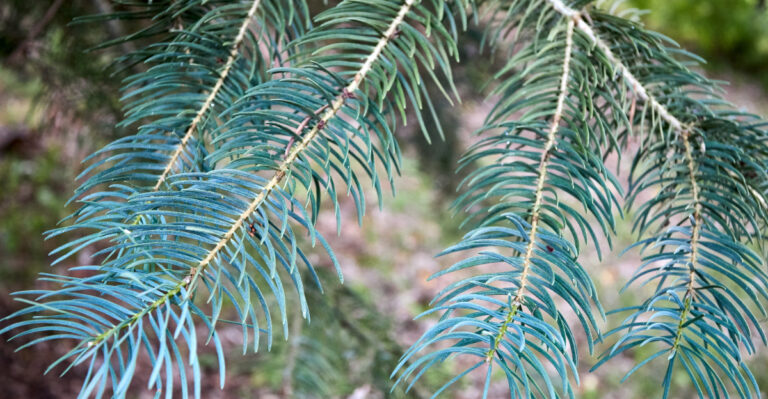
Experts call this winter desiccation. Arborvitae, yews, boxwood, and white pine are common victims across Michigan. Trees on the south or west side of a house often suffer more because of extra sun and wind.
A dry fall makes this much worse. If the tree enters winter with low water reserves, it has less to spare. Even a short warm spell with strong winds can tip it over the edge.
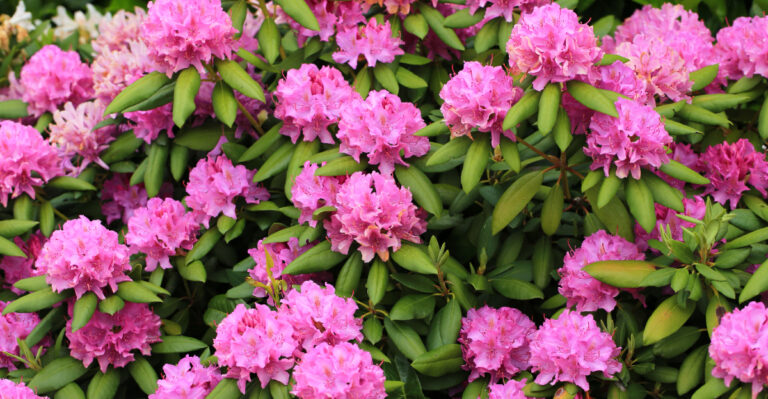
Broadleaf evergreens like rhododendrons show it too. Their leaves curl tight on cold days to save water. That curling is a normal defense, but extra stress from dry soil can still leave scorched edges.
Giving evergreens a deep soak before freeze-up is one of the best gifts you can offer. Think of it as filling their water bottle before a long hike.
4. Cold Hardiness Takes A Hit When Soil Stays Dry
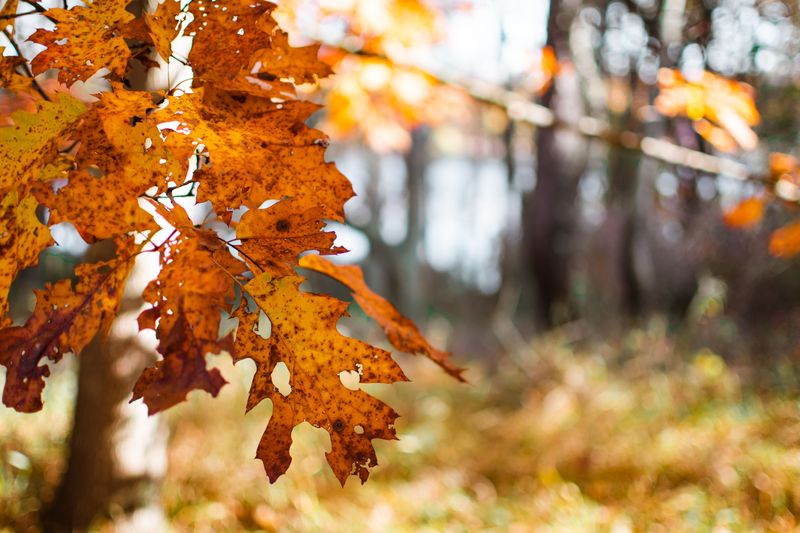
Getting ready for winter is a slow process for a tree. Over several weeks, its cells change their chemistry. Sugars build up, water moves around, and tissues toughen against freezing.
Scientists call this hardening off, or acclimation. It works best when the tree is healthy and well-watered. Drought stress can interfere with the whole routine.
When a tree lacks water, it struggles to make and store the energy it needs. Fewer stored carbohydrates mean weaker defenses. Buds, twigs, and even the thin layer under the bark become more likely to suffer cold injury.
Michigan winters are famous for wild swings. A mild week can be followed by a sudden plunge below zero. Trees with poor reserves handle those surprises badly.
Stored energy also fuels the first burst of spring leaves. A tree that went into winter short on supplies has less to spend. You might see that later as sparse or slow growth.
Fun fact: some northern trees can survive temperatures far below zero thanks to this hardening process. Water in fall helps them reach that impressive level of toughness.
5. Spring Might Bring Brown Needles And Slow Leaves
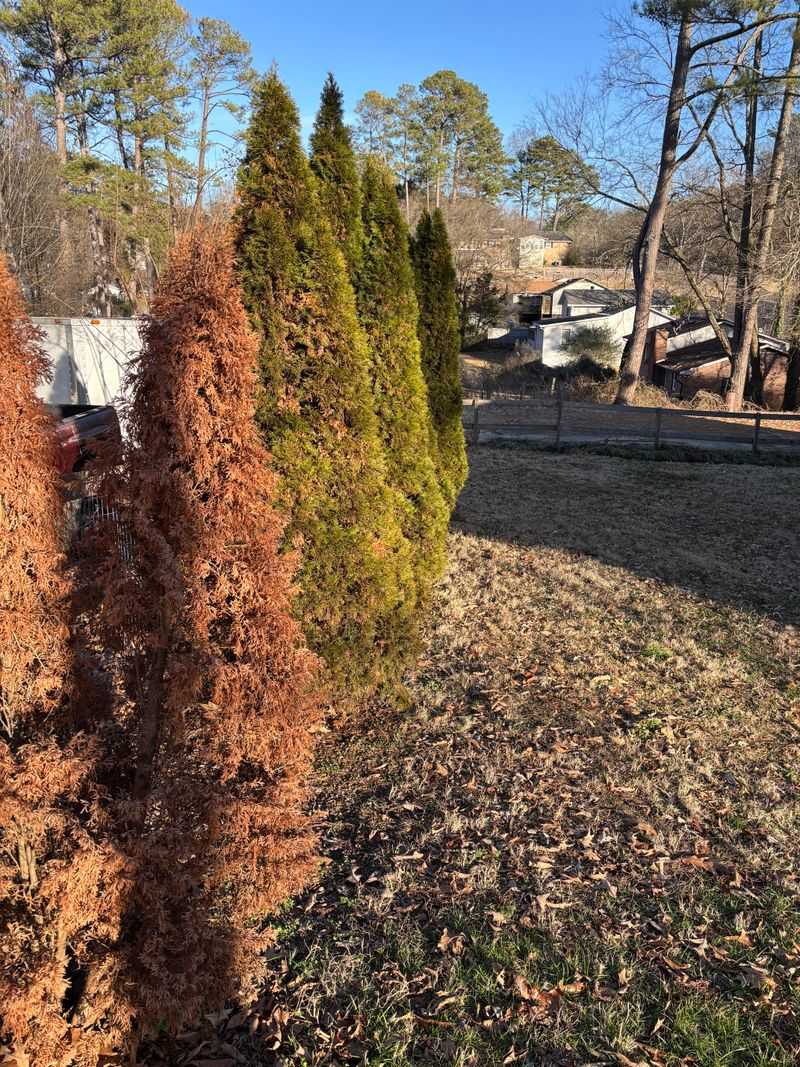
April arrives, the snow melts, and suddenly your arborvitae has a rusty orange side. Sound familiar? That browning is the classic sign of winter burn.
Damage usually appears on the side facing sun or wind. Needle tips turn brown first, and sometimes whole branches follow. Pines and spruce may show yellow or reddish needles near branch ends.
Deciduous trees give different clues. Watch for buds that open late or not at all. Leaves may come out smaller than usual or look pale and thin.
Some trees push out leaves, then wilt during the first warm stretch. Others show scorched edges by early summer. Branch dieback at the top of the crown is another warning sign.
Do not rush to prune. Give the tree until late May or early June to wake up. Many brown evergreens still have living buds that will send out fresh growth.
To check a twig, scratch the bark lightly with your fingernail. Green underneath means it is alive. Brown and brittle means that section is gone, and you can trim it back to healthy wood.
6. A Slow, Deep Soak Before Freeze-Up Makes A Real Difference
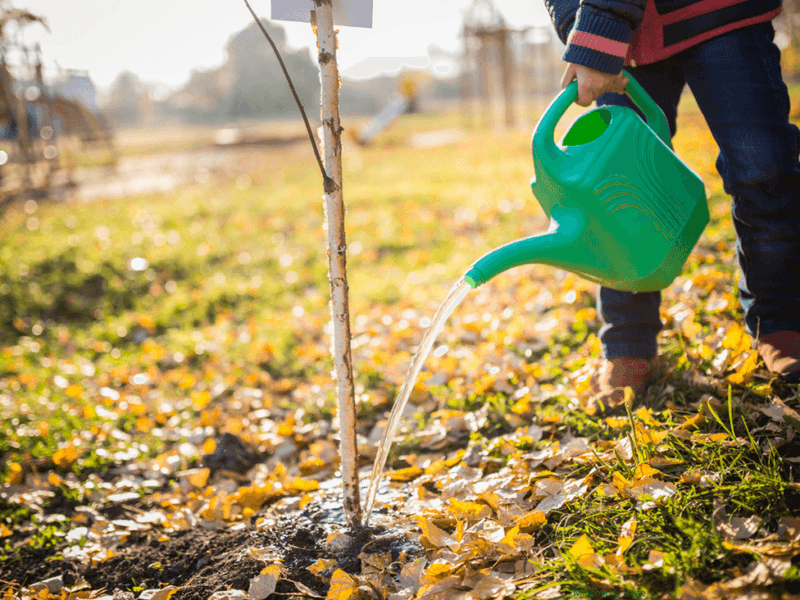
Honestly, a garden hose might be your best fall tool. Watering trees before the ground freezes is the top step experts recommend after a dry autumn. The goal is moisture that reaches deep into the root zone.
Aim for roughly 10 gallons per inch of trunk diameter each week when rain is lacking. A tree with a 3-inch trunk would need about 30 gallons. Spread that water around the drip line, not just at the trunk.
Slow is best. Use a soaker hose, a gently running hose, or a tree watering bag. Let it run until the top 12 inches of soil feel damp.
Water on days above 40 degrees, ideally in late morning. That gives water time to soak in before nighttime cold. Keep going every week or two until the ground freezes solid.
In southern Michigan, that may mean watering into late November. Up north and in the Upper Peninsula, freeze-up comes sooner, so start earlier.
Newly planted trees and evergreens get first priority. Big, established shade trees benefit too, especially after a long dry spell.
7. Mulch Gives Roots A Snug Winter Blanket
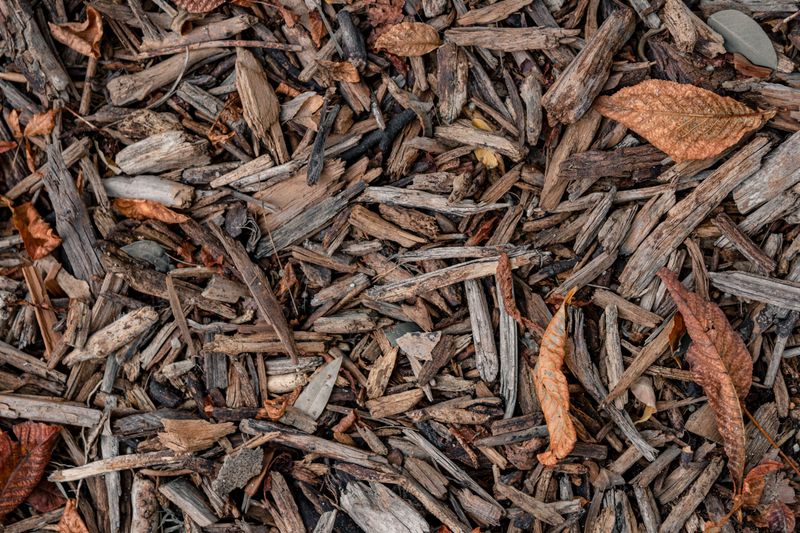
Mulch is like a cozy quilt for tree roots. A ring of wood chips or shredded bark helps hold moisture in the soil. It also keeps soil temperatures steadier through freezing and thawing.
Spread mulch 2 to 4 inches deep. Cover as wide an area as you can, ideally out toward the drip line. A circle 3 to 6 feet across works well for most young trees.
Keep mulch a few inches away from the trunk. Piling it up against bark, often called a mulch volcano, invites rot, pests, and rodents. Picture a donut shape, not a cone.
Fall is a smart time to refresh old mulch. Water deeply first, then spread mulch on top to lock that moisture in. Shredded fall leaves make a free and useful option too.
Mulch also cuts down on lawn competition. Grass roots grab water fast and leave less for the tree. Clearing that space around the trunk gives roots more breathing room. One wheelbarrow of mulch might be the cheapest tree insurance you buy all year.
8. A Little Fall Care Now Builds Tougher Michigan Trees For Years
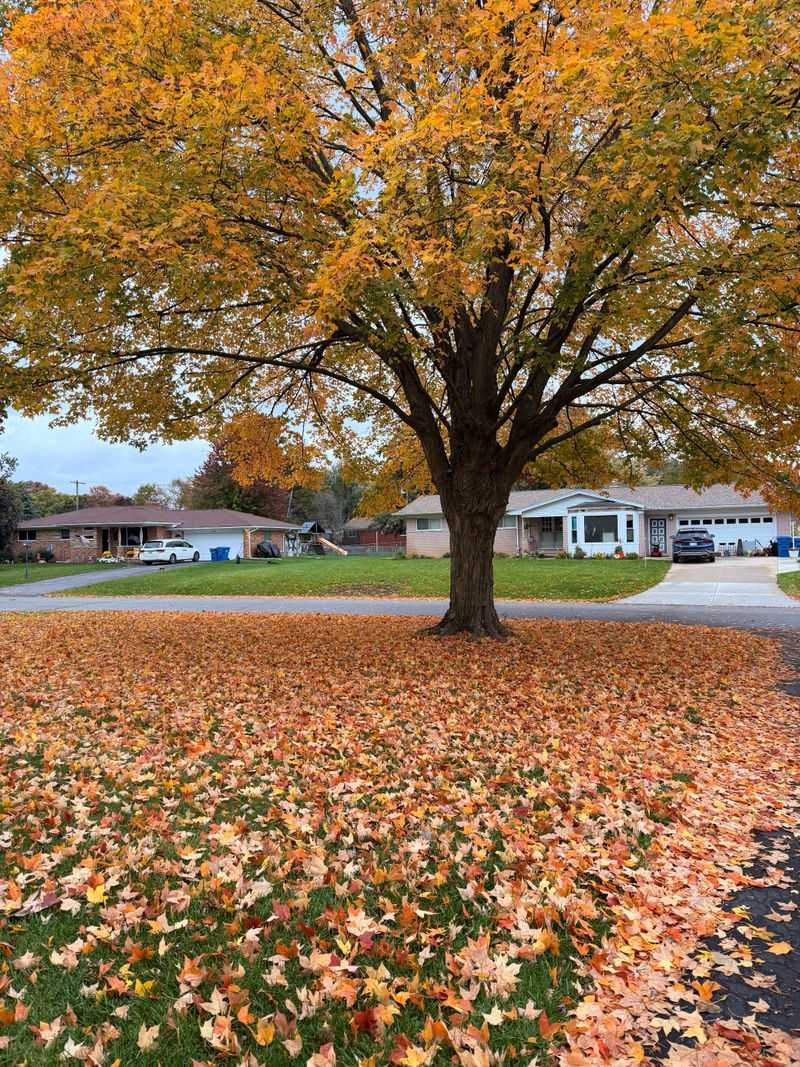
Strong trees are built over many seasons. Each year of good care adds to their strength. Each stressful year chips away a bit.
Trees weakened by drought are more likely to attract insects and disease. Borers and canker fungi often target stressed wood. A healthy, well-watered tree usually fights them off better.
That makes fall care part of a bigger plan. Water during dry spells, keep mulch fresh, and avoid heavy fertilizing late in the season. Late fertilizer can push tender growth that frost damages.
Wrapping evergreens in burlap can help in windy spots. Set up a screen on the windward side rather than wrapping tightly. Anti-desiccant sprays exist too, though research on them shows mixed results.
Keep notes on how your trees look each spring. Patterns help you spot problems early. A certified arborist can also check trees that seem to be in decline.
Michigan weather keeps changing, with dry falls and wild winter swings showing up often. Your trees cannot move to a better spot. A few buckets of water and some mulch this fall can give them a much brighter start next spring.