What Cooling Nights Mean For Brown Patch And Chinch Bug Risk In Arkansas Lawns
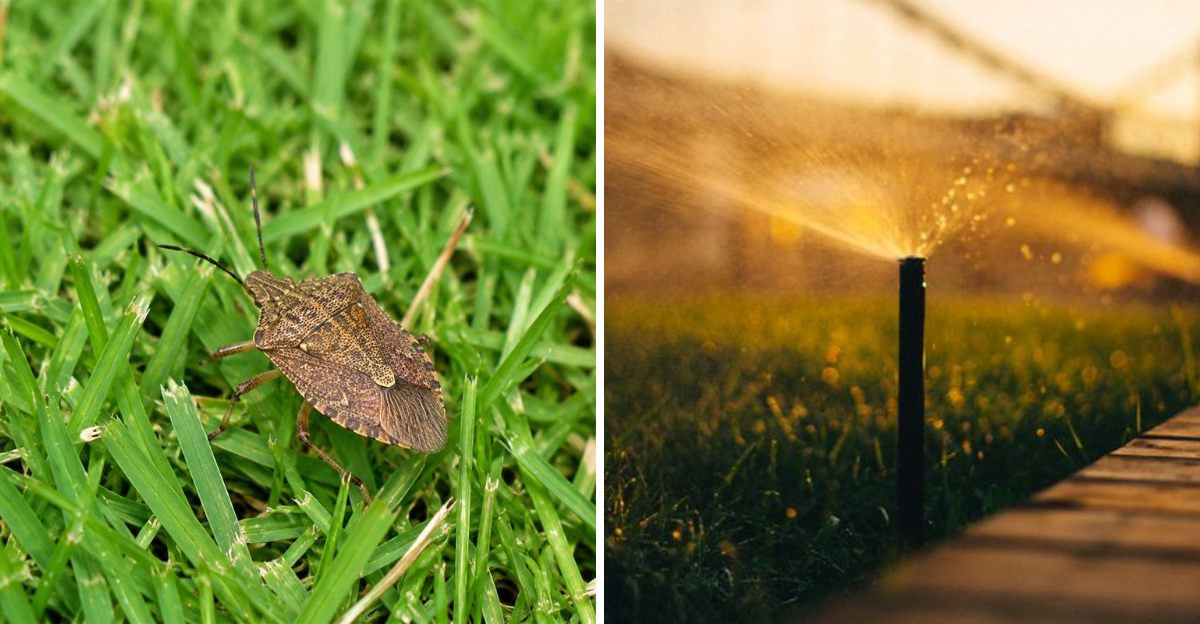
Temperatures drop fast, and your lawn starts quietly facing changes you cannot see clearly. Nighttime chill feels harmless, but it triggers a hidden shift underground. Fungus spreads fastest where warm days meet cool, damp nights.
Chinch bugs notice the shift and retreat toward thinning grass for cover. Arkansas lawns face both issues at once during this transition. Homeowners rarely notice change until brown patches spread quickly across entire sections.
Grass blades soften while roots lose their grip on moisture. Cool nights create ideal conditions for fungal spores you simply cannot smell. Meanwhile, chinch bugs thrive in thatch, drawing moisture from blades.
Weather patterns across Arkansas make early detection tricky without warning. Waiting costs you time, attention, and eventually your entire lawn. Every degree shift changes strategy, timing, and treatment choices fast.
Nothing about this season stays predictable. You need to know exactly what’s coming before your yard changes for good.
1. Cooler Temps Slow Chinch Bug Activity Gradually
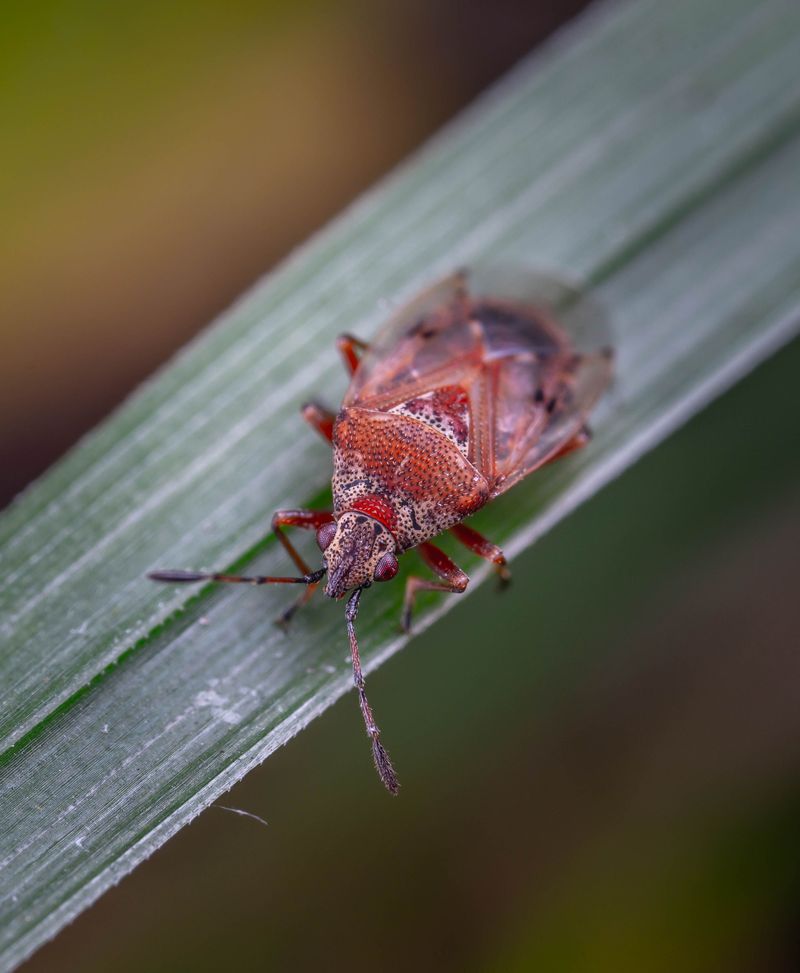
Chinch bugs are highly active in summer heat, and Arkansas lawns know it well. These tiny insects generally become most active once temperatures climb into the eighties, feeding on grass blades.
They spread damage fast, often before you notice anything wrong. Yellow patches appear seemingly overnight once populations surge across a stressed lawn.
As nights in Arkansas begin cooling down, chinch bug metabolism slows noticeably. Their feeding activity drops, and movement across your turf becomes sluggish and inconsistent.
They start seeking shelter rather than spreading aggressively through open sections. This shift feels like relief, but it only tells part of the story.
This gradual slowdown does not mean chinch bugs disappear entirely from your lawn. They hide deep in thatch layers and soil, waiting out cooler stretches patiently.
Warm afternoons still trigger bursts of renewed feeding activity near sunny edges. Homeowners sometimes mistake this pause for a genuine, lasting victory over pests.
The bugs remain present, dormant only until conditions favor them again. Temperatures climbing back into the eighties during an Indian summer stretch can reactivate feeding almost instantly.
Checking your lawn edges and sunny patches stays smart throughout early fall. These warm microclimates hold heat longer, letting chinch bugs feed weeks past the first frost warning.
Brown patch and chinch bug risk shifts constantly with every temperature swing across Arkansas. Staying alert during these transitional weeks prevents unpleasant surprises later.
Scouting your lawn weekly, even as temperatures drop steadily, matters more than most homeowners realize. Catching a late-season flare-up early keeps small problems from becoming expensive, winter-long repairs.
2. Extended Dew Periods Raise Brown Patch Risk
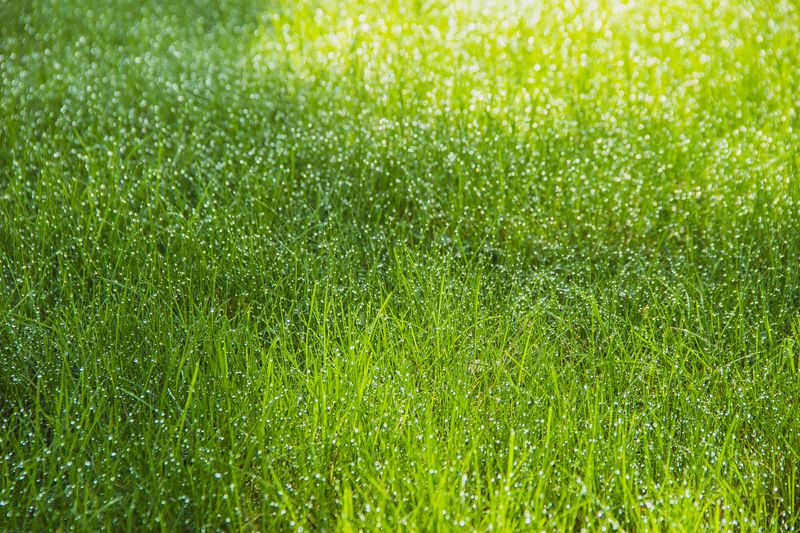
Morning dew is beautiful until it starts wrecking your lawn. Extended dew periods are one of the biggest drivers behind brown patch outbreaks in Arkansas during fall transition. Few homeowners realize how much this single factor influences fungal spread.
When nights cool down, moisture condenses on grass blades and stays there longer. The dew simply has no warm sun to evaporate it quickly during early morning hours. Grass blades stay saturated well into the day, creating conditions fungus depends on entirely.
Your Arkansas Garden Changes Every Week. Your Plan Should Too.
Gardening in Arkansas changes quickly throughout the season. Every Friday you’ll receive a simple weekly plan showing exactly what to plant, prune, fertilize, harvest, and protect so you never miss the right timing.
Brown patch fungus, caused by Rhizoctonia solani, absolutely loves this kind of prolonged surface wetness. Spores tend to germinate quickly when leaf blades stay wet for an extended stretch overnight, often six hours or more.
Tall fescue lawns across central and northern Arkansas are especially vulnerable during this window.
Fescue blades hold moisture longer than warm-season grasses, giving the fungus extra time to establish itself firmly. This makes fescue lawns a frequent target each fall.
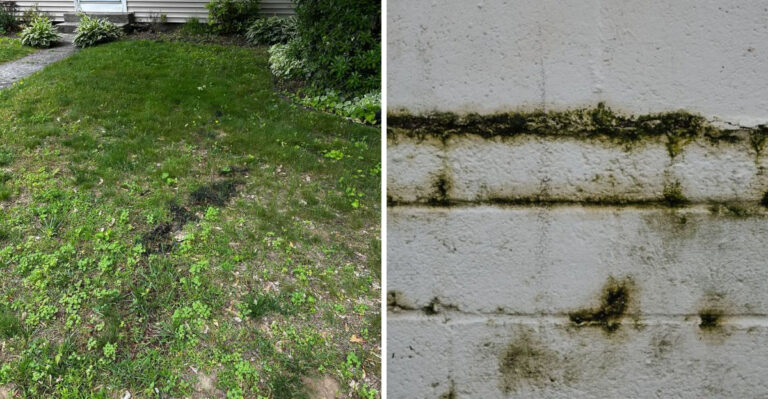
Homeowners often notice circular, tan-colored patches appearing seemingly overnight without warning.
Those patches are the fungus spreading outward from a central infection point during cool, dewy conditions. Left unchecked, these rings widen and merge into larger damaged areas.
Improving air circulation around your lawn helps reduce dew retention significantly. Trimming nearby shrubs and trees allows better airflow, which speeds up drying considerably. This single adjustment shortens the fungal infection window noticeably.
Brown patch and chinch bug risk in Arkansas lawns is heavily tied to moisture management. Keeping dew periods short through smart landscaping choices makes a measurable difference every single fall season.
3. Nighttime Moisture Lingers Longer On Grass Blades
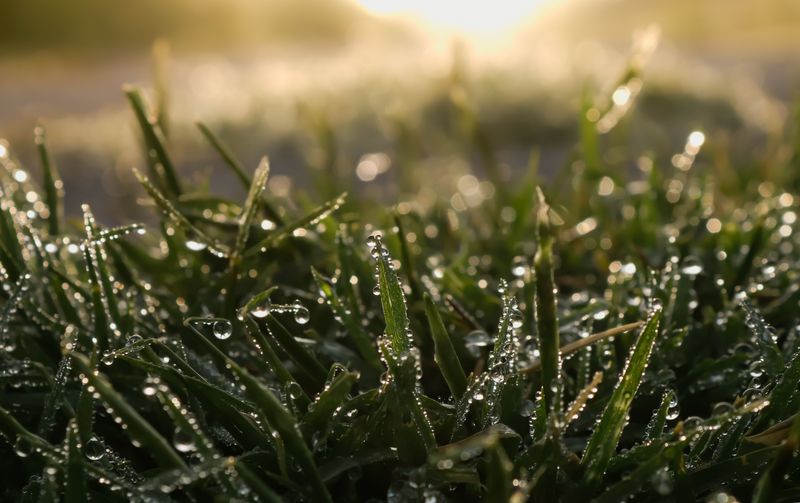
There is something almost magical about a dewy lawn at sunrise. Unfortunately, that lingering moisture is exactly what brown patch fungus feeds on during Arkansas fall mornings.
As nighttime temperatures drop, the air loses its ability to hold water vapor efficiently. That moisture falls onto grass surfaces and clings there, sometimes for hours after sunrise. Blades stay damp long past the point where fungal spores can safely germinate.
Grass in shaded areas or densely planted zones stays wet even longer. Shade slows evaporation dramatically, creating prolonged conditions favorable to fungal growth. Poor airflow only makes this problem worse throughout the entire fall season.
Warm-season grasses like bermuda and zoysia handle this shift better than cool-season types. Their leaf structure sheds moisture more efficiently, shrinking the window where fungal spores can establish.
This natural resilience gives warm-season lawns a real advantage each fall. Tall fescue, a popular choice in northern Arkansas, struggles more with lingering moisture. Its wider blades catch and hold water, making it a prime target for brown patch outbreaks.
Fescue owners should pay closer attention as temperatures continue dropping. Adjusting your irrigation schedule is one of the smartest moves you can make right now. Watering early morning, rather than evening, gives grass more time to dry before nightfall arrives.
This simple timing shift reduces fungal risk considerably over time. Nighttime moisture management remains central to reducing brown patch and chinch bug risk across Arkansas lawns. Small timing changes in your watering routine protect turf all season long.
4. Fungal Growth Thrives In Humid, Cool Conditions
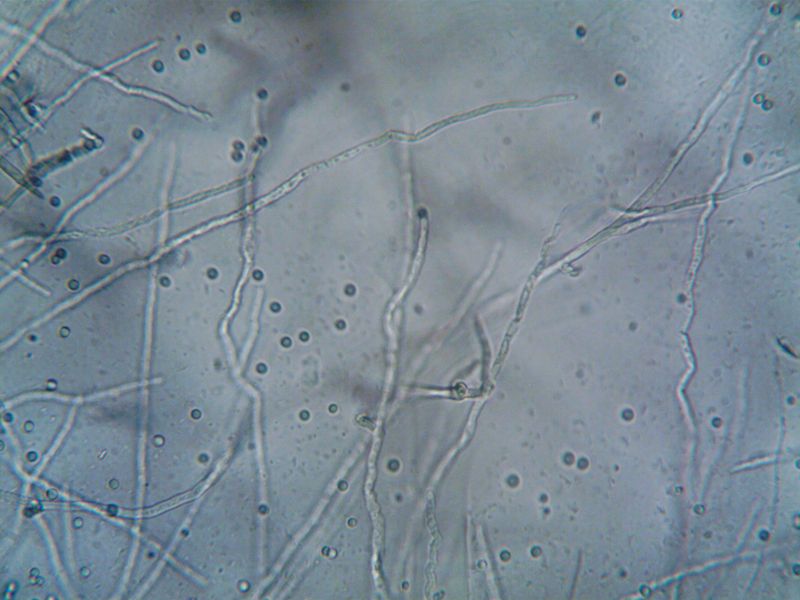
Fungus does not require heat to spread. Brown patch tends to be most aggressive when nighttime temperatures fall into the 60s and low 70s with high humidity present.
Arkansas falls hit that sweet spot almost perfectly. Warm days followed by cool, humid nights create ideal conditions for Rhizoctonia solani to spread rapidly across susceptible turf.
The fungus spreads through mycelium, thread-like strands that move from blade to blade in wet conditions. You might even spot a white, cottony growth at patch edges during heavy infection periods.
High nitrogen levels in the soil make this worse. Grass that received heavy fertilization in late summer grows lush and tender, making it far easier for fungal infections to penetrate leaf tissue.
Limiting late-season nitrogen applications on fescue lawns is a commonly recommended strategy to reduce fungal susceptibility.
Fungicide applications can help if timed correctly. Preventive treatments applied before symptoms appear work far better than curative sprays applied after large patches have already formed across your yard.
Managing soil nutrition and moisture together is the real solution. Healthy, balanced turf resists fungal threats far better than overfed, overwatered grass struggling through a humid Arkansas fall season.
5. Reduced Heat Stress Lowers Chinch Bug Damage
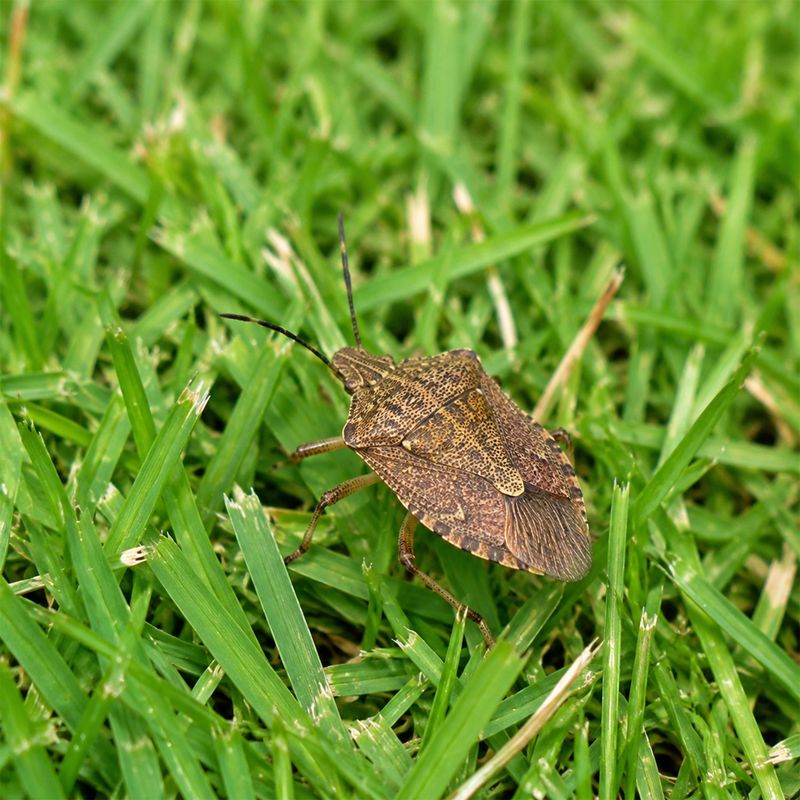
Summer heat in Arkansas is intense, and lawns show visible stress. Heat stress weakens grass significantly, making it far easier for chinch bugs to cause widespread, visible damage during peak season.
As nights cool and daytime highs ease off their summer peak, stressed grass typically begins recovering. Root systems strengthen, and the turf develops better natural defenses against insect feeding pressure.
Chinch bugs exploit heat-stressed grass because weakened turf cannot replace damaged tissue fast enough. Cooler conditions shift that balance back in the lawn’s favor as fall approaches.
Bermuda and zoysia lawns often show noticeable recovery once temperatures moderate, provided the damage was heat stress rather than unresolved pest or fungal activity.
Patches that appeared severely damaged in August sometimes fill back in during September once conditions improve.
This recovery window is also a good time to assess actual chinch bug damage versus heat stress alone. The two look similar, but recovery patterns after cooling reveal which problem was truly responsible.
Pulling back irrigation slightly during this recovery period also helps. Overwatering a recovering lawn encourages shallow roots and fungal problems, which complicates the turf’s ability to bounce back fully.
Understanding the difference between pest damage and environmental stress is genuinely empowering. Cooler nights give your lawn a fighting chance, and knowing that helps you make smarter care decisions all fall long.
6. Shorter Days Shift Lawn Vulnerability Patterns
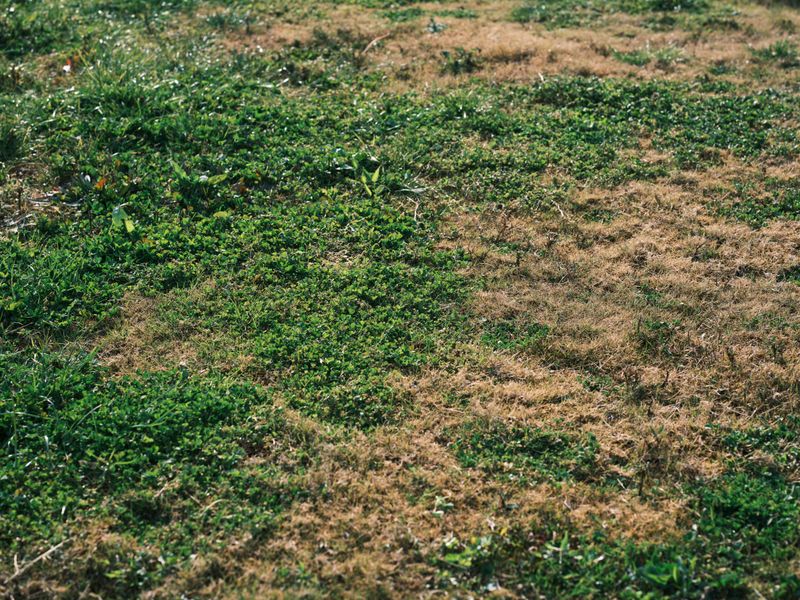
Shorter days do more than signal sweater weather. Reduced sunlight hours change how your lawn processes energy, recovers from stress, and defends itself against both fungal and insect threats.
Grass relies on photosynthesis to generate the energy needed for root growth and tissue repair. Fewer daylight hours mean less energy production, leaving turf slightly more vulnerable to outside pressures.
Cool-season grasses like tall fescue actually gain strength as days shorten in fall. Their growth cycle is triggered by cooler temps and shorter photoperiods, making fall their prime recovery season.
Warm-season grasses like bermuda begin slowing down noticeably. As they enter pre-dormancy, their ability to resist chinch bug feeding and brown patch infection gradually decreases week by week.
Shaded lawn areas become more problematic as the sun angle drops lower in the sky. Areas that received decent sun in summer may now stay shaded most of the day, raising moisture and fungal risk.
Mapping your lawn’s sun and shade patterns in fall is genuinely useful. Knowing which zones are newly shaded helps you target preventive fungicide or aeration treatments where they matter most.
Brown patch and chinch bug risk in Arkansas lawns shifts as the calendar turns. Shorter days are a reliable signal to adjust your lawn care strategy before problems show up uninvited.
7. Temperature Swings Weaken Grass Disease Resistance
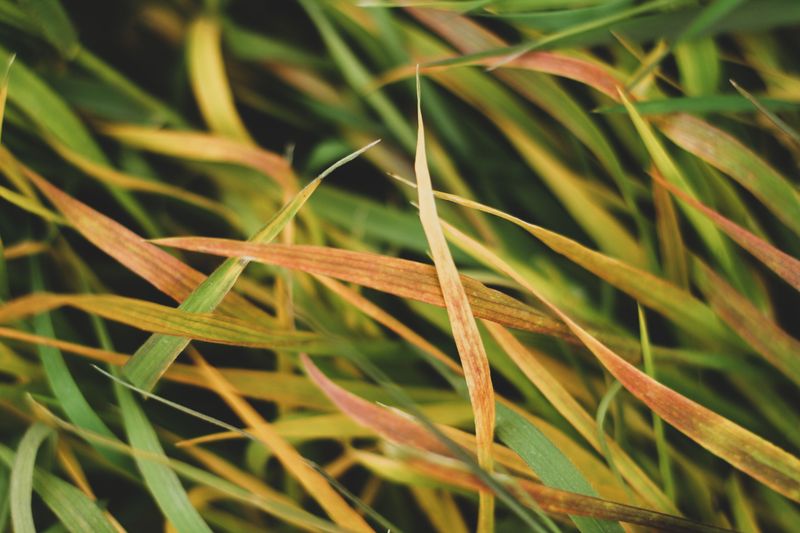
Fall in Arkansas involves rapid temperature changes. Temperatures can swing significantly, sometimes by wide margins, between afternoon highs and overnight lows, and your lawn feels every single one of those shifts.
Repeated temperature swings stress grass at the cellular level. The turf spends energy adjusting to temperature changes instead of building root mass or repairing summer damage.
This energy diversion leaves grass temporarily weakened and less capable of fighting off disease pressure. Brown patch fungus takes advantage of exactly these vulnerable windows to establish new infections.
Chinch bugs also benefit from temperature instability in a different way. Warm afternoons keep them active and feeding, while cool nights slow the grass recovery needed to outpace insect damage.
Soil temperature matters even more than air temperature in this equation. Fungal activity in the soil layer continues even when surface temps drop, because soil holds heat longer than air does.
Using a simple soil thermometer gives you a real advantage. Monitoring soil temps at a two-inch depth helps you predict when fungal risk is highest, even when air temps feel mild.
Staying one step ahead of temperature-driven stress is the smartest move any Arkansas homeowner can make. Proactive care during volatile fall weeks protects your investment and keeps your lawn looking its best.
8. Lawns Need Adjusted Watering As Nights Cool

Your summer watering schedule likely needs adjusting. As nights cool across Arkansas, your lawn’s water needs drop significantly, and .sticking to a summer routine can lead to fungal issues.
Overwatering in fall extends the period that grass blades stay wet overnight. That extra moisture is exactly the environment brown patch fungus needs to spread from blade to blade.
Cutting irrigation frequency is the first adjustment most lawns need in September. Reducing watering frequency to just one or two days per week is often enough for most turf types.
Watering timing matters just as much as frequency during fall months. Early morning irrigation, ideally between 4 and 8 a.m., gives grass the best chance to dry fully before cooler evening air arrives.
Evening watering in fall increases fungal risk. Wet blades heading into a cool, humid night stay wet for hours, creating perfect conditions for brown patch to take hold.
Checking your soil moisture before watering is a habit worth building now. Stick a screwdriver six inches into the soil; if it slides in easily, your lawn still has enough moisture to hold off.
Brown patch and chinch bug risk in Arkansas lawns responds directly to how you water. Smart irrigation adjustments made in early fall protect your turf through the entire transition season ahead.