8 Ways To Repair Chinch Bug And Sod Webworm Damage In Louisiana Lawns
Chinch bugs and sod webworms can quietly undo everything you worked to grow. Chinch bugs thrive in Louisiana heat, weakening your grass fast. Sod webworms feed at night, thinning your yard unnoticed too.
Your once-thick turf now looks faded and forgotten. Brown patches spread quickly once these pests reach you.
Worrying won’t save your yard, but action will. Louisiana summers give these bugs everything they need to thrive.
Recovery feels distant when much of your grass looks lifeless. Roots weaken early, long before you notice any visible signs. Timing matters more than you probably realize right now.
Every day you wait, the trouble spreads wider and deeper. Nothing about this resolves itself without your direct action. Restoring your lawn requires understanding what caused this decline.
These infestations spread quietly, giving you little warning time. Grass roots falter once pests settle into your soil. You need answers now, because your lawn refuses to wait.
1. Rake Out Damaged Grass And Thatch
Damaged grass does not fix itself. After chinch bug and sod webworm damage tears through your lawn, the first real step is clearing all that spent material out of the way before anything else can improve.
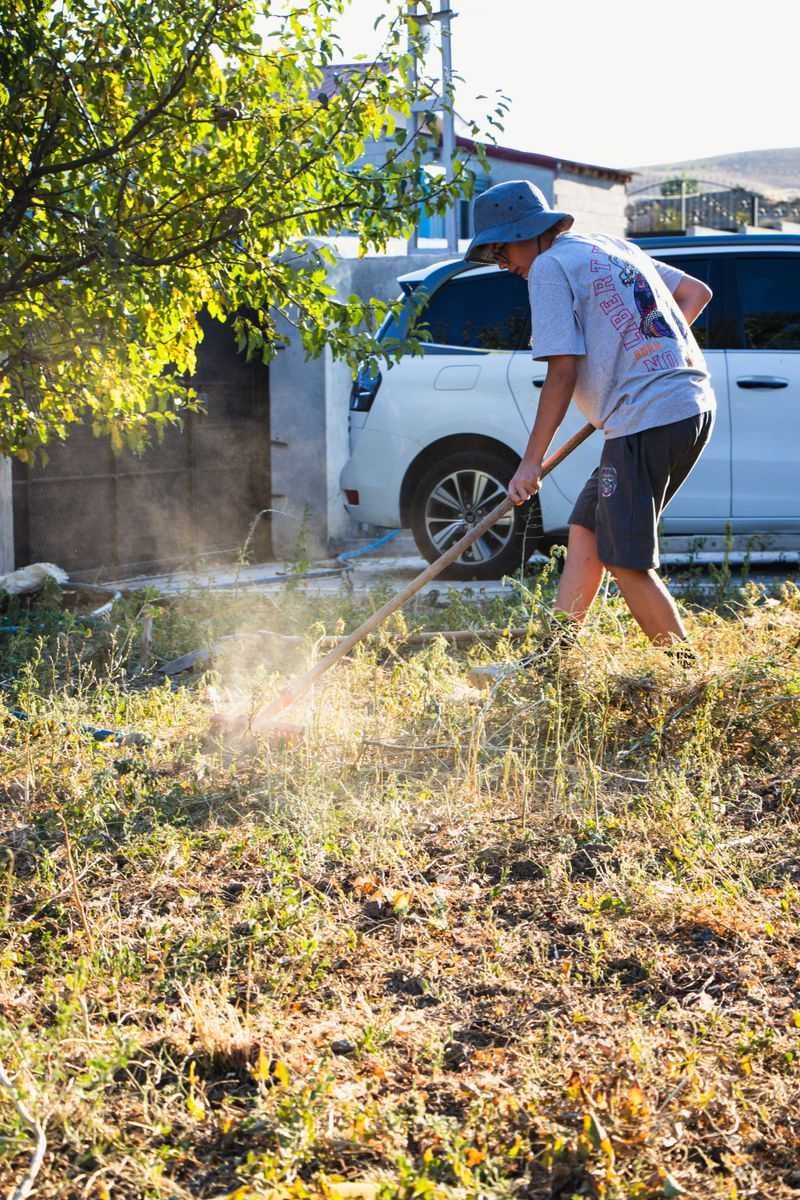
Grab a stiff-tined rake and work in firm, overlapping strokes across every damaged zone you can find. You want to pull up brown, matted grass along with the spongy layer of thatch sitting just above the soil surface.
Thatch is that dense buildup of old stems, roots, and organic debris trapped between the grass blades and the dirt below.
A thick thatch layer traps excess moisture, blocks essential nutrients, and gives pests a cozy, hidden place to multiply undisturbed.
Removing this layer opens up the soil surface so air, water, and fertilizer can finally reach the root zone where they matter most. Think of it as clearing the table before you set out a fresh, nourishing meal for your lawn.
Bag up everything you rake out and throw it away completely; do not add it to a compost pile under any circumstances.
Pest eggs and larvae can still be hiding inside that debris, and you do not want to spread them further around your yard. Once the surface is clean and clear, take a good, honest look at the remaining bare patches.
Knowing exactly how large these damaged areas are helps you plan how much seed, fertilizer, and water you will realistically need to achieve full, lasting recovery across your entire lawn.
2. Overseed Bare Patches With Suitable Grass
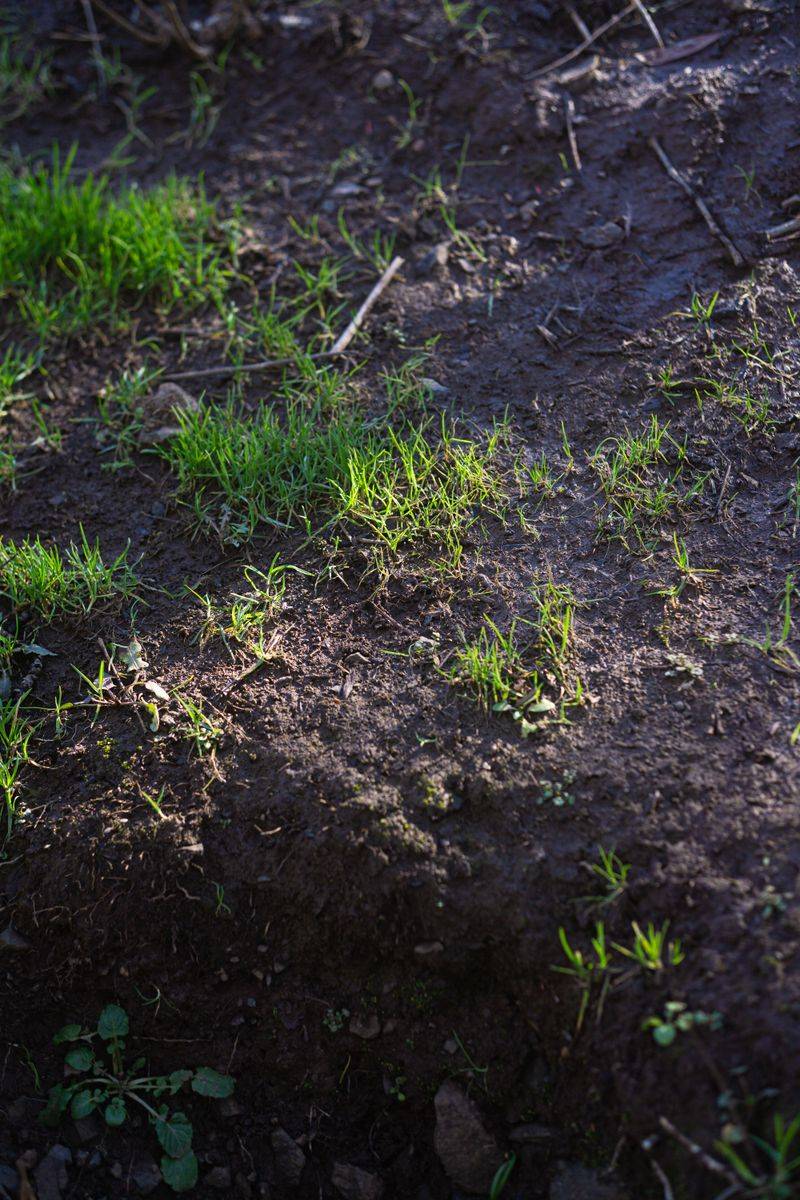
Bare patches left behind by sod webworm and chinch bug damage will not fill in on their own any time soon. Overseeding is the fastest way to get green growing back where it belongs.
Choosing the right grass type matters a lot in Louisiana. Warm-season varieties like St. Augustine, Bermuda, and Zoysia thrive in the heat and humidity that define this region through most of the year.
St. Augustine is one of the most popular choices for Louisiana homeowners because it spreads aggressively and handles shade better than most warm-season options. Bermuda is a tough competitor too, bouncing back fast when given proper water and sunlight.
Your Louisiana Garden Changes Every Week. Your Plan Should Too.
Gardening in Louisiana changes quickly throughout the season. Every Friday you’ll receive a simple weekly plan showing exactly what to plant, prune, fertilize, harvest, and protect so you never miss the right timing.
Spread seed evenly across the bare spots using a handheld spreader or your palm for small areas. Lightly rake the seed into the top quarter inch of soil so birds do not snack on it before it germinates.
For St. Augustine specifically, plugs or sod pieces work better than seed since this grass type does not produce reliable seed. Press the plugs firmly into the soil so roots make solid contact with the ground beneath.
Keep the seeded or plugged areas consistently moist for the first two weeks. Germination and establishment happen faster when the soil stays damp but not waterlogged, especially during warm Louisiana afternoons.
3. Aerate Soil To Improve Root Growth
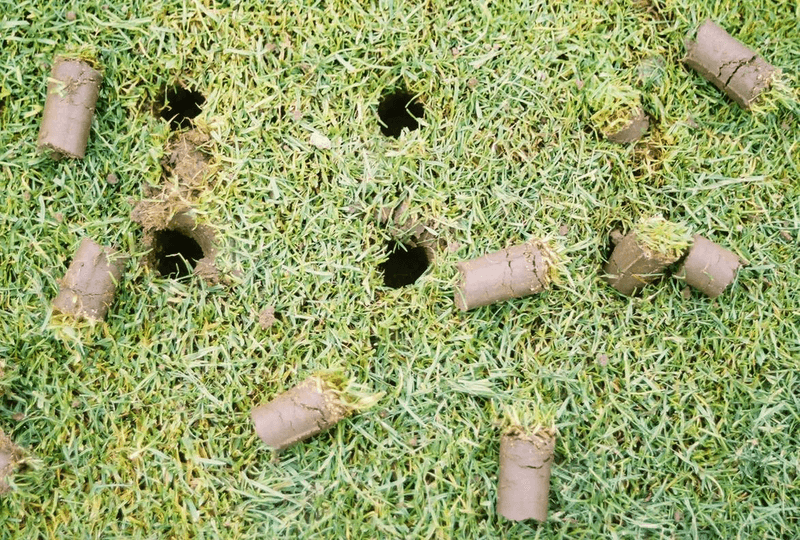
Compacted soil is a silent threat to lawn recovery. After pest damage, the soil underneath often becomes hard and dense, making it nearly impossible for new roots to push through and establish themselves properly.
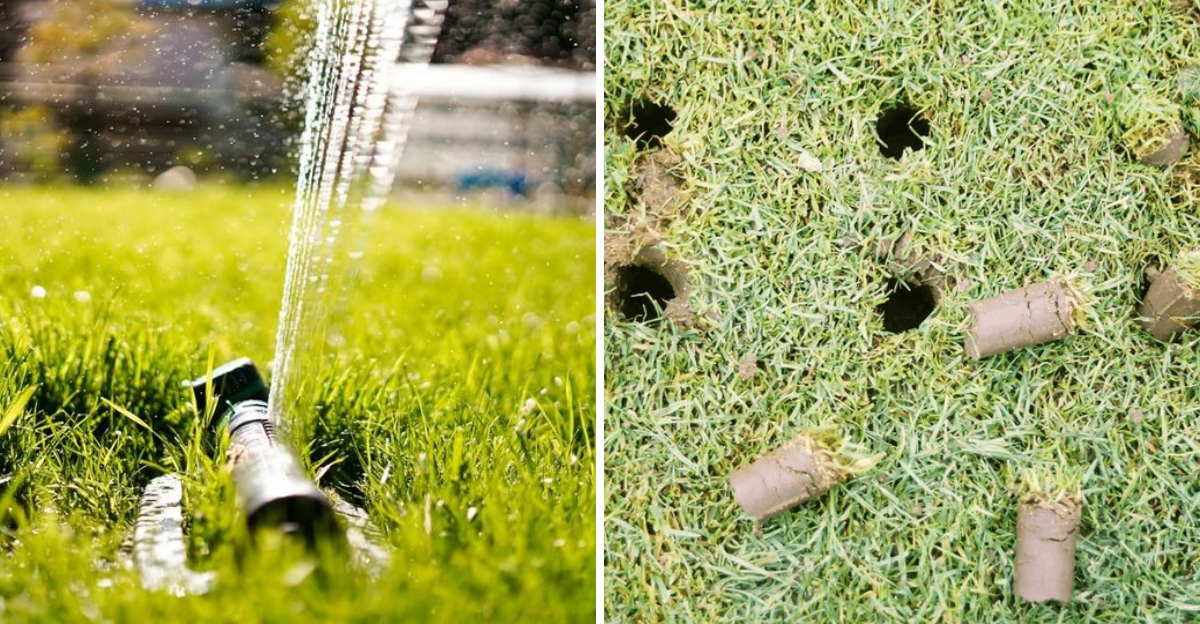
Aeration punches small holes or pulls out tiny plugs of soil across the entire lawn surface. Those openings let oxygen, water, and nutrients move freely down to where the roots actually live and grow.
You can rent a core aerator from most hardware stores for a reasonable weekend rate. For smaller damaged sections, a handheld aerating fork works just fine and gives you far more control over where you focus your effort.
The best time to aerate a Louisiana lawn is in late spring or early summer, right when warm-season grasses are pushing hard into active growth.
Aerating during that specific window gives new roots the best possible conditions for getting established quickly and building real strength.
After aeration, leave the soil plugs sitting on the surface if you used a core aerator. They break down naturally within a week or two and return valuable nutrients back into the lawn itself.
Sod webworm and chinch bug damage weakens the entire root system, so giving roots more room to breathe is genuinely a game-changer.
A well-aerated lawn bounces back noticeably faster than one left sitting on hard, compacted ground with no relief. Skipping this step means every other recovery effort works twice as hard for half the results, so do not overlook it.
4. Water Deeply To Encourage New Roots
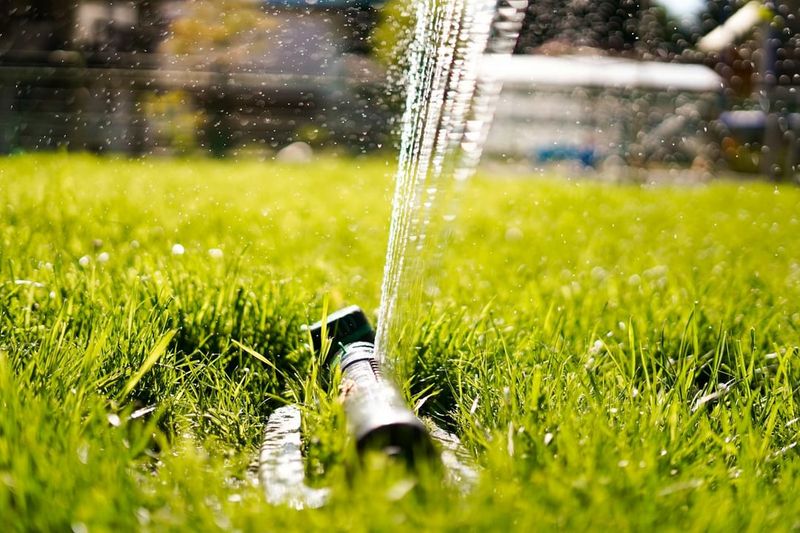
Shallow watering is one of the biggest mistakes homeowners make after lawn damage. When you only wet the top inch of soil, roots stay near the surface and struggle to anchor properly.
Deep watering means soaking the soil down to about six inches below the surface. That depth encourages roots to chase moisture downward, building a stronger, more drought-resistant foundation for the grass.
A good rule of thumb is to water your recovering lawn about one inch per week. You can measure this easily by setting an empty tuna can in the sprinkler zone and checking when it fills up.
Water in the early morning whenever possible. Morning watering lets the grass blades dry out during the day, which reduces the chance of fungal diseases taking hold while the lawn is already stressed from pest damage.
Avoid watering in the evening or at night, especially in humid Louisiana summers. Wet grass sitting overnight significantly increases the risk of mold and other lawn diseases taking hold.
Once new grass starts showing up in the bare patches, pull back slightly on watering frequency but keep the depth consistent. Consistent deep watering after chinch bug and sod webworm damage is one of the most powerful recovery tools you have in your corner.
5. Apply Fertilizer To Speed Up Recovery
A stressed lawn is a hungry lawn. After pest damage strips away healthy turf, the soil often lacks the nutrients needed to power a strong, lasting comeback.
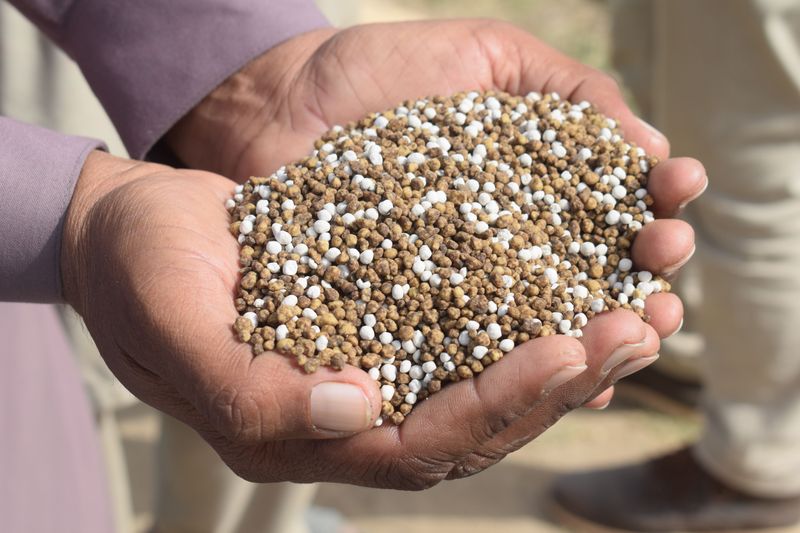
A balanced fertilizer containing nitrogen, phosphorus, and potassium gives recovering grass the fuel it needs to push out fresh growth.
Nitrogen in particular drives that lush, green color and rapid blade development you want to see after damage. Look for a slow-release granular fertilizer specifically designed for warm-season grasses common in this region.
Slow-release formulas feed the lawn steadily over several weeks rather than dumping a large nutrient load all at once, which can actually burn already-stressed grass.
Apply fertilizer about two to three weeks after you have raked, aerated, and seeded the damaged areas thoroughly. Applying too early can overwhelm new seedlings before their roots are ready to absorb nutrients properly.
Follow the product label instructions closely for accurate application rates every single time. Over-fertilizing is a common mistake that leads to fertilizer burn, which looks frustratingly similar to the original pest damage you were trying to fix.
A soil test from your local cooperative extension office can tell you exactly what nutrients your yard needs. That small investment saves you money and prevents guesswork when choosing the right fertilizer blend for your recovering Louisiana lawn.
Skipping this step means feeding blindly, and blind feeding rarely produces the strong, even recovery you are actually working toward this season.
6. Treat Soil To Clear Remaining Pests
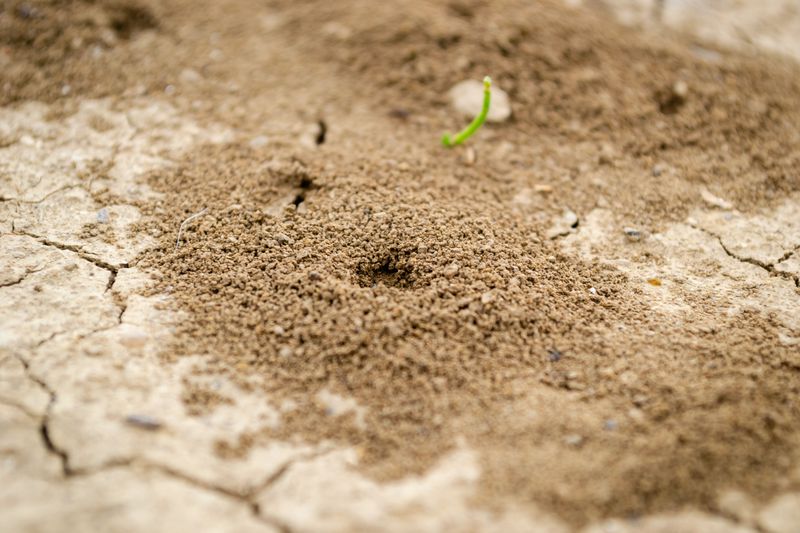
It’s worth noting that raking and reseeding will not mean much if pests are still hiding in the soil. Leftover chinch bugs and sod webworm larvae can chew right through your fresh new growth.
A targeted insecticide treatment is often necessary to clear out what is still lurking beneath the surface. Look for products containing bifenthrin or spinosad, both of which are effective against these common lawn pests.
Spinosad is a naturally derived option that works well for homeowners who prefer a lower-impact approach. It breaks down faster in the environment while still delivering strong results against sod webworm populations in particular.
Apply your chosen treatment in the late afternoon or early evening when pest activity tends to peak. Treating during cooler hours also reduces the chance of the product evaporating before it has time to work into the soil.
Water the lawn lightly after applying a granular insecticide to help it move down into the soil where larvae are feeding. For liquid treatments, check the label to see whether watering before or after application is recommended.
One treatment is often not enough for a heavy infestation. Plan to follow up about two weeks later and keep a close watch on the recovering sections to make sure new damage does not show up unexpectedly.
7. Mow High To Reduce Plant Stress
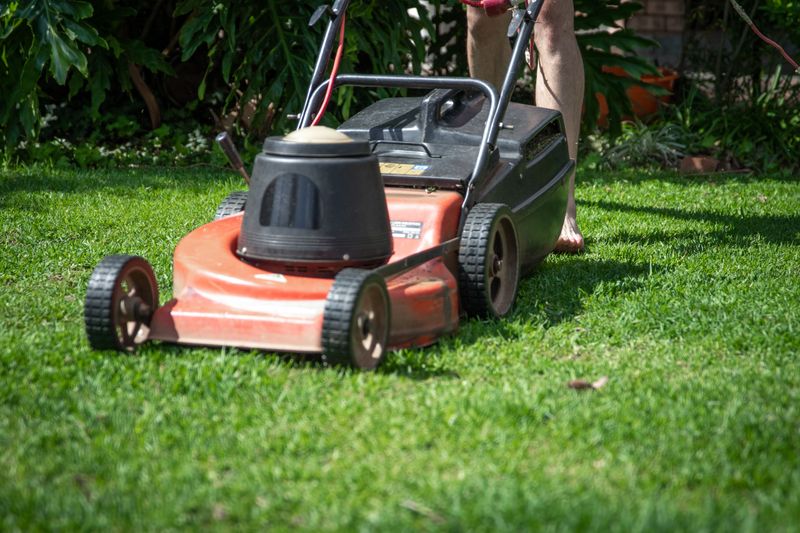
Cutting grass too short after pest damage adds unnecessary stress to turf that is already struggling to recover. Short mowing puts enormous stress on turf that is already fighting to recover from root and blade damage.
Set your mower blade to the highest recommended setting for your grass type. For St. Augustine grass, that means keeping the height at about two and a half to four inches during the recovery period, depending on the specific cultivar.
Taller grass shades the soil surface, which helps retain moisture and keeps soil temperatures lower during hot Louisiana summers. That cooler, moister environment is exactly what new roots need to establish quickly and firmly.
Mowing high also means the grass plant keeps more of its leaf surface for photosynthesis. More leaf area equals more energy production, and more energy means faster, stronger regrowth after sod webworm and chinch bug damage.
Never remove more than one-third of the grass blade in a single mowing session. Cutting off too much at once shocks the plant and sends it into a stress response that slows recovery significantly.
Keep your mower blades sharp throughout the repair season. Dull blades tear grass instead of cutting it cleanly, leaving ragged edges that invite disease and slow the healing process your lawn needs right now.
8. Monitor Lawn Regularly For Reinfestation Signs
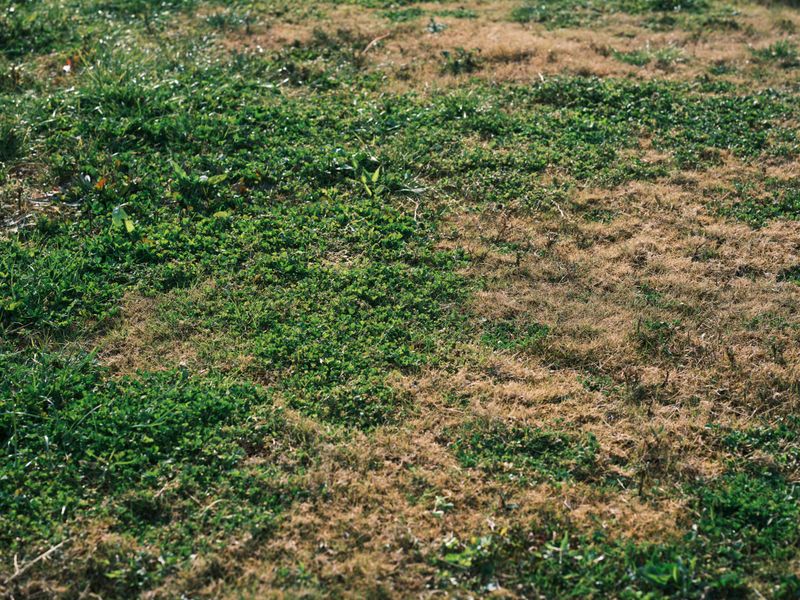
Recovery does not end the moment your lawn turns green again. Chinch bug and sod webworm populations can rebound quickly, especially during warm months when conditions favor rapid reproduction.
Make a habit of walking your lawn at least once a week and looking for early warning signs. Yellowing patches, irregular brown spots, or grass that pulls up easily without resistance are all red flags worth investigating right away.
One simple detection method is the soap flush test. Mix one to two tablespoons of dish soap per gallon of water, then pour it slowly over a suspicious patch and watch for insects surfacing within a few minutes.
Check the edges of any recovering areas especially closely. Pests tend to spread outward from existing feeding zones, so the perimeter of a healed patch is often where a new wave of damage begins.
Keep a simple lawn journal or take weekly photos with your phone. Comparing images over time makes it much easier to spot subtle changes in turf color or density before a small problem grows into a large one.
Staying ahead of reinfestation is the final step in fully recovering from chinch bug and sod webworm damage in Louisiana lawns. A watchful eye today saves you from starting the whole repair process over again next season.