The Most Underrated Soil Booster North Carolina Gardeners Use For A Better Fall Harvest
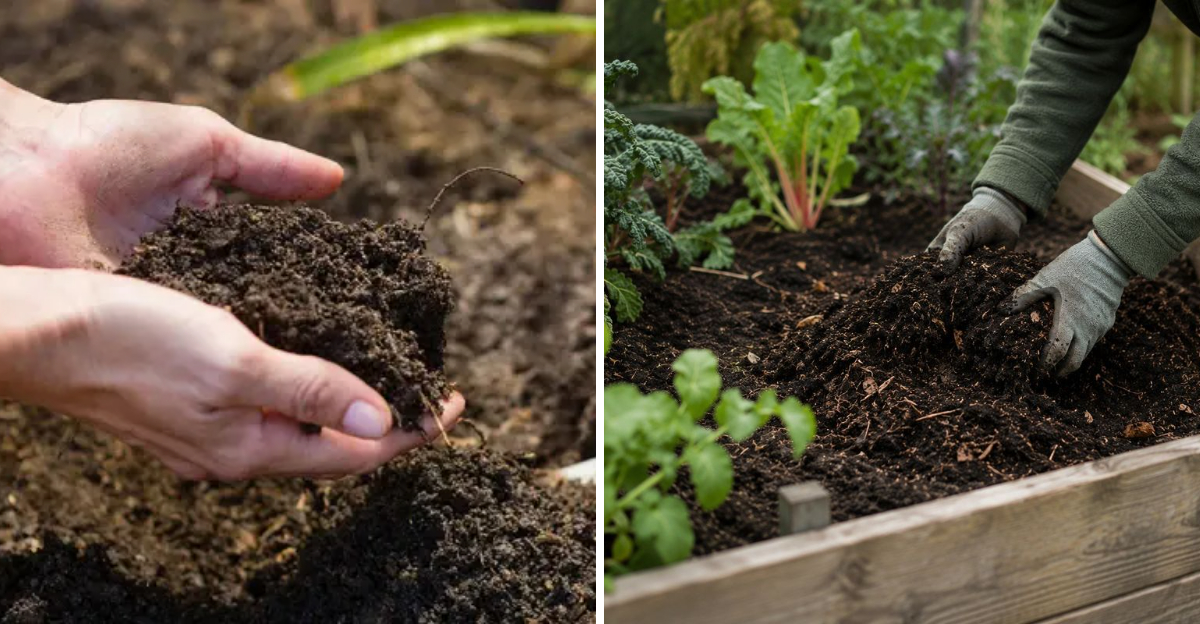
Every fall in North Carolina, gardeners get laser focused on seed varieties, planting calendars, and which cool season crops to squeeze into the season before the first frost shows up. Totally valid priorities, all of them.
But here is the part that quietly gets skipped more often than it should: the actual soil those fall vegetables are going to grow in.
Finished compost is one of the most underrated tools available for getting beds ready before fall planting kicks off, and it does not get nearly enough attention.
It is not a quick fix fertilizer, and it is not going to transform your garden overnight. What it does is genuinely improve the growing environment in ways that matter for root development, moisture management, and soil structure.
From sandy Coastal Plain soils to heavier ground elsewhere in North Carolina, compost has something real to offer.
1. How Finished Compost Adds Organic Matter To Garden Soil
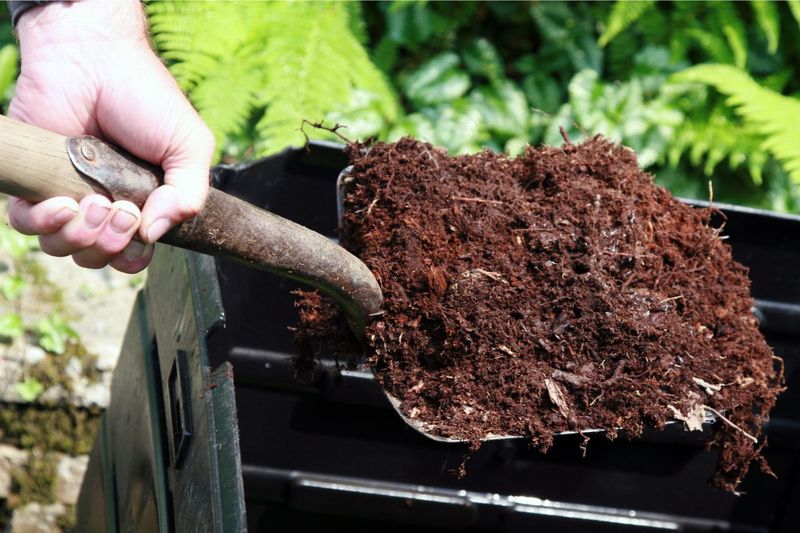
Turning over a tired garden bed after a long North Carolina summer can feel like starting fresh. The soil may look pale, compacted, or just plain worn out after months of heat, rain, and root activity.
Adding finished compost at this stage is one of the most practical things you can do before planting cool-season crops.
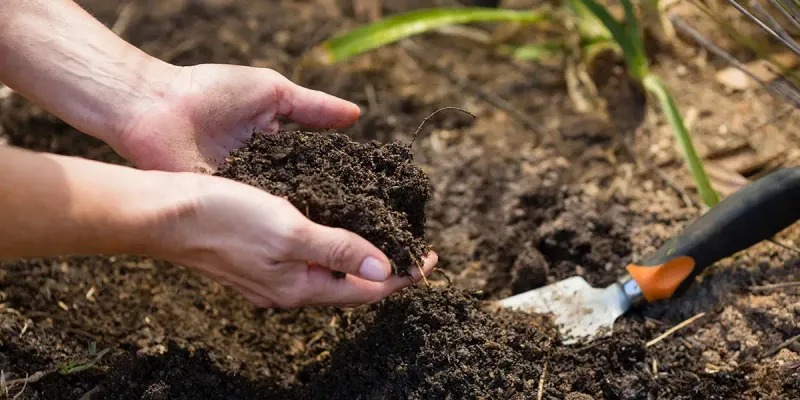
Finished compost is simply organic material that has fully broken down into a dark, crumbly, earthy-smelling amendment.
When you work it into the top several inches of garden soil, you are adding organic matter that supports soil organisms involved in decomposition and nutrient cycling.
Organic matter levels can become lower over time in intensively used garden soils, especially when plant material is regularly removed without being replaced. Compost helps fill that gap.
It is not a magic fix, and one application will not transform poor soil overnight, but regular additions over time can gradually improve soil quality in meaningful ways.
Think of compost as feeding the soil rather than feeding the plant directly. Healthy, biologically active soil tends to support stronger root development, which gives vegetables a better start.
For fall gardens, getting roots established quickly before cooler temperatures arrive matters, and better soil conditions can help with that.
2. Why Organic Matter Helps Both Sandy And Heavier Soils
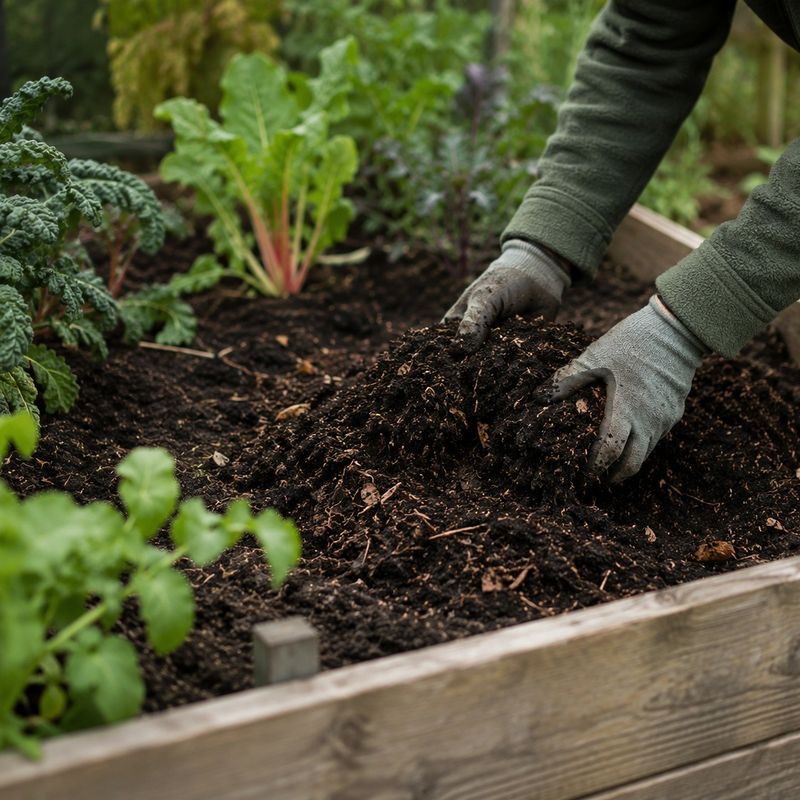
One of the most useful things about finished compost is that it can benefit very different types of soil in different ways. That matters a lot in North Carolina, where soil conditions vary quite a bit depending on where you garden.
Sandy soils, which are common in parts of the Coastal Plain, tend to drain quickly and do not hold onto moisture or nutrients very well.
Adding organic matter can improve sandy soils by increasing their ability to retain moisture and hold nutrients in a form that plant roots can access more effectively.
Heavier soils with more clay content present a different challenge. They can hold too much water, drain slowly, and become compacted in ways that make it harder for roots to move through the soil.
Organic matter helps open up those heavier soils by improving their structure and helping soil particles form more stable aggregates that improve the balance of air spaces and water movement.
Your North Carolina Garden Changes Every Week. Your Plan Should Too.
Gardening in North Carolina changes quickly throughout the season. Every Friday you’ll receive a simple weekly plan showing exactly what to plant, prune, fertilize, harvest, and protect so you never miss the right timing.
Both situations benefit from the same general solution, which is adding finished organic matter to the soil over time. Compost is not a one-time cure for either sandy or heavy soil, but it is a reliable way to gradually shift soil conditions in a more favorable direction.
For North Carolina gardeners working in different regions, this versatility makes finished compost one of the most broadly useful amendments available, regardless of what your specific soil type happens to be.
3. How Compost Can Improve Soil Structure And Moisture Conditions
Soil structure is one of those gardening concepts that does not always get the attention it deserves.
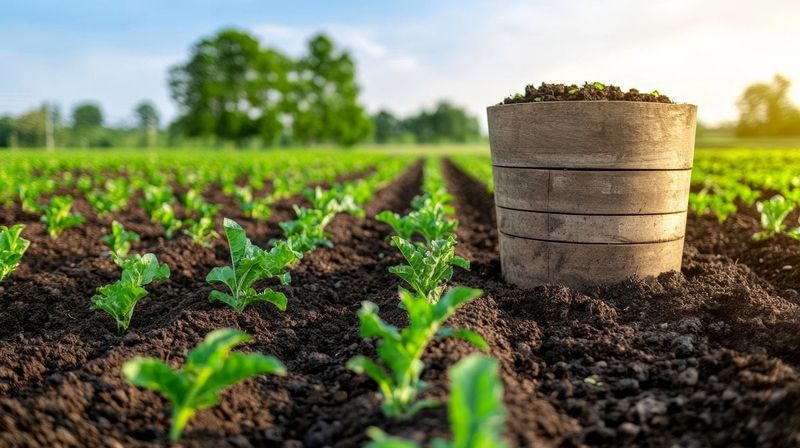
When soil has good structure, it has a loose, crumbly texture with small aggregates that allow roots to push through easily, water to drain at a reasonable pace, and air to reach the root zone.
Poor structure can work against all of that.
Finished compost helps build better soil structure by introducing organic matter that binds soil particles together into those small, stable clumps.
Over time, this process creates what gardeners and soil scientists sometimes call good tilth, meaning soil that is workable, well-aerated, and supportive of root growth.
Moisture management is another area where compost can make a real difference. Soils with more organic matter tend to hold moisture more evenly without becoming waterlogged.
During the transition from summer to fall in North Carolina, when rainfall can be unpredictable, having soil that holds moisture a bit longer between rain events can help newly planted seedlings and transplants get established more reliably.
That does not mean compost eliminates the need for irrigation. Watering schedules should still be based on actual soil moisture, weather conditions, and the needs of the crops you are growing.
What compost does is create conditions where the soil manages moisture a little more efficiently on its own, which can reduce some of the stress on young plants during the early weeks after planting.
4. Why Compost Should Be Fully Finished Before Adding It To Vegetable Beds
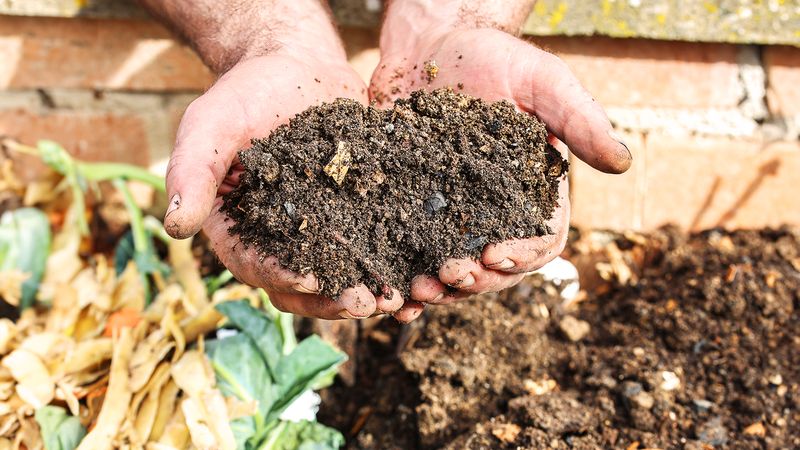
Not all compost is ready to use, and this distinction matters more than many North Carolina gardeners realize. Finished compost looks dark, crumbles easily in your hand, and smells earthy rather than sharp or sour.
Unfinished compost still contains organic material that is actively breaking down, and that decomposition process can cause problems in a vegetable bed.
When organic matter is still decomposing in the soil, it can temporarily tie up nitrogen as microorganisms use it to break down carbon-rich materials. This can leave less nitrogen available for vegetable plants during a period when they need it most.
Unfinished materials may still be actively decomposing and may carry greater risks of excess heat, weed seeds, or pathogens compared with properly finished compost.
This is especially important when preparing North Carolina fall vegetable gardens, where many crops are planted into beds that need stable soil conditions for strong establishment.
Fresh manure is another material to be careful with. Applying fresh or inadequately composted manure to beds where vegetables will soon be planted is generally not recommended without specific guidance from a reliable source.
Food safety is a real consideration, particularly for root vegetables and low-growing crops that come into contact with the soil.
Taking the time to confirm that your compost is fully finished before working it into your fall vegetable beds is a simple step that supports healthier soil preparation. If you are buying bagged compost, look for products labeled as fully composted or aged.
If you are using a home compost pile, give it enough time and the right conditions to fully break down before adding it to your garden.
5. How Compost Differs From Synthetic Fertilizer
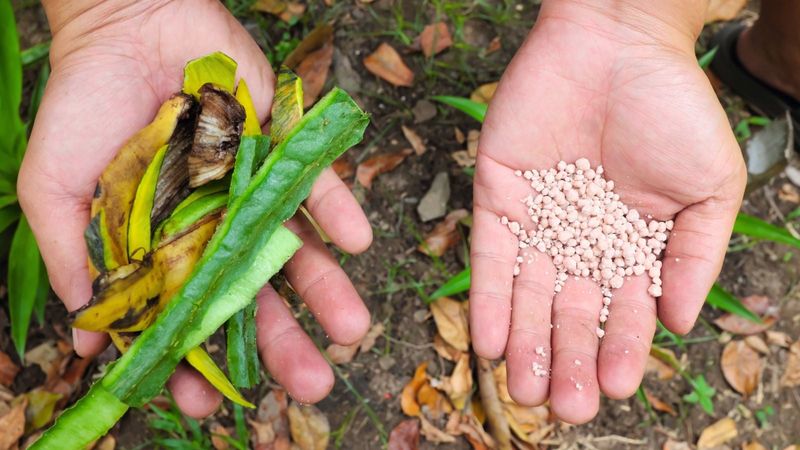
Plenty of gardeners use both compost and fertilizer, and understanding what each one actually does can help you use them more effectively together.
Finished compost and synthetic fertilizer are not the same thing, and they do not work the same way in your garden.
Synthetic fertilizers typically provide specific nutrients in concentrated, quickly available forms. They are designed to deliver nitrogen, phosphorus, potassium, or other nutrients to plants in a relatively short time frame.
That can be useful for addressing specific deficiencies, but synthetic fertilizers do not add organic matter or improve soil structure the way compost does.
Compost contributes nutrients gradually as remaining organic compounds continue to break down in the soil. The nutrient content of compost varies depending on what materials were composted and how the process was managed.
Compost is generally not a concentrated source of any single nutrient, but it contributes a wide range of nutrients and trace elements in modest amounts while also feeding soil biology.
Soil microorganisms and other organisms help break down organic matter and cycle nutrients, processes that synthetic fertilizers do not directly provide. Compost helps maintain and support that biological activity.
For fall vegetable gardens in North Carolina, using compost to improve soil conditions and relying on a soil test to guide any additional fertilizer applications is a practical approach that addresses both soil structure and plant nutrition more precisely.
6. Why Soil Testing Still Matters Before Adding Amendments
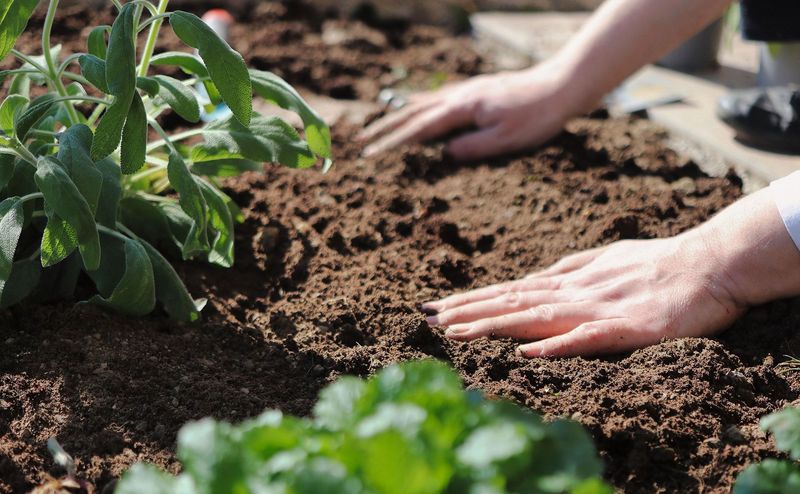
Getting excited about adding compost before fall planting is completely understandable, but skipping a soil test first can mean missing important information about what your garden actually needs.
Soil testing takes the guesswork out of soil management and helps you make smarter decisions about amendments and fertilizer.
A basic soil test will tell you your soil pH, which affects how well plants can access nutrients even when those nutrients are present in the soil. It will also give you information about phosphorus, potassium, and other nutrient levels.
Without that baseline information, you might add amendments that are not needed or miss something that actually is.
North Carolina has a well-established soil testing program through the state’s cooperative extension network, and home gardeners can submit samples at a low cost, sometimes at no charge during certain times of year.
The results come with specific recommendations based on what you plan to grow, which makes them genuinely useful rather than generic.
Compost can contribute nutrients to the soil, but it cannot correct a pH problem or replace a specific nutrient that is significantly deficient. Those issues require targeted amendments based on what a soil test actually shows.
Adding compost to a bed with a serious pH imbalance, for example, will not fix the underlying problem on its own.
Running a soil test before fall bed preparation gives you a clear picture of where your soil stands and what it actually needs, making every other amendment decision more effective and better informed.
7. How Compost Fits Into Preparing North Carolina Gardens For Fall Crops
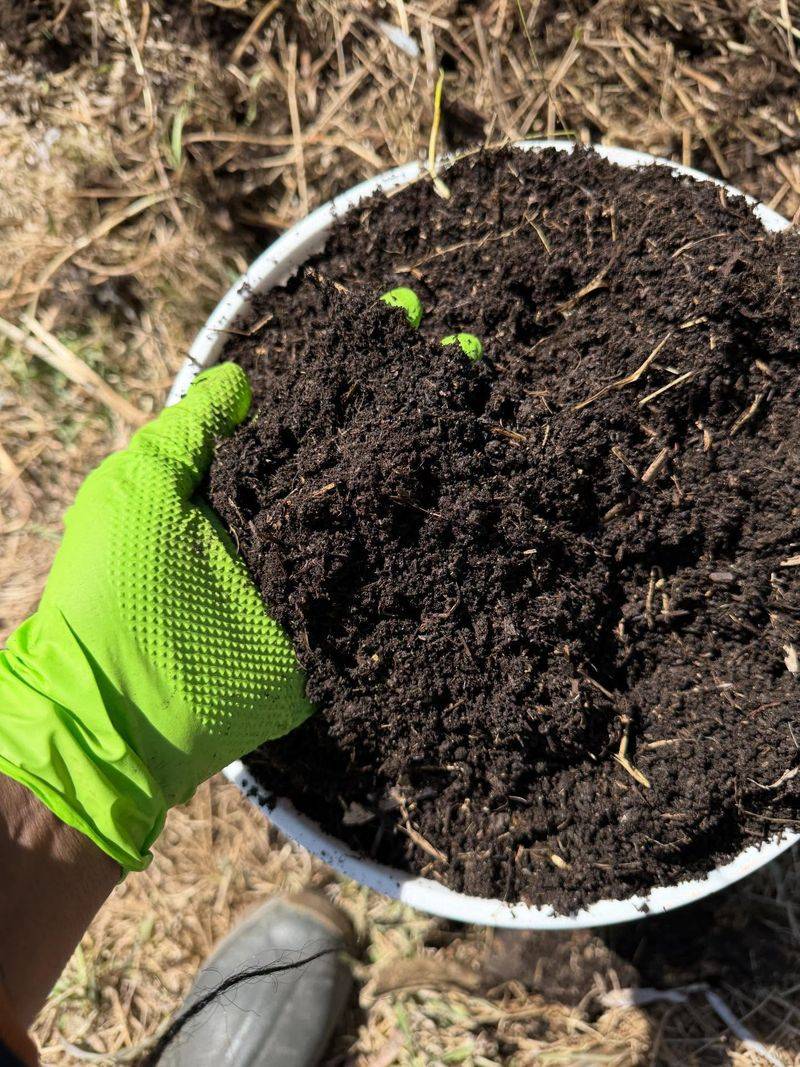
Late summer is a busy transitional time for vegetable gardeners. Summer crops start winding down, and the window for getting cool-season crops planted opens up.
That transition period is actually one of the best times to add finished compost to your garden beds.
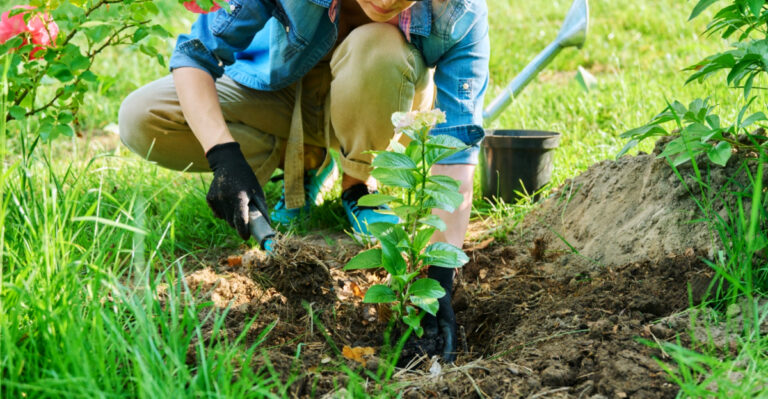
Working compost into empty or cleared beds a few weeks before planting gives it time to settle into the soil and begin interacting with the existing soil biology.
Mixing finished compost into garden beds before planting helps incorporate organic matter into the soil and improves the growing environment for fall crops.
Cool-season crops like kale, collards, broccoli, lettuce, and spinach are popular fall choices across much of North Carolina. These plants generally prefer consistent moisture, good drainage, and soil with reasonable organic matter content.
Preparing beds with compost before planting helps set up those conditions.
Raised beds, which are popular with many North Carolina home gardeners, often benefit from regular compost additions because their soil volume is limited and their conditions can differ from in-ground beds.
Adding compost seasonally helps maintain the organic matter levels that keep raised bed soil performing well over time.
Fall gardening in North Carolina can be genuinely rewarding, and soil preparation is one of the most impactful steps you can take before the first transplant goes in.
Compost is not the only piece of that preparation, but it is one of the most consistently useful ones available to home gardeners.
8. Why Building Healthy Soil Supports More Reliable Plant Growth Over Time
Experienced gardeners often talk about feeding the soil rather than just feeding the plant, and that idea captures something important about long-term garden success.
Building soil quality over time creates a more stable foundation for growing vegetables, one that tends to support more consistent results season after season.
Finished compost plays a meaningful role in that process. Each time you add organic matter to your garden beds, you are contributing to a gradual improvement in soil biology, structure, and nutrient cycling.
One application makes a difference, but regular additions over multiple seasons tend to produce more noticeable improvements in how soil looks, feels, and functions.
Healthy soil conditions can support better root growth and development. Strong root systems give plants better access to water and nutrients, which can help them handle weather stress, competition from weeds, and other challenges more effectively.
This does not mean compost-amended soil prevents all plant problems, but it does mean the growing environment is generally more supportive.
For North Carolina gardeners, where conditions can shift from summer heat and humidity to cooler, drier fall weather in a relatively short time, having soil that is in good condition going into fall planting can make that transition easier on both plants and gardeners.
Building healthy soil is an ongoing process, not a one-time project. Compost is one of the most accessible and broadly useful tools for that work, and starting or continuing the habit before each fall season is one of the better gardening investments you can make.