The Mulch Habit That Can Give Voles Better Cover Around Ohio Trees
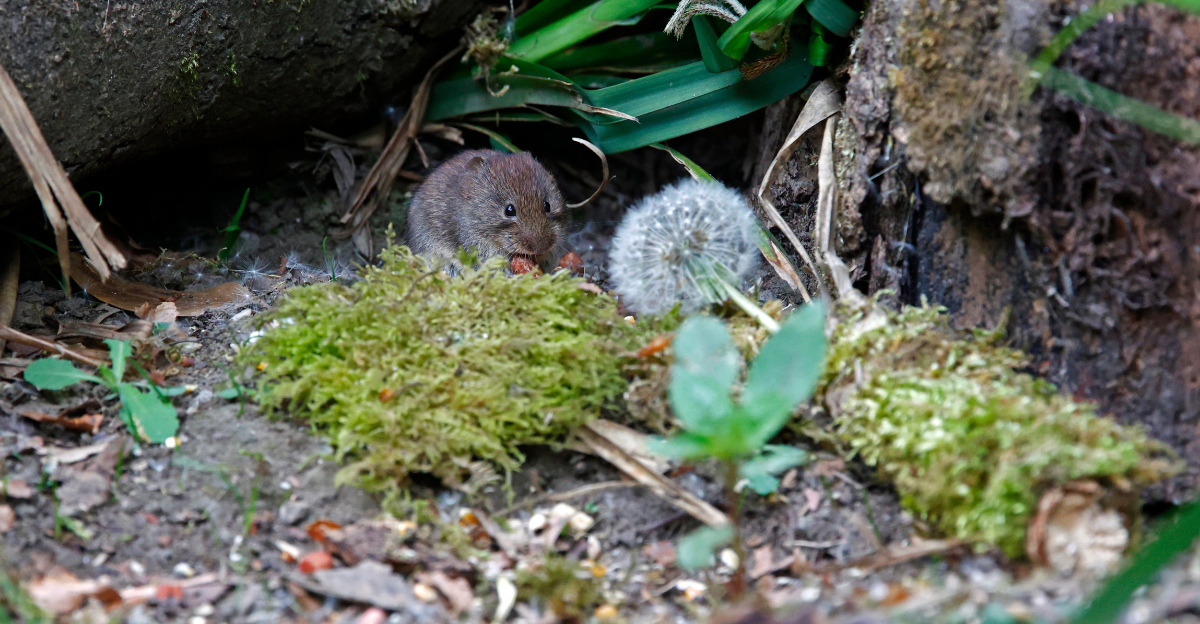
That neat ring of mulch around your trees might be doing more than making the yard look tidy. A small mistake that many homeowners overlook can create the kind of hidden shelter voles love, especially when Ohio’s cold months arrive.
These tiny backyard visitors are not always easy to notice. They move quietly beneath cover, and damage often becomes obvious only after winter has already passed.
Young trees are especially vulnerable when mulch piles up too high, touches the trunk, or blends into nearby vegetation. A few simple changes can make your landscape much less inviting to voles.
The right mulch depth, a clear space around tree trunks, and a little fall cleanup can help protect the trees you’ve worked hard to grow.
1. Piling Mulch Against the Trunk (Volcano Mulching)
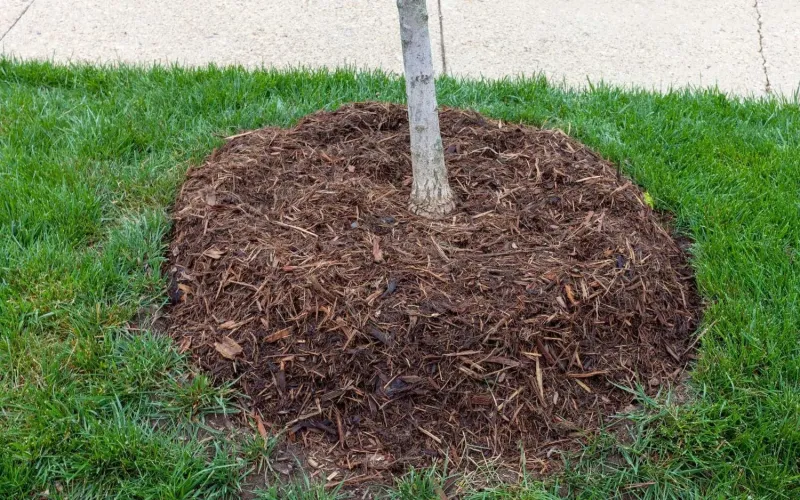
Picture a tree with mulch heaped up like a little volcano around its trunk. It might look neat, but that mound is basically a welcome mat for voles.
When mulch touches the bark, voles can hide inside the pile and nibble on the trunk without ever stepping into the open. That cover makes voles harder for predators to detect and gives them safer places to move.
That safety lets voles chew away at the bark for hours.
The damage often shows up as girdling, where voles strip a full ring of bark around the trunk. Once that ring is gone, the tree cannot move water and food properly, and it can decease.
Young trees and saplings are hit hardest.
The fix is simple and free. Keep mulch about 3 to 4 inches away from the trunk so you can see bare soil at the base.
Shape the mulch like a flat donut instead of a cone.
That little open gap makes voles nervous because it exposes them to predators. It also lets air and water reach the roots.
Breaking the volcano habit protects your Ohio trees from one of the most common and avoidable dangers in the yard.
2. Laying Mulch Too Thick
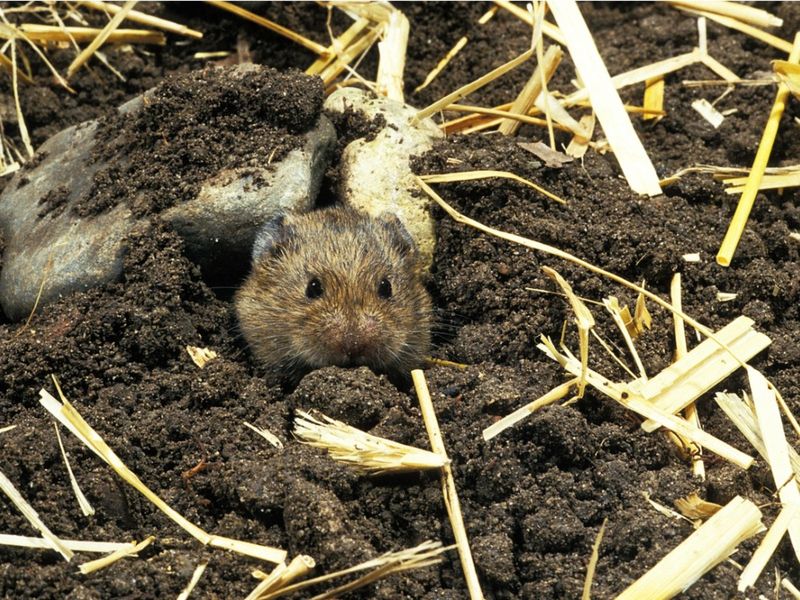
More mulch is not always better, and voles are the proof. A layer over 4 inches deep gives them a thick blanket to burrow through all season long.
Deep mulch holds warmth and moisture, which is exactly what voles want for building burrows and food storage rooms. They tunnel beneath the surface, staying hidden while they travel and eat.
Thick mulch can provide the kind of sheltered cover voles prefer, especially when it stays undisturbed through winter.
That deep pile also blocks air and water from reaching tree roots. So you end up hurting the tree and helping the pest at the same time.
It is a lose-lose situation.
Aim for a mulch layer just 2 to 4 inches deep. That amount still holds moisture and keeps weeds down without turning into vole housing.
If your old mulch has built up over the years, rake some away before adding fresh material. You do not need to top it off every single spring.
Checking the depth takes only a minute with a ruler or your finger. Keeping it shallow removes the cozy cover voles crave.
Your Ohio Garden Changes Every Week. Your Plan Should Too.
Gardening in Ohio changes quickly throughout the season. Every Friday you’ll receive a simple weekly plan showing exactly what to plant, prune, fertilize, harvest, and protect so you never miss the right timing.
Your roots breathe easier, and the rodents lose their favorite hiding spot around your Ohio trees.
3. Using Mulch That Connects to Tall Grass
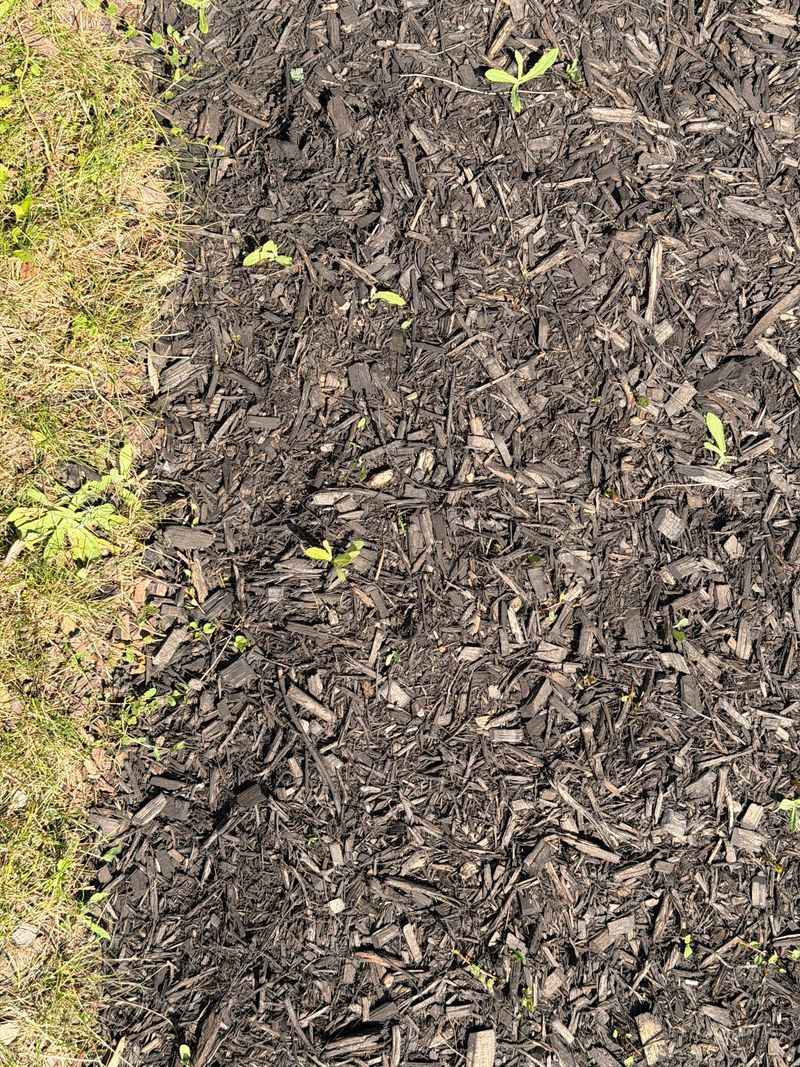
Voles rarely travel across wide open ground. They stick to covered paths, and mulch that runs right into tall grass gives them a hidden highway.
When your mulch bed touches unmowed grass or weeds, voles can move from one hiding spot to another without exposure. This connected cover lets them reach tree trunks safely from far away.
They basically get a protected road straight to your bark.
Meadow voles in our state love grassy runways. Prairie voles do too, and both use these paths to feed year-round since they never hibernate.
Breaking up that cover is a smart move. Leave a strip of bare, mowed, or open ground between your mulch beds and any tall grass.
Creating open space between mulch beds and tall grass reduces the protected pathways voles use to move around.
Trimming grass short around the edges of mulch removes their sense of safety. Without connected cover, they feel exposed to hawks and other hunters.
Think of it like closing off a secret tunnel. When the safe path disappears, voles are far less likely to reach your trees.
A little edge maintenance goes a long way toward protecting the young trees you have worked hard to grow.
4. Leaving Mulch Right Up to the Root Zone
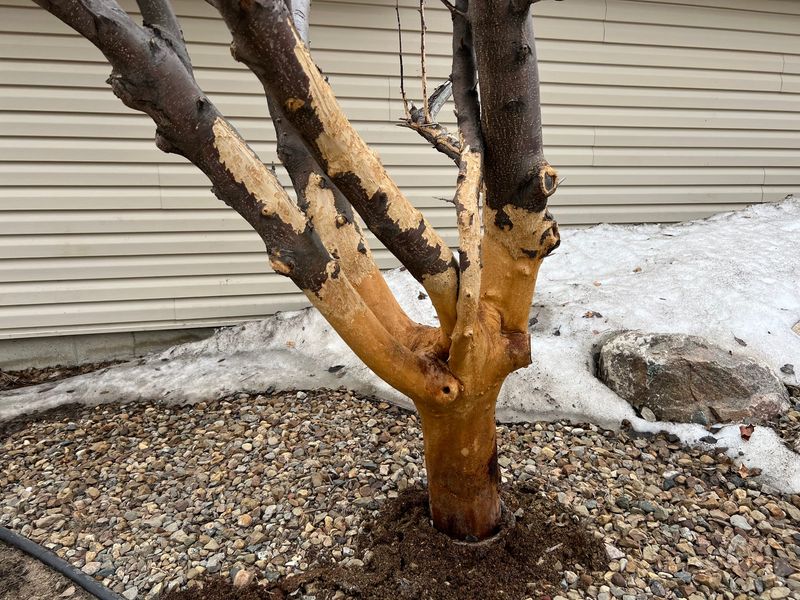
The root and trunk zone is a vole buffet, and mulch that covers it makes dinner easy to reach. Once they are under that cover, roots and bark are just a few chews away.
Voles may tunnel beneath mulch and feed on roots, bulbs, and especially the bark of young trees when other food sources become limited. Covering the base with mulch hands them both a hiding spot and a meal in one place.
Their gnaw marks are tiny, about one-eighth inch wide, and show up in uneven patches near the ground. You may not notice until snow melts and reveals the damage.
To limit access, keep clear space between the mulch and the trunk zone. A visible ring of open soil forces voles into the open before they can reach the roots.
This clear space also makes it easier for you to spot early chewing before it becomes serious. Catching damage early can save a young tree.
Combining open soil with shallow mulch keeps the whole root area less inviting. Voles want quick, hidden access, and taking that away pushes them elsewhere.
Your tree’s most important parts stay protected through Ohio’s toughest months.
5. Skipping Fall Cleanup Under the Mulch
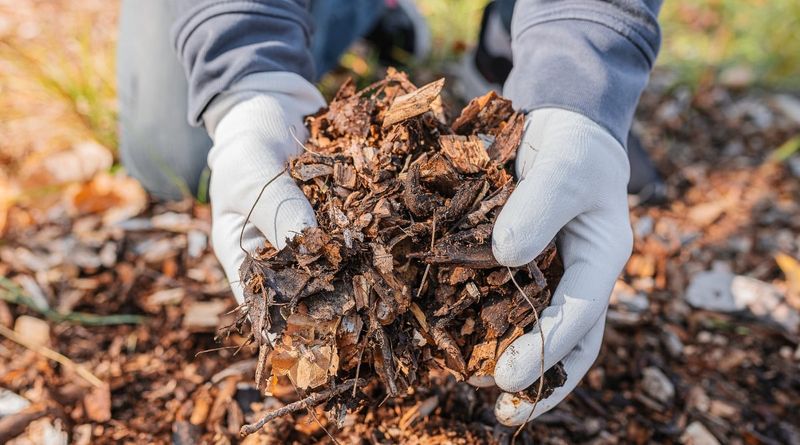
Autumn is prime time for voles to settle in, and messy mulch beds make it easy. Leftover leaves, litter, and deceased plants piled on mulch build the perfect winter shelter.
Voles use this extra debris to stay warm and hidden as cold weather arrives. They do not hibernate, so they need cover all winter long.
A cluttered mulch bed gives them everything they need.
Cleaning up before winter removes that bonus cover. Rake out fallen leaves and old plant material from around trees so voles have fewer places to nest.
Pull weeds and clear ground cover near the mulch too. The less clutter you leave, the harder it is for voles to feel safe.
This cleanup also helps you check the mulch depth and pull it back from trunks at the same time. It is a good yearly habit that solves several problems at once.
A tidy fall bed means voles face open, exposed ground right when they are searching for winter homes. Many will move on to easier spots.
Spending an hour on cleanup can spare you from finding girdled bark once the snow finally melts in spring.
6. Ignoring the Donut Shape
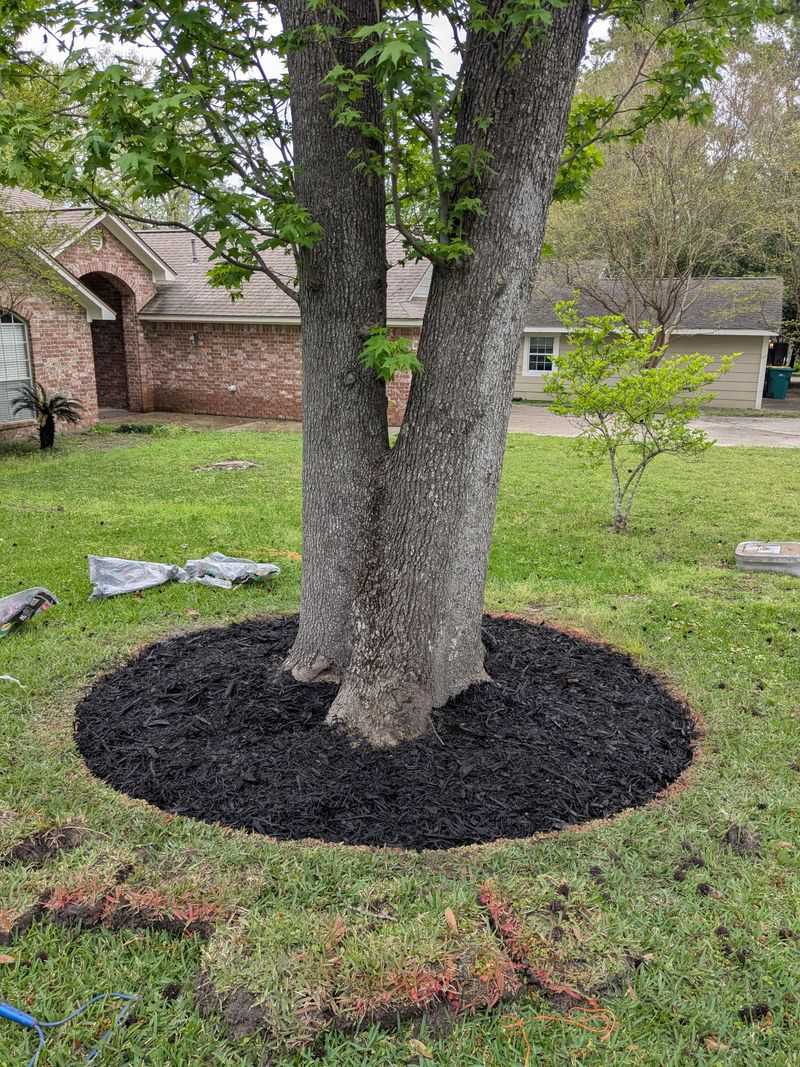
The shape of your mulch matters as much as the amount. A flat, donut-shaped ring beats a mounded pile every time when it comes to keeping voles away.
A donut leaves an open center around the trunk where soil shows through. That gap breaks up the continuous cover voles depend on to stay hidden.
Piled mounds, on the other hand, give voles a warm dome to burrow into right beside the bark. The donut removes that comfort completely.
Building the shape is easy. Spread mulch in an even layer, then pull it back from the trunk to create a clear ring of bare ground about 3 to 4 inches wide.
Keep the whole thing low and flat rather than tall in the middle. The goal is coverage over the roots without cover against the trunk.
This shape also directs water toward the roots instead of pooling against the bark, which helps prevent rot. So it protects the tree in more ways than one.
Once you get used to making donuts instead of volcanoes, it becomes second nature. It is one of the simplest changes you can make to keep our trees healthy and voles frustrated.
7. Forgetting Trunk Guards Under the Mulch
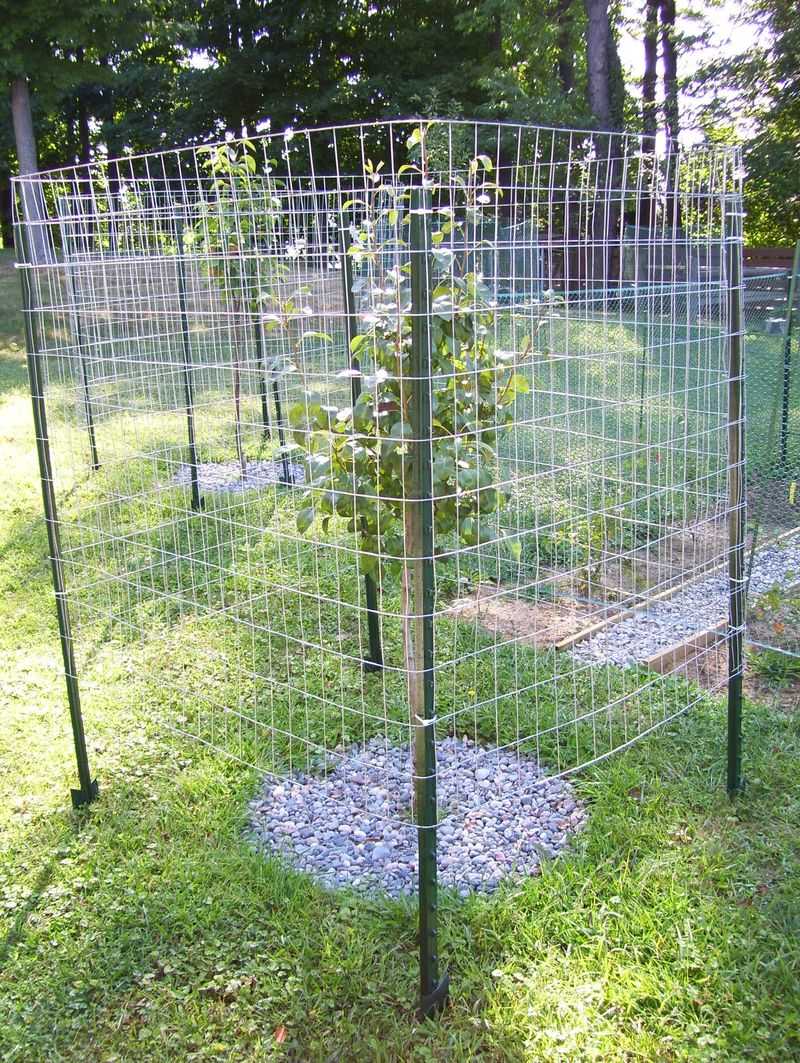
Even good mulch habits work better with backup, and a trunk guard is the ultimate insurance against voles. It puts a solid barrier between hungry teeth and precious bark.
Voles chew bark at ground level and under snow, right where guards do their best work. A wire mesh or hardware cloth sleeve stops them cold.
For the guard to work, extend it several inches above the soil line and secure it firmly around the trunk area while leaving room for growth. The bottom edge should be positioned to prevent voles from easily getting underneath.
That depth keeps voles from simply burrowing underneath to reach the trunk.
Wrap the guard loosely enough that the trunk has room to grow. Leaving a little space also stops moisture from getting trapped against the bark.
Young trees and orchard saplings benefit most since they are the ones voles love to girdle. A guard can be the difference between a thriving tree and a withering one.
Pairing a guard with a proper donut of mulch is a powerful combo. The mulch is thin and pulled back, and the guard blocks whatever voles still try.
Check the guards each fall to make sure they are still buried and snug. This small piece of hardware quietly protects your investment through every winter.
8. Not Mowing Close Before Snow
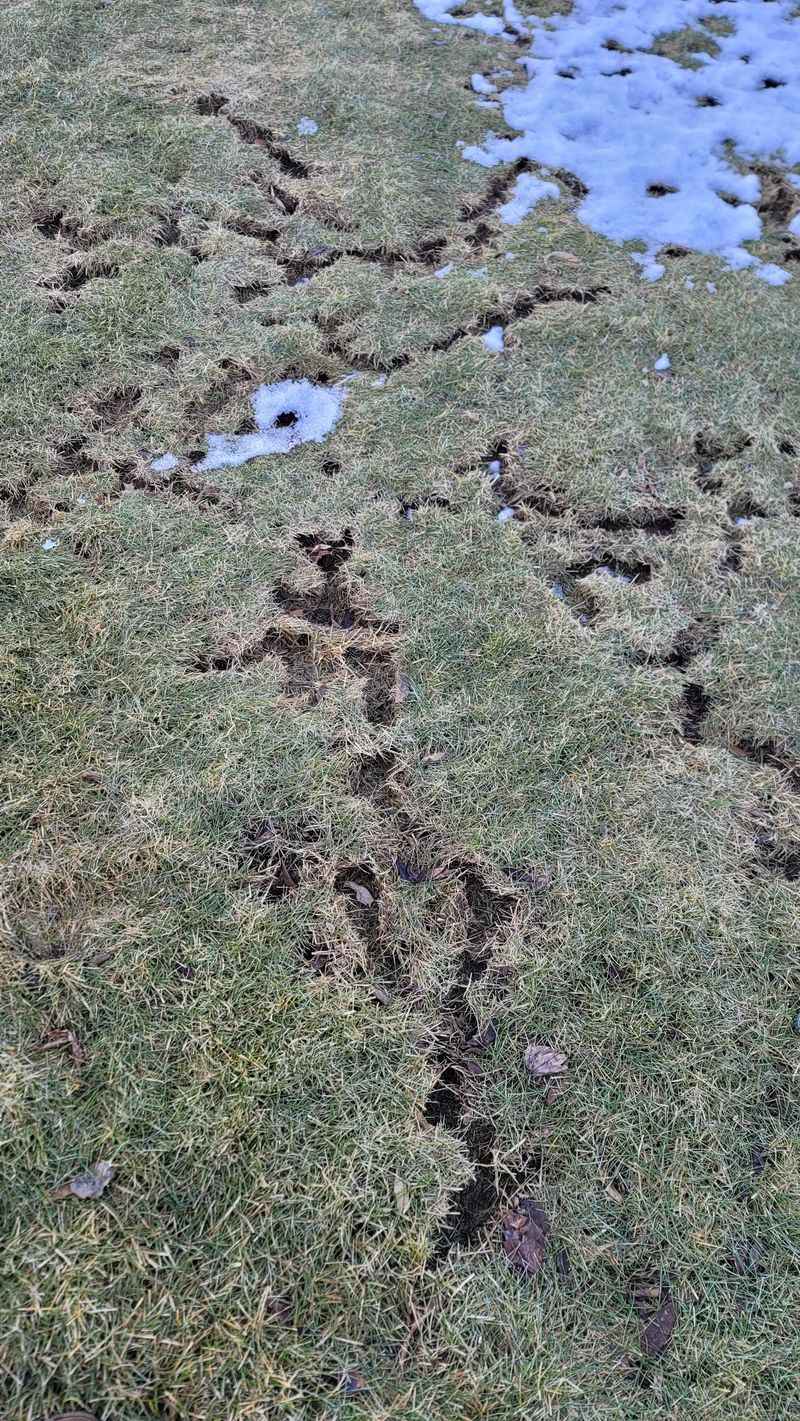
The last mow of the year does more than tidy things up. A properly timed final mow keeps grass from becoming excessively tall and matted under snow, reducing the sheltered conditions voles prefer.
Once snow falls, voles travel and feed underneath it, hidden from predators and from you. Tall grass under that snow gives them extra room to hide and munch.
Close mowing in the fall flattens their world. With less standing cover, voles have fewer safe routes to reach your trees.
Focus on the areas around mulch beds and tree bases where damage tends to happen. Short grass there means an exposed approach that voles avoid.
This trick pairs perfectly with pulling mulch back and cleaning up debris. Together they leave voles with almost no hidden path to the bark.
You do not have to scalp the whole lawn. Just make that final cut shorter than usual near your trees and beds.
Come spring, you are far less likely to find winding runways and chewed bark. A quick fall mow is one of the easiest, cheapest habits for protecting Ohio trees from voles hiding under the snow.
9. Refreshing Mulch Without Removing Old Layers
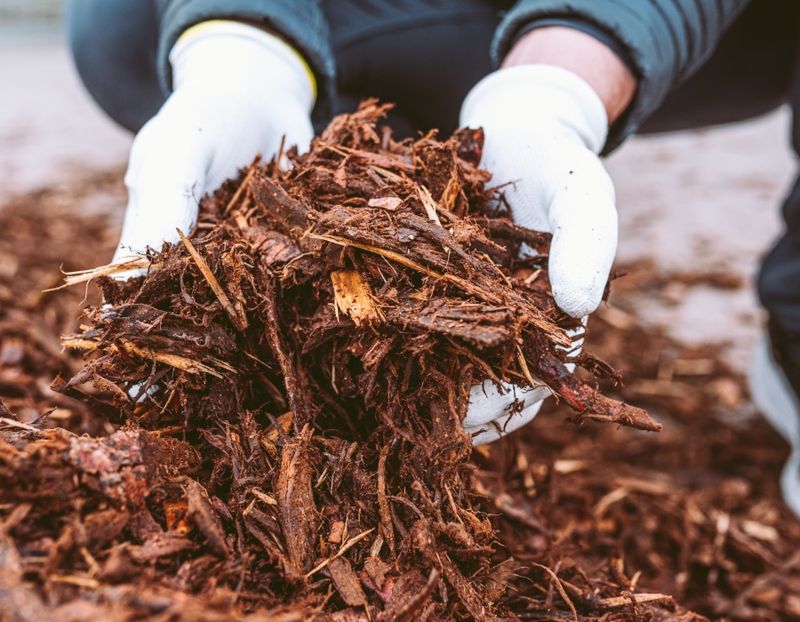
Adding fresh mulch every spring feels like good care, but stacking it on old layers quietly builds a vole paradise. Year after year, the pile just gets deeper.
All that buildup can climb well past the safe 4-inch mark. The extra depth gives voles thick, insulated cover to tunnel and nest in.
Old, compacted mulch also traps moisture and blocks air from the roots. So the tree suffers while the voles thrive.
Before adding new mulch, rake back and remove some of the old material. Check the total depth and keep it in the 2 to 4 inch range.
You may find you do not need new mulch every year at all. Sometimes just fluffing the existing layer is enough.
This habit gives you a chance to inspect the trunk zone too. You can spot chewing, pull mulch back, and reshape the donut all in one visit.
Keeping the layer thin and fresh looks great and starves voles of the deep cover they want. A little raking each season keeps both your trees and your mulch beds in far better shape than endless piling ever could.
10. Letting Ground Cover Creep Into Mulch
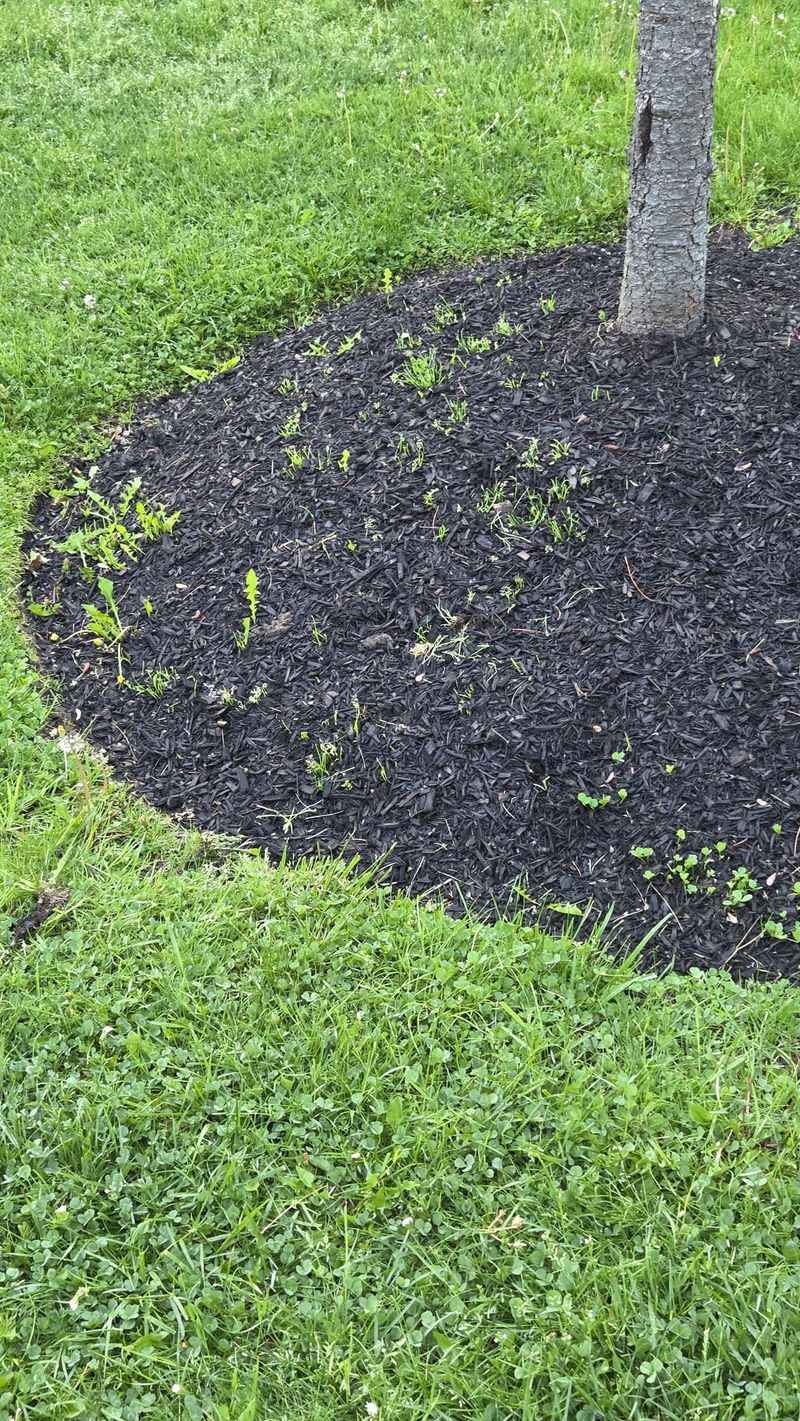
Pretty ground cover plants can hide an ugly problem. When dense plantings creep into mulch near trees, they add a second layer of cover that voles adore.
Thick vegetation gives voles food and protection at the same time. Combined with mulch, it creates the exact conditions that boost vole populations.
Voles feed on grasses, roots, and bulbs, and lush ground cover offers all of that within easy reach. They can eat and hide without ever leaving safety.
Keeping ground cover trimmed back from tree bases removes this bonus shelter. Leave open space between the plants and the trunk zone.
Removing extra weeds and creeping growth around cultivated areas cuts down suitable vole habitat too. The tidier the base, the less appealing it becomes.
You can still enjoy ground cover in your yard. Just keep it away from the trees you most want to protect.
This balance lets you have a beautiful landscape without rolling out the red carpet for rodents. Pulling back the plants near your trunks, along with shallow mulch and open soil, sends voles a clear message that your Ohio trees are not an easy target.
11. Overlooking Vole Runways in the Mulch
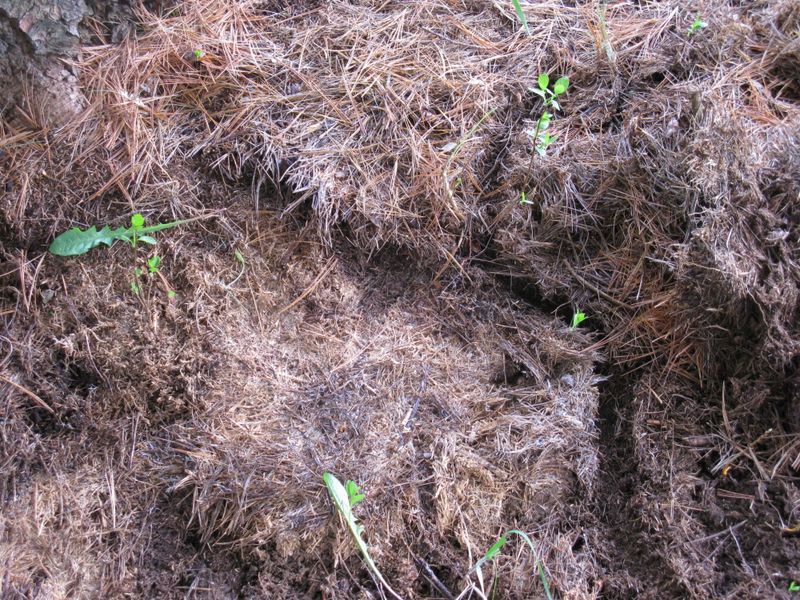
Voles leave clues, and mulch beds are where you will often find them. Winding surface trails and small tunnel holes are signs voles have already moved in.
These runways connect their burrows to food sources like your tree roots and bark. Spotting them early lets you act before serious damage happens.
The pathways look like narrow, cleared trails snaking through the mulch. You might also see quarter-sized holes leading underground.
When you notice these signs, pull the mulch back and inspect the trunk for gnaw marks. Those marks are tiny and often appear in irregular patches near the soil.
Reducing mulch depth and clearing nearby cover makes the area less friendly right away. Voles that lose their runways often relocate.
Checking mulch beds a few times a year turns you into an early warning system. Catching one runway can save a tree from being girdled.
Ohio voles stay active every season, so these trails can show up anytime. The sooner you find them, the easier they are to deal with.
A quick peek under the mulch now and then is one of the smartest habits a tree-loving gardener can build.
12. Choosing Cover Over Clear Space
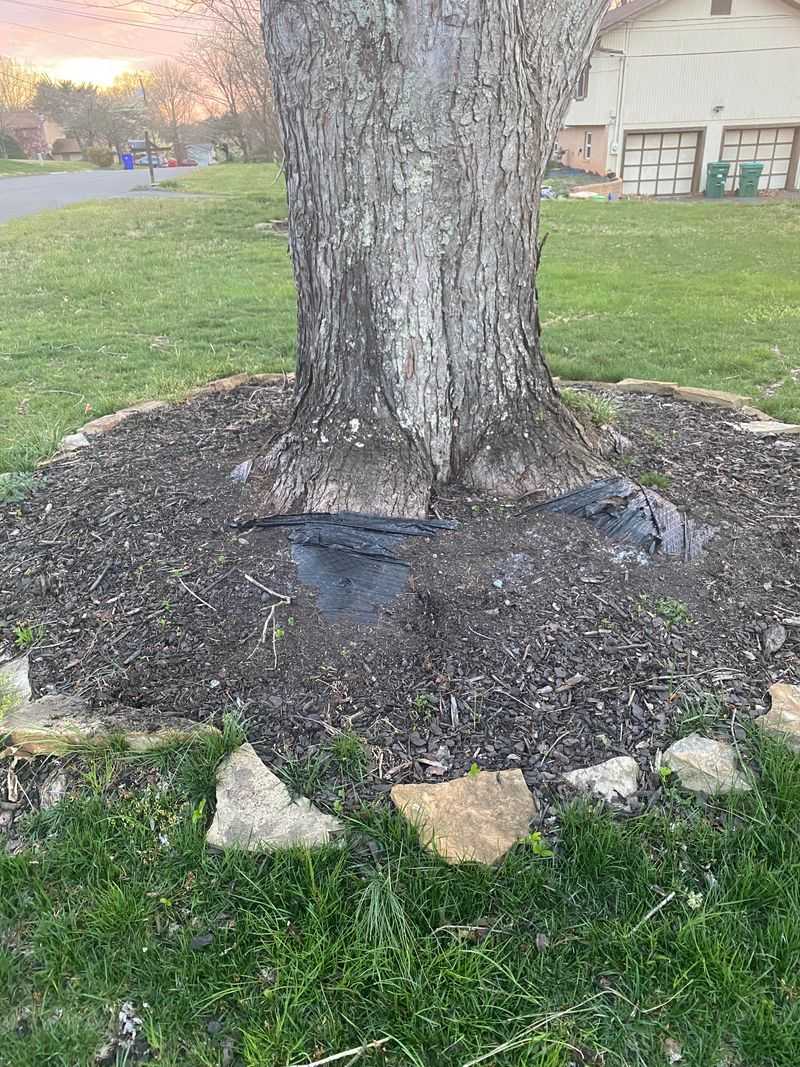
At the heart of the whole vole problem is one choice: cover versus clear space. Voles need hidden ground, and clear space is their biggest enemy.
Every habit that adds cover, from deep mulch to piled leaves, makes voles feel safe. Every bit of open, exposed ground makes them feel hunted.
Predators like hawks, foxes, and snakes rely on spotting voles in the open. When you give them clear sightlines, nature helps do your pest control for free.
Keeping a ring of bare soil around trunks, mowing short, and clearing debris all work by removing cover. Simple actions add up to real protection.
Think of clear space as your main tool. Whenever you are unsure what to do, choose the option that leaves less hiding room for voles.
This mindset makes tree care easier because the rules become obvious. Less cover near trunks equals safer trees, plain and simple.
Our winters are long, and voles are persistent, but reducing their cover makes your trees less attractive and harder for them to reach. By valuing open ground over cozy cover, you protect your young trees season after season.
That single shift in thinking may be the most important mulch habit of all.