Underrated Habits Georgia Gardeners Use To Keep Stink Bugs Off Tomatoes
Georgia summers smell like warm soil, cut grass, and the sweet green scent of a tomato patch at sunrise. Somewhere in that beautiful mess, trouble is quietly moving in.
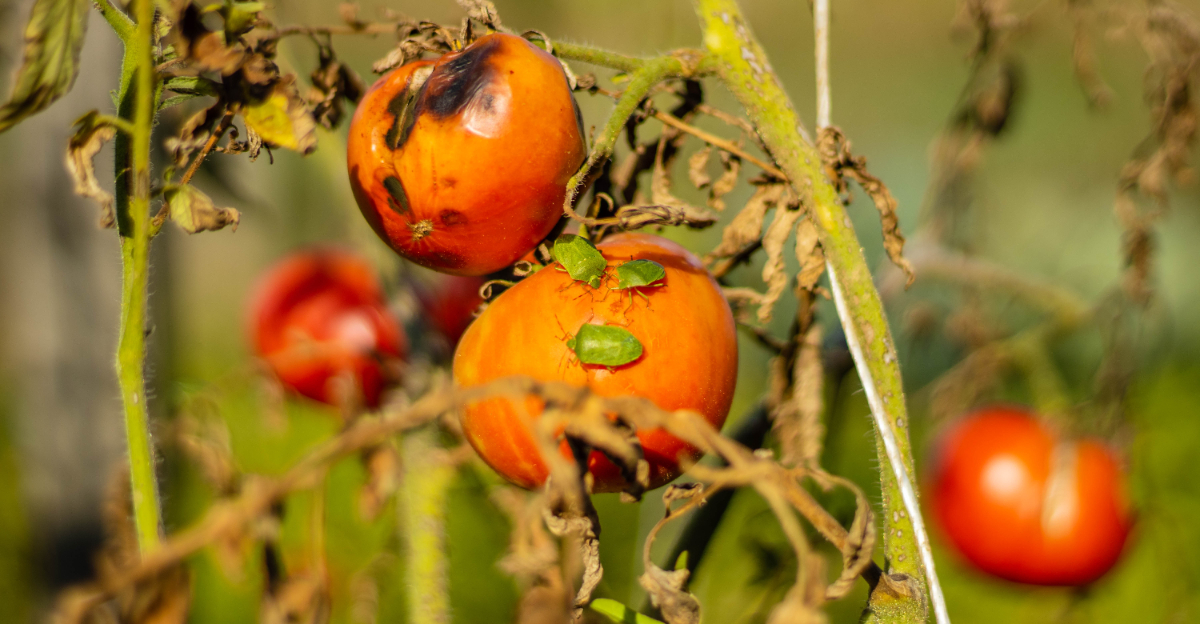
You probably will not see it right away. You will see the evidence later, when a gorgeous red fruit gets sliced open and something looks off, or when a cluster of small shield-shaped visitors shows up on the leaves overnight.
Most gardeners reach for a spray bottle the moment that happens. The ones with the prettiest tomatoes in the county rarely bother, because they handled the problem weeks earlier with a few simpler, far cheaper moves built into their regular routine.
These are small habits, done at the right time, in the right spots around the garden. Learn where to look and what to do with what you find, and the whole season shifts.
1. Morning Scouting Walks Along The Tomato Rows
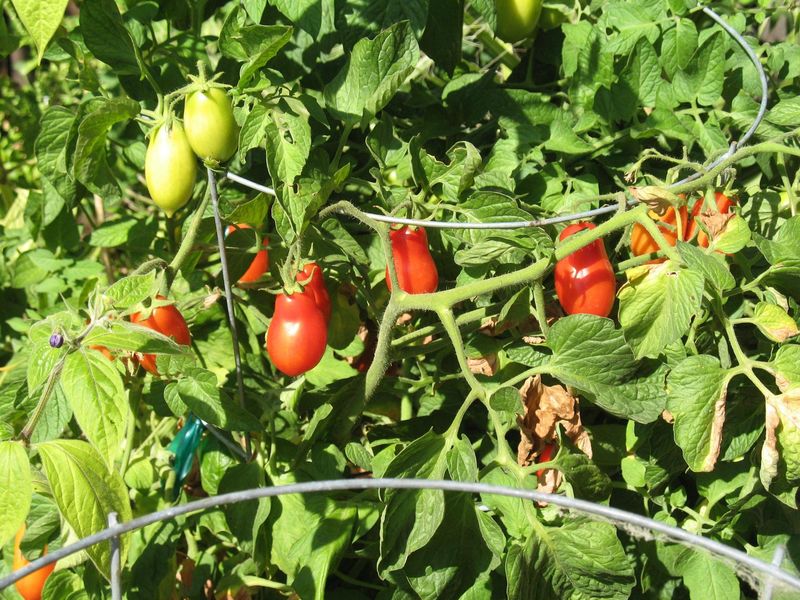
Here is the habit nobody brags about at the farmers market: a slow, five-minute walk through the tomato rows before the sun gets mean. It costs nothing and catches problems while they are still small.
Stink bugs move sluggishly in cool morning air, so between about 7 and 9 a.m. they are much easier to spot and pick off. Later in the day, they scatter to the shady interior of the plant or drop to the ground when you brush a stem.
Walk each row with your eyes at fruit level, then bend and look up at the undersides of leaves. Green stink bugs blend in beautifully, so scan for their shield shape and the flat, straight edges of their bodies.
Check the top clusters too, because they favor fruit that is just starting to blush. Any bug you remove in June is a bug that is not laying eggs in July.
Keep a small bucket of soapy water with you and flick what you find right into it. No sprays, no drift, no waiting period before harvest.
Georgia gardeners deal with several generations of these insects during a long, humid season, which is exactly why the daily glance matters more than any single treatment. Consistency beats intensity here.
Try pairing the walk with something you already do, like letting the dog out or watering containers. Habits that ride along with other habits tend to stick around.
2. Flipping Leaves To Find Egg Clusters Early
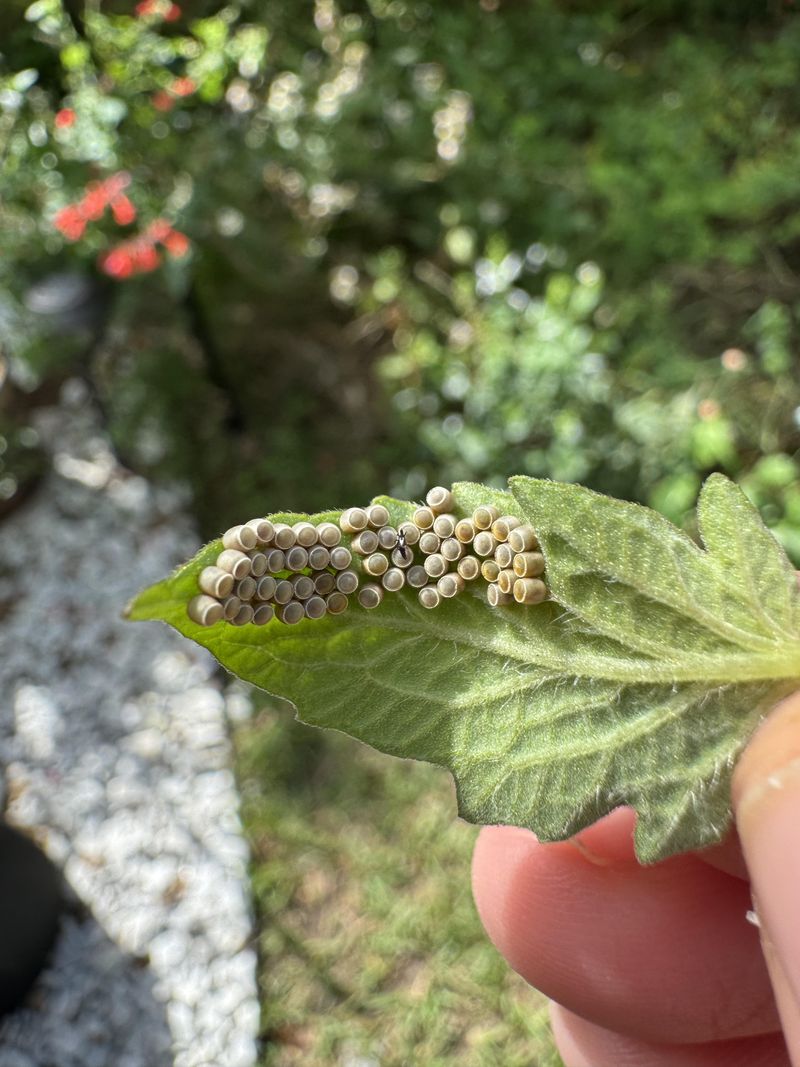
Eggs are the whole ballgame. One cluster can hold dozens of future fruit-piercing mouths, and you can remove all of them with a single pinch of a leaf.
Stink bug eggs look like tiny barrels lined up in neat rows, often pale cream, greenish, or faintly pink, glued tight to the underside of a leaf. Once you spot your first batch, you will recognize them instantly forever.
Focus on the middle third of the plant where leaves are broad and shaded. Turn leaves gently with your palm rather than yanking them, since tomato stems bruise easily.
When you find a cluster, snip the leaf and drop it in soapy water or seal it in a bag. Squishing works too, though the smell earns these insects their reputation.
Your Georgia Garden Changes Every Week. Your Plan Should Too.
Gardening in Georgia changes quickly throughout the season. Every Friday you’ll receive a simple weekly plan showing exactly what to plant, prune, fertilize, harvest, and protect so you never miss the right timing.
Look closely before you destroy anything, because some eggs turn out to be from beneficial insects. Lady beetle eggs stand upright in loose yellow-orange spindles, and lacewing eggs sit on thin threadlike stalks.
You may also see clusters with tiny round holes in them. That means a parasitic wasp already beat you to it, and those you should leave alone as free labor.
Aim for a leaf-flipping session twice a week during peak fruit set, roughly late May through August in most of Georgia. Ten minutes of careful looking usually removes more pests than a whole afternoon of chasing adults around the garden.
3. Clearing Weedy Edges Where Bugs Wait
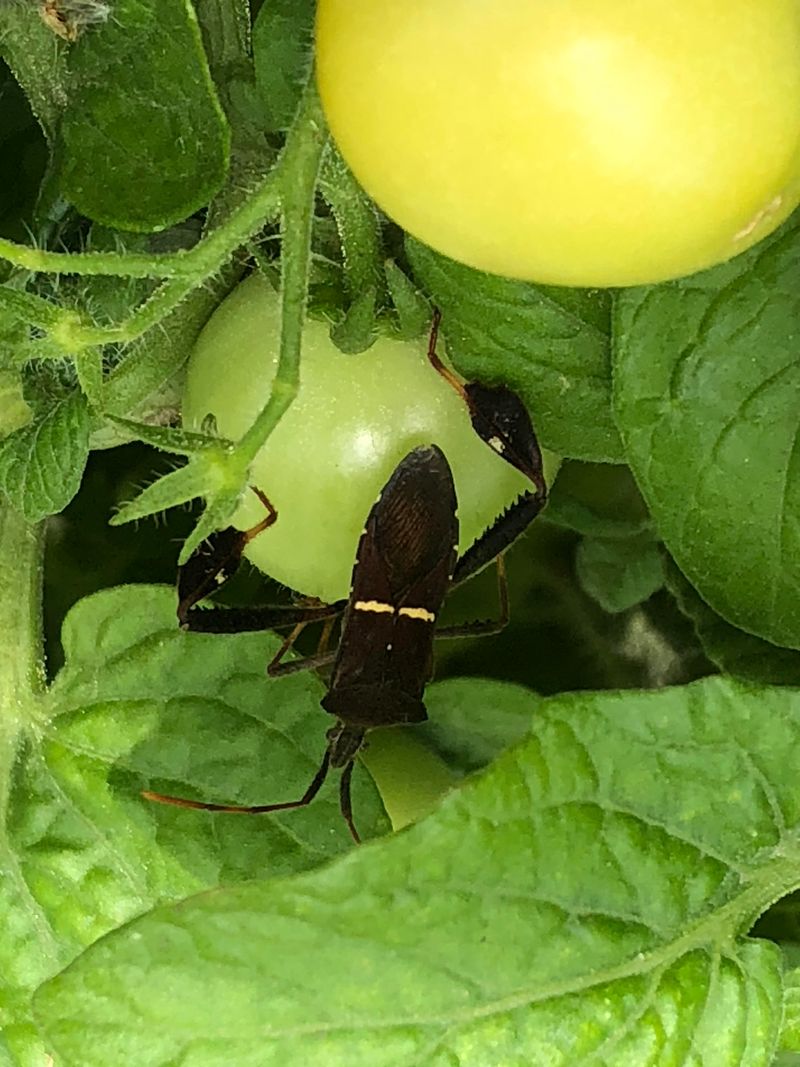
Think of the weedy fence line as a waiting room. Stink bugs gather in tall grass, blackberry brambles, pigweed, and wild mustard, then stroll over the moment your tomatoes start setting fruit.
Mowing and trimming a buffer of a few feet around the garden takes away that staging area. It also cuts down on the ragweed and curly dock seedheads these insects love to feed on.
Timing matters more than people expect. Mowing a big weedy patch right beside ripening tomatoes can push bugs straight into your beds, so trim early in the season or in stages rather than all at once.
Pay attention to pokeweed and wild cherry along fence rows, both common across Georgia and both favorite hangouts. Kudzu patches nearby deserve a wary eye as well.
Not every wild plant needs to go, though. Flowering borders with dill, cosmos, or yarrow bring in predatory wasps and assassin bugs that hunt pest eggs and nymphs for you.
The trick is separating messy pest habitat from purposeful pollinator habitat. Keep flowers close and keep rank, seedy weeds farther out.
Rake up fallen fruit and old vines too, since decaying tomatoes act like a dinner bell. A five-gallon bucket walk once a week handles it.
Gardeners who tidy their edges usually notice fewer bugs by midsummer without spraying anything. Neat borders are quietly one of the strongest defenses you own.
4. Picking Tomatoes A Little Earlier Than Usual
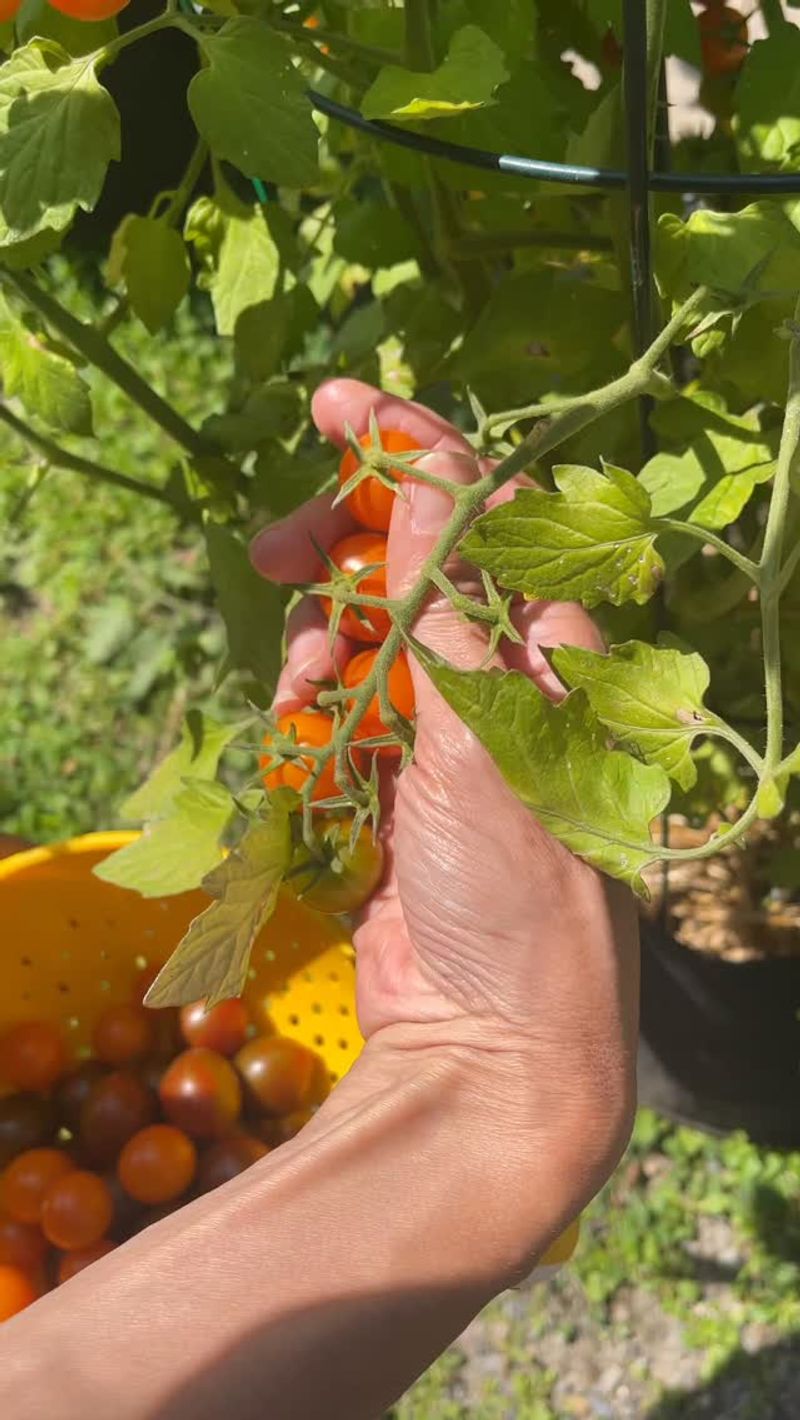
Vine-ripened sounds romantic until you cut into a beauty and find corky white spots under the skin. Stink bugs feed on fruit as it softens, and the longer that tomato hangs, the more chances they get.
Harvesting at the breaker stage, when the blossom end first shows a blush of pink, protects the fruit and barely changes the flavor. Tomatoes picked at that point ripen on the counter and taste nearly identical to fully vine-ripened ones.
Set them stem side up on a tray at room temperature, out of direct sun. Two to four days usually does it in a Georgia kitchen.
Skip the refrigerator during ripening, because cold air flattens the flavor compounds that make homegrown tomatoes worth the trouble. Chill only after they are fully ripe, if you must.
Frequent picking helps in another sneaky way. Every trip out with a basket doubles as another scouting round, and you naturally spot bugs and eggs while your hands are already in the foliage.
Cherry and grape types get hit hard too, so gather them every day or two once they start coloring. Small fruit shows damage as dimples and cloudy streaks.
Do not leave split or overripe fruit on the vine as bait. Pull it, bury it deep in a hot compost pile, or bag it.
Earlier picking is such a plain suggestion that most people ignore it, and then wonder why the neighbor’s tomatoes look flawless.
5. Growing A Trap Crop Of Sunflowers Or Sorghum
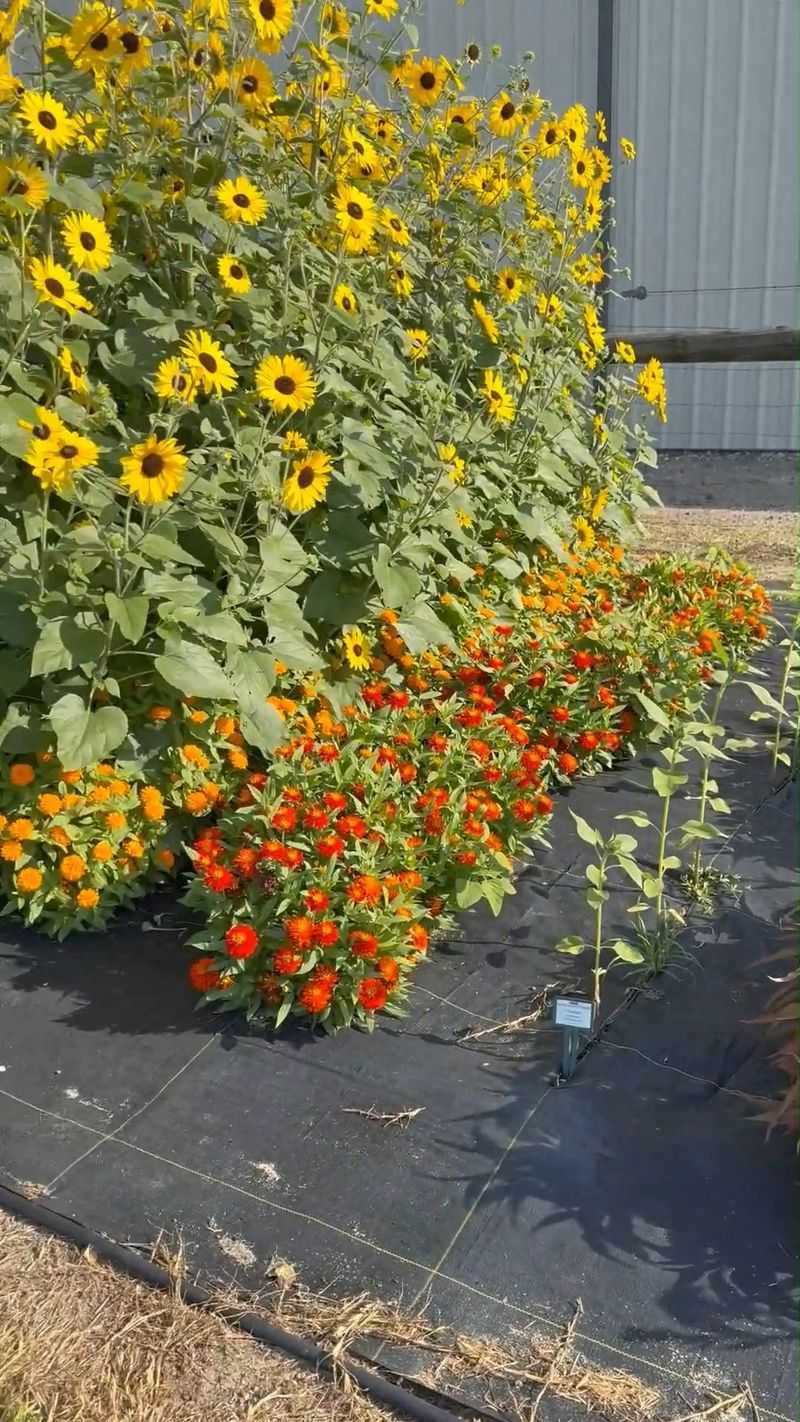
Bugs have preferences, and honestly, sunflower seedheads often win out over tomatoes on their menu. Planting a decoy row gives them somewhere else to go.
Sunflowers, grain sorghum, millet, and okra all tend to pull stink bugs their way. Set them 10 to 20 feet from the tomato patch, preferably on the side where weeds or woods begin.
Stagger the planting so something is heading up during the weeks your tomatoes ripen. In much of Georgia, that means sowing sunflowers in April and again in late May.
Here is the part folks forget: a trap crop only works if you actually deal with the crowd it gathers. Check those heads every few days and shake bugs into a bucket of soapy water, or vacuum them off with a cheap handheld unit.
Left unmanaged, a decoy row can turn into a nursery that raises more pests for your garden. Attention makes the difference between a tool and a trap for yourself.
Sunflowers throw in some bonus perks. Pollinators love them, goldfinches will visit in fall, and the tall stalks give a little afternoon shade to lettuce or herbs planted on their east side.
Sorghum works well for gardeners with more room and doubles as a source of dry stalks for compost. Okra earns its spot by feeding you dinner while it stands guard.
Give the decoy strip a name in your garden plan, and you will start treating it like the useful teammate it is.
6. Sealing The Season With A Fall Cleanup
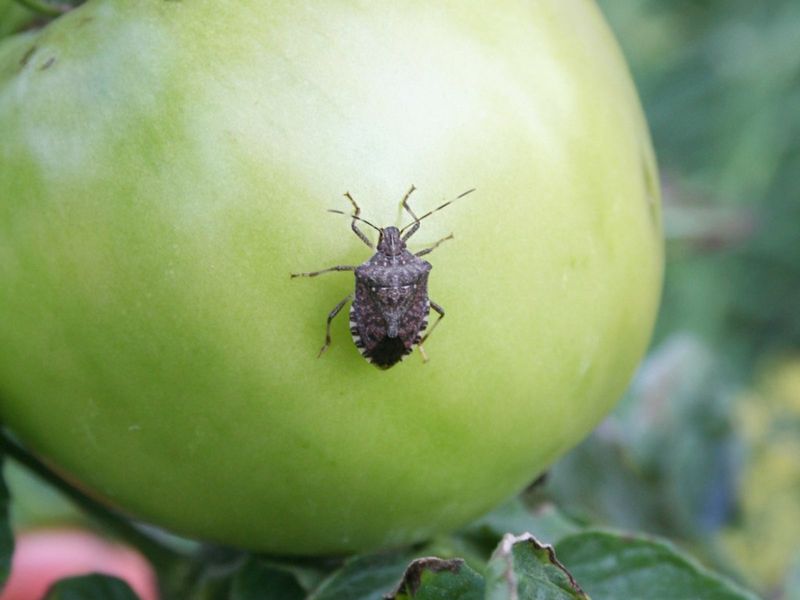
What you do in October shapes how rough next June feels. Stink bugs overwinter as adults tucked under leaf litter, loose bark, boards, and yes, the vine skeletons you meant to pull.
Clearing spent tomato plants, stakes, and mulch piles removes those cozy hideouts. It is not glamorous work, but it thins next spring’s starting population.
Pull vines out rather than tilling them under, then compost them in a hot, active pile or haul them off. Old fruit left on the soil surface invites both insects and disease spores to stick around.
Wipe down and store stakes, cages, and trellis panels somewhere dry. Stacked wood right beside the garden makes a five-star winter hotel.
Give the beds a cover crop instead of bare dirt. Crimson clover, cereal rye, or Austrian winter peas planted in October across Georgia hold soil, feed earthworms, and can be turned in come March.
Rake heavy leaf drifts away from garden edges, though leaving some in a far corner supports fireflies and native bees. Balance beats bare ground.
Check your house too, since brown marmorated stink bugs squeeze into siding gaps and window frames when nights cool off. Caulk and screen repairs keep them outdoors where they belong.
Come spring, gardens that got a proper fall reset tend to start clean. You will notice the difference in your very first tomato harvest.
7. Letting Tiny Wasps And Predators Do The Hunting
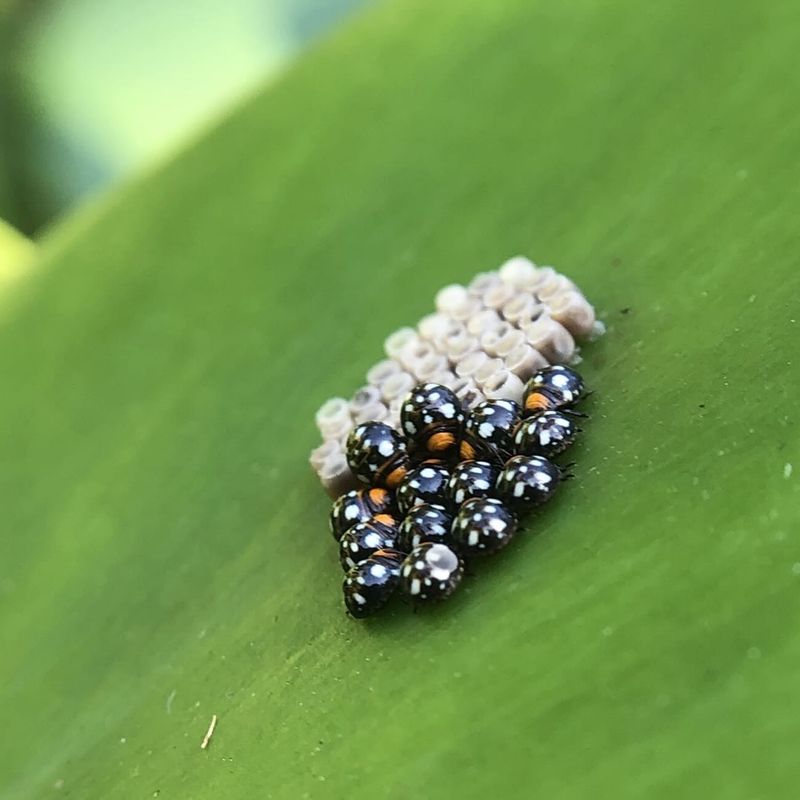
Somewhere in your garden right now, a wasp smaller than a sesame seed is searching for pest eggs. Trissolcus and Telenomus species lay their own eggs inside stink bug eggs, and the results are quietly dramatic.
Spined soldier bugs, which look almost identical to pest stink bugs except for their sharp shoulder points, hunt caterpillars and nymphs. Learning to tell them apart saves you from squashing an ally.
Assassin bugs, big-eyed bugs, minute pirate bugs, lacewing larvae, and paper wasps all pitch in. Even Carolina wrens and lizards patrolling your beds count as help.
Broad-spectrum insecticides knock out these helpers faster than they knock out the pests, and the pests bounce back first. That gap is when infestations explode.
Feed your allies instead. Small-flowered plants like dill, fennel, cilantro, buckwheat, alyssum, and yarrow supply the nectar adult wasps need, and they thrive in Georgia’s spring and fall windows.
Leave a shallow water dish with a few stones in it during dry August stretches. Thirsty predators stay when water is easy.
Watch for egg clusters that look darkened or show pinhole exits, a sign parasites already got to them. Leave those leaves right where they are.
Gardens with a diverse insect crowd rarely get wrecked by any single pest. Building that crowd takes a season or two of patience, then it mostly runs itself while you sit back and enjoy your BLTs.
8. Using Row Cover Early, Then Opening Up For Bees
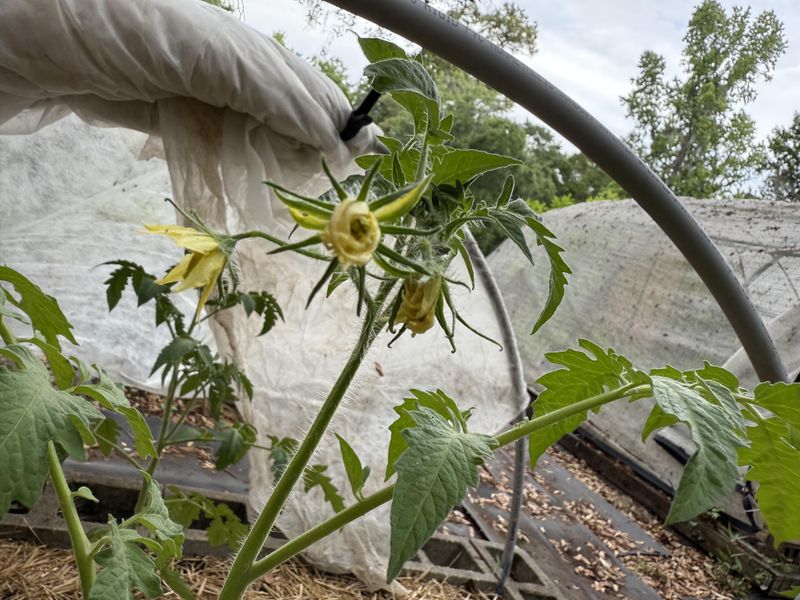
Lightweight floating row cover is basically a screen door for your seedlings. Draped over hoops, it helps keep stink bugs, flea beetles, and hornworm moths away from young plants.
Set it up right after transplanting in April, tucking the edges under soil or pinning them with landscape staples. Gaps are where the trouble sneaks in, so seal the perimeter carefully.
Choose the thinnest fabric you can find, since Georgia heat builds fast under cover. On days above the mid 80s, vent the ends or switch to insect netting with a looser weave.
Once flowers appear, roll the cover back. Tomatoes are mostly self-pollinating, but bumblebees shaking the blossoms noticeably improve fruit size and set.
Some gardeners keep cover on cherry tomatoes longer and hand-pollinate with a soft brush or an electric toothbrush pressed to the flower stem. Sounds odd, works well.
The early protection window matters because it gets plants big and vigorous before pest pressure peaks. Strong plants shrug off a few bug punctures far better than stressed, stunted ones.
Store the fabric folded in a dry bin at season’s end and it will last three or four years. Cheap insurance for the cost of a couple of tomato plants.
Pair covers with your morning scouting once they come off, and you have layered two low-effort habits that back each other up nicely.