New Sod Laid This Late In Georgia Faces A Winter Test Some Grasses Fail
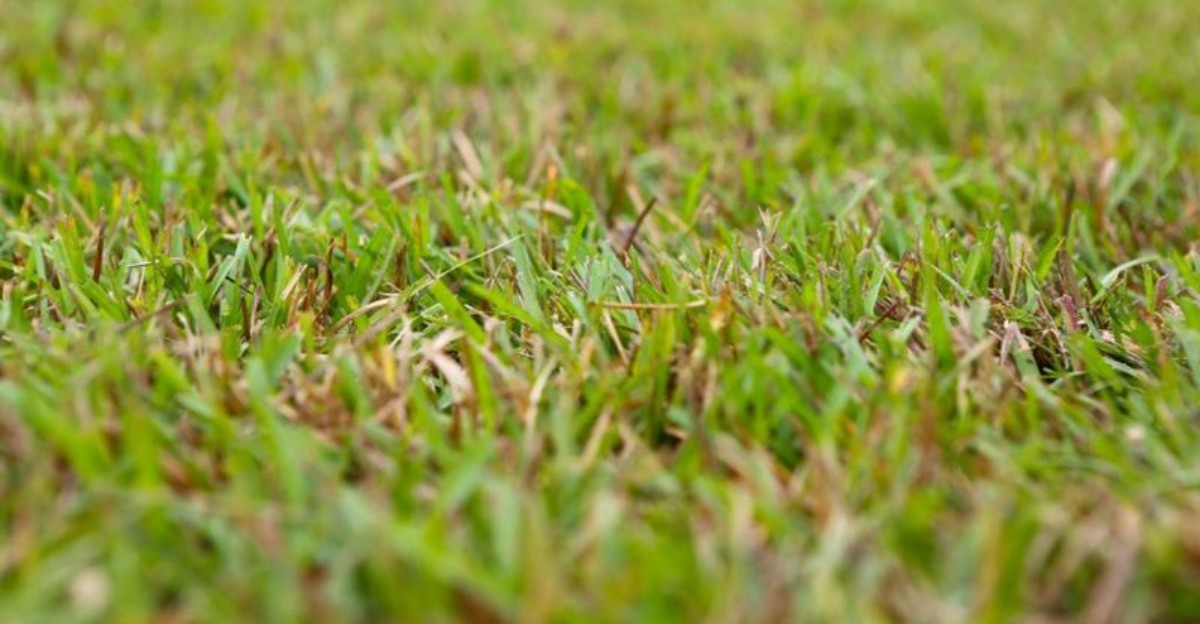
Fresh sod laid in October can look perfect for the first few weeks, with tight seams and bright green blades.
What happens underground matters more than how it looks. Warm-season grasses slow down as the weather cools, and new sod may not root deeply before dormancy sets in across Georgia.
Without a solid root system, the grass has a harder time surviving cold snaps and dry winter winds.
Some types handle late planting better than others, and the difference can show up as bare patches next spring.
Cool-season sod follows a different schedule entirely, since fall is its main growing season. Mixing up the two can lead to costly surprises.
Lift a corner of your newest sod in a week or two and see whether roots are gripping the soil.
1. Fresh Sod Faces A Different Challenge When Cold Weather Is Close
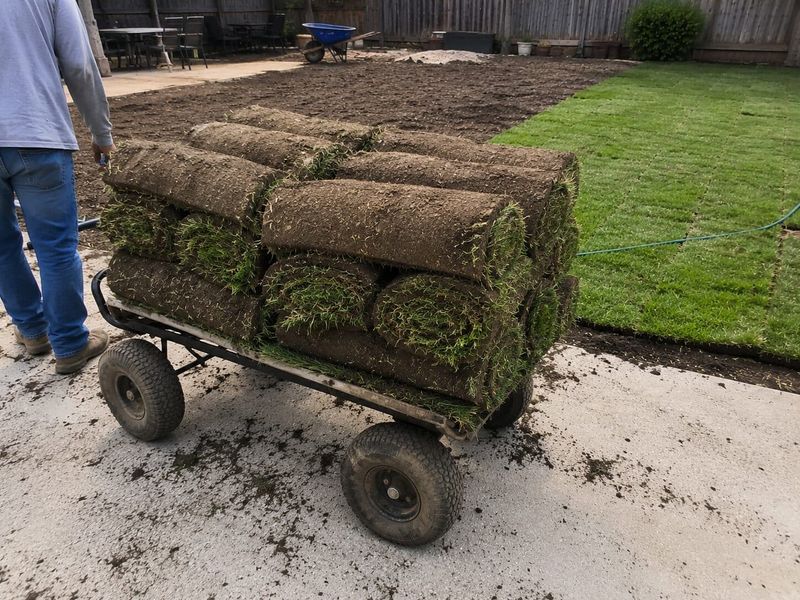
Timing changes everything with new sod. A lawn laid in late spring has months of warm soil ahead, but a late fall lawn gets only a short window.
Sod arrives with very short roots because it was cut from a farm field.
Until those roots grow down into your soil, the grass leans on the thin layer of soil it came with. Cold weather can slow that rooting process, which leaves the sod more exposed to drying winds and frost.
In Georgia, the risk is not the same in every yard.
North Georgia and the mountains usually see colder nights and earlier frost than the Coastal Plain. A late planting in Blairsville faces a tougher winter than one in Valdosta, though any year can bring surprises.
Shallow-rooted sod may also lift or shift if the ground freezes and thaws repeatedly.
Pieces with gaps between them tend to dry out along the edges. Pushing seams tightly together when you lay the sod can help reduce that problem.
Your grass type matters as much as the calendar.
Cool-season grasses handle late planting better, while warm-season grasses are heading toward their resting period. Checking with your local county Extension office can help you match timing to your area and turf choice.
2. Root Growth Slows As Warm Season Grasses Move Toward Dormancy
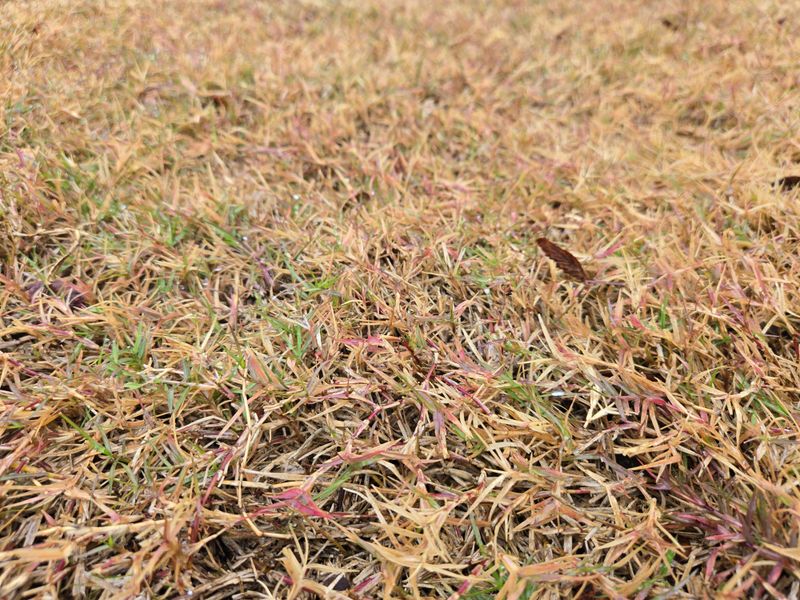
Shorter days send a clear signal to warm-season grass. As soil temperatures drop in fall, Bermudagrass, zoysiagrass, centipedegrass, and St. Augustinegrass gradually slow their growth.
Above ground, you may notice the blades turning tan or straw colored.
That color change is normal dormancy, not a sign of failure by itself. Below ground, root growth also slows, and that is the bigger concern for brand new sod.
Roots need warm soil to push deep and spread.
When sod goes dormant before it anchors well, it enters winter with a weak connection to the ground. Exact soil temperatures that trigger dormancy vary by grass type and variety, so watch your lawn rather than a single date.
A simple test can tell you a lot.
Gently tug on a corner of the sod a few weeks after laying it. If it lifts easily, the roots have not knitted in much yet, and extra care through winter makes sense.
Your Georgia Garden Changes Every Week. Your Plan Should Too.
Gardening in Georgia changes quickly throughout the season. Every Friday you’ll receive a simple weekly plan showing exactly what to plant, prune, fertilize, harvest, and protect so you never miss the right timing.
Fertilizing warm-season sod heavily in late fall is generally not recommended in Georgia.
Extra nitrogen late in the year can push tender growth that may be more prone to cold injury. Many Extension guides suggest waiting until the grass greens up in spring before feeding again.
3. Bermudagrass Has Less Time To Establish Before Winter Arrives
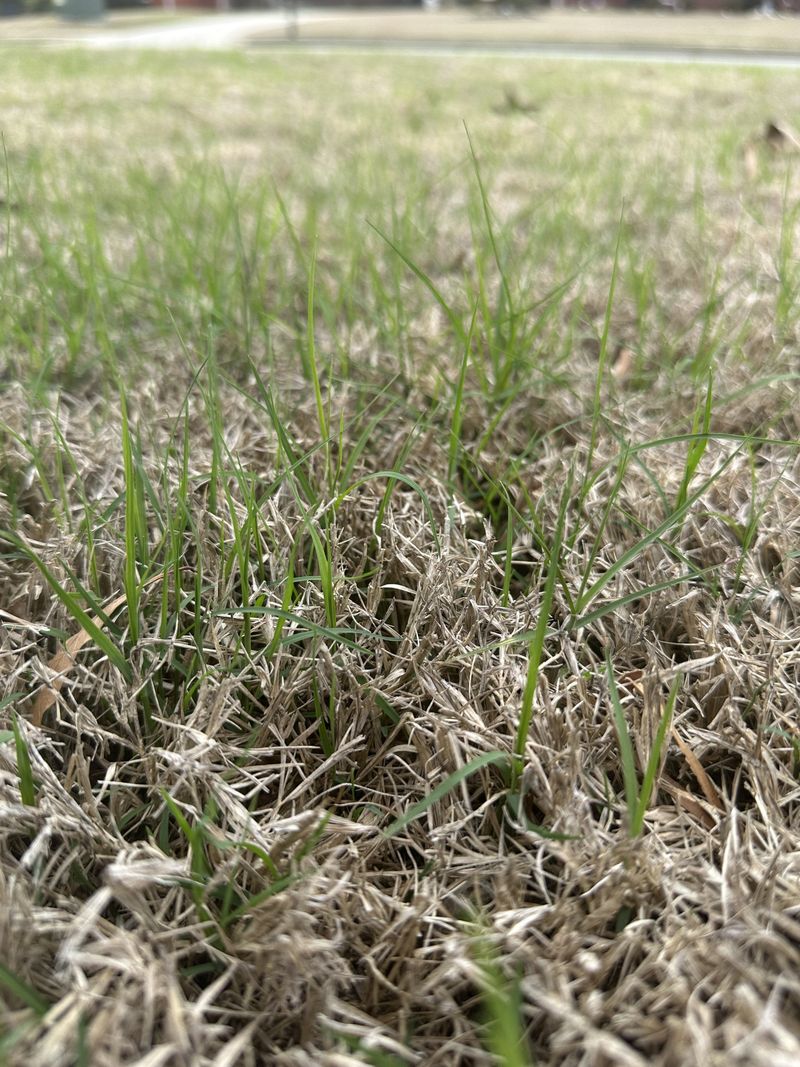
Bermudagrass loves heat, and that strength turns into a weakness in late fall. It grows fast in summer sun but slows sharply once cool weather sets in.
Sod laid in early fall still has some warm weeks to root.
Sod laid closer to the first frost may barely establish before it goes dormant. University of Georgia Extension generally recommends planting warm-season sod during the warmer growing months for that reason.
So what happens to late Bermudagrass sod over winter?
In many Georgia yards, it pulls through and greens up in spring. Still, poorly rooted sod has a higher chance of winter injury, especially during dry cold spells or in colder northern areas.
Shade adds another layer of trouble.
Bermudagrass performs poorly in shady spots, and weak sod in shade may thin out over winter. If your yard has heavy shade, a different grass may suit it better.
Some homeowners consider overseeding new Bermudagrass sod with ryegrass for winter color.
Doing so on freshly laid sod can add competition while the base grass is still weak, so many turf experts advise caution. Waiting a season before overseeding is often the safer route.
4. Tall Fescue Remains Active During The Cooler Growing Season
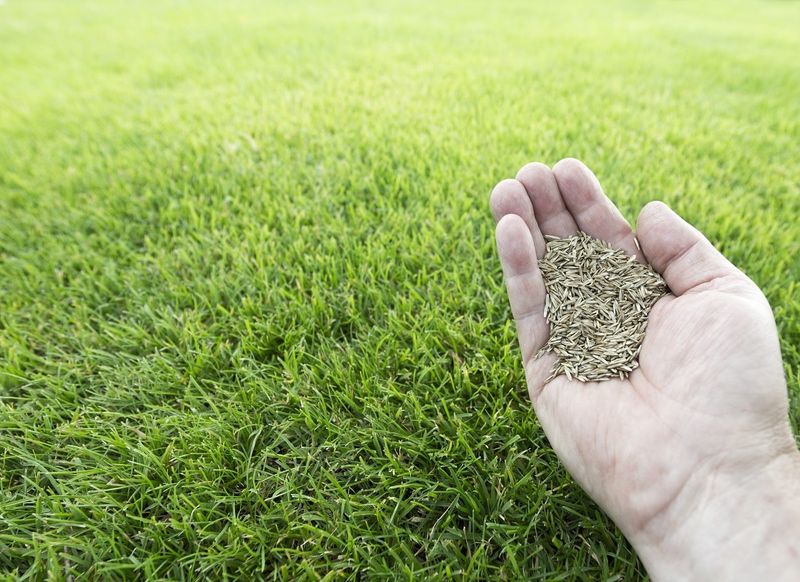
Cool weather that slows Bermudagrass actually suits tall fescue. As a cool-season grass, it tends to grow well in fall and spring when temperatures are mild.
Fall is often considered the preferred planting time for tall fescue in the Piedmont and mountain regions.
Roots can keep developing through autumn and into milder winter stretches. That gives fescue sod a better chance to settle in before summer heat returns.
Location still matters here.
Tall fescue is best suited to north Georgia, where summers are a bit cooler. In the hot, humid southern half of Georgia, it often struggles in summer, so it is not a great fit there.
Even active fescue needs basic care after installation.
Keep the soil moist while roots form, and avoid heavy foot traffic for a few weeks. Mowing can usually begin once the sod is firmly rooted and the blades reach a normal mowing height.
Late planting is not risk free for fescue either.
Sod laid very late in fall may not root as deeply before winter, and an unusually hard freeze can still cause some damage. Planting earlier in the fall season usually gives the strongest start.
5. Good Soil Contact Helps New Roots Move Into The Ground
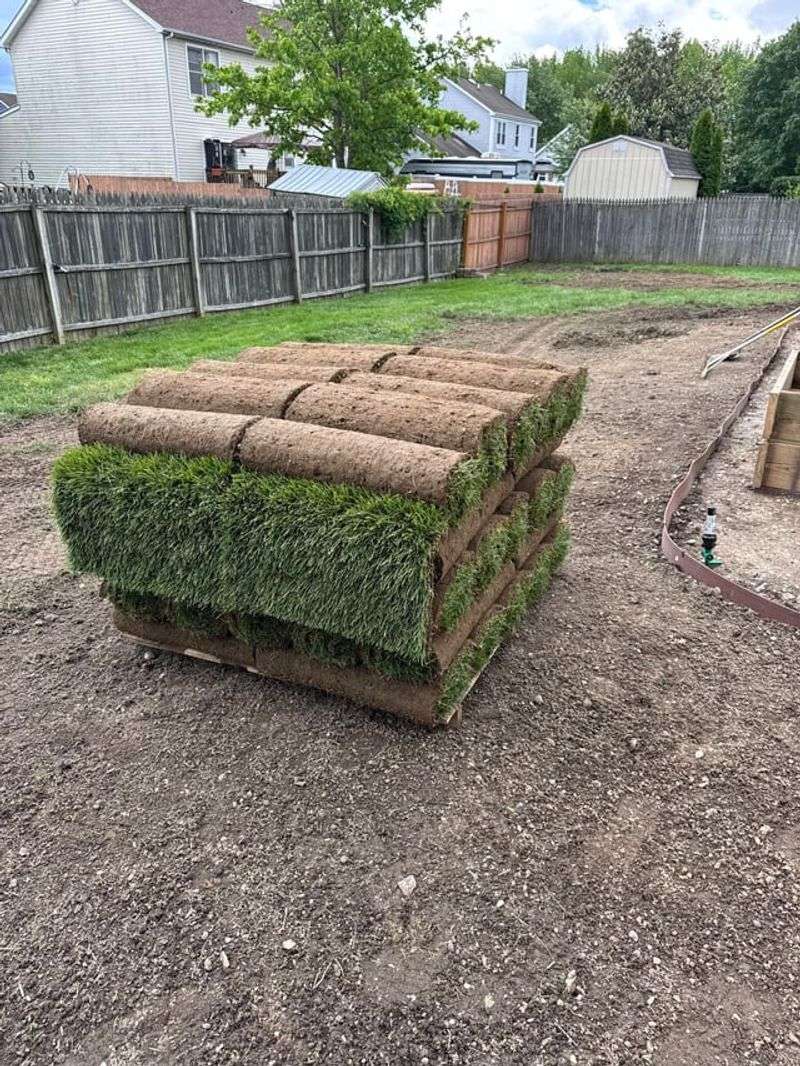
Air pockets are quiet enemies of new sod. Roots cannot grow into soil they never touch, so firm contact between sod and ground is a big deal.
Preparation starts before the first roll goes down.
Clear away old grass, rocks, and debris, then loosen the top few inches of soil. A soil test through your county Extension office can show whether lime or nutrients are needed.
Red clay is common across much of Georgia, and it can pack down hard.
Loosening compacted clay helps young roots push in more easily. Rake the surface smooth so the sod lies flat without humps or low spots.
After laying the pieces, roll the area with a lawn roller.
Rolling presses the sod against the soil and removes trapped air. Many rental shops carry rollers, and filling one partway with water is usually enough weight.
Edges and seams deserve extra attention.
Stagger the pieces like bricks and push the ends tightly together. Small gaps can dry out fast in cool, windy weather, and filling them with a little soil may help.
Slopes bring their own trouble. On steep spots, sod staples can keep pieces from sliding until the roots grab hold.
6. Watering Still Matters Even When Cooler Weather Reduces Demand
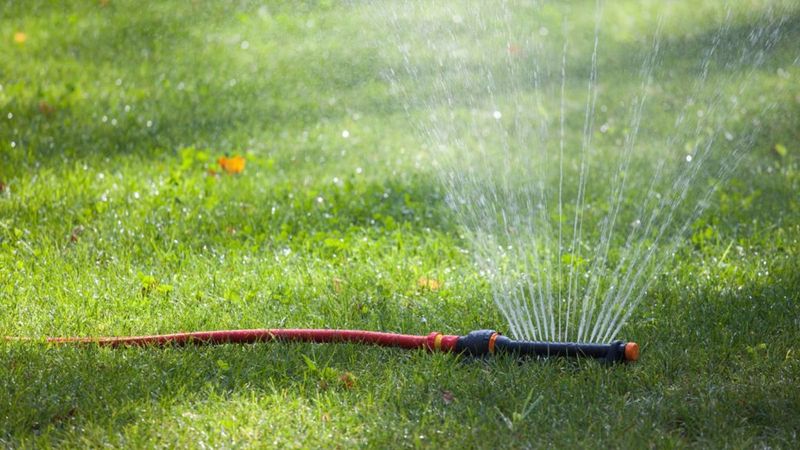
Cool air fools plenty of homeowners into putting the hose away. New sod still dries out, especially during breezy, sunny fall days with low humidity.
Right after installation, the sod and the soil beneath it need a thorough soaking.
Lift a corner and check that water has reached the ground underneath. If only the sod layer is wet, roots have little reason to grow downward.
Over the next couple of weeks, keep the soil consistently moist but not soggy.
Less water is usually needed than in summer because evaporation slows. How much depends on rainfall, soil type, sun exposure, and wind, so checking the soil beats following a fixed schedule.
Too much water causes problems too.
Soggy soil can limit oxygen to the roots and may encourage disease. Clay soils in Georgia tend to hold water longer, so they may need less frequent watering than sandy soils.
Morning is a good time to water.
Grass blades dry during the day, which can lower disease pressure. Watering late in the evening leaves the turf wet for hours.
Dry winter spells deserve a glance too. Dormant sod can still lose moisture, so occasional watering during long dry stretches may help.
7. Spring Growth Reveals How Well The New Turf Handled Winter
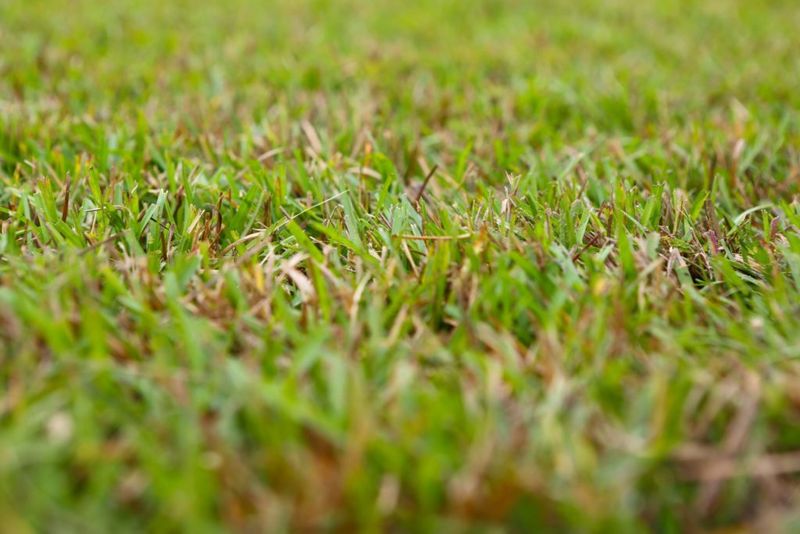
Spring tells the real story. Once soil warms, healthy warm-season sod should begin greening up, though timing varies by grass type, region, and weather.
Uneven green-up is fairly common in the first spring.
Some patches may wake up sooner than others, especially in sunny or sheltered spots. Give the lawn a few weeks before judging it too harshly.
Patches that stay brown well after the rest of the lawn has greened may have suffered winter injury.
Gently tug on those areas. Sod that lifts with no new white roots underneath likely did not survive, while firm sod with fresh shoots usually just needs time.
Small bare spots can sometimes fill in on their own.
Bermudagrass and zoysiagrass spread by runners, so they may cover gaps during the growing season. Larger losses may need patching with new sod once warm weather settles in.
Hold off on heavy fertilizing until the grass is actively growing.
Feeding too early in Georgia can favor weeds over turf. Your county Extension office can share timing that fits your grass and region.
Spring also offers lessons. Note which areas struggled, since shade, drainage, or traffic may explain the trouble.